do cats fart Happy Gas Insights

Ever think your cat is a silent ninja at home? Well, surprise, kitty toots are a real thing and they happen more often than you’d guess. These tiny puffs of happy gas slip out when gut bacteria (tiny belly helpers) break down food. They’re usually quiet and mild, but every now and then they sneak up on your nose (and your kitty).

In this chat, we’ll clear the air on why cats let one rip, peek inside their tummies (where all the bubbling action happens), and share simple tweaks to keep the stink to a minimum. It’s purr-fectly normal.

Do Cats Really Fart? The Definitive Answer
- Do Cats Really Fart The Definitive Answer.jpg

Yep, cats fart – who knew? They let one slip once or twice a day, um, even if most kitties keep it on the down low. Luckily, it’s usually so quiet you barely notice and it rarely smells bad.

Here’s the scoop on gas making (oops, let me rephrase). Food travels from your cat’s stomach and small intestine until it reaches the large intestine (that’s the big tube where final mixing happens). There, gut bacteria (tiny helpers in your cat’s belly) feast on leftover fibers, proteins, and fats. As they munch, they create bubbles of nitrogen, carbon dioxide, methane, and hydrogen.

Most bubbles get absorbed back into the bloodstream – so nothing to worry about. But any extra gas builds up pressure. Then your kitty needs to let it go. Often that means a soft hiss or an invisible puff.

You might not see the tail twitch, but you might catch a faint whiff under the couch. Ever wondered what that was? Yep, it could be your cat saying hello.

In truth, feline flatulence is mild and everyday – unless your furball snacks on dairy or extra veggies. Then things get a bit more chatty under the covers.

Common Triggers Behind Cat Flatulence
- Common Triggers Behind Cat Flatulence.jpg

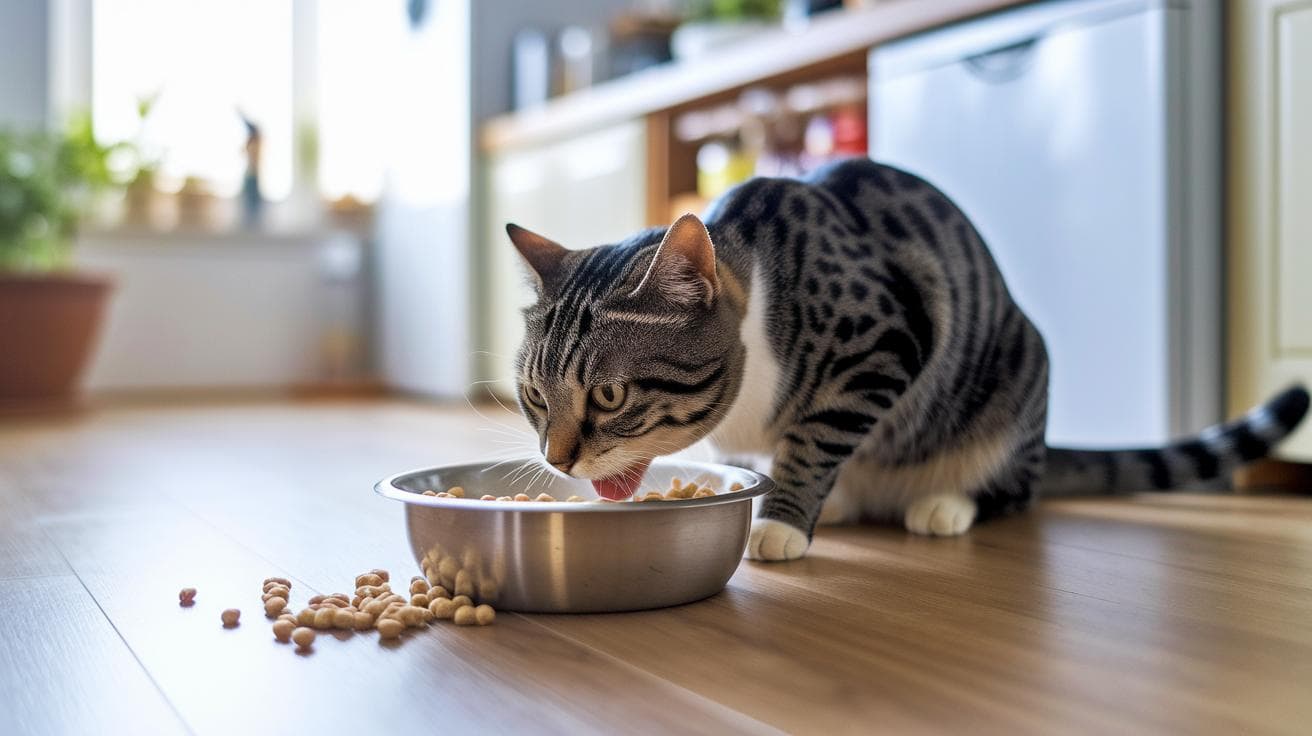
Ever seen your furball race through dinner and gulp down air? You might hear a quiet gurgle seconds later. That air piles up in their large intestine (the big tube at the end of their gut). Pressure grows until oops you get that telltale toot.

Plant bits like fibers (plant parts that don’t break down), legumes (beans and peas), and cruciferous veggies (broccoli and other cabbage-family vegetables) can be tough on a meat lover’s tummy. Gut bacteria munch on those leftovers and produce extra gas bubbles. Too much fiber turns a silent sitter into a puffer. Sound familiar?

Dairy treats can mean disaster. Most cats lack the enzyme to break down lactose (milk sugar). So cheese, yogurt, or a saucer of milk ferments in their colon and adds more cat farts than fun.

Sometimes the culprit is in the air they breathe. Dust or pollen allergies inflame their gut lining and slow digestion. Flea bites, mites, or ticks stress the immune system and upset the digestive balance. That just adds to the gas party.

Tiny squatters can stir up serious belly drama. Tapeworms (long ribbon worms), roundworms (spaghetti-like worms), hookworms (blood-suckers), or Tritrichomonas foetus (single-celled critters) irritate the intestines. Bacterial imbalances (dysbiosis) throw digestion off track. Chronic issues like inflammatory bowel disease (long-term gut swelling), pancreatic disorders (enzyme mix-ups), or tumors (abnormal growths) slow food breakdown and crank up the gas factory.

Now you’ll know what might be making your kitty’s belly bubble.

When Feline Flatulence Is Normal and When It’s Concerning
- When Feline Flatulence Is Normal and When Its Concerning.jpg

Ever heard your kitty let out a tiny toot? That’s totally normal, and most cats release a bit of gas once or twice a day. It’s usually silent or barely there, with a mild scent that fades quickly. The puff follows after their gut bacteria (the tiny bugs in their tummy) finish munching.

But if your furball’s toots turn into noisy blasts or the smell sticks around, pay attention. Ever heard their belly rumble like a tiny drum? And if you see a swollen belly (that’s bloating, when gas builds up), it’s more than awkward. Those rumbles and stinky clouds could mean something’s wrong.

Keep an eye out for black or bloody stool, extra trips to the litter box, less interest in food, or sudden weight loss. These could signal parasites (tiny worms), inflammation (tummy irritation), or food sensitivities. If you notice more than the odd toot, it’s time for a vet check. Worth every paw-print.

Stay feline fine.
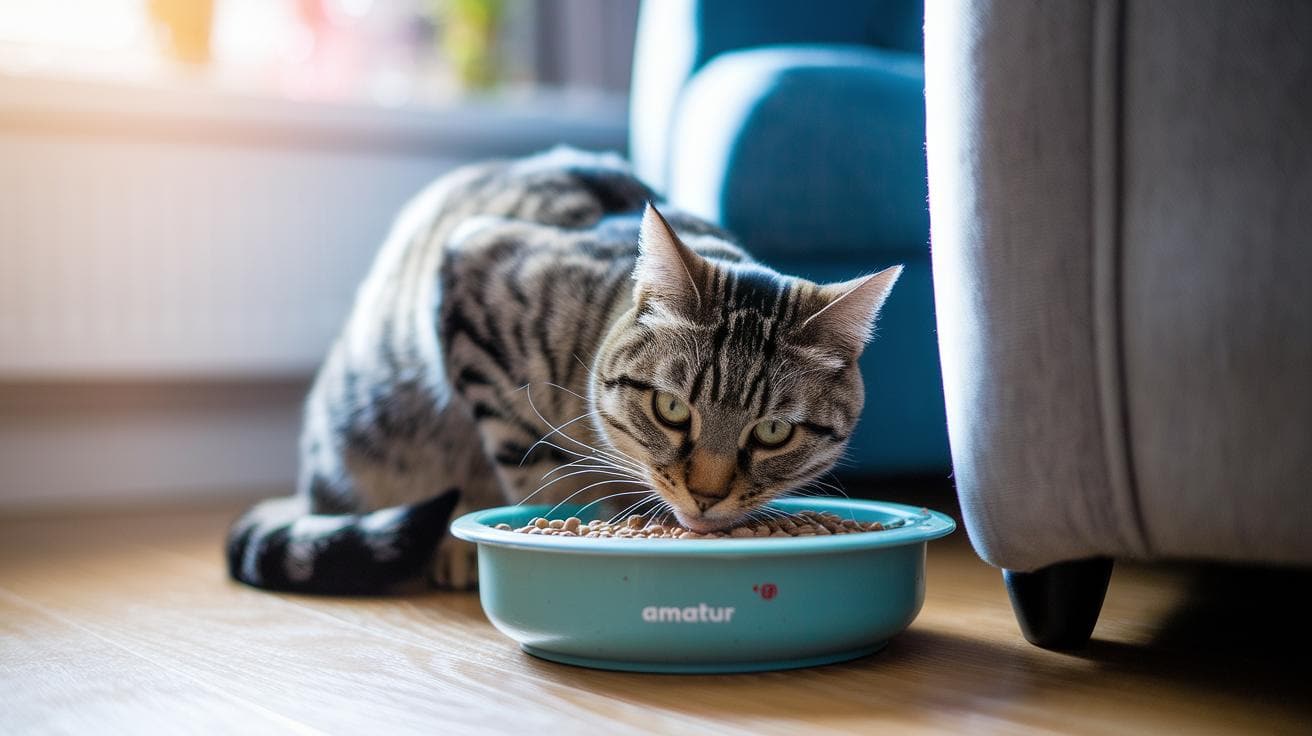
Diet and Lifestyle Adjustments for Cat Gas Relief

- Diet and Lifestyle Adjustments for Cat Gas Relief.jpg

  • Serve four or five tiny meals each day. Ever watched your kitty devour a bowl in seconds? Breaking dinner into bite-sized rounds gives their belly breathing room before bubble trouble.

  • Swap in a slow-feeder bowl (it’s just a dish with ridges or a little maze). Your furball has to nudge out each nibble instead of gulping it whole. It’s brain-teasing fun and keeps swallowed air at bay. Claw-some.

  • Hide kibble in a puzzle feeder or treat toy (a toy with secret food nooks). Your cat gets to hunt, swipe with their paws, and slow down gulping. It’s a purr-fect bonus for fewer toots.

  • Nix dairy treats and stash table scraps out of reach. Milk proteins often ferment in their gut, churning out more bubbles than anyone wants.

  • Transition new food over at least seven days. Stir a bit of the new diet into each meal so those gut bacteria learn the ropes. No cranky gas included.

  • Choose foods lower in plant fiber (think veggies and grains) and higher in animal protein. Or ask your vet about a hydrolyzed diet (gentle on sensitive bellies). It’s like a soft hug for their gut.

  • Add a vet-approved feline probiotic (good bacteria) or enzyme supplement at mealtime. These tiny helpers break down food early, so less ends up in the gas factory.

  • Keep human snacks and compost sealed tight. Those crafty paws can open a bag, and one whiff of greasy chicken could spark a bubble storm.

Veterinary Diagnostics and Treatments for Excessive Cat Flatulence

- Veterinary Diagnostics and Treatments for Excessive Cat Flatulence.jpg

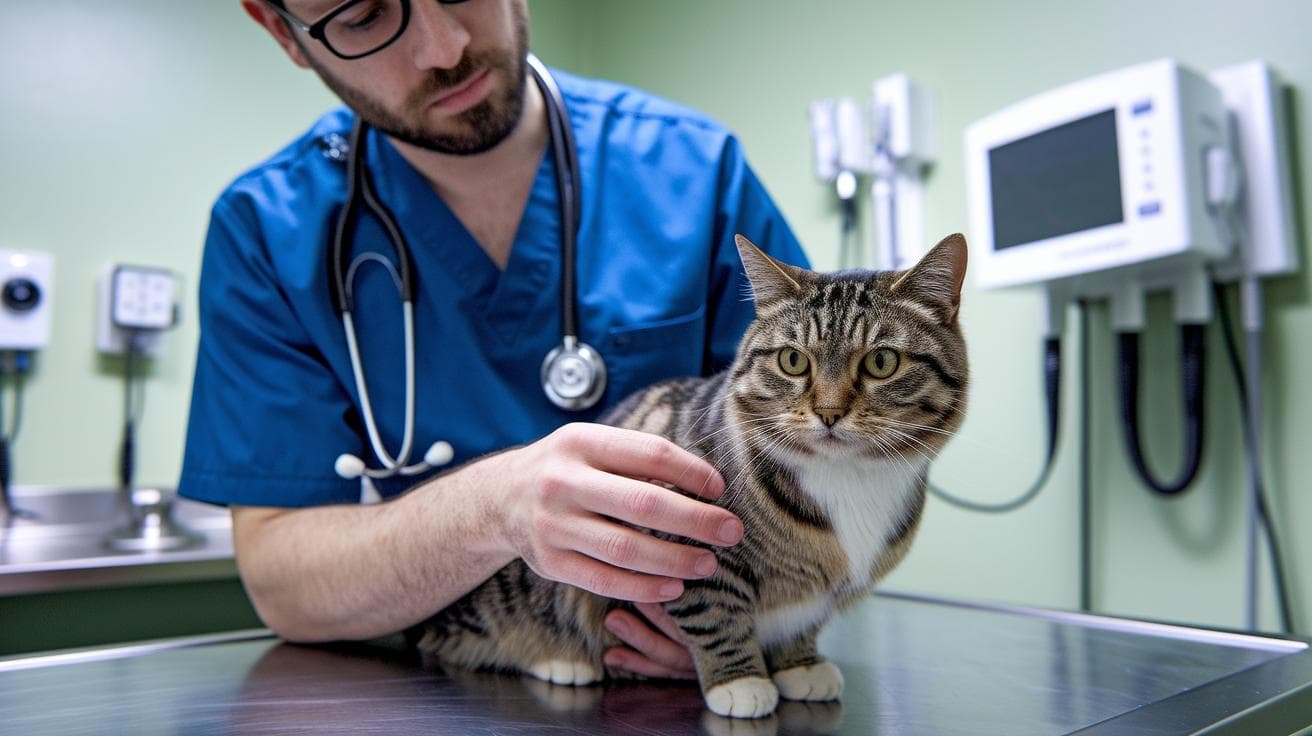
Got more than the odd squeak or a stinky cloud around your furball? If your kitty’s gas is new, popping up too often, or downright reeking – um, this could be more than a silly quirk. Especially if you’ve spotted diarrhea, vomiting, weight loss, or itchy skin patches. You’ll want to call your vet pronto.

At the clinic your vet will run several tests to sniff out the real culprit. They’ll start with a fecal parasite test (checks for worm guests) and a hands-on physical exam to feel your cat’s belly for soreness and hydration.

Blood chemistry tests (check blood cells and organ markers) and thyroid testing (hormone check) look for metabolic issues. You may also see x-rays, an abdominal ultrasound (sound wave scan of organs), or a urinalysis for crystals or infections.

In tougher cases vets use endoscopy or biopsies (camera exam and tissue samples) to get a close-up on the gut lining. Ever watch your cat’s whiskers twitch when they spot a buzzing machine?

Key Warning Signs

  • Persistent or very smelly gas
  • More than two toots a day
  • Loss of appetite or refusal to eat
  • Noticeable belly bloating
  • Black, bloody, or tarry stool

Common Diagnostic Procedures

Diagnostic Test Purpose
Fecal parasite exam Detects worms and protozoa
Physical exam Assesses pain, weight, hydration
X-ray imaging Views gas patterns and blockages
Blood chemistry panel Checks organ function and inflammation
Abdominal ultrasound Examines soft tissues and organs
Endoscopy/biopsy Inspects and samples gut lining

In most cases your vet’s treatment plan tackles the root cause. Dewormers (medicine that clears worms) zap parasites and antibiotics fight bacterial overgrowth. Corticosteroids (immune-soothing meds) calm inflammation, and a hydrolyzed prescription diet (special protein formula) for 4 to 8 weeks gives the gut a rest. You can also try probiotics (good bacteria), activated charcoal (gas absorber), or enzyme supplements for smoother digestion.

If allergies are stirring up the bubble trouble your vet may suggest diet tweaks or allergy shots to help your kitty breathe easier and toot less.

Worth every paw-print.

Final Words

In the action, we answered the big question: do cats really fart, and showed how gut bacteria turn food into gas.

Then we mapped out triggers, flagged when stuffy tummies need a vet, and served up diet and lifestyle moves to clear the air.

Armed with slow feeders, high-protein meals, and vet guidance, you’ll know why do cat fart and keep those playful moments fresh and stress-free.

Cheers to quieter rooms and happier cats!

FAQ

Do cats fart or burp?

Cats do fart. They produce digestive gas in their intestines and release it quietly most of the time. They can burp occasionally, but flatulence is far more common.

How often do cats fart?

Cats fart once or twice per day on average. Gentle, silent releases of gas happen as gut bacteria break down food, though you might not notice every single one.

Why do cat farts smell so bad?

Cat farts smell bad when protein-rich meals or dairy (lactose intolerance) trigger extra gas plus sulfur from gut bacteria. High-fiber veggies and beans can also add foul, egg-like odors.

Why does my cat fart when I pet them or when they’re happy?

Cats sometimes fart when you pet them because gentle pressure on their belly releases trapped gas. Feeling relaxed can also loosen their muscles, letting out small bursts of flatulence.

Related Articles

Author

  • Lucas Turner

    Lucas Turner is an urban photographer based in Chicago, Illinois, known for his captivating images that highlight the pulse of city life. With a unique perspective, he captures the vibrant contrasts between architecture, people, and the urban environment, telling stories through his lens.

    Outside of photography, Lucas enjoys coffee shop hopping, exploring the diverse cafes around the city. He finds that each coffee shop has its own vibe, offering a perfect setting for creativity to flow. As he often says, “A good cup of coffee and a new view always inspire my best work.”

    Lucas’s photography is a reflection of his love for the city’s energy and the quiet moments found within it.

    View all posts

Similar Posts