Think hairballs are just a gross quirk? Sometimes they are. But sometimes they mean a blockage that needs a vet right away. Stay calm. You can try a few simple steps at home while you watch for warning signs.
Here’s a quick, easy plan you can use now: move your cat to a quiet room, offer extra water, give a tiny spoonful of wet food, and try a tiny dab of pet-safe lubricant gel (a slick, pet-safe paste that helps hair slide through your cat’s digestive tract). Watch closely and know when to call your veterinarian so you don’t waste time guessing.
First, make a calm space. Put your cat in a small, quiet room with a soft blanket and low light so they can relax. Ever watched your kitty crouch and retch? Being calm helps them actually get the hairball up.
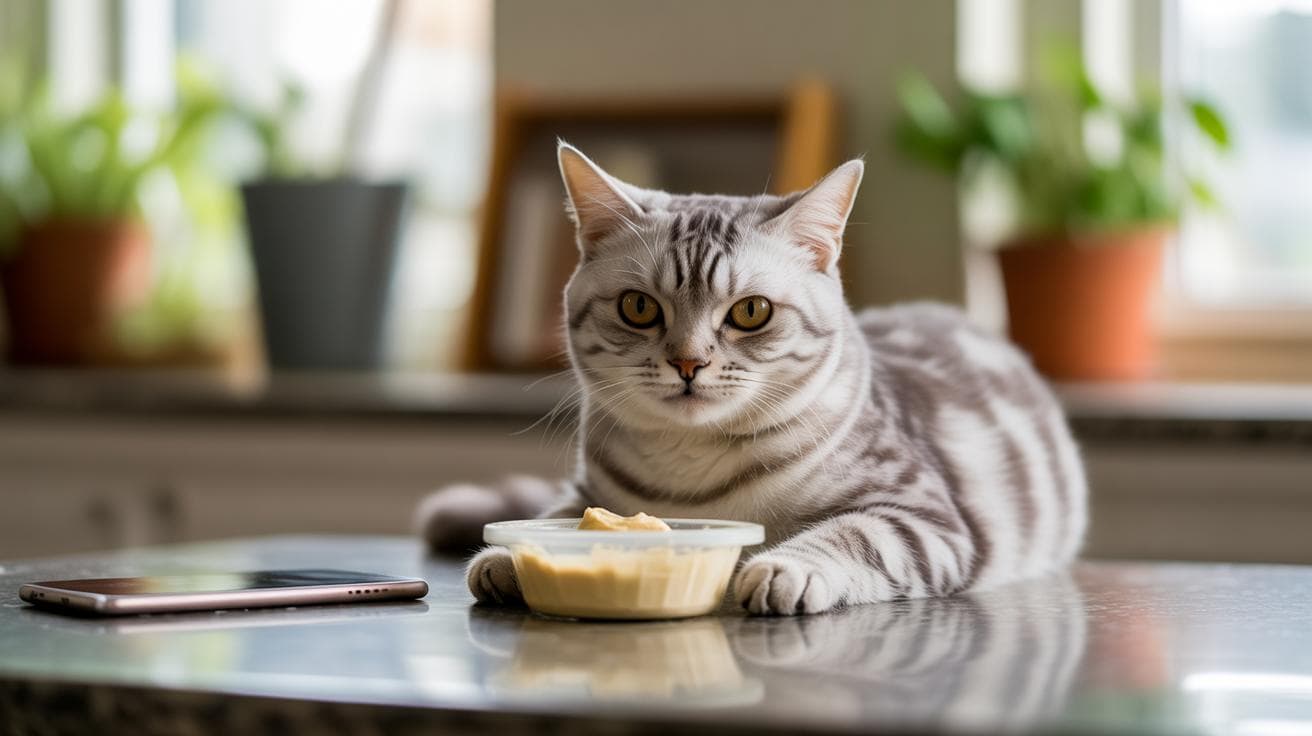
Second, offer fluids and soft food. Fresh water in an easy-to-reach bowl helps things move, and running water can tempt picky drinkers. A small spoonful of wet food gives them something to swallow and can help lubricate the throat , soft nibbles are better than hard kibble right now.
Third, give a tiny dab of pet-safe lubricant gel if you have it. Put a pea-sized amount on their paw or mixed into a little wet food so they’ll lick it up (follow the product label for dosage). Don’t use human laxatives or other medicines unless your vet says so.
Fourth, watch and gently check. A soft belly rub toward the tail base can help, and keep an eye on breathing, energy, and litter box habits. If your cat keeps dry heaving, seems bloated, won’t eat, or acts very sleepy, that’s not just drama , call the vet.
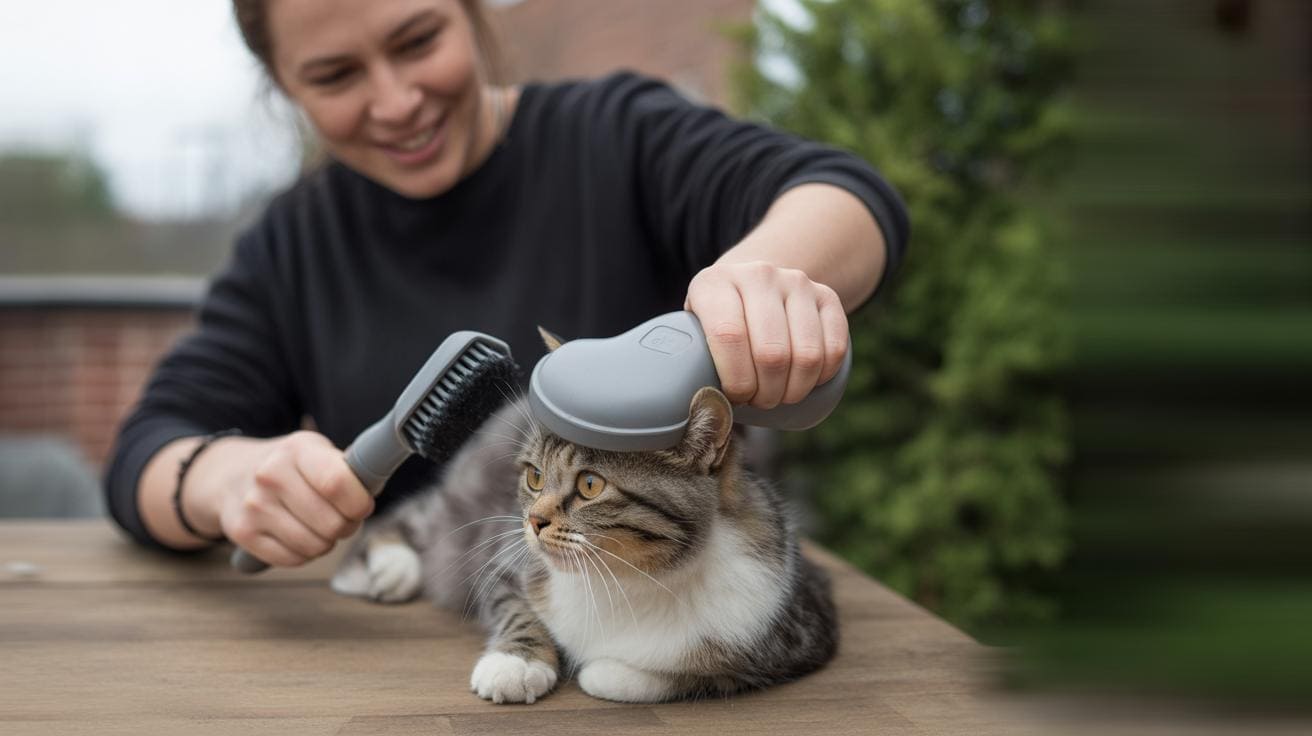
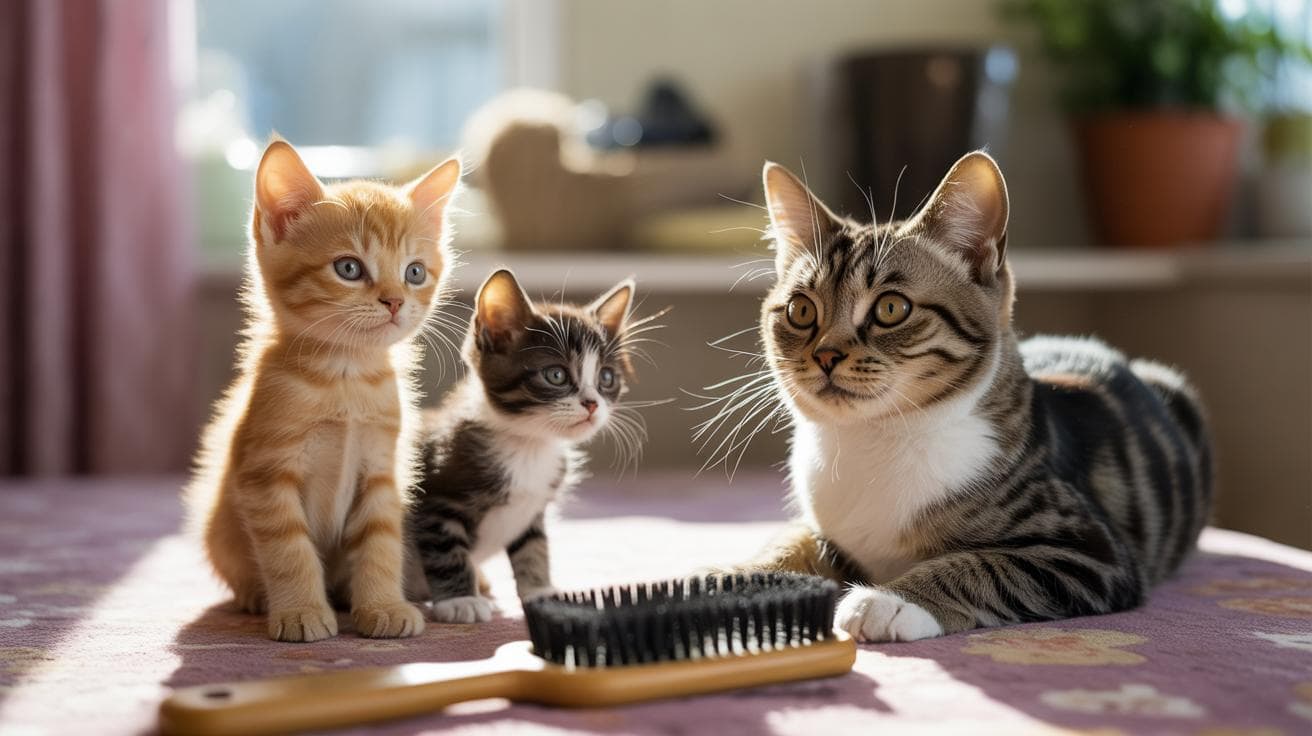
Prevent future hairballs by brushing often, especially during heavy shed, and offering hairball formula food or treats (hairball formula means cat food with extra fiber to help hair pass). Short trims and good hydration go a long way, too.
Call your vet right away if you see any of these signs:
- Repeated, forceful retching for more than a few hours
- No poop for 24 hours with obvious discomfort or straining
- A hard, swollen belly or obvious pain when you touch the belly
- Trouble breathing, collapse, or extreme lethargy
Once, Luna launched herself six feet for a toy and then coughed up a big hairball right on the carpet , gross, but quick relief. If things look serious or you’re worried, don’t wait. Your vet is the best judge. Worth every paw-print.
Effective hairball treatment for cats
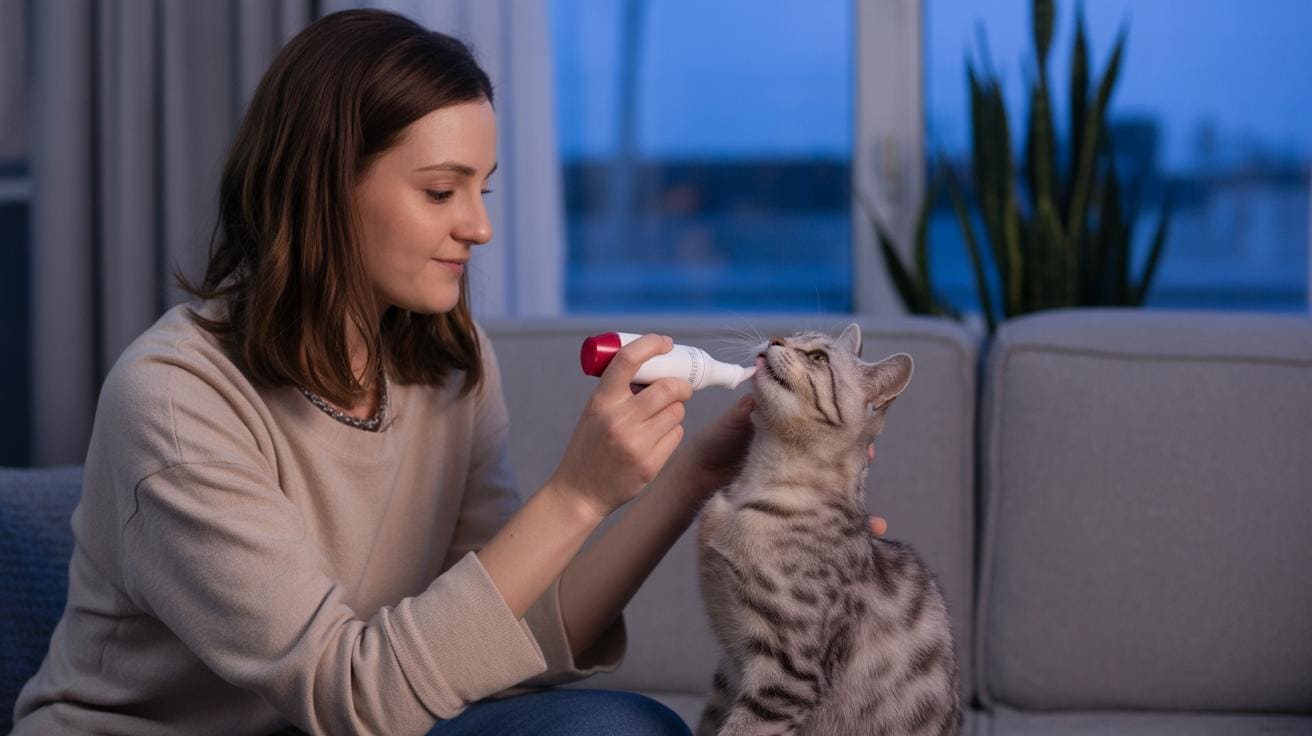
Here’s a simple, calm plan you can use right away when your cat is struggling with a hairball. It shows how to help a cat cough up hairballs at home and when to call the vet. For product comparisons, dosing differences by brand, and how to give treatments, see 'OTC products', 'How to give paste', and 'Buying guide'.
- Move your cat to a quiet, dim room to cut down stress. Soft lighting helps.
- Put out fresh water and an extra shallow bowl at ground level so it’s easy to lap.
- Offer a small spoonful of easy-to-lick wet food to encourage swallowing and calm the stomach.
- Try a tiny dab of pet-safe lubricant gel (a slick paste that helps hair slide through) on a paw or a spoon. Use about a quarter to half teaspoon (about 1 to 2 mL).
- Watch closely and time each gagging or vomiting episode. Note how long each one lasts and how far apart they are.
- Keep a log with timestamps and what came up , hair, bile, or food , so you can tell the vet exactly what’s happening.
- Save or describe any vomit if you can , a photo or a sample helps your vet figure out what’s going on.
- Call your veterinarian with your notes ready, especially if things aren’t improving.
Quick safety notes and thresholds. Give no more than a quarter to half teaspoon (about 1 to 2 mL) per dose of lubricant gel. If your cat keeps vomiting or refuses food, call your vet within 24 hours. If your cat gets worse fast, shows signs of pain, can’t pass stool, or you suspect a blockage, get emergency care right away. Hairball blockages are urgent and need prompt attention. For details about warning signs and how vets diagnose blockages, see 'Veterinary diagnostics'.
Sometimes a small dose settles things and your cat will groom and nap like nothing happened. Other times it’s more serious, and that’s okay to feel worried about. Keep calm, watch closely, and call the vet when in doubt. Worth every paw-print.
Causes and signs: mechanism, risk factors, and how to tell hairballs from other causes
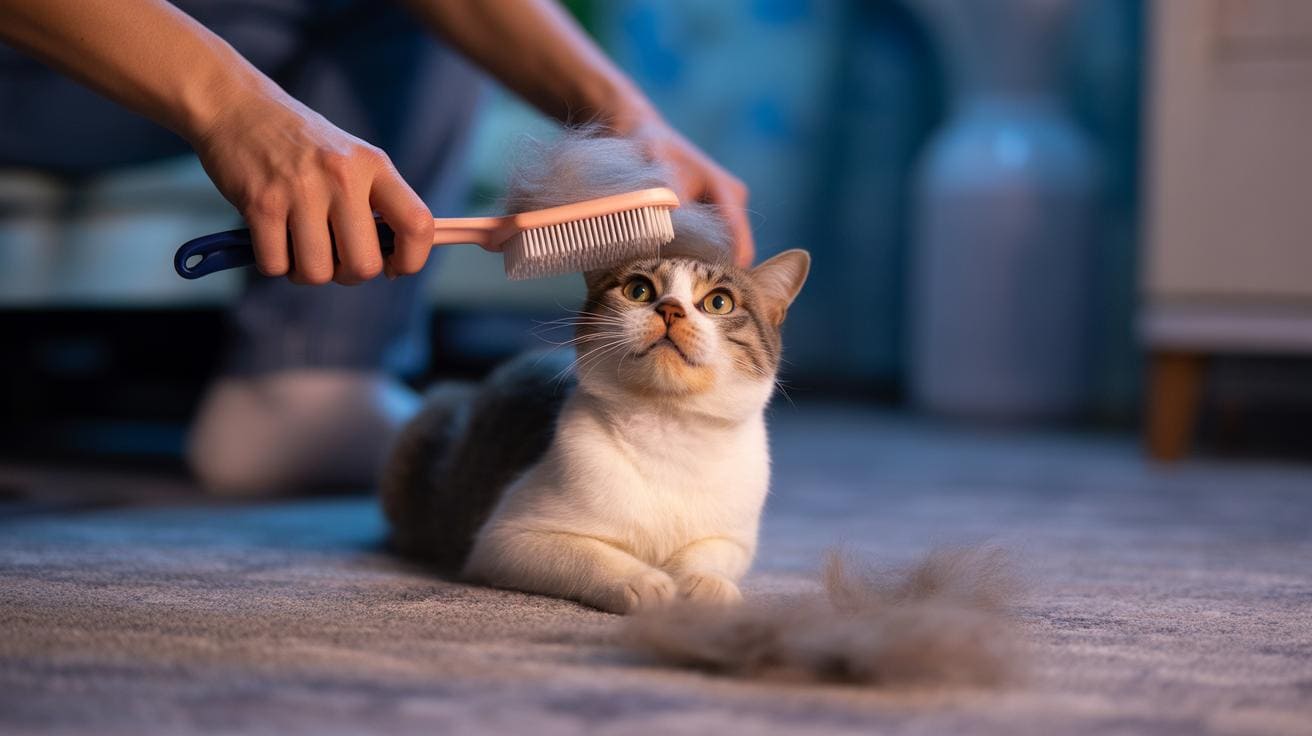
Trichobezoars (hairballs) are tight, wet clumps of fur that form in a cat’s stomach when loose hairs stick together with gastric juices (stomach acids and enzymes). They can be coughed up or vomited. Sizes vary from about an inch to several inches long, and because hair can’t be digested it stays intact and knits into a plug after a grooming session. Yep, one good lick-fest can mean a visible clump later.
Long-haired breeds like Persians and Maine Coons and cats going through heavy seasonal shedding are most likely to make big hairballs. Cats with itchy skin or stress-driven overgrooming are at higher risk too. Short-haired cats get them less often, but they still happen. Ever watched your kitty chase shadows and leave tufts of fur behind? That’s a cue to brush more. A steady grooming routine, especially during peak shed, is your first and best defense.
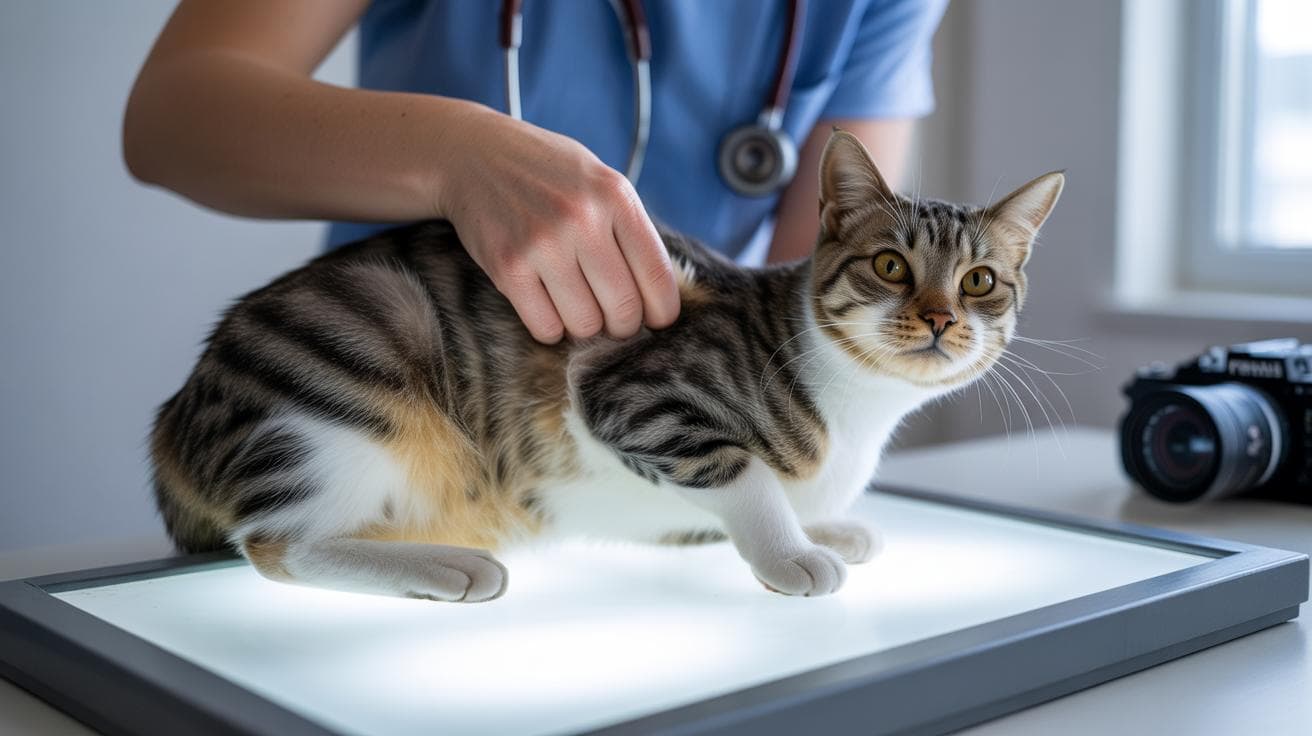
Telling a true hairball from something more serious comes down to what’s vomited and how your cat acts. A tubular, hair-filled vomit that matches the coat color usually points to a hairball. Repeated vomiting without hair, weight loss, or a change in appetite suggests other problems like inflammatory bowel disease (IBD – inflammation of the gut), pancreatitis (inflamed pancreas), or kidney problems (reduced kidney function). If you want a clinical primer on signs, testing, and how vets tell things apart, see PetMD – Hairballs in Cats. Check the Veterinary diagnostics section there for imaging and red flags if you’re worried about a blockage.
For most cats, regular brushing and a little dietary help cut down on hairballs. Toss an unbreakable ball or use a wand toy before you leave for work for quick play and less grooming boredom. Worth every paw-print.
At-home remedies and safe emergency options: practical recipes and procedures
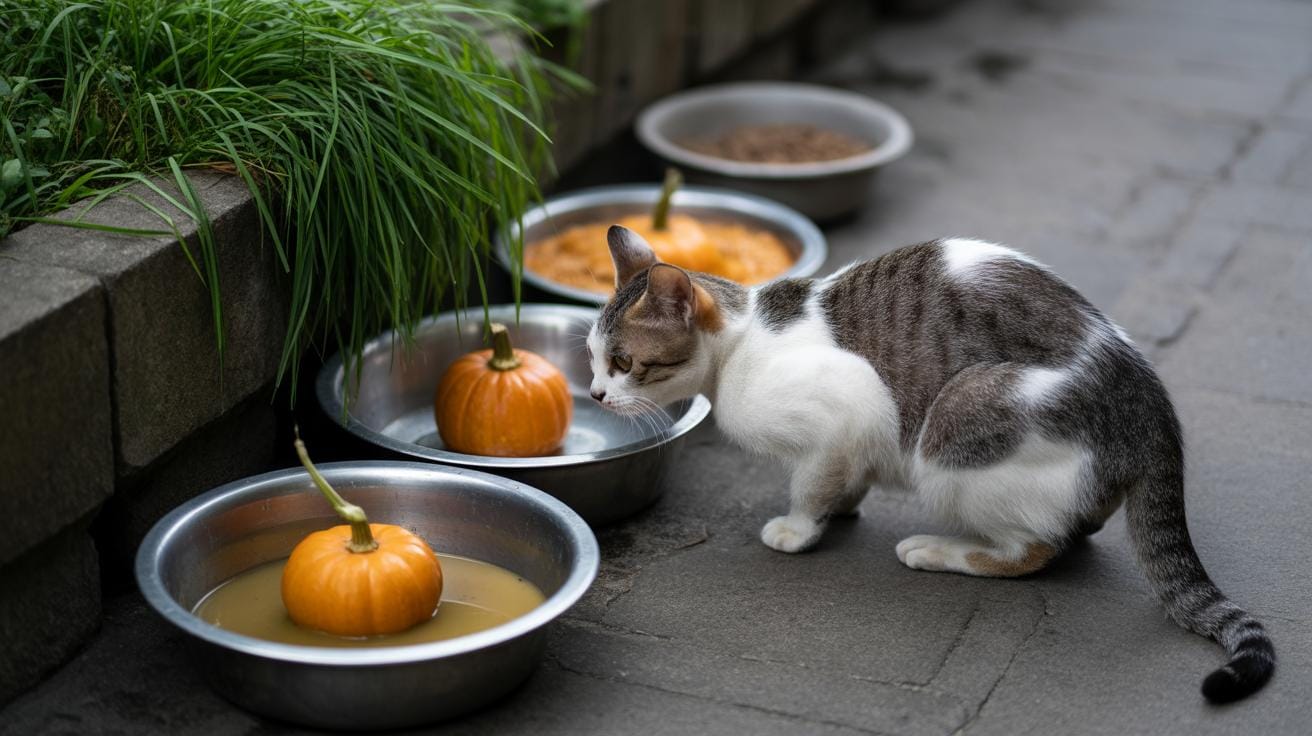
Keep water handy and make it tempting. Add an extra shallow bowl, try a cat fountain, or put bowls on different floors so thirsty kitties stumble on them. Warm a little wet food or add a splash of low-sodium chicken broth to make hydration more appealing , just a taste, okay?
Swap a few meals to easy-to-lick wet food for a day or two to boost moisture. Look for pate or gravy-style canned food (wet food keeps cats hydrated better than dry). You can warm it slightly to wake up the smell , cats follow their noses.
For a gentle fiber nudge, try 1/4 teaspoon of plain canned pumpkin (not pumpkin pie filling) for small cats, mixed into wet food and stirred well so it’s not a clump. Pumpkin is a mild fiber source (fiber helps move stool) and can help hair pass through normally. Start small and don’t make it a long-term routine without checking with your vet.
Up the brushing during heavy shedding. Short, calm sessions of 5–10 minutes work best so your cat doesn’t get cranky. Use a soft brush first, then try a deshedding tool (a tool that pulls loose undercoat hair) if you see a lot of undercoat or minor mats. If your cat hates brushing or has serious mats, consider a professional groomer , worth it for stress-free coat care.
Introduce cat grass (young wheat or oat shoots grown for nibbling) in a sunny spot and watch if your cat picks at it; some cats like it and lick less loose hair, others ignore it, so treat it like an experiment. Ever watched your kitty go from bored to utterly focused on a sprig of grass? Cute and sometimes useful.
About oils and laxative myths: tiny, supervised uses of light oils are sometimes suggested, but large-volume oil dosing at home carries risks and mixed results, so skip DIY oil chugs. Big amounts can cause diarrhea or aspiration (inhaling liquid into the lungs), and that’s a real emergency. If you’re tempted to try anything unusual, pause and ask.
If your cat keeps gagging, won’t eat, seems lethargic, or home steps don’t ease the problem, stop all home measures and consult the Veterinary diagnostics section for clear escalation criteria and next steps. Better safe than sorry , and yeah, getting help early can save a lot of stress for you and your cat.
Effective hairball treatment for cats
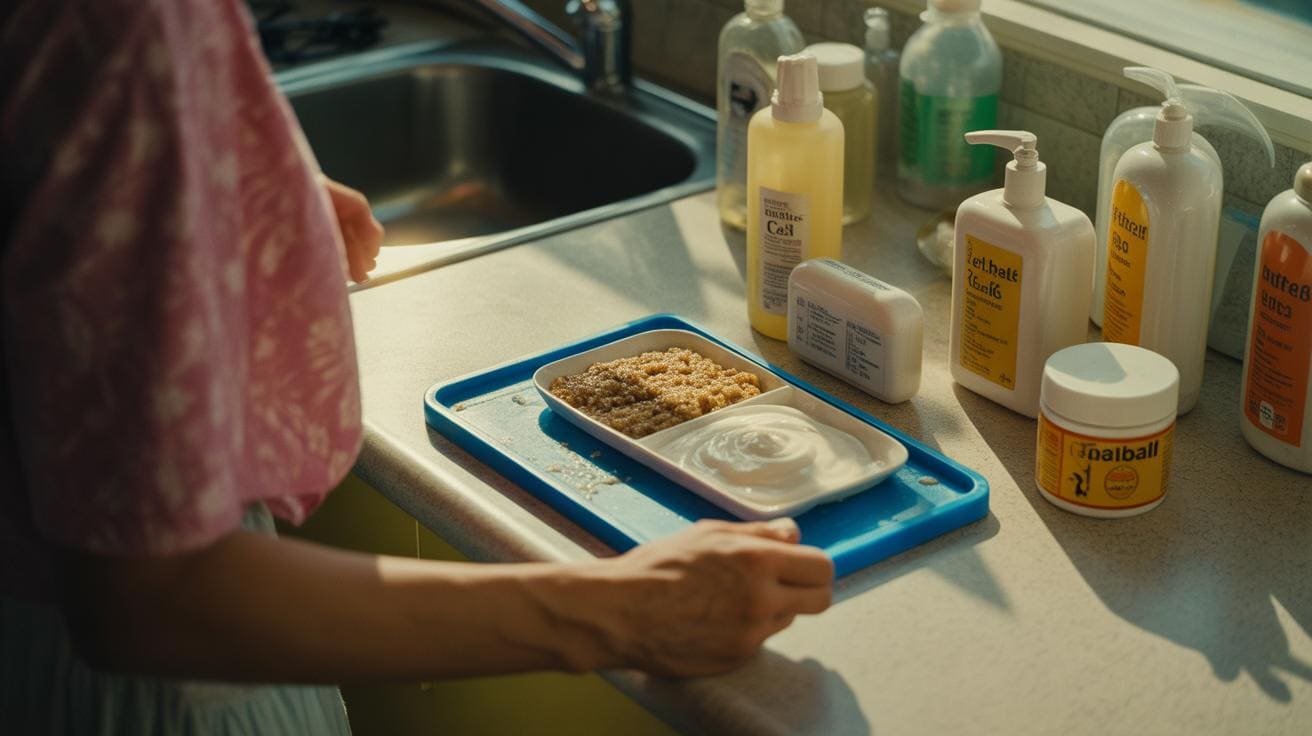
There are four easy over-the-counter choices for hairball help: lubricating gels and pastes, fiber powders, chewable daily chews, and hairball-formulated foods. Lubricants coat the hair so it can slide through the gut. Fibers bind hair into the stool and speed things along. Enzyme or probiotic blends aim to support digestion and gut movement.
Pick the product that fits the problem today. Need something fast to loosen a stuck hairball? Go for a gel or paste with mineral oil (light mineral oil, a refined petroleum-based lubricant). Want to help things move regularly? Try psyllium husk (a soluble fiber that swells when wet) or powdered cellulose (plant fiber). Enzymes and probiotics help digestion but they won’t replace a lubricant when a tight hairball needs to pass.
| Product | Typical Dosing Range (by weight/age) | Active Ingredients | Flavors/Palatability Notes | Label Age / Life-Stage | Special Notes (sugar, allergen) |
|---|---|---|---|---|---|
| Tomlyn Laxatone | 0.25–0.5 tsp (≈1–2 mL) daily, label varies by weight | Light mineral oil (refined petroleum lubricant), soybean oil (plant oil), malt syrup (sweetener), omega fatty acids (beneficial fats) | Tuna, maple, catnip flavors; many cats like it, some don’t | All life stages, label OK for kittens | Contains malt syrup, a sweetener |
| Cat Lax | 0.25–0.5 tsp (≈1–2 mL) daily, or 2–3 times/week for maintenance | Cod liver oil (fish oil), white petrolatum (petroleum jelly lubricant), lecithin (emulsifier) | Fishy taste, sweetened with caramel and malt; often very palatable | All life stages, follow label for kittens | Contains sweeteners and fish oil – potential allergen |
| Vetasyl powder | 1 capsule/day, sprinkle on food | Psyllium husk (soluble fiber that swells), powdered cellulose (plant fiber powder), probiotics/enzymes (digestive support) | Unflavored powder; texture may bother some cats | All life stages, check product label | Powder can clump on dry food |
| Pet Honesty chews | 1 chew per lb body weight daily, product guidance varies | Citrus pulp, apple pomace (fruit fiber), psyllium husk, zinc methionine (zinc bound to an amino acid), omega-3s | Dual-texture chews; some cats love them, others refuse | Adult-focused formula; see bag for kitten guidance | Low calories (<3 kcal/chew); flavor acceptance varies |
| Generic mineral oil / lubricant gels | 0.5–2 mL or 0.25–1 tsp per dose, product/weight dependent | Mineral oil, petrolatum (petroleum jelly), or vegetable oils | Often tuna or unflavored; palatability varies | Many labeled for kittens 4+ weeks; follow product directions | Aspiration risk if forced to ingest; some contain sweeteners |
| Hairball-formulated wet & dry diets | Feed per package directions; use as full diet or rotate | Beet pulp (plant fiber), powdered cellulose, tailored fiber blends, added omegas | Flavors vary; picky cats may refuse a switch | Typically adult formulas (1+ year); check labels | Usually pricier; change diet slowly to avoid upset tummies |
Labels can hide useful clues, so read them like a detective. Look for a clear life-stage statement – kitten, adult, or all life stages – and an ingredient list you recognize. NASC seals (National Animal Supplement Council) or other third-party marks suggest higher manufacturing standards. If you see petrolatum (petroleum jelly) on the label, that means lubrication, not nutrition. If psyllium or powdered cellulose is listed, you’re looking at fiber-based support, which helps regularity rather than immediate slicking.
Palatability is just as important as ingredients. Some cats will lick a gel right off the tube. Others will sniff and walk away. Try rotating flavors, offering a chewable for food-motivated cats, or mixing the supplement into a favorite wet meal for a few days to build acceptance. Little tricks like that make regular use much easier.
Cost matters too. Gels are usually cheap per dose for short-term use. Chewables and specialty diets cost more if you use them every day. For stubborn or recurring hairballs, many people dose daily at first to clear things up, then drop to maintenance – a few times a week or a weekly top-up seems to work for lots of cats.
Speaking of hairball habits, trimming long fur and gentle brushing cut down on what your cat swallows. Ever watch a floofy cat groom and wonder how all that fur ends up in one tight ball? Regular brushing helps, and so does keeping weight and skin healthy. Worth every paw-print.
Diet, fiber, and supplements for long-term hairball control: prevention-focused guidance
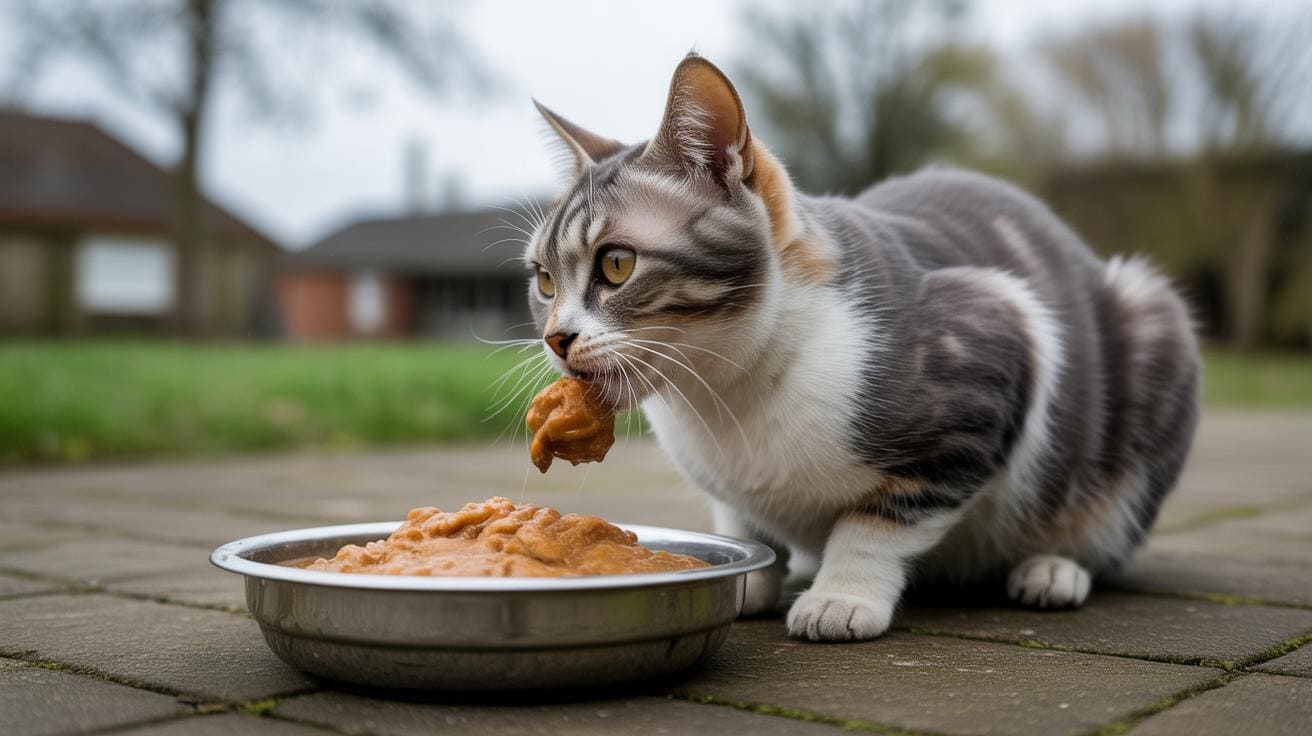
Start with moisture. Swap one dry meal a day for a pate or gravy-style wet food and warm it a little to wake up the smell, your cat’s whiskers will thank you. Add a splash of low-sodium chicken or turkey broth for extra appeal, and keep fresh water or a drinking fountain out all the time so they sip between meals.
Pick fiber for a purpose. Psyllium husk (a fiber that swells when wet) adds bulk and helps push tangled fur through the gut. Beet pulp (plant fiber) and powdered cellulose (indigestible plant fiber) give gentle roughage that helps fur move along without upsetting the tummy. Hairball-formulated diets usually mix these fibers with omega-3 fats (healthy oils for skin and coat) and balanced minerals so the coat stays good while hairball risk drops. But taste matters: if your cat refuses the food, it won’t help.
Use supplements with care. Check labels so you don’t double up on the same active ingredients, and avoid stacking fiber powders with enzyme or probiotic blends without checking first. Probiotics (live microbes that help digestion) can be helpful, but they play differently than fiber or enzymes, so don’t assume more is always better. See OTC/product guides for exact dosing and label details.
Introduce anything new slowly, over 7 to 10 days, and watch your cat closely. A simple plan: 25% new food on day one, 50% on day three, 75% on day five, then full switch by day seven to ten. Keep an eye on appetite, stool consistency, and body weight while you transition. If stool gets much softer, your cat stops eating, or weight changes, pause and call your vet.
Quick checklist
- Increase moisture first. Swap one dry meal for wet pate and add a splash of low-sodium broth.
- Choose fiber by need: psyllium for bulk, beet pulp or powdered cellulose for gentle roughage.
- Watch taste: a great formula won’t help if your cat turns up its nose.
- Add supplements carefully. Check labels for duplicate ingredients and avoid accidental overlap.
- Switch foods slowly over 7–10 days: 25%, 50%, 75%, then full.
- Stop and call your vet if appetite drops, stool changes a lot, or body weight shifts.
Worth every paw-print.