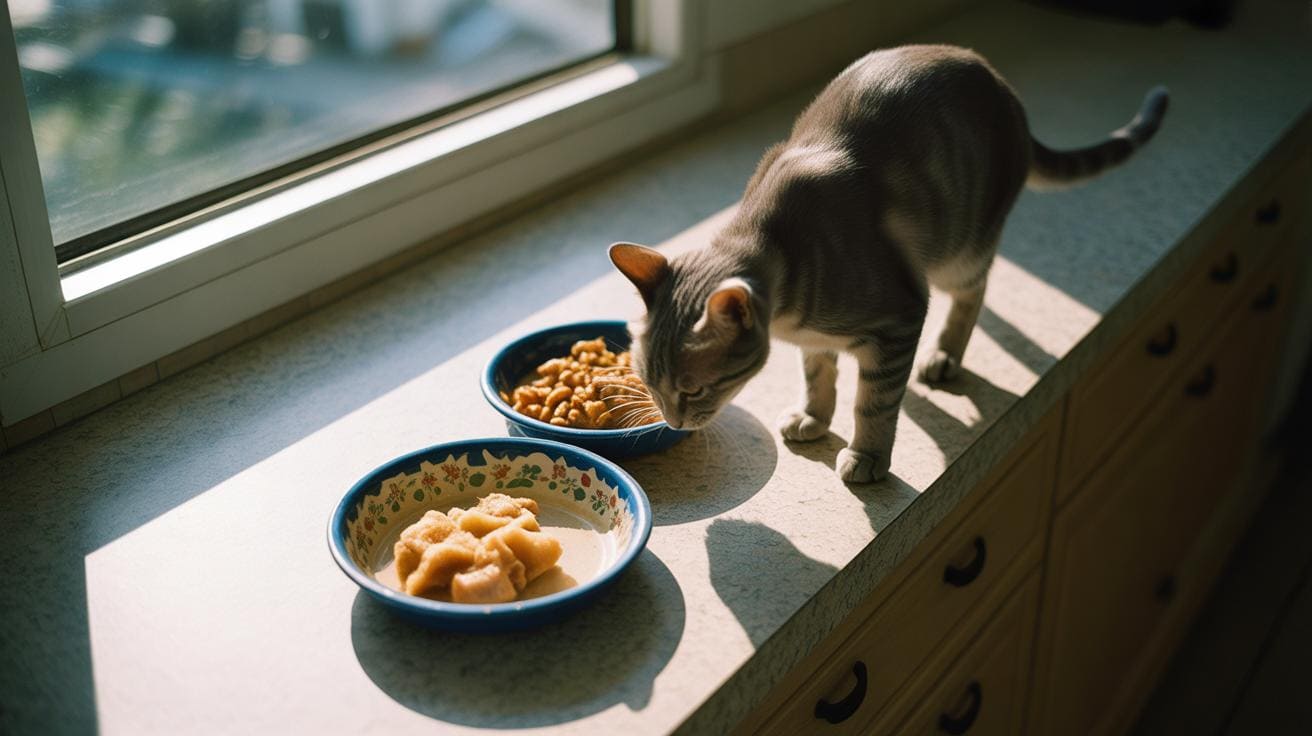
Wow, nearly 60 percent of indoor cats are overweight. A lot of the time, the food in their bowl is part of the problem.
Indoor cats move less, so they need different food. Look for lower-calorie recipes (kcal means kilocalories), smaller kibble (dry crunchy pellets), and added fiber (plant stuff that helps them feel full and keeps digestion happy). It’s all about giving the same cat less work to burn off.
Think of picking food like trading a hiking pack for pajamas, same body, less effort. Ever watched your kitty loaf on the couch and wonder if that bowl could help? This post points out top indoor formulas and gives clear tips on choosing protein-first ingredients (meat listed first), adding moisture (more wet food or a splash of water), and setting the right portion sizes so your cat stays lean, hydrated, and purring.
Worth every paw-print.
Best Cat Food for Indoor Cats: Top Picks
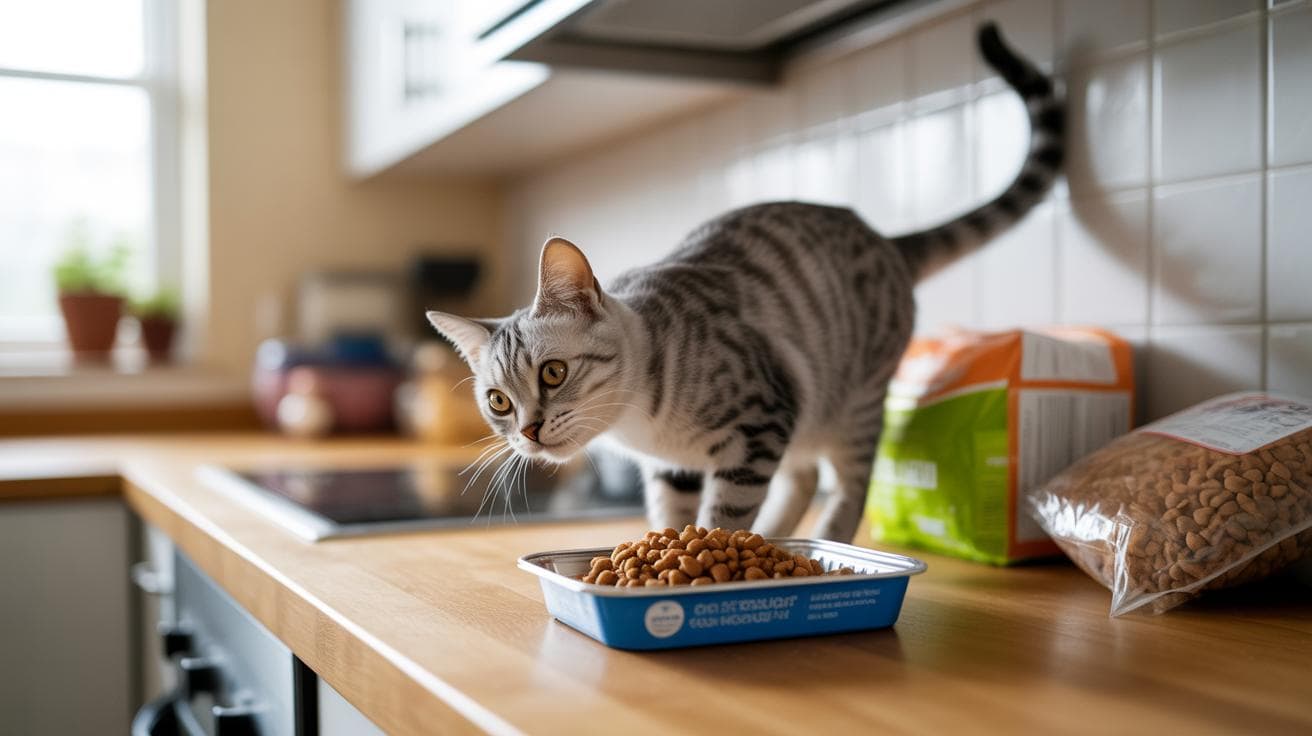
- Top quick pick (Best overall) – Hill's Science Diet Indoor Adult , a balanced choice that helps control weight and smells good to picky noses.
- Best dry for weight control – Royal Canin Indoor Adult Dry , smaller kibble and a formula made to slow calorie intake.
- Best wet for hydration – Hill's Science Diet Adult Indoor Wet (Ocean Fish Entrée) , extra moisture for urinary health and happy slurps.
- Best budget pick – Purina Pro Plan Indoor Care Dry , solid nutrition that won’t break the bank.
Indoor formulas matter because most indoor cats move less and need fewer calories. Nearly 60 percent of house cats are overweight, so lower calorie density and added fiber help keep weight and digestion on track. Think of it like picking clothes for a quiet day at home instead of a long hike.
-
Calories and portion guidance , Check the kcal per cup or can (kcal means kilocalories, the same energy number you see on human food) and match it to your cat’s target daily calories. Use body condition as your guide , not just weight, but how your cat feels under your hands. Smaller kibbles and reduced calorie formulas help control portions without leaving your cat starving.
-
Animal-first protein , Look for a named meat as the first ingredient, like chicken, turkey, fish, or beef. Real animal protein helps keep muscle mass; avoid vague labels like meat by-product (that means leftover animal parts). Think of it like choosing whole chicken over mystery meatloaf.
-
Moisture strategy , Pick a plan: mixed feeding (kibble plus wet) or wet-first meals to raise hydration. Wet food and broths add water and support urinary health, and toppers are an easy trick to boost moisture on busy days. Ever watched your cat’s whiskers twitch as they lap up a saucer of wet food? Pretty cute.
AAFCO-complete labeling is required for basic nutrition (AAFCO means Association of American Feed Control Officials, the group that sets pet food standards). If your cat has weight, urinary, or digestive issues, talk to your vet and check the Feeding Guidelines section for portion math and the Special Needs section for therapeutic diets. Worth every paw-print.
Best Cat Food for Indoor Cats: Top Picks
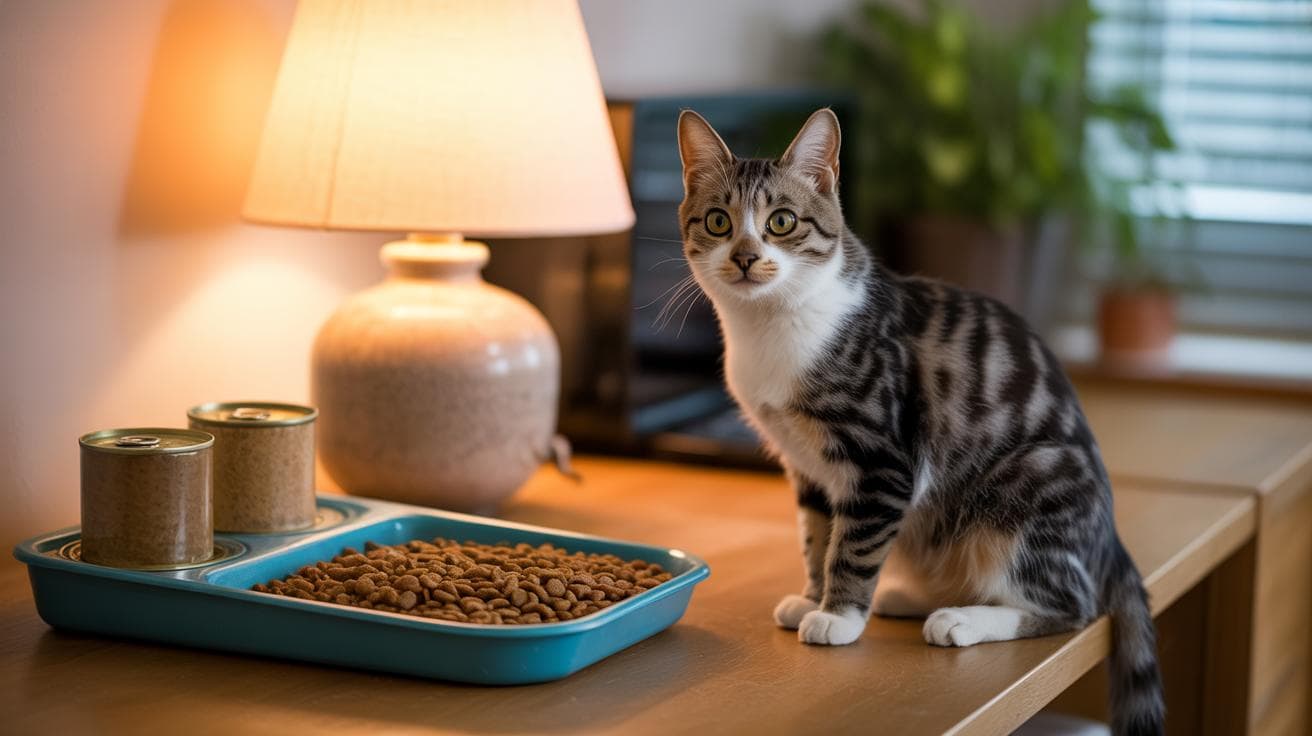
We picked these foods to help indoor cats stay trim and healthy. Our main checks were weight control, hairball transit (how easily swallowed fur moves through the gut), urinary support (helps bladder and urinary tract health), palatability (how tasty it is), and where ingredients come from. Pretty simple – low-activity kitties need food that keeps calories in check and bodies working right.
Look for life-stage and special-needs versions , kitten, adult, senior, or formulas that focus on urinary or GI care. If your cat has medical needs, don’t switch to a therapeutic or prescription diet without talking to your vet. Also check AAFCO (Association of American Feed Control Officials) statements on the label – they tell you if a food meets basic nutrition standards.
Shopping tips: try sample packs or subscription trials so picky kitties don’t end up wasting a bowl. Ever seen Luna do a sniff-test? She checked one pouch three days in a row, then finished it – keeper. Check kibble size for your cat’s mouth and watch appetite the first week – appetite tells you a lot. If hydration is a concern, stir in a little low-sodium broth (chicken or beef broth with less salt) or add a daily wet-food serving for extra moisture.
| Rank | Product (Brand + Formula) | Type (Dry or Wet) | Primary benefit(s) | Best for | Approx price per day |
|---|---|---|---|---|---|
| Top Overall | Hill’s Science Diet Adult Indoor | Dry | Weight control, balanced nutrition | Most indoor adult cats | $1.20/day |
| Best Dry for Weight | Royal Canin Indoor Adult | Dry | Lower calorie density, smaller kibble | Weight management | $1.30/day |
| Best Wet for Hydration | Hill’s Science Diet Adult Indoor (Ocean Fish Entrée) | Wet | High moisture for urinary support | Hydration boost | $2.00/day |
| Best for Long Hair | Royal Canin Indoor Long Hair | Dry | Fiber blend for hairball transit (helps move swallowed fur) | Long-haired cats | $1.40/day |
| Best for Hairball Control | Purina Pro Plan Indoor + Hairball | Dry | Natural fibers, prebiotics (food for good gut bacteria) | Frequent hairballs | $1.00/day |
| Best Vet-Therapeutic Choice | Hill’s Prescription Diet c/d Multicare (vet-prescription) | Dry/Wet | Urinary support, clinically tested | Urinary disease – vet prescribed | $3.00/day |
| Best Ethical/Sourced Option | Open Farm Rustic Blend (Chicken & Salmon) | Dry | Humanely raised protein (meat from animals raised with better welfare), broth for moisture | Ingredient-conscious buyers | $1.80/day |
| Best Value | Purina Pro Plan Indoor Care | Dry | Balanced nutrition at lower cost | Budget-minded households | $0.80/day |
The "Best for" tags point you to likely matches for common needs – weight, hairball help, hydration, and so on. For medical or prescription diets, check the AAFCO statement and talk with your veterinarian before switching formulas. Worth every paw-print.
Best dry cat food for indoor cats: nutrient profile, kibble factors and ingredient guidance
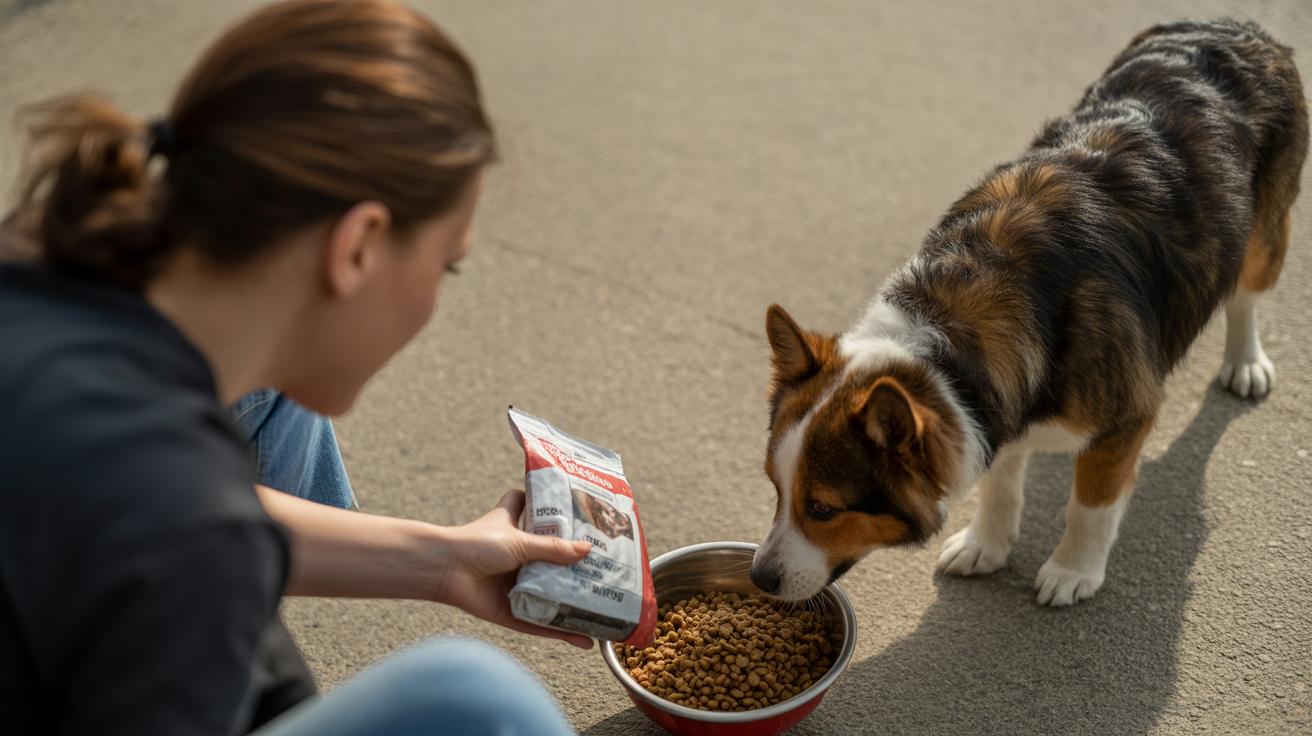
Dry food is a big help for busy homes. It stores well, portions easily, and that satisfying crunch can help scrape tartar (tartar is hardened plaque) off teeth. Pick kibble when you need steady meal control and your cat actually eats dry food without gagging on fur. For low-activity indoor cats, choose formulas that keep calories in check so your couch potato doesn’t pack on pounds.
Key nutrients for indoor dry food
Look for a named animal protein first on the ingredient list , chicken, turkey, fish, or beef , since cats need meat to keep muscle. Fiber matters too. Soluble fiber (holds water and feeds good gut bugs) and insoluble fiber (adds bulk to help move hair and stool) both help with poops and hairball transit.
Make sure the food includes omega-3s like EPA and DHA (types of omega-3 fats that help skin, coat, and general inflammation). Taurine is non-negotiable , it’s an amino acid critical for heart and eye health. L-carnitine (a nutrient that helps the body use fat for energy) is handy in weight-control formulas. Finally, check the calories per cup , moderate calorie density makes portion control much easier.
Ever watched your cat’s whiskers twitch as a kibble rolls across the floor? That little play moment is great, but keep track of portions, especially if your kitty mostly lounges indoors.
Ingredients to avoid or keep low
Avoid vague terms like meat by-product (this usually means leftover animal parts that aren’t clearly named). Also be wary of long lists of unnamed “grains” that dominate the recipe. Big carb loads add calories without real feline nutrition, so steer clear of obvious high sugars or starches.
Skip artificial preservatives when you can. Look for natural options like mixed tocopherols (a form of vitamin E used as a preservative). And if a label reads like a mystery novel, I’d pass , your cat deserves clear, simple ingredients.
Refer to AAFCO (Association of American Feed Control Officials) standards and your veterinarian in the Top quick picks and fast checklist section for label rules and professional advice before making medical diet changes.
Best wet cat food for indoor cats: how to use wet options and feeding tactics
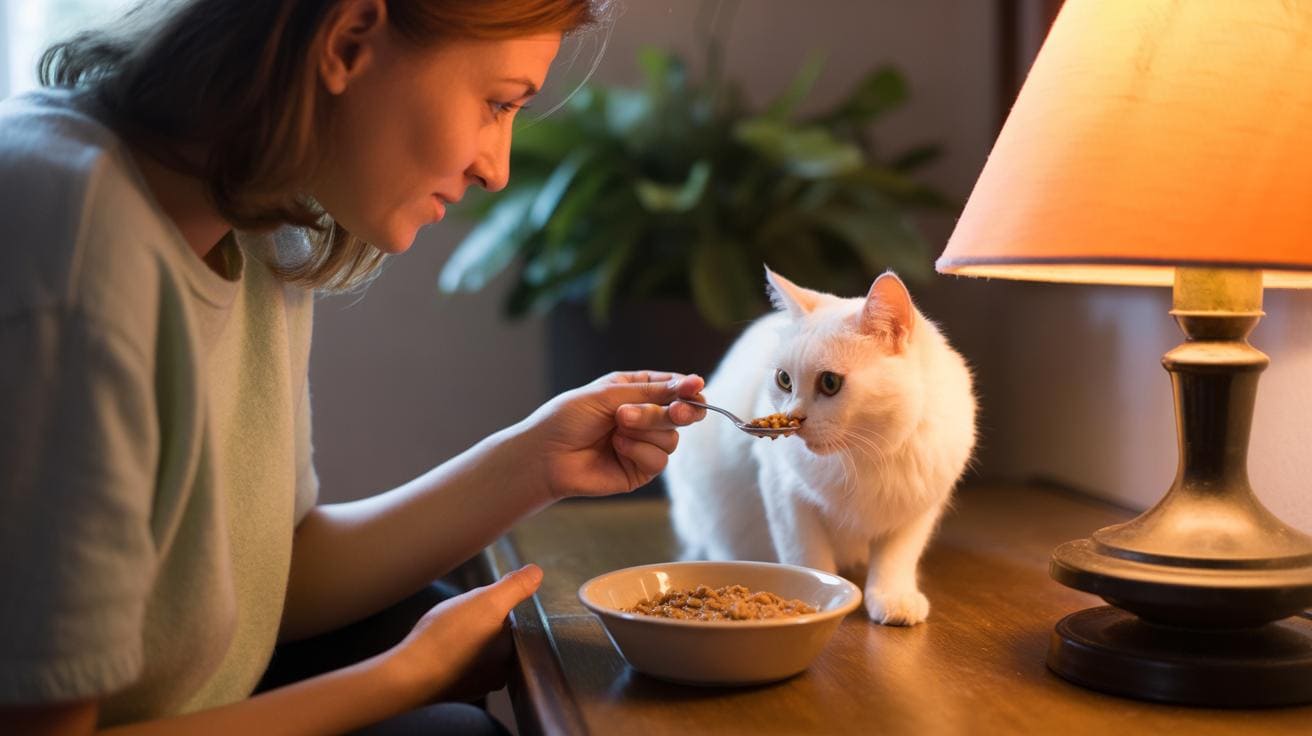
Wet food is the quickest way to boost your cat’s daily water intake, because canned and pouch foods are mostly moisture. Count wet calories by reading the label for kcal (kilocalories) per can or pouch, then subtract that number from your cat’s daily kcal target. For example, a 3-oz pouch often runs about 75 to 100 kcal; if your cat’s goal is 200 kcal a day, that pouch already takes a big bite out of the total. Quick math keeps you from overfeeding, and your cat’s whiskers will thank you.
Meal frequency depends on your cat’s routine and appetite. One wet meal a day works for picky eaters who gobble a single meal; split the wet into two small meals if your kitty prefers to graze. After opening, refrigerate leftovers and use within 48 hours, and toss any wet food left out at room temperature after 1 to 2 hours (less time if it’s warm). If you’ve got multiple cats, serve wet food in separate bowls so the shy one still gets a fair share.
Mixing wet and dry is easier than it sounds: pick a daily kcal target, subtract the wet kcal, and feed the rest as kibble. Example mixes, using a dry food at about 350 kcal per cup: 160 kcal/day , one 80 kcal pouch + about 0.23 cup dry; 240 kcal/day , one 80 kcal pouch + about 0.46 cup dry. Remember, kibble kcal can vary a lot, so check the label and tweak the math for your brand.
For cats with urinary, weight, or gut issues, follow the AAFCO & veterinary callout in the Top quick picks and fast checklist section (AAFCO = Association of American Feed Control Officials), and see the Comparing section for full wet vs dry trade-offs. If you’re unsure, ask your vet , it’s worth getting the mix just right. Worth every paw-print.