Worried your indoor cat is bored and lonely? Hold that thought. Lots of indoor kitties are actually pretty content, and they give tiny, telling signs you can spot if you know what to look for. Check out our guide on Play Aggression Toys.
Here’s a quick yes/no checklist to scan behavior, play, vocal cues, grooming, nutrition appetite, and litter habits. The more boxes you tick, the more confident you can be that your cat is happy.
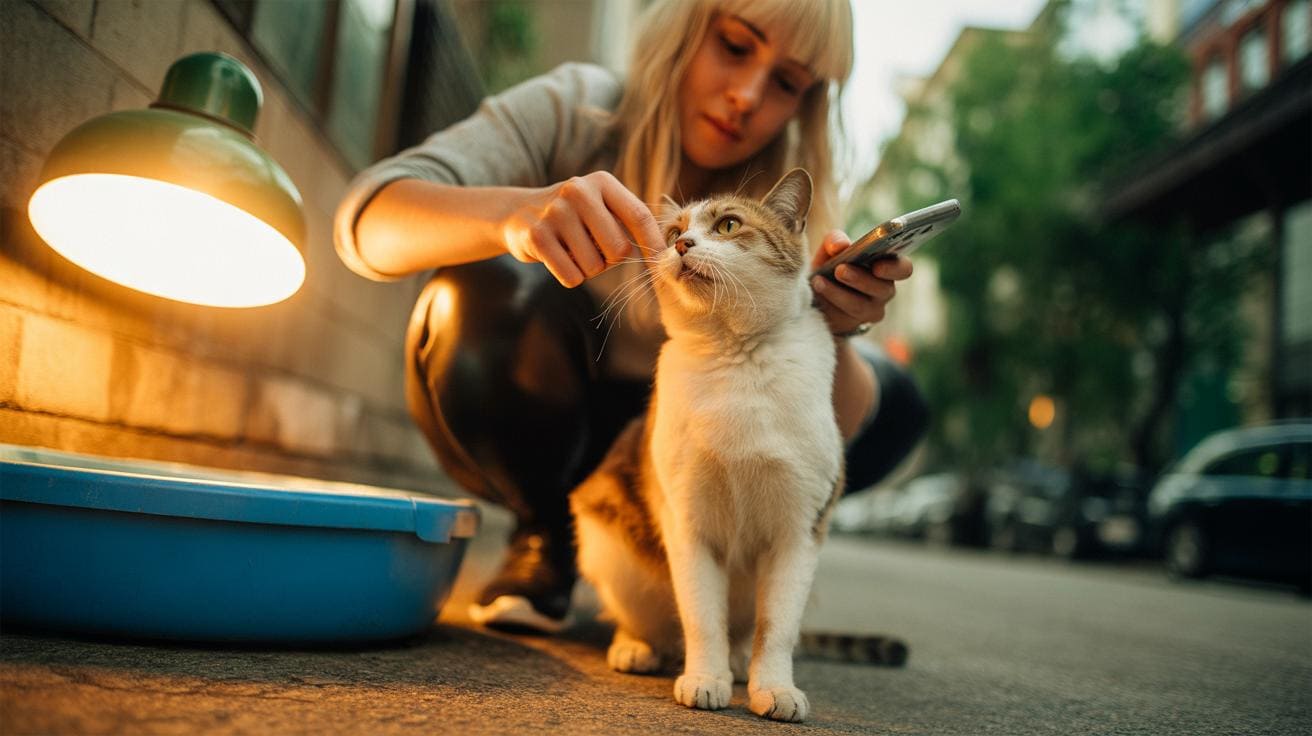
- Head nudges. When your cat bumps your hand or forehead, that’s a friendly hello and trust. Ever get a gentle head bop out of nowhere? Melt moment.
- Slow blinks. Those lazy, slow blinks are basically a feline kiss. Try blinking back and see what happens.
- Dreamy purrs. A low, steady purr while they curl against you or knead feels like a little engine vibrating under your palm.
- Play bursts. Quick zoomies, stalking a toy, or batting at a feather show curiosity and joy. Think of it like a cat workout session.
- Neat fur. Regular self-grooming and smooth fur mean they feel safe and comfortable. No mats, no weird bald spots.
- Steady meals. Eating at regular times and finishing food signals a healthy appetite and less stress.
- Regular litter use. Using the litter box consistently, with no sudden changes, is a big comfort sign.
Tick several of these, and you probably have a purrfectly happy companion.
Worth every paw-print.
Signs of a Happy Indoor Cat
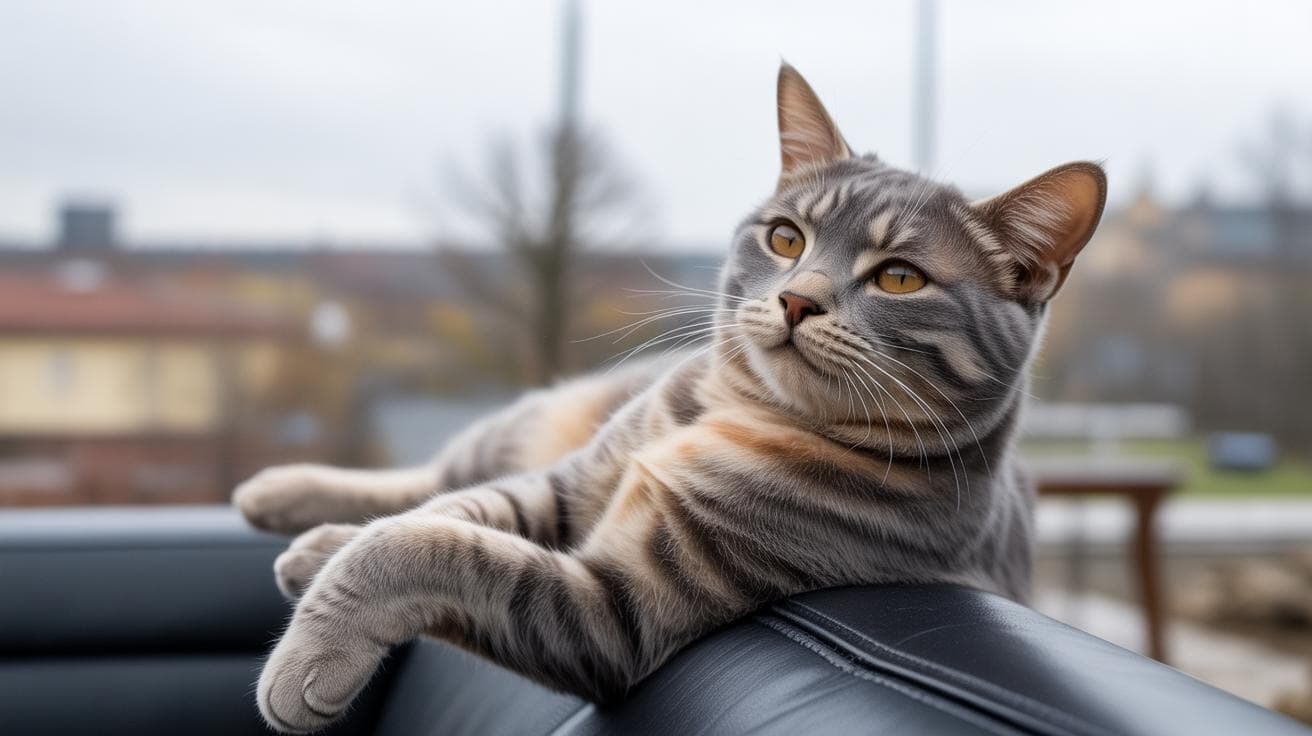
Quick, friendly checklist to spot a content indoor kitty. Scan it like a yes/no list, more checks across categories means you can be more confident your cat is happy.
Look for matches in behavior, play, and physical signs. One thing alone might mean nothing, but several signs across social, vocal, grooming (coat care), and appetite areas usually tell the full story.
- Calmly asks for contact , approaches you, nudges, or gives head butts. Behavioral cues: social signals
- Soft, relaxed purring with sleepy-looking eyes. Behavioral cues: vocalizations
- Slow blink, the classic "cat kiss" (a relaxed, deliberate blink toward you). Behavioral cues: eyes/ears/whiskers
- Tail held up or a gentle tail quiver when greeting you. Behavioral cues: tail signals
- Kneading (pressing paws, "making biscuits") with half-closed eyes. Behavioral cues: social signals
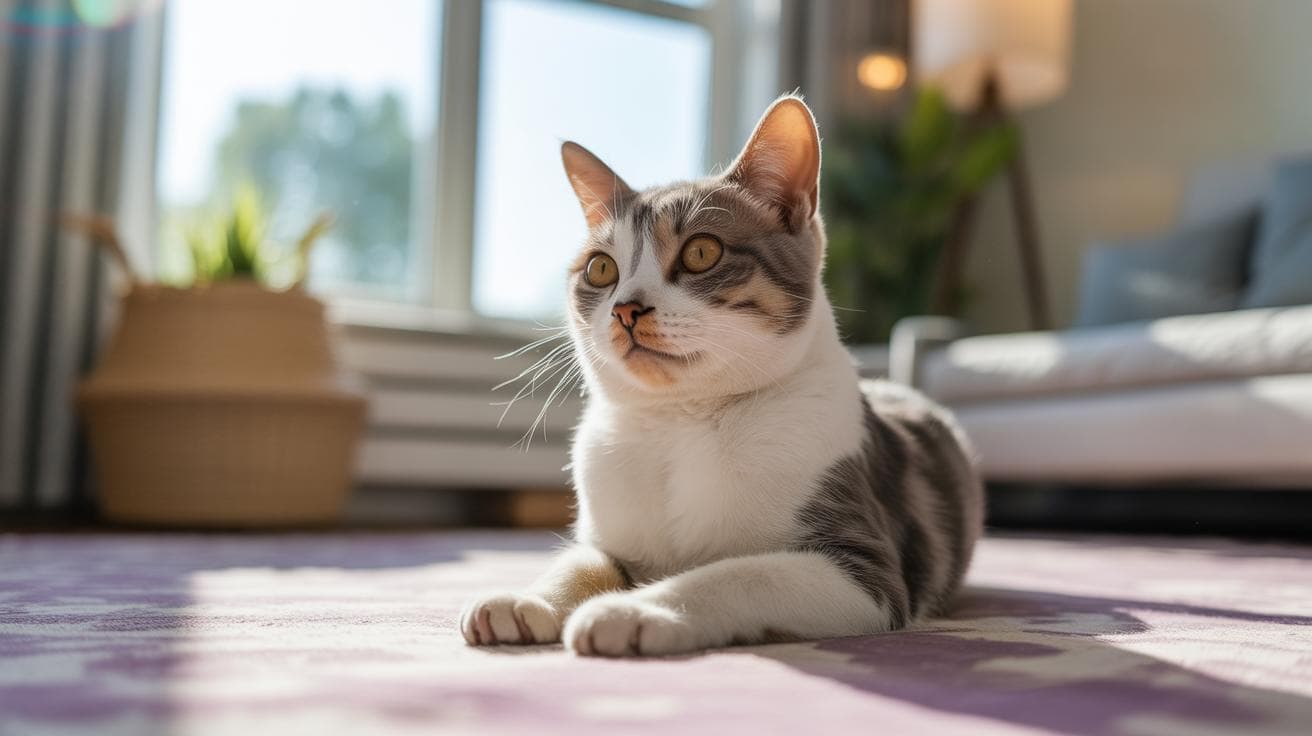
- Flop or belly show in a loose, relaxed pose , great for photos, but be careful about touching the belly. Behavioral cues: social signals/body posture
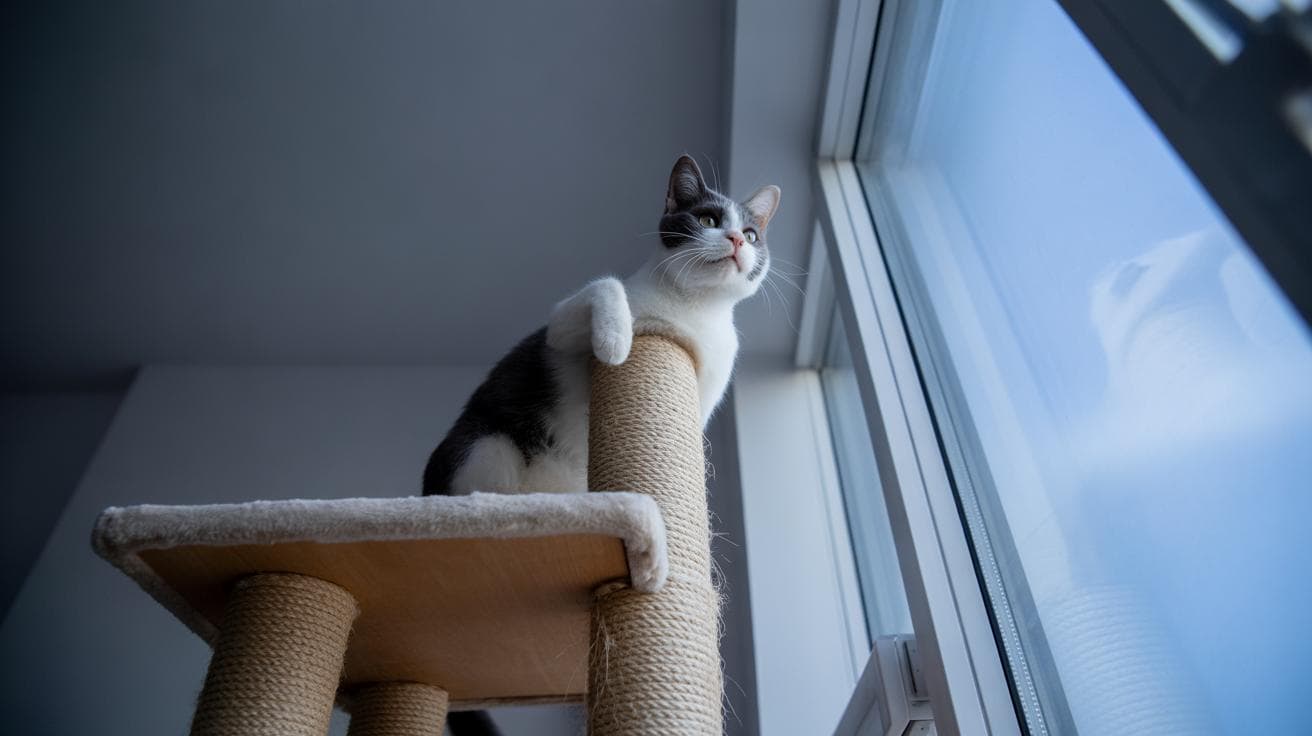
- Regular, confident play and curiosity, like watching birds from the window or chasing a toy. Play, daily activity, and energy patterns
- Normal grooming and a shiny, clean coat (grooming means coat care and keeping fur tidy). Health & Warning signs: grooming
- Healthy appetite and eagerness at mealtimes. Health & Warning signs: appetite
- Consistent litter box use and a normal posture when going. (Litter box means where your cat pees or poops.) Health & Warning signs: litter habits
- Comfortable sleep rhythms , regular naps and a predictable nighttime pattern. Health & Warning signs: sleep
- Positive, relaxed interactions with other pets or people. Behavioral cues: social signals
Read clusters, not singles. If your cat purrs, kneads, greets with an upright tail, and eats enthusiastically, you’re seeing social, vocal, play, and physical signs all at once. That’s a happy mix.
Watch for vet-trigger signs and act fast if you spot them. Seek care if you notice:
- No appetite for 48 hours.
- Vomiting or diarrhea lasting more than 24 hours or any signs of blood.
- Not using the litter box for 24 hours, or straining to urinate or having blood in urine.
- New, loud, or constant vocalizing, or hiding for more than 24 to 48 hours.
- Sudden weight loss of 5 to 10 percent or more over a few weeks.
- New bald patches, painful over-grooming, or a big drop in coat quality.
- Collapse, trouble breathing, or severe bleeding , get emergency care right away.
Each checklist item links to a deeper explanation, quick photo and video examples, and a printable daily log in the Monitoring section so you can track trends and bring clear notes to your vet.
Behavioral cues: body language, vocalizations, and social signals
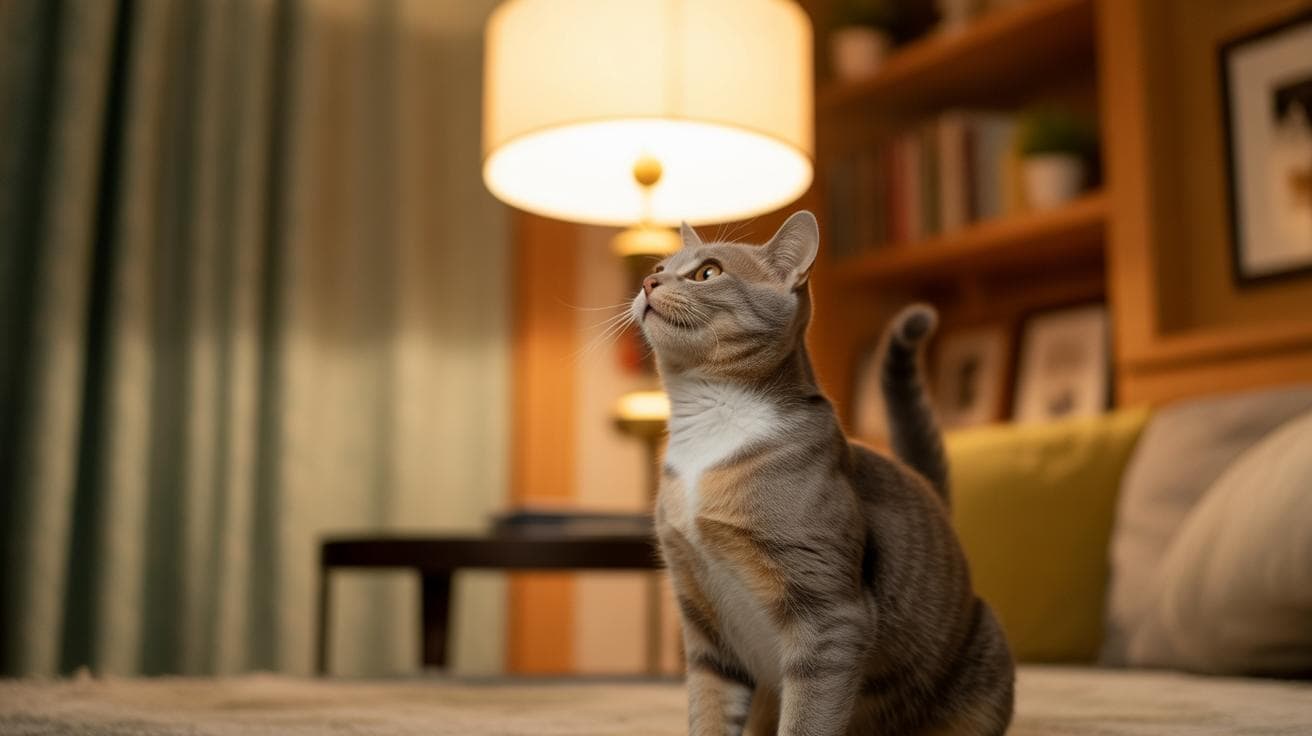
This section expands the quick checklist items 1–6 and 12 so you can read kitty signals with more confidence. Click the checklist anchors to jump from the short list to each detailed bit as you go: Behavioral cues: social signals, Behavioral cues: vocalizations, Behavioral cues: eyes/ears/whiskers, and Behavioral cues: tail signals. Ever watched your cat and wondered what all that wiggling and chirping means? You’re in the right spot.
Tail signals
Tail posture is one of the quickest ways to read a cat’s mood. An upright tail with a curved tip or a tiny quiver when your cat greets you (checklist item 4) usually means “happy to see you” , think of it as a feline wave. A slow, relaxed swish says casual interest. A rapid lash or thrashing tail usually means irritation or alarm, so move slowly and check the rest of the body before you act.
Always read the tail with the whole cat: a high tail on a tense back is different from a high tail on a loose, relaxed body. Short video clip: quick demo showing upright tail greeting vs rapid lash.
Eyes, ears, and whiskers
A slow blink , the mellow “cat kiss” , and half-closed, sleepy eyes are cozy signs (see checklist items 3 and 2). If your cat slow-blinks at you and then nudges, that’s trust in action. Try returning the slow blink; it’s an easy, sweet connection.
Ears tell a lot: ears that sit relaxed and neutral mean calm; ears forward mean focused interest; pinned ears mean stress. Whiskers (sensitive facial hairs) held gently to the sides are relaxed; whiskers flattened back can signal fear or defense. Photo examples: side-by-side shots of slow blink, neutral ears, and whisker positions.
Vocalizations (purrs, chirps, trills, meows)
Vocalizations (cat sounds) give important clues. Purring during petting or lounging is usually contentment when the body looks relaxed (checklist item 2). A chirp or trill at the window or when greeting you often means excitement or a “look over here” moment, not distress.
Short, cheerful meows are normal greetings. Long, loud, repeated yowling or sudden changes in how your cat calls may point to stress or pain. Mini-note: any vocal changes that match the vet-trigger thresholds belong in the Health & Warning signs section for quick action. Audio clip: examples of purr vs chirp vs worrying yowl.
Social signals and body posture (head butts, kneading, flopping, belly exposure)
Head butts and rubbing , sometimes called bunting , leave scent and build social bonds; that’s checklist item 1 and item 12 in action. When a cat presses its face to your hand or rubs against your leg, it’s saying you’re part of its circle.
Kneading (making biscuits, pushing paws rhythmically) with half-closed eyes shows comfort and security (checklist item 5). A full-body flop or rolling onto the back can be a sign of trust, though not always an invitation to belly rubs (checklist item 6); many cats prefer head scratches instead. Safe response tips:
- Return a head butt with a gentle forehead touch or a slow blink.
- If your cat flops, try a soft stroke to the head or chin instead of reaching for the belly.
- When kneading, offer a flat hand nearby or a soft blanket so they can keep going.
When you read these behaviors, look for matches across categories , posture, touch, and vocal tone , not just one signal. A slow blink plus a relaxed tail and gentle purring is much stronger evidence of comfort than any of those alone. Keep context in mind: recent changes, a new pet, age, or medical issues can shift meanings quickly, so check the Health & Warning signs section if you see troubling patterns or vet-trigger symptoms. I once watched my cat leap three feet for a toy and then flop for chin scratches , small moments like that tell you a lot.
Play, daily activity, and energy patterns (age-specific expansion of checklist item 7)
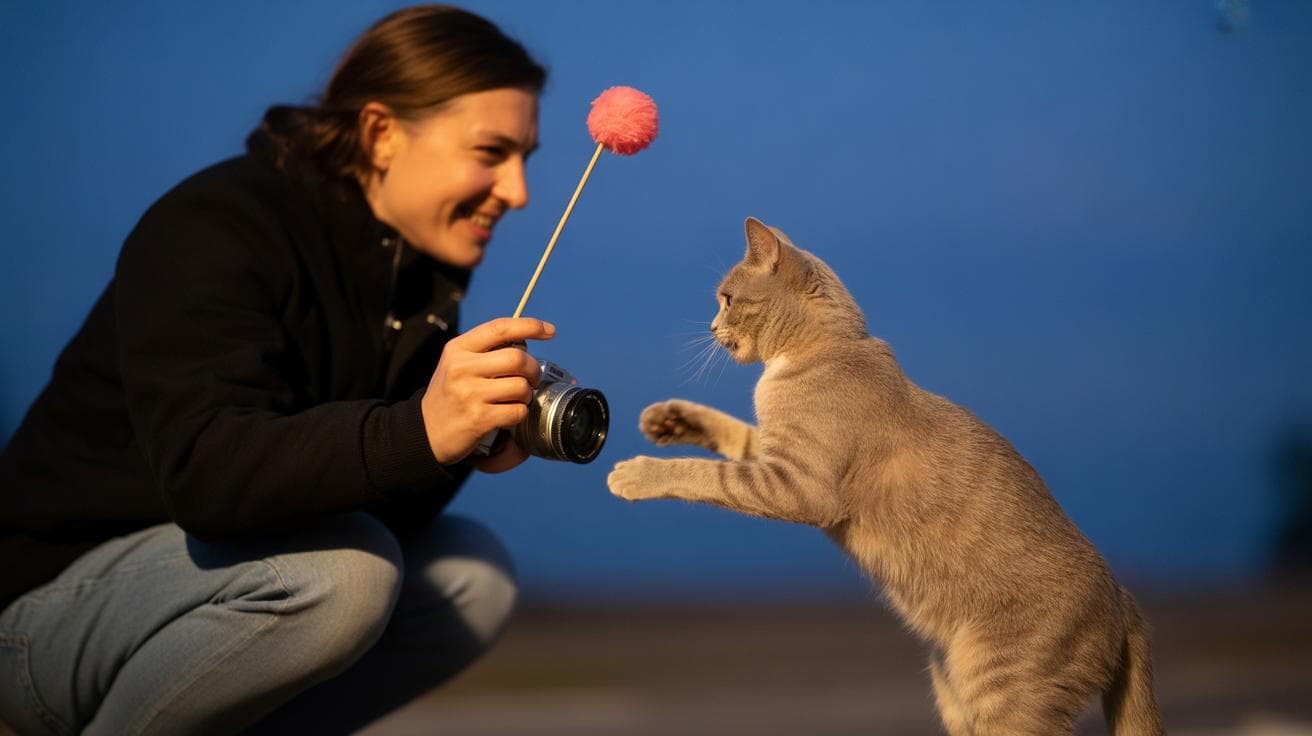
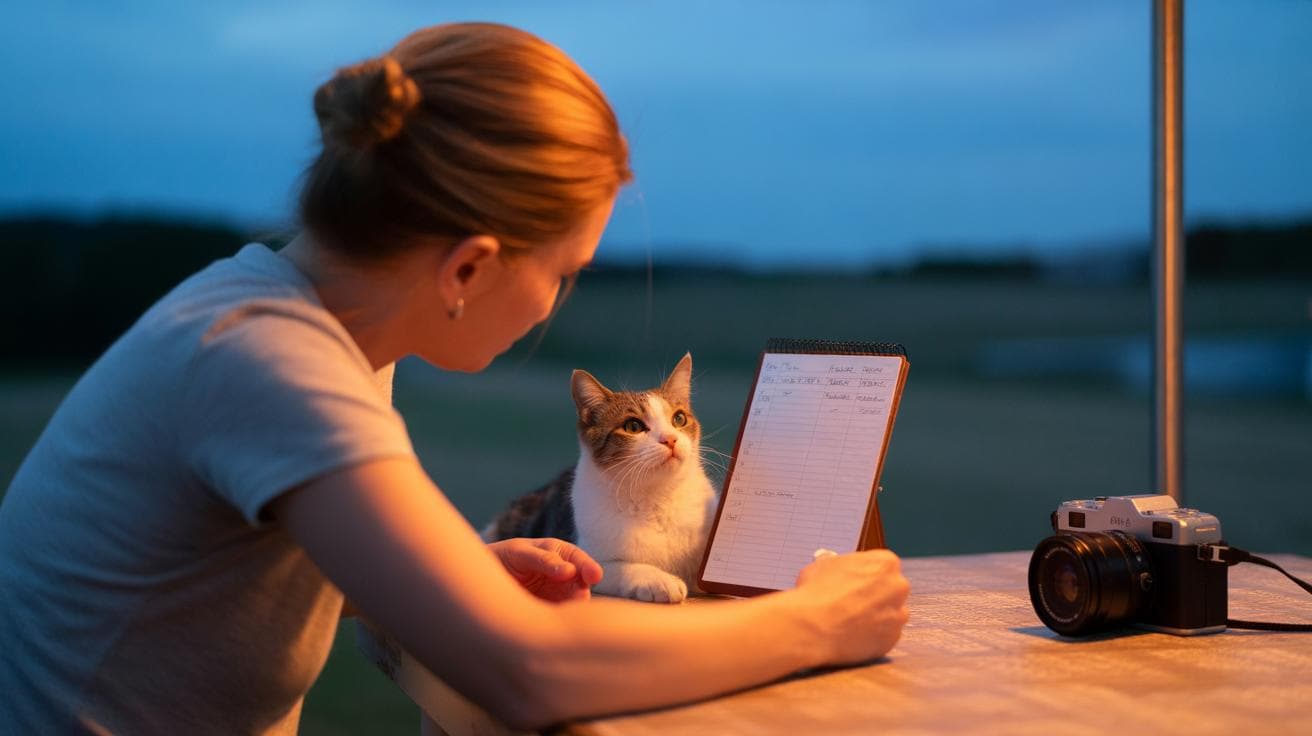
Play is where cats show their inner hunter and feel really satisfied. For a quick jump back, see checklist item 7. Log session times with the Monitoring daily log so you can spot when your cat is most active.
Aim for interactive sessions that copy a hunt: a slow stalk, a lively pounce, a believable catch, then a calm finish. Some cats get a meal after play and adore that ritual. Use wand toys (a stick with a ribbon or feather), small movable toys (balls or motorized mice), and puzzle feeders (a toy that makes cats work for food) to mix motion with brain work. Picture your cat’s whiskers twitching as a toy skitters across the floor and the satisfying thud when they nab it.
| Age Group | Typical Play Pattern | Session Length & Frequency |
|---|---|---|
| Kitten | Short, frequent bursts of wild energy; fast learners | 5–15 minutes per session; 3–6 short sessions per day |
| Adult | Hunting-style sequences with focused bursts and solo breaks | Two 10–15 minute interactive sessions per day plus short solo play |
| Senior | Gentler, slower moves; shorter attention span; joint-aware play | 5–10 minute sessions; 1–2 times per day tuned to stamina |
Safety and variety matter. Watch breathing, limping, or sudden disinterest – stop the game if your cat pants, hunches, or favors a leg. For seniors, pick low-impact toys and lower perches so they don’t have to make hard jumps. Do a few gentle wand moves first to warm up those muscles before any intense bursts.
Rotate toys weekly so novelty stays high , store a few and swap them like a tiny surprise. Use puzzle feeders to stretch mealtime into hunting practice and to slow eating. Keep session endings predictable; let your cat “catch” a toy so they finish calm and happy.
Track times and reactions in the Monitoring daily log so you can tune play length and type to your cat’s age, health, and personality. I once watched Luna leap six feet for a crinkly ball , worth every paw-print.