Think your active cat can eat the same as a couch cat? That’s a really common mistake. Ever watched your kitty bolt across the room and wondered where all that energy comes from?
Active cats usually need about 30 kcal per lb (kcal = food Calories on labels), not the 20 kcal per lb many owners assume. So a 10-lb (pound) sprinter needs roughly 300 kcal a day, not 200. That extra hundred calories can be the difference between happy zoomies and slow, bored loafing.
I’ll give you clear feeding targets, simple calorie math, and protein (muscle-building nutrient) focused tips so you can fuel the zoomies, protect lean muscle, and avoid accidental weight gain. No more guessing, um, promise.
Worth every paw-print.
At-a-glance feeding targets for adult active cats
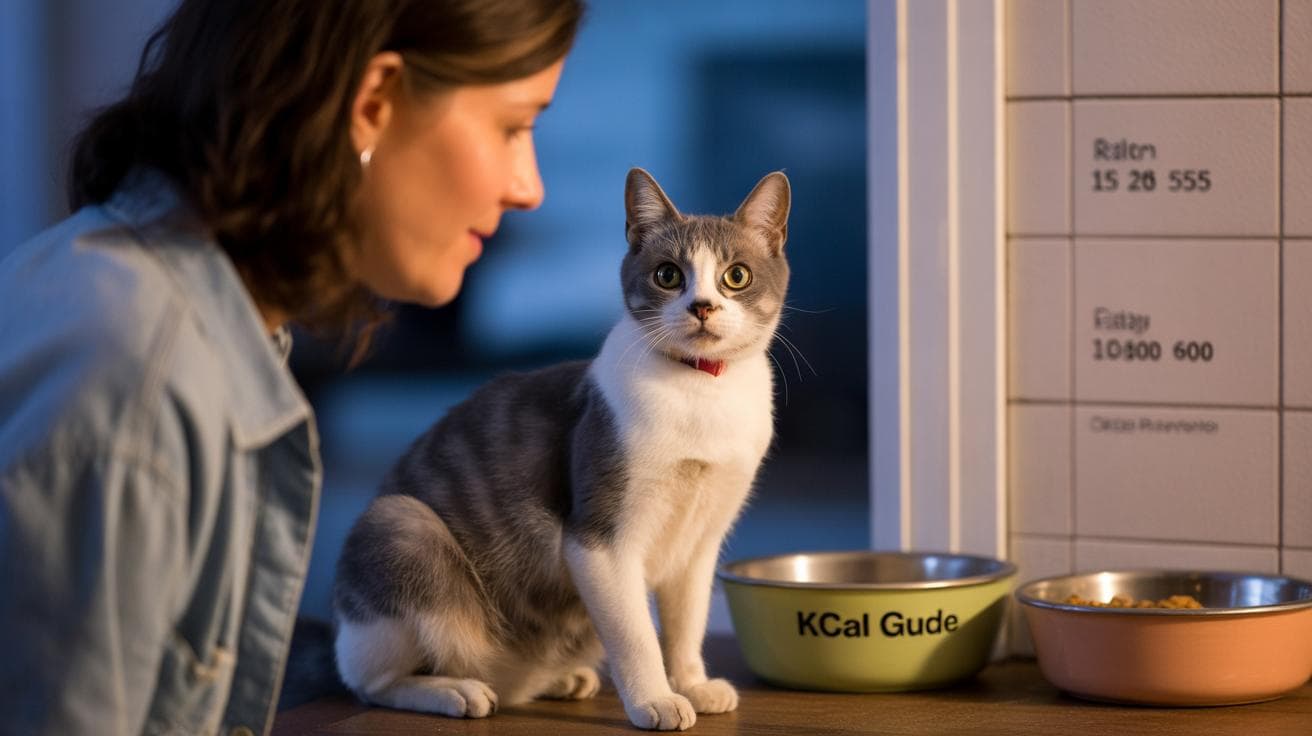
Quick rule of paw: aim for about 20 kcal per pound of your cat’s ideal body weight for everyday maintenance, and about 30 kcal per pound for very active or outdoor adults. (kcal = kilocalories, the “Calories” you see on pet-food labels.)
So, math in plain terms: a 10-lb adult at maintenance needs roughly 200 kcal/day (20 × 10). A highly active 10-lb cat needs about 300 kcal/day (30 × 10). Simple. Really.
Use your cat’s ideal body weight for planning, not their current overweight weight. For precise needs, use the RER formula: RER = 70 × [body weight in kg]^0.75 (RER = resting energy requirement; kg = kilograms). Then apply activity multipliers, check the Calorie calculation and portion sizes section for those numbers and step-by-step guidance. And, um, ask your vet if you’re unsure.
Macronutrient headline: more protein for muscle (protein builds and preserves muscle), enough fat for steady energy (fat = concentrated calories), and limited carbs so you don’t overload calories. Think of it like fueling zoomies and long naps, balanced, muscle-supporting, and not too many extra carbs. Worth every paw-print.
Calorie calculation and portion sizes for active cats (sample portion chart)
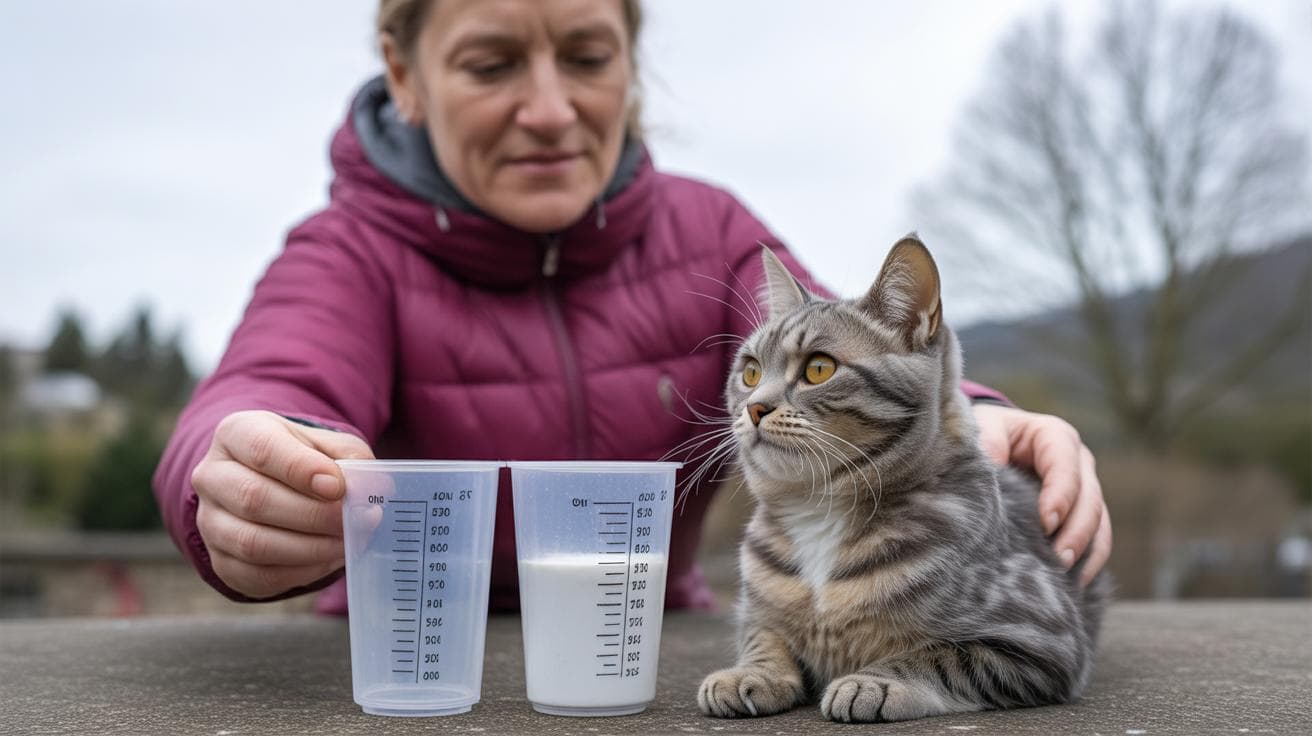
Base your cat’s daily food on their total calorie need, not just what the bag says. Start with the RER formula: RER = 70 × (body weight in kg)^0.75. RER means resting energy requirement (the bare minimum calorie amount your cat needs at rest). Then pick an activity factor with your veterinarian and multiply RER by that number to get MER (maintenance energy requirement, the daily calorie goal for an active cat). Think of the product label as a rough map. Measure, watch, and adjust.
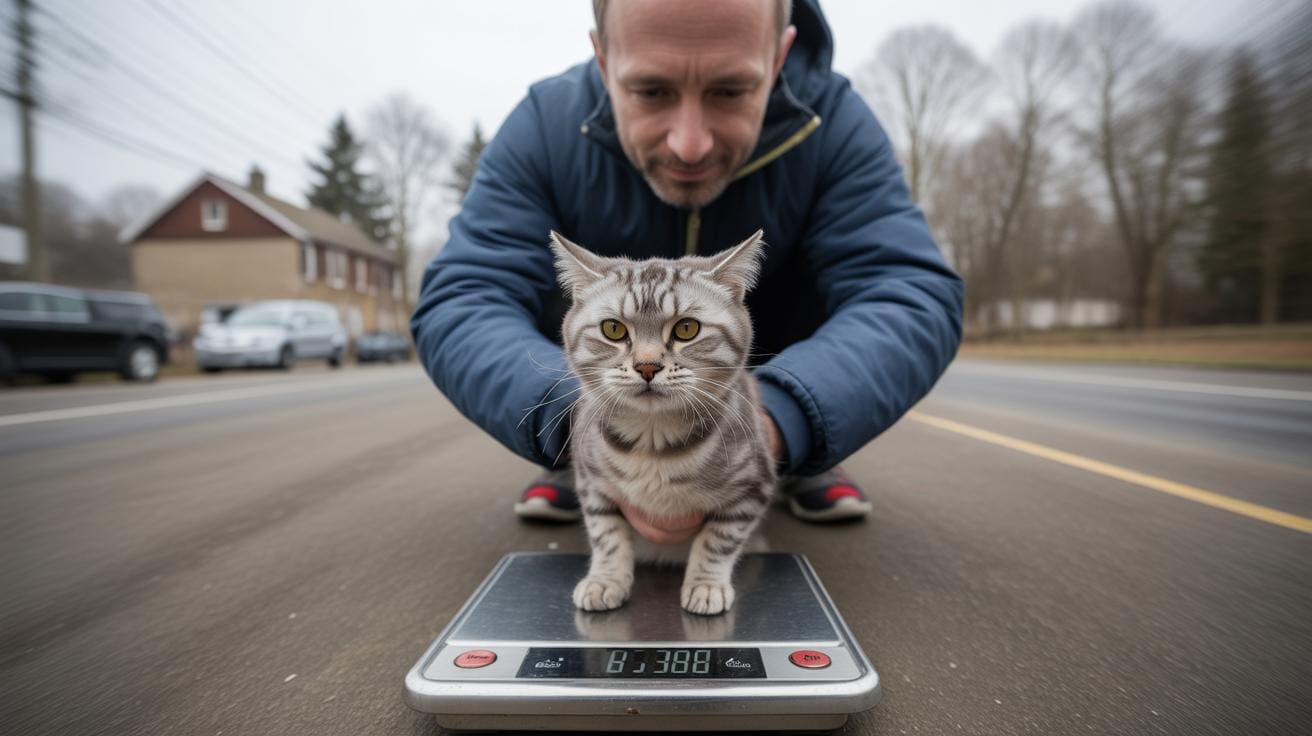
Quick conversion tips: assume dry kibble is about 400 kcal per cup (kcal means food calories) and a 3-oz wet can is about 80 kcal, but always check your brand’s label. Use a standard 8-oz measuring cup for quick scoops, or better yet weigh food on a kitchen scale for accuracy. Log treats and toppers too. Start with the calculated totals, then check weight and body health condition after 2 to 3 weeks and tweak portions by about 10 to 20 percent if your cat is gaining or losing too quickly.
Pick the activity multiplier with your vet based on what your cat actually does, short indoor zoomies? Use a lower multiplier. Outdoors patrols or working cats? Use a higher one. Weigh-ins every couple weeks keep you from guessing. Worth the few minutes. Your cat will thank you with extra purrs.
| Body weight (lb) | Activity level | Calories/day (approx) | Dry food (cups/day, assume 400 kcal/cup) | Wet food (oz/day, assume 3-oz cans about 80 kcal) |
|---|---|---|---|---|
| 6 lb | Maintenance / Active | 120 / 180 kcal | 0.30 / 0.45 cups | 4.5 oz / 6.75 oz |
| 8 lb | Maintenance / Active | 160 / 240 kcal | 0.40 / 0.60 cups | 6 oz / 9 oz |
| 10 lb | Maintenance / Active | 200 / 300 kcal | 0.50 / 0.75 cups | 7.5 oz / 11.25 oz |
| 12 lb | Maintenance / Active | 240 / 360 kcal | 0.60 / 0.90 cups | 9 oz / 13.5 oz |
| 14 lb | Maintenance / Active | 280 / 420 kcal | 0.70 / 1.05 cups | 10.5 oz / 15.75 oz |
| 16 lb | Maintenance / Active | 320 / 480 kcal | 0.80 / 1.20 cups | 12 oz / 18 oz |
Protein, fat and micronutrient priorities in diets for active cats
Active cats need food built around high-quality, easy-to-digest protein. Think named meats first – chicken, turkey, salmon – not vague words like "meat" or "animal." Named proteins usually mean a better mix of amino acids (the building blocks of muscle) so your cat keeps its lean muscle through all that zooming and play. Look for an on-package statement that the food is complete and balanced (AAFCO – Association of American Feed Control Officials) and check the guaranteed analysis numbers, like crude protein and crude fat percentages. Higher protein numbers usually help maintain muscle during heavy play and training.
Fat is your cat's concentrated fuel. It gives steady calories between sprints and helps the body absorb fat-soluble vitamins. Look for clear fat sources on the label and sensible calorie density so you’re fueling zoomies without adding too many carbs. Omega-3s – EPA and DHA (long-chain fish oils that reduce inflammation) – are especially useful. They support joints, soothe exercise-related inflammation, and keep coats shiny. It’s nice when food lists digestibility claims too – digestibility means how much of the food your cat actually absorbs.
Supplements can plug real gaps, but use them carefully. Fish oil, specific amino-acid supplements, and probiotics can help when a diet falls short, but too many extras can unbalance nutrition and cause problems. Avoid homemade or vegetarian diets unless a board-certified veterinary nutritionist wrote the recipe – cats have unique needs and missing one nutrient can cause serious issues. When in doubt, ask your veterinarian before adding supplements or changing core foods. Seriously, ask them.
Taurine, omega-3s and amino-acid priorities
Taurine is a must-have amino acid for cats – it’s essential for heart and eye health. Low taurine causes real disease, so double-check that the diet supplies it. EPA and DHA (omega-3 fatty acids from fish oil) calm exercise-related inflammation, help joint comfort for active cats, and keep fur glossy and soft. Favor foods with named animal proteins, digestibility claims, and that AAFCO complete-and-balanced line – those three things together usually point to better protein quality.
If your cat trains hard, competes, or has special medical needs, chat with your vet about targeted supplements and consider a nutritionist consult before trying homemade plans. Ever watched your kitty chase shadows? Feeding smart makes those moments even better. Worth every paw-print.
Wet vs dry food and hydration strategies for active cats
Wet food usually wins when it comes to moisture and taste. That rich, savory smell and soft texture get many thirsty cats to eat more fluids, which is perfect after a big play session when they need a quick rehydrate-and-recover meal. Ever watched your kitty lap up every last bit? Yeah, that.
Dry kibble (dry, crunchy cat food) is handy. It’s easy to portion, stays fresh on the counter longer, and that satisfying crunch appeals to some chewers. If your cat is active, pick high-protein, low-carb (low-carbohydrate) kibbles so they get the energy they need without extra carbs.
Simple hydration tricks that actually work: give at least one canned meal a day, canned food adds real moisture. Stir in a splash of warm water or a little low-sodium broth (broth with very little added salt) to make meals juicier and more tempting. For busy days, toss an unbreakable wet meal before you head out, that’s ten minutes of safe play and fluid intake.
Place water where your cat already prowls. Put multiple fresh-water bowls around the house so your cat “finds” water during patrols. Try a cat water fountain (a circulating dish that keeps water moving and smelling fresher) and swap bowl types, some cats prefer shallow dishes, others a deeper bowl. Enrichment feeders (puzzle-style bowls that slow eating) can also help, movement during mealtime often makes cats sip more afterward.
Food safety and timing matter. Don’t leave wet or raw-fed portions at room temperature for more than about two hours, and pop opened cans into the fridge right away. Dry kibble can sit out longer, but follow the maker’s guidance and toss any stale or contaminated food. For conversion math and portion tables, see the Calorie calculation and portion sizes section.