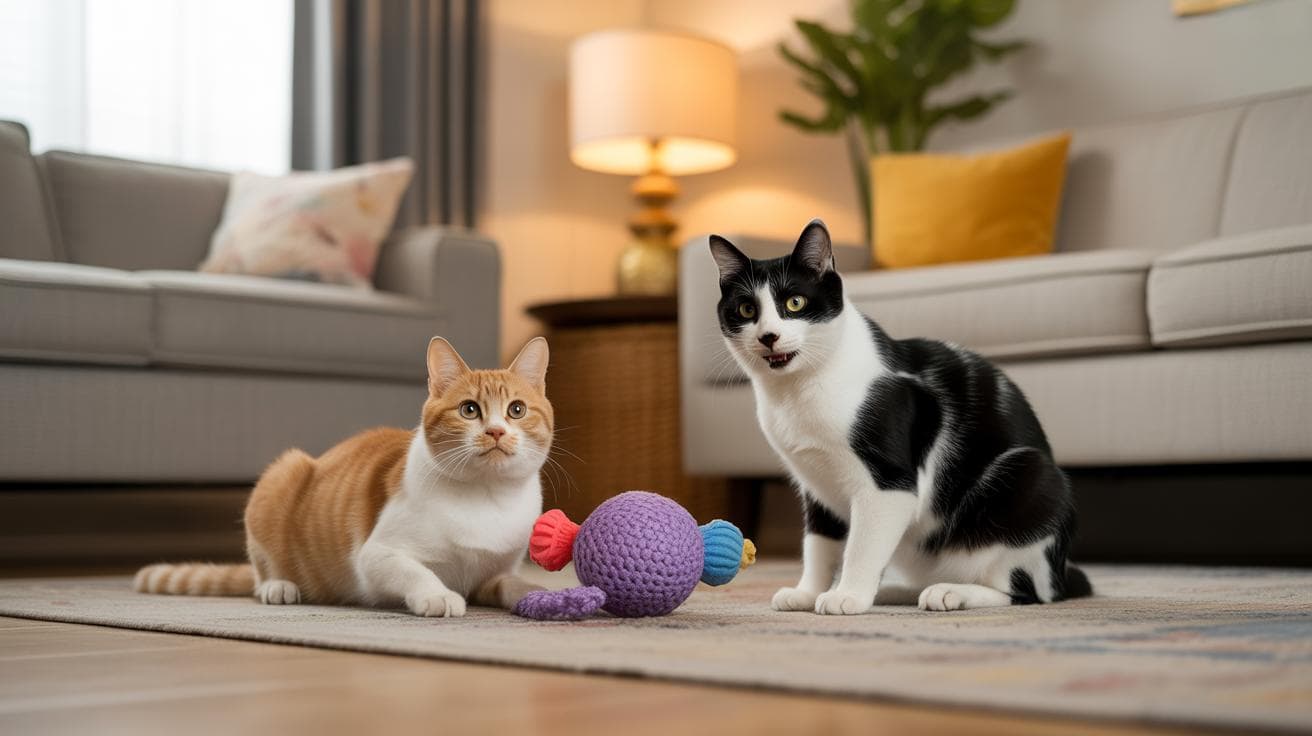
Think indoor cats are stuck with couch naps?
Think again. Play is survival practice, and the right toy turns your sofa into a tiny hunting ground where whiskers twitch and paws fly. Ever watched a cat pounce and feel oddly proud? Me too.
We scored three toy types on three simple things: how well they mimic hunting, how much exercise they give, and how likely they are to survive claws and teeth (durability). The toys: wands (a stick with feathers or string), puzzle feeders (toys that hide treats), and motorized toys (battery-powered movers).
Wands: Great at copying prey movement and building focus. They give quick bursts of exercise and make your cat leap like a kitten again. Low price. Durability varies by brand, so pick a sturdy shaft and replace feathers as needed.
Puzzle feeders: Slow, clever fun that tricks a meal into a hunt. They boost brainwork and stretch mealtime into playtime, perfect for the busy owner. Mid price. Durable if made from hard plastic or puncture-proof fabric (material that resists bites and claws).
Motorized toys: Chaotic, unpredictable, and irresistible. They mimic a skittering critter and keep solo cats entertained longer. Higher price. Durability depends on build and battery compartment strength.
Fast picks by life stage? For kittens, get a light wand to build skills. For adults, add a durable puzzle feeder to slow eating and up stimulation. For seniors, choose slow-moving motorized toys or easy-to-hold wands that won’t stress aching joints.
Pick one, toss it on the couch, and watch your cat get feline fine. Worth every paw-print.
Best Cat Toys for Indoor Cats: Top Picks
Indoor cat enrichment is about giving your kitty chances to hunt, climb, chase, and solve little puzzles so they stay active and mentally sharp. We scored each play format on how well it mimics hunting, how much exercise it provides, and how likely it is to survive daily claws and teeth, so you can pick fast from the best cat toys for indoor cats. Think of it as a tiny living-room safari for your fur kid.
We picked formats that work across ages, from bouncy kittens to dignified seniors, and flagged price and durability so you know what to expect before you click. For product-level choices and model notes, see the longer top cat toys 2024 indoor roundups and the indoor cat toy best sellers lists elsewhere in the guide.
-
Wand / teaser – Best for owner-led bursts of chase and pounce – Price: low to med; Durability: 7/10
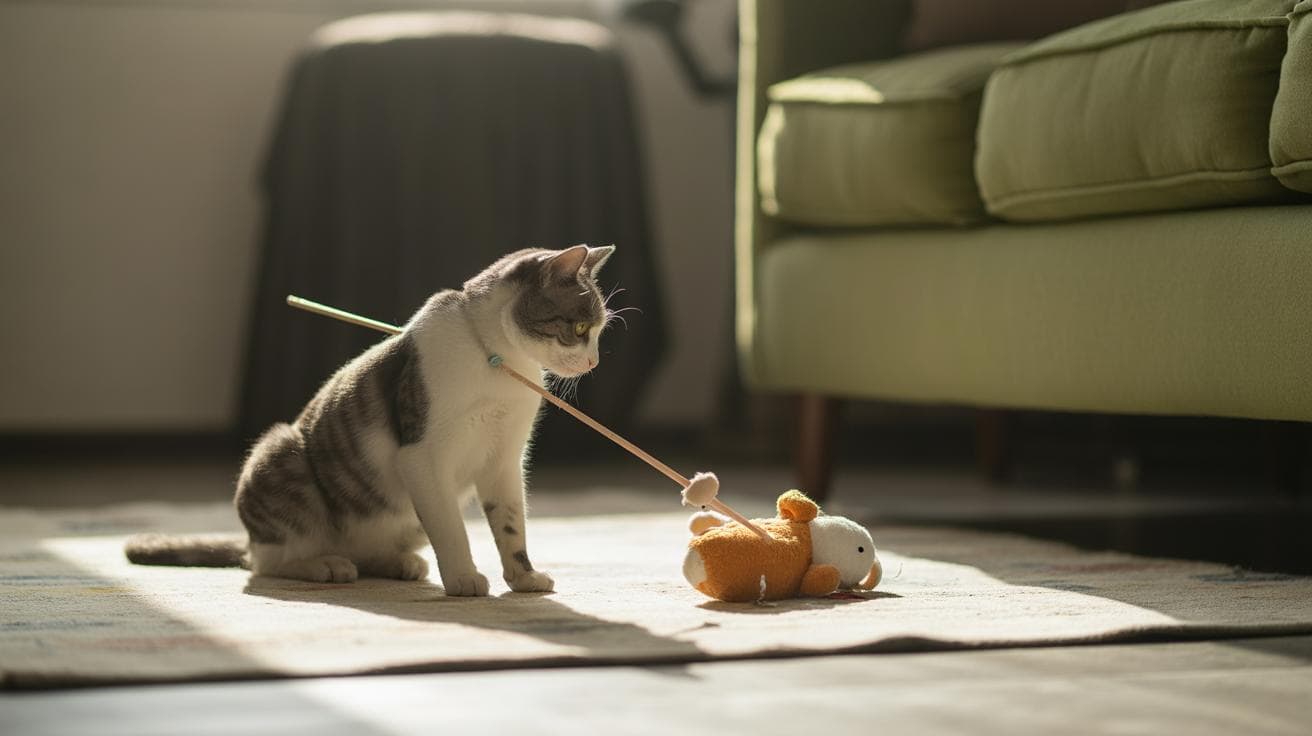
- A wand is basically a stick with dangly feathers or streamers. Think of it like a fishing rod for cats, your arm does the work, they get the thrill. Great for quick interactive sessions and bonding. My cat once vaulted like a tiny panther.
-
Puzzle / treat feeder – Best for slowing meals and foraging play – Price: med; Durability: 8/10
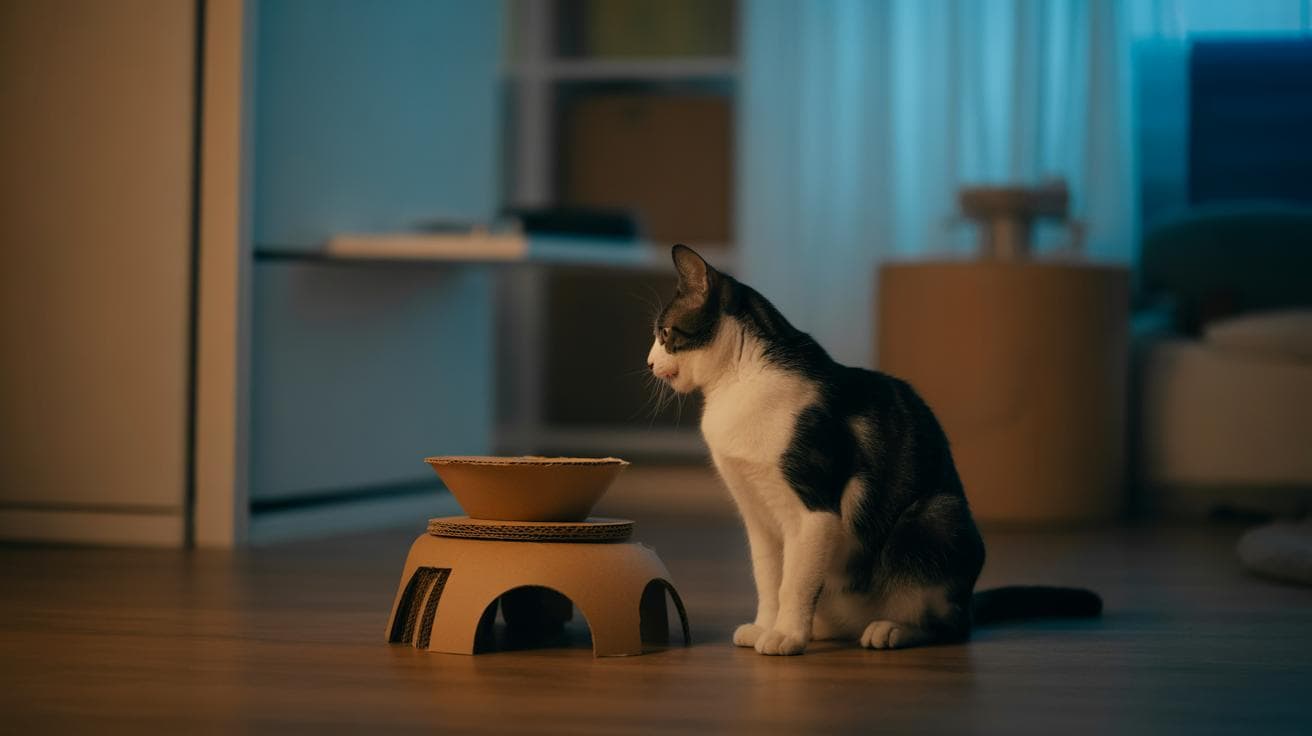
- These are toys that hide kibble or treats, so cats work a bit to eat (foraging, meaning searching for food). Good for mental exercise and slowing down gulpers. It’s like giving their brain a snack.
-
Motorized / chase toy – Best for solo bursts when you’re away – Price: med to high; Durability: 7/10
- Battery-powered moving toys (small motors that make things zip or wobble). Awesome for solo play, but pick ones with replaceable parts so you’re not tossing the whole toy when a wheel gives out.
-
Laser with finish-to-reward – Best for reflex training plus aerobic fun – Price: low; Durability: 6/10
- A laser pointer that you end play sessions by pointing at a toy or treat (finish-to-reward means they get something tangible at the end). Lasers are great cardio, but cats can get frustrated if there’s never a catch, so always end with a real prize.
-
Rolling / track systems – Best for repeated batting and short sprints – Price: med; Durability: 8/10
- Plastic tracks with a ball inside or circular toys that roll. They make that satisfying rattle and invite batting over and over. Perfect for short bursts and cats who love repetition.
-
Plush catnip toys – Best for cuddles, batting, and kicking – Price: low; Durability: 6/10
- Soft toys stuffed with catnip (the herb that many cats go wild for). Great for snuggling or kicking with the back feet. Not the toughest, but adorable.
-
Fetch-friendly small prey toys – Best for fetch practice and recall games – Price: low; Durability: 7/10
- Small toy mice or birds that fit in a cat’s mouth. If your cat will fetch, these are perfect for recall training and short fetch sessions. Lightweight, easy to throw, and usually washable.
-
Budget DIY / low-cost options – Best for instant play and variety (crumpled paper, boxes) – Price: low; Durability: 5/10
- Sometimes the best toys are free: crumpled paper balls, cardboard boxes, paper bags. Instant fun, lots of variety, but not exactly long-lasting.
Quick purchaser callouts:
- Match toys to your cat’s play style and age. Kittens often need fast, fluttery things; older cats may prefer slower, puzzle-style play. Always check seams and small parts before gifting a toy to prevent choking hazards. See Durability section.
- Want solo-play devices? Prioritize replaceable moving parts and quieter motors so you don’t scare your cat. Quiet, repairable toys last longer and keep your kitty coming back for more. See Durability section.
Interactive play: best interactive toys for indoor cats (wand, laser, motorized/chase , all engagement picks in one place)
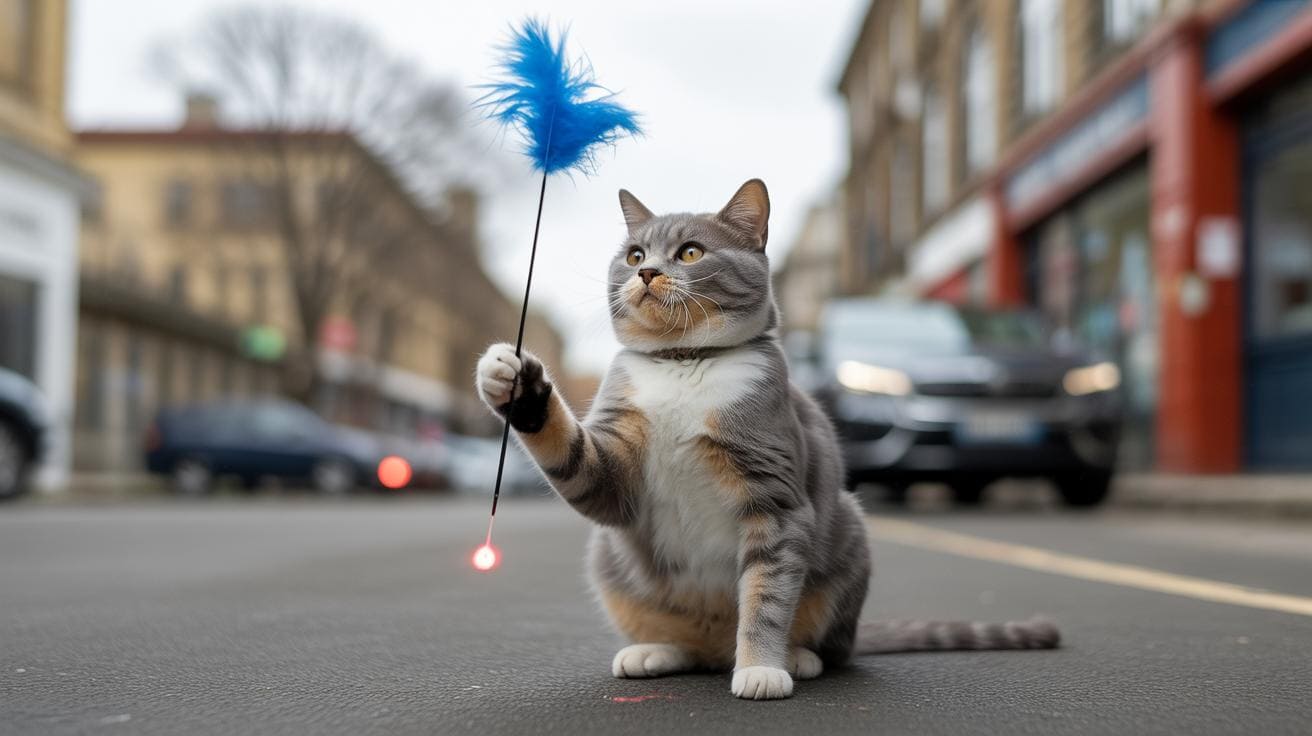
Interactive cat toys for indoor cats fall into three friendly categories: wand or teaser toys that invite you to lead the stalk-and-pounce game, laser play that gets reflexes and the heart racing, and motorized chase toys that pretend to be erratic prey when you can’t be there. Each type hits a different part of the hunt cycle, so swapping them keeps your cat curious and moving. Ever watched your kitty go from bored to full ninja in under a minute? Yeah.
Short, high-intensity bursts work best for most cats. Try 3 to 5 minute wand sessions, a couple quick laser sprints, and a short motorized session for solo play while you’re out. Warm up briefly and finish with something physical so your cat doesn’t end the hunt frustrated, your cat’s whiskers and body language will tell you if it’s working.
Pick owner-led play when you want bonding or to teach tricks, or when a shy cat needs slow movement and scent to feel safe. Use motorized toys for gap hours, but rotate those toys often because attention fades fast; noisy motors and the same pattern over and over get old. And with laser play, always finish by pointing the dot onto a toy or a treat so the hunt feels complete.
Wand toys (length, attachment types, session structure)
Wands are basically a fishing rod for cats , you hold the handle and wiggle the lure. Aim for a wand length that keeps your hands safe, like 18 to 36 inches, so you can whip in quick fluttering moves without getting swatted. Swap attachments: feathers, small balls, crinkle bits, and soft mice give different textures and sounds that picky kitties love. Structure play as 3 to 5 minute bursts with short rests to keep intensity high.
- Vary speed and angle to mimic real prey.
- Always end the session by leading the toy to a catcher (a toy or a treat).
- Store wands out of reach between sessions.
- Supervise anytime a long string is exposed, um, you know, safety first.
Laser play (session structure and finishing tactic)
Laser play is incredible cardio when done right. Keep sessions short: one to three five-minute bursts spread across the day works well for many cats. Never end with just the dot. Point the laser to a toy or toss a treat so your cat gets a real, physical catch. Also, don’t shine the laser in your cat’s eyes , that’s an eye-safety no-no.
- Warm up with a wand teaser for 30 to 60 seconds.
- Do a 30 to 60 second laser chase in short sweeps.
- Finish by landing the dot onto a toy or treat your cat can grab.
Motorized / Chase / Rolling (buyer checklist, when to use unsupervised)
Motorized toys and rolling tracks are perfect for solo enrichment during short absences. Expect short, repeated interactions , most cats bat, retreat, then come back a few times. Rotate these toys with quieter or scent-based items so they don’t go stale, and watch for overheating or jammed gears after heavy use. Look for toys with replaceable parts and easy cleaning since wheels and motors wear first.
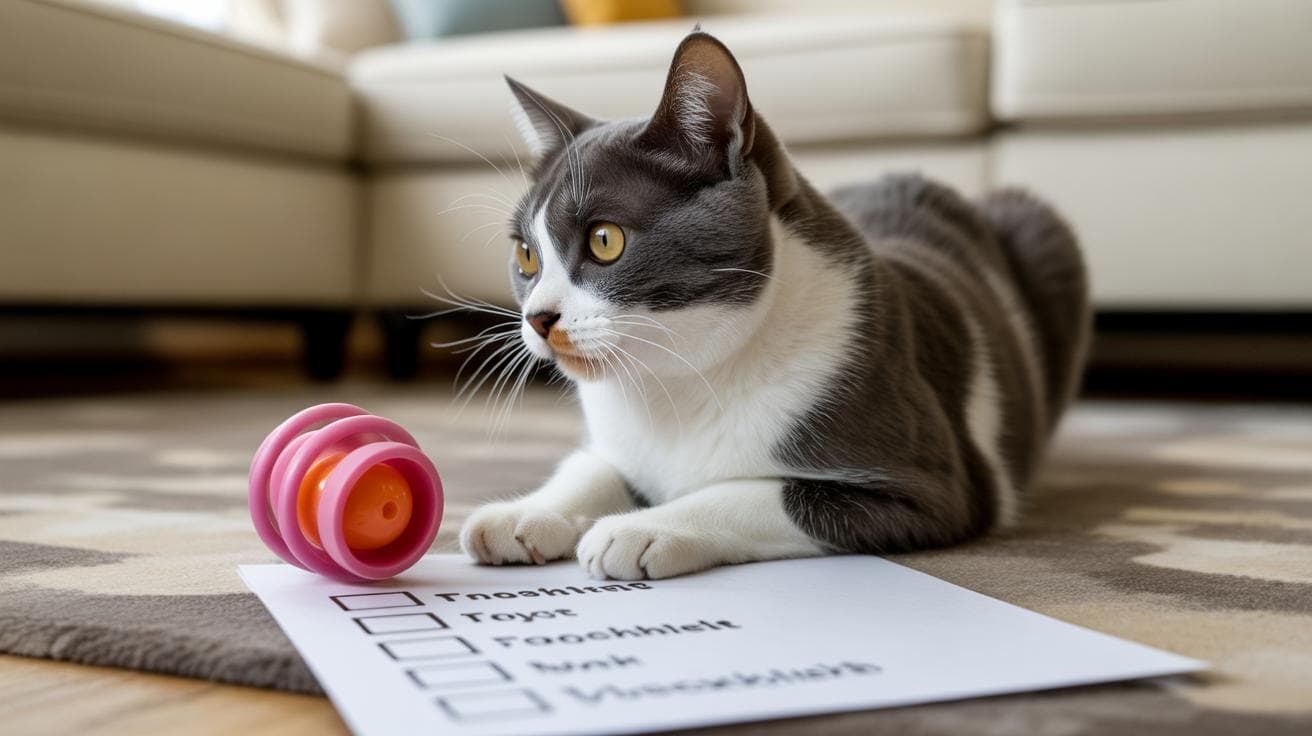
Buyer checklist:
- Quiet motor so timid cats aren’t scared.
- Easy-to-clean parts and removable tracks.
- Long battery life or USB recharge (USB recharge means a small cable you plug into a wall adapter or computer).
- Jam-resistant track design or anti-jam ramps.
- Replaceable moving parts and available spares.
Worth every paw-print. See top picks.
Puzzle and feeder toys: best cat toys for indoor cats to slow eating and stimulate foraging

Foraging play turns mealtime into a tiny hunt. Your cat works for food, gets mental exercise, and eats more slowly, which can cut gulping and boredom. Ever watched your kitty’s whiskers twitch as a treat drops out of a puzzle? It’s oddly satisfying.
We tested treat-dispensing toys across three play styles: maze puzzles that hide kibble, rolling toys that release food as they move, and compartment feeders that need paw or nose work. Pick the style that fits your cat’s patience and drive, some cats love fiddly puzzles, others want a ball to bat around. Think of these as a little brain workout and a snack all in one.
| Product | Best for (behavior/age) | Price range | Key feature / why pick |
|---|---|---|---|
| Cat Amazing Classic | Curious adults and slow eaters | Medium (Durability: 8/10) | Turns up difficulty as your cat learns; vets often recommend it for slower feeding |
| Interactive Treat Maze & Puzzle Feeder | Active cats who like sniffing and pawing | Medium (Durability: 7/10) | Modular maze funnels kibble into chambers for longer search sessions |
| PetSafe SlimCat Rolling Feeder | Kittens and chase-lovers | Low (Durability: 6/10) | Ball-style feeder that rewards batting with kibble; great intro to foraging |
| Catit Senses Food Tree | Slow eaters and picky older cats | Medium (Durability: 8/10) | Vertical branches force smaller bites and add a sniffing challenge |
In our sessions, play lasted anywhere from quick 3 to 5 minute bursts to steady 15 to 20 minute work for tougher puzzles. Raise the challenge slowly so your cat keeps winning and stays motivated. Close an opening, add another step, or hide a few more kibbles as they master the toy. It keeps things fun, not frustrating.
- Start each session with a small portion of kibble so your cat learns the puzzle equals food. (It’s training and play all at once.)
- Rotate puzzle types every week to keep curiosity up and boredom down. My cat loves new textures, um, for a while.
- Watch new feeders for a few sessions to make sure nothing chews off or gets swallowed. Safety first, then play.
- Use puzzles as part of a weight plan by measuring daily portions and tracking calories. Toss a ball or two before you head out for ten minutes of safe activity.
Worth every paw-print.
Durability, materials, and safety testing for best cat toys for indoor cats
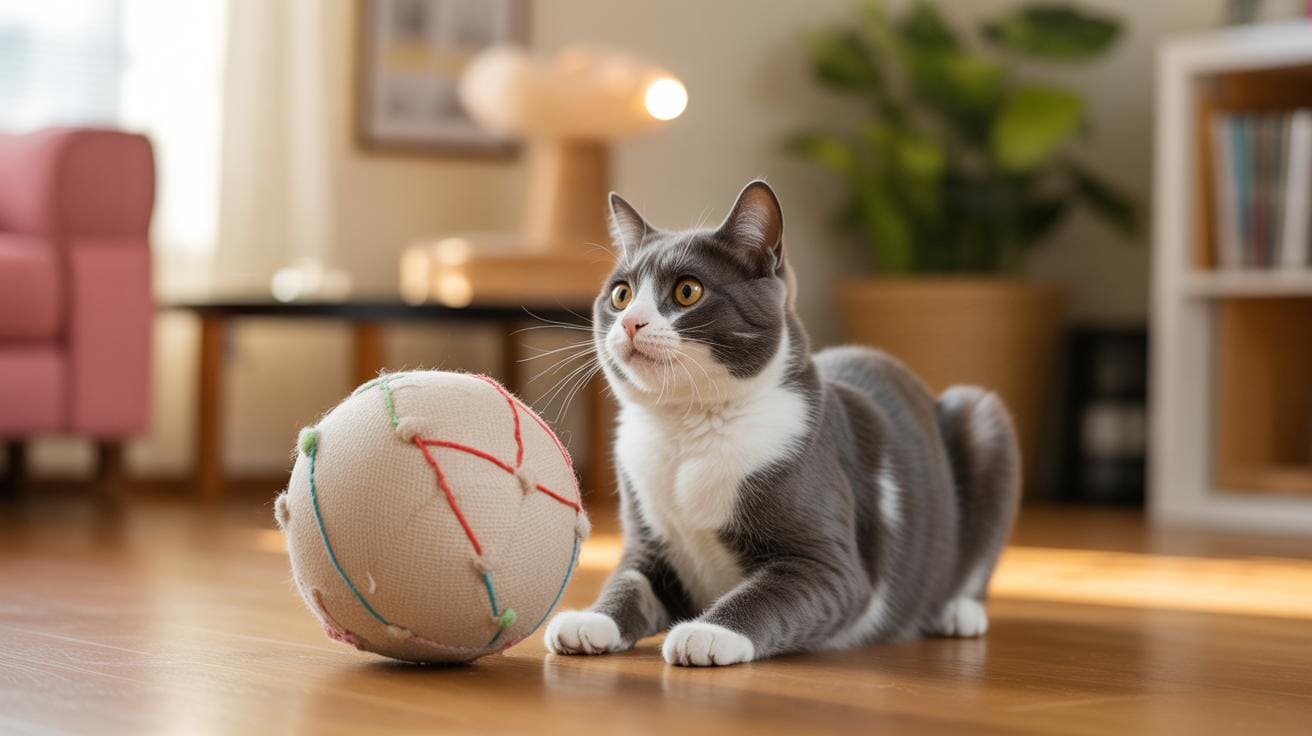
Safety first, then fun. Keep toys free of tiny, swallowable parts and don’t leave long strings or cords unsupervised – those are the biggest hazards. Skip aluminum foil too; the crinkle and slick feel bother most cats and it can form sharp edges.
- Check seams and stitching for frays or open threads; retire any toy with gaps that show stuffing.
- Squeeze plush toys to find loose stuffing or hard lumps; toss anything damp or with a weird smell.
- Inspect wand hardware and clips for rust, bends, or breaks; replace or repair failing parts right away.
- Look for cracked plastic, sharp edges, or loose batteries in motorized toys; stop using a toy if pieces start coming apart.
- Watch for chew marks on rubber or polymer (a kind of durable plastic) parts and remove toys that show bite-throughs.
- Test cords and strings for thinning; if threads break or the string stretches, either supervise closely or throw it out.
- Run a quick motor test on powered toys; strange noises or heat buildup are signs to replace them.
- Mark the date you open a toy and follow a replacement rhythm – heavy chewers need new plush toys more often.
Pick tough materials. Canvas and tightly stitched fabric with reinforced seams hold up best – canvas catnip toys scored about 9/10 in our checks. Plush toys feel delightfully soft, but they wear faster (around 6/10); expect heavy-use plush to last roughly 4 to 12 weeks. Puzzles and feeders made from ABS plastic (sturdy, impact-resistant plastic) or thick BPA-free polymer (plastic made without the BPA chemical) can last 6 to 18 months depending on cleaning and part wear. Motorized toys land near 7/10 durability when motors and gears are replaceable – so choose models with spare parts and easy battery or USB recharge access.
If a toy fails or looks unsafe, stop play and quarantine it. Check the maker’s website and the U.S. Consumer Product Safety Commission for recalls, and report hazards to the seller and to consumer protection agencies if needed. Dispose of broken pieces safely so curious whiskers don’t find them, and stick to your replacement schedule so play stays fun and worry-free.