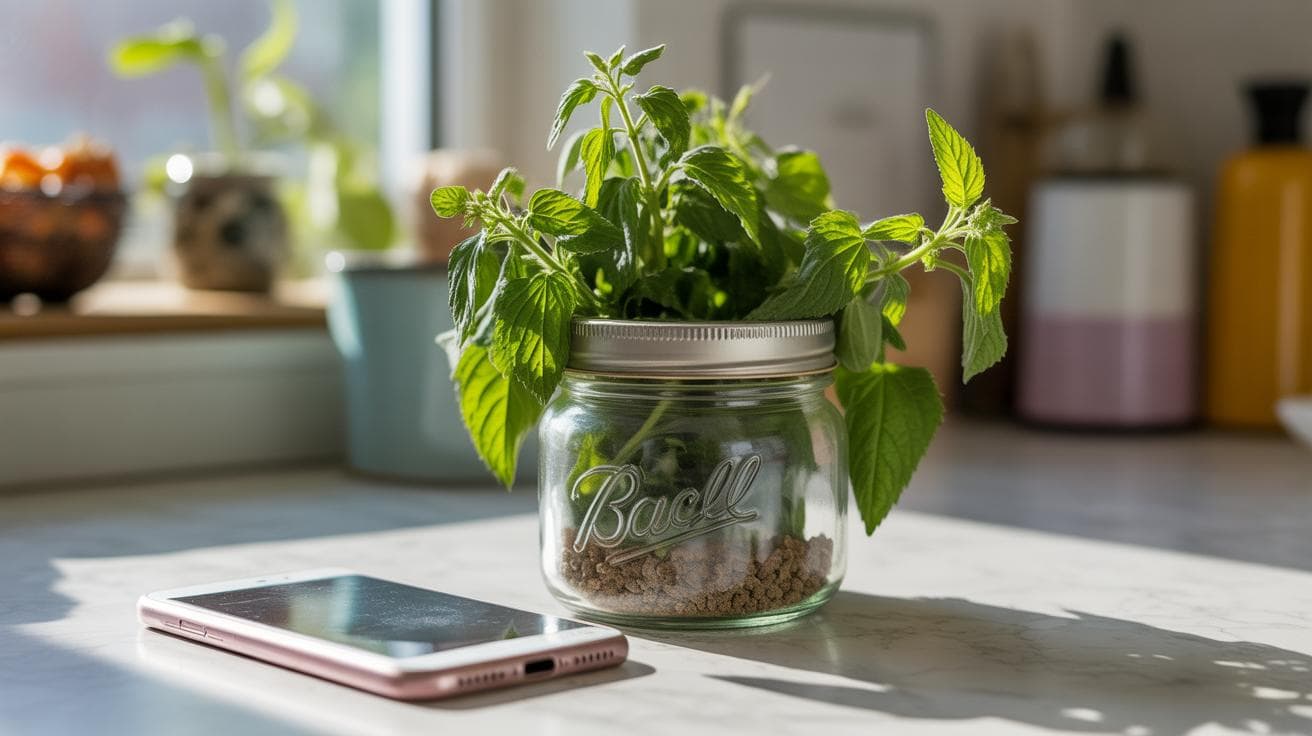
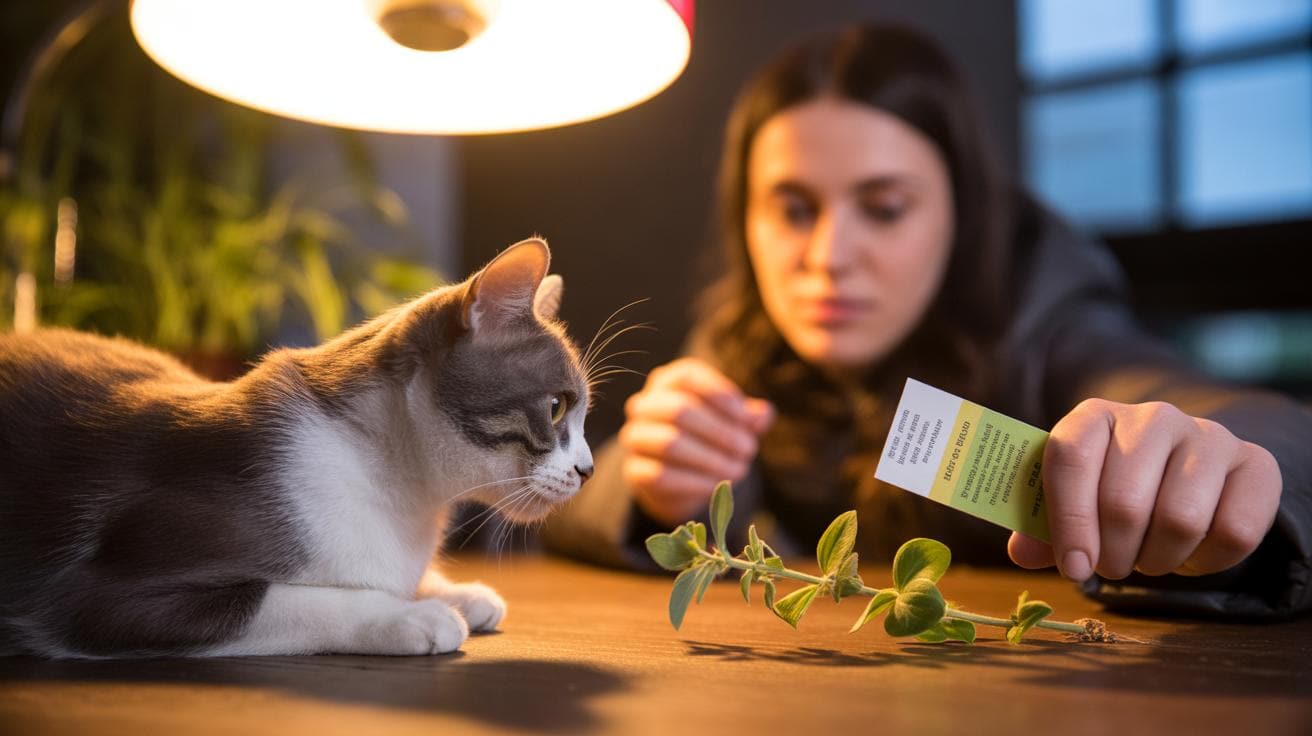
Think catnip is just a goofy party drug for cats? You’re not alone. It’s actually a safe, natural herb that makes many kitties either full of play or deliciously mellow. Watch whiskers twitch, see a sudden spin, or hear that slow, satisfied purr.
Here’s the science in plain terms. The active scent is nepetalactone (the smell molecule in catnip, basically a mint-like oil). It slips into a cat’s nose like a tiny key and flips brain circuits that spark zoomies, head rubbing, or relaxed loafing. It’s not addictive, and it doesn’t harm most cats.
Not every cat reacts the same. About half to two-thirds of cats show a response, and kittens under six months or some seniors often don’t. It’s genetic. And if you use catnip all day, your cat can get bored of it for a while. If your cat doesn’t care, try silvervine (another plant that excites cats) or matatabi (also called cat powder) as alternatives.
Simple tips to keep play fun and avoid tummy troubles: use short sessions, like 10 to 15 minutes. Pick sealed catnip toys or a spray instead of dumping loose leaves, because eating lots of catnip can cause vomiting. Supervise new experiences, stop if your cat gets overstimulated or aggressive, and rotate toys so the novelty stays fresh. Oops, let me rephrase that, rotate toys and give breaks so your kitty stays excited but calm.
I once watched Luna leap six feet for a stuffed mouse, then flop down for a blissed-out nap. Worth every paw-print.
Quick answer: Is catnip safe and beneficial for cats?
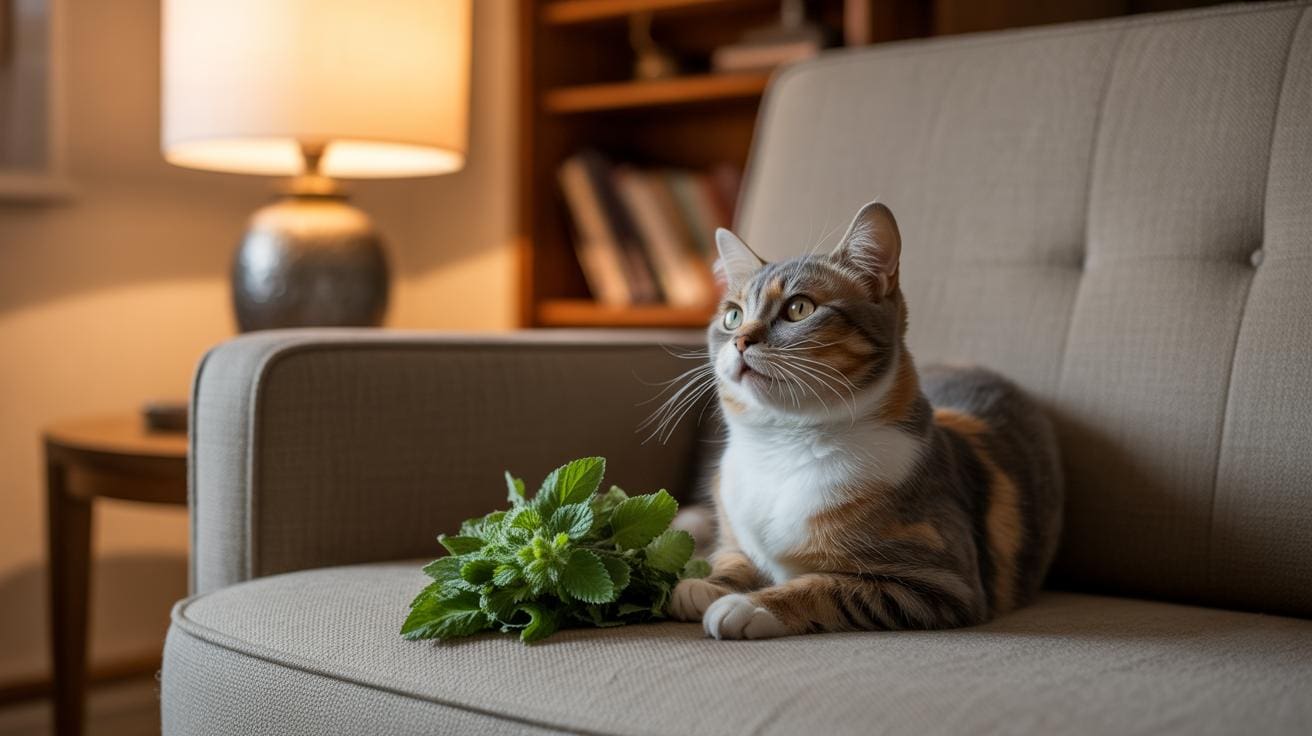
Yes, catnip is generally safe and helpful for most cats. See Cornell Feline Health Center (https://www.vet.cornell.edu/departments-centers-and-institutes/cornell-feline-health-center/health-information/feline-health-topics/catnip) for more detail.
Catnip (Nepeta cataria, a mint-family herb) contains an oil called nepetalactone (a scent molecule that acts a bit like a cat-targeted pheromone). When cats smell it, many go playful or mellow. It’s not toxic and it’s not addictive for most cats, but eating lots at once can cause vomiting or diarrhea. So watch first exposures and take it away if your cat gets too overstimulated.
- Play boost: Catnip often turns lazy loafs into zoomie machines, more chasing, batting, and pouncing. Perfect for a short active session.
- Quick calm: Some cats actually relax after sniffing it, which can help during a quick groom or a vet trip. Handy, right?
- Training tool: Sprinkle a little on a scratching post or carrier to reward good choices, use it as a positive cue during short training bursts.
- Behavior redirection: Rub catnip on approved toys or posts to lure your cat away from furniture instead of scolding.
- Mild digestive upset if overdone: Most cats self-limit, but if yours chews and eats large amounts, stop use and watch for vomiting or diarrhea.
Responses vary, some cats don’t react at all, and kittens under about 8 weeks usually don’t respond yet. See "How catnip produces effects" for typical response rates and timelines, and "Recommended amounts, frequency, and forms" for dosing tips.
How catnip (nepetalactone) produces effects on cats (mechanism, sensitivity, and timeline)
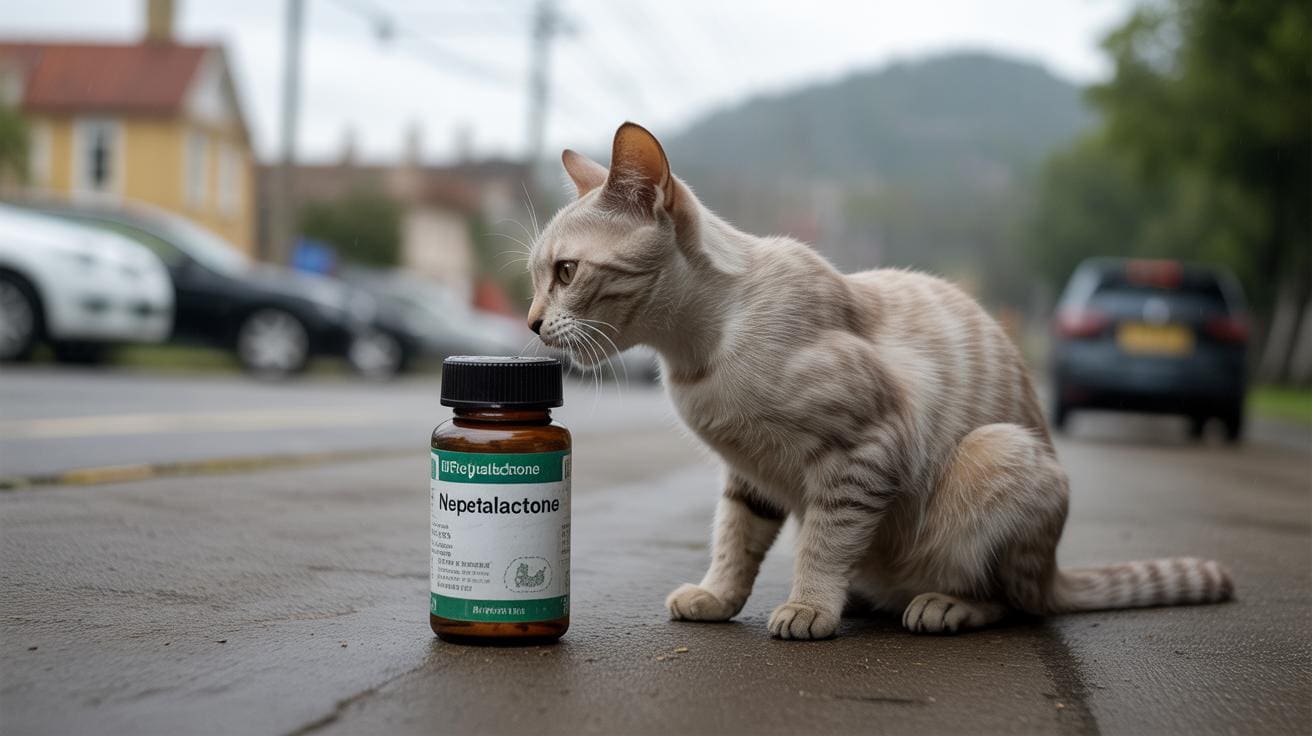
Nepetalactone (the fragrant oil in catnip) works when a cat sniffs it, not when they eat it. It slips into the nose and fits tiny scent receptors like a key in a lock, kicking off a chain of signals to the brain. Those signals light up areas that handle emotion and movement, so your kitty might suddenly feel playful or mellow. Think of it as a smell-triggered pep talk for their brain.
You’ll see the reaction on the outside: rolling, rubbing, purring, little chatty meows, sudden sprints, batting at toys, or sometimes a calm, sleepy state. Your cat’s whiskers twitch as the scent rolls across the carpet. Most of these active bursts last about 5 to 15 minutes. Then the cat goes into a refractory period (a short recovery when they don’t respond to more catnip) that usually lasts about the same time. Big variation is normal. Some cats turn into tiny tornadoes of play. Others flop down and knead like they just had a cozy nap.
Sensitivity runs in the genes. About 50 to 80 percent of cats show a clear response, so it’s common but not universal. Kittens under 3 months often don’t react yet. How wild or mellow the response is depends on genetics, personality, and how often the cat has had catnip before. So try just a little first to see what your cat does.
Nepetalactone and the feline nose
Airborne nepetalactone molecules drift into the nasal passages and meet olfactory receptors (the nose sensors). Those receptors send signals to brain circuits that touch emotion and movement, which is why a tiny pinch of dried herb or a quick spritz is usually enough. Cats’ noses are really sensitive, so you do not need much to get a response.
Variation and timeline of responses
Most cats show a short, intense window of interest for about 5 to 15 minutes, then a similar quiet period before they’ll react again. Reactions can be energetic or calm, and the same cat might act different on different days depending on mood and context. Ever watched your kitty chase a feather one minute and then flop like a soft loaf the next? That’s normal. Worth every paw-print.
Catnip benefits for play, training, and short-term stress relief
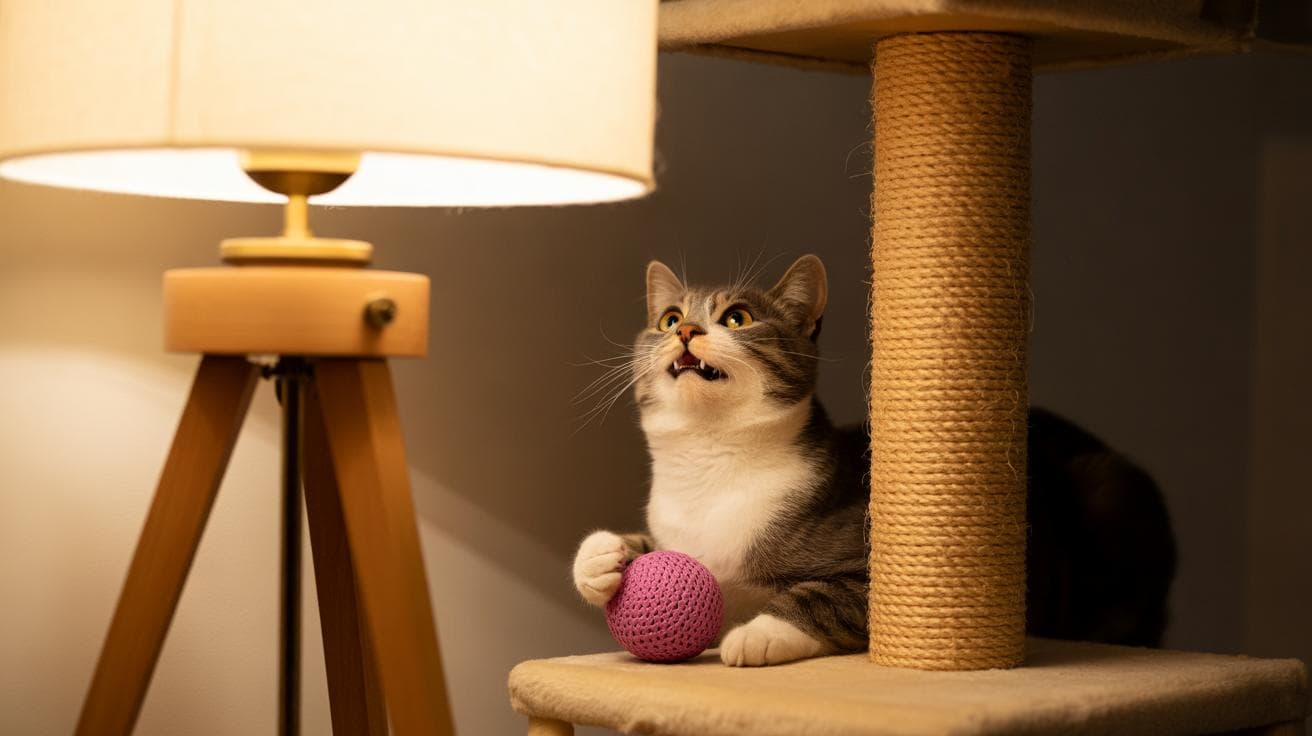
A sprinkle of catnip can turn a sleepy cat into a playful blur. They’ll roll, stalk, bat, and launch into sudden sprints that burn off energy. Try it on interactive toys, unbreakable balls (made from tough polymer – a durable plastic) that give a satisfying thud, or a teaser wand (a stick with feathers or a toy on a string) to boost chases and pounces. Perfect for indoor kitties who need extra movement and focus, ever watched your kitty chase a feather and look utterly delighted?
It’s a great little training tool too. Rub a bit on a scratching post to teach where scratching is allowed, tuck catnip into a new toy to encourage safe play, or dab a faint scent inside a carrier (the travel box your cat rides in) to make trips less spooky. Pair the smell with a simple cue and a short training session so your cat links the action with something good.
Catnip can also help during short stressful moments like a vet visit, a quick groom, or bringing home new furniture. Some cats mellow out; others get more energetic instead of calm. Responses are individual, so watch your cat and learn which style helps. See "How catnip produces effects" for information on who responds and typical timelines.
Practical tips: rotate catnip toys to keep interest, tuck a few away so they feel novel, and supervise the first sessions to spot rough play or chewing. If a toy gets well-chewed, swap to one with a sealed pouch or a contained-filled option. Don’t overdo it, moderation helps keep the magic special. For specific dosing and frequency guidance, see 'Recommended amounts, frequency, and forms'. Worth every paw-print.
Catnip safety risks, side effects, contamination, and when to call a veterinarian
Catnip is usually safe and not addictive for most cats, but too much of a good thing can cause tummy trouble or, rarely, more serious reactions. If your cat eats a lot or has long play sessions, you might see vomiting or diarrhea. In very rare cases people have reported lethargy, stumbling or even seizures. Keep catnip sessions short and watch first exposures so play stays fun, not stressful.
Watch for both digestive and nervous-system signs. Mild upset is common. But repeated vomiting, bloody diarrhea, long-lasting sleepiness, wobbliness, or seizures are reasons to act fast. Ever watched a kitty go from zooming to totally zonked? Yep, that’s when you pay extra attention.
Red flags to watch for:
- repeated vomiting
- severe or bloody diarrhea
- sustained lethargy (very sleepy or hard to rouse)
- loss of coordination or stumbling
- prolonged aggression or unusual behavior
- trouble breathing
- seizures
Contamination can be the sneaky problem. Moldy leaf material (fungus that grows on damp herbs) can make respiratory or digestive issues worse. Pesticide residues (chemicals used to kill bugs) or bits of dirt and sticks can irritate or be toxic. If a product looks off, pull it away from all pets and keep the package or a sample.
Immediate steps if you suspect too much catnip or a contaminated product:
- Remove access right away.
- Offer fresh water if your cat is alert and willing.
- Save the product, packaging, and your receipt if possible, those help identify contamination.
- Watch closely. If symptoms are severe, keep getting worse, or don’t improve, call your veterinarian.
When you call the clinic, tell them:
- what the cat was exposed to and how much
- when the exposure happened
- the exact symptoms you saw and when they started
- your cat’s age and weight
- any medicines or health conditions your cat has
For clinical guidance about catnip overdose signs, see VCA Hospitals , Can Cats Have Too Much Catnip?
Recommended catnip amounts, frequency, and forms (dried, fresh, sprays, toys) , dosing and session guidance (canonical dosing section)
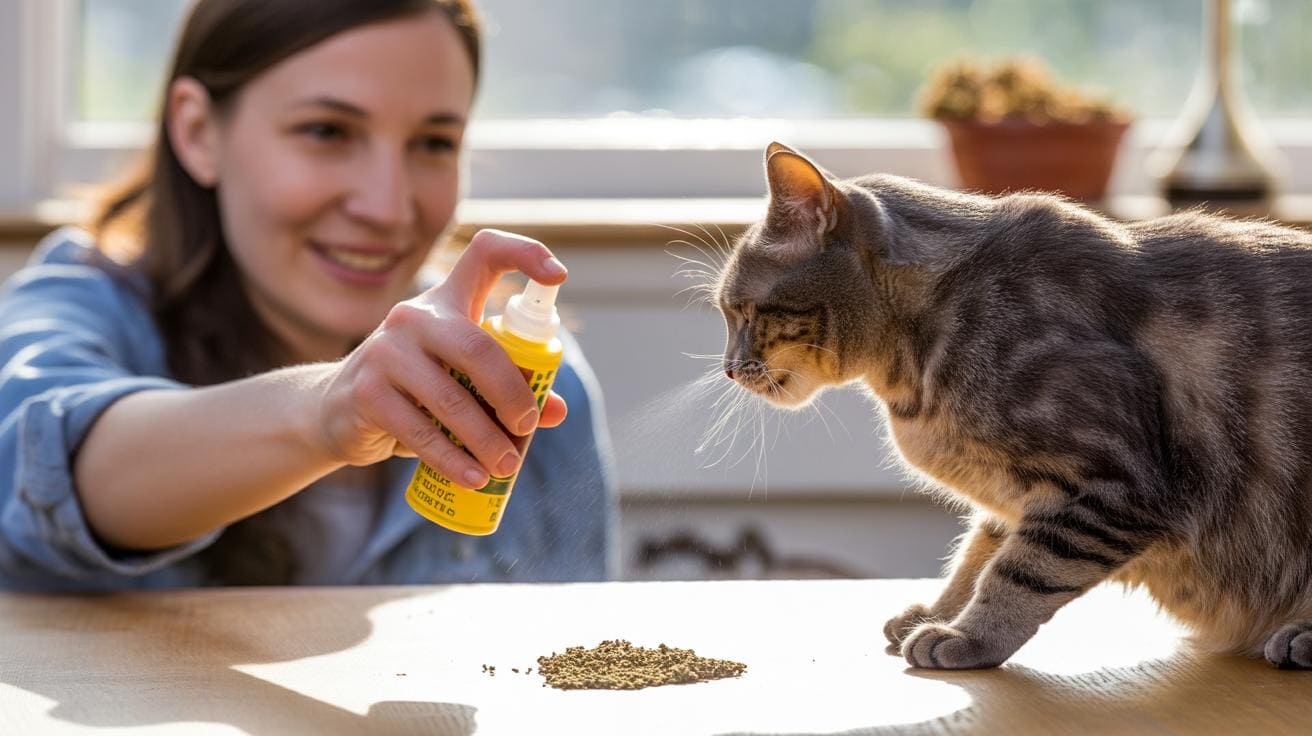
Start tiny and watch your cat. Begin with a pinch of dried leaf (dried catnip leaves, like a fragrant, crinkly herb) or a quick spritz of spray (catnip extract mixed into a light mist) and see how they react. Your cat will usually self-regulate and stop when they’ve had enough, so keep sessions short and sweet. If your kitty chews or swallows loose leaf, remove the material after the session to avoid an upset tummy.
Treat a first try like a test drive: small amount, close observation, and only repeat later if your cat handled it well. Ever watched a whisker-twitch moment? That’s your cue. Uh, and if your cat seems overstimulated or uneasy, pause and try again another day.
How often? Aim for one to two deliberate catnip sessions per week so the magic doesn’t wear off. Rotate catnip with other toys and activities so it stays special. If you have several cats, space sessions out so one bold buddy doesn’t hog the fun. When people ask “best catnip dosage,” the simple rule is start small and let your cat’s behavior guide any increases.
Fresh vs dried vs toys, each has pros and cons. Dried is easy to sprinkle and quick to use. Spray is great for refreshing a toy or bed but use a light mist and check the ingredient list for extra additives. Infused toys (toys with sealed pouches of catnip) keep the mess down, just replace them if your cat rips them open. Fresh plants (live Nepeta cataria) let kitties nibble under supervision. Catnip treats are pre-measured (snacks with catnip) so follow the serving size and read labels for fillers.
Keep safety in mind: avoid damp loose leaf to stop mold, supervise heavy chewers, and toss any toy that’s falling apart. For sprays, use small mists only. For plants, keep them in a pot so they don’t take over the house and watch nibbling. For treats, stick to the recommended serving size. See the Choosing, Storing, and Growing section for tips on keeping catnip fresh and low on pesticides.
| Form | Typical use | Safety notes |
|---|---|---|
| Dried loose leaf (dried catnip leaves) | Sprinkle a light fingertip pinch on a toy or post | Keep dry; remove excess after the session to avoid stomach upset |
| Sprays/refreshers (catnip extract mist) | Light spritz on toys, bedding, or carrier | Use small mists; check ingredients for additives |
| Infused toys (sealed pouches inside toys) | Ready-to-play toys like balls, mice, and plush | Supervise heavy chewers; replace when damaged |
| Fresh plant (live Nepeta cataria) | Pot-grown for sniffing and supervised nibbling | Keep in a pot to limit spread; watch for overeating |
| Catnip treats (pre-measured snacks) | Measured portions from manufacturers | Follow serving size; check for extra fillers |
This is the canonical dosing reference. Writers, please cross-link to this section from other relevant pages so readers can find dosing guidance quickly.