Soft Nail Caps for Cats: Sizes, Safety, Brands

Want to protect your sofa without resorting to declawing?
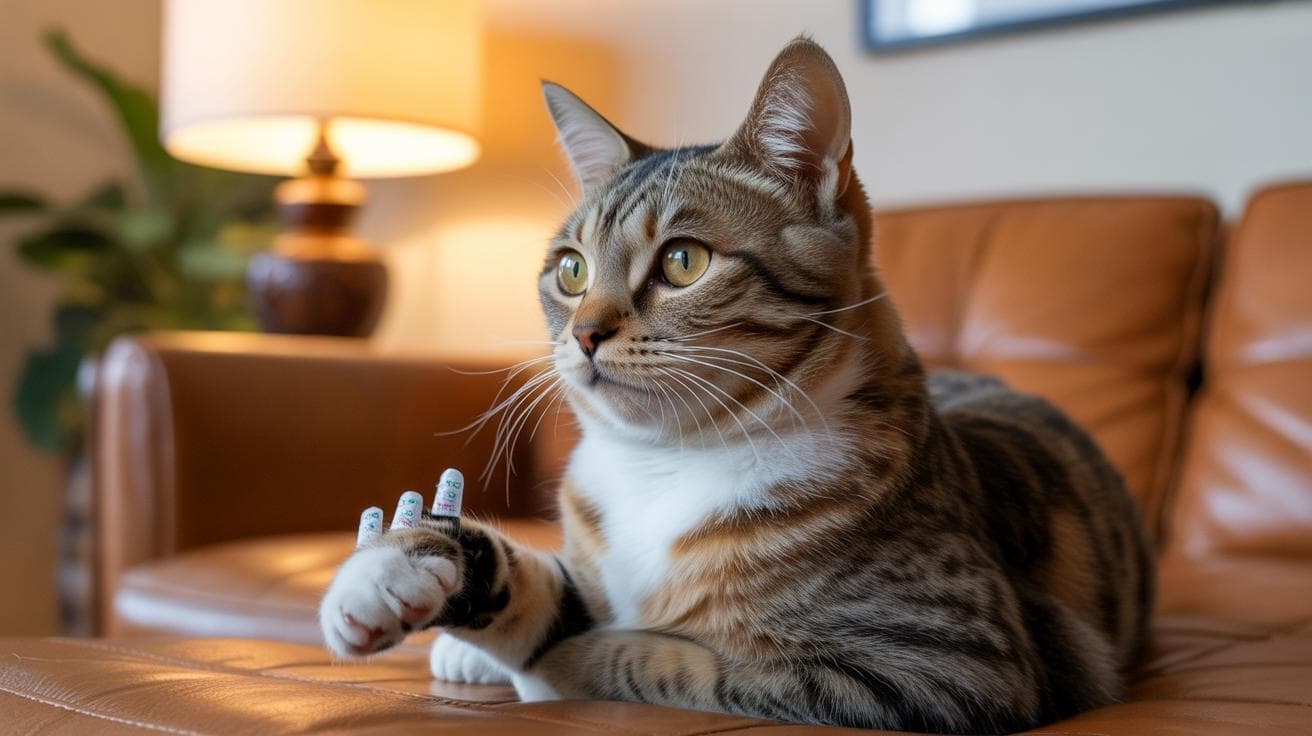
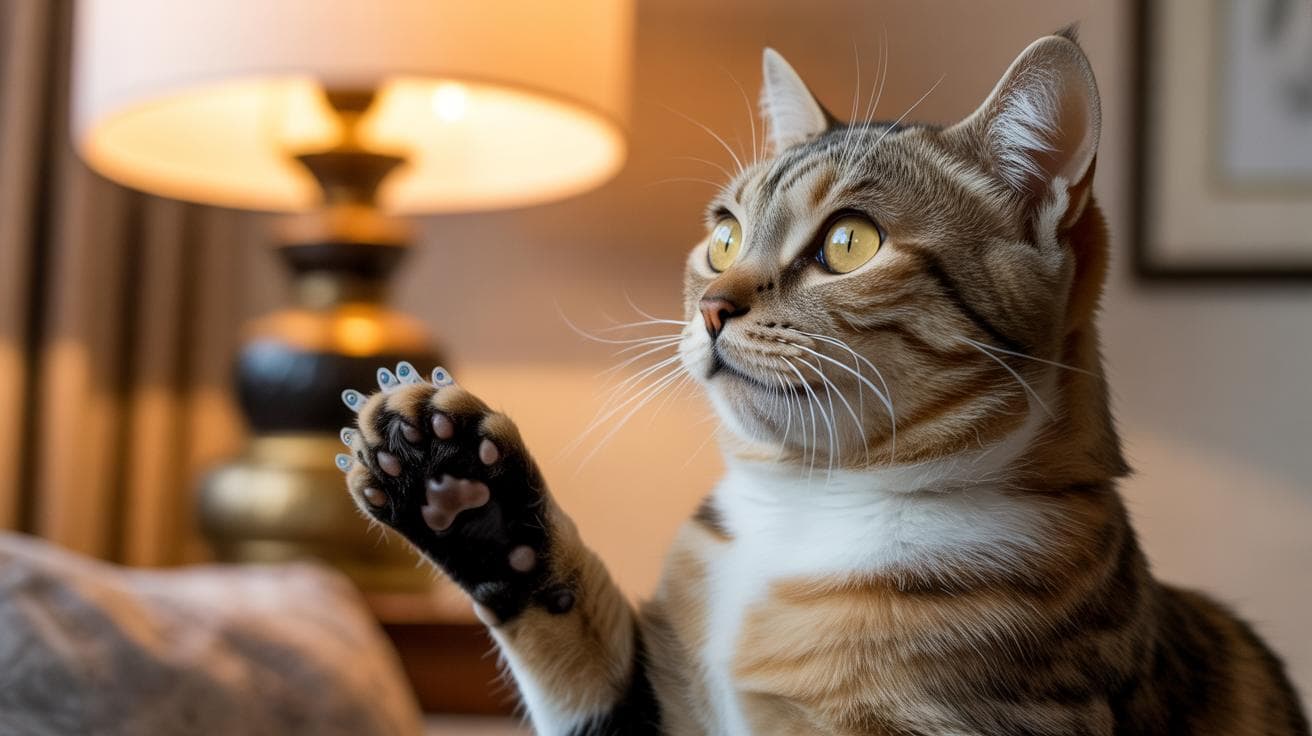
Soft nail caps are tiny plastic or vinyl (vinyl is a soft, flexible plastic) covers you glue over a cat’s claw. They let the nail retract and grow, and they blunt scratches so your couch gets pats instead of rips. It’s a humane, low-stress option when you pick the right size and check them often.

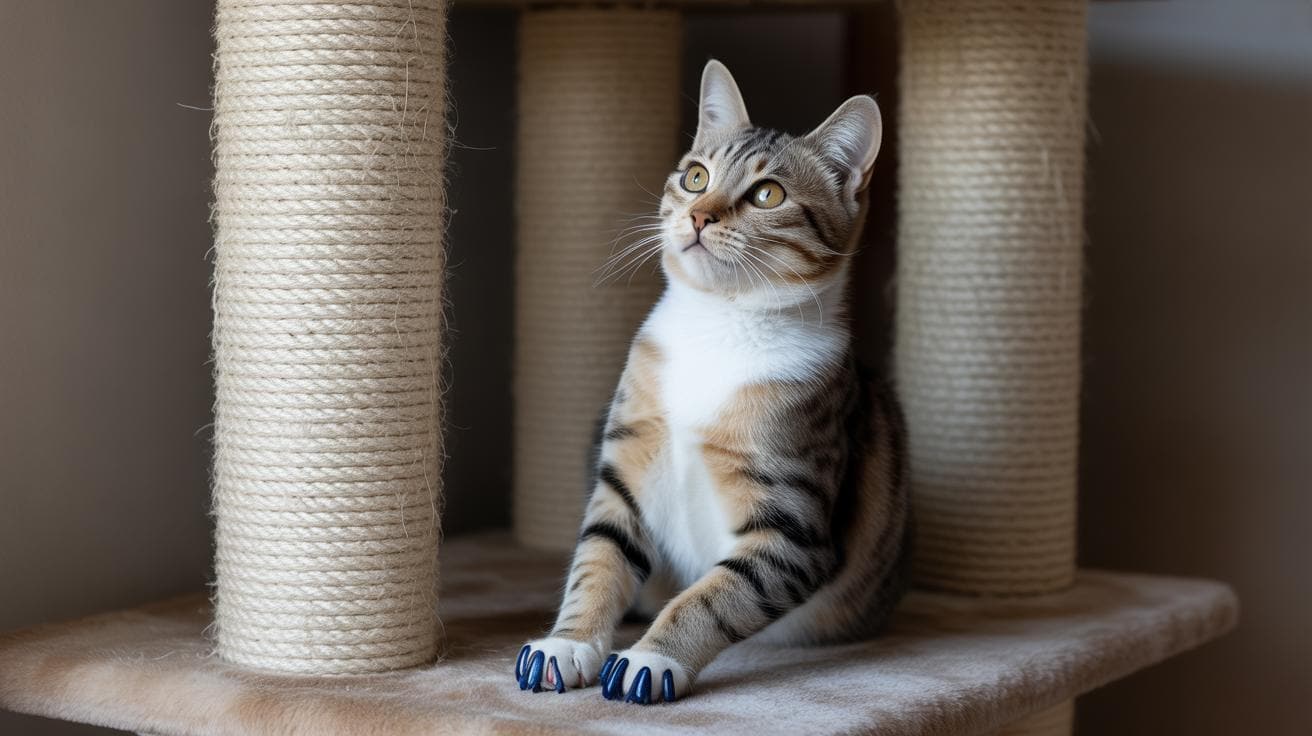
How do they work? Think of them like little soft caps that sit over the tip of the nail. When your cat stretches and scratches, you still get the satisfying thud of paws, but the claws won’t shred upholstery. Cats can play, climb, and knead just like normal.

Picking the right size matters. Measure the width of your cat’s nail at the base and match the kit’s size chart – most kits include several sizes. If a cap is too loose it’ll fall off; too tight and it’s uncomfortable, so aim for a snug fit.

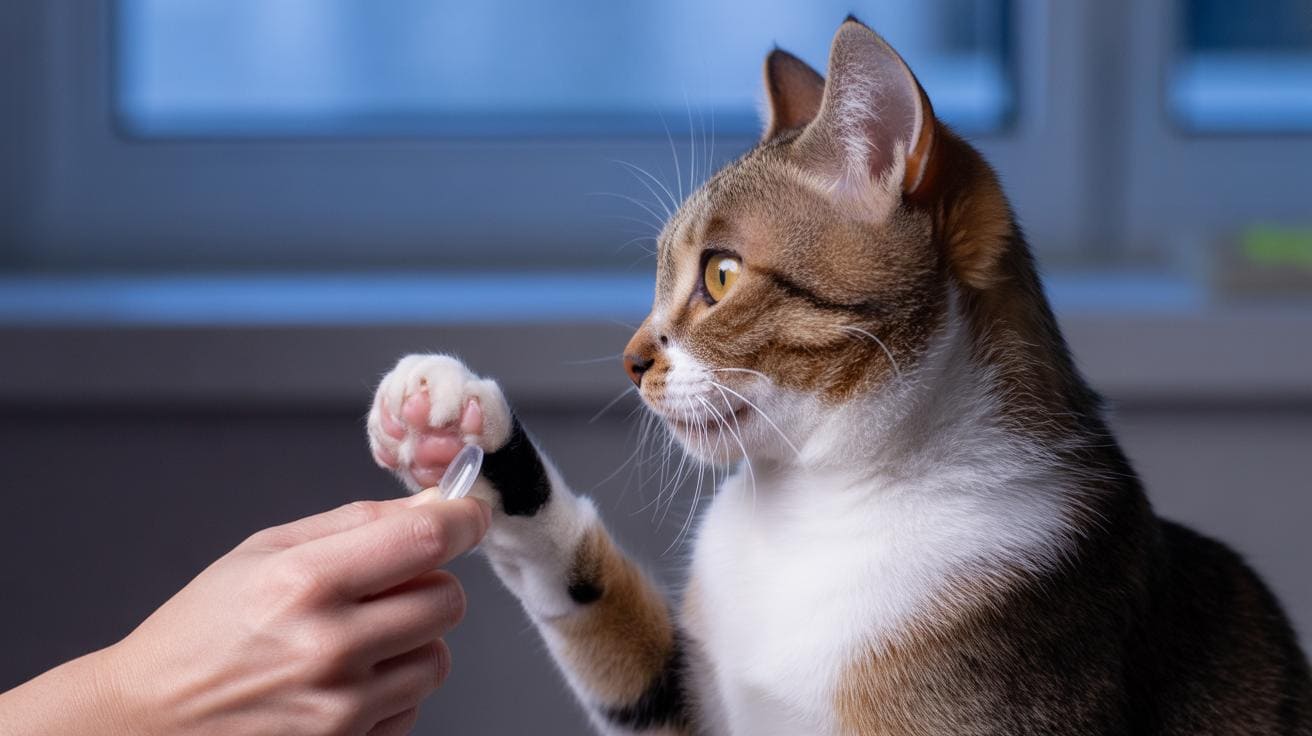
Putting them on is simple. Trim any long tips, wipe the claw clean, squeeze a tiny drop of the special glue into the cap, then press it onto the nail and hold for a few seconds. Use only glue made for nail caps and follow the kit instructions closely. Supervise your cat for the first hour so they don’t chew at the caps.

Check and replace them regularly. Look at claws every 2 to 4 weeks and swap caps that are loose or worn, most fall off naturally with nail growth around 4 to 6 weeks. If a paw is red, swollen, or your cat seems in pain, remove the cap and call the vet.

Who’s this good for? Indoor cats that tolerate gentle handling, busy owners who want safe short-term protection, and shelters looking to prevent furniture damage. Some kitties hate having their paws handled, though, so go slow and use treats, ever watched a cat decide five seconds is enough? Uh, you know.

When you shop, choose kits with multiple sizes, vet-approved glue, clear instructions or a tutorial video, and extra caps and glue. A good return policy helps too.

Worth every paw-print.

Try it for a month and see how it goes, your arms (and couch) might thank you. I once watched Luna leap six feet for a toy and tap a capped paw like it was nothing; pure joy.

Soft Nail Caps for Cats: Sizes, Safety, Brands
- Quick Answer Are Soft Nail Caps a Viable Alternative to Declawing.jpg

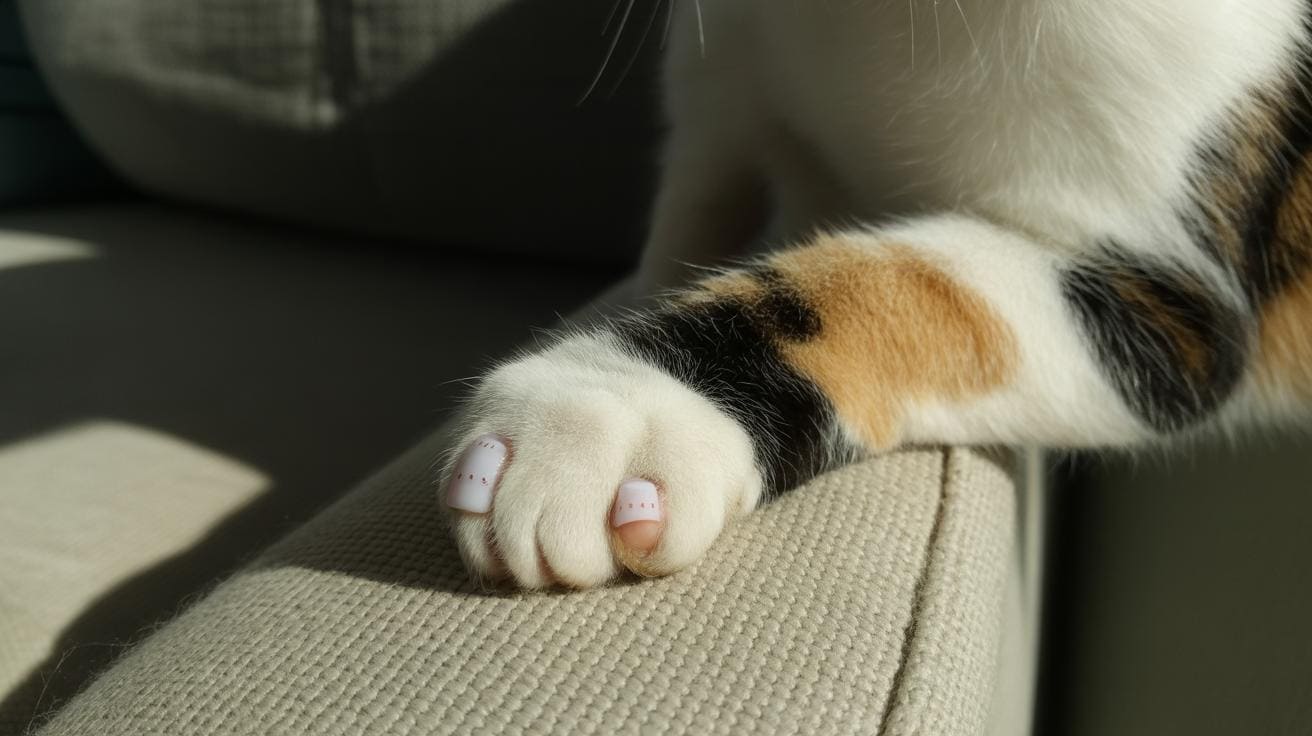
Soft nail caps are tiny covers glued over a cat’s claw so the nail can still retract and grow like normal. They’re made from plastic (sturdy molded polymer) or vinyl (soft, flexible plastic), and they sit on the tip of the nail to blunt scratches. Ever watched your cat stalk a toy and thought, “Please don’t shred the couch”? These can be a humane, non-surgical alternative to declawing for many indoor cats. Are nail caps safe? For indoor use, the short answer is yes, when they’re applied and checked as recommended.

Quick facts you’ll actually use:

  • Typical lifespan: 4–6 weeks.
  • If a cap’s still on at week 8, replace it.
  • Common kit sizes: 40–120 caps.
  • Typical price range: about $15–$25.

Who they work best for: indoor cats that need furniture or people protection. Not great for outdoor cats who depend on claws for climbing, hunting, or defense, those kitties need their full grip.

How to get started:

  • Measure: see Size Chart
  • Apply: see Step-by-Step
  • Compare: see Brands

Worth a try if you want a claw-tastic, low-stress way to save your sofas and your hands.

How Soft Nail Caps for Cats Work and Safety Considerations
- How Soft Nail Caps for Cats Work and Safety Considerations.jpg

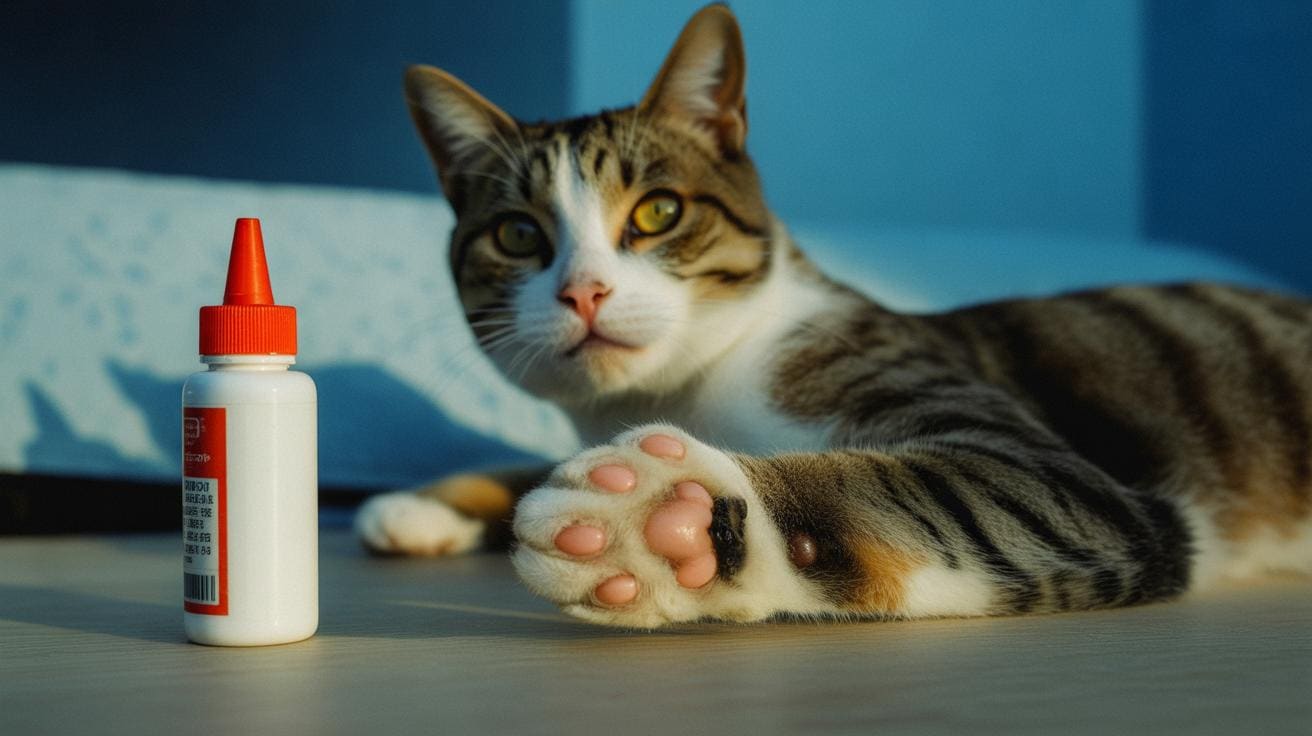
Soft nail caps are tiny covers that slip over the sharp tip of a claw, blunting the bite against furniture while still letting the nail retract (pull back into the paw) and grow normally. Your cat can stretch and scratch like usual, but fabrics and skin take less of a beating. It feels odd at first for us humans; most cats hardly notice.

Most caps are made from vinyl resin (a soft, flexible plastic) and are set in place with an adhesive (glue) that becomes inert once it cures (hardens). Look for products labeled non-toxic, and actually read the ingredient claims and directions before you buy. Safety varies by brand, so take a minute, this is not one of those products you want to wing.

Two common mistakes to avoid: overfilling a cap with glue, which can trap goop on fur, and leaving caps on past eight weeks, which can make nails feel tight or uncomfortable as they grow. Trim the nail first so the cap sits flat; if you leave too much nail, the cap won’t fit right. Oops, little things like that happen, but they’re easy to fix.

Check paws weekly for chewing, excessive licking, redness, swelling, or a limp, those are your red flags. If you see any of those signs, remove the cap and call your vet. Also keep an eye on how many caps are falling off.

If caps keep popping off, sizing is usually the issue, or the nail wasn’t trimmed properly. Get a helper to steady your cat, or ask a groomer or vet tech to show you the right angle and amount of glue. Talk with your veterinarian if you notice signs of infection, repeated failures, or if you’re applying caps to kittens or special-needs cats, some animals may need sedation (mild calming medicine) for a safe application.

Worth every paw-print.

Measuring and Size Chart for Soft Nail Caps for Cats
- Measuring and Size Chart for Soft Nail Caps for Cats.jpg

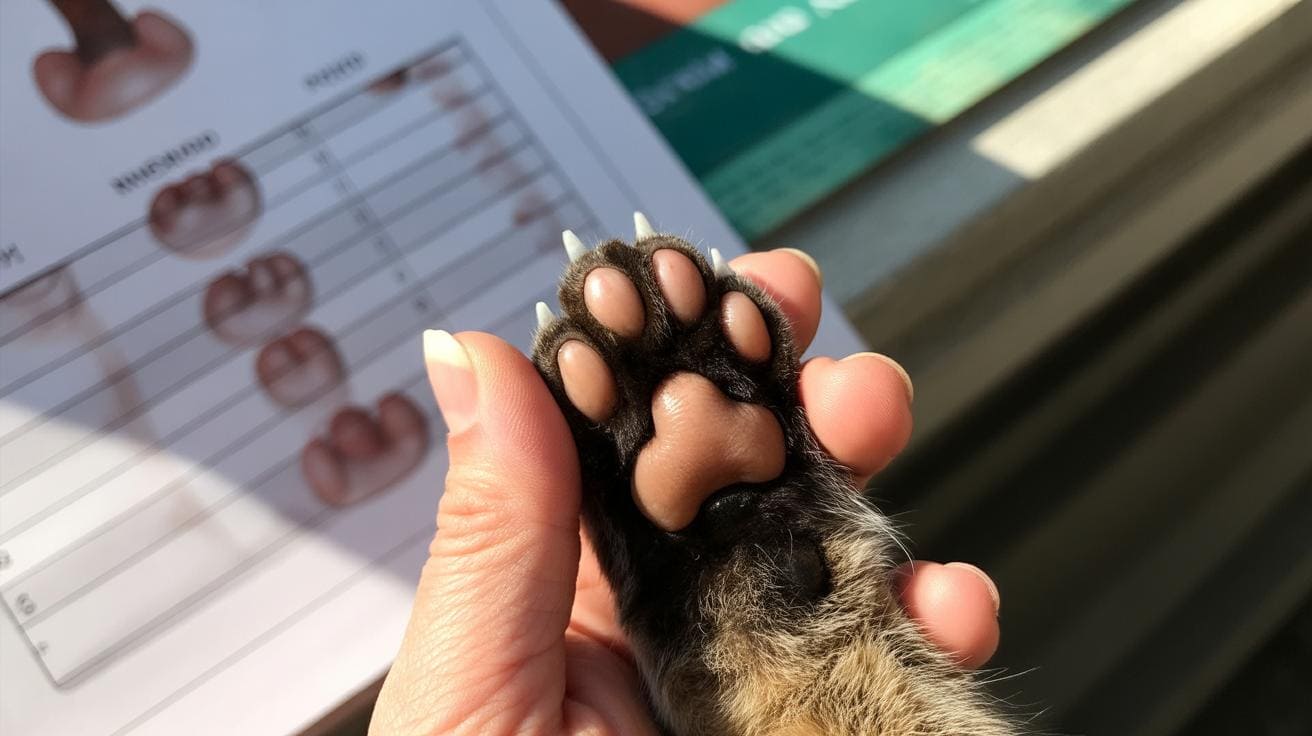
Getting the right fit keeps caps from popping off and saves you a lot of re-gluing. Most brands use this weight guide: XS (up to 5 lbs), S (6-8 lbs), M (9-13 lbs), L (13+ lbs). Some makers add an X-Small or Kitten size for under 5 lbs so tiny toes get a snug fit.

Trim each nail so the cap sits flat. Then slide a cap on without glue to test the fit , that dry fit is the best clue if it will stay. If a brand lists nail width in millimeters (mm; tiny units used to measure small widths), measure the trimmed nail with calipers (a tool that measures width) and match the mm to the chart.

For polydactyl cats (cats with extra toes), measure every extra toe by itself and expect to mix sizes in one order. Extra toes are often bigger or smaller than the rest and need their own fit check. Glue only after you’ve tested every nail.

Worth every paw-print.

Size Typical Cat Weight Notes on Fit and Nail Width (mm)
XS / Kitten ≤ 5 lbs Tiny toes. Check the brand’s mm chart for kitten widths and do a dry fit on each nail before gluing.
S 6-8 lbs Small adult cats. Trim nails so caps sit flat and trial-fit each nail without glue.
M 9-13 lbs Average adults. If the brand lists mm, measure the trimmed nail with calipers and match it.
L 13+ lbs Large cats. You might need firmer caps; test trimmed nail width and do a careful dry fit.

Step-by-Step Nail Cap Application for Cats
- Step-by-Step Nail Cap Application for Cats.jpg

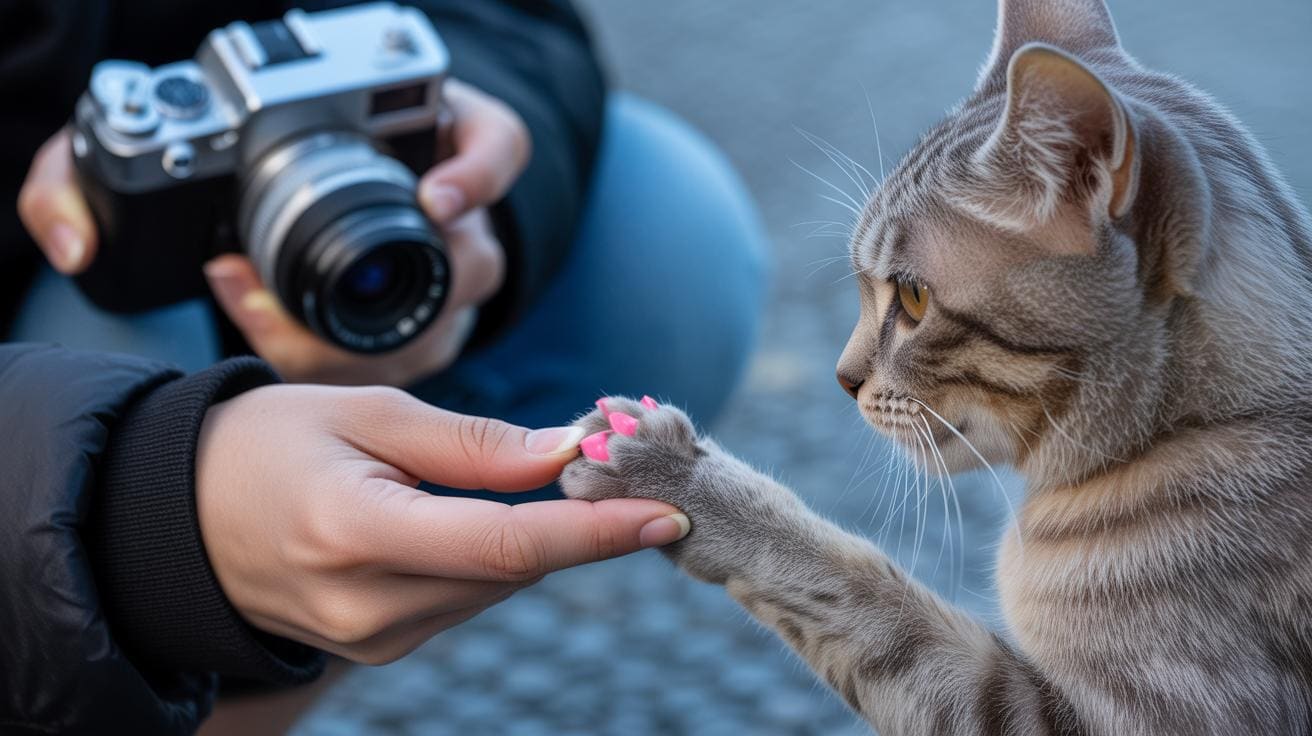
First, gather your supplies: nail caps, adhesive (cat-safe glue that hardens , like a tiny, quick-setting glue made for pets), applicator tips (small nozzles for precise drops), nail clippers (pet trimmers for tiny nails), towels, lint-free wipes (wipes that don’t leave fibers), and treats. Having everything within arm’s reach makes the whole thing quicker and calmer , and your cat will thank you with fewer squawks.

Pick a quiet, relaxed time, like right after a nap or a meal. If you can, get a helper to gently hold your cat and hand out treats. Take it one paw at a time. Short breaks are fine , nobody likes a marathon when stress levels rise.

  1. Lay out the kit so you don’t have to hunt mid-session.
  2. Trim each nail to the recommended length using the clippers. Be careful of the quick (the pink part with blood vessels); clip a little at a time.
  3. Wipe the nail surface clean with a lint-free wipe so glue sticks better.
  4. Do a dry fit: slide a cap onto each nail without glue to make sure the size is right. It should fit snugly, not squeeze.
  5. Put a tiny bead of glue into the cap , just a dot. Too much glue can touch fur and make a mess.
  6. Slide the cap over the nail and hold for 5 to 10 seconds until it feels tacky. Keep your voice soft and give a treat if your cat relaxes.
  7. Repeat for the rest of the nails, pausing if your cat fusses. One paw at a time is perfectly fine.
  8. Let the adhesive cure fully according to the manufacturer’s directions , check your kit for exact curing times so you don’t rush it.

Watch your cat closely for the first 24 to 48 hours and check capped nails once a week. Plan to replace caps every 4 to 6 weeks, or by week 8 at the latest if they’re still on. If caps keep popping off, double-check that you used the right size and that the nails were trimmed flat before trying again. And if you see redness, swelling, or signs of pain, stop and call your vet , better safe than sorry.

Worth every paw-print.
Comparing Top Soft Nail Caps for Cats: Brands, Kits, and Value

- Comparing Top Soft Nail Caps for Cats Brands, Kits, and Value.jpg

Quick take: if you want something practical that balances how long it lasts, how easy it is to put on, and the price, there are real differences between brands. Some kits are built for multi-cat value, some fit tiny toes, and a couple focus on firmer, longer-lasting materials. Pick what matters most to you and your fluffball.

Soft Claws Cleat Lock System is the go-to pick for most cats. Kits usually include 40 caps, two adhesive bottles, and two applicator tips. The caps are vinyl resin (soft, flexible plastic) and come in Pink and Clear. The little cleat ridges inside each cap help keep them on for about 4 to 6 weeks, so you’ll reapply less often. Easy to find in stores and online, too.

Purdy Paws Soft Cat Nail Caps are a color-lover’s dream and great for busy homes. Their kits often have 120 caps plus six glue tubes and six applicator tips, so you’re stocked for a long time. Testers liked the flexible caps and the smooth glue flow, which makes application faster for fussy or anxious cats. Lots of choices if you want variety and quick swaps.

Kitty Caps and Zepto cover the small-to-big spectrum and offer budget-friendly options. Kitty Caps are great for very small cats, with an X-Small size for under five pounds, and most kits come with 40 caps. Some folks say the glue applicator needs a firmer push, so heads-up on that. Zepto is the best value for multi-cat households, usually offering 120 caps and six glue tubes, with sizes from XS to L mapped to weight ranges.

Well & Good (Petco) and ScratchPause lean toward firmer, more durable choices. Well & Good kits (20 clear and 20 pink, plus two glue tubes and two applicator tips) are stiffer and a bit pricier, which can make them harder to fit on tiny nails. ScratchPause uses a tougher plastic blend (harder plastic that resists chewing and scratching) and comes in multiple colors if you want caps that last longer.

One pick for most homes: Soft Claws Cleat Lock System. The cleat design, reliable 4 to 6 week wear, and easy availability make it a solid, claw-tastic choice for keeping furniture safe and kitties happy. Worth every paw-print.

Pros, Cons, and Veterinary Perspective on Soft Nail Caps for Cats

- Pros, Cons, and Veterinary Perspective on Soft Nail Caps for Cats.jpg

Thinking about a middle ground between declawing (surgical removal of part of the toe) and doing nothing? Soft nail caps are tiny vinyl covers you glue over the tip of the nail to blunt the point. They don’t remove the toe. They just make scratches less sharp. Nice idea, right?

Pros

  • Humane, non-surgical alternative. Caps dull the sharp tip instead of removing the toe, so your cat keeps all their toes and you avoid surgery.
  • Protects people and furniture. Scratches are softer, so couches, curtains, and human skin take less of a beating.
  • Can cut down how often you need to trim nails, which helps busy owners or folks who hate clipping.
  • Good for hairless or skin-sensitive cats who get irritated or injured from scratching.

Cons

  • They’re visible on the paws. Some people don’t like the look.
  • Not great for outdoor cats who rely on full grip for climbing, hunting, and defending themselves.
  • Some cats will chew or pick at them, which creates a risk of accidental ingestion.
  • They need reapplication every 4 to 6 weeks as the nail grows out, so there’s ongoing upkeep.

What vets and animal groups say
Many veterinarians consider nail caps a reasonable option when owners can’t keep up with regular trimming. Animal welfare groups generally prefer non-amputation choices like this. Still, check with your vet first, especially for kittens, seniors, or cats with special needs. And stop using caps right away if you see persistent licking, swelling, limping, or any discharge from the toe, those are signs something’s wrong.

Quick tip
Want a real-life moment? I once watched Luna leap to bat a feathery wand while her caps made a gentle thud on the couch instead of shredding it. Worth every paw-print.

Maintenance, Troubleshooting, and When to Replace Soft Nail Caps for Cats

- Maintenance, Troubleshooting, and When to Replace Soft Nail Caps for Cats.jpg

Check your cat’s paws once a week for these signs:

  • Extra licking or chewing , for example, "my cat keeps nibbling at one paw."
  • Redness, swelling, or the paw feeling warm to the touch.
  • Limping or favoring one paw when walking.
  • Any discolored or foul-smelling discharge around the nail.

Replacement timeline

  • Swap caps every 4 to 6 weeks as your cat’s nails grow.
  • If a cap is still stuck by week 8, remove and replace it to avoid discomfort.

Troubleshooting quick fixes

  • Loose caps usually mean the size is wrong or the nail wasn't trimmed flat first.
  • Do a dry-fit: slide a cap on without glue to test the fit. You want it snug but not tight.
  • If caps keep coming off, trim the nail a tiny bit shorter or try the next size down.
  • Early pawing or chewing is common for a day or two while your cat adjusts; it usually fades.

Removal and when to call a pro
Peel caps off gently with gloved fingers (nitrile (thin disposable glove) is fine) or use the manufacturer’s removal solvent (mild, pet-safe liquid that loosens glue) if one is provided. Never cut into the nail. Most cats move around normally right after removal, but keep an eye on them. If your cat keeps limping, caps fall off over and over, or you notice redness, pus, or any sign of infection, call your veterinarian or a professional groomer for help.

Alternatives to Declawing: Combining Soft Nail Caps with Scratch Management

- Alternatives to Declawing Combining Soft Nail Caps with Scratch Management.jpg

Soft nail caps make a lot of sense when you use them with other non-surgical tricks to protect furniture and keep your cat’s paws intact. Think of caps as one tool in a toolbox: they blunt the damage while other things teach and redirect your cat’s natural need to scratch. That way you’re fixing the problem, not just hiding it.

Good pairings include a few simple habits and gear:

  • Soft nail caps (small vinyl covers glued to the tip of the nail) plus regular trimming. Trim on a set schedule so caps don’t trap overgrown nails.
  • Several scratching posts, both vertical and horizontal, sprinkled with catnip for interest. Variety keeps cats curious.
  • Pheromone diffusers (plug-ins that release a synthetic calming scent) to soothe high-strung scratchers.
  • Protective furniture covers during transition periods, until your cat learns new spots to scratch.

A practical combo: caps + scratching posts + a pheromone diffuser + a weekly or biweekly trim routine. It covers wear-and-tear, scent-driven choices, and natural nail growth. Kits usually run about $15 to $25, and over time they can cost less than constant professional trims, especially if you have multiple cats and need extra caps and glue tubes.

For multi-cat homes, mix up post types and stagger cap replacement so you’re not recapping everyone on the same day. That keeps stress down and supplies lasting longer. Outdoor cats usually need full grip for climbing and defending themselves, so caps aren’t ideal there; trimming, training, and environmental fixes work better for outdoor kitties.

Small, steady changes plus a few caps can save curtains, skin, and a few broken hearts. Seriously, my neighbor’s cat stopped shredding the couch after we added a wide horizontal post and a set of caps. Worth every paw-print.

FAQs About Soft Nail Caps for Cats

- FAQs About Soft Nail Caps for Cats.jpg

Q: Are nail caps safe for kittens?
A: Many kits include X-Small or Kitten sizes for tiny toes (≤ 5 lbs). Soft nail caps (vinyl – a soft, flexible plastic) can be fine, but check with your vet before using them on kittens under 12 weeks. Follow the Measuring and Safety/Veterinary Perspective sections to get the right fit and age guidance. Ever tried them on a wiggly kitten? Ask your vet first. Example: "Can I try caps on Milo at 10 weeks? Ask the vet first."

Q: How long do caps last and when should I replace them?
A: Most caps wear off in 4 to 6 weeks. If a cap is still on by week 8, take it off and replace it so the nail doesn’t grow into the toe. Short and simple. Example: "Week 8 and it’s still snug , replace it."

Q: What if a cap falls off or the toe looks odd?
A: Check the toe for redness, swelling, or any discharge. Clean the nail, try a dry fit to make sure the size’s right, then reapply with skin-safe adhesive (the little glue in the kit). If the toe stays irritated or caps keep falling off, stop using them and call your vet. Better safe than sorry. Example: "The toe looked red with a bit of goo , stop and call your vet."

Q: Could a cat swallow cap fragments and what are the warning signs?
A: Swallowing pieces is rare but possible. Watch for vomiting, gagging, coughing, or unusual sleepiness and call your vet right away if you see those signs. If your cat seems off after play, don’t wait. Example: "He vomited after play , call the vet now."

Q: Where can I find full how-to, measuring, safety, and maintenance instructions?
A: See the full How-To, Measuring, Safety/Veterinary Perspective, and Maintenance sections for step-by-step guidance. Maintenance now covers bathing: avoid long soaks, use quick gentle wipes, and re-check caps after any bath. Little tip: a quick paw wipe before play helps too. Example: "Wipe gently, don’t soak the paws."

Final Words

Grab a calm minute: soft nail caps are tiny vinyl resin (a flexible plastic) covers glued on with adhesive (glue) that let the nail retract and grow, and they’re a viable non-surgical option for many indoor cats.

Typical life is 4–6 weeks, replace by week 8, kits run 40–120 caps, and price usually sits around $15–$25.

Choose the right size, follow the step-by-step routine, check paws weekly for chewing, limping, swelling, or discharge, and add good scratching posts to your mix.

Done well, soft nail caps for cats save money, cut furniture damage, and bring calmer, play-filled days to busy multi-cat homes.

FAQ

Cat nail caps pros and cons

The pros of cat nail caps are a humane alternative to declawing, protection for furniture and skin, and less frequent trimming. The cons are regular 4–6 week maintenance, possible chewing, a cosmetic look that some dislike, and unsuitability for outdoor cats.

Cat claw caps cruel? Do vets recommend cat claw caps? Are soft nail caps safe for cats?

Soft nail caps are widely viewed as a humane, non-surgical option when fitted properly. Many vets recommend them for indoor cats, but watch for irritation and seek veterinary advice if any problems arise.

Best nail caps for cats and where can I buy soft nail caps?

The best-for-most pick is Soft Claws Cleat Lock System (40-cap kits, 4–6 week wear). Purdy Paws and Zepto suit different budgets. Kits are available at pet stores, online retailers like Amazon, and some veterinary clinics.

Nail caps for kittens — are they suitable and what sizes help?

Nail caps can be suitable for kittens when you use kitten or XS sizes (often for cats ≤5 lbs). Consult your vet for kittens under 12 weeks and monitor for chewing or irritation during early wear.

How to apply cat nail caps?

Trim nails, dry-fit caps, add a tiny bead of the provided glue, slide the cap on and hold 5–10 seconds, then let the adhesive cure per the kit directions. Monitor your cat for 24–48 hours after application.

How long does it take for cat nail caps to fall off?

Typical wear time is 4–6 weeks; replace by week 8 if still present. Kit counts range about 40–120 caps and most kits cost roughly $15–$25.

Author

  • Nathaniel Price is a retired construction manager turned LLM writer, where he combines his years of experience managing complex projects with his love for crafting precise, engaging content.

    His work thrives on meticulously researching and writing about all things related to cats, from behavior to care, ensuring that every piece is informative and well-researched.

    When he’s not writing, Nathaniel enjoys fishing, which offers him a peaceful escape. He also has a deep appreciation for nature, often reflecting on his belief that “happiness is found in the quiet moments.”

    View all posts

Similar Posts