Did you know that a cat's pee schedule can reveal more than you think about its health? On average, cats visit the litter box two to four times a day, but factors like diet, age, and health can cause variations. Understanding these influences is crucial for keeping your feline friend in top shape. In this post, we'll dive into what affects your cat's urination frequency and share practical tips to ensure their urinary health is on point. Let's uncover the secrets behind their litter box habits and help your cat live its best life.
Typical Cat Urination Frequency and Influencing Factors
Cats generally urinate two to four times a day. This is the average, but individual cats may vary. This frequency depends on several factors, including diet, age, health conditions, and environmental influences. Understanding these can help ensure your cat's urinary health is maintained.
Diet plays a big role in how often a cat pees. Cats on wet food diets tend to urinate more frequently than those on dry food. Wet food contains more moisture, which means the cat is getting more water through their meals. This results in more frequent urination. On the other hand, dry food contains less moisture, which might lead to reduced urination frequency. Providing ample fresh water alongside a dry food diet is crucial to help maintain the right balance.
Age and activity level are other factors that can influence urination frequency. Kittens and young cats may urinate more often due to their higher activity levels and faster metabolism. Older cats might pee less frequently, but any significant changes in their habits should be monitored. Similarly, highly active cats might drink more and therefore urinate more often, while less active ones might do so less frequently.
Health conditions can significantly impact how often a cat pees. Here are some health issues that can influence urination:
- Kidney disease: Can lead to increased urination as the kidneys struggle to concentrate urine.
- Diabetes: Often causes increased thirst and urination as the body tries to rid itself of excess glucose.
- Urinary tract infections: May result in frequent attempts to urinate, often with little output.
- Hyperthyroidism: Can lead to increased water intake and urination.
- Bladder stones: Might cause discomfort and frequent urination attempts.
Individual differences and environmental conditions also play a part. Every cat is unique, and their urination habits can be influenced by their personal health and genetics. Environmental factors like heat and humidity can also impact how much a cat drinks and subsequently urinates. Warmer temperatures might lead to increased water consumption and more frequent urination. Observing these patterns can provide insights into a cat's overall health and help catch any issues early on.
Monitoring Cat Urination for Health Insights
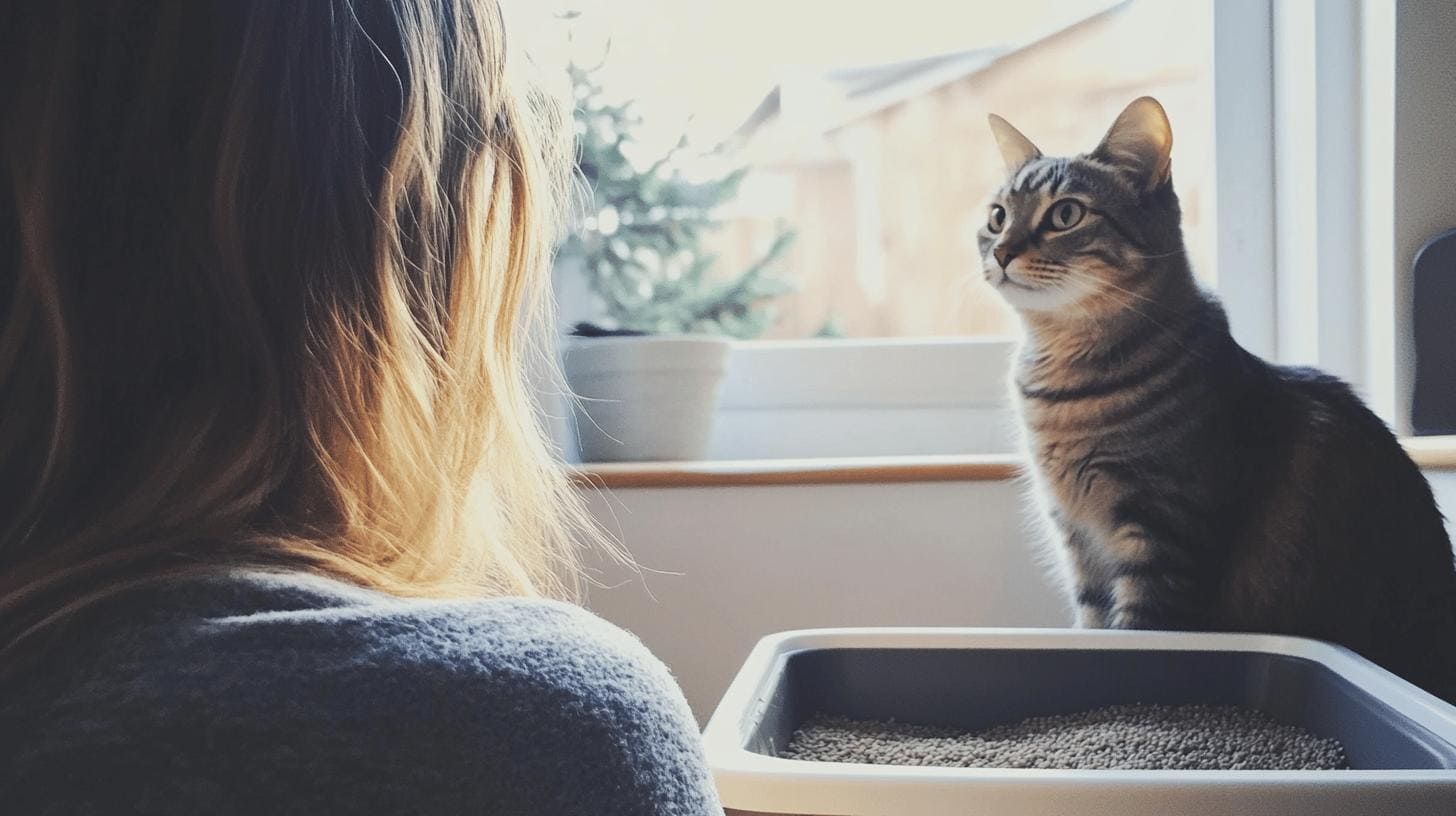
Keeping an eye on your cat's urination habits can offer valuable insights into their health. Start by observing how often your cat uses the litter box. Note any changes in frequency, as this can signal health issues. Equally important is the appearance and smell of the urine. Healthy cat urine should be pale yellow with a mild odor. If you notice any significant changes, such as a pink or red tint, or a strong, unpleasant smell, it may be time to act. Regularly check and record these details to help track any deviations from the norm.
| Sign | Potential Issue |
|---|---|
| Pink or red urine | Possible cystitis or bladder infection |
| Strong odor | Bladder infection or cystitis |
| Increased frequency | Diabetes or kidney issues |
| Straining or discomfort | Urinary blockage or stones |
Early detection of urinary issues can make a big difference in your cat's health. If you notice any of the above signs persisting, or if your cat stops urinating or shows discomfort, consult a veterinarian promptly. Timely intervention can prevent more serious complications and help maintain your cat's well-being. Regular veterinary checkups are also a great way to catch any potential problems before they escalate.