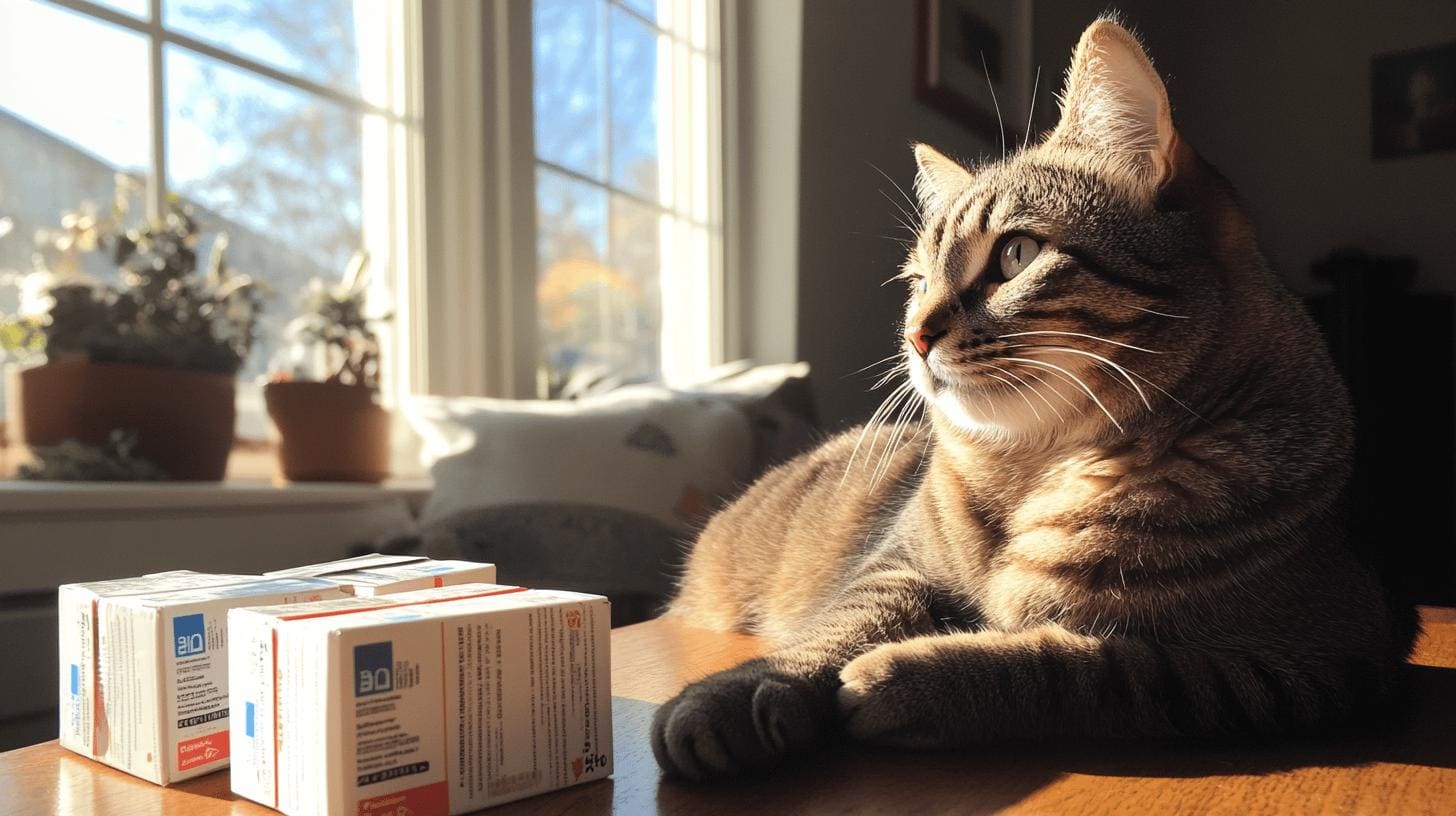
Ever wonder how your indoor cat suddenly ends up with a pesky flea problem? It's a mystery many cat owners face, and the answer might surprise you. Fleas are expert hitchhikers, capable of making their way into your home through many sneaky paths. From hitching a ride on your clothes to entering through open doors and windows, these little critters are relentless. In this post, I'll uncover the common sources of fleas, so you can better protect your furry friend and maintain a flea-free home. Let's dive into the surprising ways these pests find their way to your cat.
How Cats Get Fleas: Common Sources

Cats can pick up fleas from various places. The most common sources include contact with other animals and outdoor exposure. If your cat spends time outside, they might encounter fleas in gardens, parks, or when interacting with other pets. Even a brief stroll outside can lead to a flea hitching a ride on their fur. Homes with multiple pets are a hotspot for flea infestations, as fleas can easily jump from one animal to another.
Indoor cats aren't immune to fleas either. These pesky bugs can come into the home through other pets, like dogs, who might bring them inside after a walk. Humans can also inadvertently carry fleas inside on their clothes or shoes after visiting infested areas. Rodents such as mice and rats are another common source, as they can transfer fleas to cats when they scurry through the house. Shared pet supplies, such as bedding or grooming tools, can harbor flea eggs or larvae, making it crucial to keep these items clean.
- Fleas can hitch a ride on visitors' clothing.
- Pets visiting from other homes can carry fleas.
- Wildlife, like raccoons or squirrels, may bring fleas into your yard.
- Fleas may enter through open windows or doors.
- Second-hand furniture or rugs might already have fleas.
In some cases, fleas can come from less obvious places. Moving into a new home might expose your cat to fleas left by previous occupants, especially in apartments or condos. Visits to places with many animals, such as vet clinics or boarding facilities, can also pose a risk. These environments can harbor fleas, making it easy for them to jump onto your cat during their stay.
Understanding the Flea Life Cycle

Fleas go through four distinct stages in their life cycle: egg, larva, pupa, and adult. The process begins when adult fleas lay eggs on the host, which then fall off and scatter throughout the environment. These eggs hatch into larvae, which thrive in dark, humid areas, feeding on organic debris and flea dirt. After the larval stage, they spin cocoons and become pupae. This stage can last from a few days to several months, depending on environmental conditions, making pupae particularly resilient. Eventually, adult fleas emerge, ready to find a host and start the cycle anew.
Understanding this cycle is vital for effective flea treatment because not all products target every stage. Many treatments focus on killing adult fleas, but if eggs, larvae, or pupae are left untreated, the infestation can persist. To break the cycle, it's crucial to use a combination of treatments that address each stage. Consistent application of these treatments helps ensure that all life stages are targeted, reducing the chances of re-infestation.
| Flea Stage | Description |
|---|---|
| Egg | Laid on host and fall into the environment; hatch in 1-10 days |
| Larva | Feed on organic debris; lasts 5-15 days |
| Pupa | Encased in cocoons; can last days to months |
| Adult | Feeds on host’s blood; begins cycle anew |
Identifying Signs of Flea Infestation in Cats

When it comes to recognizing flea infestations, physical symptoms are often the first clues. Cats with fleas might exhibit excessive itching and scratching, particularly around the neck and tail base. This can lead to fur loss or thinning in these areas. If you part your cat's fur, you might notice small, dark specks known as flea dirt, which is the feces of adult fleas. Sometimes, you may even spot live fleas moving through your cat's coat.
Behavioral changes can also signal a flea problem. Cats may become more irritable or agitated, often grooming themselves more than usual in an attempt to relieve discomfort. Some cats might start hiding or avoiding interaction, indicating they are stressed by the constant itching. Observing these shifts in behavior can be a critical step in identifying a flea issue early.
- Excessive scratching or biting at the skin.
- Hair loss or thinning in specific areas.
- Presence of flea dirt (tiny dark specks) in the fur.
- Red or irritated skin.
- Increased restlessness or agitation.
To confirm a flea infestation, inspect your cat's fur closely. Use a fine-toothed flea comb to part the hair and check for fleas or flea dirt. Pay special attention to areas like the base of the tail and under the legs. If you find evidence of fleas, consult your veterinarian for suitable treatment options to manage the infestation effectively. Regular inspections can help catch flea problems early, ensuring your cat stays comfortable and healthy.