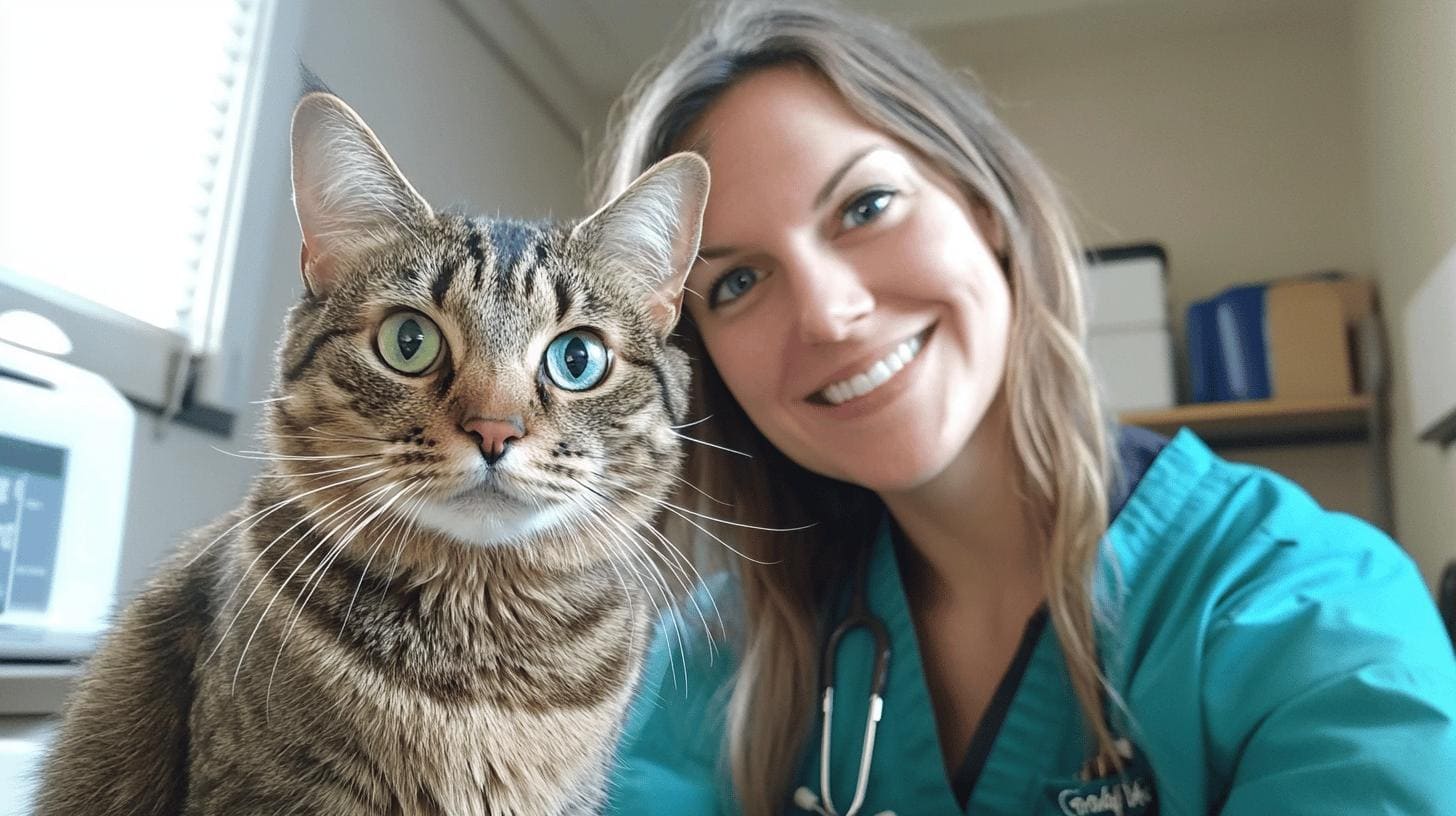
Can our beloved feline friends get rabies? The short answer is yes, and it's sobering to realize how at risk they can be. Cats can contract rabies through encounters with infected animals, like raccoons and bats. Even indoor cats aren't entirely safe from this risk. Recognizing the symptoms early can prevent tragic outcomes. In this post, I will unravel how rabies spreads to cats and the signs you need to watch for. Understanding these facts keeps your furry family member safe and healthy. Let's dive in and ensure your cat's protection with expert advice from Titan Claws.
Can Cats Contract Rabies?
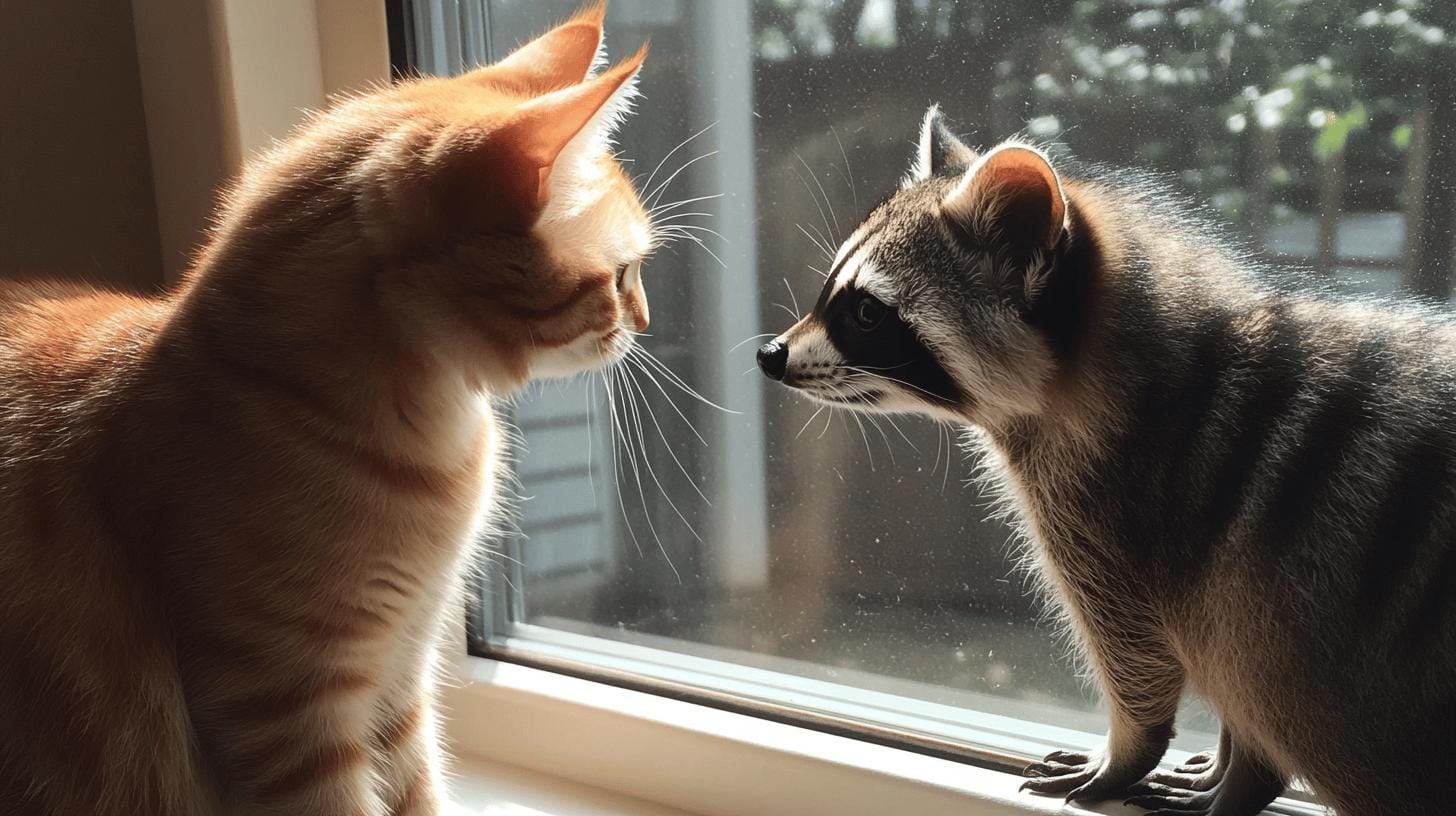
Cats can indeed contract rabies, primarily through bites from infected animals. This transmission typically occurs when a wild animal carrying the rabies virus bites a cat, allowing the virus to enter through the wound. Common wildlife carriers include raccoons, bats, foxes, and skunks. Even indoor cats aren't completely safe, as they can still be at risk if they encounter rodents or mice that have found their way into the home and are infected. The rabies virus targets the central nervous system, leading to severe neurological symptoms once it takes hold.
- Raccoons
- Bats
- Foxes
- Skunks
- Rodents
Rabies is a particularly serious infection for cats. Once symptoms manifest, the disease is usually fatal within a matter of days. The infection progresses rapidly, causing changes in behavior, aggression, paralysis, and ultimately, death. Therefore, it's crucial for cat owners to understand these risks and ensure their pets are vaccinated against rabies to prevent this deadly virus from taking hold.
Recognizing Rabies Symptoms in Cats

Rabies in cats is a serious and typically fatal condition that progresses through three distinct stages. Initially, you might notice subtle personality changes and unusual behaviors. As the disease advances, it leads to more severe symptoms, such as aggression and disorientation. The final stage involves paralysis and severe difficulties that ultimately result in death. Understanding these stages can help cat owners recognize early signs and seek immediate veterinary care.
Initial Stage
In the initial stage of rabies, cats may exhibit noticeable shifts in their usual behavior and personality. A friendly cat might become withdrawn, or a normally shy cat could become unusually affectionate. Other signs include a loss of appetite and increased irritability. These changes can be easily mistaken for other issues, so it's important to monitor any sudden behavior shifts closely.
Aggressive Stage
As rabies progresses to the aggressive stage, you’ll notice more alarming symptoms. Cats may display uncharacteristic aggression, attacking without provocation. They might also appear disoriented and exhibit fearlessness, venturing into unknown areas or approaching humans and animals they would typically avoid. This stage is particularly dangerous, as the risk of transmission to other animals and humans increases.
Paralytic Stage
The final stage, known as the paralytic stage, brings severe symptoms. Cats experience paralysis, beginning with the hind legs and eventually affecting the entire body. Excessive salivation, often referred to as "foaming at the mouth," becomes evident. Cats also struggle with swallowing, leading to a refusal to eat or drink. This stage is rapidly fatal, and humane euthanasia is often recommended to prevent suffering.
| Stage | Symptoms |
|---|---|
| Initial Stage | Personality changes, behavioral shifts |
| Aggressive Stage | Aggression, disorientation, fearlessness |
| Paralytic Stage | Paralysis, excessive salivation, difficulty swallowing |
Rabies Transmission from Cats to Humans

Rabies can be transmitted from cats to humans primarily through bites. When a rabid cat bites a person, the rabies virus can enter the human's body through the open wound. Although less common, scratches from a rabid cat can also pose a risk, especially if the cat's saliva is present on its claws. A notable case in December 2023 highlighted the dangers when a fatal transmission occurred in India from a pet cat bite. It's crucial to remember that once rabies symptoms appear in humans, the disease is almost always fatal.
Symptoms in humans typically include:
- Fever and headache
- Anxiety and confusion
- Excessive salivation
- Difficulty swallowing
Immediate medical attention is vital if you are bitten or scratched by a cat suspected of having rabies. Early intervention can prevent the virus from progressing and becoming fatal. Post-exposure prophylaxis, a series of rabies vaccinations, is effective if administered before symptoms develop. Always report any incidents to healthcare providers and local animal control to ensure proper management and prevent further spread.