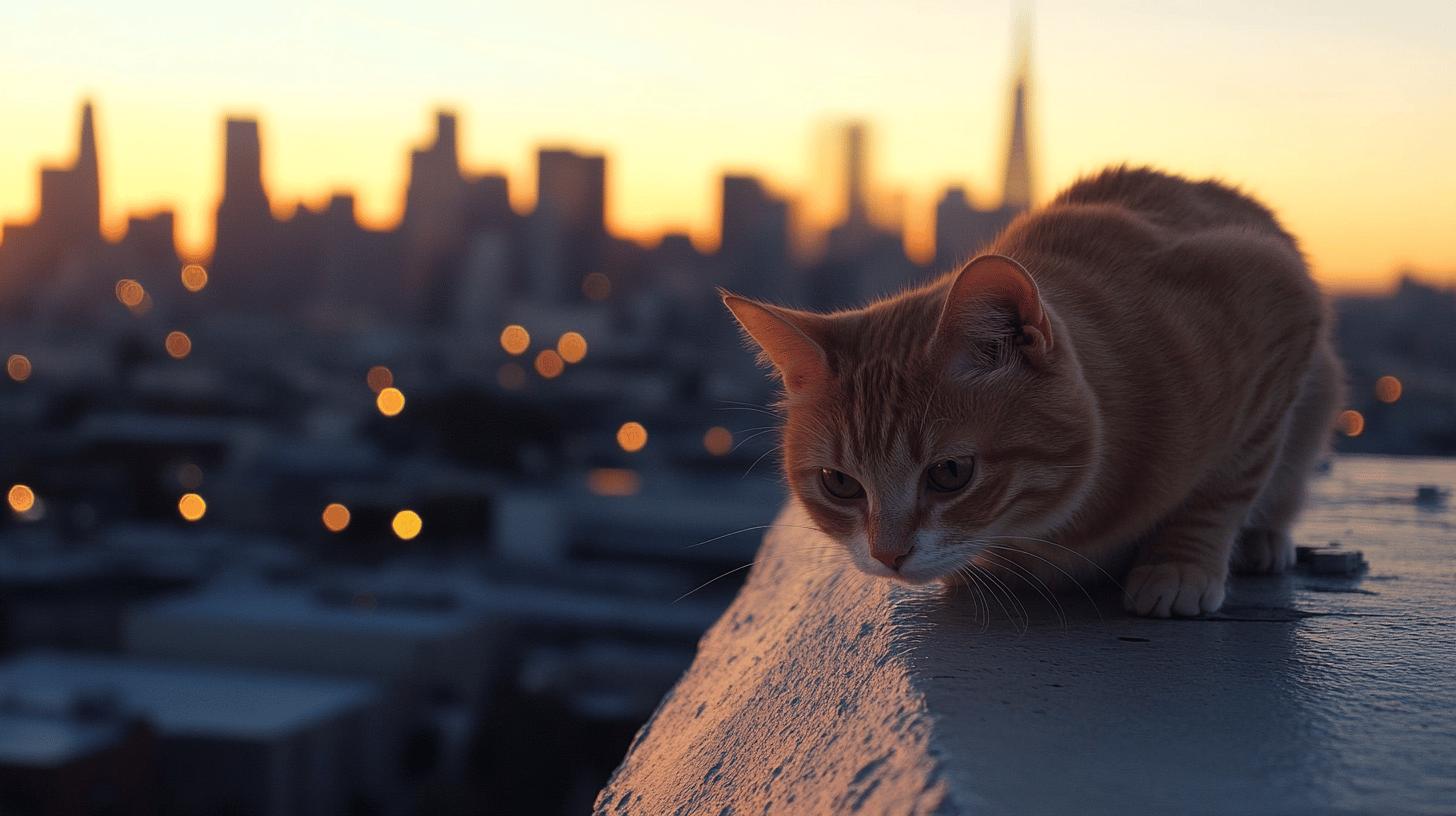
Do cats really have nine lives, or is this just a purrfect myth? A belief that's been woven into our tales for centuries, cats' supposed multiple lives fascinate us all. Known for their quick reflexes and almost magical ability to escape danger, cats have charmed cultures worldwide into believing in their extra lives. But where did this idea originate, and why the number nine? By understanding the origins of this captivating concept, we can explore the deeper cultural and historical roots behind the legend of cats and their supposed nine lives.
The Myth of Cats' Nine Lives: Origins and Truth
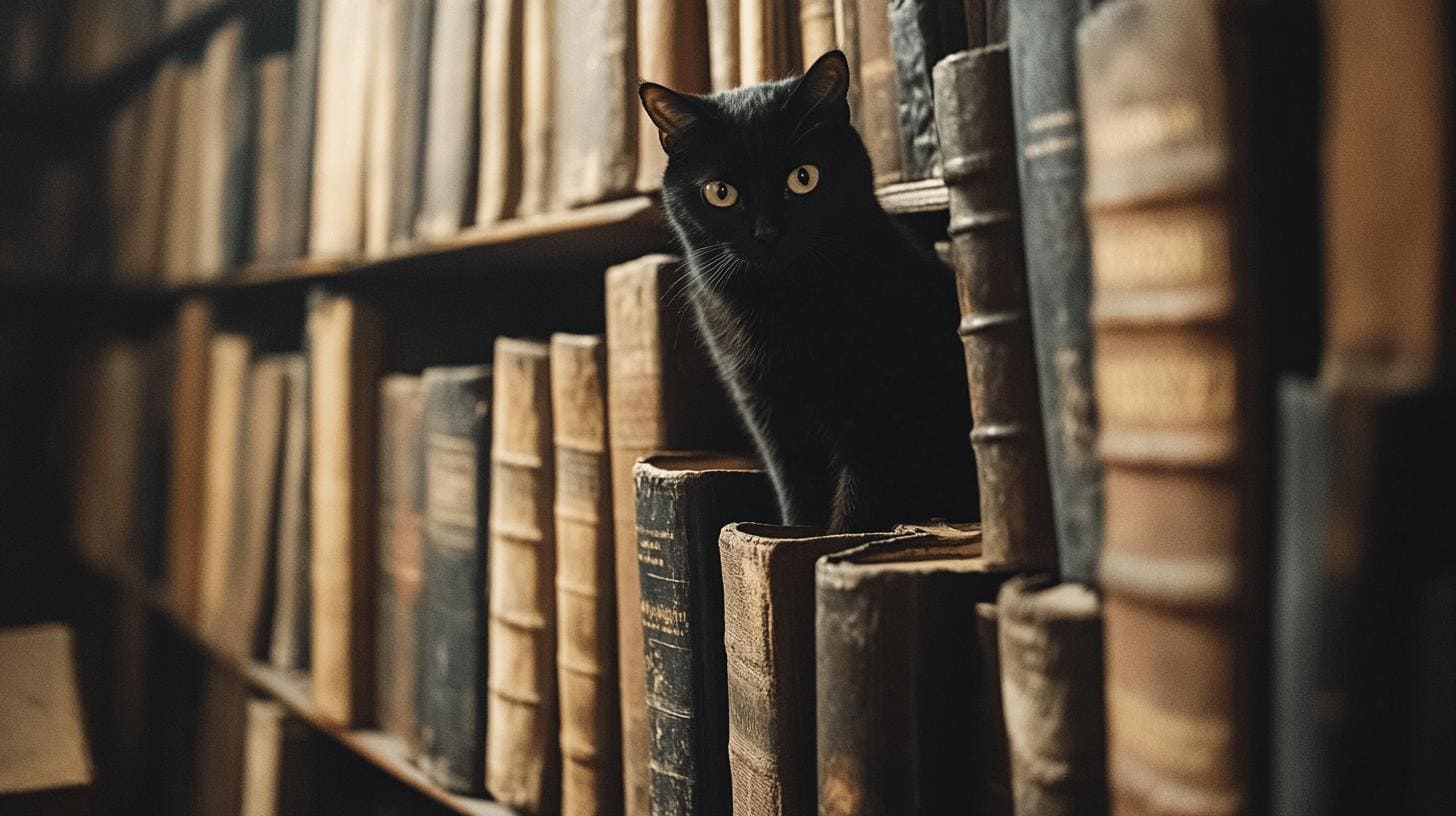
The myth that cats have nine lives is a tale as old as time, deeply rooted in cultural lore and history. This idea likely comes from cats' remarkable agility and survival instincts. Throughout history, cats have been admired for their ability to land on their feet and escape situations that would be perilous for other animals. The expression has been around for centuries, even making its way into literature, such as William Shakespeare's "Romeo and Juliet." Ancient civilizations held cats in high regard, seeing them as mysterious and resilient creatures, further fueling the myth of their nine lives.
- Ancient Egypt: Cats were considered sacred in ancient Egypt, often associated with deities and worshipped for their perceived magical abilities.
- Chinese Culture: In Chinese folklore, cats are admired for their balance and harmony, contributing to the belief in their multiple lives.
- European Folklore: Many European cultures have stories about cats surviving against the odds, which helped cement the notion of their nine lives.
- Shakespearean Literature: Shakespeare's mention of cats' nine lives in "Romeo and Juliet" shows how the myth was recognized even in the 16th century.
- Islamic Culture: In Islamic traditions, cats are cherished animals, often associated with cleanliness and protection, adding to their mystique.
While the number nine is most commonly associated with this myth in Western society, variations exist in different regions. In some parts of Spain, for instance, cats are believed to have seven lives. Meanwhile, stories from Turkish and Arabic folklore sometimes suggest cats have six lives. These variations highlight the universal fascination with cats and their seemingly supernatural abilities.
Why the Number Nine? Cultural and Spiritual Significance
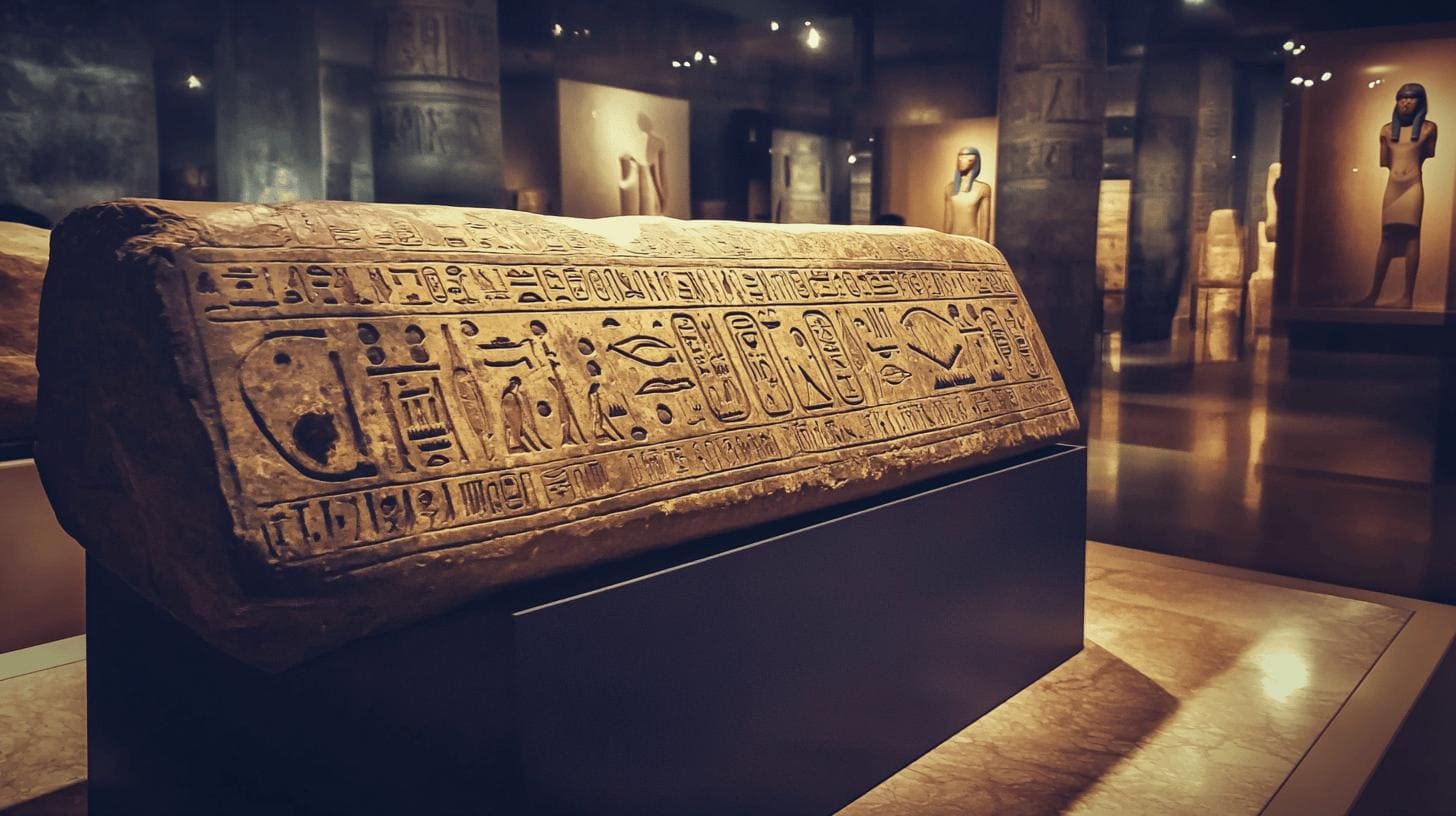
The association of the number nine with cats' lives is deeply rooted in cultural and spiritual beliefs. Throughout history, nine has held a place of significance in various societies, often symbolizing completeness, luck, or divine attributes. These meanings have woven their way into the fabric of the nine lives myth, adding a layer of mystique and intrigue to our feline friends' already fascinating reputation.
| Culture | Significance of Nine |
|---|---|
| Ancient Egypt | Symbolized completeness and perfection, linked to their pantheon of nine gods. |
| Chinese Culture | Considered a lucky number, signifying long-lasting and eternity. |
| Western Traditions | Associated with mystical and magical qualities, often appearing in folklore. |
The choice of nine in the myth of cats' lives might be more than mere coincidence. In ancient Egypt, where cats were revered, the number nine was seen as complete, tying into the idea of cats being perfect and mystical creatures. Similarly, in Chinese culture, nine is a symbol of longevity, aligning with the belief in cats' ability to survive and thrive through numerous challenges. These cultural interpretations contribute to the enduring myth of cats having nine lives, making it a fascinating blend of history, superstition, and admiration for the feline species.
Scientific Look: Cats' Survival Abilities
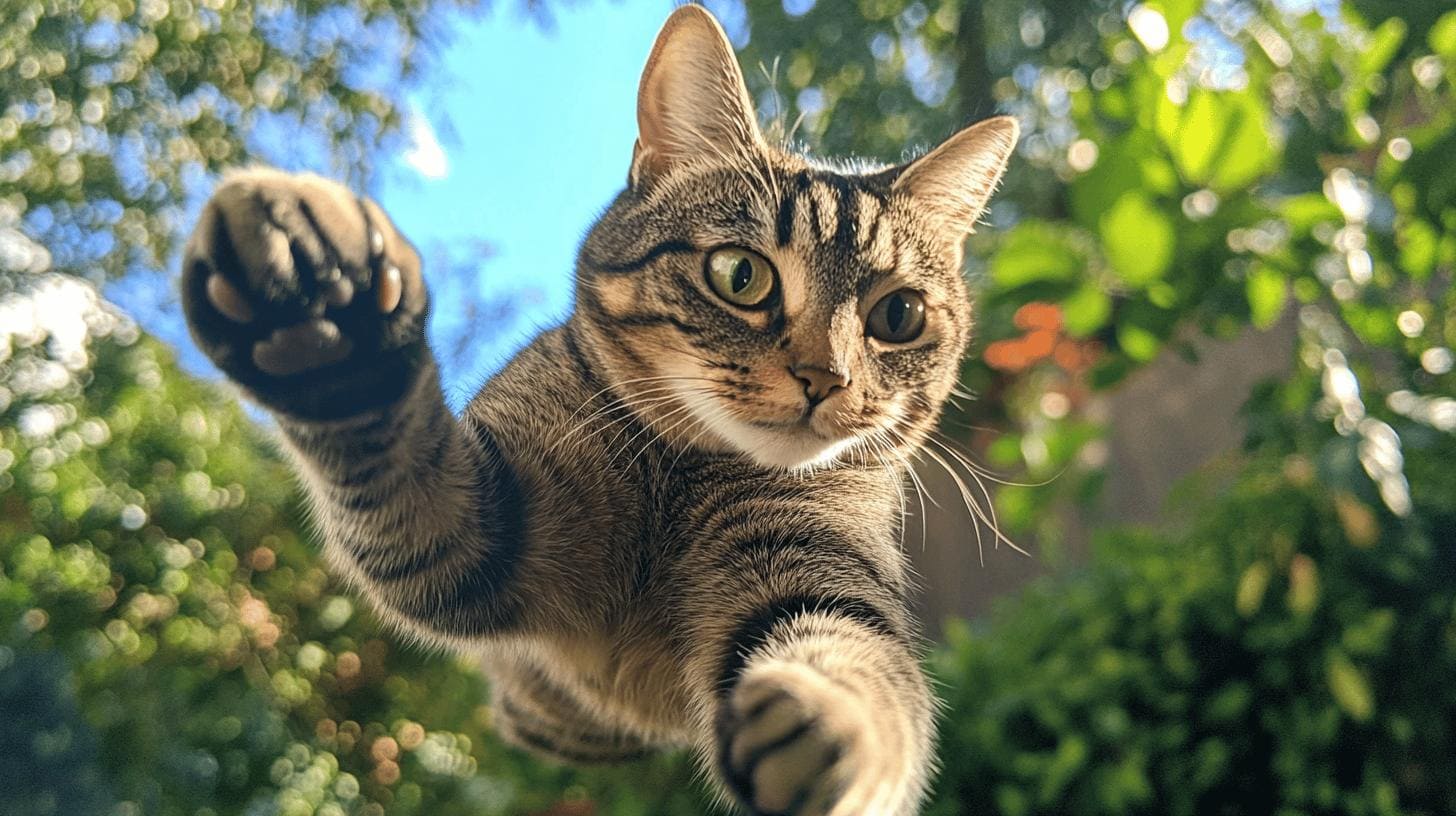
Cats might not actually have nine lives, but they have remarkable survival skills that make them appear almost supernatural. The key to their survival lies in their unique physical abilities and reflexes. One of the most fascinating is the "air-righting" reflex, which allows a cat to twist its body mid-air and land on its feet. This reflex begins to develop when kittens are just a few weeks old and is a vital part of their survival toolkit.
Additionally, cats boast a flexible spine and lack a collarbone, which gives them incredible agility and the ability to squeeze through tight spaces. Their bodies are also designed to absorb shocks, enabling them to withstand falls from significant heights with minimal injury.
Here are four specific physical traits and reflexes that aid in a cat's survival:
-
Air-righting Reflex: This reflex gives cats the ability to twist their body during a fall to ensure they land on their feet, providing them with a unique safety mechanism.
-
Flexible Spine: Cats have an unusually flexible spine, allowing for greater range of motion and the ability to maneuver quickly and efficiently.
-
Shock-Absorbing Physique: Their limbs and body structure are adapted to absorb impact, reducing the chances of injury from falls.
- Absence of a Collarbone: Without a collarbone, cats have greater mobility in their front limbs, which contributes to their ability to navigate their environment with ease.
These traits often lead to the misconception that cats have multiple lives. While they don't possess supernatural longevity, their natural abilities give them a significant advantage in survival. These biological features are often seen as miraculous, but they are simply the result of evolution equipping cats with the means to thrive in a variety of environments. This extraordinary adaptability and resilience are what have fueled the myth of cats having nine lives.