Ever wonder why your fiercely independent feline is suddenly glued to your side? This unexpected clinginess can feel puzzling, like a mystery waiting to be solved. Understanding why your cat craves constant closeness can unlock insights into its world. Cats might become extra clingy due to stress, health concerns, or even boredom. If your kitty's recent neediness has you scratching your head, you’re in the right place. This article delves into why cats become clingy and what it means for you and your furry friend.
Understanding Why Your Cat is Suddenly Clingy

Cats are typically known for their independent nature, often doing their own thing and enjoying their personal space. But when a normally aloof kitty becomes suddenly clingy, it might be a sign of something more than just a need for extra cuddles. Potential reasons for this sudden change can include separation anxiety, underlying health problems, increased stress levels, the introduction of new family members, or even plain boredom.
- Shadowing your movements
- Excessive vocalization
- Relentless affection
- Dependency on presence for eating
- Insistent meowing when leaving
- Sleeping in your bed or close proximity
Understanding Why Your Cat is Suddenly Clingy
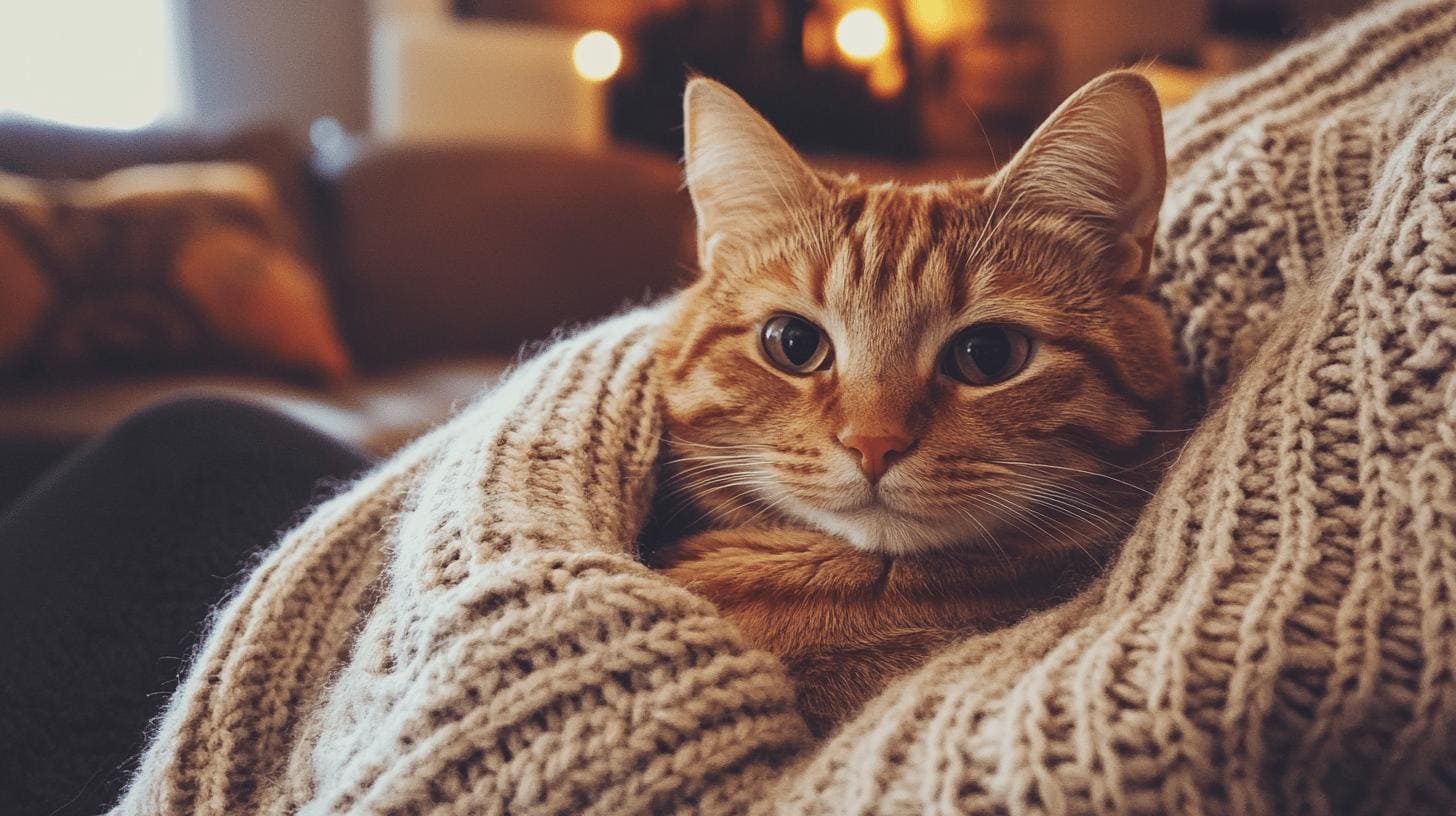
Cats can become clingy due to health concerns. When they're unwell, they might seek comfort from their owner. This behavior often results from physical discomfort or illness. If you notice your cat shadowing you more than usual, it might be signaling an underlying health issue. Observing any behavioral or physical changes can help pinpoint if a vet visit is needed.
Environmental factors also impact clinginess. Changes like new family members or frequent visitors can make a cat anxious, increasing its dependence on you. Loud noises from storms or fireworks can also stress cats, leading to clingier behavior. Recognizing these stressors helps manage and ease a cat's need for attention.
| Factor | Description |
|---|---|
| Health Issues | May cause the cat to seek safety and comfort |
| Routine Changes | New family members or visitors can increase stress |
| Environmental Stressors | Storms or fireworks can trigger clinginess |
| Anxiety | Can manifest as excessive need for attention |
Managing and Reducing Clingy Behavior in Cats

Cats thrive on routine and attention, which can be key in managing clingy behavior. Just like us, they appreciate knowing what to expect in their day-to-day life. A consistent routine provides a sense of security, making them less likely to cling to you for reassurance. Spending quality time with your cat can also help fulfill their emotional needs and keep clinginess at bay. Regular playtime not only strengthens your bond but also helps burn off excess energy and reduce stress.
Here are some actionable steps to address clingy behavior in your cat:
- Offer regular playtime and interaction
- Ensure a stable and consistent daily routine
- Ignore attention-seeking behavior when possible
- Introduce stimulating toys and activities
- Monitor health and consult a vet if needed
If you've tried these strategies and your cat's clingy behavior persists, it might be time to seek professional help. Consulting with a veterinarian can rule out any potential health issues that could be causing the clinginess. They may also recommend a feline behavior specialist, who can provide additional insights and strategies tailored to your cat's specific needs. Addressing the root cause is crucial for a happy and independent kitty.