Ever wondered how much a CAT scan might dent your wallet with insurance? You’re not alone. Navigating medical costs can feel like solving a tricky puzzle, especially when it comes to something as essential as a CAT scan. Typically, these scans can cost anywhere from $100 to $500 if you have insurance. But why such a wide range? The answer lies in various factors like scan type, facility choice, and your specific insurance plan. In this post, we’ll break down everything you need to know to understand and plan for these medical expenses effectively.
How Much Do CAT Scans Cost With Insurance?
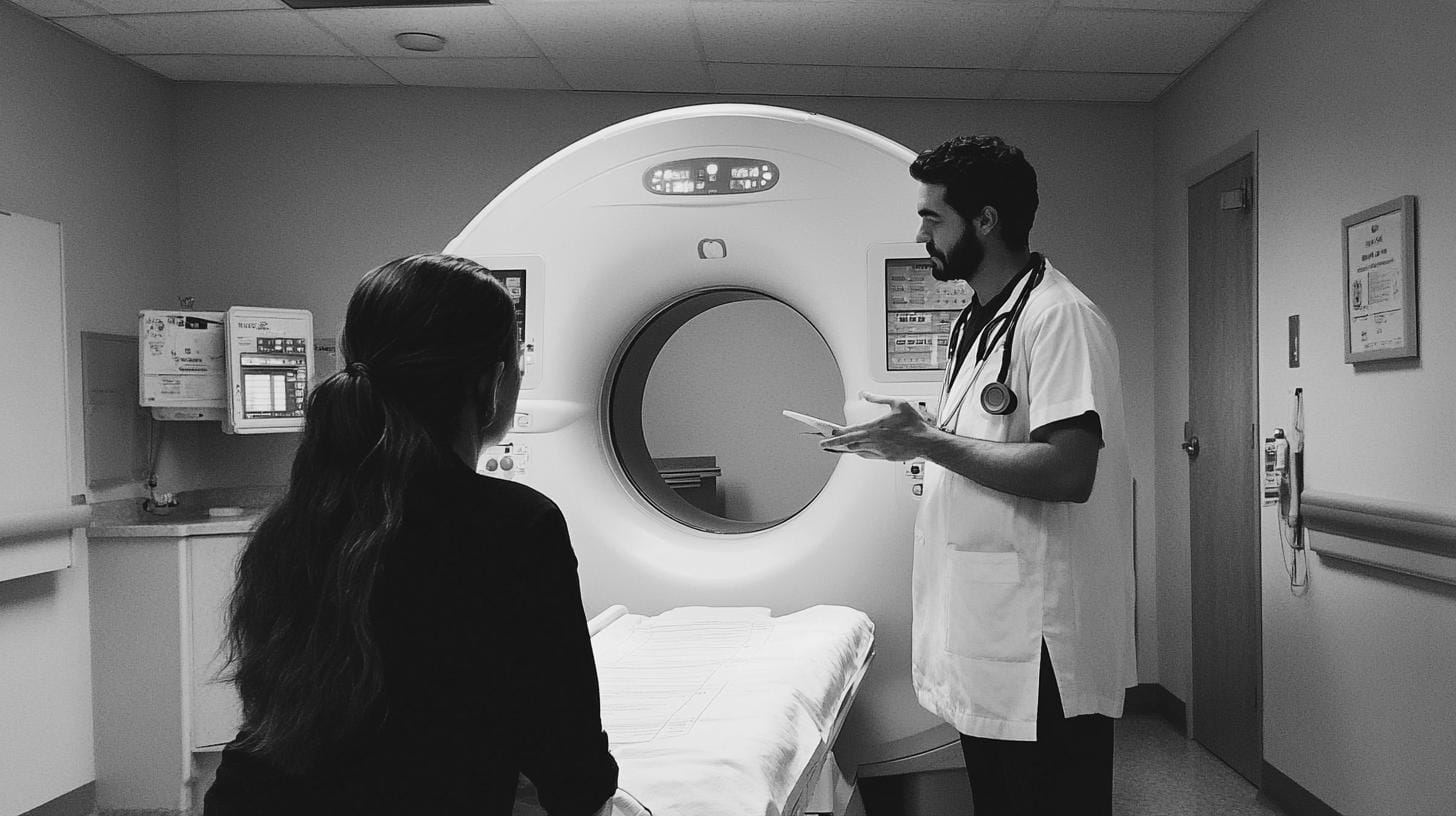
The cost of a CAT scan with insurance typically ranges from $100 to $500. This price can vary based on several factors, such as the specific type of scan required, the facility where it’s performed, and the details of your insurance plan. Generally, insurance companies cover the cost when a doctor deems the scan medically necessary. This ensures that essential diagnostic procedures are affordable for patients who need them.
Out-of-pocket expenses can arise if the scan is considered preventive or optional by your insurance provider. In such cases, you might be responsible for paying a larger portion or even the full cost of the scan. It’s essential to understand your insurance policy to know when you might encounter these additional expenses. Being aware of these potential costs helps you plan better financially.
To avoid unexpected charges, it’s crucial to verify your coverage details with your insurance provider beforehand. Contact your insurer to confirm whether the specific CAT scan you need is covered, and ask about any associated costs. This proactive approach ensures you have a clear understanding of what your insurance will cover and helps minimize any surprise out-of-pocket expenses.
Factors Influencing CAT Scan Costs with Insurance
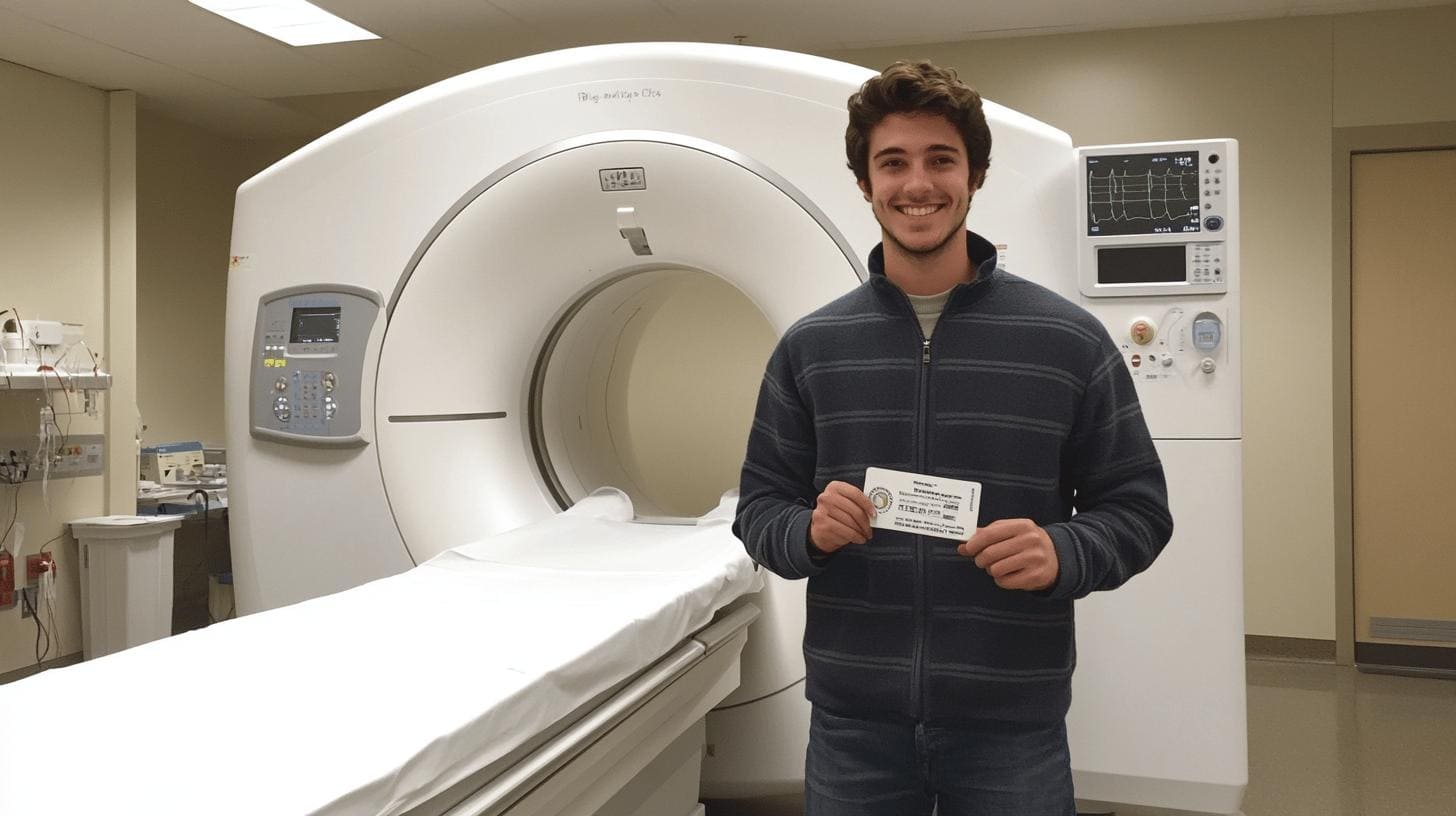
When it comes to the cost of a CAT scan, several factors can influence the price even if you have insurance. The type of CT scan you need is a major factor. For instance, scans that require more detailed imaging or specialized techniques, such as a CT angiography, can be more expensive. Additionally, the use of contrast dye, which helps highlight specific areas within the body, can also increase the cost. This is because the dye may require additional resources and time during the procedure.
Several specific factors can further affect the cost of a CAT scan:
- Type of CT scan
- Use of contrast dye
- Facility type (hospital vs. outpatient)
- Geographic location
- Specific insurance plan details
Understanding these variables is crucial for anyone looking to manage their medical expenses effectively. The facility type plays a significant role; hospital-based services often charge more compared to standalone imaging centers. Geographic location is another important factor, with urban areas typically having higher costs than rural ones. Lastly, each insurance plan has its own specifics, affecting coverage and out-of-pocket expenses. Knowing these factors helps you anticipate potential costs and make informed decisions regarding your healthcare options.
Comparing CAT Scan Costs: Insurance vs. No Insurance

When you don’t have insurance, the cost of a CAT scan can be daunting. Without coverage, the price ranges from $400 to $3,000, with the national average around $3,275. This can create a significant financial burden for those needing medical imaging. While having insurance often brings the cost down significantly, it’s crucial to understand how to manage expenses if you’re uninsured.
| Insurance Status | Typical Cost Range |
|---|---|
| With Insurance | $100 – $500 |
| Without Insurance | $400 – $3,000 |
Living without insurance means facing higher out-of-pocket expenses, but there are strategies to alleviate these costs. Consider looking into payment plans that many hospitals and imaging centers offer. Additionally, seek out assistance programs designed to help those without insurance cover medical expenses. These approaches can help lessen the financial strain and make necessary medical imaging more attainable.