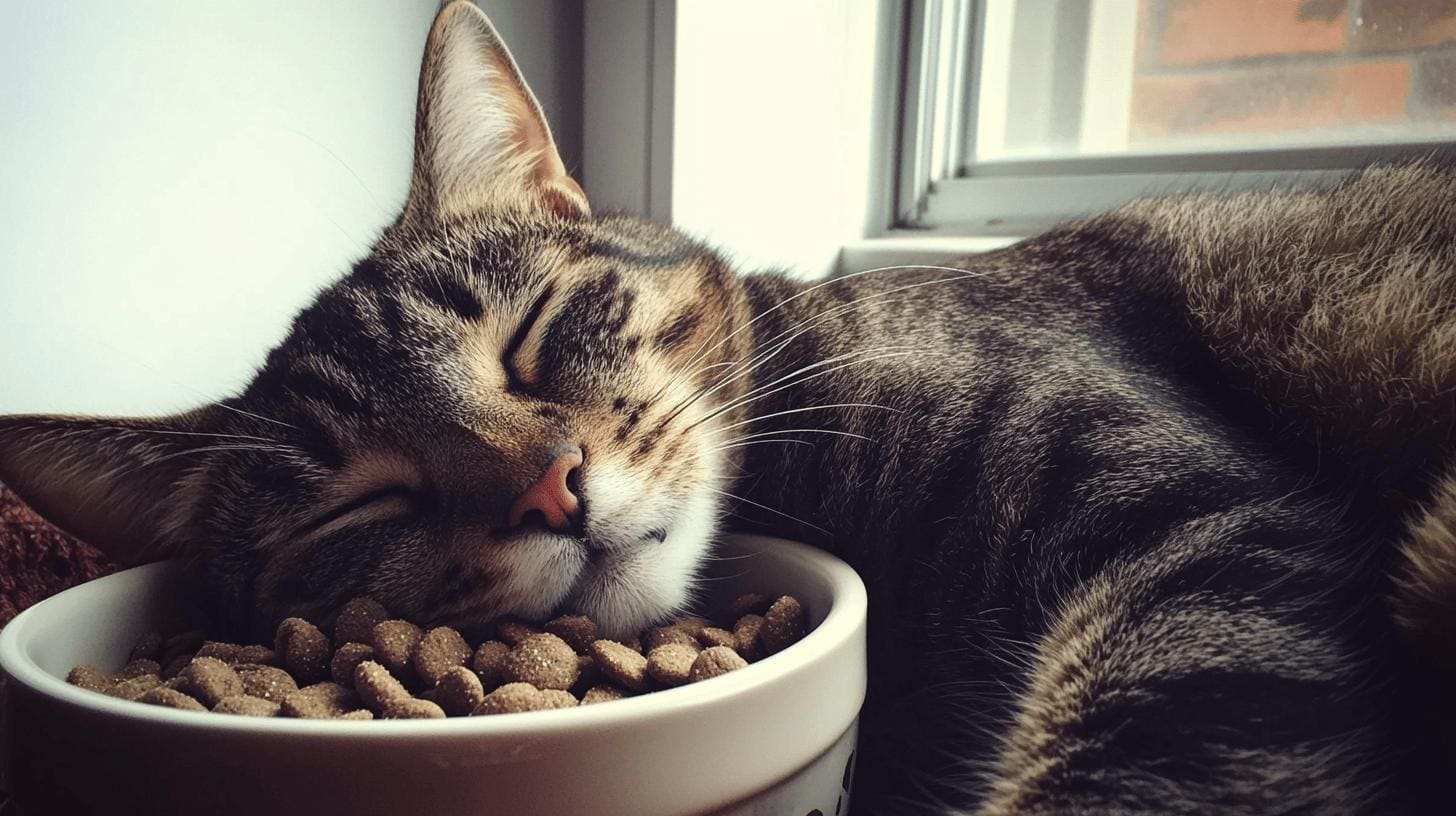
Ever wondered why your cat can’t stop meowing after their meal? It’s not just a quirk; there could be more to it. Understanding why cats meow after eating can reveal important clues about their health and happiness.
Whether it’s because they’re still hungry, dealing with a tummy ache, or seeking your attention, these persistent meows can signal deeper issues. By diving into these reasons, we can help our furry friends feel better and improve their playtime and overall well-being. Let’s explore how to address these meows and enhance your cat’s comfort.
Understanding and Addressing Why Cats Meow After Eating
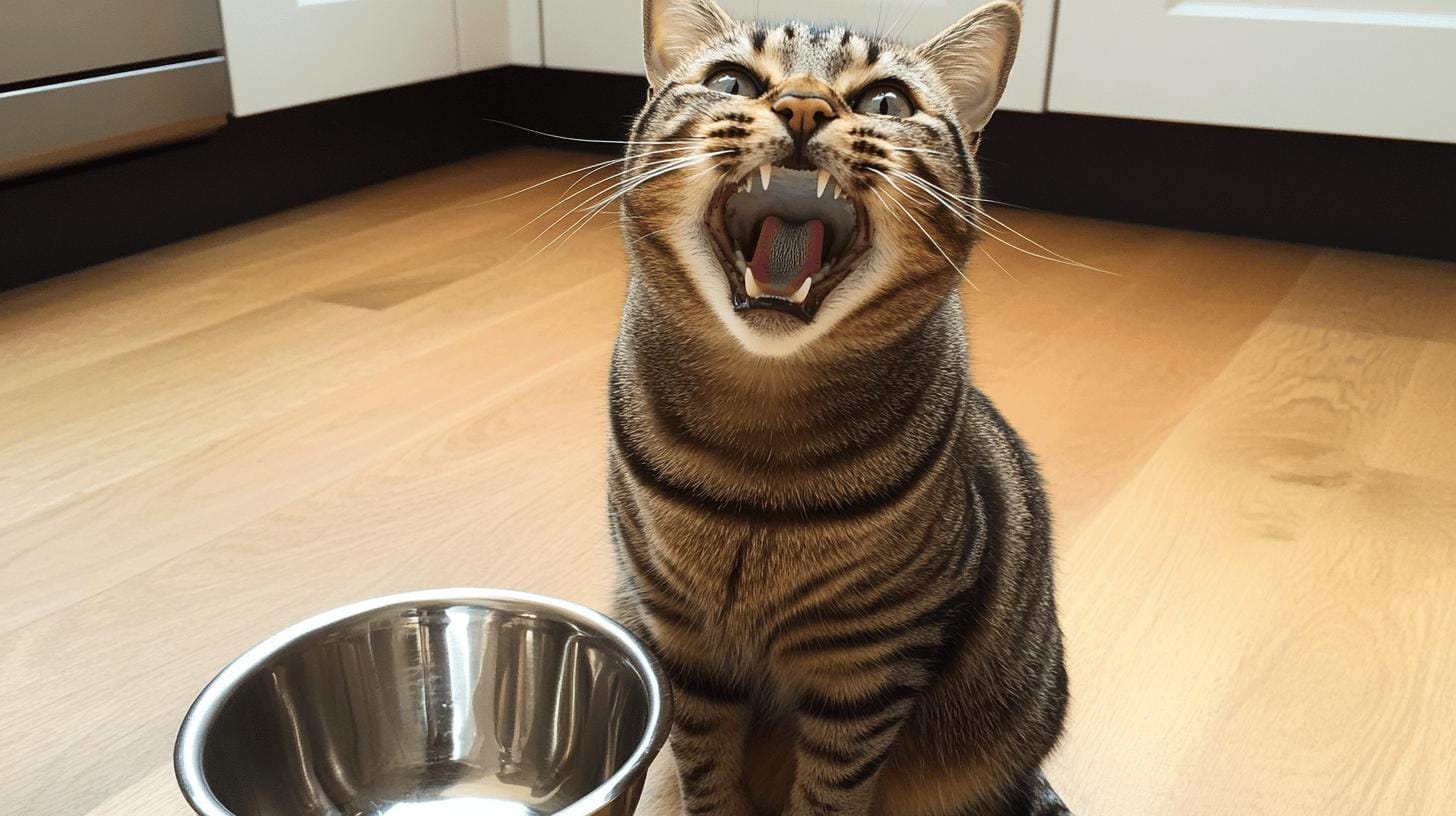
Cats often communicate through meowing, and post-meal vocalization can be particularly puzzling. Understanding why cat meows after eating involves recognizing a variety of potential reasons.
Some of the most common causes include hunger, digestive discomfort, attention-seeking behavior, nausea, and pain from dental issues. Health concerns can also play a significant role, as meowing might signal underlying conditions that need attention.
Reasons for Post-Meal Meowing
- Hunger: Some cats may not feel satisfied with their meal and meow for more food. This is often due to insufficient portion sizes or a diet that doesn’t meet their nutritional needs.
- Digestive Discomfort: If your feline friend experiences stomach upset after eating, it may vocalize to express discomfort. This can result from food allergies or intolerances.
- Dental Issues: Pain from dental problems like tooth decay or gingivitis can make eating uncomfortable, leading to meowing. Regular dental check-ups are crucial to prevent such issues.
- Attention-Seeking Behavior: Cats may meow after meals simply to gain attention from their owners. This type of meowing is often reinforced by past responses to similar behavior.
- Nausea: Overeating or specific dietary components can cause nausea, prompting a cat to meow post-meal. Adjusting food amounts and consulting a vet if the issue persists can help.
- Other Health Concerns: Sometimes, meowing indicates broader health issues that require veterinary examination, especially if the behavior is new or accompanied by other symptoms.
Health Concerns Related to Meowing
Health issues like nausea or digestive problems can significantly impact a cat’s comfort and behavior. When a cat frequently meows after eating, it might be experiencing something beyond simple hunger.
If digestive discomfort is suspected, check for signs such as vomiting, diarrhea, or noticeable changes in appetite. Dental issues, a common source of pain, often go unnoticed until they become severe. Symptoms like bad breath or difficulty chewing should prompt a visit to the vet.
Consulting with a veterinarian is essential if the vocalization is new or accompanied by physical changes. Early intervention can prevent further complications and improve your cat’s overall well-being.
Strategies to Manage and Alter Meowing Behavior
- Establish Routine: Create a consistent feeding schedule to help reduce anxiety-driven meowing. Regular meal times can provide a sense of stability.
- Interactive Toys: Provide toys to keep your cat stimulated and reduce boredom that leads to attention-seeking meows.
- Ignore Attention-Seeking: Avoid responding to meows aimed at gaining attention, as this reinforces the behavior. Instead, reward quiet moments with affection.
- Pheromone Diffusers: Consider using products like Feliway to reduce stress and create a calming environment for your cat.
- Veterinary Consultation: Seek professional advice if meowing is persistent or if health concerns are suspected. A vet can provide insights into underlying issues and recommend solutions.
How to Address and Manage Post-Meal Meowing
Let’s dive into some fresh strategies to tackle post-meal meowing by offering unique insights. Interactive toys can be a game-changer for keeping a cat engaged and reducing vocal demands. Look for toys that stimulate both the mind and body, like puzzle feeders or motorized toys. These can shift the focus from meowing to playtime, providing mental stimulation and reducing boredom.
Understanding the psychological aspects of feline behavior can also shed light on post-meal meowing. Cats may meow for attention due to emotional needs or stress. Observing your cat’s behavior can provide clues about its emotional state.
If a cat seems anxious or stressed, calming techniques like gentle petting or soft music can soothe its nerves. Providing a safe, quiet space can also help a cat feel secure and reduce vocalization.
Case studies show that behavior modification can have lasting impacts. For example, a cat that consistently meows post-meal might benefit from a clicker training technique. Rewarding silence and calm behavior with a click and treat can reinforce positive behavior over time. Consulting with a cat behaviorist can provide personalized strategies tailored to your cat’s unique tendencies.
Incorporating these strategies offers a fresh perspective on managing post-meal meowing. By addressing the psychological and interactive needs of your cat, you can create a harmonious environment that minimizes excessive vocalization.