Do cats get their period like humans? It’s a question that might surprise many cat owners. While cats don’t have periods in the same way humans do, they do experience a unique reproductive cycle. Female cats go through what’s known as the heat cycle, which can happen every two to three weeks. This cycle doesn’t include monthly bleeding but does involve changes that prepare their bodies for mating. Understanding these cycles not only helps manage a cat’s health but also sheds light on their mysterious behaviors during these times.
Do Cats Get Periods? Understanding Feline Reproduction
Cats don’t have periods like humans. Instead, they undergo a reproductive cycle called the heat cycle or estrus cycle. This cycle typically begins when female cats hit puberty, around 4 to 12 months of age. The estrus cycle includes several stages where hormonal changes prepare the cat’s body for mating. During this time, cats display distinct behaviors as they become receptive to mating but do not menstruate as humans do.
Here are some key differences between cat heat cycles and human menstruation:
- Cats are induced ovulators
- Heat cycles occur every two to three weeks
- No menstrual bleeding; uterine lining is reabsorbed
- Periods do not occur monthly
- Sexual maturity begins at 4 to 6 months
Cats are known as polyoestrous animals, meaning they experience multiple heat cycles, especially during the breeding season. These cycles can occur every two to three weeks. Unlike humans, who shed their uterine lining, cats reabsorb it, which is why there is no visible bleeding. This unique aspect of their reproductive process often leaves many cat owners surprised when they learn that their feline friend doesn’t have periods like humans do. Understanding these differences helps in managing a cat’s reproductive health and knowing what to expect.
Signs of a Cat in Heat: What to Expect
When a cat is in heat, expect to see some noticeable changes in behavior. The estrus phase is when cats become receptive to mating, showing significant behavioral shifts. You might notice your cat becoming more vocal, often producing loud cries or yowls as a way to attract mates. Affection levels skyrocket, with your feline friend seeking more attention and rubbing against you or household objects. Appetite could decrease, as their focus shifts towards finding a mate.
- Loud vocalizing or yowling
- Increased affection towards people and objects
- Loss of appetite
- Assuming a “mating position” with raised hindquarters
These heat symptoms can vary in intensity and last anywhere from 2 to 19 days. During this time, cats often display the characteristic “mating position,” where they crouch with their hindquarters raised and tail to the side. This behavior is instinctual, signaling their readiness to mate. Owners should be prepared for these changes and offer comfort during this period to help manage the intensity of the symptoms.
Managing and Caring for a Cat in Heat
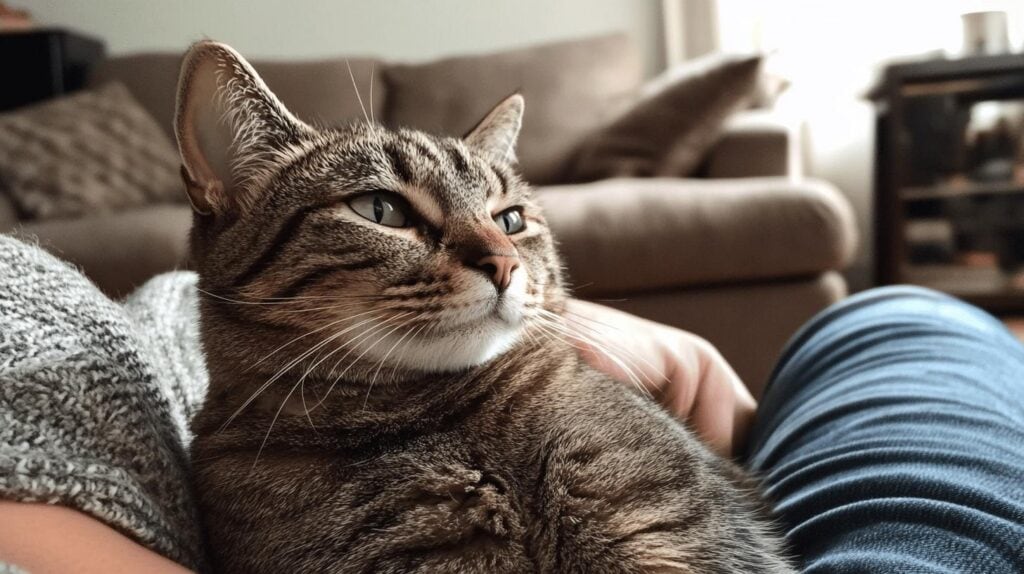
Managing a cat in heat is crucial for both the cat’s comfort and your peace of mind. When a cat enters its heat cycle, it can become restless, vocal, and display behaviors that can be difficult to manage. Providing comfort and reducing stress during this time helps your cat cope with these natural behaviors. Ensuring proper nutrition and maintaining a calm environment can make a significant difference in how your cat experiences this cycle. Keeping your cat indoors is also essential to prevent unwanted mating and potential pregnancies.
Here are some effective methods to comfort a cat in heat:
- Provide extra attention and affection
- Use pheromone sprays for calming
- Offer catnip to soothe stress
- Maintain a clean and comfortable environment
- Keep the cat indoors to avoid mating
- Engage in interactive play to distract and comfort
Spaying your cat is a highly recommended solution to prevent the recurring discomfort of heat cycles and the risk of unwanted pregnancies. Spaying not only stops the heat cycles but also offers long-term health benefits, such as reducing the risk of breast tumors and uterine infections. If you’re unsure about managing your cat’s heat cycle or considering spaying, consulting with a veterinarian can provide you with tailored advice and support. This proactive approach ensures that both you and your feline friend can navigate the heat cycle with ease.