Ever puzzled by your cat’s sudden antics? When a cat enters heat, her world transforms. It’s like a performance where she becomes the center of attention, showing an increased level of affection and constant vocalizations you can’t ignore. These changes aren’t random; they’re a well-orchestrated signal of her readiness to mate. Understanding these behaviors, like excessive grooming and territory marking, helps ensure her safety and maintain harmony at home. Let’s delve into the intricate display that occurs when your feline friend is in heat.
Recognizing Signs of a Cat in Heat
- Increased affection
- Loud vocalizations
- Excessive grooming
- Assuming the mating position (lordosis)
- Marking territory by spraying urine
When a cat is in heat, she undergoes a series of noticeable behavioral changes that act as signals for her readiness to mate. One of the first signs is increased affection. You might notice your cat rubbing against furniture, walls, or even you more often than usual. This heightened affection is a way for her to spread her scent and signal her availability to potential mates. Loud vocalizations, often described as yowling or calling, are another clear indicator. These sounds are designed to attract male cats.
Excessive grooming, especially around the genital area, is common as the cat tries to clean herself more thoroughly. This behavior is often paired with the cat assuming a specific posture known as lordosis, where she lowers her front body while raising her hindquarters, making herself more accessible to male cats. Additionally, she may start marking her territory by spraying urine on vertical surfaces. This is a way to leave her scent and communicate to males that she is in heat.
These behaviors can be quite persistent and may cause your cat to attempt escaping outdoors to find a mate. Recognizing these signs is key to managing her behavior and ensuring her safety during this time.
Understanding the Feline Estrus Cycle
The feline estrus cycle, commonly known as the heat cycle, is an integral part of a cat’s reproductive behavior. Most cats experience their first heat between six to ten months of age. This cycle is influenced by daylight, meaning it often coincides with longer days. The cycle can occur every 14 to 21 days, providing multiple opportunities for mating if the cat remains unspayed.
The estrus cycle has distinct stages, each with its own duration and behavioral signs. The cycle begins with proestrus, lasting about one to two days. During this stage, cats may show subtle changes, such as increased affection and mild vocalizations, but they are not yet ready to mate. Following proestrus is the estrus stage, where the most noticeable behaviors occur. This stage lasts anywhere from five to nine days. In estrus, a cat will display clear signs of heat, such as loud yowling, excessive grooming, and a willingness to mate, known as lordosis. If the cat does not mate, she will enter a resting phase known as diestrus or interestrus, which lasts about 15 to 21 days.
| Estrus Cycle Stage | Duration (Days) |
|---|---|
| Proestrus | 1-2 |
| Estrus | 5-9 |
| Diestrus/Interestrus | 15-21 |
Factors such as breed, environmental conditions, and the presence of male cats can influence the estrus cycle. Daylight plays a crucial role as cats are generally more fertile during longer days. This is why many cats experience their heat cycles from early spring to late fall. Understanding these factors helps cat owners manage their pets more effectively, especially if planning to prevent or encourage breeding. Recognizing the cycle stages allows better preparation for the behavioral changes that occur, ensuring both the cat’s comfort and the owner’s peace of mind.
How to Calm a Cat in Heat
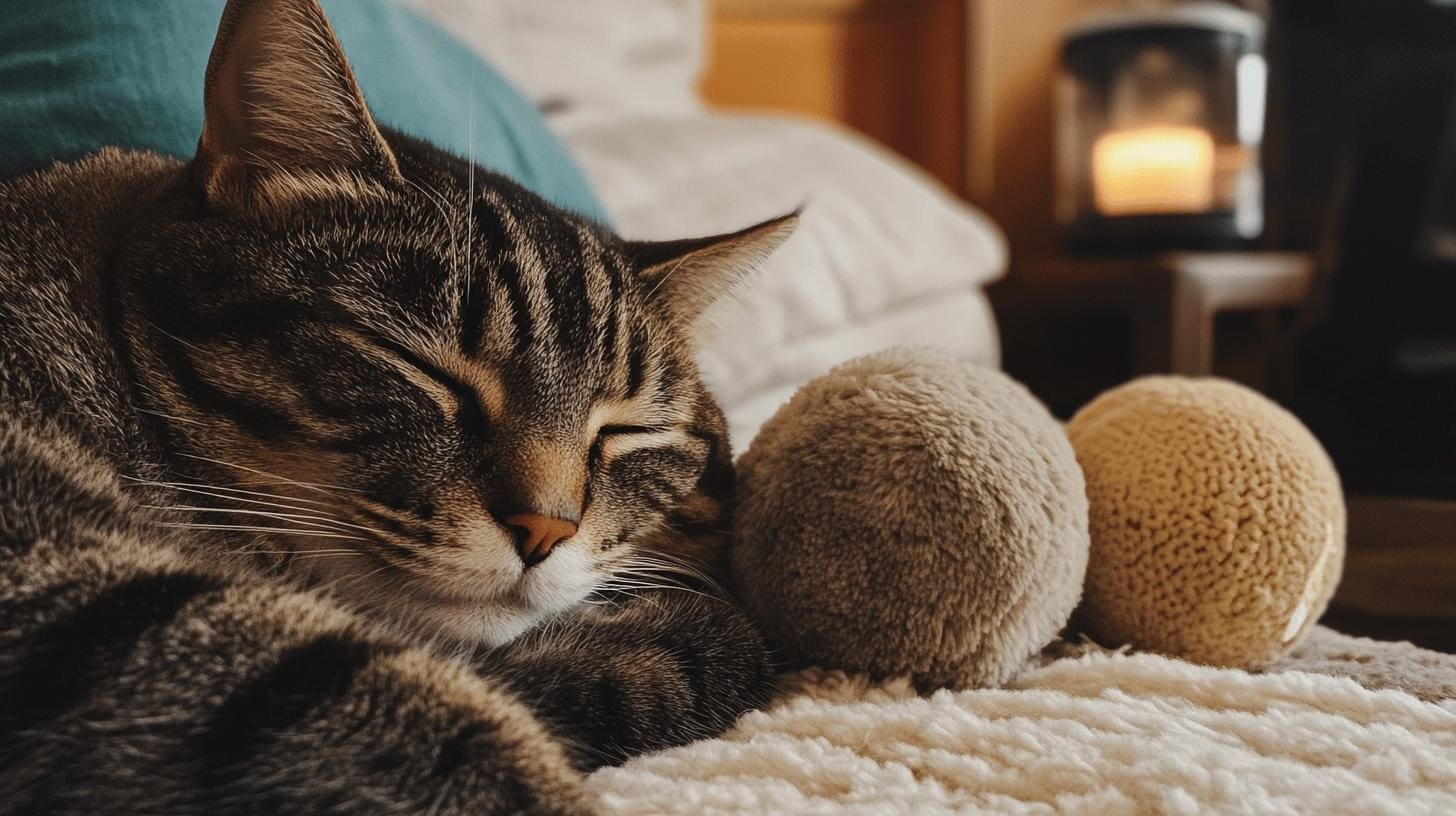
Creating a calm environment for a cat in heat is essential to manage the behaviors and stress associated with this cycle. Cats in heat can become more vocal and restless, which can be challenging for both the cat and the owner. Providing a quiet and stable home environment helps in minimizing these behaviors. Reducing loud noises and keeping the cat’s surroundings consistent can prevent her from feeling overwhelmed. This calm setting allows her to feel more secure and less inclined to act out.
Calming Techniques
- Toys and Play: Engage your cat with her favorite toys. Interactive toys can distract her and provide a healthy outlet for energy.
- Catnip: Offering catnip can help some cats relax. It can induce a temporary playful or calming effect.
- Soothing Sounds: Playing soft music or white noise can mask external sounds that might agitate her, providing a soothing background.
- Scratching Posts: These are useful for letting out stress and keeping her claws occupied in a helpful manner.
- Maintain Consistency: Keep routines like feeding and playtime consistent to offer predictability and comfort.
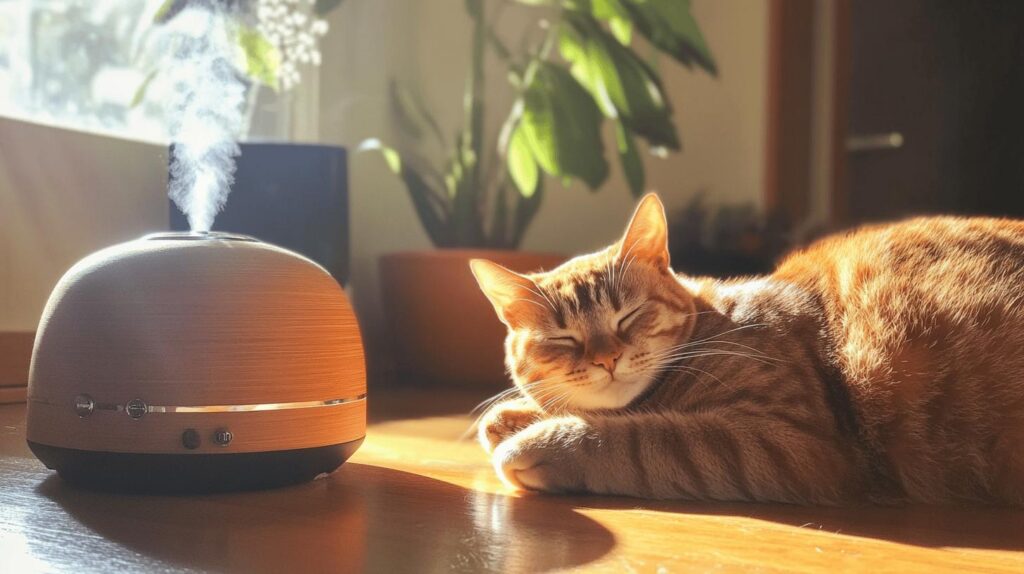
Using pheromone diffusers is another effective strategy to calm a cat in heat. These diffusers release synthetic pheromones that mimic the natural calming signals cats release themselves. They can significantly reduce stress and anxiety, leading to fewer vocalizations and less frantic behavior. By spreading these pheromones throughout your home, you create an atmosphere that helps your cat feel more at ease. This can be particularly beneficial in multi-cat households, as it helps maintain harmony among all the cats.