Did you know that your feline friend can get a fever, much like humans do? It might surprise you, but understanding your cat's health means knowing what's normal and what's not. A healthy cat's temperature ranges from 99.5 to 102.5 degrees Fahrenheit. When it rises above that, it might signal a fever, hinting at possible infections or other health issues. Recognizing these symptoms early can make a big difference in their care and recovery. Let's dive into how you can spot these signs and help your cat feel better faster.
Can Cats Get Fevers?
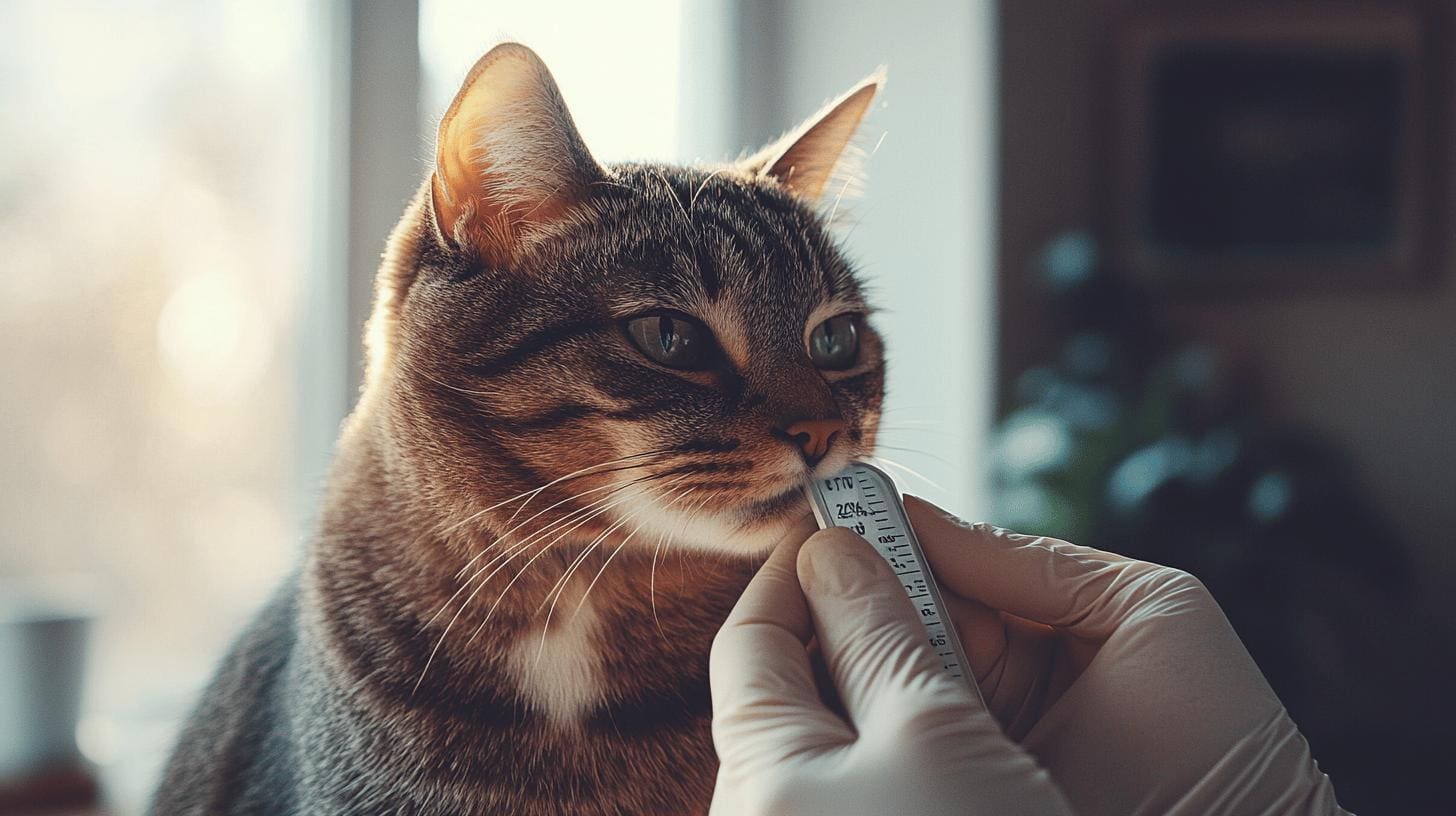
Cats can indeed get fevers. It's a natural response indicating their bodies are fighting off an infection, inflammation, pain, or even cancer. A cat's normal body temperature usually ranges from 99.5 to 102.5 degrees Fahrenheit. If a cat's temperature rises above this range, it may be a sign of fever. Recognizing this change is crucial because it helps identify that something might be wrong internally.
Understanding the possible causes of fever in cats can aid in early detection and treatment. Fever often results from infections, whether viral or bacterial, and can also be linked to inflammatory conditions. Other potential causes include dental issues, ingestion of toxins, or more severe underlying conditions. By recognizing fever symptoms early, cat lovers can ensure their pets receive the necessary care and attention they need to recover.
Recognizing Fever Symptoms in Cats

Recognizing fever symptoms in your cat is crucial for their health and well-being. Early detection allows for more effective treatment, preventing potential complications. A fever indicates your cat's body is fighting something off, such as an infection or inflammation. Observing changes in behavior or physical condition can be your first clue. Checking your cat's temperature provides a more definitive answer. A normal temperature for cats ranges from 99.5 to 102.5 degrees Fahrenheit. Anything above this might signal a fever, making it essential to take action promptly.
Here are ten signs that may indicate your cat has a fever:
- Loss of appetite
- Decreased activity level
- Changes in grooming habits
- Increased heart rate
- Dehydration
- Shivering
- Lethargy
- Behavioral changes
- Warm ears and paws
- Increased respiratory rate
Taking your cat's temperature can help confirm if they have a fever. Use a digital rectal thermometer designed for pets. First, lubricate the thermometer with a water-based lubricant. Gently lift your cat's tail and insert the thermometer into the rectum, about an inch deep. Hold it steady until it beeps, indicating the reading is complete. If the temperature consistently reads above 102.5°F, it's time to consult a veterinarian.
While a thermometer provides accurate readings, sometimes you might need to detect fever without one. Feeling your cat's ears and paws for unusual warmth can be a helpful indicator. Observing your cat's behavior closely for any signs of distress or illness is also important. If these signs persist or worsen, professional veterinary consultation is advised to ensure your cat receives the necessary care. Early detection and monitoring are key to managing your cat's health effectively.
Causes of Fever in Cats
Fever in cats is a warning sign of an underlying health issue. It's a natural defense mechanism, indicating the body is combating something like an infection or inflammation.
Infections and Inflammatory Conditions
Infections are key causes of fever in cats. Viral infections such as feline herpesvirus or calicivirus often lead to high body temperatures. Bacterial infections, including abscesses from bites or wounds, are frequent triggers. Inflammatory conditions like pancreatitis and arthritis can also cause fever.
Other Health Issues
Beyond infections, several health issues can cause fever. Heatstroke is a considerable risk, especially in hot climates or if a cat is in a poorly ventilated space. Dental problems, such as severe gum disease, can introduce bacteria into the bloodstream, resulting in fever. Ingesting toxins may provoke fever as the body reacts against harmful substances.
Autoimmune and Injury-Related Causes
Autoimmune diseases, where the immune system attacks its own cells, can cause fever. Conditions like lupus and inflammatory bowel disease are examples. Physical injuries, whether from an accident or a fight, can lead to fever, especially if they result in internal inflammation or infection.
Prolonged stress and environmental changes can contribute indirectly to fever in cats. Stress may weaken the immune system, making cats more vulnerable to infections and illnesses that cause fever. Changes like moving to a new home can impact health, potentially leading to fever if the immune system is compromised. Recognizing these factors aids in managing a cat's overall health and well-being.