
Can a simple cough from your cat be a sign of a serious health issue? Just like humans, cats can develop coughs, but these sounds might not always mean what you think. Often confused with retching or hairball incidents, a cat's cough can signal different things.
It's crucial to identify what these coughs mean. Recognizing and understanding your cat's cough patterns can make the difference in addressing potential health concerns early. Let's dive into what those coughs might indicate and when it's time to seek help.
Can Cats Cough and What Does It Mean?

Cats can indeed cough, and it often signals underlying health issues. Unlike the typical human cough, a cat's cough might sound more like retching or choking, sometimes making it difficult to distinguish from other noises cats make.
Often, these coughs can be mistaken for a hairball incident, as they may involve a similar gagging sound. Recognizing the distinctive sound of a cat's cough is essential in determining whether the behavior is normal or if veterinary attention is needed.
Here are some potential sounds that could be mistaken for a cough:
- Retching or gagging as if trying to expel a hairball
- Wheezing noises, often linked with respiratory issues
- Hacking sounds, similar to clearing a throat
- Short bursts of meowing combined with a cough-like noise
- Sneezing episodes that might resemble coughs
Understanding the sound of a cat's cough is crucial for maintaining their health. Distinguishing between normal and concerning noises can help identify when a visit to the vet is necessary. Early detection of abnormal coughing can prevent the escalation of potential health problems, ensuring your feline friend stays as healthy as possible.
Common Causes of Coughing in Cats
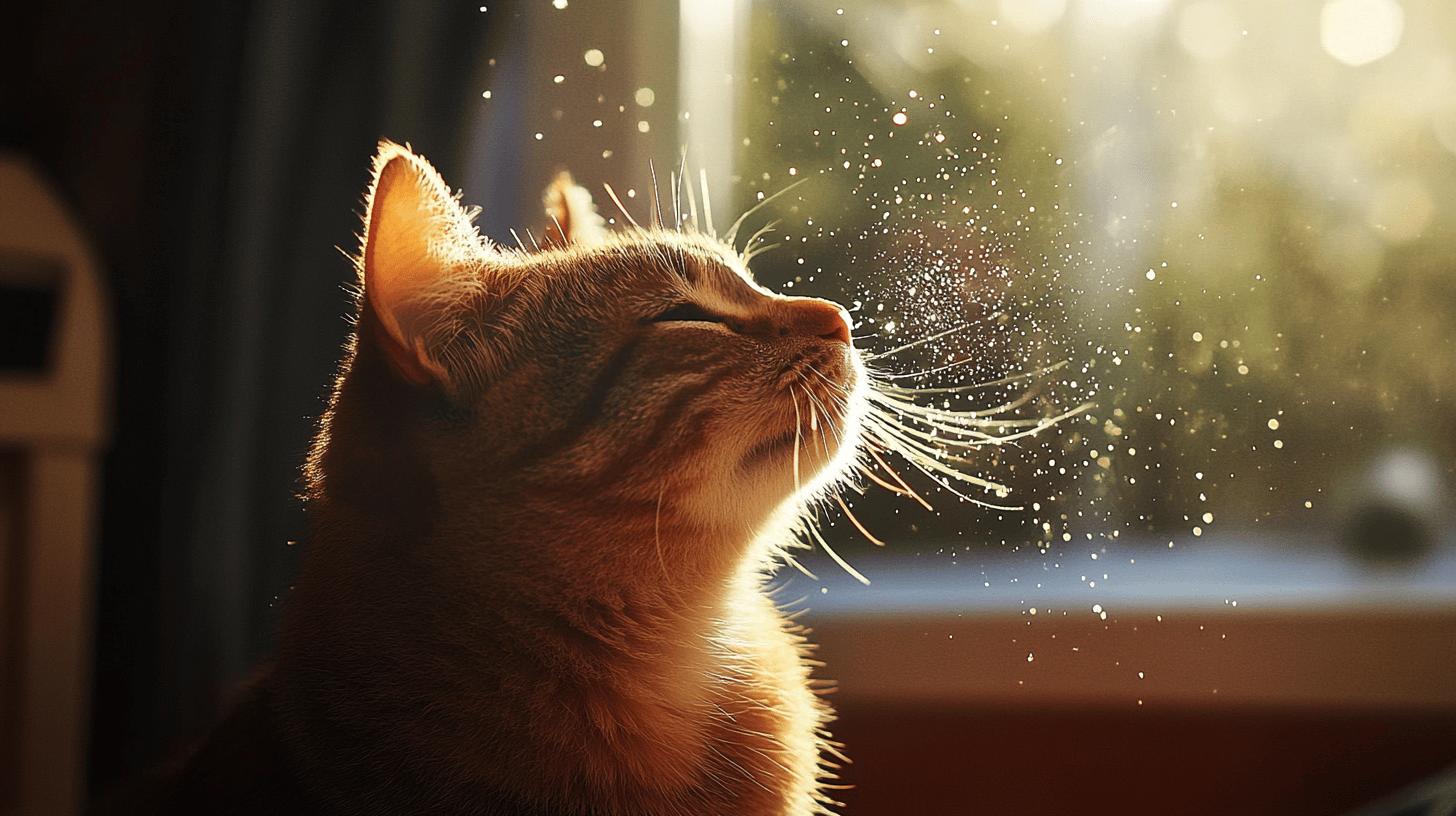
Cats can cough due to a variety of environmental irritants and allergies. Household dust, cigarette smoke, and certain cleaning chemicals are common culprits. These substances can irritate a cat's respiratory system, leading to coughing.
Even some types of cat litter, especially those that produce a lot of dust, can trigger allergic reactions or respiratory issues. Managing these environmental factors, such as using dust-free litter and ensuring a smoke-free environment, helps maintain your cat's respiratory health.
Respiratory illnesses and infections are another significant cause of coughing in cats. Feline asthma and bronchitis are common conditions that manifest with coughing. These illnesses can be triggered by allergens like pollen or dust, leading to inflammation in the cat's airways.
Infections, often viral or bacterial, can exacerbate these conditions, causing persistent coughing. Regular vet check-ups and vaccinations can help prevent and manage these issues, ensuring your feline companion stays healthy.
Mechanical causes, such as hairballs and the inhalation of foreign objects, can also lead to coughing in cats. Hairballs form when cats groom themselves and ingest loose fur, which can sometimes get stuck in their throat or digestive tract, causing them to cough or gag.
Similarly, inhalation of small objects like food crumbs can block airways, resulting in coughing. Regular grooming can minimize hairballs, while monitoring your cat's environment can prevent them from inhaling objects.
| Cause | Description | Symptoms |
|---|---|---|
| Allergies | Reaction to airborne particles like pollen or dust | Coughing, sneezing, watery eyes |
| Respiratory Illnesses | Conditions like asthma and bronchitis | Coughing, wheezing, difficulty breathing |
| Hairballs | Ingestion of loose fur leading to blockages | Coughing, gagging, retching |
| Inhalation of Objects | Small objects blocking airways | Coughing, choking, distress |
How to Recognize Serious Coughing Symptoms in Cats

Frequent or persistent coughing in cats can be a sign of a more serious health issue. If your cat's cough is accompanied by other symptoms like wheezing, difficulty breathing, or lethargy, it might be time to consult a veterinarian.
A cough that lasts more than a few days should not be ignored, as it may indicate an underlying condition that requires professional care. Cats may also show signs of distress, such as panting or struggling to breathe, which can be indicative of respiratory distress or other serious concerns.
Here are specific symptoms that signal the need for veterinary attention:
- Coughing up blood
- Labored breathing or panting
- Persistent coughing lasting more than a few days
- Wheezing sounds when breathing
- Loss of appetite or lethargy
- Signs of distress or discomfort when breathing
Timely medical intervention is crucial if these symptoms are present. Early detection and treatment can prevent the progression of potentially serious health problems. Consulting a vet when you notice these signs ensures your cat receives the necessary care and improves their chances of a quick recovery.

