Have you ever felt like your cat knows when you’re feeling under the weather? It’s a question that puzzles and fascinates many cat lovers. Some believe cats can sense when humans are sick, thanks to their acute senses and strong bonds with their owners. While much of the evidence is anecdotal, there’s potential truth behind it. This blog explores how cats might detect our illnesses and what scientific perspectives say. We’ll uncover the ways cats use their amazing senses and behaviors to tune into our well-being.
How Cats Detect Human Illness: Anecdotal and Scientific Perspectives
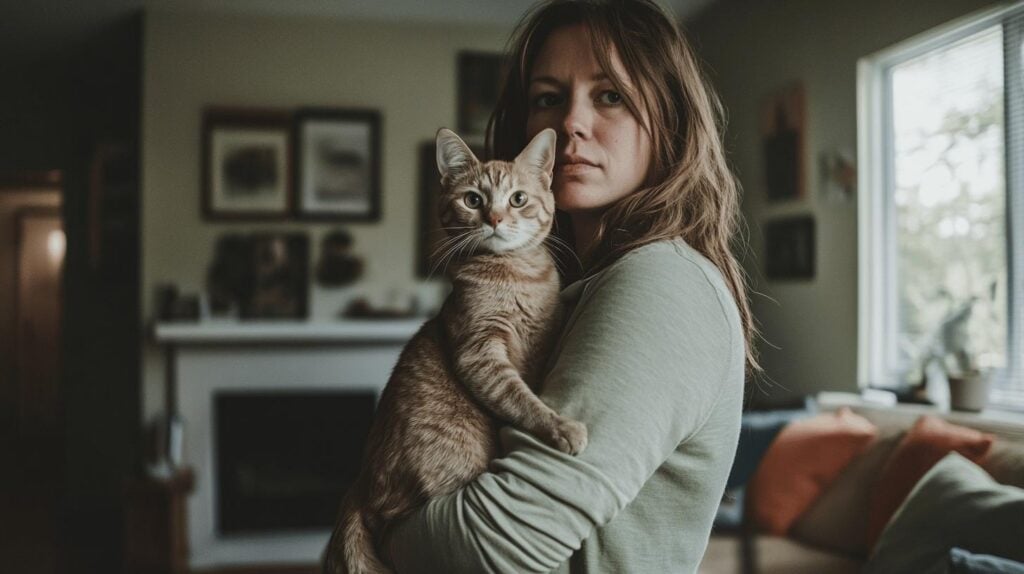
Cats are believed to have the ability to sense when their owners are sick, even though much of the evidence is anecdotal. This belief stems from their acute senses and close relationship with humans. Cats possess a highly developed sense of smell, which is 14 times more powerful than that of humans. This allows them to detect subtle changes in body odor and pheromones that may indicate illness. Furthermore, their evolutionary development has honed their senses of smell and touch, making them adept at picking up on changes in their environment, including human illness.
Throughout history, there are numerous anecdotal accounts of cats seeming to know when their owners are unwell. These stories are often shared by cat owners who notice changes in their pet’s behavior when they’re sick. This connection between cats and human emotions might be deeply rooted in our shared evolutionary past. Cats have been close companions to humans for about 12,000 years, adapting to living in human environments. This long history of interaction may have led to the development of their keen ability to sense illness.
Here are some specific senses and behaviors linked to detecting illness:
- Sense of Smell: Cats can detect changes in body odor and pheromones, which may signal illness.
- Physical Symptoms: They notice changes in heart rate, body temperature, and breathing patterns.
- Behavioral Changes: Cats are sensitive to altered routines and mood shifts in their owners.
- Emotional Sensitivity: Their strong bond allows them to tune into their owner’s emotional well-being.
- Touch Sensitivity: Cats can sense subtle changes through touch, such as muscle tension or skin temperature variations.
Cats rely heavily on their sense of smell to recognize illness in humans. Their olfactory capabilities allow them to notice changes in the chemical composition of their owner’s body. For instance, certain illnesses can alter a person’s scent due to changes in hormones or pheromones. Cats can also detect physical signs of illness, such as irregular heartbeats or changes in breathing patterns, due to their proximity to their owners. This ability is particularly evident when a cat lies close to a person, where they can feel these physical changes more acutely.
From a scientific perspective, cats’ refined senses help them detect chemical changes in the body that might indicate illness. For example, they may be able to sense cancer through changes in pheromones, as tumors can alter the chemical composition of cells. Similarly, cats might recognize heart attacks by detecting irregular heartbeats or noticing changes in facial expressions and vocalizations. They are also likely to notice signs of hypertension, such as increased respiratory and heart rates.
Behavioral Cues Cats Notice
Cats are attuned to changes in their owner’s routine, mood, and daily behaviors, which can signal illness. Deviations in behavior are often the first clues that something is not right. For example, a cat might notice if its owner is not waking up with the alarm, spending more time in bed, or neglecting daily tasks like feeding the cat. These changes can be significant indicators for cats, prompting them to offer comfort or stay closer to their owners during these times. This sensitivity to human habits and non-verbal cues highlights the unique bond between cats and their human companions.
Emotional and Behavioral Responses of Cats to Sick Owners
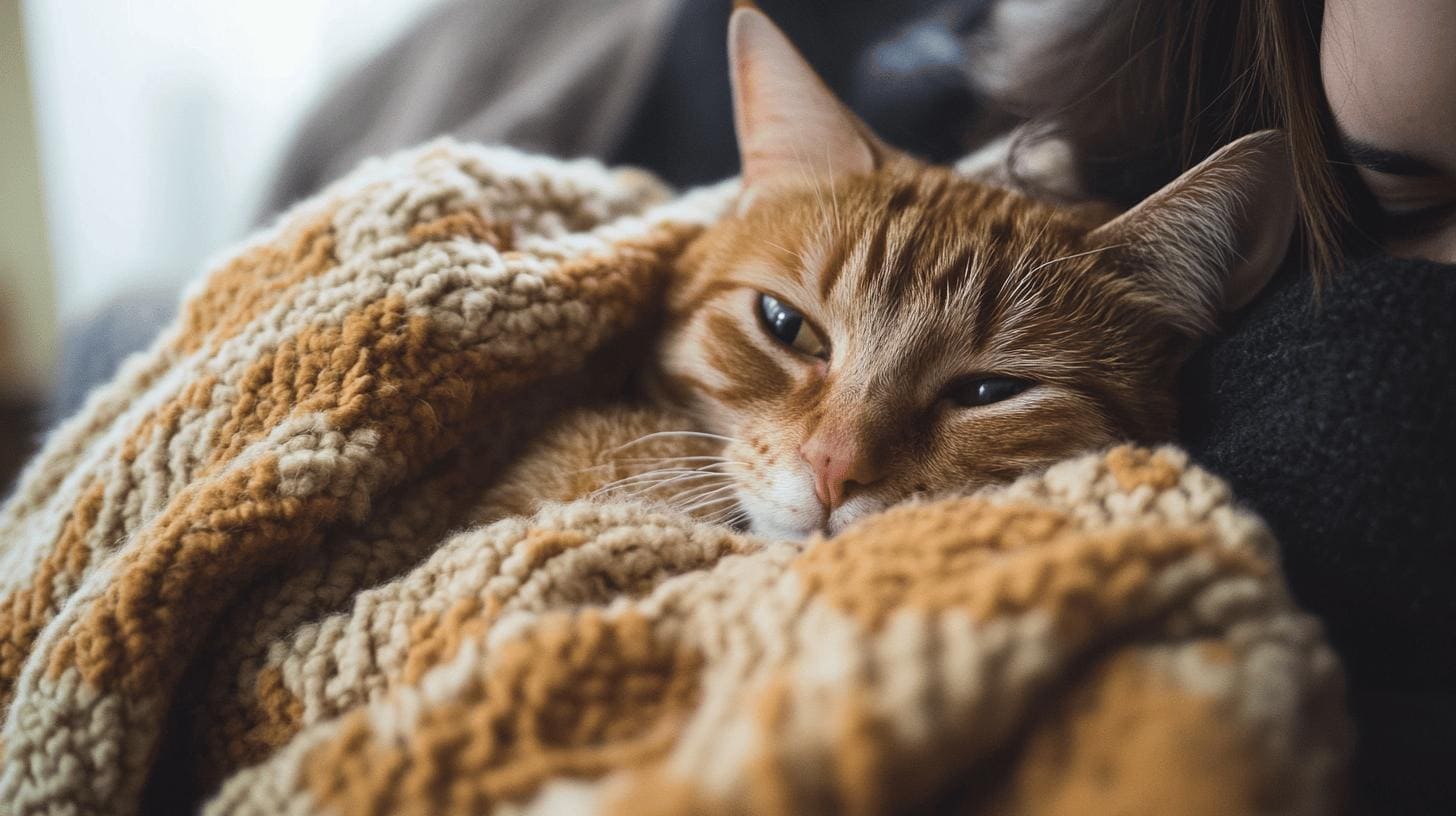
Cats are known for their keen senses, and when their owners fall ill, they often respond with noticeable changes in behavior. These feline friends tend to show increased affection and attention, which many interpret as a form of empathy. When a cat senses that something is amiss, it may spend more time rubbing against its owner, seeking to provide comfort and reassurance. This increased clinginess and vocalization are common ways cats show they care.
Here are some common caregiving actions by cats:
- Increased Cuddling: Cats might snuggle more against their sick owner, providing warmth and comfort.
- Rubbing Against the Owner: This action is a way for cats to bond and offer comfort.
- Purring More Frequently: The soothing sound of a purr can be calming for both the cat and the owner.
- Following the Owner Closely: Cats often stick close, ensuring they are nearby to offer support.
Cats may lie on their owners or stay close during illness because they can sense changes in mood and body language. This behavior is not just about warmth or comfort; it reflects the cat’s concern or empathy. When a cat chooses to lie on its owner, it can be seen as an attempt to provide emotional support, sensing that their presence is needed more than ever. This closeness might also be a response to the owner’s altered body language, which cats are adept at interpreting.