
Do cats have feelings akin to humans, or are they just mysterious creatures that keep us guessing? As intriguing as it may sound, cats do experience a range of emotions, from happiness and anxiety to fear and frustration.
These emotions influence their actions and their bonds with people. In this post, we’ll explore how your cat's feelings shape their behavior and connection with you. By better understanding feline emotions, you can strengthen your bond and offer a more fulfilling life for your furry friend.
Do Cats Have Feelings?

Cats do have feelings and experience a range of emotions. They can feel basic emotions such as fear, anxiety, happiness, depression, frustration, and relief.
Each emotion can impact their behavior and how they interact with people and other animals. While cats may not express their emotions in the same way humans do, they certainly have rich emotional lives.
These emotions play a significant role in how cats bond with humans. When a cat feels happy or secure, they are more likely to form close connections with their owners.
Happy cats will often show affection and interact positively with their human companions. On the other hand, a cat experiencing fear or anxiety might be more withdrawn, which can affect the strength of its bond with humans.
-
Fear
-
Anxiety
-
Happiness
-
Depression
-
Frustration
Cats have the capacity to form strong bonds with their owners, similar to the bonds they might form with their own kind. They often view their human caregivers as part of their family. This bond is reinforced through positive interactions and shared experiences.
Cats may show their love for their humans through behaviors like purring, head-butting, or simply choosing to be near them. These expressions of affection show that cats can indeed form deep, loving connections with their owners.
Understanding Cat Emotions Through Body Language
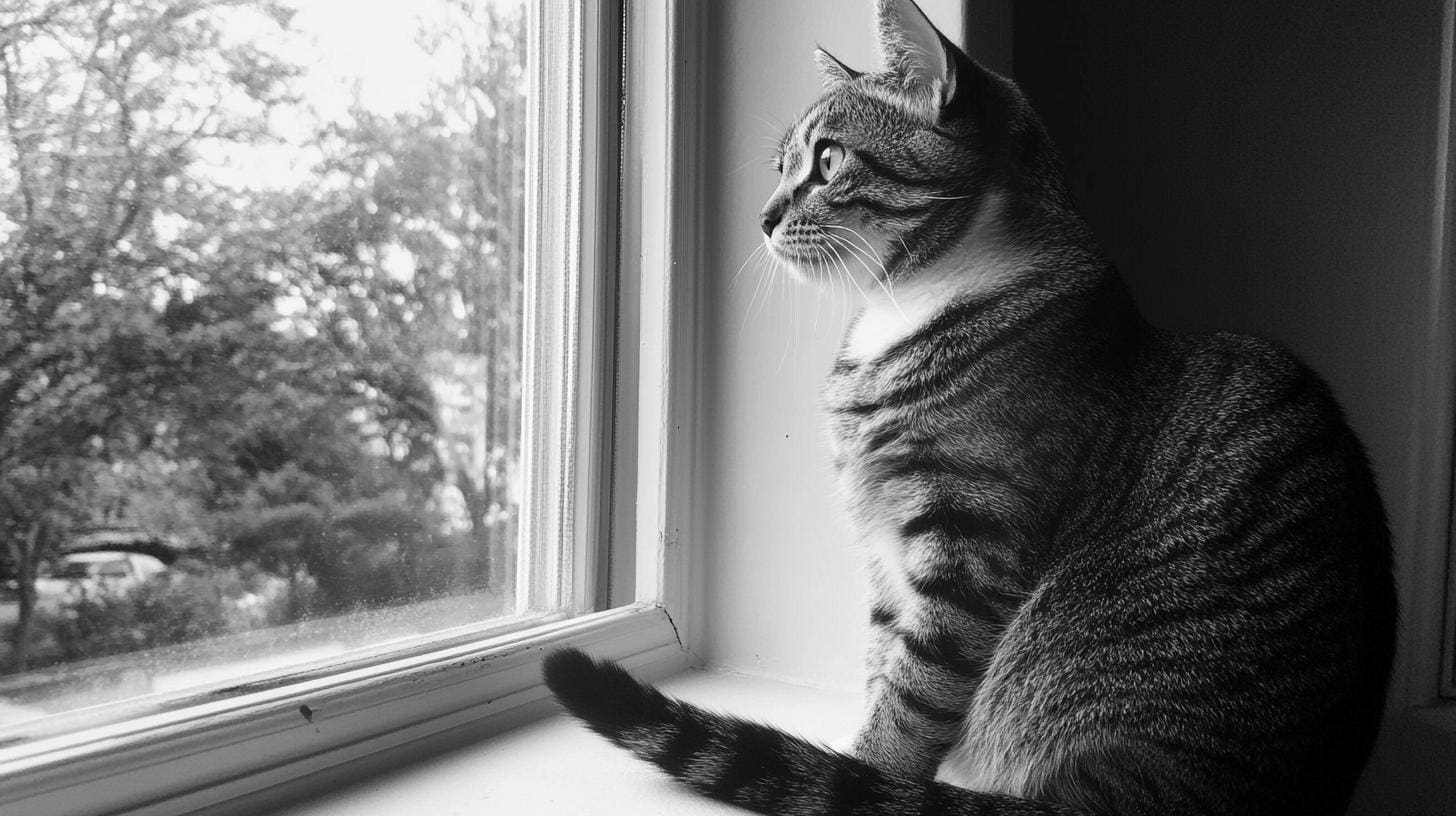
Body language is a vital tool for understanding cat emotions. Cats communicate a lot through their body language, from the flick of a tail to the tilt of an ear. Observing these subtle cues is essential for pet owners who want to understand their feline friends better.
Cats often hide their feelings, especially when they're upset or uncomfortable, making it crucial to pay attention to their physical signals. By learning to read these signs, you can gain insights into what your cat is feeling at any given moment.
The position of a cat's tail, ears, and eyes offers substantial clues about its emotional state. A tail held high typically signals confidence and happiness, while a low or tucked tail might indicate fear or submission.
Similarly, ears that are forward show interest or curiosity, whereas ears flattened against the head can be a sign of fear or aggression. The eyes are also telling; slow blinking is often a sign of trust, whereas wide eyes can be a marker of surprise or fear. Paying attention to these aspects can help you decode your cat's mood.
Vocalizations are another important aspect of feline communication. Cats use a variety of sounds to express their emotions. A contented cat may purr, while a cat that's unhappy or stressed might hiss or growl.
Meowing can vary in pitch and intensity, often indicating different needs or states of mind. Understanding these vocal cues, alongside body language, provides a more complete picture of what your cat is feeling.
| Body Language | Emotion |
|---|---|
| Tail High | Confidence/ Happiness |
| Flattened Ears | Fear/ Aggression |
| Slow Blink | Trust |
| Arched Back | Fear/ Defense |
| Whiskers Forward | Curiosity/ Interest |
Do Cats Feel Love and Affection?

Experts believe that cats can feel and express love, albeit in ways that differ from humans and other animals like dogs. Scientific studies suggest that cats often regard their human companions as caregivers or even mother figures, forming bonds that are deeply rooted in trust and security.
This perspective is supported by observations that cats develop attachments to their owners, similar to how they would with their littermates or mother. While cats may not display love through wagging tails or constant attention, their subtle gestures and routines reveal a deep sense of affection and connection.
Cats express their love and affection through a variety of behaviors. These gestures often indicate trust and acceptance, key components of a feline's affection. For instance, when a cat licks you, it's not just grooming; it's a sign of social bonding.
Kneading, a behavior originating from kittenhood, also shows comfort and affection. Head-butting, or "bunting," is a way cats mark you with their scent, claiming you as part of their territory. Purring when in your presence is another powerful sign of contentment and attachment. Recognizing these behaviors can help you understand the unique ways in which your cat expresses love.
-
Licking
-
Kneading
-
Head-butting
-
Purring
-
Following you around
-
Sleeping near or on you
- Bringing you "gifts"
These behaviors illustrate the various ways cats show their affection, allowing us to appreciate the subtle yet profound ways they express love.


