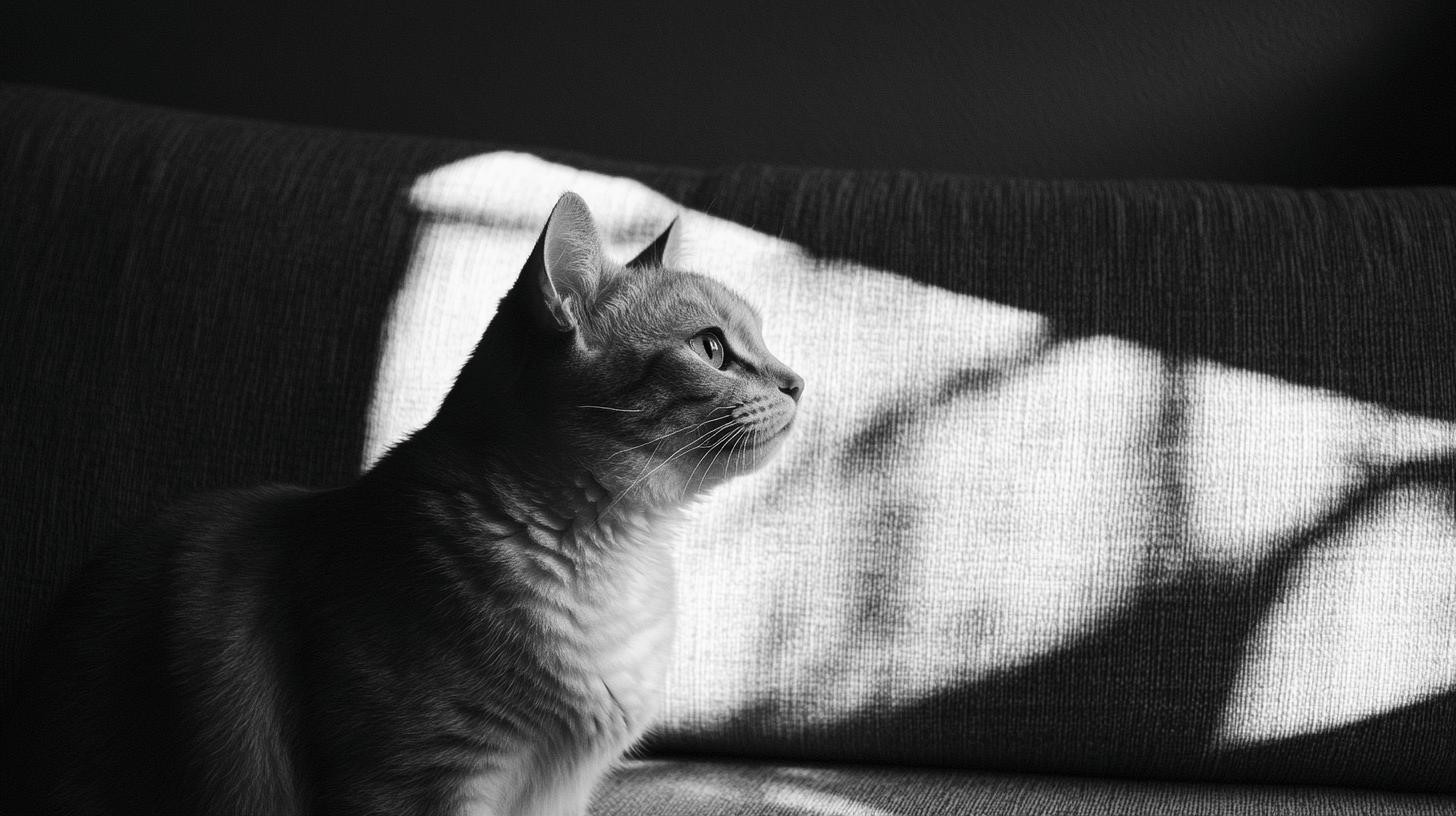
Did you know that cats might express joy even though they don't laugh like humans? It's true! While we burst out laughing at jokes or funny moments, our feline friends show happiness in their own unique ways. Cats purr, chirp, and even roll over when they feel joyful or amused.
These actions might just be their version of laughter. Understanding these feline expressions can help deepen our bond with them. Let's explore how cats share their version of humor and joy, and what this tells us about their feelings.
Do Cats Laugh: Exploring Feline Expression
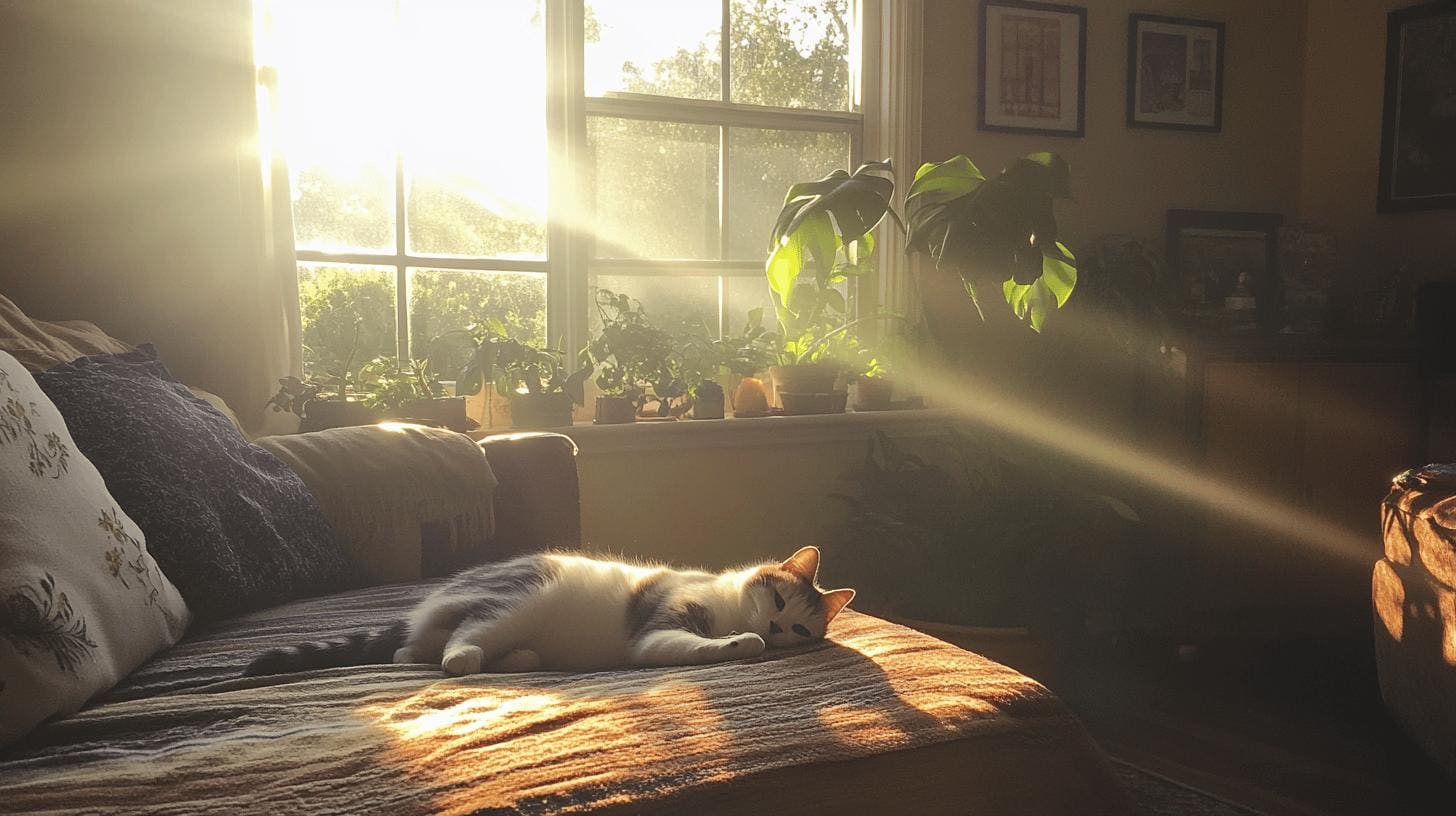
Cats don't laugh like humans. They just aren't built for it. We, humans, have the physiological structures needed to produce laughter sounds, but cats don't. Instead, they show joy and amusement through other means. You might notice these feline behaviors that indicate they're feeling happy:
- Purring: A gentle rumble that often means contentment or joy.
- Chirping: A short, high-pitched sound that cats make when they're excited or amused.
- Rolling Over: Exposing their belly is a sign of trust and happiness.
- Playful Pouncing: Engaging in playful antics and games.
- Slow Blinking: A cat's version of a smile, indicating comfort and affection.
In the world of animals, some species do have vocalizations that resemble laughter. A 2021 study in the journal Bioacoustics identified 65 species, including primates and bottlenose dolphins, that exhibit laughter-like sounds. Unlike dogs, who may appear to have a "laughing" expression with their open-mouthed panting, cats are more subtle. They rely on their eyes, ears, and tails to express their emotions.
So, can cats laugh? Not in the traditional sense. But their playful actions and interactions with the environment might be their equivalent of laughter. Animal behaviorists suggest that these actions reflect a state of joy or amusement.
While scientific studies haven't confirmed laughter in cats, their behaviors often indicate contentment and enjoyment. Cats express their emotions differently, and understanding these cues can help us better connect with our feline friends.
Understanding Cat Emotions and Humor
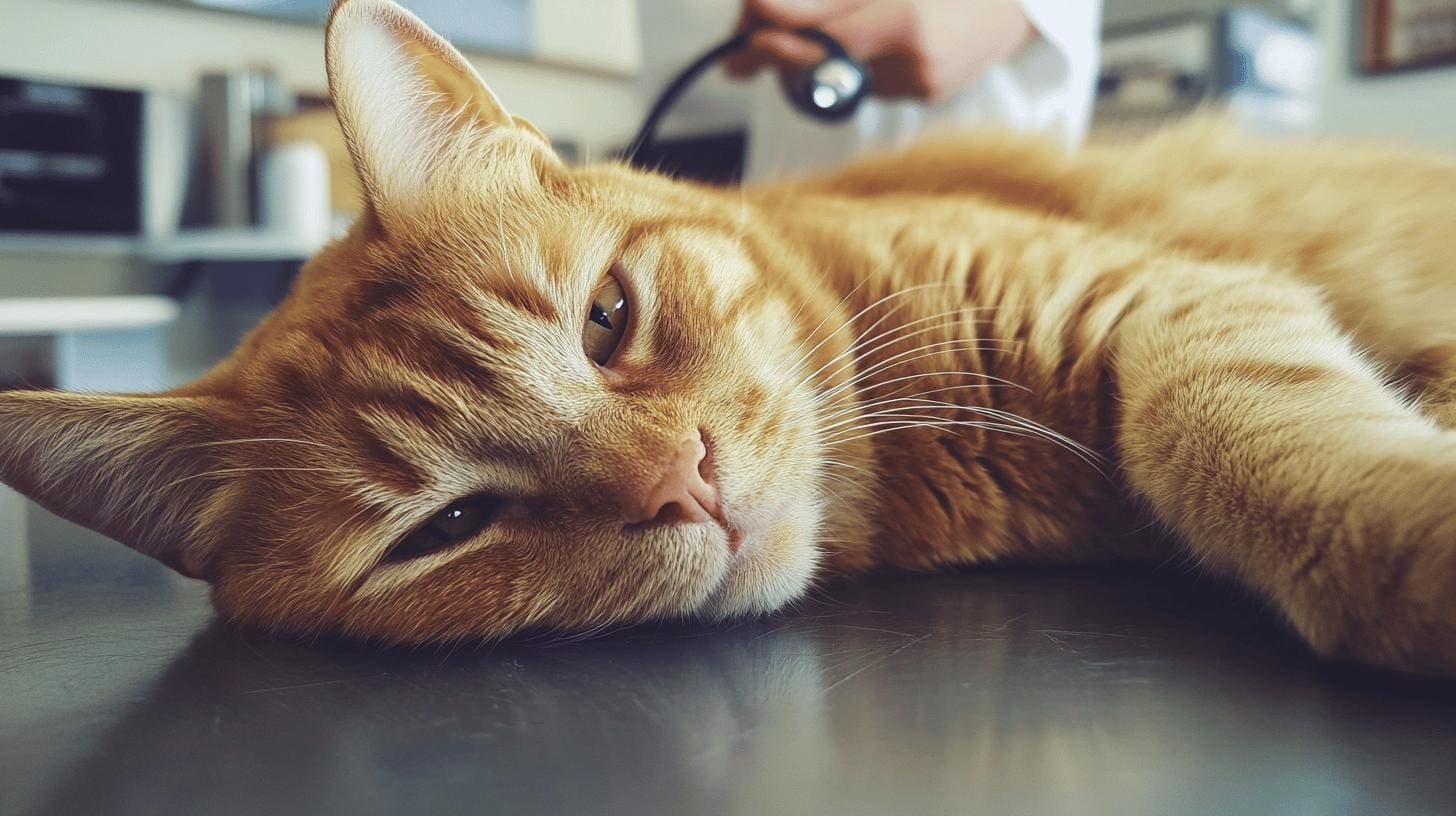
Scientific studies on cat emotions reveal intriguing insights. Researchers have found that cats share some brain structures with humans, hinting at their ability to experience emotions, albeit differently.
Studies have shown that their intelligence level is similar to that of a 2-year-old child, enabling them to respond to their environment with a range of feelings. The methodologies of these studies often involve observing cat behavior in various scenarios and monitoring their responses to different stimuli.
Cats might not have a sense of humor in the human sense, but their playful behaviors suggest they experience joy. Scientific observations indicate that cats engage in activities like chasing invisible prey or pouncing on objects not only for exercise but perhaps as a form of amusement.
This behavior could imply a rudimentary form of humor or simply a way to express happiness and curiosity. Understanding these playful antics can contribute to a greater appreciation of the complexity of their emotions.
Emotional Intelligence in Cats
Cats exhibit emotional intelligence through their interactions and adaptability. Studies show they can detect changes in their owners' moods and react accordingly, offering companionship or comfort.
These findings suggest that cats have a unique capacity to connect emotionally with humans, further highlighting their emotional depth. This scientific perspective enriches our understanding of how cats perceive and respond to the world around them.