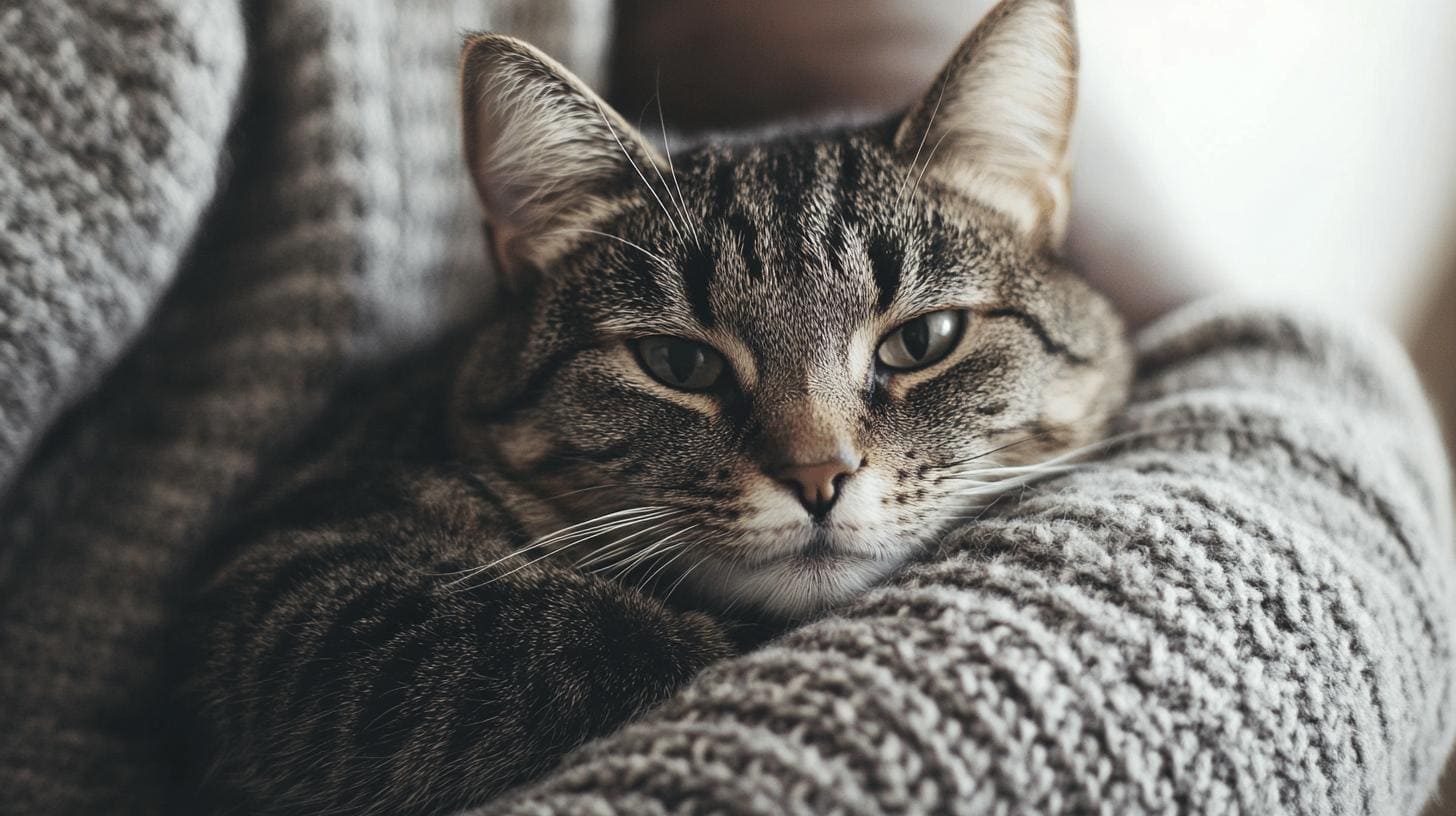
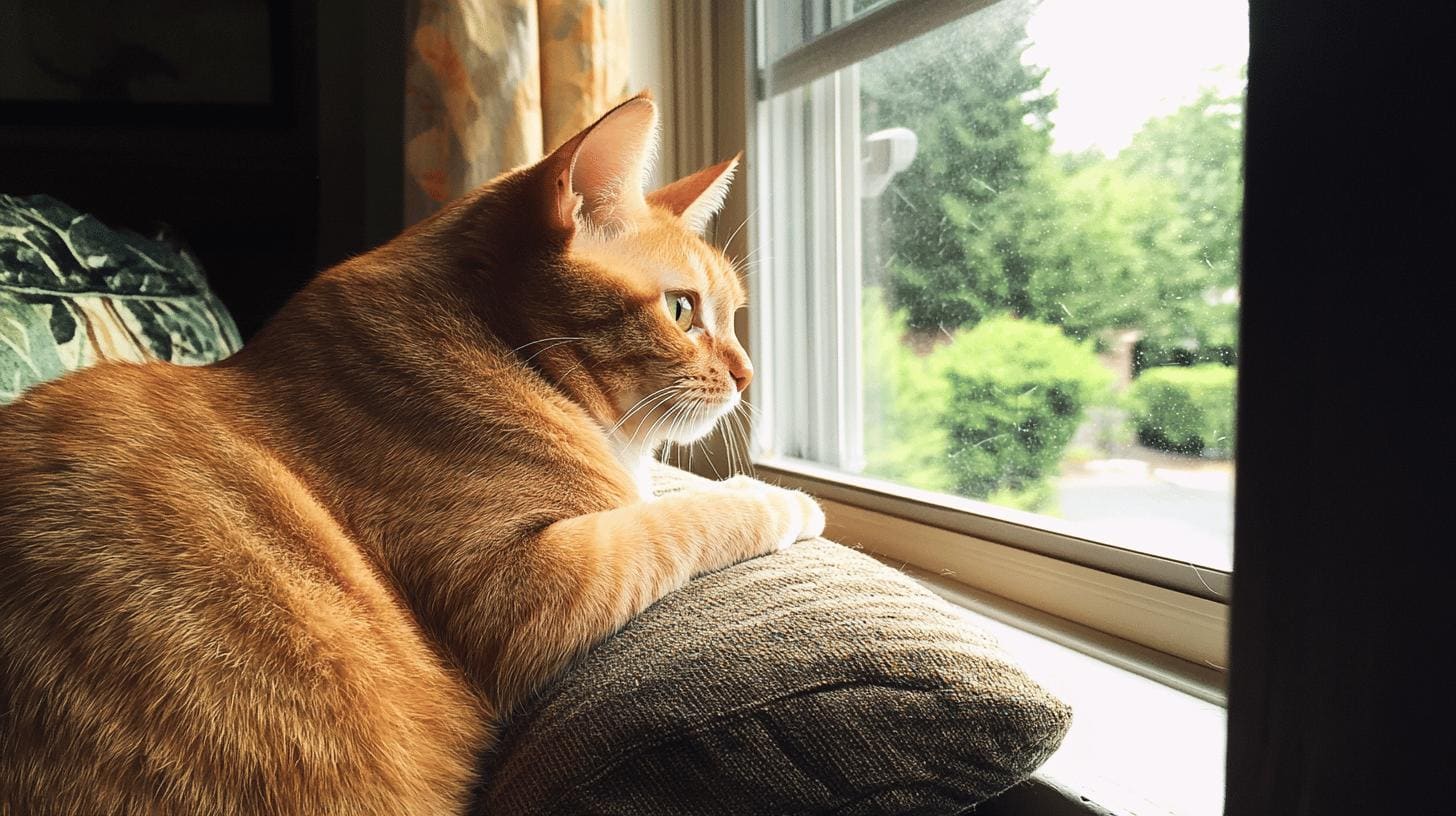
Do cats miss their owners? It’s a question that might surprise some, but research shows that our feline friends do indeed feel a sense of attachment and longing just like we do. These fluffy companions are not as aloof as they may seem; they have emotional needs and can form strong bonds with humans. When left alone, they might show signs of anxiety, like excessive meowing or even misbehaving. Understanding these behaviors helps us recognize the deep connections cats can form, proving they’re more than just pets—they’re family.
Do Cats Miss Their Owners? Understanding Feline Attachment
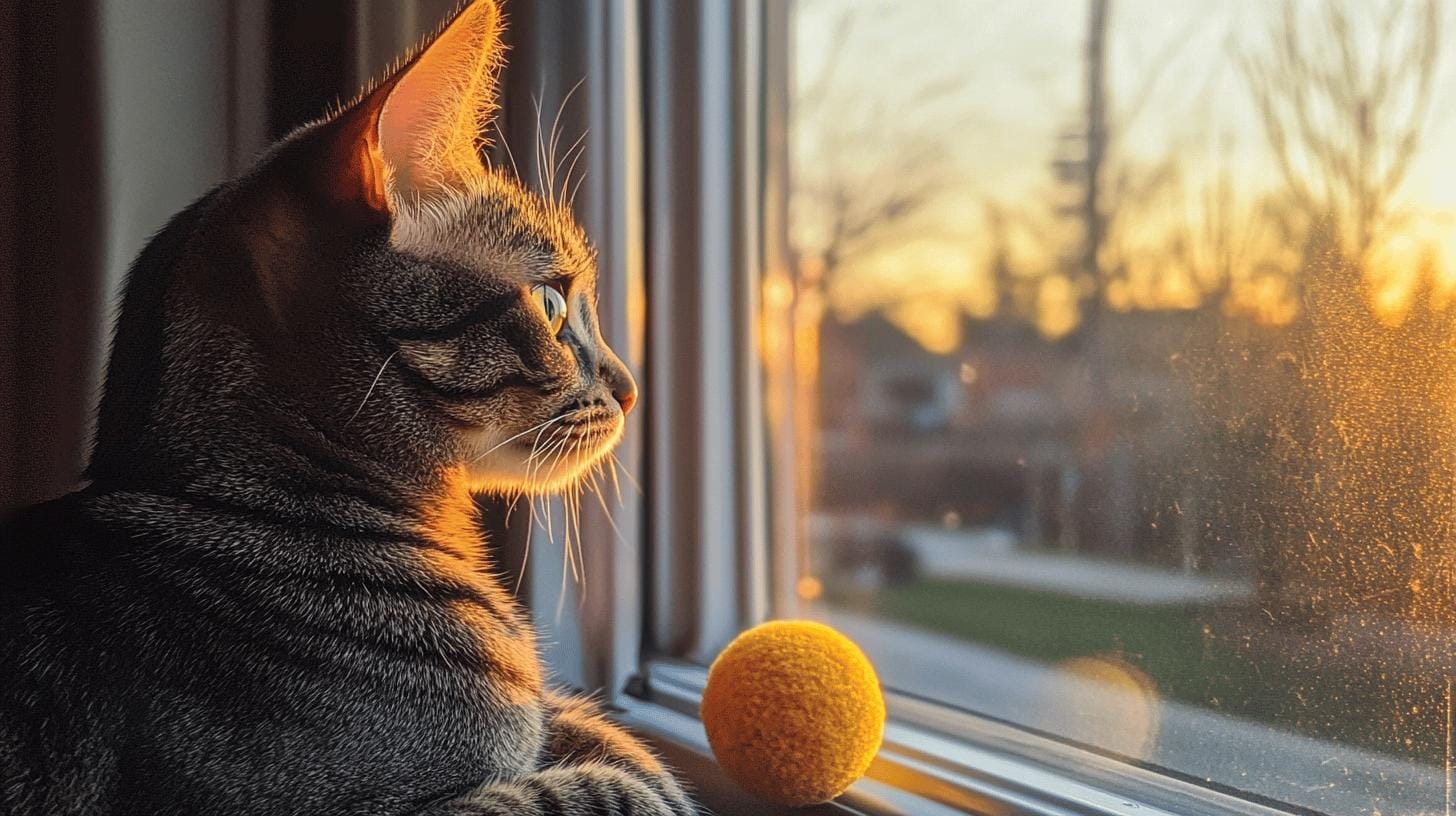
Cats can indeed miss their owners. Research indicates that our feline friends show behaviors suggesting attachment and longing when we’re not around. Cats, much like humans, have emotional needs. They can form strong bonds with their human companions, sometimes resulting in signs of separation anxiety. This anxiety might manifest as excessive vocalization, inappropriate elimination, or even destructive behaviors, all signaling their distress in the absence of their beloved humans.
Scientific studies have shown that cats can form strong attachments to humans, especially those raised closely with them. For instance, bottle-raised kittens often display behaviors that reflect a deep bond with their human caregivers. These cats are more likely to seek comfort from their owners and show signs of distress when separated from them. This attachment is similar to what we observe in dogs, although it might not be as overt or demonstrative.
Experts and cat enthusiasts often recount stories of cats showing clear signs of attachment. Anecdotal evidence includes tales of cats waiting by the door for their owners to return home, or greeting them with enthusiastic purring and head-butts. These behaviors reinforce the idea that cats are not the aloof creatures they’re often portrayed to be. They are capable of experiencing complex emotions and forming significant social bonds with their human companions.
Signs Your Cat Missed You: Behavioral Indicators

Cats, as creatures of habit, often show signs of missing their owners through changes in their routine. When their daily schedule is disrupted due to an owner’s absence, it may lead to behaviors reflecting their longing and attachment.
Kneading and Purring
Kneading, often paired with purring, shows a cat’s happiness when you return. This comforting action dates back to kittenhood and reflects deep contentment. When adult cats knead, it signals joy and pleasure in your presence.
These behaviors reveal a cat’s emotional state, demonstrating attachment and the relief felt upon an owner’s return. By observing these signs, we deepen our understanding of the bonds we share with our feline companions.
Coping with Owner Absence: Helping Your Cat Feel Secure
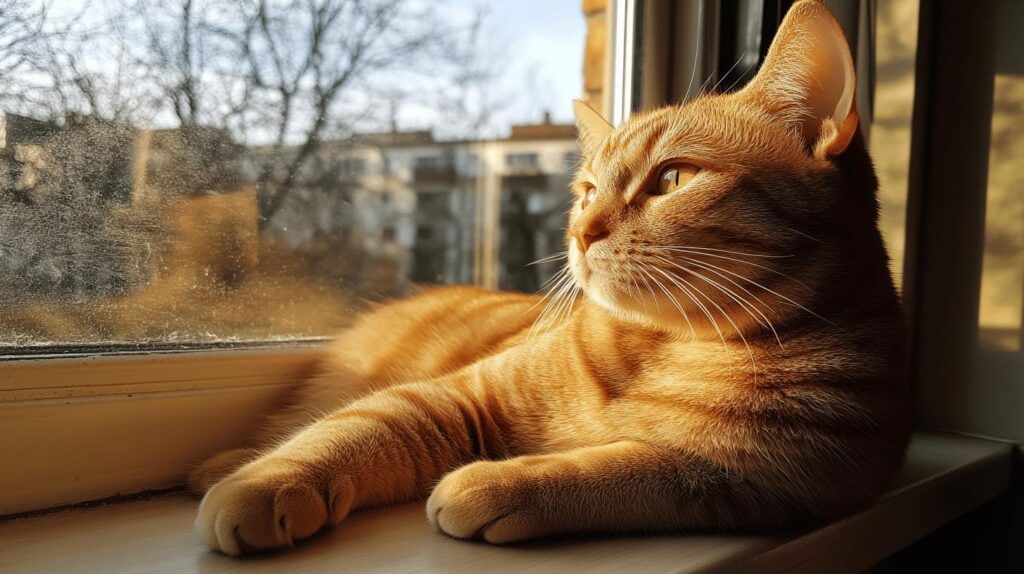
Cats thrive on routine. Predictability in their day-to-day life can significantly reduce separation anxiety. When an owner’s absence disrupts a cat’s established schedule, it may lead to stress and undesirable behaviors. By maintaining consistent routines, such as feeding times and play sessions, you can help your cat feel more secure and less anxious when you’re not around.
Here are some practical tips for creating a comforting environment for your cat:
- Establishing a daily routine: Stick to regular feeding, play, and sleeping schedules to provide a sense of stability.
- Creating a safe space with a cat tree or perch: Offer your cat a dedicated area where they can retreat and feel secure.
- Avoiding strong scents: Use familiar smells, like your worn clothing, to comfort your cat in your absence.
- Providing toys for play and hunting: Interactive toys can stimulate your cat’s natural hunting instincts and keep them engaged.
- Using interactive games: Puzzle feeders or automated toys can offer mental stimulation and prevent boredom.
- Hiring a pet sitter for long absences: A trusted pet sitter can ensure your cat receives attention, food, and care while you’re away.
After implementing these changes, observe your cat’s behavior to see how they respond. Adjust your approach based on their needs and comfort levels. By understanding and addressing your cat’s emotional needs, you can help them cope with the times you’re not there, making them feel more secure and content.