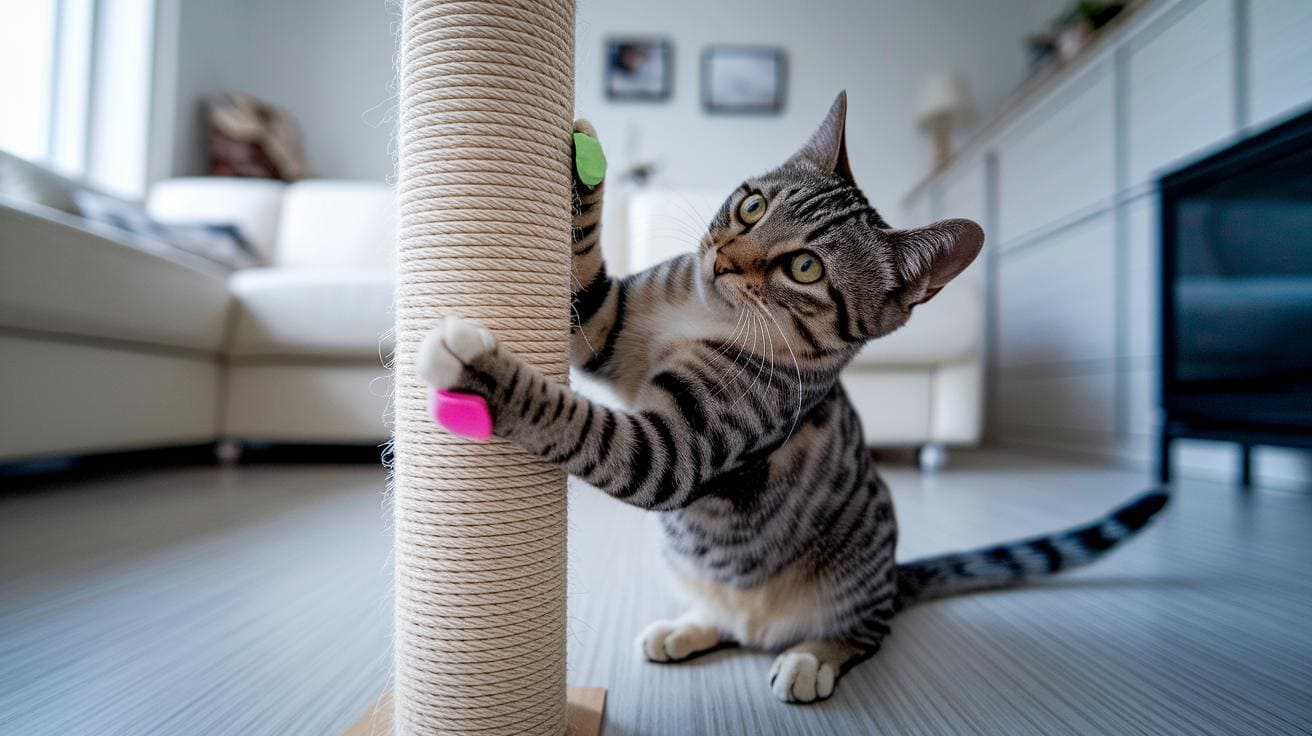
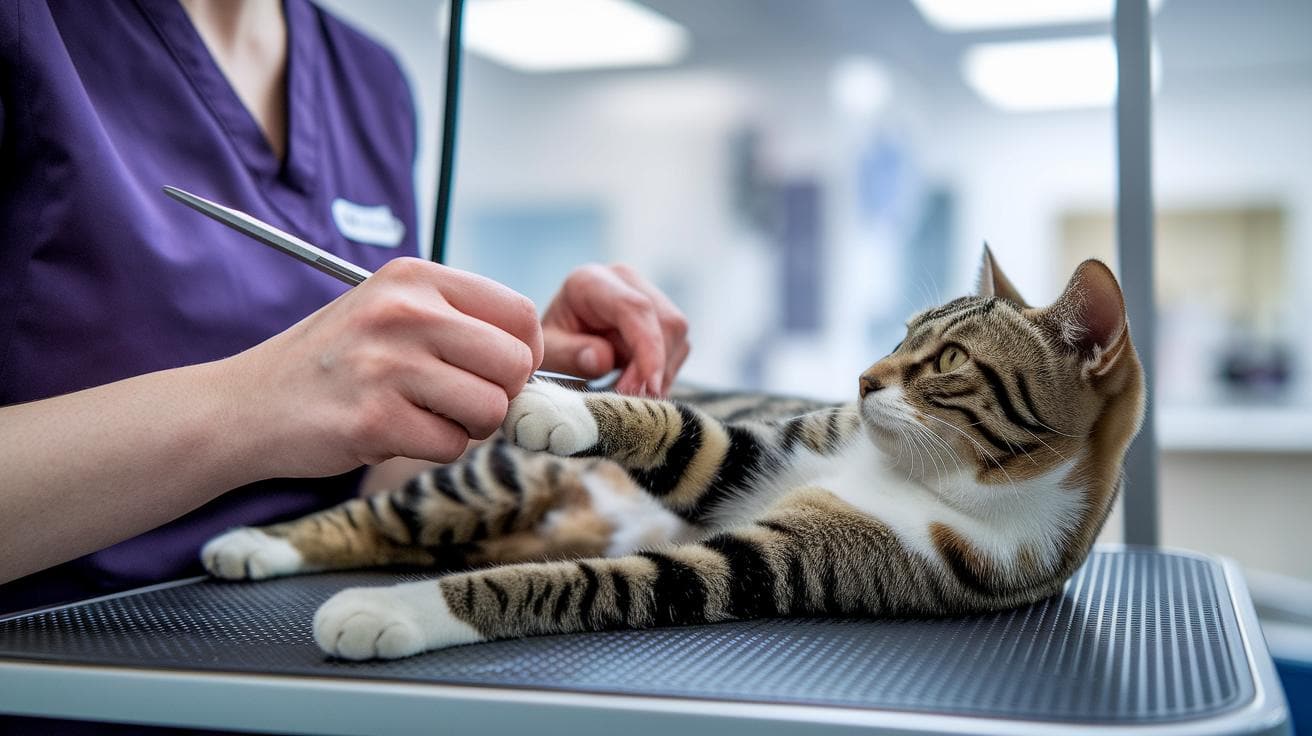
Ever think those tiny claws can’t do any harm when your cat’s just binge-napping on the sofa? Oops, let me rephrase that… even loungers need a trim.
Skip those nail trims and you’ll find pointy tips poking right through the soft cushion under each toe (paw pad). Yikes. And your sofa might start looking like it survived a mini-jungle safari.
Outdoor kitties get a free manicure from gravel and bark. Indoor cats? They miss out on that rough stuff. So their nails just keep growing. Kind of like a fishing rod (a sturdy pole that spools new layers) endlessly adding length.
Trimming your cat’s claws is the secret to a happy, healthy feline. You’ll dodge painful piercings, claw-tastic furniture snags, and surprise ouchy moments. Ready to see how quick trims keep claws in check and kitties feeling fine?
Why Cat Claws Need Regular Trimming
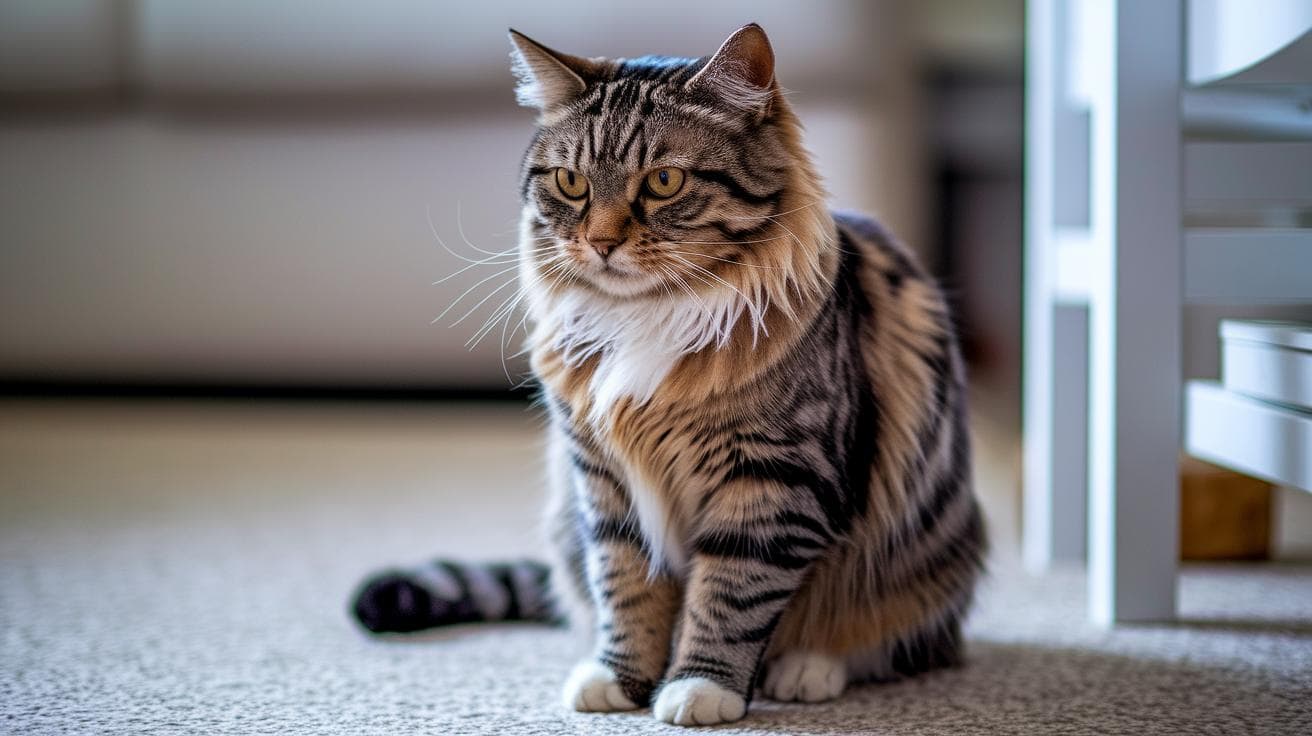
Cats claws never stop growing. They push out new layers like a fishing rod (like a strong fishing rod core) that keeps spooling. Some kitties wear them down on rough floors or scratch posts, but many get tips so long they curl into the paw pad (soft cushion under each toe) and cause pain or even bleeding. Ever feel that click on the floor – um, it’s not a fun beat, it’s a tiny alarm bell.
Indoor cats miss out on natural filing. There’s no bark or gravel under their paws to chip away tips. Even a trusty cardboard scratcher only dulls them so much. If you’re busy or your kitty naps all day, you know, zero filing by the midnight zoomies.
So we step in with clipping. Regular trims fill in for missing scratch sessions and keep each tip at a safe length. This simple claw check stops nails from snagging your sofa seams or your favorite sweater. Worth every paw-print.
Untrimmed claws aren’t just a furniture nightmare – every swipe can snag fabric or skin. Those tiny scratches can harbor bacteria and lead to infections. Trimming claws gives you peace of mind – fewer wardrobe tears and no surprise ouch when your kitty gives a friendly paw-bump. And it lets your cat stretch and pounce with ease!
Signs Cat Claws Are Too Long and Need Trimming
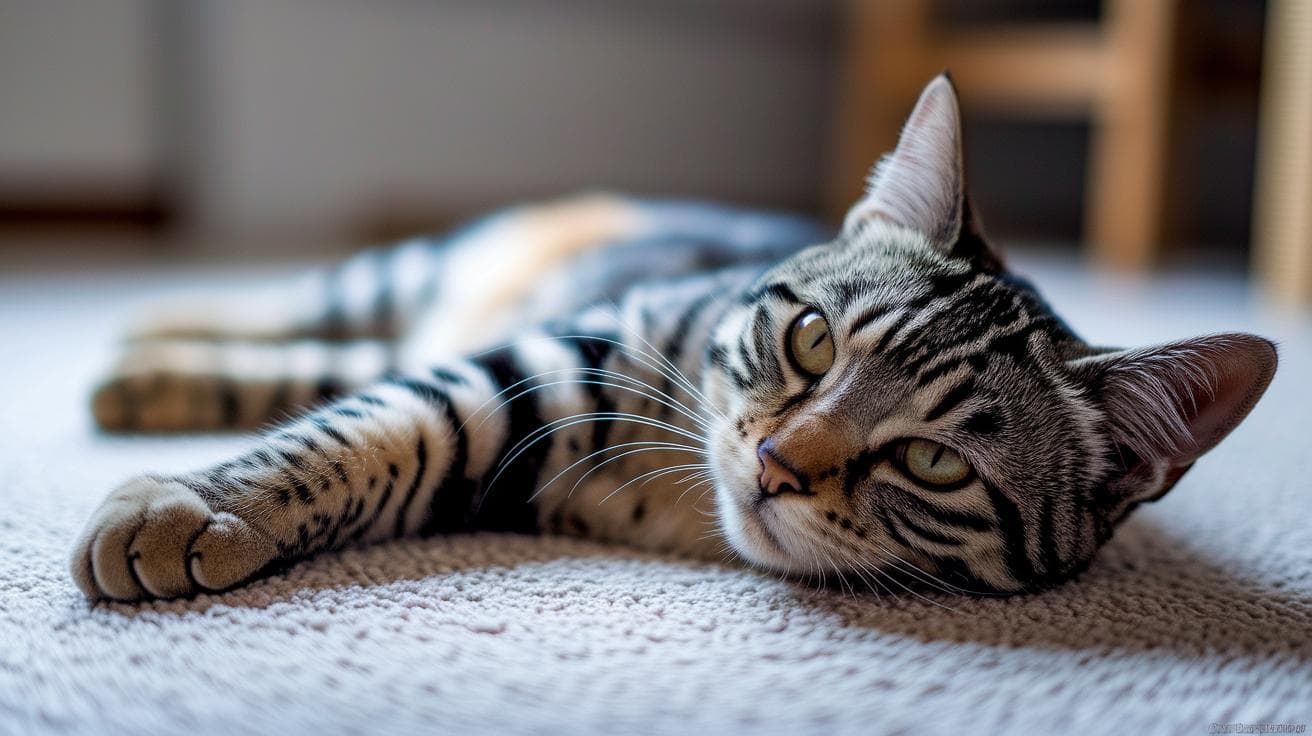
Even if your kitty seems to handle their claws (the sharp nails on their paws) just fine, tiny signs can let you know a trim is overdue. Ever watch your cat pad across the floor and notice those claws poking out? It might look harmless but extra-long nails can lead your cat to claw at everything in sight. Checking their paws now and then keeps both you and your couch happy!
Here’s what to watch for:
- Claws peeking out when your cat walks or rests
- Claws catching on carpets, fabrics, or upholstery
- Curved tips digging into their paw pads (the soft part under their foot)
- More frantic scratching of furniture or even your legs
- Limping, reluctance to jump, or saying “no thanks” to playtime
- Excessive licking of paws, redness, swelling, or tiny bleeding spots
When you spot these hints, it’s time for a nail trim. It’s quick, it’s easy, and it makes your cat feel so much better. Worth every paw-print.
Recommended Trimming Frequency for Cat Claws
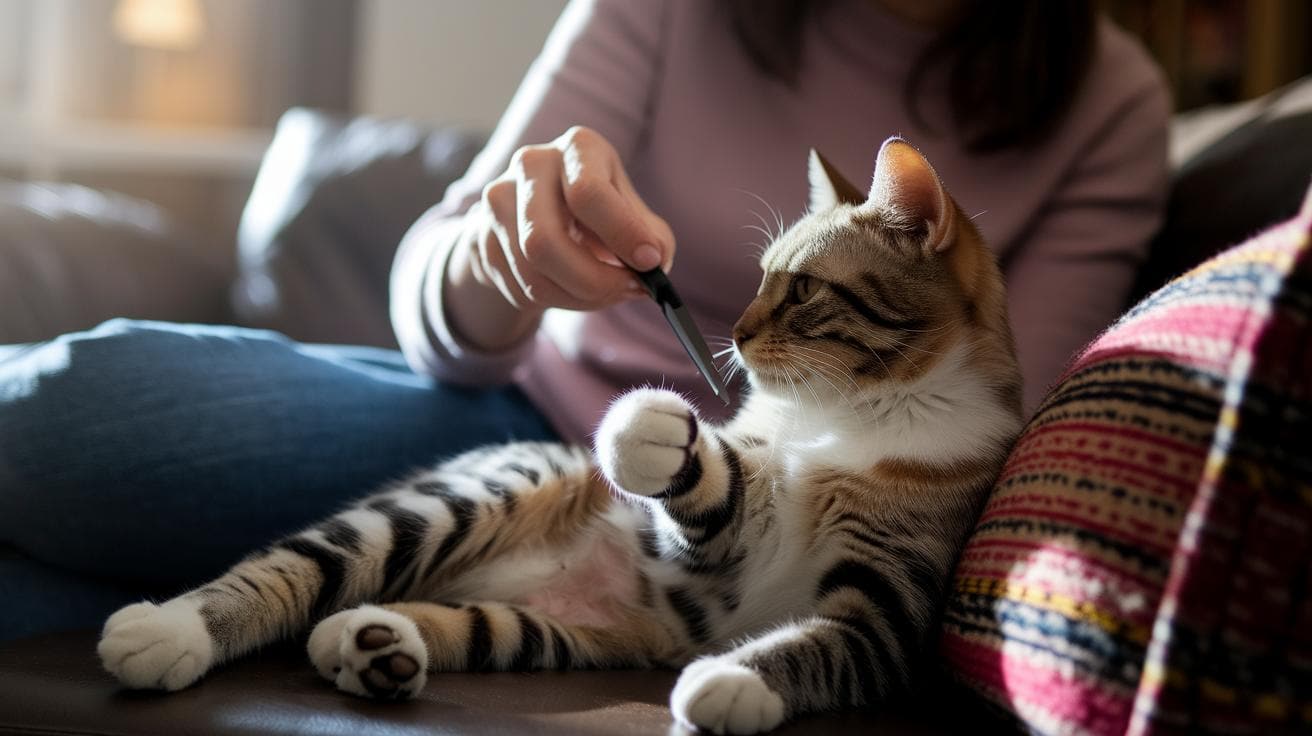
Cats need regular nail trims because their claws grow about 1–2 millimeters (mm; roughly the thickness of a nickel) each month. Ever wonder do cat claws grow back so fast? A steady nail-trimming schedule helps keep paws comfy, and your sofa scratch-free.
Kittens under six months shoot out new nail layers like little tape-measure rollers, so you’ll want to clip their claws every 1–2 weeks. It’s quick. And it keeps those nibbling feet from turning into mini daggers.
Adult indoor cats usually need a trim every 2–4 weeks. They don’t wear down tips much on carpet or wood floors, so a check every couple of weeks keeps nails at a good length.
Older cats or those with long fur can end up with painful ingrown claws (when the nail grows into the paw pad). A monthly peek and trim helps avoid ouch-moments. Plus, it’s a sweet way to hang out with your senior kitty.
Outdoor adventurers often file their own tips while climbing and scratching. Just glance at their paws now and then, and trim only when you see a sharp point.
| Age Category | Trim Every |
|---|---|
| Kittens (under 6 months) | Every 1–2 weeks |
| Adult Indoor Cats | Every 2–4 weeks |
| Senior or Long-haired Cats | Monthly |
| Active Outdoor Cats | As needed |
Choosing the Best Tools for Trimming Cat Claws
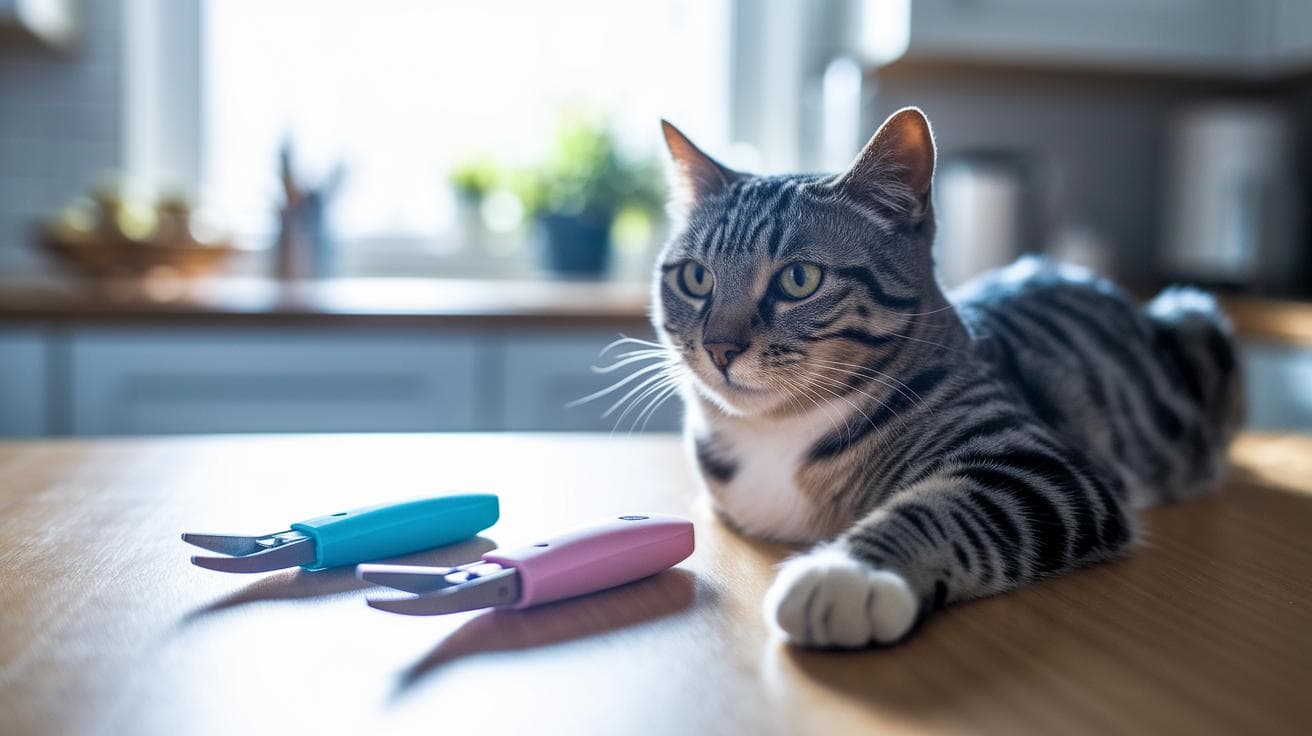
Picking the right tool feels like choosing a trusty sidekick for your kitty’s nail trims. Each one has its perks (and quirks) to keep claws neat and drama free. Ready to meet your new grooming partner?
- Guillotine clippers (a ring that your cat’s nail slides into and a blade that cuts in one smooth motion): You’ll hear a quick snip as it glides through. It’s super fast for most cats. But uh, you need a steady hand or you might pinch the skin.
- Scissor-style clippers (big scissor jaws made for thick nails): They give you more control on chunky claws and you’ll feel each cut. Shy kitties might fuss when you open their paws wide. Try a treat to win them over.
- Nail grinders (a tiny sanding drum that spins and smooths edges): They file away rough spots so you avoid splinters. Some cats hate the buzzing and vibration. Start slow. Let them sniff it before you switch it on.
- Cat-specific scissors (slim, curved blades for little nails): Perfect for tiny or split claws with no crushing. Just a neat little snip when you need precision.
Never grab your own nail clippers, they can crush or split your cat’s nails. Always work in a bright spot so you can see the quick (the pink part with blood vessels). And keep styptic powder (it stops bleeding fast) within reach for those “oops” moments when you nick the quick. A bit of prep means safer trims and no more claw-tastrophes. Your cat will be paw-sitively chill.