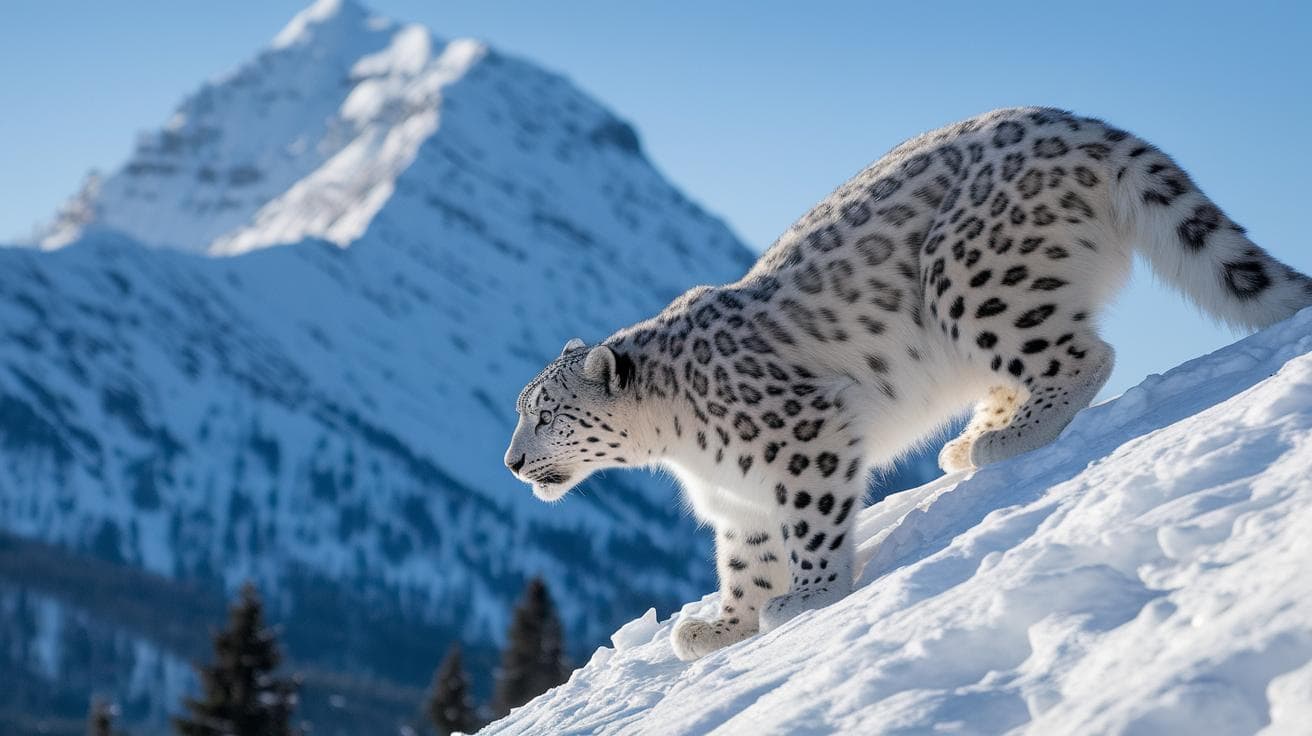
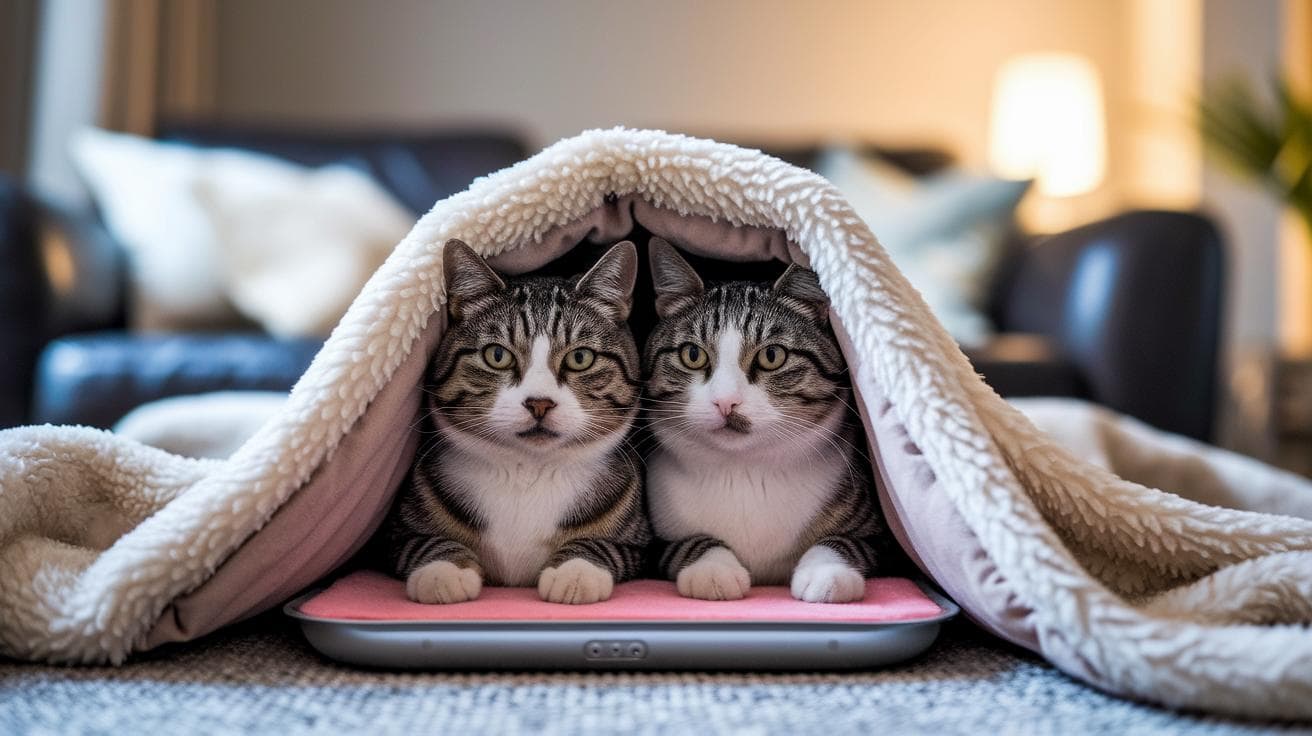
Ever thought your kitty curls up and hibernates all winter? Actually, cats don’t hibernate like bears! They slip into a torpor (a quick dip in body temp). It’s more like a power nap. Then they pop right up, whiskers twitching.
When cold weather hits, your cat’s fluffy coat and twitching whiskers act like tiny thermostats. Their fur puffs up, trapping heat like a sealed thermos flask (a mug that keeps drinks hot). You’ll still catch them chasing a fuzzy ball across the rug. Pure zoomies!
Curious how your whiskered pal stays toasty and playful all season long? Let’s dive in.
Cats and Hibernation: The Definitive Answer
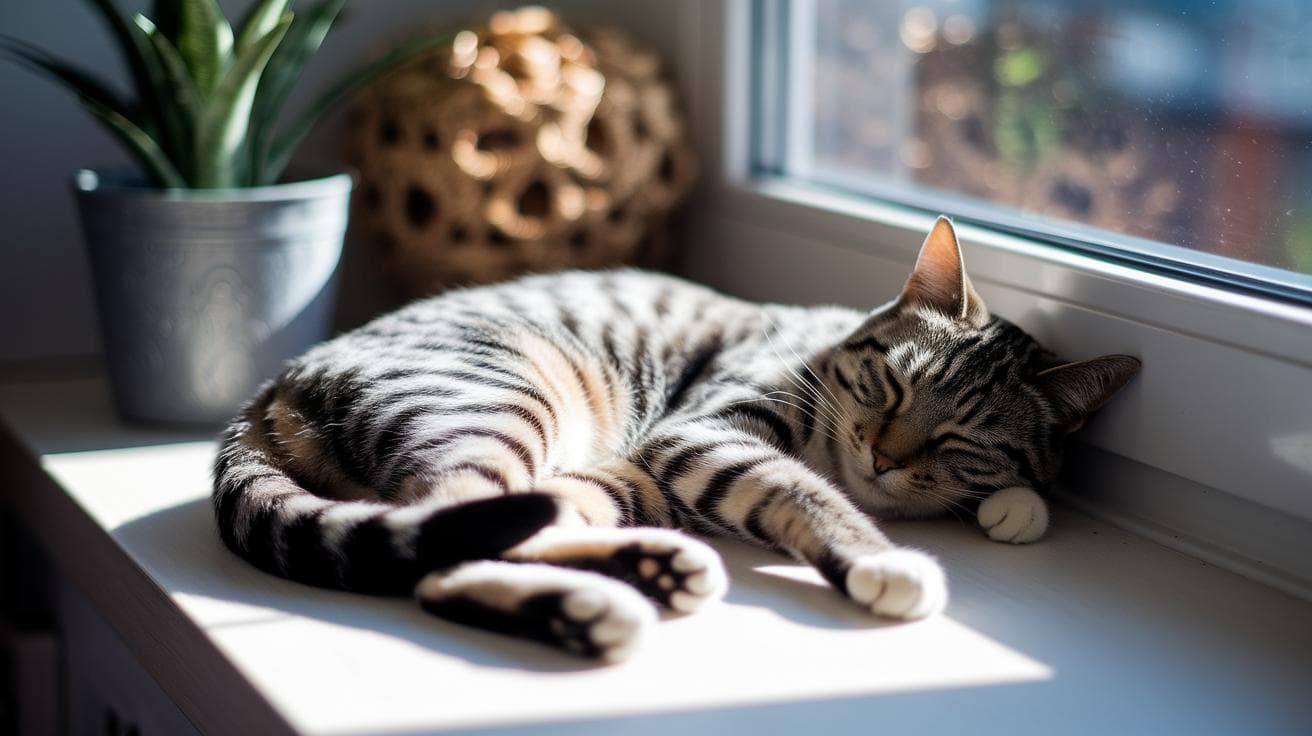
Ever watched your kitty curl up on a snow-dusted windowsill and wondered if they’re drifting into hibernation? Spoiler: they aren’t! Winter chills don’t change their everyday rhythm. They still nap, stalk imaginary mice, and keep their body temp locked in, like a thermostat set to ‘purr-fect.’
In truth, cats sometimes slip into torpor (a short, reversible drop in metabolism, which is how the body turns food into energy), but it’s more like a power nap than a months-long snooze fest. They slow down for a few hours, then snap right back, no deep hibernation here.
Next, we’ll peek under the fur to see why felines skip real hibernation, hint: their lean muscles and high-energy ways. Then we’ll compare city cats and wild cats in winter, and bust the biggest myths about cat dormancy. Ready to pounce on the answers? Let’s dive in.
Hibernation vs Torpor and Feline Physiology
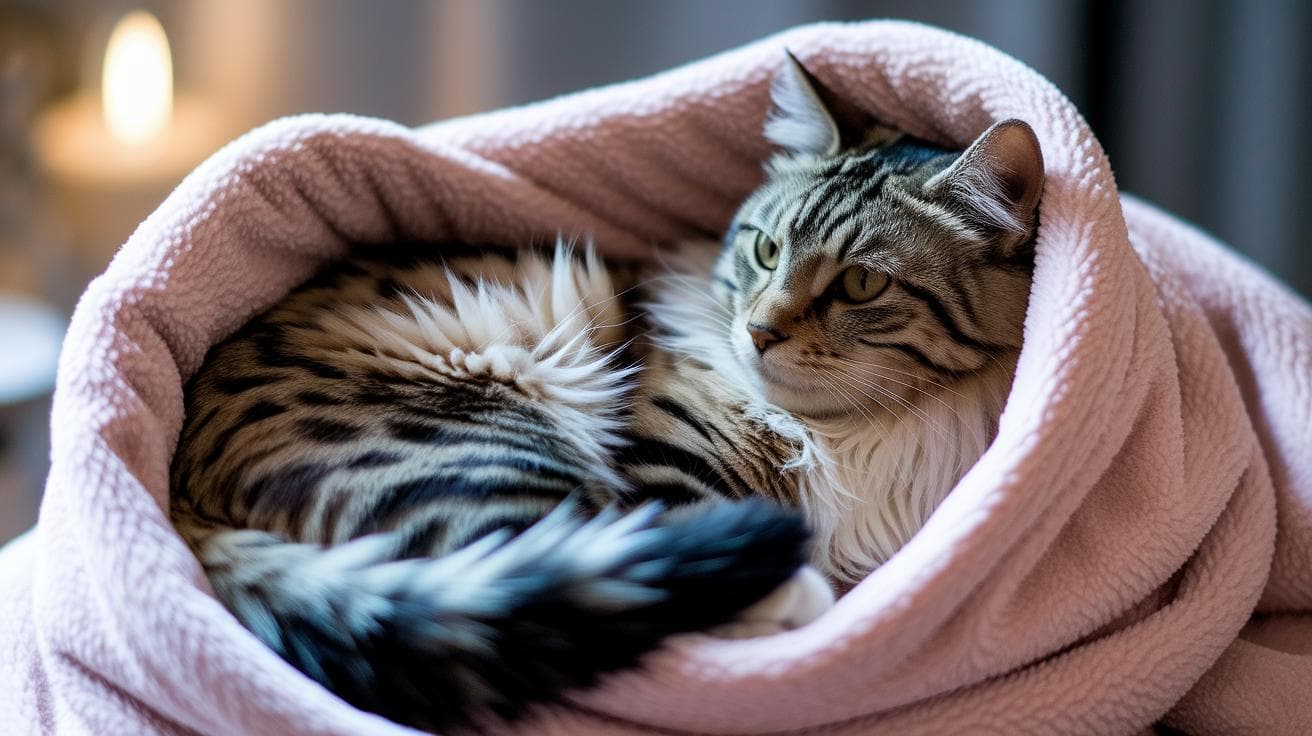
Hibernation is like a sleep marathon, lasting days or even months. Torpor, by contrast, is a quick power-nap of just hours. Think of it as your cat’s mini siesta.
Cats don’t dive into long cold spells. If their body temperature dips, it’s only a tiny drop, and it’s over in minutes. So one moment they’re curled up, the next they’re zooming around the room. Ever watched your kitty’s whiskers twitch as they spring awake?
Even in the chill, a cat’s metabolism stays buzzing. That means their muscles stay warm and ready for action. And those whiskers? Always on twitchy alert.
Adaptations of cats to cold:
- Seasonal fur fluff: Cats grow a slightly thicker coat in winter, like a brushed-fleece hoodie that traps warm air next to the skin.
- Peripheral vasoconstriction (blood vessels tightening at the skin): This pulls blood inward to keep the core toasty, kind of like a built-in heat bank.
- Cozy spot selection: Your cat will seek out sunny windowsills, foam-lined beds (a super soft pad), or even your warm laptop for maximum snuggle points.
Worth every paw-print.
Domestic vs Feral and Wild Cats: Winter Behavior and Hibernation Myths
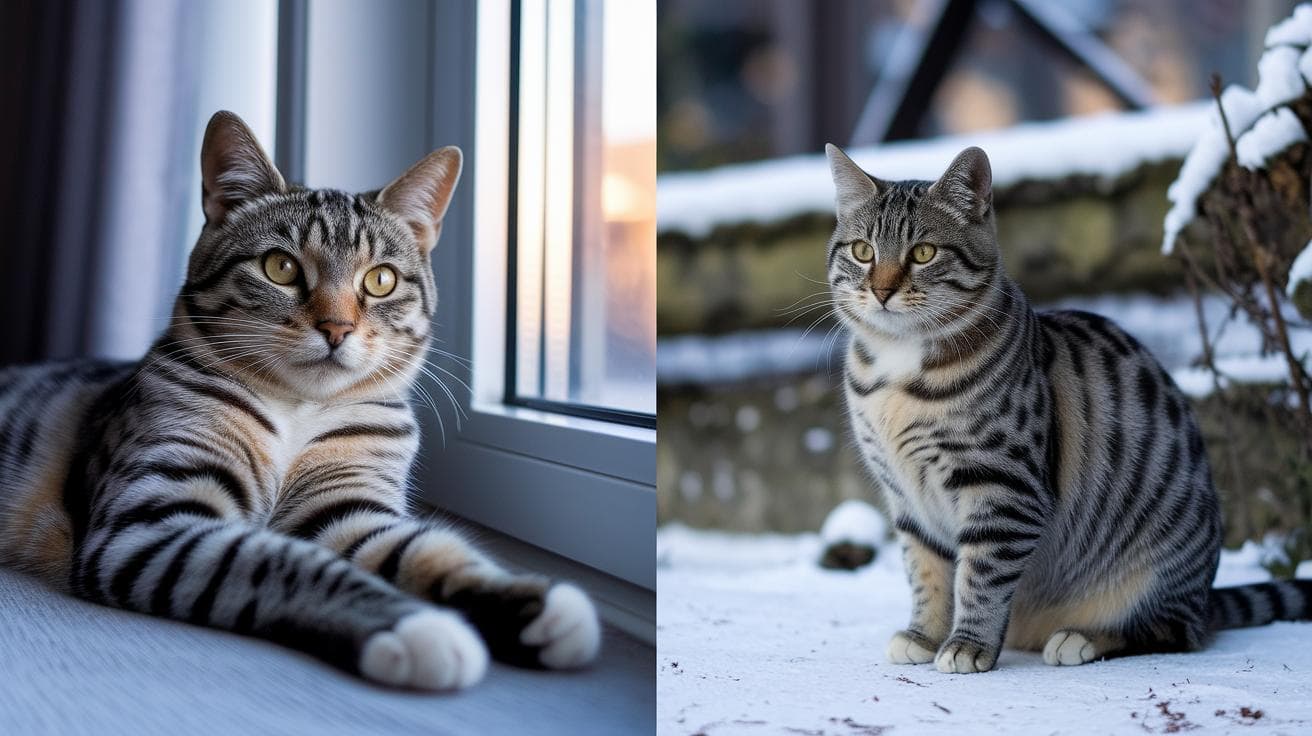
Indoor cats sleep when we sleep. You hit the pillow, they do too. In winter, they stretch out longer day naps, then zoom around at dawn when you’re pouring your coffee. But calling it hibernation is just a mix-up, your couch-potato kitty won’t snooze away the whole season.
Some believe feral cats vanish in January because they’re hibernating. In truth, wild cats don’t hibernate. You might see a cat slip into torpor (a short, sleepy state) on a truly frigid night, but it lasts only hours. Do cats hibernate like bears? Nope, they spring right back once the sun peeks through.
So, cats use claw-ver cold-weather moves instead of real hibernation. They tuck into snug dens under porches, curl up in crunchy leaf piles (ever watched your kitty wiggle in those?), or burrow into thick brush. Their fur fluffs up (like a built-in sweater) for extra warmth. And if you leave fresh laundry lying around, they’ll claim your warm socks for a dreamy nap. These simple habits keep your feline friend cozy, curious, and ready to pounce all winter.