do cats hair grow back Beautifully and Fast

Ever peeked under your kitty’s tail and noticed a tiny bald spot? No more bare bums!

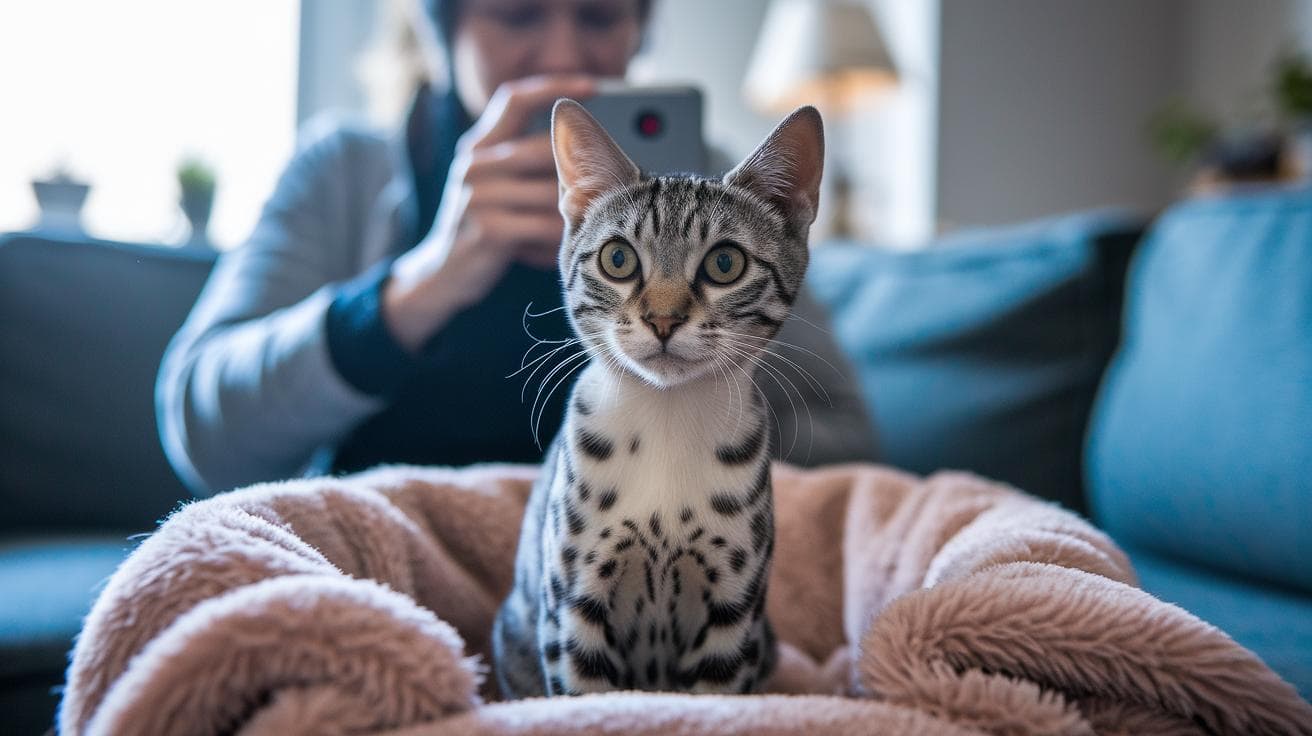
Your cat’s fur bounces back faster than you’d think. It can grow about half an inch a month (um, that’s like a paperclip). You’ll see little sprigs of fuzz in just days, and short-haired pals hit full fluff in around eight weeks. Longhairs catch up soon after.

Let’s explore how your feline friend regains a soft, full coat so you can kick back and enjoy the gentle tickle of fresh fuzz under your fingertips. Ready for some purrfect fluff?

How Cat Hair Regrows: Timeline for Fur Recovery

How Cat Hair Regrows Timeline for Fur Recovery.jpg

If you’ve ever wondered do cat hair grow back after a shave or a patch of loss, the answer is yes. New strands peek out within days, giving your kitty that soft “fluff” look you love. Ever watched those tiny hairs tickle your hand?

Cats average about 0.6–1.3 cm (0.25–0.5″) of growth per month, pretty close to human hair speed. That feline coat regrowth time varies by breed and hair length. Short-haired cats race to full thickness in roughly two months. Long-haired breeds move at a gentler pace, wrapping up in about six months.

  • Immediate post-shave “fluff” appears in 1–2 weeks
  • Noticeable stubble by 3–4 weeks
  • Short-haired full-length regrowth in ~8 weeks
  • Long-haired full-length regrowth up to 24 weeks

If you don’t see any new fuzz on a short-haired cat after eight weeks, it’s time for a vet check. Regular peek-ins and gentle comb-throughs help track progress on this timeline for cat fur recovery.

Cat Hair Growth Phases and New Growth Cycle
Cat Hair Growth Phases and New Growth Cycle.jpg

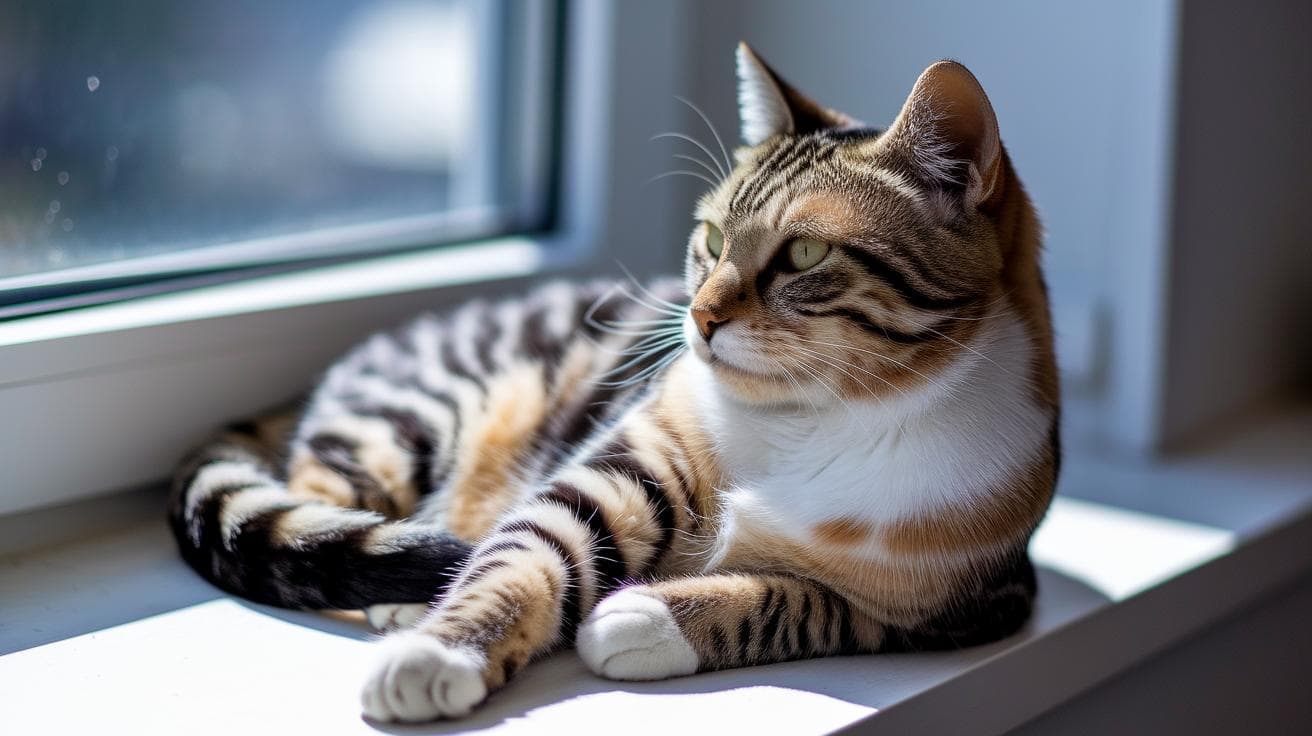
Follicles cycle through three stages as they fluff up your cat’s coat: anagen (growth burst), catagen (short transition), and telogen (rest mode). It’s like a furry conveyor belt pushing new hairs outward. That’s why you see tiny, soft whisker tips just days after a shave. Really.

Ever seen your kitty become a fur fountain each spring? Heavy seasonal shedding peaks in April and May as part of a normal molt. You’ll find hundreds of hairs drifting off daily, all over the coat. No need to panic if the fur comes off evenly, you know, it’s just nature’s way of spring cleaning.

But if you spot a smooth bald spot? That’s a cat bald patch, and it usually means something’s up with the skin or your cat’s been stress-grooming instead of a regular shed. Uh-oh, right?

Can lost feline fur come back? In most cases, yes. Treat any skin infection or help curb the over-grooming, and those follicles snap right back into anagen. Soon enough, you’ll be stroking soft, healthy strands again. Worth every paw-print.

Common Causes of Cat Hair Loss Impacting Regrowth
Common Causes of Cat Hair Loss Impacting Regrowth.jpg

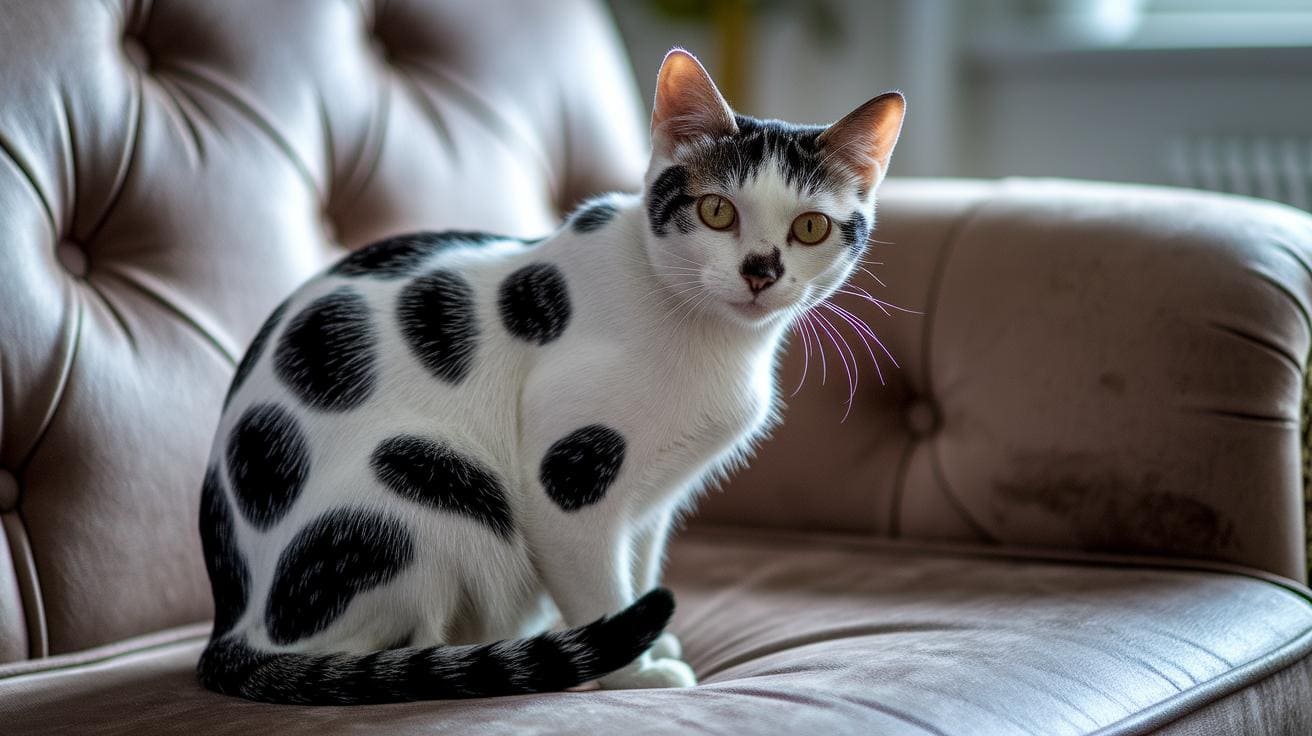
Ever watched your cat’s whiskers twitch as a toy rolls by? But their fluffy coat can hit a growth roadblock when something goes wrong deep down at the follicles (tiny root pockets). Feline alopecia (hair loss) pops up for all sorts of reasons – stress, infections, or even allergies.

Ringworm (skin fungus) often leaves round, crusty spots. And mites (tiny parasites) can make your kitty scratch non-stop and end up with rough patches. Left alone, bacteria or fungal (mold-like) infections dig in and slow down hair regrowth fast.

Cause Effect on Fur Treatment Regrowth Notes
Ringworm (skin fungus) Circular bald spots Antifungal therapy Hair returns in 6 – 8 weeks
Mange (mites) Intense itching, patchiness Miticide doses Full coat in ~3 months
Allergies Red, inflamed skin Allergen avoidance, immunotherapy Variable regrowth timeline
Overgrooming (stress) Localized thinning Stress reduction, e-collar (plastic cone) Follicles recover in weeks

Ever caught your cat chewing or licking fur into a sad little tuft? That’s barbering – bored or anxious cats overgroom and snip their own coat. Maybe they’re worried about new furniture or a neighbor’s dog. Toss in play rotations and an e-collar (plastic cone) to break the cycle, and before you know it fluffy sprouts appear.

Allergic dermatitis (skin allergy) shows up as itchy red patches that have your cat scratching like crazy. Dust bunnies, pollen, or even weird-smelling cleaners can spark a flare-up. Finding the trigger can feel like detective work, but swap it out and those follicles wake back up.

Think there’s a mite party under the skin? Don’t DIY – let your vet check with skin scrapings so you can zap those pests. After treatment, watch for soft hairs popping up in a few weeks. With patience and gentle care, that patchy coat turns into a bouncy fur masterpiece.
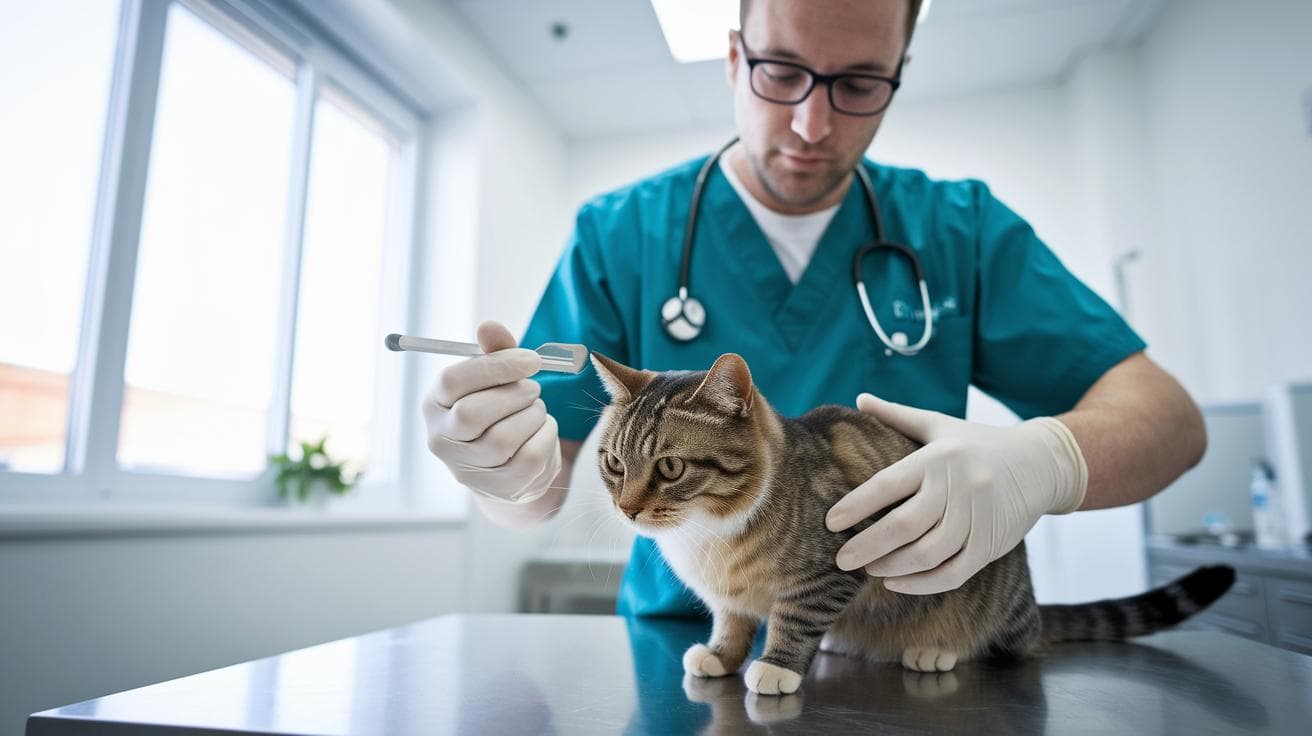
Nutrition and Grooming for Healthy Cat Fur Regrowth

Nutrition and Grooming for Healthy Cat Fur Regrowth.jpg

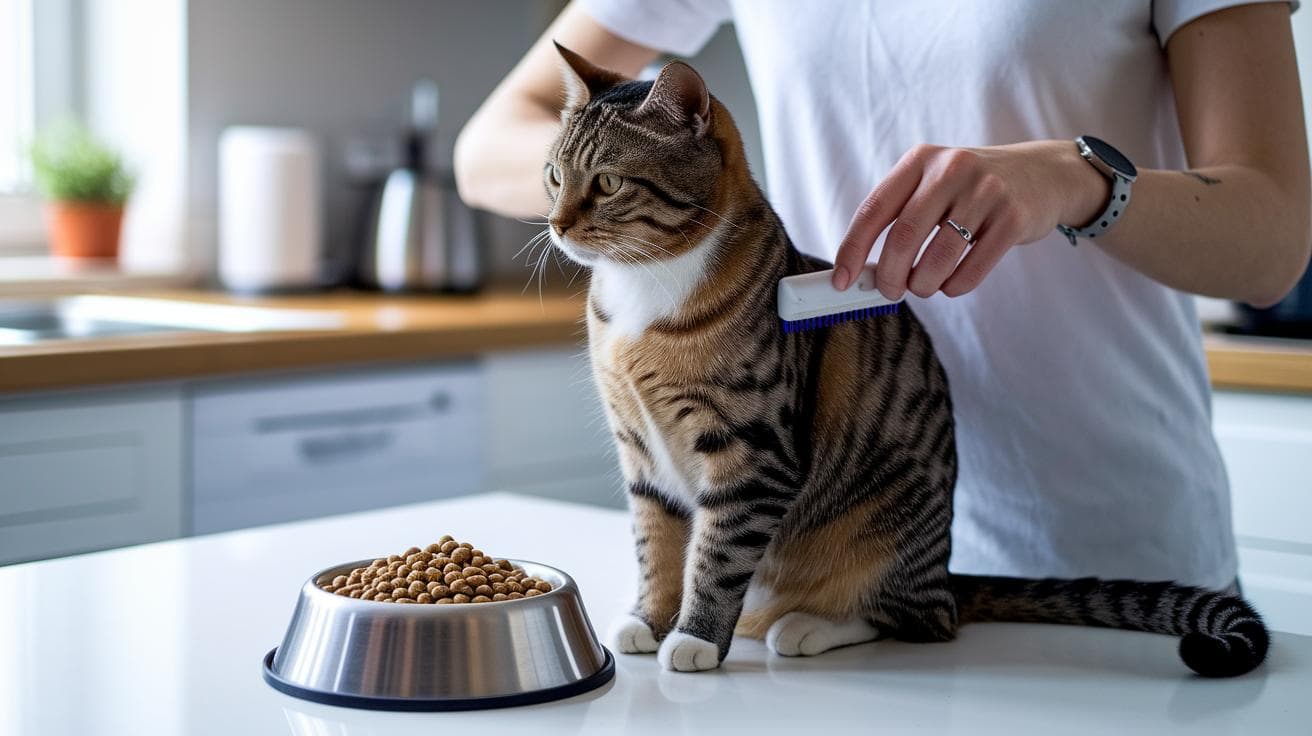
Give your cat a balanced diet to wake up sleepy hair follicles. Use high-quality protein (the building blocks for fur) and B vitamins (nutrients that help skin and coat). Toss in trace minerals (tiny bits of fur-loving minerals) and a pinch of biotin supplements (the shiny fur booster). Don’t forget omega-3 fatty acids (skin-soothing fats) for that extra gloss. And, um, keeping fresh water nearby is a must. Hydration stops hairs from snapping off like thin twigs.

Next, gentle brushing turns grooming into playtime. Daily sessions with a soft-bristle tool (like a rubber or nylon brush) whisk away loose strands and perk up blood flow to each follicle. Ever tried brushing while your cat purrs a storm? Think of it as a mini massage that leaves fur sleek instead of shed all over the sofa. And hey, hairball control and fur health go paw-in-paw. Catch those fuzzies before they tumble into your kitty’s tummy.

  • Feed a diet with 30–40% animal protein (meat-based protein)
  • Add omega-3 supplement (as your vet recommends)
  • Keep fresh water available at all times
  • Brush 5–7 minutes daily with a soft-bristle tool
  • Offer a hairball formula food or paste once a week
  • Skip harsh metal brushes during regrowth

Worth every paw-print.

Your kitty will soon be feline fine with a soft, sturdy coat.

Medical and Therapeutic Options to Support Fur Recovery

Medical and Therapeutic Options to Support Fur Recovery.jpg

Diagnostic Steps

Ever worry your kitty looks like a little bald cloud? A vet visit is the first step, basically a head-to-tail check of your cat’s coat.

Here’s what might happen:

  • Skin scraping (a tiny bit of skin to find mites or bacteria)
  • Fungal culture (we let any ringworm fungus grow in a lab dish so we know it’s there)
  • Blood work (checks hormones like thyroid and vitamin levels)
  • Biopsy (a small sample of skin to peek at deeper issues)

Ever watched your cat try to scratch off her whiskers? That itch might be what we’re hunting.

Treatment Options

Once we know the culprit, vets hand you a toolbox of treatments:

  • Topical ointments (soothing creams that help fur sprout)
  • Antifungal meds (pills or shampoo to zap ringworm)
  • Antibiotics (for when bacteria move in uninvited)
  • Steroid therapy (short, controlled doses to calm the itch)
  • Hormone therapy (balancing thyroid to kickstart hair growth)
  • Immunotherapy (retraining your cat’s immune system)
  • Flea and tick prevention (keeping those pesky parasites away)

And if you’re into the high-tech side:

  • Cold laser therapy (gentle light pulses that wake up sleepy hair follicles)
  • Platelet-rich plasma (PRP) injections (your cat’s own blood factors give follicles a boost)
  • Stem cell therapy (new science to revive tired follicles)

In truth, each kitty is unique. With the right checks and treatments, your furball will soon be flaunting her soft, fluffy coat, ready to pounce on her favorite toy again.

Worth every paw-print.

Monitoring Cat Coat Regrowth and When to Consult a Veterinarian

Monitoring Cat Coat Regrowth and When to Consult a Veterinarian.jpg

So, your kitty just got a medical shave and you’re itching to see that soft fuzz return. Here’s a simple, playful checklist to catch sneaky warning signs and celebrate every whisker-twitch of new growth.

  • Snap a weekly photo of the shaved or bald spot from the same angle (it helps you spot even tiny changes).
  • Jot down diet shifts, new grooming tricks, and any supplements (like omega-3 oil) in a little journal.
  • Inspect skin for scabs, redness, little sores (lesions: tiny skin wounds), or patches where fur looks thin.
  • Notice if your cat seems stressed by new pets, loud noises, or other changes, then tweak the environment to keep things calm.
  • Before each vet visit, flip through your photos and notes so you can tell the full fur-recovery story.

And don’t forget to book follow-up exams every 4 to 6 weeks, that checkup is worth it until your kitty’s coat feels as plush as a stuffed toy.

Final Words

in the action, we tracked fur from first fluff to full regrowth and set clear timelines by breed. Fluff appears in days, stubble in weeks, and full length in a few months.

We then flagged common causes of patchiness, laid out feeding and brushing tips, and listed medical checks and home monitoring steps. No more guesswork on why mites, allergies, or stress can stall that growth.

Now you know do cat hair grow back, how long it takes, and when to reach out for help. Here’s to soft, shiny coats and many happy pounces ahead.

FAQ

Do cats regrow hair after surgery, spaying, or lion cuts?

Cats begin regrowing hair days after shaving, spaying, or lion cuts, with soft fluff in 1–2 weeks, noticeable stubble by 3–4 weeks, and full coat in about eight weeks for short-haired breeds and up to 24 weeks for long-haired cats.

How long does it usually take a cat to grow hair back?

Cats typically develop visible stubble by three to four weeks after hair loss and regain full fur in about eight weeks for short-haired cats, while long-haired breeds may need up to six months.

How long does it take for cat fur to grow back after fleas?

Fur regrowth after flea treatment takes about one to two months once fleas are eliminated, as healing skin and follicles resume growth when itching stops and normal hair cycles restart.

Does cat hair grow back after over-grooming?

Hair usually regrows after over-grooming once stress or skin issues are addressed, often showing initial fuzz in a few weeks and full coat return within two to three months with gentle care.

Will cat fur grow back after injury or being pulled out?

Fur generally regrows after injuries or hair pulling once follicles heal, producing soft fuzz in about two weeks and a full coat in two to four months, depending on breed and wound care.

What happens if a cat is shaved?

Shaving removes protective fur and exposes skin to sun and temperature swings; coats regrow gradually, but extra skin protection and gentle grooming may be needed until natural insulation returns.

Related Articles

Author

  • Isabella Tiu

    Isabella Tiu is a transcriptionist from Calhoun, Florida, known for her sharp attention to detail and her commitment to providing accurate and efficient transcription services. With a passion for language and communication, she thrives on transforming spoken words into clear, readable content for her clients.

    When she's not working, Isabella enjoys hiking and camping, finding peace and inspiration in the beauty of the outdoors. She often says, “The best lessons are often learned in nature,” a philosophy she embraces both in her work and personal life.

    Isabella’s love for both her craft and the natural world reflects her belief in continuous learning and exploration.

    View all posts

Similar Posts