Ever wonder if that bag of kibble in your pantry could be a sneaky danger zone for your kitty? We all stash crunchy nuggets or cans of creamy paté (ground meat in gravy) without a second thought. But hey, every bite has an actual shelf life (the time food stays good). Um, that little date stamp is really a heads-up for bland crunch, faded aroma, or surprise bacteria.
So how do you spot stale chow? Give it a sniff, if the smell’s flat or off, that’s your first clue. Check the texture: dull pieces, cracked bits, or soggy lumps in wet food mean it’s past its prime. And if your cat sniffs then walks away, trust that nose.
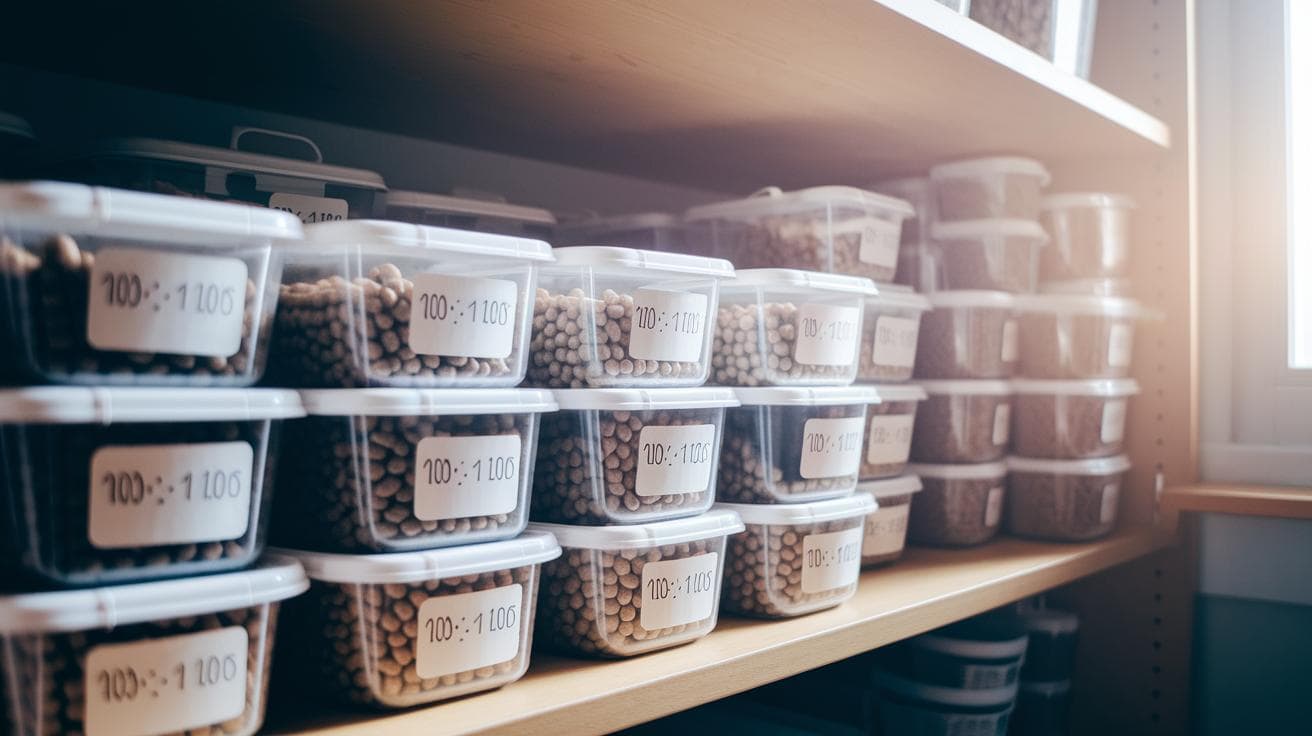
Next, scoop kibble into an airtight container (one that seals tight to keep air out). For leftover cans, spoon paté into a small dish and stow it in the fridge. On busy mornings, freeze single servings in an ice cube tray, snap out a cube for a quick snack. Each trick adds extra days of crunch or creaminess, so your cat stays purring.
Also, become a rotation pro, move newer bags behind older ones so you always use up the oldest first. Mark the open date with a permanent pen, so you never lose track. And toss any food after a few days in the fridge, better safe than sorry. Your whiskered pal will reward you with head boops and playful pounces.
Worth every paw-print.
Do Cat Foods Expire?
Ever peek at your cat’s food stash and wonder if it goes bad? Spoiler alert: yes. That date stamped on the bag or can shows when things start to lose their punch.
Dry kibble (little crunchy nuggets) stays fresh up to 18 months when it’s sealed in a cool pantry. It’s like the satisfying thud of a bouncing ball under your cat’s paw. Rip the bag open, though, and air sneaks in. Then your kitty will notice flat crunch and dull aroma after a few weeks. Ever watched your cat sniff and walk away? Yup.
Canned wet food (moist pate) stays good for about a year as long as the can stays sealed. Pop the lid, and that savory wobble is ready to eat. Just remember to use it in three or four days once it’s open to avoid spoilage.
Fresh-frozen meals kept at zero degrees Fahrenheit (0°F) hold nutrients for up to 12 months in your freezer. When you thaw a batch, your fridge gives you about five days before it’s time to toss leftovers. Freeze-dried treats (water-removed, super-light morsels) behave more like dry kibble. They last up to 18 months when sealed.
Prescription or vet-recommended blends usually expire sooner, so always check the date code, okay?
On to the numbers!
| Format | Unopened Shelf Life | After Opening |
|---|---|---|
| Dry Kibble (crunchy nuggets) | Up to 18 months | 3–4 weeks (flavor and crunch fade) |
| Wet Food (moist pate) | About 1 year | 3–4 days |
| Fresh-Frozen Meals | Up to 12 months (0°F) | 5 days (in fridge) |
| Freeze-Dried Treats (super-light morsels) | Up to 18 months | N/A (keep sealed) |
| Prescription/Vet Blends | Check label | Check label |
Shelf Life Variations Among Wet, Dry, and Raw Cat Foods
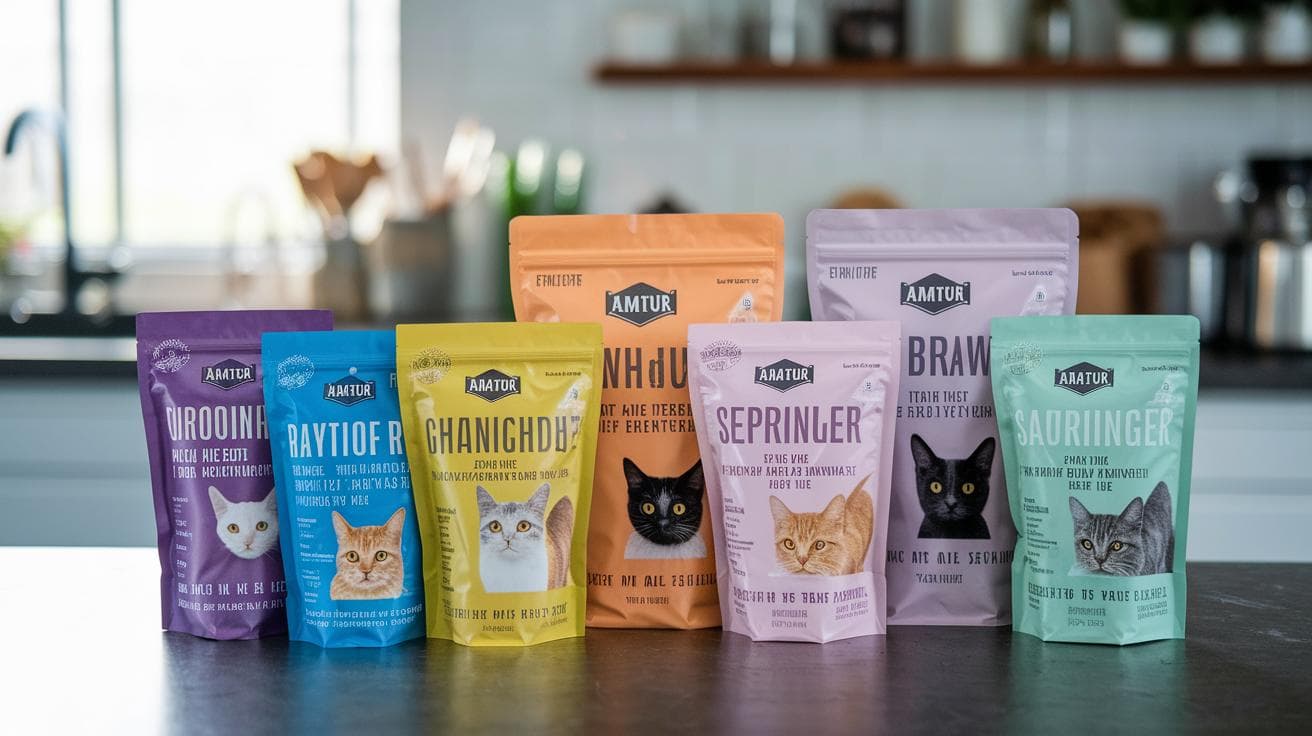
Ever stare at your cat food stash and wonder when it goes bad? Let’s break it down so your kitty never gets a surprise tummy upset. Ready?
Dehydrated (water removed) packs and broth mix (meat stock powder) are shelf champs. Sealed up tight, they stay fresh for up to 18 months. After you add water, they puff into soft, juicy bites, yum, but they only last 3-4 days in the fridge. So plan snack time fast!
Raw (uncooked) cat food ships frozen at 0°F (the usual freezer temp). It can chill for up to 12 months without a fuss. When you thaw it, your kitchen smells like fresh fish and your cat’s whiskers go wild. You’ve got 1-2 days to serve it once it’s soft and ready.
Here’s a quick cheat sheet.
| Format | Unopened Shelf Life | After Opening or Thawing |
|---|---|---|
| Wet cat food (canned) | Up to 1 year | 3-4 days in the fridge |
| Dry cat food | 12-18 months | 4-6 weeks |
| Freeze dried food (water removed) | Up to 18 months | Keep sealed |
| Fresh-frozen food | Up to 12 months | 5 days in the fridge |
| Dehydrated formula or broth mix | Up to 18 months | 3-4 days after adding water |
| Raw cat food (uncooked) | Up to 12 months | 1-2 days after thawing |
Decoding Cat Food Labels: Best-Before vs. Use-By Dates
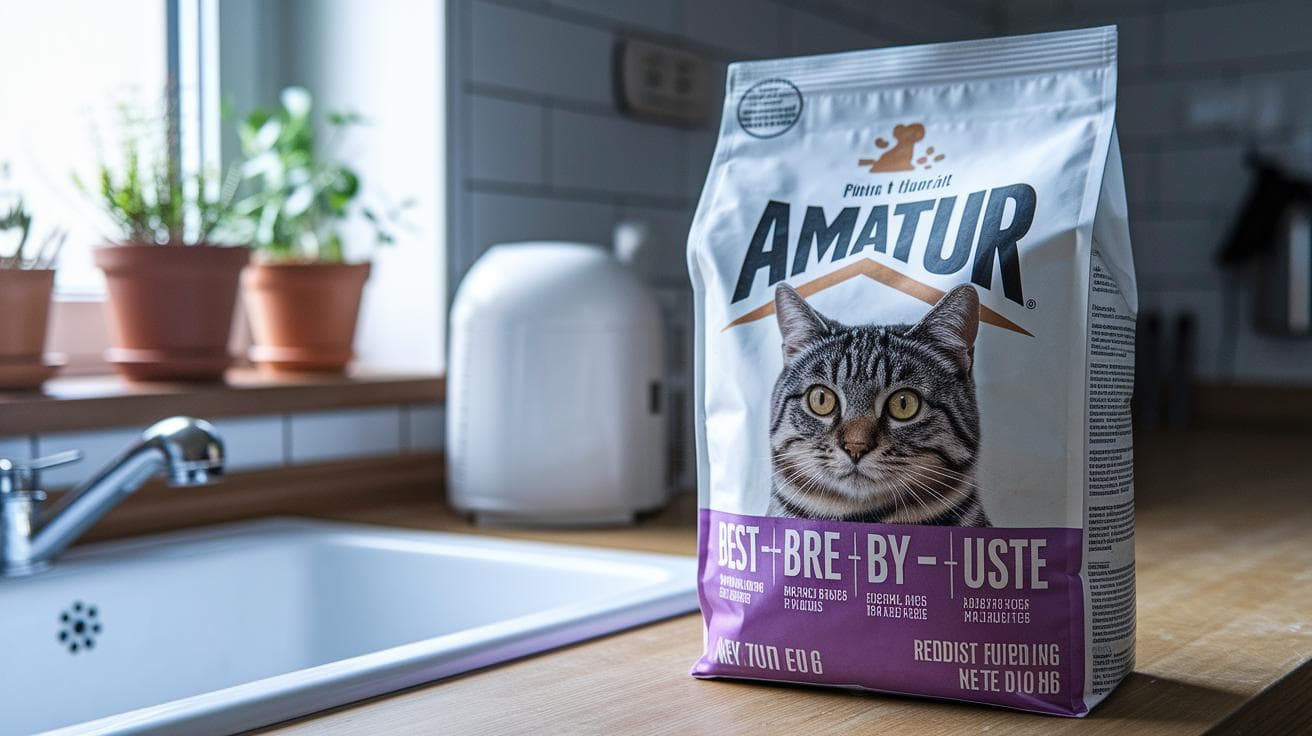
Ever watched your kitty sniff a can and walk away? That tiny stamp by the rim can make a big difference for your purr-fect pal. A best-by date tells you when flavor and nutrients might start slipping away, but it’s not a strict safety cutoff. If you spot a use-by date, know you’re on the clock, and feeding past it can spark tummy trouble.
Every pouch or can must show either a best-by date or an expiration date. Oops, don’t see one? Put it aside. These labeling rules keep meals safe and tasty, so you won’t end up with food that’s past its prime.
Peek at the bottom or side of cans and pouches. You’ll find a maker date code next to a batch code, secret tags that say when the feast rolled off the line. I like to jot them down when I stash fresh food, so I never lose track.
Heat and time go after fats and preservatives (helpers that keep food fresh). They slowly chip away at nutrients, zap vitamins, and even cause protein oxidation (where oxygen changes proteins). Your cat may still nibble, but the meal’s punch is fading. Keep your cat’s bowl top-notch and your peace of mind fresh.
Worth every paw-print.
Proper Storage Methods to Extend Cat Food Shelf Life
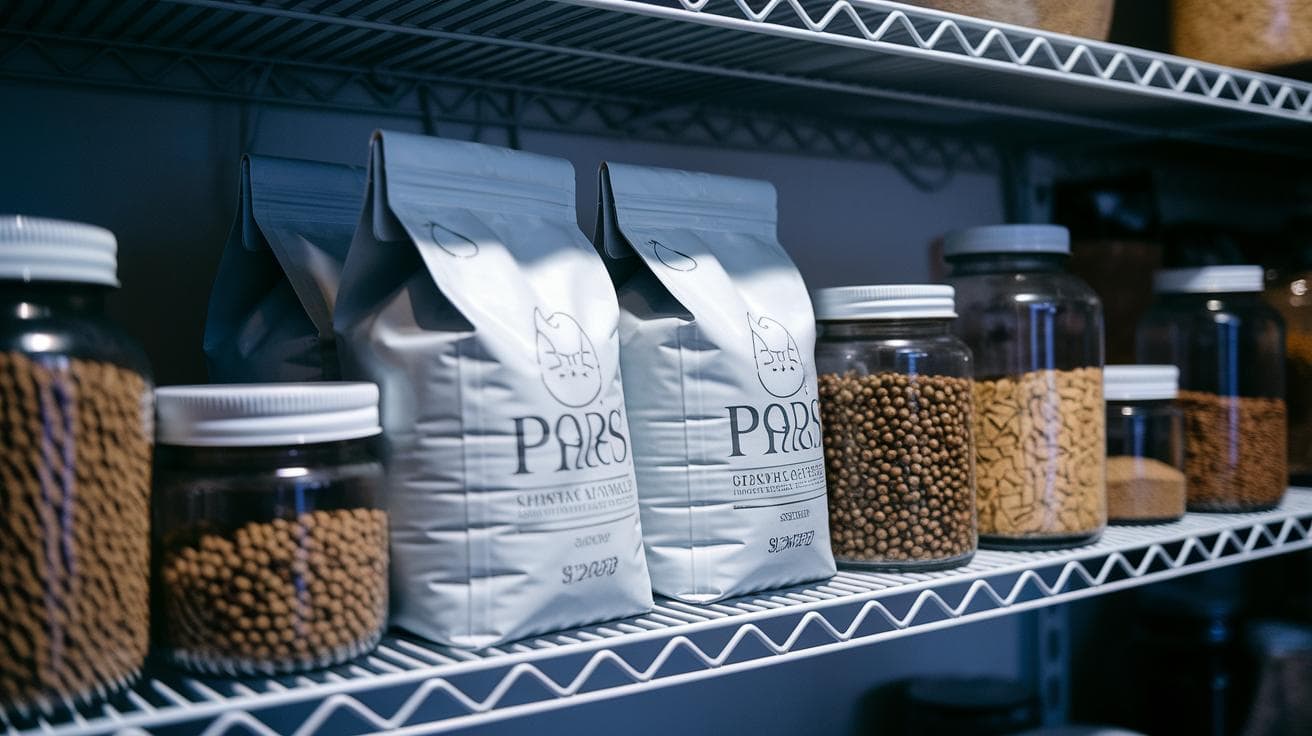
Store unopened dry kibble and canned food in a cool, dark pantry away from heat and light. Your goal is a steady 55-70°F zone so oils stay fresh. No sunbeams or hot air blasts please. Ever watched your cat sniff a bowl and walk away?
Once you pop open a bag of kibble, seal it right away. Zip the bag shut or scoop the food into an airtight container (no air in or out). Label it with the date and the printed use-by date so you never second-guess. It’s a tiny step that keeps meals crunchy and your cat craving more.
Leftover pate and saucy cups deserve some TLC, too. Scoop them into small, food-safe jars and tuck them in your fridge. I always wipe the rims to keep extra moisture out. Then serve within five days or guess who will turn up their nose?
Fresh-frozen meals thrive at zero degrees Fahrenheit in your freezer. When dinner time comes, move a portion to the fridge and let it thaw overnight, then feed within five days. You’ll keep those tasty nutrients intact. Never refreeze once it’s soft or you’ll lose all the crunch.
Pick sturdy packaging like thick plastic (polymer material) or a glass jar. Skip flimsy bags or wrappers that let moisture creep in. And keep containers opaque so no sunlight can fade the flavors. Oh, and after washing, let them dry completely before refilling, goodbye mold.