Have you ever wondered if a lost cat whisker means it's gone for good? Understanding whether cat whiskers grow back can be a bit of a mystery for many cat lovers. Just like how human hair grows back after a trim, cat whiskers usually do regenerate over time. Typically, it takes around 6 to 12 weeks for them to make a comeback. But this timeline isn't set in stone. It can vary depending on factors like your cat's health and environment. So, let's dive into what influences whisker regrowth and why these quirky, sensitive hairs are so important.
Do Cat Whiskers Grow Back After Loss?
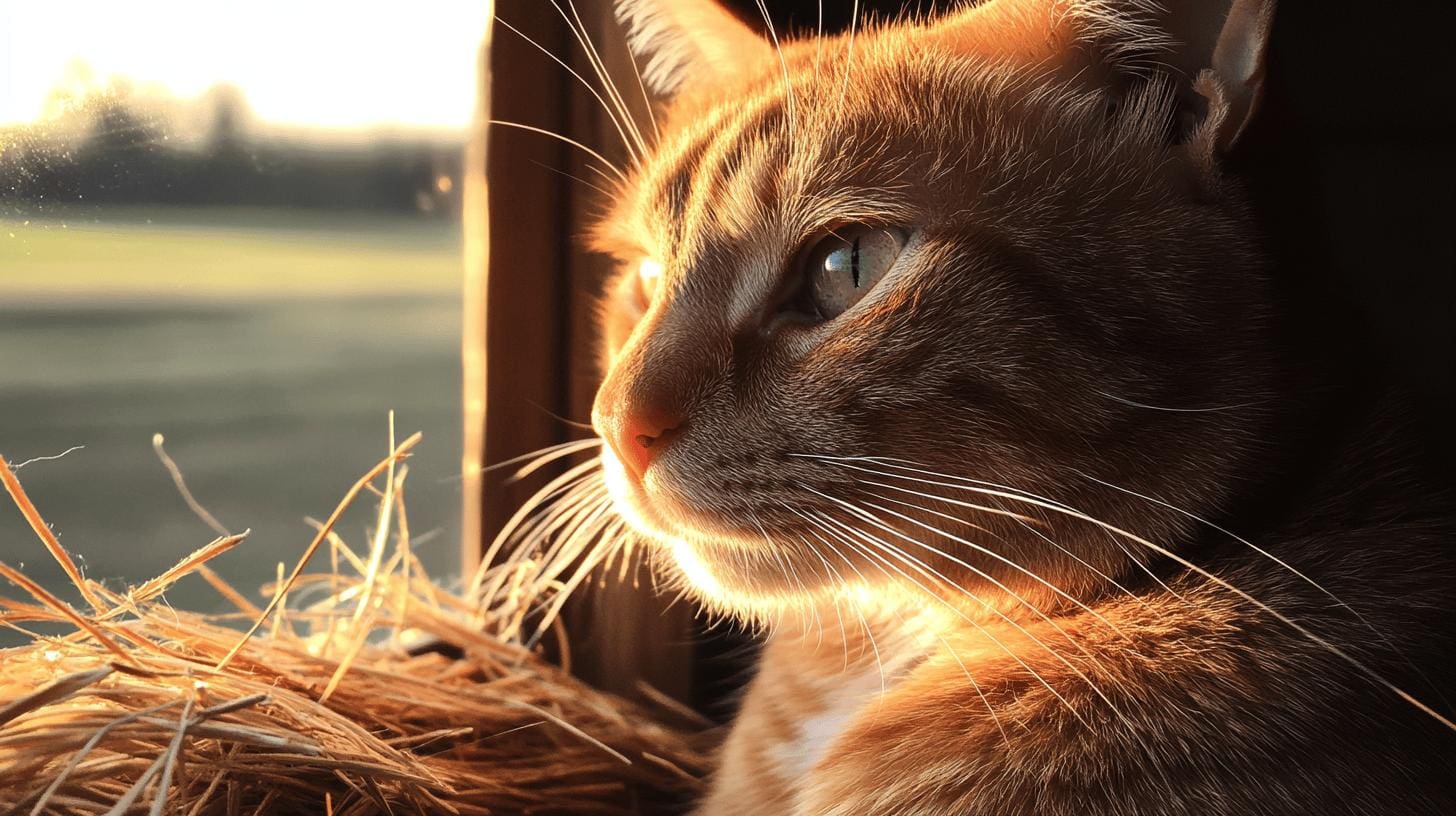
Cat whiskers, known scientifically as vibrissae, are fascinating structures made of keratin, the same protein found in human hair and nails. They are naturally designed to regenerate. If your cat’s whiskers fall out naturally or are accidentally trimmed, they will typically grow back. This regrowth process is as natural as the hair on our heads growing back after a haircut. The whiskers usually grow back within 6 to 12 weeks, though the exact timeline can vary based on individual factors such as the cat's health.
Several factors can influence the rate of whisker regrowth:
- Overall health of the cat
- Age of the cat
- Quality of nutrition
- Stress levels
- Living environment
In most cases, you can expect to see new whisker growth within a couple of months. While the timeline for regrowing cat whiskers can differ from cat to cat, it’s usually a steady process. If your kitty is in good health and living in a stress-free environment, you might notice the whiskers regenerating at a faster pace.
There’s no need to worry if your cat loses a few whiskers. It's part of their natural cycle. As long as they are healthy and happy, their whiskers will regrow over time. For cat owners, understanding this process can bring peace of mind, knowing that any lost whiskers will eventually be replaced naturally.
The Importance and Function of Cat Whiskers
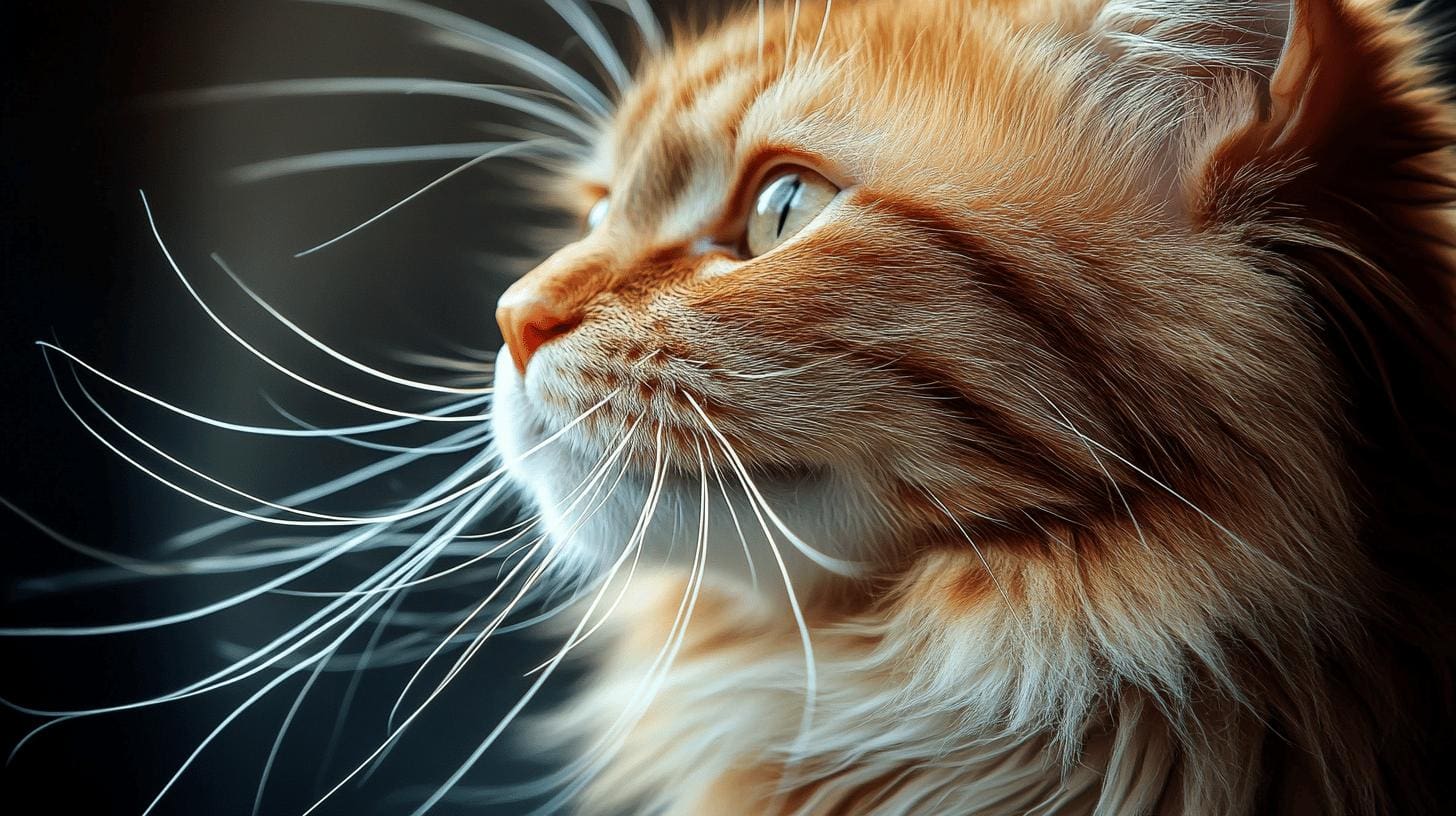
Cat whiskers, or vibrissae, are not just ordinary hair. They serve a vital purpose in a cat’s life by acting as highly sensitive sensory tools. These specialized hairs help cats navigate their surroundings and maintain balance, playing a critical role in their spatial awareness. Their sensitivity is due to the nerve endings and blood vessels located at the base of each whisker.
| Function | Description |
|---|---|
| Spatial Awareness | Helps cats judge distances and spaces, preventing them from getting stuck. |
| Balance | Aids in maintaining stability and coordination during movement. |
| Environmental Detection | Detects changes in air currents, signaling nearby objects or movements. |
| Communication | Expresses emotions or intentions through whisker positions. |
Whiskers are incredibly sensitive, detecting even the slightest changes in air movement. This sensitivity allows cats to sense nearby objects or changes in their environment, which is especially useful in low-light conditions. The whiskers act as a natural radar system, helping cats to detect prey or avoid obstacles. Without their whiskers functioning properly, a cat might struggle with simple tasks like navigating around furniture or hunting.
Damage to a cat’s whiskers can significantly impact its behavior and spatial awareness. If a cat's whiskers are cut or damaged, it can lead to disorientation, reluctance to explore, and even stress or anxiety. Whiskers help cats understand their physical environment, and losing this sensory input can make them feel uneasy or insecure. Therefore, preserving the health and integrity of a cat's whiskers is essential to their well-being.
Importance and Function of Cat Whiskers

Whiskers are a vital part of a cat's sensory system. They help cats interpret their surroundings and maintain a sense of balance and confidence. The follicles from which whiskers grow are packed with nerves, making them sensitive to changes in their environment. Damaging whiskers can disrupt a cat's spatial awareness, leading to behavioral changes such as:
- Disorientation
- Reluctance to explore
- Increased stress
- Heightened anxiety
Avoiding unnecessary handling or trimming of whiskers is crucial for maintaining a cat's health and emotional well-being. These sensory tools allow cats to navigate their world effectively, ensuring they feel secure and stable. By respecting the natural function of whiskers, we help preserve their confidence and happiness.