Ever peeked under your kitty’s tail and noticed a tiny bald spot? No more bare bums!
Your cat’s fur bounces back faster than you’d think. It can grow about half an inch a month (um, that’s like a paperclip). You’ll see little sprigs of fuzz in just days, and short-haired pals hit full fluff in around eight weeks. Longhairs catch up soon after.
Let’s explore how your feline friend regains a soft, full coat so you can kick back and enjoy the gentle tickle of fresh fuzz under your fingertips. Ready for some purrfect fluff?
How Cat Hair Regrows: Timeline for Fur Recovery

If you’ve ever wondered do cat hair grow back after a shave or a patch of loss, the answer is yes. New strands peek out within days, giving your kitty that soft “fluff” look you love. Ever watched those tiny hairs tickle your hand?
Cats average about 0.6–1.3 cm (0.25–0.5″) of growth per month, pretty close to human hair speed. That feline coat regrowth time varies by breed and hair length. Short-haired cats race to full thickness in roughly two months. Long-haired breeds move at a gentler pace, wrapping up in about six months.
- Immediate post-shave “fluff” appears in 1–2 weeks
- Noticeable stubble by 3–4 weeks
- Short-haired full-length regrowth in ~8 weeks
- Long-haired full-length regrowth up to 24 weeks
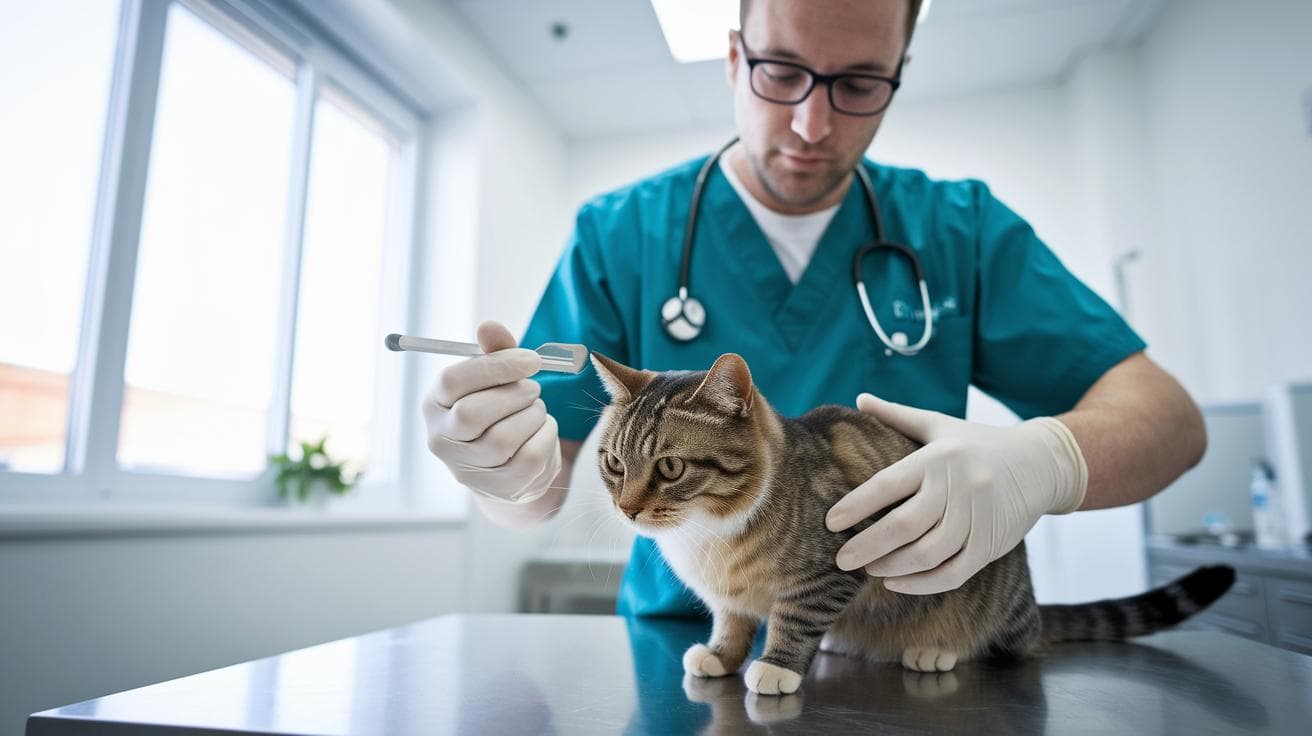
If you don’t see any new fuzz on a short-haired cat after eight weeks, it’s time for a vet check. Regular peek-ins and gentle comb-throughs help track progress on this timeline for cat fur recovery.
Cat Hair Growth Phases and New Growth Cycle
Follicles cycle through three stages as they fluff up your cat’s coat: anagen (growth burst), catagen (short transition), and telogen (rest mode). It’s like a furry conveyor belt pushing new hairs outward. That’s why you see tiny, soft whisker tips just days after a shave. Really.
Ever seen your kitty become a fur fountain each spring? Heavy seasonal shedding peaks in April and May as part of a normal molt. You’ll find hundreds of hairs drifting off daily, all over the coat. No need to panic if the fur comes off evenly, you know, it’s just nature’s way of spring cleaning.
But if you spot a smooth bald spot? That’s a cat bald patch, and it usually means something’s up with the skin or your cat’s been stress-grooming instead of a regular shed. Uh-oh, right?
Can lost feline fur come back? In most cases, yes. Treat any skin infection or help curb the over-grooming, and those follicles snap right back into anagen. Soon enough, you’ll be stroking soft, healthy strands again. Worth every paw-print.
Common Causes of Cat Hair Loss Impacting Regrowth
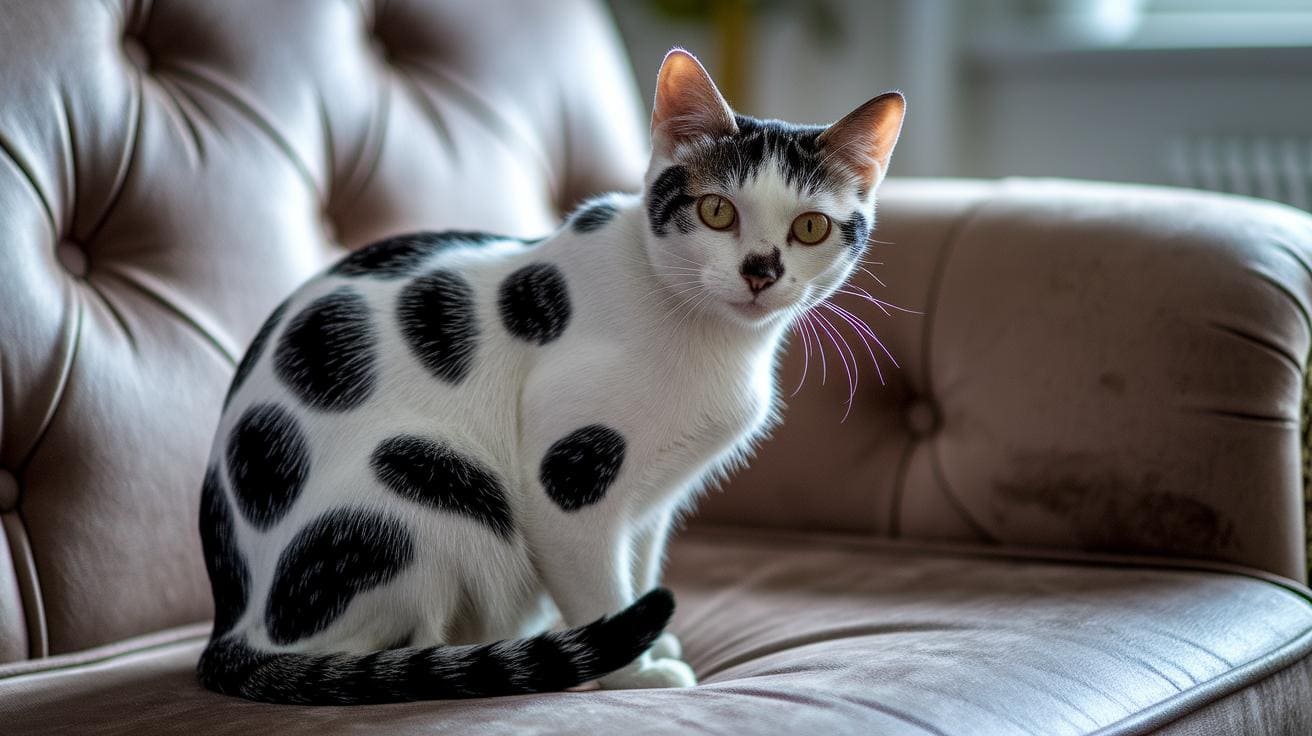
Ever watched your cat’s whiskers twitch as a toy rolls by? But their fluffy coat can hit a growth roadblock when something goes wrong deep down at the follicles (tiny root pockets). Feline alopecia (hair loss) pops up for all sorts of reasons – stress, infections, or even allergies.
Ringworm (skin fungus) often leaves round, crusty spots. And mites (tiny parasites) can make your kitty scratch non-stop and end up with rough patches. Left alone, bacteria or fungal (mold-like) infections dig in and slow down hair regrowth fast.
| Cause | Effect on Fur | Treatment | Regrowth Notes |
|---|---|---|---|
| Ringworm (skin fungus) | Circular bald spots | Antifungal therapy | Hair returns in 6 – 8 weeks |
| Mange (mites) | Intense itching, patchiness | Miticide doses | Full coat in ~3 months |
| Allergies | Red, inflamed skin | Allergen avoidance, immunotherapy | Variable regrowth timeline |
| Overgrooming (stress) | Localized thinning | Stress reduction, e-collar (plastic cone) | Follicles recover in weeks |
Ever caught your cat chewing or licking fur into a sad little tuft? That’s barbering – bored or anxious cats overgroom and snip their own coat. Maybe they’re worried about new furniture or a neighbor’s dog. Toss in play rotations and an e-collar (plastic cone) to break the cycle, and before you know it fluffy sprouts appear.
Allergic dermatitis (skin allergy) shows up as itchy red patches that have your cat scratching like crazy. Dust bunnies, pollen, or even weird-smelling cleaners can spark a flare-up. Finding the trigger can feel like detective work, but swap it out and those follicles wake back up.
Think there’s a mite party under the skin? Don’t DIY – let your vet check with skin scrapings so you can zap those pests. After treatment, watch for soft hairs popping up in a few weeks. With patience and gentle care, that patchy coat turns into a bouncy fur masterpiece.