Ever wondered if your kitty would howl if you snip one whisker? Good news: it’s more like an invisible haircut! Whiskers are made of keratin (that’s the same tough stuff in our fingernails), so trimming the very tip is totally painless.
Think of it as a little haircut, not a yank. I swear, just last week I clipped one. She blinked, then batted a toy mouse like nothing happened. No drama. Just that adorable, puzzled stare.
Pain Assessment: Do Cat Whiskers Hurt When Cut Painlessly?
Ever wonder if it hurts when you snip a cat’s whiskers? Great news. They don’t feel it.
Whiskers are made of keratin (the same protein as your fingernails), and the part you cut has no nerves. A quick snip at the tip can’t pinch skin or draw blood. It doesn’t even nick the tiny blood tubes.
It’s just like giving fur a trim. Really!
Pain spots live down in the follicle (the whisker root under your cat’s skin), right next to tiny blood tubes and sensory nerves. When whiskers move, they bend little touch sensors (mechanoreceptors), which send info along the trigeminal nerve (a main face nerve).
But cutting above the root keeps you far away from those nerves. No nerve tickles here. No pain.
You might see your cat pause, give a quick head shake, or put on a brave face when their whiskers go missing. That’s not pain. It’s surprise.
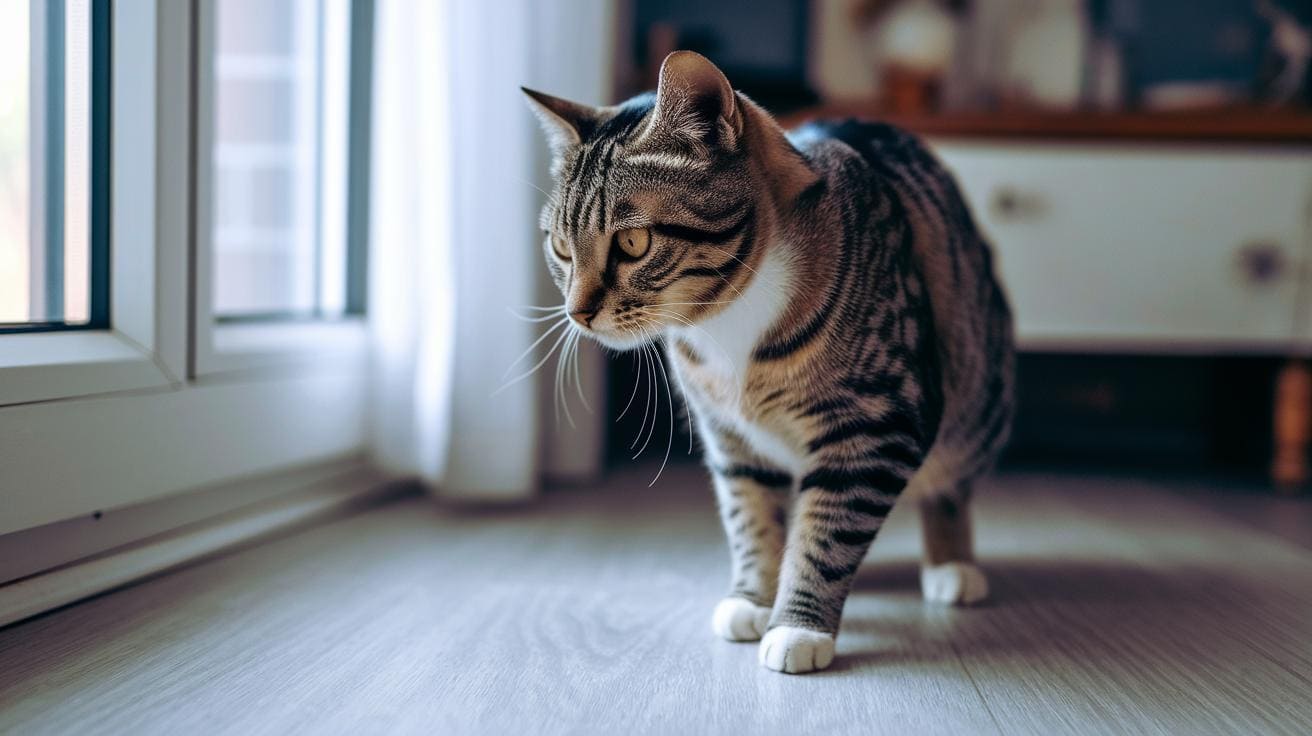
Whiskers help cats measure spaces, check if they can fit, and keep balance. So if you see them hesitate at a doorway or bump into a wall, don’t sweat it.
They’re just missing those sensor clues, not hurting. They’ll catch on soon, um, after a bit. Worth every paw print!
Understanding Cat Vibrissae Anatomy and Nerve Sensitivity
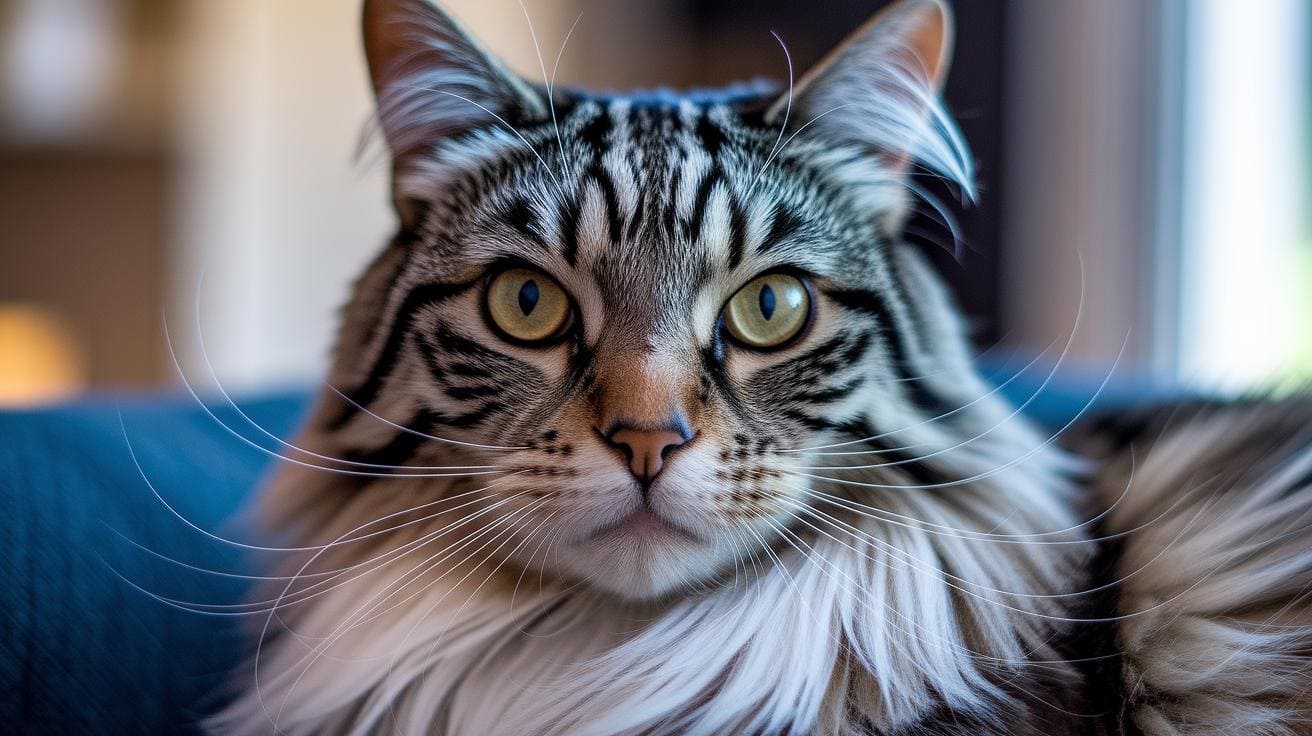
Cat whiskers (or vibrissae, the super-sensing hairs) are thick touch hairs made of keratin (the same protein in your nails). They grow from deep follicles under the skin and connect to tiny blood vessels. Tiny muscles ring each follicle so your kitty can tilt or perk a whisker to explore the world. That clever setup means you can’t swap whiskers for regular fur.
Inside each follicle live mechanoreceptors (touch sensors) waiting for even the slightest bend or brush. These follicles form facial sensitivity zones around the cheeks, above the eyes, and along the chin. Proprioceptors at the whisker base sense vibration and movement, then zip that info up the trigeminal nerve (the main face-sensing highway) to the brain. Ever watch your cat wiggle a whisker then pounce on a toy? That’s feline-built radar in action.
Most cats have about 12 whiskers on each side in three neat rows. They also have shorter vibrissae above the eyes, on the chin, upper lip, and even on the forelegs acting like little feelers under the paws. These whiskers often stretch almost as wide as your cat’s body. All of them hook into the same nerve pathways so your cat knows what’s happening around the muzzle and paws.
Each whisker tells your cat if a space is too tight to squeeze through, no doorbell needed. Worth every whisker!
Why Cutting Whiskers Affects Cat Balance and Navigation
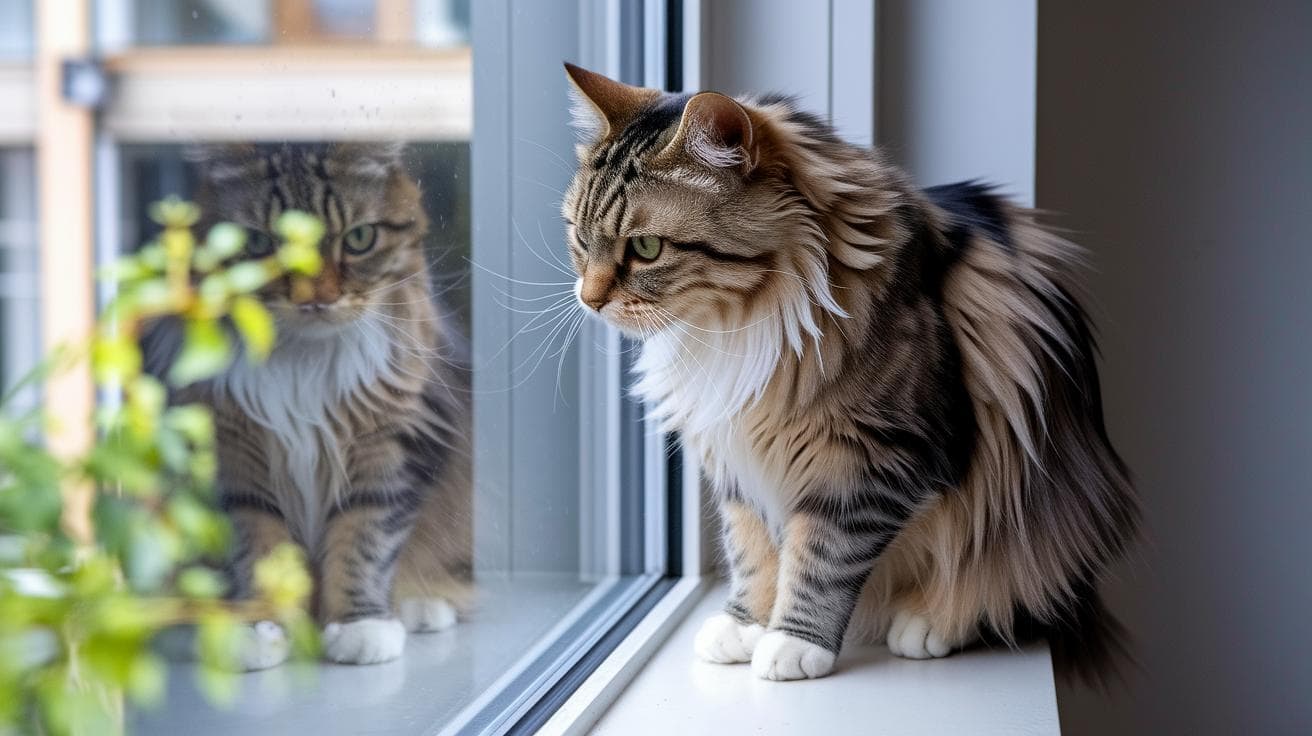
What Whiskers Do – and Why Cutting Them Causes Trouble
Ever watched your kitty’s whiskers quiver before a leap? Those feathery feelers (tiny, touch-sensitive hairs) act like antennae for spatial mapping (making a mental map of the space). They help your cat judge how wide a spot is, sense a breeze around corners, and stick the landing with confidence. Fun, right?
But when we trim those whiskers, our cats lose instant feedback. They might misjudge distances, bump into walls, or hesitate before jumping. It can leave them feeling wobbly, and not in a cute way!
Snipping vs. Plucking: Pain Risks and Follicle Trauma
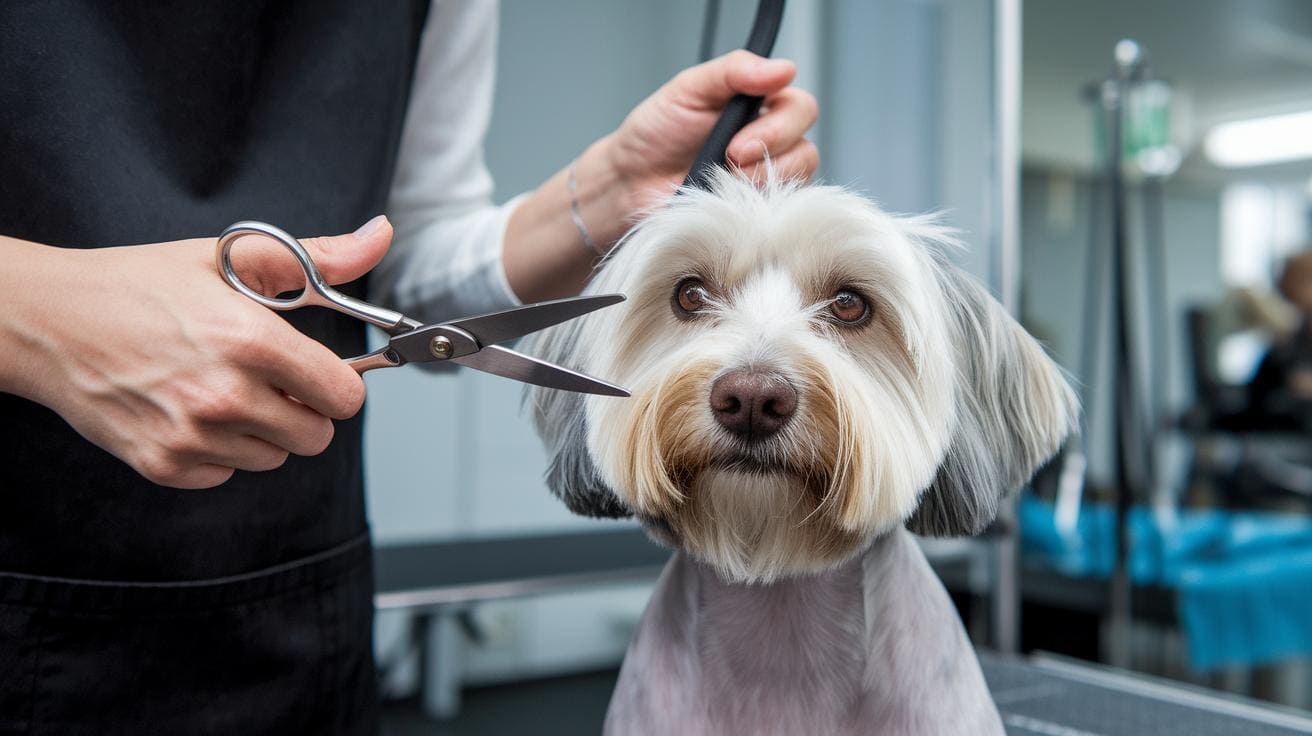
Snipping whiskers above the skin only trims keratin (that’s the same protein as your nails). It’s just dead hair, so your cat won’t feel a thing, no flinch, no blood. The cut stops way before the nerve endings down in the follicle (that’s the root in the skin).
Pulling out a whisker is a whole different story. Each whisker sits in a follicle packed with tiny nerves. When you pluck one, it fires pain signals up the trigeminal nerve (your cat’s main face nerve). Ouch. Your kitty might yelp or hide after that.
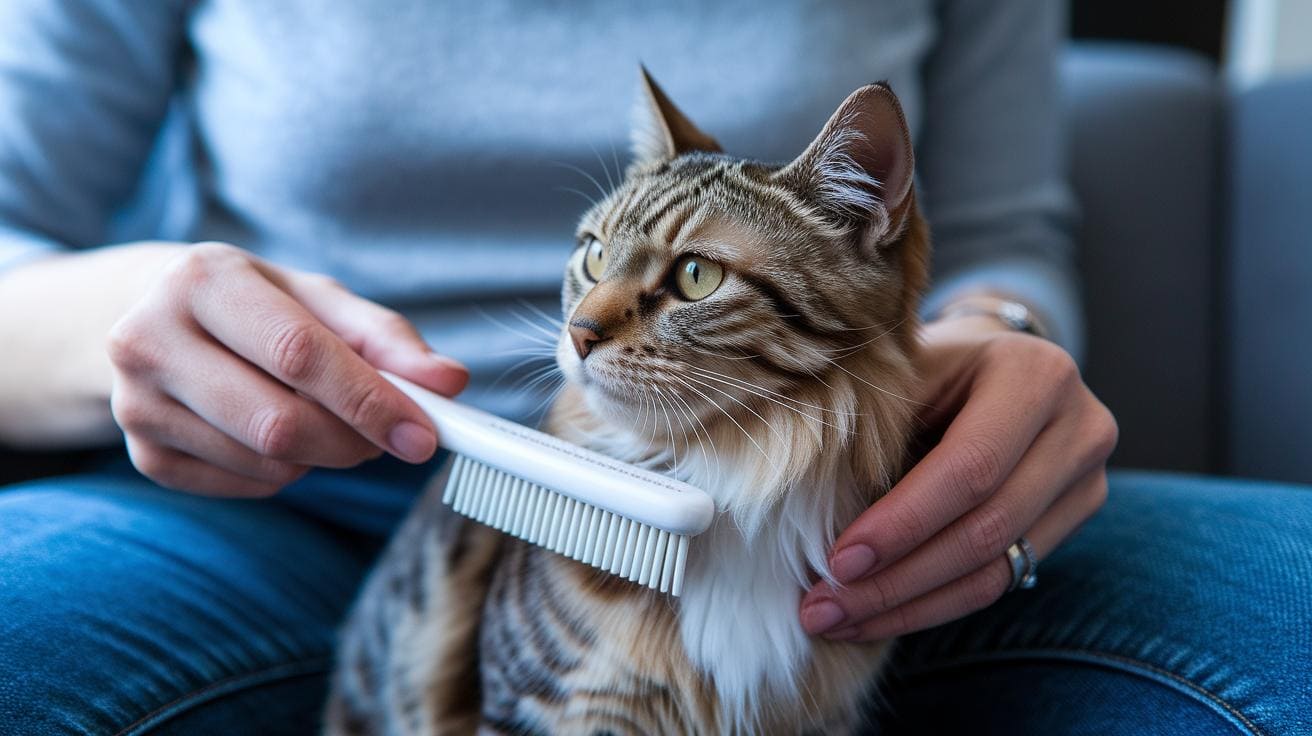
So what’s the game plan? Grab a pair of rounded-tip scissors. Keep them well away from the whisker zone, the cheeks, chin, and above the eyes. Use a fine comb to tease out long fur, then snip only those fluffy bits. Go slow, offer treats, and let your cat take breaks.
Worth every purr.