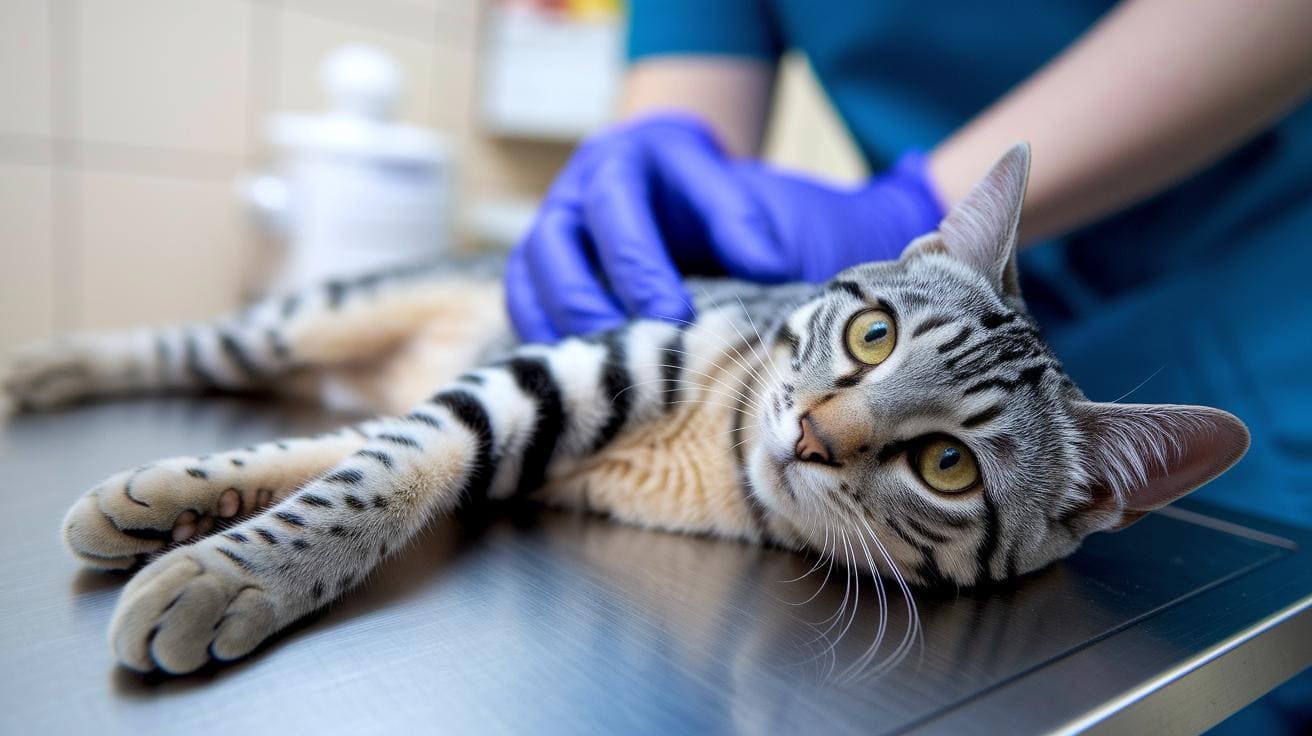
Ever watched your kitty snooze so deeply you think she’s chasing mice in her dreams? It’s adorable. But those extra-long naps could mean something more than a couch cuddle.
I once saw Luna lie still for hours, her soft purr barely there. Turns out she had feline leukemia virus (a contagious cat illness). Catching it early gives her the best shot at more playful days.
Look for these red flags. Is she moving in slow motion? That’s lethargy. Does she feel warmer than usual? A low-grade fever (a slight temp rise) can be a clue.
Next, weigh your girl. Rapid weight loss isn’t normal. Run your fingers through her coat. If it looks dull instead of shiny, that’s a warning sign. Peek at her gums. They should be rosy, not pale. And mouth ulcers? Ouch. That’s one to mention to your vet.
Keeping an eye on these signs means you and your vet can act fast. Soon she’ll be batting feathers, whiskers twitching, and purring up a storm.
Ready to spot these hints before they get worse?
Recognizing feline leukemia virus symptoms: Early and Advanced Signs
Ever seen your cat flop on the floor, her energy just gone? Catching feline leukemia virus (FeLV, a long-lasting cat virus) early gives you more time to help her feel better.
Watch for these signs of infection, whether from that lingering virus or a sudden leukemia flare-up:
- Lethargy & fever: Your kitty moves like slow-motion and feels hot to the touch.
- Weight loss & coat changes: She’ll slim down fast and her fur may look dull or patchy.
- Anemia & pale gums: Gums turn pale pink or white (anemia means low red blood cells).
- Recurrent infections: Every sniffle or scratch just won’t quit.
- Oral lesions & bleeding: Tiny sores or blood in her mouth. Ouch.
Make it a habit to track her weight drop. Feel her lymph nodes (tiny bean-shaped bumps under her jaw) and peek at her gums for paleness. Spotting these early hints lets you and your vet jump in fast. And that can give her a shot at more purr-filled days.
Learn more below
Early clinical signs of feline leukemia virus infection
Ever noticed your kitty napping longer than usual? Spotting early signs of feline leukemia virus helps you act fast and give them the best care. Typical clues include low energy, a mild fever, eating less, a dull coat, weight loss, and swollen lymph nodes (small glands that help fight germs).
Here’s how to keep an eye on things at home:
- Note energy level after play: “Chased a feather toy for two minutes, then curled up.”
- Record appetite: “Ate half her dish before walking away.”
- Take temperature daily with a pet thermometer (under the arm or in the ear).
- Feel coat texture: soft, a bit rough, or looking patchy.
- Weigh your cat once a week on the same scale.
- Gently check lymph nodes under the jaw and behind the knees for any change in size.
| Symptom | Day 1 | Day 2 | Day 3 | Notes |
|---|---|---|---|---|
| Energy | , | , | , | Jumped once onto the couch |
| Appetite | , | , | , | Left food bowl half full |
| Temp (°F) | , | , | , | 102.2, slight fever |
Reading test results can feel tricky. So let’s break down the ELISA test (a quick scan for virus bits in blood) and the PCR test (a detailed DNA check):
- ELISA test: finds viral antigens in blood fast. It’s great for a quick answer but can give false positives after a shot or a brief infection.
- PCR test: spots viral DNA more accurately after about 4 to 6 weeks. It confirms ELISA results.
- Sample collection: your vet draws two tubes of blood, one for ELISA, one saved for PCR if the first test is positive.
- Follow-up timing: if ELISA is positive, repeat the PCR at least four weeks later to make sure it’s a real infection.
When you head to the vet, being prepared makes a world of difference:
- Bring your daily tracking chart with notes and dates.
- Mark the first day you saw each sign.
- Jot down any home care you tried, like extra water or wet food.
- Ask what comes next if the PCR confirms infection.
Hematologic and immunosuppressive changes from feline leukemia virus
Ever see your cat move slower than usual? Feline leukemia virus (FeLV) invades bone marrow (the spongy center of bones where blood cells are made) and immune cells (the body’s germ fighters). FeLV basically hijacks these blood factories, so fewer red blood cells show up. That leads to anemia when your kitty feels weak from a low red cell count.
You might notice pale gums and chalky white eyelids, that faded look cats get when they run low on red cells. Ever watch your cat skip her usual stretch-y yawn before battle mode? Your kitty could lie around more, skipping playtime or chasing a feather teaser.
Low platelets (thrombocytopenia, meaning too few clot helpers) can cause tiny red spots (petechiae) on the skin. Even a small bump might lead to bruises or bleeding that worries you.
And with fewer white blood cells, your cat has a harder time fighting germs. Skin sores, urinary drips, and wounds that refuse to heal are all you’ll see. Fevers that come and go or lymph nodes (tiny bean-shaped germ filters) barely doing their job hint that the immune system is overwhelmed.
In some cats, FeLV pushes bone marrow cells into wild overgrowth, turning into acute leukemia that needs urgent vet care. You may spot a sudden loss of appetite, quick weight drop, or a fast decline in energy. Time to call the vet ASAP.
Catching these symptoms early makes a big difference. Anemia saps endurance, low platelets raise bleeding risk, and weak white cells invite infections.
Spotting feline leukemia virus signs early gives your vet the best shot at supportive care. That means easing your kitty’s discomfort and blocking dangerous infections. Then maybe you’ll have more time for cuddles. Worth every paw print.