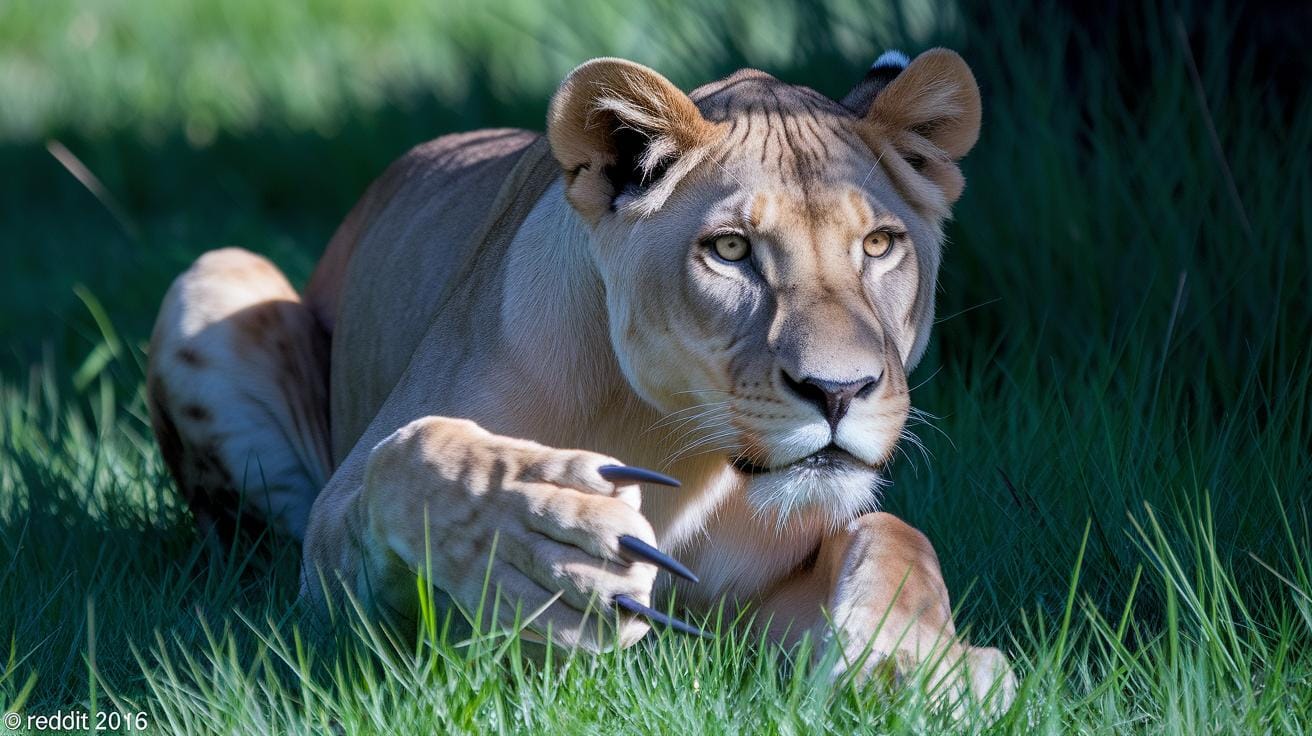
Ever felt the soft thud of your cat’s paw on the floor, followed by tiny hooks flexing against your rug?
You’d think those claws are just sharp playthings.
But they’re actually precision tools your kitty uses to climb, catch, and protect.
Did you know each claw can press with over twenty pounds of force?
Under that soft paw, little bones (hard bits that shape the claw), tendons (stringy tissues that pull on bones), and ligaments (elastic bands that link bones) team up like a tiny toolbox.
It’s like a switchblade that pops out on command.
They fold away too.
When your cat is stalking that red dot or batting a feather toy, the claws stay tucked under the fur.
Silent.
Ready to spring at a moment’s notice.
Let’s peel back the layers behind each pounce, scratch, and climb.
You’ll discover how claws work with perfect timing and strength.
Seriously.
It’s claw-tastic.
Cat Claw Anatomy and Biomechanics: Core Summary
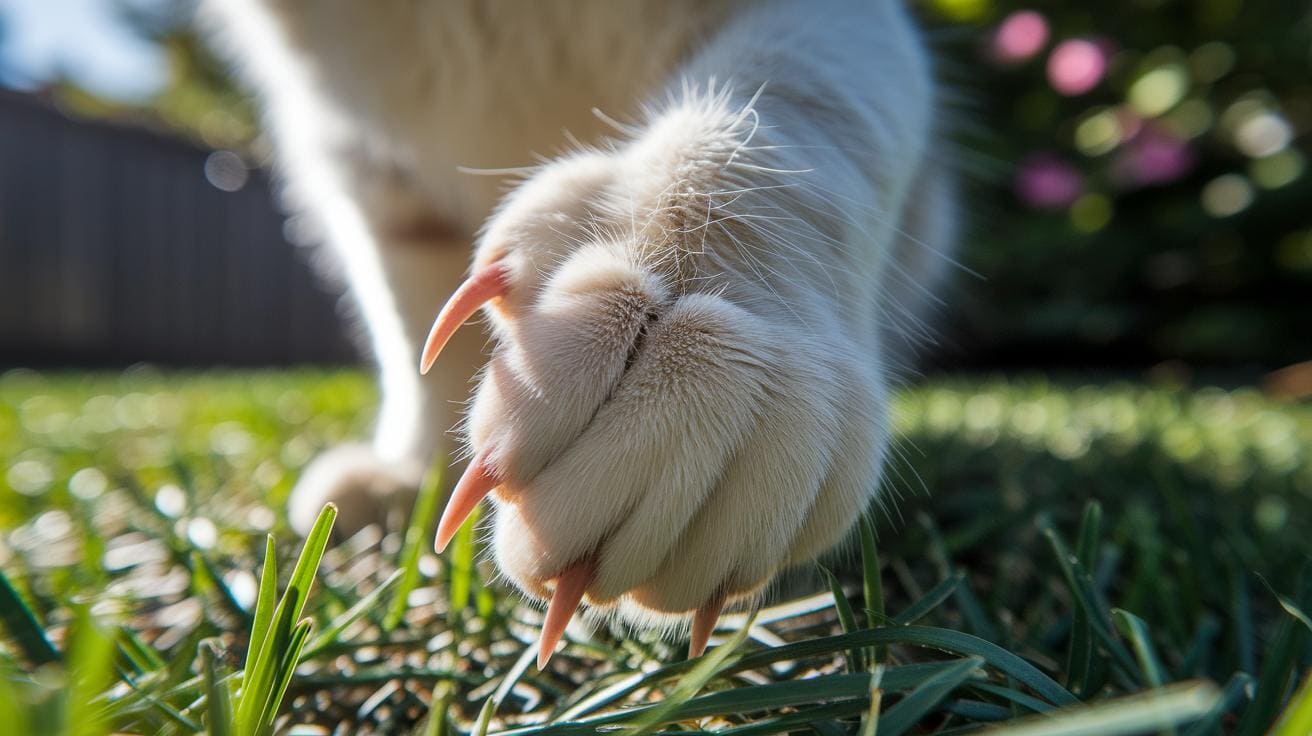
Ever wondered how do cat claws work? It starts at the third phalanx, the little bone at each toe’s tip. This bone holds a growth center fed by blood vessels and nerves, so claws develop right around it. Think of a tiny switchblade popping open and snapping shut, that’s your cat’s claw in action thanks to precise feline nail anatomy.
The retractable nail mechanism relies on flexor and extensor tendons plus elastic ligaments. When a cat flexes its paw muscles, a flexor tendon pulls the claw out for scratching or hunting. Then the extensor side relaxes and an elastic ligament tug-back lets the claw tuck neatly into the fluff between toes. This combo lets cats stalk silently or grip bark without wearing down every edge.
Claws aren’t one-and-done tools. They grow continuously from the distal phalanx, adding keratin layers like rings on a tree. Old outer layers slough off when your cat scratches a post or rough surface, revealing a fresh, razor-sharp shell. This self-renewal keeps claws ready for play, climbing, and defense, so you never have to ask again how do cat claws work when you see them pounce.
Cat Claw Growth Cycle and Maintenance
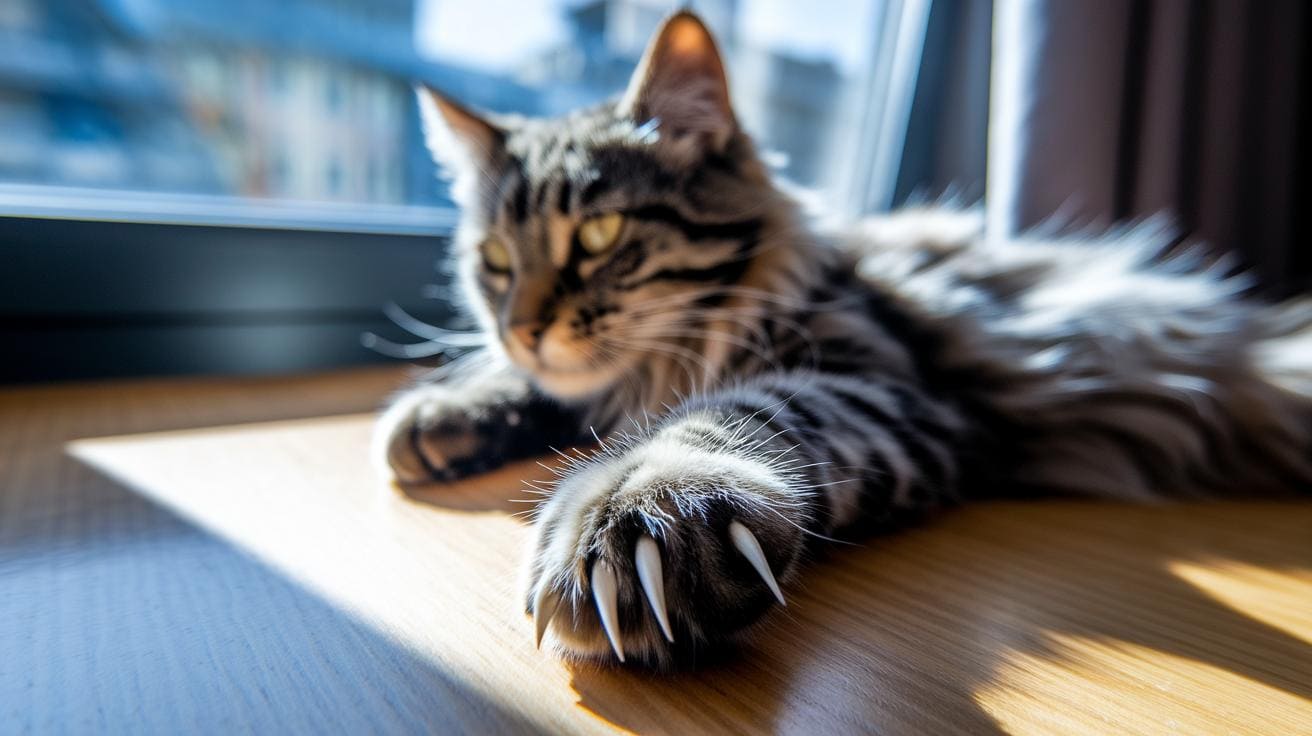
Ever watched your kitty knead the carpet until you hear that scratch-scratch sound? Those claws grow from the quick (the pink, blood-rich core at each claw’s base) and layer on keratin (the tough protein in nails and hair). When your cat scratches rough surfaces or a post, old sheaths (the outer coverings) slough off. So yes, do cat claws grow back? They sure do, as long as the quick stays healthy and injury free.
Nutrition plays a big part in claw health. A diet rich in biotin (the B-vitamin that builds strong nails) helps keratin form tough layers. And plenty of water keeps sheaths (the claw’s outer shell) flexible so they peel away clean.
Kittens learn to retract (tuck away) their claws and grow proper sheaths by about four to eight weeks old. Senior cats often get thicker nails and slower sheath shedding as they age, and some are born with misshapen nail beds that can cause ingrown claws. Watch for dry air or big humidity shifts. Your cat might cast extra sheaths in those seasons.
Keeping claws trim and split free is easier than you think. Check every six to eight weeks or whenever you spot a curl.
Steps to a purr-fect trim:
- Gently hold your cat’s paw and press between the pads to reveal the claw.
- Snip only the clear tip, never the pink quick (ouch!).
- Use sharp, cat-specific clippers (like little nail scissors) and cut at a slight angle.
- If you nick the quick, stay calm, then dust on some styptic powder.
- Whisper sweet words or offer a treat to turn this into bonding time.
Routine checks plus a healthy diet keep each claw in tip top shape. Worth every paw print.
Functional Roles of Cat Claws in Hunting, Climbing, and Defense
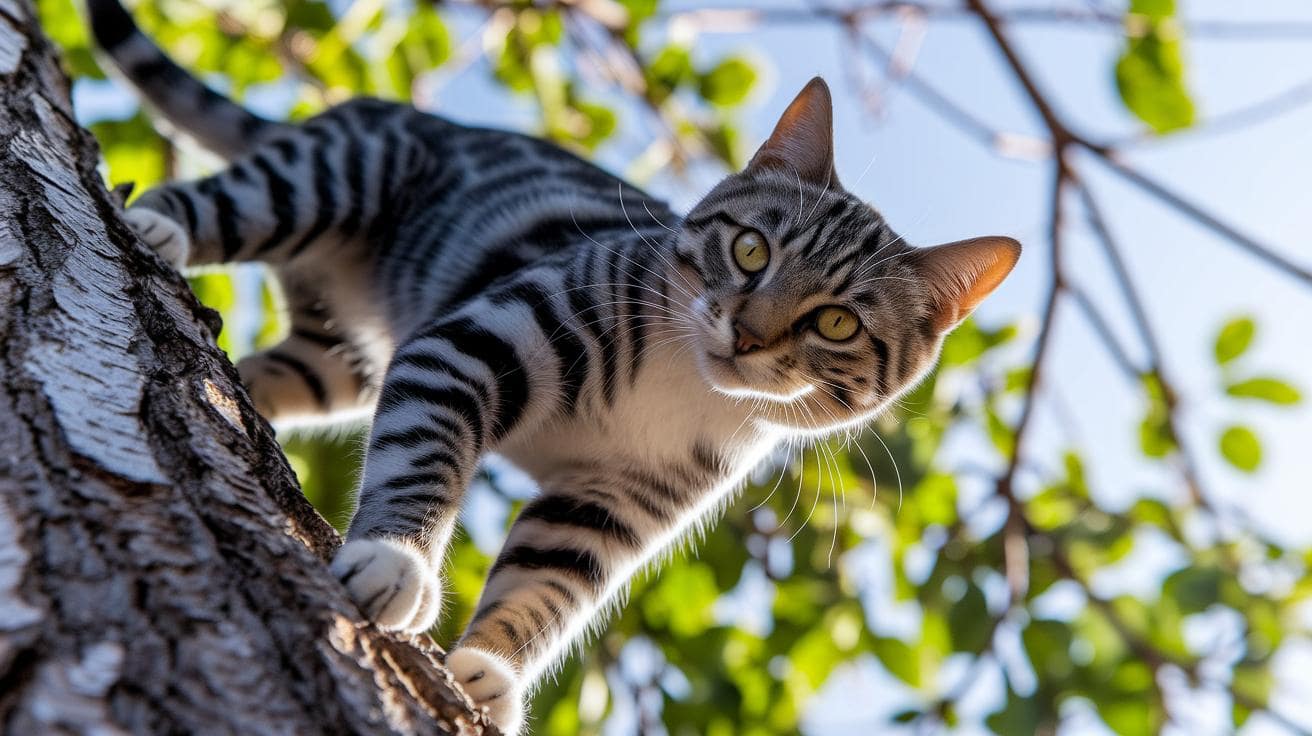
Sharp, retractable claws are like your cat’s built-in catcher’s mitt. Each curved keratin (the tough protein in nails) tip can pierce fur or scales, grabbing on with about 50 N (roughly 11 pounds) of force. Ever spot your cat’s whiskers twitch as it creeps across the floor? That silent sneak only works because the claws hide until the exact moment of the pounce, then they shoot out in a blink.
Claws are climbing champs, too. When your furball springs onto a tree limb or the back of your couch, those hooks dig into bark or upholstery, anchoring it by the distal phalanx (the tiny bone at each claw’s base). You might hear a soft thud as they latch on, then feel the satisfying pull as your cat hauls itself up with perfect balance.
And for defense? Those slashing arcs are more than drama, they’re a clear “back off” message to anything scary. With a flex of the paw, cats unleash razor-edge hooks faster than you can blink! Oh, and between their toe pads, scent glands deposit teeny pheromone drops, kind of like cat graffiti marking their turf.
Claws even moonlight as a grooming tool. Your kitty will scratch rough surfaces to peel away old sheaths of keratin and loose fur, revealing a fresh, sharp edge. Seasonal sheath-shedding keeps every claw ready for the next chase or an epic climb to your highest windowsill.
Behavioral Insights: Scratching, Kneading, and Territory Marking
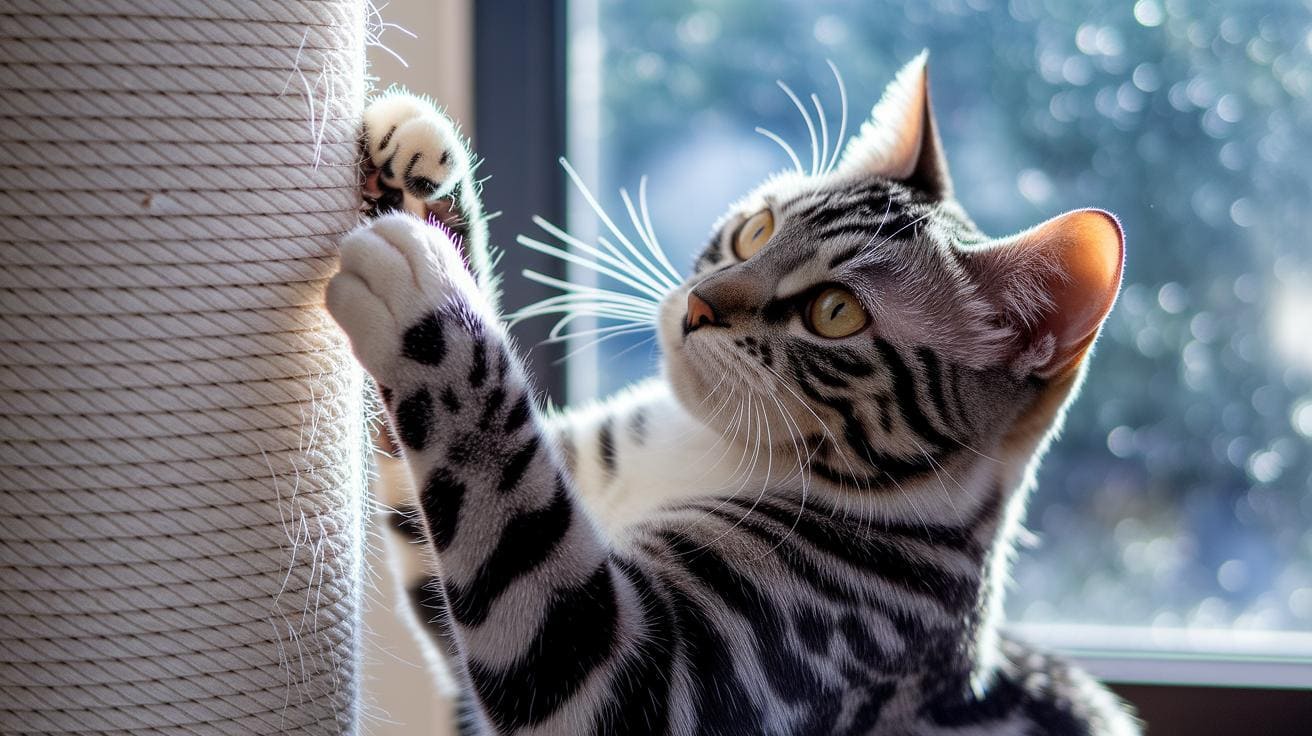
When your cat arches its back and digs in, that’s the scratching instinct in action. It stretches forelimb muscles, peels away old sheaths (the outer claw covers), and sharpens each keratin (tough protein) tip. Ever watched your kitty spring onto a scratcher, claws out like mini grappling hooks? It’s a muscle workout and a claw tune-up in one satisfying swipe.
But scratching isn’t just a nail tune-up. Those scent glands in paw pads are like tiny perfume pumps, leaving pheromone messages that say “this is mine” to other cats. Sometimes you’ll spot frantic, racing scratches, that’s your cat kicking out stress or boredom. No proper outlet? Poor couch turns into a midnight talon assault.
Kneading goes back to kittenhood, when paws pressed mama’s belly to coax milk. Now adult cats press and purr for pure comfort. Their claws flex and retract as they massage fur and skin, spreading natural oils that keep coats sleek and shiny. It’s grooming and a cuddle all rolled into one.
To keep claws happy and furniture safe, try these enrichment ideas:
- A scratching post wrapped in sisal (a rough twine from agave plants), carpet, or sturdy cardboard
- Interactive scratch toys with dangling feathers or rolling balls for extra fun
- Grooming gloves for a quick rub-and-pet session that removes loose fur
- Nail caps or gentle trimming, especially helpful for polydactyl cats (those with extra toes)
Set out the right tools and watch your kitty switch from couch attacker to happy scratch machine. Happy paws, happy home.
Claw Health and Medical Considerations
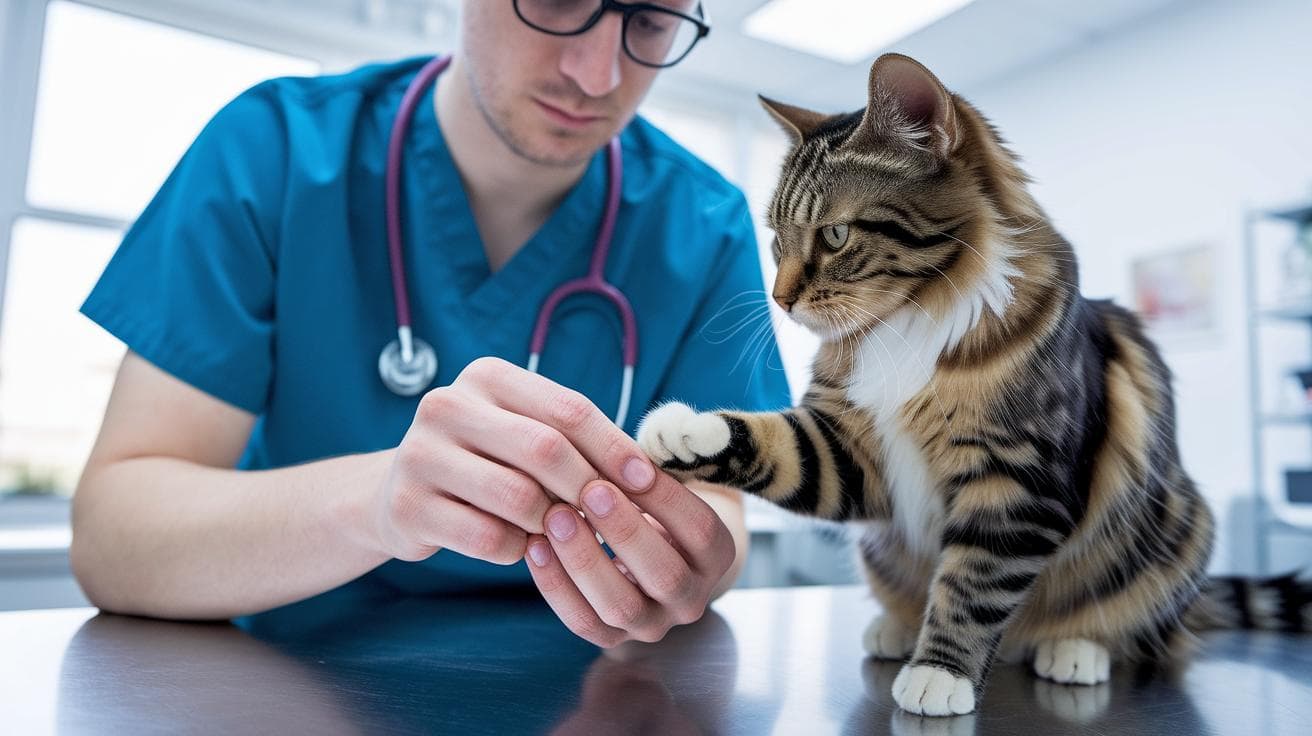
Ever notice your cat’s claws curling strangely or crumbling like chalk? That could be onychodystrophy (a nail growth problem). When claws get brittle, they crack and let germs in. And if your long-haired buddy has fluffy paw fur, those toes can pick up a fungal infection (think itchy red skin). Your vet can prescribe topical antifungals (creams or liquids that fight fungus) if it won’t quit.
Some kittens inherit nail disorders, so start checking their claws early, like as soon as they start exploring. And to prevent pad abrasion, swap rough surfaces for sisal scratchers (a strong rope mat). Your cat’s paws will thank you.
Ouch. Clip the quick (that pink, blood-rich core) and it bleeds fast. Press a little styptic powder (a powder that stops bleeding) to seal the wound and calm your cat. If your kitty limps more than a day, an ultrasound (sound waves that peek under the skin) can spot torn tendons. An X-ray will show if a bone chip needs fixing.
For deeper damage, an MRI (a detailed scan like an inside-body camera) helps find hidden sheath or ligament tears. Many vets use laser therapy (a precise light beam) to speed tendon repair so your cat can leap without wincing.
Speaking of help, professional groomers with a vet background can trim claws safely and recommend padded scratch mats. That way your cat’s pads don’t get scraped while healing.
Cat scratch disease lurks in stray punctures, so wash every scratch right away with mild soap and water. If your kitty feels sore after a trim, ask the vet about joint-friendly gels or a gentle paw massage to ease discomfort.
Declawing? Big debate. Many cat lovers choose soft caps (tiny nail covers) or extra training instead of removing the nail bone. It’s more humane. After an injury, slow play sessions and low-profile posts help your cat rebuild confidence. Some vets even team up with rehab specialists to craft a healing plan made just for your kitty.
Alternatives to Declawing: Protective Measures and Enrichment

Soft nail caps (small plastic covers glued over the keratin sheath (the outer nail layer)) help blunt those pointy tips for about four to six weeks. They slip on like tiny sneakers, so cats can stretch, climb, and scratch without turning your couch into modern art. When the caps start to wear or it’s time for a trim, just swap them out (see do cat claws need to be trimmed). You’ll save your furniture and keep your kitty feeling feline fine.
Anti-scratch furniture covers and double-sided tape strips give cats a not-so-fun texture to shred, um, gently steering them away from your sofa. A quick spritz of pheromone-free repellent spray on arm rests can nudge them toward sisal-wrapped posts or carpeted ramps. Then toss in an interactive scratch toy (think cardboard scratcher with dangling feathers) for extra claw-tastic fun! Really.
Worth every paw-print.
Many places now ban declawing outright. It’s against the law in more than 20 countries. Vets and rescues often push for soft caps and behavior training instead of amputation, because removing the entire third phalanx bone (the last joint in the toe) can alter a cat’s gait and cause chronic pain. In truth, it’s all about your cat’s well-being.
If you have a polydactyl pal (that’s a kitty with extra toes), measure each paw carefully and trim more often. Custom cap sizes plus regular clipping (and tips from do cat claws need to be trimmed) help extra-toed friends keep their claws in shape. Some breeders even choose for tougher keratin (that’s the hard part of the nail) so claws stay strong naturally.