
Ever jumped in your slippers when your kitty let out a surprise hiss? That scratchy “hss” can feel like a door slamming. But really, it’s your cat’s way of saying “I’m uneasy.”
Think of that rasp like a flashing warning light (kind of like the low-battery beep on your remote). It pops up when your furball needs a break, maybe they’re overstimulated or spooked.
In this quick guide, we’ll show you what your cat’s hiss really means and how reading those signals can calm a stressed feline. Notice the ears folding back, the tail flicking like a little whip, or the fur standing up like tiny bristles.
Catch these clues early and you can step in with a soft voice, a slow blink, or a tasty treat, whatever soothes your cat’s nerves. Before you know it, those panicked hisses will melt into happy purrs. It’s the purr-fect way to tune into your cat’s mood.
Decoding Your Cat’s Hissing: What It Means and Why It Happens
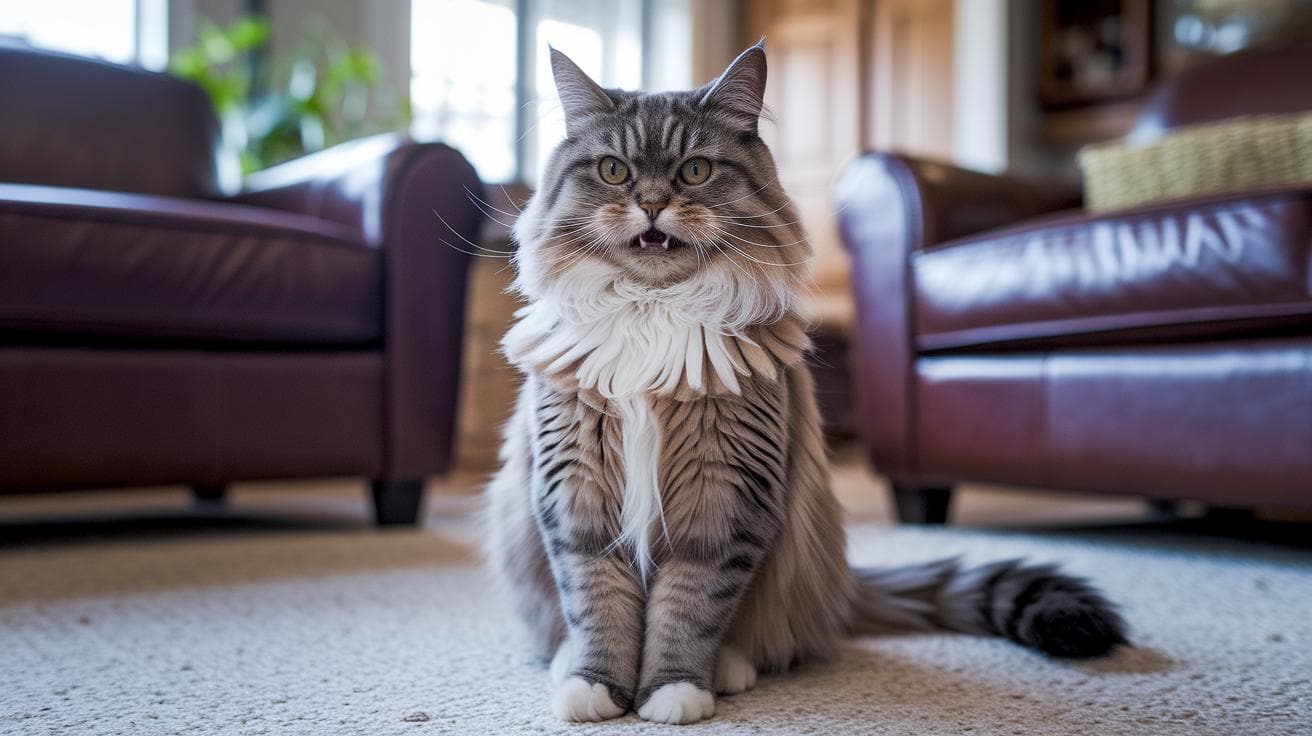
Ever heard that sharp rasp and felt your heart skip a beat? That hiss is your cat’s alarm bell saying, “I feel threatened.” Most of the time it boils down to fear, stress, or a bit of grumpy aggression. Think of it like your cat’s low-fuel light for emotions, when it flashes, you know something’s off.
Body language fills in the rest of the story. When those ears flatten like little shields and pupils blow up wide (ready for night vision), your kitty is on high alert. An arched back and fur standing up (imagine a bristled paintbrush) mean “I’m ready to defend myself.” And that stiff, low tail with quick flicks? It’s punctuation on the hiss, take it seriously.
So what sparks that warning? Spotting the trigger helps you calm things down fast. Next time you hear a hiss, look for these common stressors:
- Unfamiliar people or pets
- Sudden movements or loud noises
- Feeling cornered with no escape
- Pain, illness, or discomfort
- Too much petting or rough play
Give your cat space or remove the stressor, and you’ll often see those whiskers relax in no time. Worth every paw-print.
Body Language Clues That Signal a Cat’s Discomfort
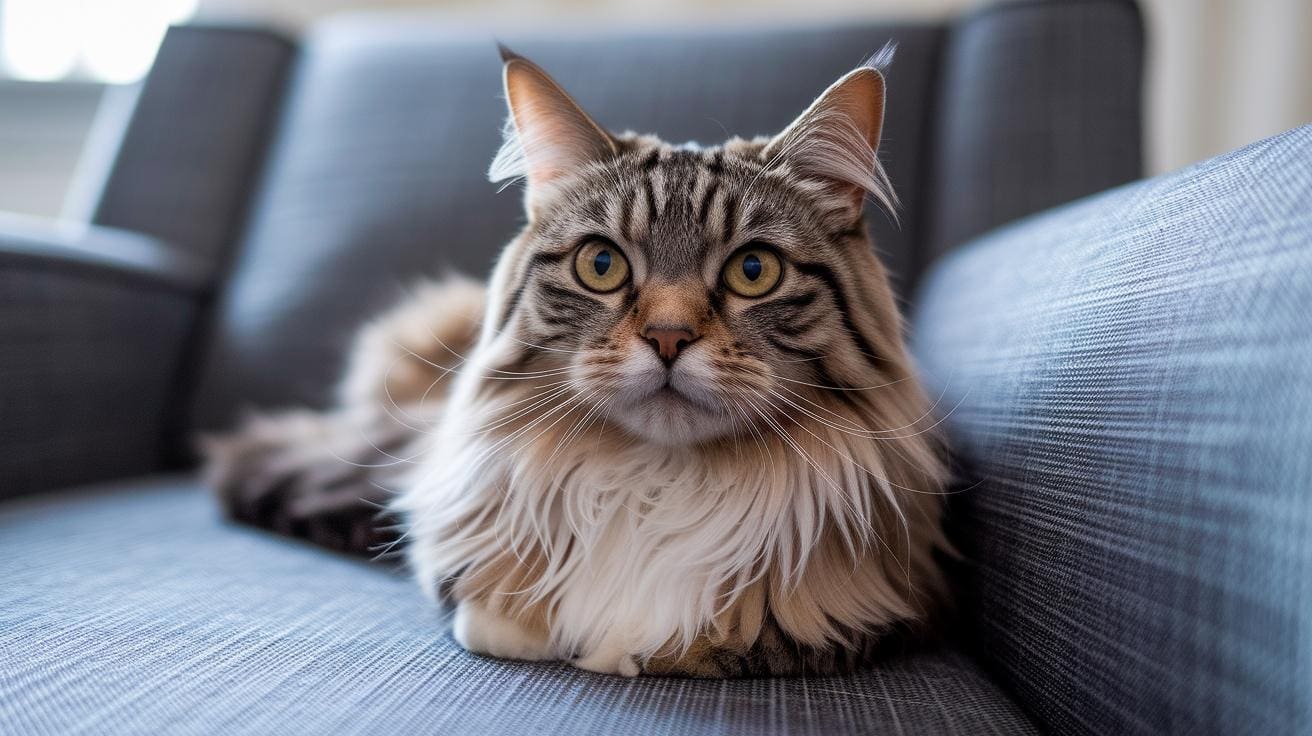
Have you ever heard a territorial hiss? That sharp hiss often comes with ears pressed so close to the head they almost vanish. At the same time, the fur along your cat’s back stands up like little paintbrush bristles, and the tail tip flicks back and forth fast. It’s your kitty’s way of shouting, “Give me space!”
But a play-aggression hiss sounds almost the same, just more subtle. The ears rotate sideways, the pupils turn into thin slits instead of big round moons, and the tail swishes low and slow. Think of it as a gentle heads-up: your playful tiger might be getting overstimulated rather than flat-out angry. Ever watch your furball zoom from purr to “nope” in seconds?
Troubleshooting tip: in a multi-cat home, when you spot those paintbrush fur and flattened ears, try plugging in Feliway diffusers (a plug-in scent diffuser that helps calm cats) near doors and cat paths. It can ease tension and give each furball its own escape route. Next time the hiss starts, everyone can find a cozy hideaway.
Everyday Triggers Behind Cat Hissing Episodes
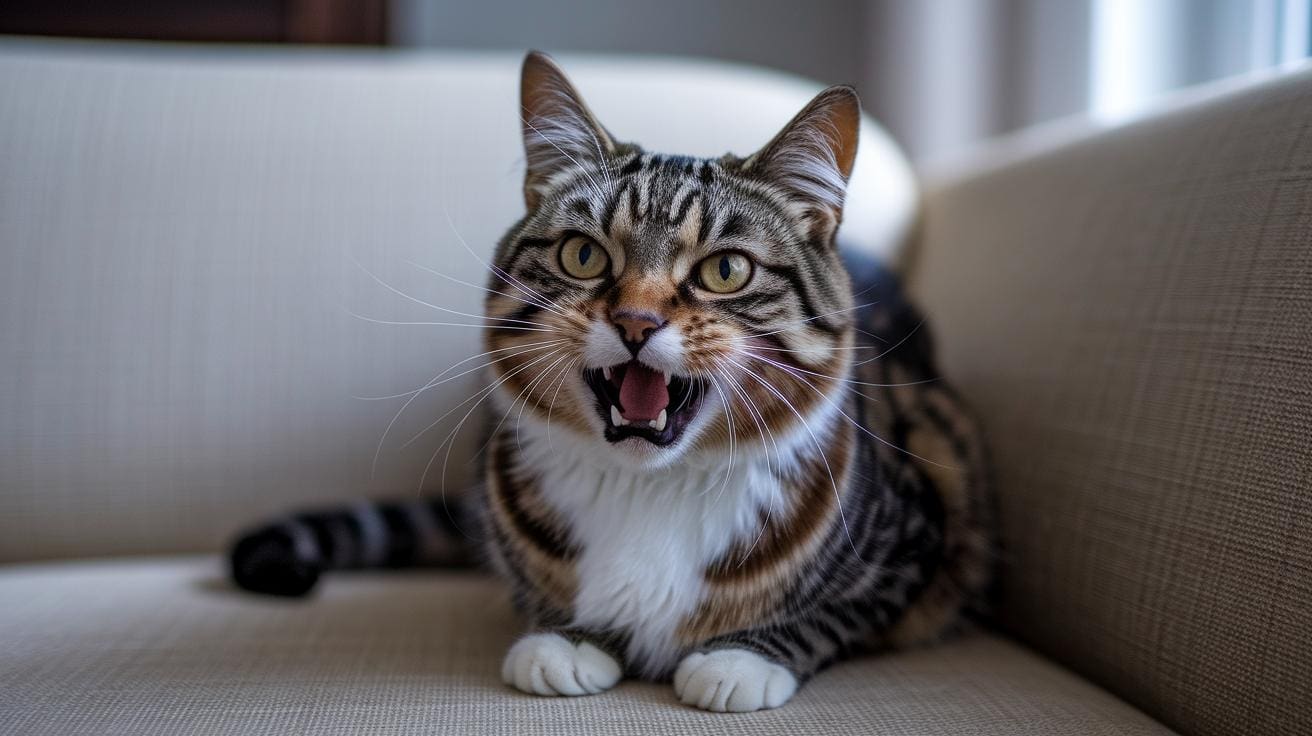
Ever had your kitty suddenly let out a hiss? It usually means she's reached her limit. You might see her whiskers twitch, her tail puff up or her freeze in place. Um, fur real these are clear signals she needs a break.
- Petting overload. One too many back and forth strokes can test your cat’s patience. Soft purrs turn into sharp hisses.
- Strange faces. A new person or another cat in the house can send your furball ducking under the couch. Try separate feeding spots, tall perches (like a high cat shelf) and easy escape routes so no one feels trapped.
- Noisy surprises. Vacuum roars, slammed doors, rearranged furniture or sudden thunder can spook even the calmest kitty. Oops, that rumble might be too much.
- Secret aches. Joint stiffness (when her joints feel as stiff as a creaky door hinge) or tooth pain can show up as a hiss if you touch a sore spot.
Worth every paw print.
Gentle Techniques to Soothe a Hissing Cat
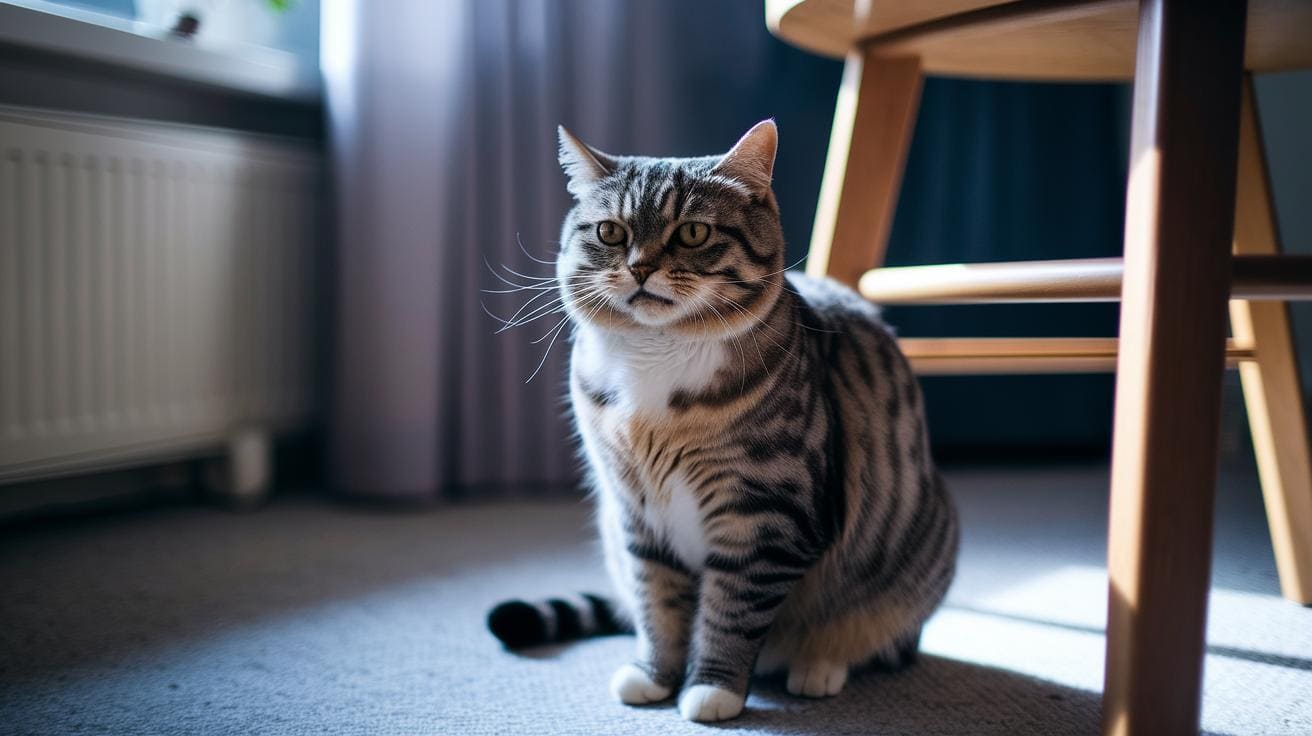
So your cat is hissing. Ever watched your kitty flatten its ears? That scratchy warning means they feel nervous or scared.
The first thing you can do is give them plenty of room to breathe and calm down. Avoid making sudden moves or staring right at them. Take a step back (literally) and just watch quietly.
Next, you can try a calming pheromone diffuser (a plug-in that releases cat comfort hormones). The soft scent can help keep things mellow. After your furball settles, often hours later, you’re ready to rebuild trust with soft words, gentle side steps, and tiny treats.
How to Help Your Hissing Cat
- Let them duck into a safe spot without interruption.
- Talk in a low, soothing voice.
- Remove obvious stressors, like a loud vacuum or a barking dog.
- When you approach, come in from the side so you’re not looming over them.
- Crouch down at their level and offer a little treat or catnip pinch.
These slow, respectful steps help your kitty learn that calm moments bring rewards.
What Not to Do
Don’t stare into those wide eyes or block escape routes, your cat’ll feel cornered.
Avoid forcing pats or picking them up, which can backfire into more fear.
Loud voices, sudden claps, or scolding can turn a hiss into a scratch.
Skip any punishments, you’ll just teach them to hide longer next time.
Remember, patience and space are the real clawsome way to rebuild trust. Worth every paw-print.
Enrichment and Environment Tips to Prevent Future Hisses
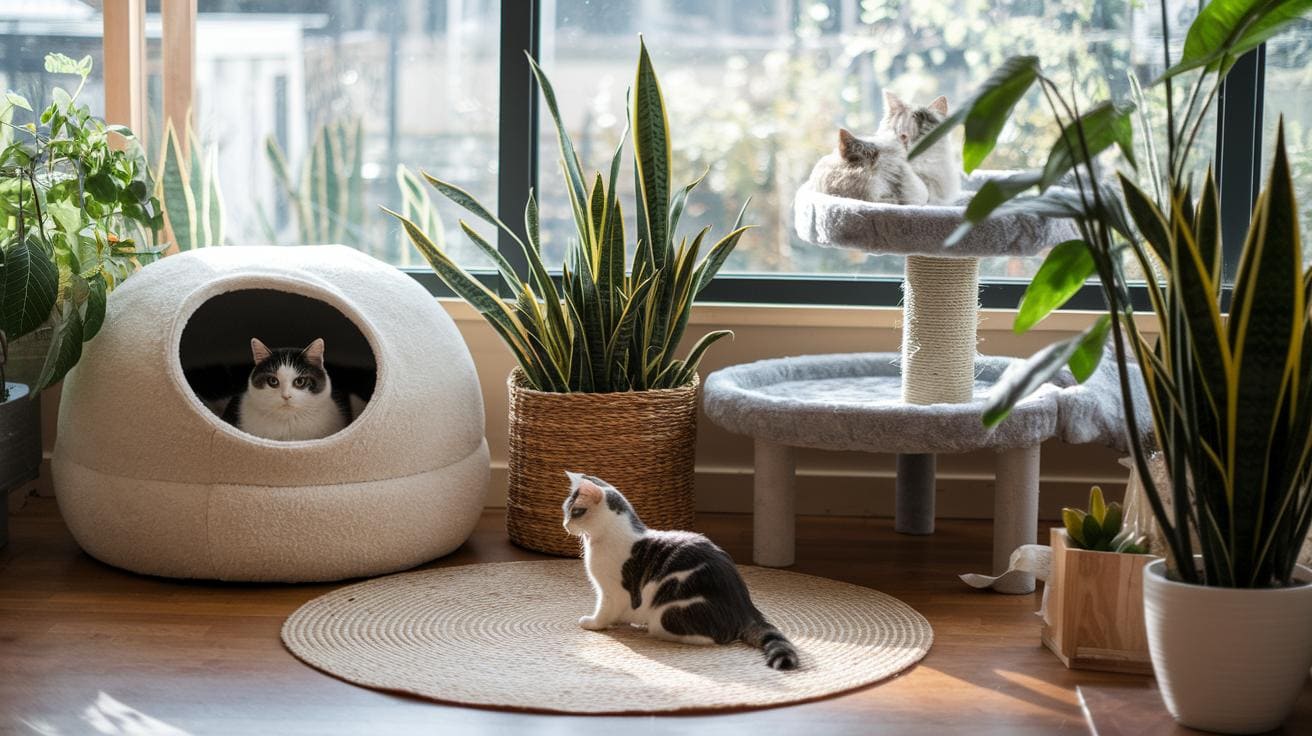
Let’s start with your cat’s space. Offer a covered bed (think a soft hideaway) or a snug box where your kitty can slip away when it needs a break. Ever watched your cat curl up in a little cave? It’s pure bliss. Next, add some high perches, shelves or a window ledge, so they can feel like a queen surveying her kingdom. Then toss in a cat tree topped with scratching posts (sturdy poles wrapped in rough fabric). They’ll climb, scratch, and peek out without feeling cornered. Finally, sprinkle puzzle feeders (toys that hide treats inside) on those shelves, snack time turns into a little brain game that eases tension.
Build a daily rhythm your cat can count on. Feedings at the same times every day help them feel secure, you’ll both know dinner’s at 6 p.m. Structured play sessions in the morning and evening burn off extra zoomies. Try a feather wand that makes a soft flutter or a small ball that goes “thud” across the carpet. Rotate interactive toys so each game feels new and exciting. It’s like free cat therapy, your kitty gets exercise, mental work, and something fun to look forward to.
Let visitors meet your cat on her terms. Instead of surprise face-to-face greetings, have guests roll a toy mouse or drop a treat into a bowl first. Ever seen a cat’s whiskers twitch at a moving treat? Magic. Use clicker training (a little gadget that makes a click sound) for easy “sit” commands or even high-five tricks, each click means a treat is coming. Short social games turn new faces into friends and help shrink those hissing episodes into tiny, fluffy memories.
When Cat Hissing Signals a Health or Behavior Concern
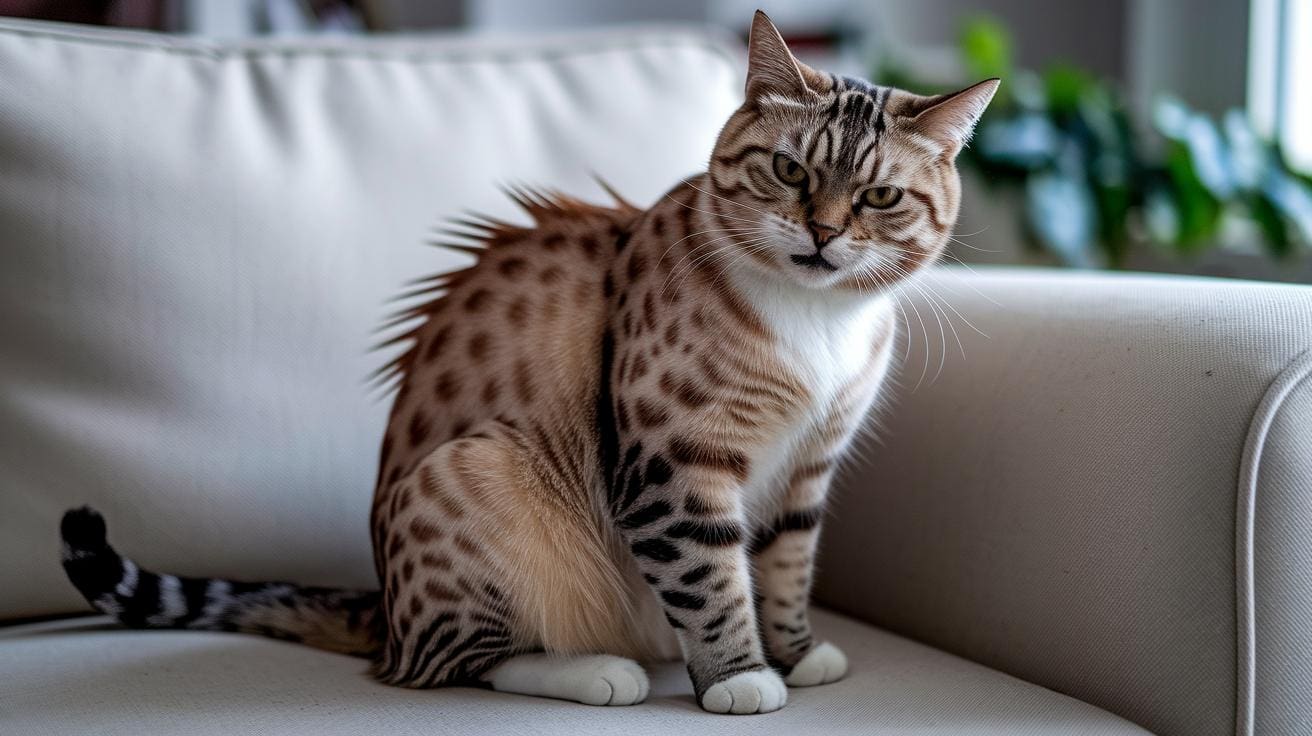
Ever notice your cat’s whiskers twitch right before a hiss? If that hiss pops up more than a couple times, it could point to a hidden health issue. Hissing can be a pain signal. Maybe your kitty has dental pain (aching teeth), arthritis (joint pain that feels stiff), a urinary tingle (burning or straining when peeing), or irritated skin. Watch for tiny clues: a sudden limp, extra grooming that leaves bald spots, or a drop in appetite. And if hissing comes with low energy or strange bathroom habits, it’s time to call the vet.
But what if the hissing doesn’t stop even after you soothe the room? That’s when behavior help can save the day. A feline behaviorist can spot stress triggers you might miss and teach your cat fresh coping skills before those hisses turn into scratches. Nobody wants that kind of drama.
Here’s when to call the vet or see a behaviorist:
- Hissing plus appetite drop, limping, or hiding? Call the vet.
- Growls or yowls that sound like sharp pain? Call the vet.
- More than two hissy fits in one week with no clear cause? Call the vet.
- Hissing that keeps up after you’ve tried gentle calm-down steps? See a behaviorist.
- Hisses leading to bites or scratches on family members? See a behaviorist.