Ever pictured yourself curled up with a purring furball, only to have a sneeze fest instead? Ever had your nose tickle just from petting a kitty? You’re not alone. Sneezy cat lovers, rejoice!
We’ve rounded up ten feline pals, some fluffy, some sleek, that make less Fel d1 protein (the main cat allergen). They kick out fewer dander clouds (tiny skin flakes cats shed), so you can breathe easier.
Picture yourself brushing a Siberian’s thick coat (it sheds less than most breeds). Or feeling the velvet ripples of a Cornish Rex fur. Soft whisker tickles and a gentle purr rumble, minus the pollen.
In this guide, we’ll share each breed’s coat quirks and cuddle score, so you can find your new best friend. Next, let’s meet your purrfect, sneeze-free companion.
Purr-fection without the sniffles.
What Breeds of Cat Are Hypoallergenic and Lovable
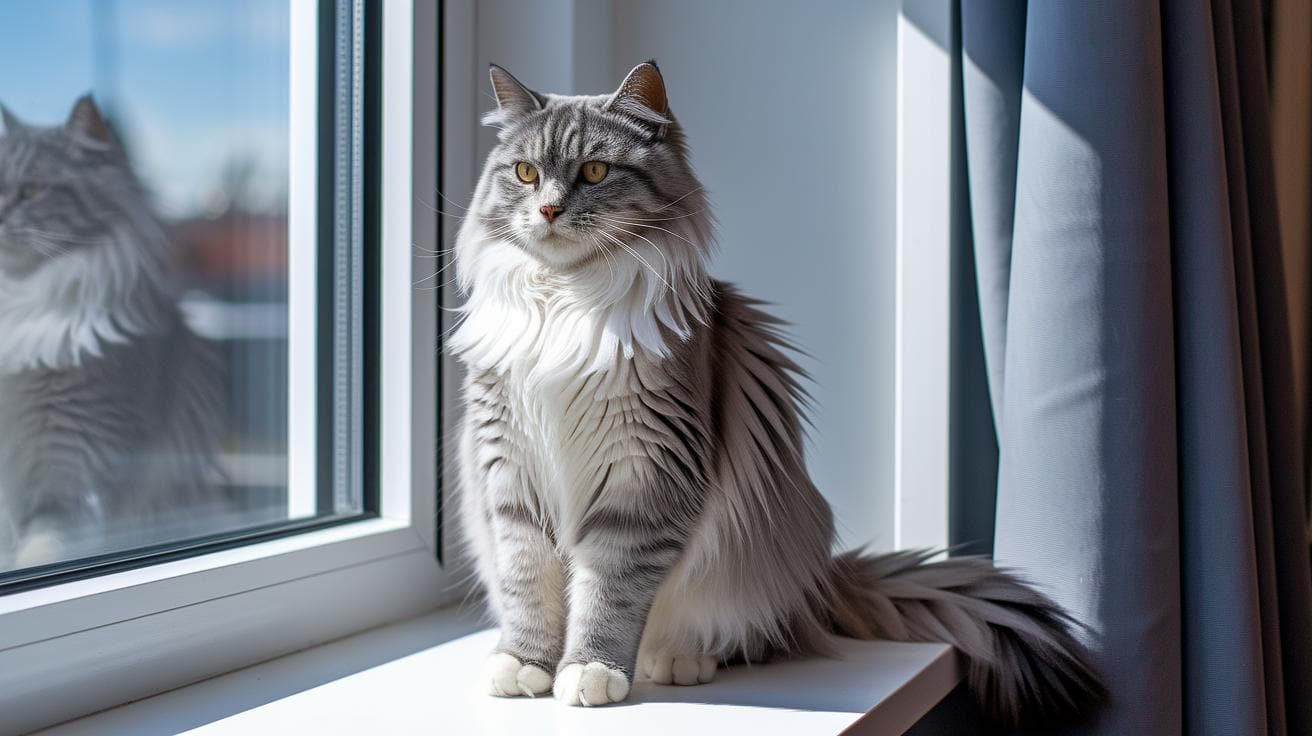
Looking for a purrfect pal that won’t have you sneezing? These ten breeds make life easier for sensitive noses by producing less Fel d1 protein (that pesky cat allergen protein) and fewer skin flakes (dander). Ranked by how much they shed and dander levels, here’s our claw-some list. Ready to meet your new best friend?
-
Snowshoe
Snowshoe cats sport extra-short, dense coats that barely shed. You’ll love the soft thud of their plush paws padding across your lap. -
Devon Rex
With short, curly fur (soft waves that trap oils), Devon Rex kitties shed very little. Fur real, you’ll spend more time cuddling than sweeping. -
Cornish Rex
These cats have a single-layer short coat with ultra-soft curls that feel like velvet. Less fluff flying around means more time for playful backflips. -
Siamese
Siamese cats wear short, dense fur that stays smooth most of the year. They only shed a bit when seasons change, so you’ll dodge giant fur clouds. -
Bengal
Bengals sport sleek, single-layer coats that hardly shed. Plus, they leave less saliva on their fur, so fewer allergen spots after grooming. -
Russian Blue
Russian Blues boast a plush underlayer (double coat) that’s surprisingly low-shedding. Their silvery-blue fur is as soft as velour. -
Oriental Shorthair
With a sleek, short coat, Oriental Shorthairs keep dander to a minimum. You’ll barely notice they’re even there, until they want head scratches. -
Sphynx
The hairless Sphynx has only fine peach-fuzz (thin, soft skin hairs) and no fur to drop. Baths once a week help clear away oils and stray flakes. -
Balinese
Balinese cats flaunt a long single coat that sheds less than most longhairs. It’s like having a fluffy friend without the tumbleweeds. -
Siberian
Siberians rock a thick triple layer (fluffy undercoat plus two more) that barely sheds outside their big moults. Think of a walking cloud you can hug.
Which one has your heart?
Variations in Fel d1 Production and Dander Across Hypoallergenic Cats
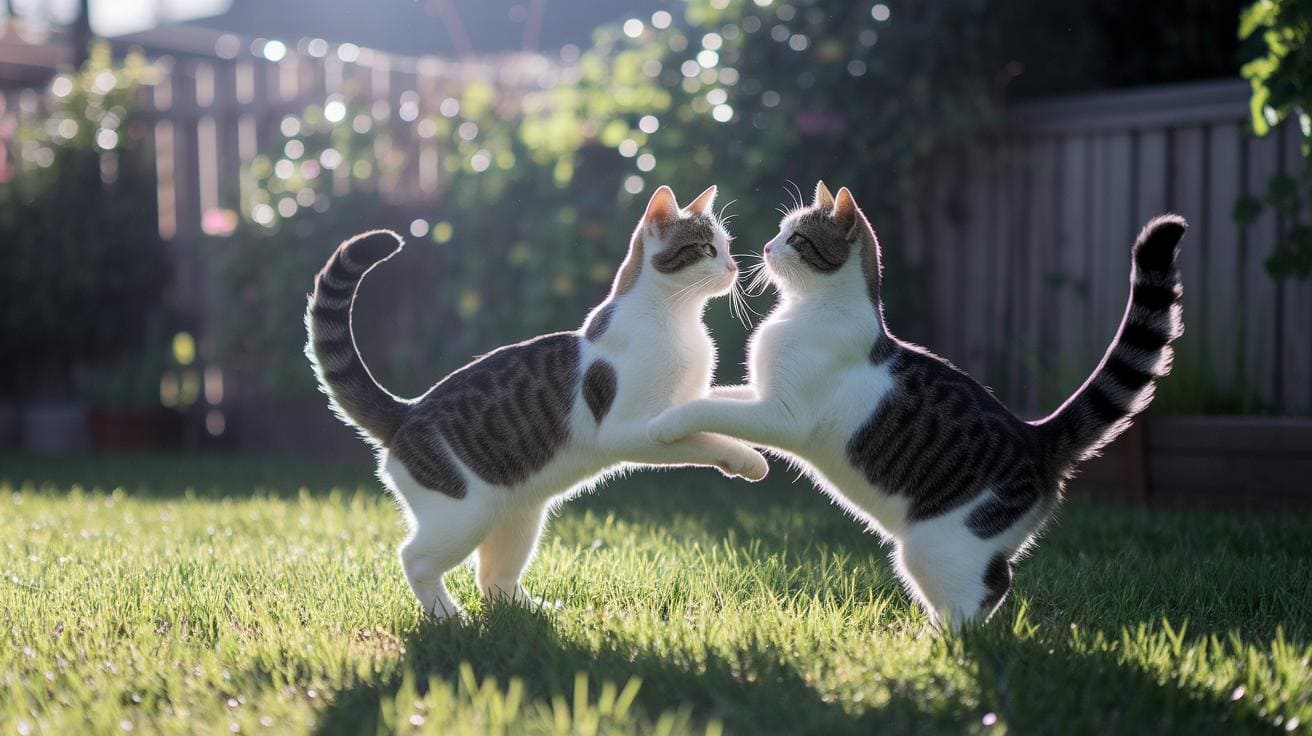
Ever notice your nose going crazy when your cat jumps on you? It’s usually the Fel d1 protein (main cat allergen) in their saliva, skin oils, or urine, with a little help from Fel d4 (another itchy culprit).
And those microscopic flakes of dead skin called dander (think of them as tiny confetti) love to hold onto these proteins. They float through your home or land on your couch, turning cuddle time into a sneeze fest.
Some breeds just shed more dander than others. Female cats tend to make fewer allergens than males, and neutered males (fixed to stop breeding) drop less Fel d1 protein than unneutered toms (intact males).
Picking a low-producer breed really cuts down on floating dust bunnies. That means more purrs and fewer sneezes when you’re hanging out.
No kitty is 100 percent allergen-free. But choosing one of the low-Fel d1 breeds means fewer sneeze attacks on cuddle duty. Picture brushing a silky Devon Rex coat (a soft, curly-haired cat) and watching tiny flakes slide off your slicker brush. Isn’t it nice when less is more?
To keep dander at bay, pair your breed choice with simple routines. Wipe down your cat’s favorite nap spots with a damp cloth and run an air filter (a machine that cleans the air) to catch stray flakes.
A little effort goes a long way. Worth every paw-print.
Grooming Strategies to Minimize Allergens in Hypoallergenic Cats
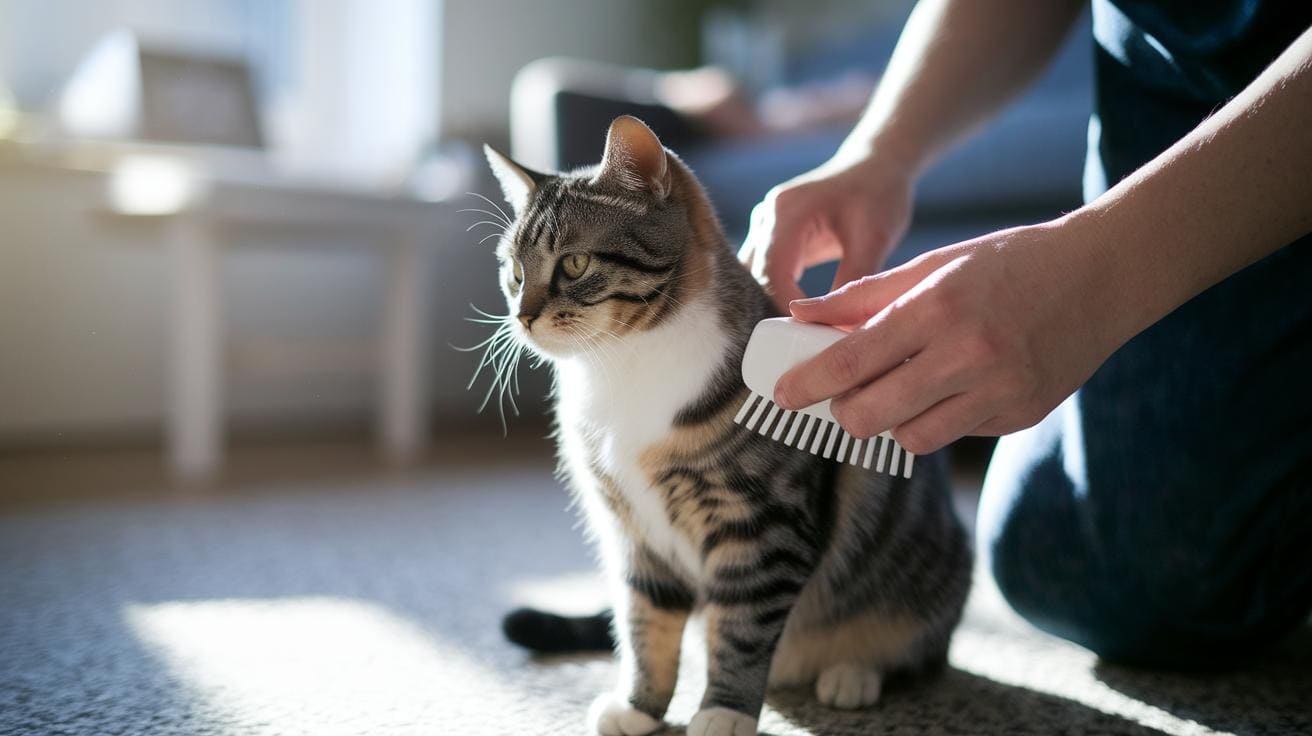
Ever watched your kitty chase sunbeams and felt the sneezes start? Let’s keep those flakes in check. Brushing your cat twice a week whisks away loose fur and dead skin before it floats around your home. It’s one of the easiest, purrfect ways to cut down on allergens.
Choose tools that match your cat’s coat type:
- Slicker brush (tiny wire bristles on a soft pad that pull out knots)
- Rubber grooming glove (soft rubber nubs that catch loose hair and feel like a gentle massage)
- Undercoat rake (like a mini rake for thick fur, great for dense or double coats)
- Grooming wipes (linty cloths that grab excess oils and dander between brush sessions)
Bath time can be a game changer. Hairless friends like the Sphynx need a wash every week to wipe away oil buildup (that greasy stuff can trap Fel d 1, the main cat allergen). Most other low-shed cats benefit from a bath every 2-4 weeks. Use a mild, fragrance-free shampoo and warm water so your cat stays cozy, calm, and purring.
When you brush, go slow. Follow the fur’s direction with soft strokes, focusing on neck folds and underarms where dander loves to hide. Think of it as a mini spa session, your cat purring softly, whiskers twitching, and you enjoying a peaceful moment together.
On busy days, swipe your cat with grooming wipes or use a dry shampoo (powder that soaks up extra oil). And don’t skip the cleanup. Rinse brushes, gloves, and towels after each use so you’re not reintroducing old allergens. Clean tools mean every grooming session starts fresh and a sneeze-free cuddle is just a brush away.
Worth every purr.