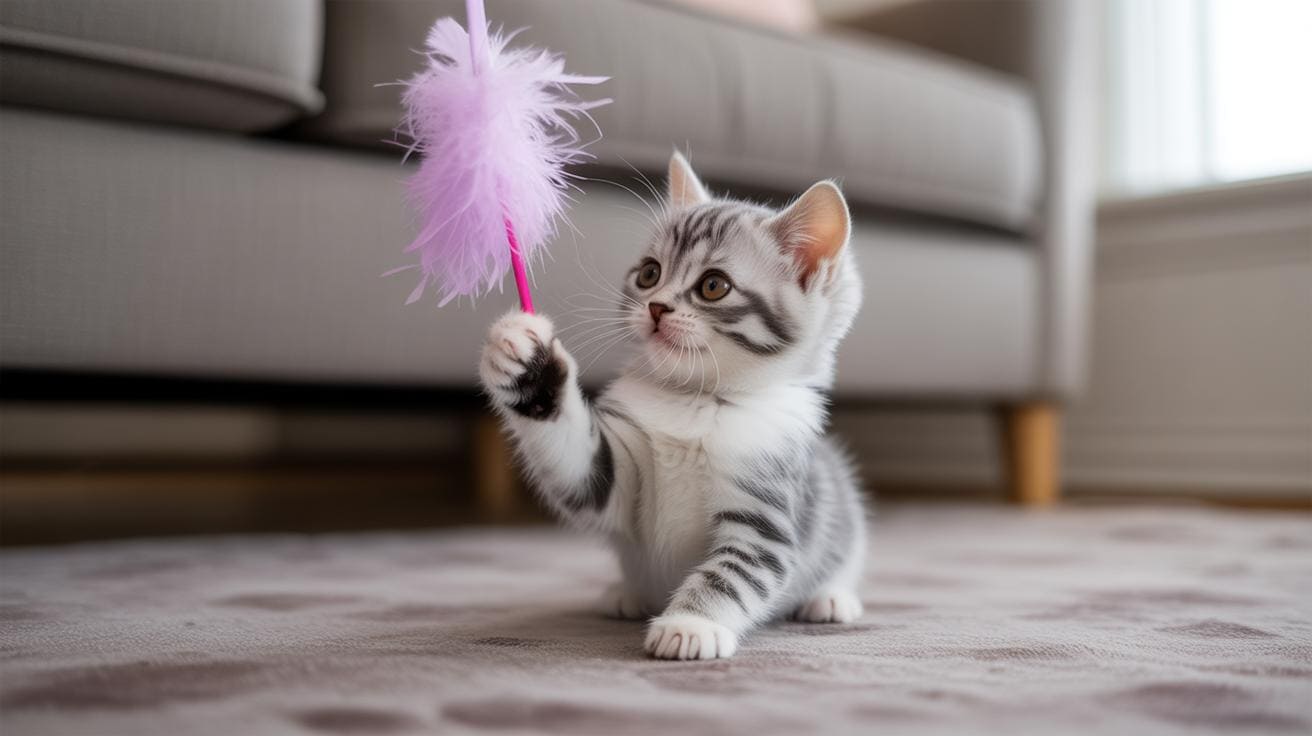
Think short legs mean Munchkins are fragile? Nope. These tiny legged felines are zippy, brave, and packed with personality, claw-tastic energy in a small package. Ever watched one sprint across the rug, whiskers twitching as it zeroes in on a toy? It’s adorable.
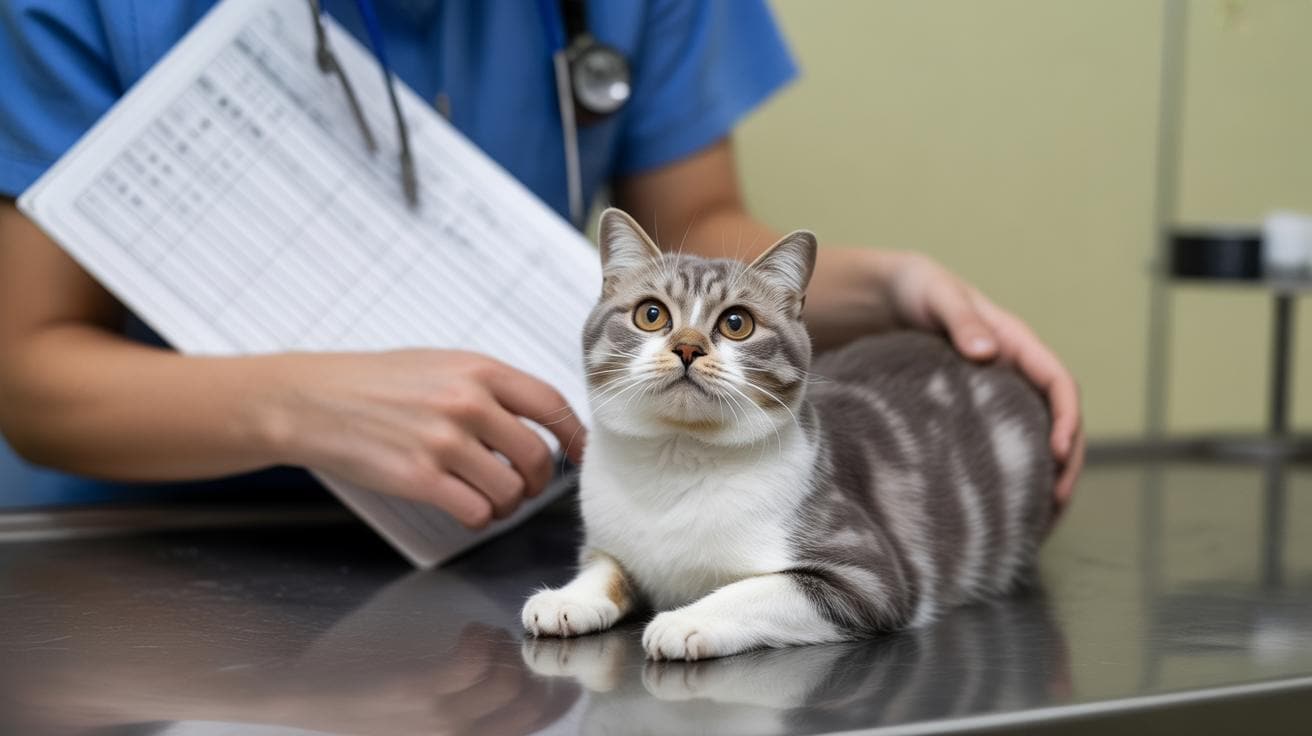
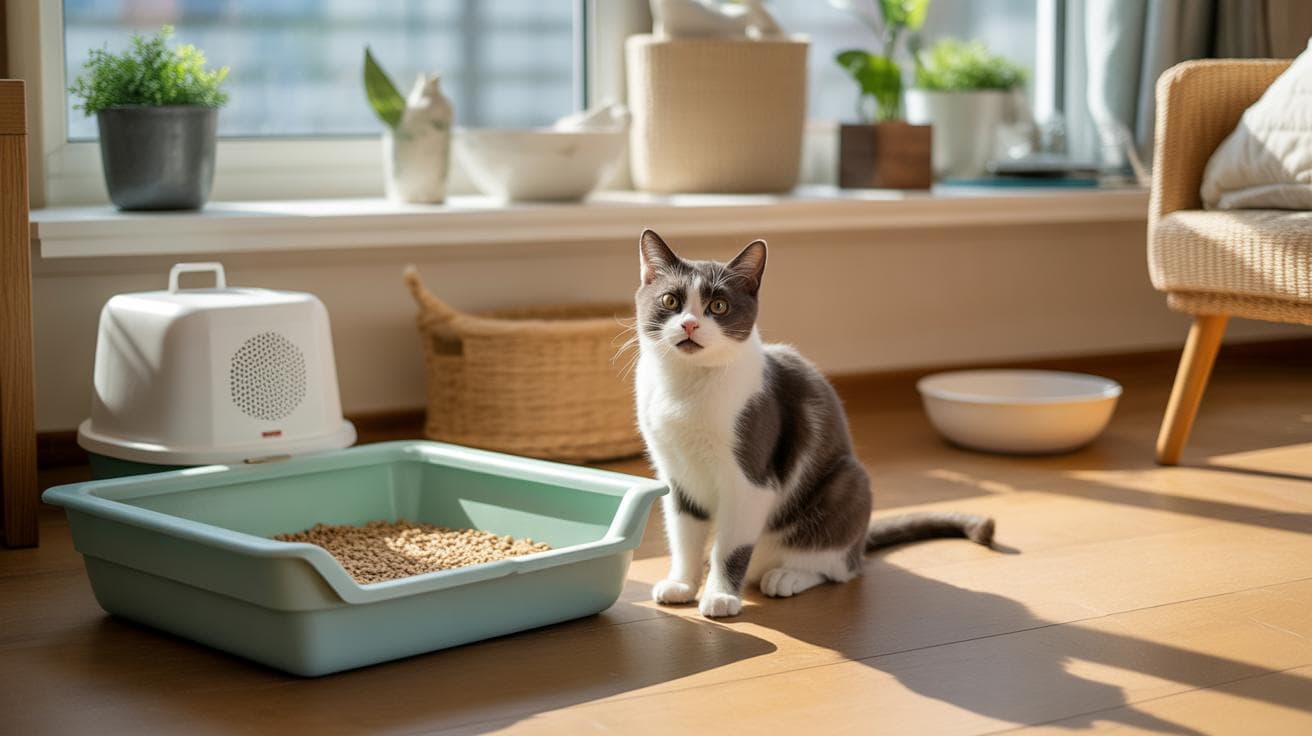
Your job is mostly simple: watch their health, keep their weight steady, and make the home easier to move around in. Start with a vet visit for vaccinations (shots that prevent disease) and a deworming plan (medicine to remove intestinal parasites). Measure meals, use a kitchen scoop or scale, so they don’t pack on extra pounds. Add a low-entry litter box (a box with a short side so cats can step in easily) and soft ramps or rugs where they jump most.
Worth the effort. You’ll get more playful pounces, fewer ouch moments, and lots of happy head-butts. I once watched a Munchkin leap like a tiny superhero for a crinkly ball, totally worth it.
Munchkin Cat Care Tips for New Owners
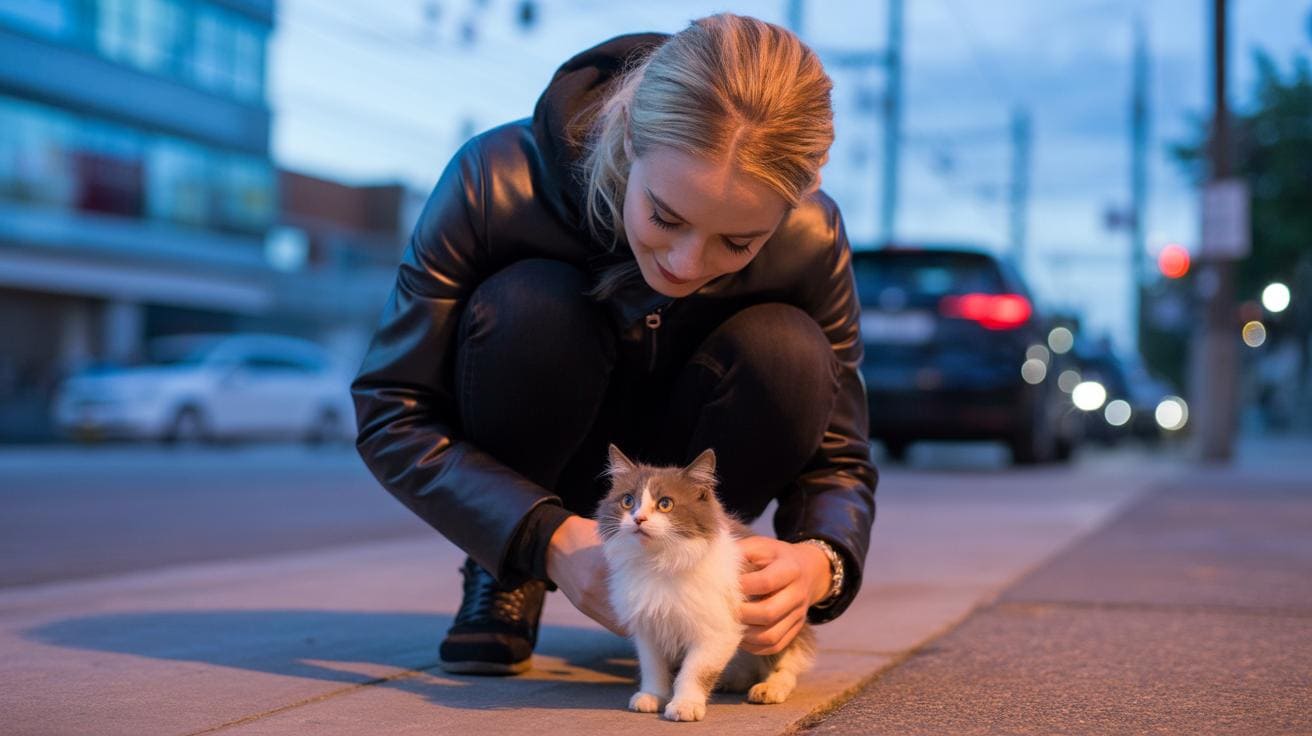
Munchkins usually live about 12 to 15 years. Your main jobs are watching their health, keeping their weight steady, and making small indoor changes so moving around is easier. It’s worth the effort. You’ll get more playful pounces and fewer ouch moments.
- Schedule that first vet visit and set up a vaccination (shots that prevent disease) and deworming plan (medicine to remove intestinal parasites).
- Start portion-controlled feeding (measuring meals so they don’t overeat); weigh your cat once a week for the first three months so you can tweak portions.
- Put in a low-entry litter box for easy access, and add a ramp or low step to their favorite perch so they don’t have to leap up.
- Begin weekly brushing and do monthly nail checks; start simple dental care too, like tooth wipes or a pet-safe toothpaste.
- Learn urgent signs to watch for and bookmark See Health checklist: Red flags so you have it when you need it.
Munchkins have characteristically short legs because of a dominant genetic mutation. That makes their walk a bit different and raises a few health risks to watch: lordosis (an inward curve of the lower spine), pectus excavatum (a sunken breastbone), and osteoarthritis (wear-and-tear joint pain). Ever watch a Munchkin sprint? It’s cute, but keep an eye on how they land and move.
For feeding plans, mobility ideas, grooming tools, starter supplies, and medical timelines, jump to the detailed sections below. Next, we’ll get into easy, real-life tips you can use tomorrow.
Feeding Munchkin cats: schedules, portion formulas, and monitoring metrics
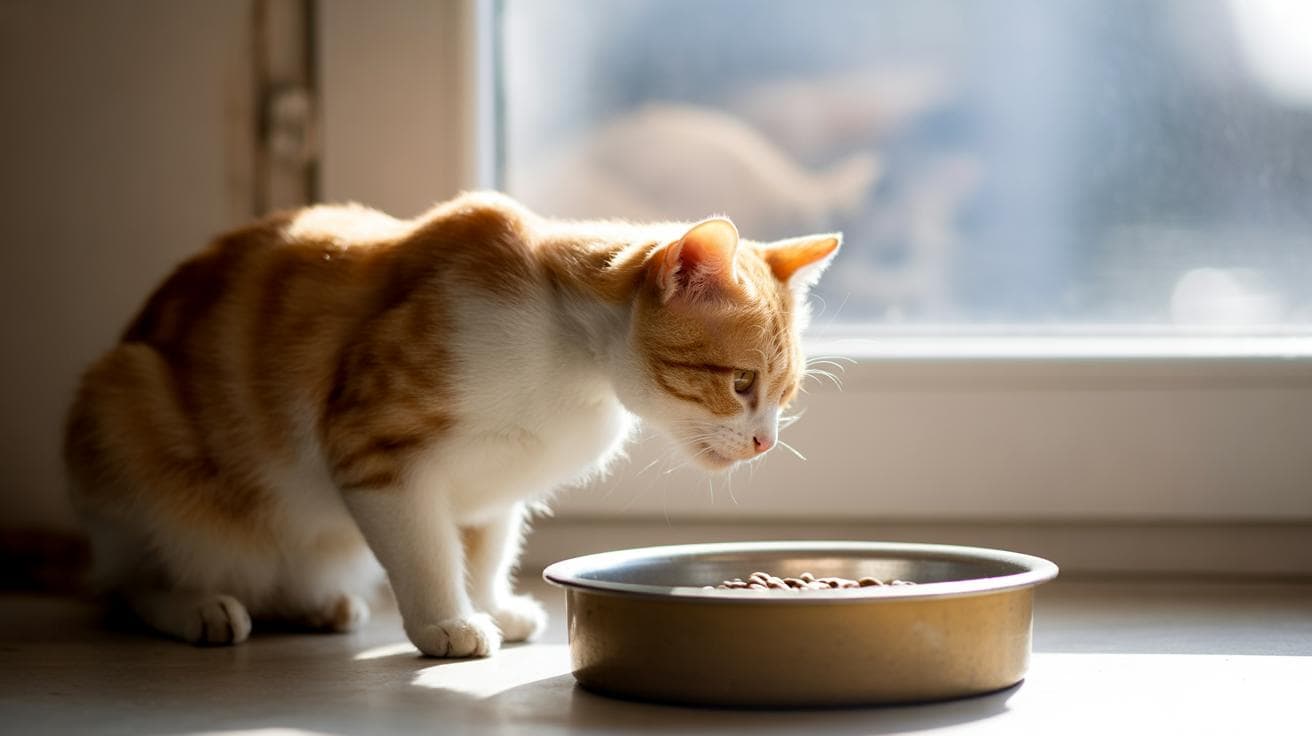
Keep calories balanced and feed protein-rich recipes. Munchkins do best on life-stage food approved by AAFCO (Association of American Feed Control Officials) so you aren’t guessing about nutrition. Kittens need extra fuel to grow; adults need tighter portion control so extra weight doesn’t stress hips and joints. You’ll thank yourself later when they’re still springy and playful.
Wet food is a great main meal for Munchkins because it helps with hydration and is often higher in protein and lower in carbs, both of which help keep a cat lean. Pick wet formulas labeled for the cat’s life stage. Dry food works well as a measured snack or in timed puzzle feeders (puzzle feeder = toy that lets food out slowly so eating is slower and more fun). If you want to support joints, look at diets made for mobility or ask your vet about supplements like glucosamine (joint-support supplement) and omega-3s (fatty acids that reduce inflammation).
Always keep fresh water available and put water bowls away from the litter box. In homes with multiple cats, set up separate feeding stations so shy kitties don’t get bullied away. When you start a new food, run a short trial, weigh your cat often, and watch stool quality.
| Life Stage | Typical Daily Calorie Guideline | Portion Example |
|---|---|---|
| Kitten (up to 12 mo) | 200–300 kcal/day per lb of expected adult weight | Expected adult 8 lb → 1600–2400 kcal/day total for growth; if a can is 85 kcal, that’s about 19–28 cans split across meals (use vet guidance) |
| Adult (1–7 yrs) | 40–50 kcal/day per lb | 8 lb × 45 kcal = 360 kcal/day; tweak up or down by BCS (body condition score, 1–9 scale) |
| Senior (7+ yrs) | 30–40 kcal/day per lb; watch for muscle loss | 8 lb × 35 kcal = 280 kcal/day; consider senior formulas with joint support |
- Weigh-ins: kittens every 4–8 weeks; healthy adults every 3 months; weigh every month during diet changes.
- Body Condition Scoring: use a 1–9 BCS at each weigh-in and record trends so you see slow gains or losses.
- Treat budgeting: keep treats under 10% of daily calories. Quick math: 360 kcal/day × 0.10 = 36 kcal max from treats.
- Feeding mechanics: use slow-feeders or puzzle meals when you need to trim calories and add mental play.
Ever watched your kitty’s whiskers twitch while a ball rolls? Little choices like wet food, measured meals, and a puzzle feeder turn a snack into play and help protect tiny Munchkin hips. Worth every paw-print.
Grooming and hygiene for Munchkin cats: schedules, tools, and a practical care table
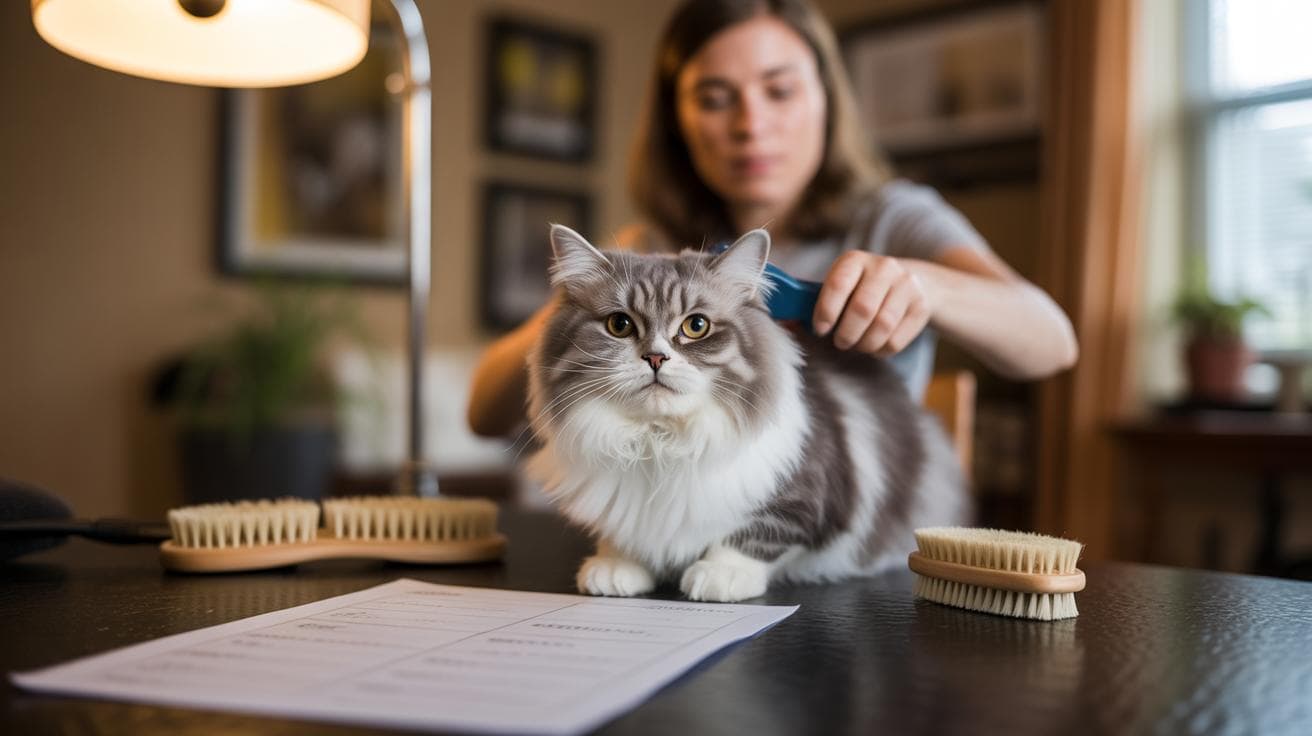
Grooming helps Munchkins stay comfy and stops them from over-licking or getting mats that pull on joints. Short-haired Munchkins usually do fine with a weekly brush. Long-haired Munchkins need brushing two or more times a week to keep tangles and hairballs away. Dental care is best as a daily habit when you can, use pet toothpaste or tooth wipes and a soft brush.
Because those cute short legs make some spots hard to reach, pay special attention to the lower back, flanks, and the base of the tail where mats and trapped debris hide. If mats form near the hind end or your cat hates being handled, see a pro groomer. Same for dental cleanings that may need anesthesia, talk with your vet about timing and risks.
| Task | Frequency | Recommended Tool | Notes |
|---|---|---|---|
| Brushing short coat | Weekly | Fine-toothed slicker brush (brush with fine wire bristles) | Focus on flanks and base of tail; short legs may miss these spots |
| Brushing long coat | 2+ times weekly | Undercoat rake (tool that pulls loose underfur) + wide-tooth comb | Work gently through tangles; check hindquarters carefully |
| Nail trim | Every 2–4 weeks | Cat nail clippers or guillotine trimmer (scissor-style or single-blade trimmer) | Trim tips only; claws can catch more on bedding because of short legs |
| Dental care | Daily when possible | Pet toothbrush or tooth wipes (towel-like wipes for teeth) | Start slow and reward after brushing to build a calm routine |
| Ear check | Monthly | Soft cotton pad and ear cleaner | Look for wax, odor, or redness; do not poke deep into the canal |
| Bathing | Occasional (every few months) | Cat shampoo and towel | Use waterless wipes or dry shampoo between baths for quick cleanups |
| Deshedding (seasonal molt) | Weekly–twice weekly | Rubber brush or de-shedding tool (removes loose underfur) | Removes loose fur and helps prevent hairballs |
- Hold your cat gently on a towel or your lap so they feel steady.
- Press the toe pad to extend the claw and find the quick (pink area with a blood vessel).
- Clip only the clear tip, avoid the quick. Do small trims, one claw at a time.
- Praise and offer a treat; stop if your cat panics and try again later.
If mats are tight, grooming causes stress, or you need dental scaling, book a professional groomer or vet visit and review anesthesia and dental risks with your clinician. See Health checklist: Medical timeline and red flags
Mobility, joints, and home adaptations for Munchkin cats
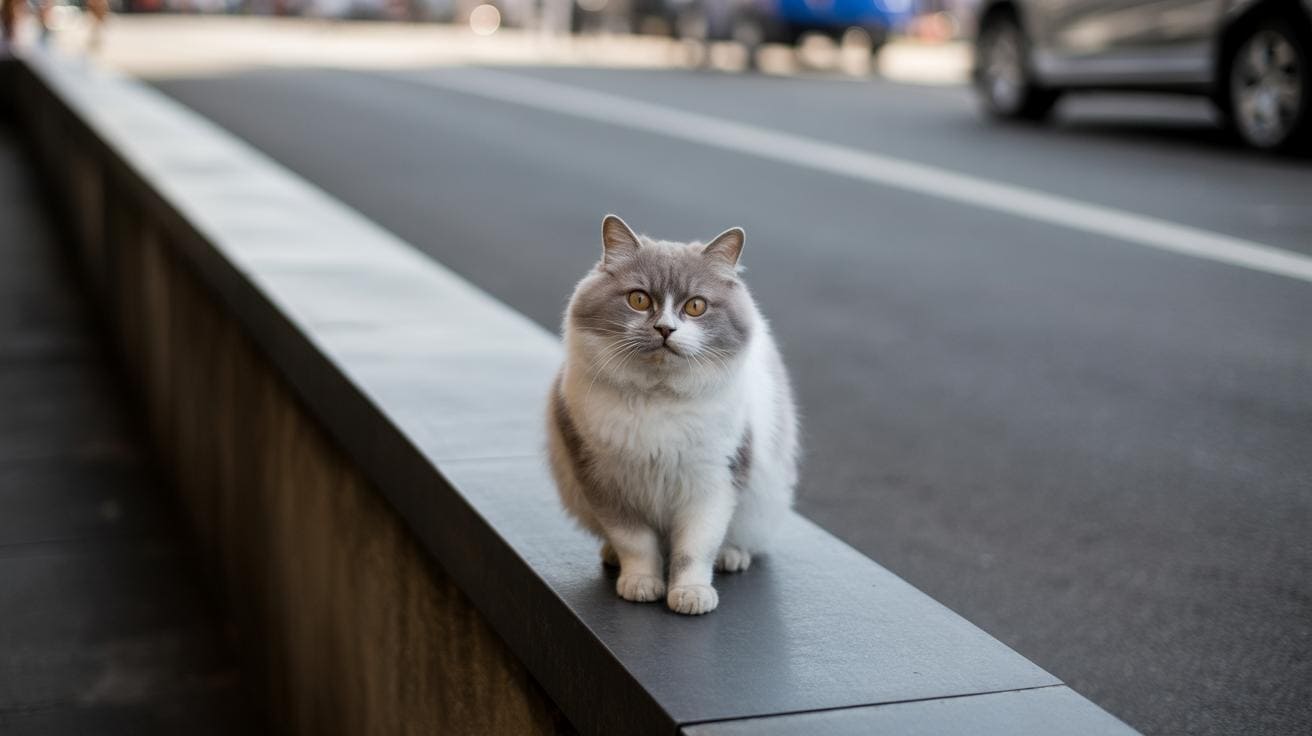
Short legs change the way a Munchkin walks and how weight lands on hips and knees. That means spine and bone care for short-legged cats should aim to cut joint strain and keep them moving. You’ll notice their gait is different, some have a bouncy, fast sprint but jumping to high spots can be trickier. Watch for early stiffness or limping that might be osteoarthritis (wear-and-tear joint pain) or lordosis (an inward curve of the lower spine). Small home tweaks stop awkward jumps and hard landings from adding up over time.
See Health checklist: Red flags
- Ramps to furniture: set a 20 to 30-degree angle with a non-slip surface so they can walk up without sliding. Think of it like a little cat hill.
- Steps or stair runs: make each step 6 to 8 inches deep with risers 2 to 4 inches high so they get frequent, low perches. Fewer big jumps means happier joints.
- Low-tier cat trees: choose trees with platforms every 4 to 6 inches and padded landings to soften the bounce. Your cat still gets play and views, just easier on the knees.
- Low-entry litter boxes: keep the box at floor level and add a short ramp if needed so getting in and out isn’t a challenge.
- Non-slip rugs and runners: place them along favorite paths and near litter, beds, and food so paws get better traction.
- Carrier choice: pick a carrier with a low front entry or a removable top so loading is gentle and fast, vet trips will be less stressful.
| Accessory | Recommended Dimension/Spec | Why it helps |
|---|---|---|
| Ramp | 20 to 30-degree angle; non-slip surface | Reduces vertical force on joints when they access furniture |
| Step set | Run depth 6 to 8 in; riser 2 to 4 in | Creates frequent, low-height perches and cuts down big jumps |
| Low-tier tree | Platforms every 4 to 6 in; soft landings | Makes climbing doable while shortening fall distance |
| Carrier | Low front entry or removable top | Makes vet visits safer and less stressful to load |
Consider physical therapy (PT) if your Munchkin starts moving slower, gentle exercises can rebuild strength. Hydrotherapy (water-based exercise that reduces joint load) is another great option for cats who tolerate it. Chat with your veterinarian about joint supplements like glucosamine (a joint-support supplement) or omega-3s (anti-inflammatory fatty acids) if weight or stiffness becomes an issue. Keep an eye on body condition and activity level, losing a little weight can take a lot of pressure off their joints, you know?
If you spot persistent limping, sudden changes in posture, or trouble getting around, get a clinical evaluation sooner rather than later. Worth every paw-print.
Litter box setup and training for low-clearance Munchkin cats
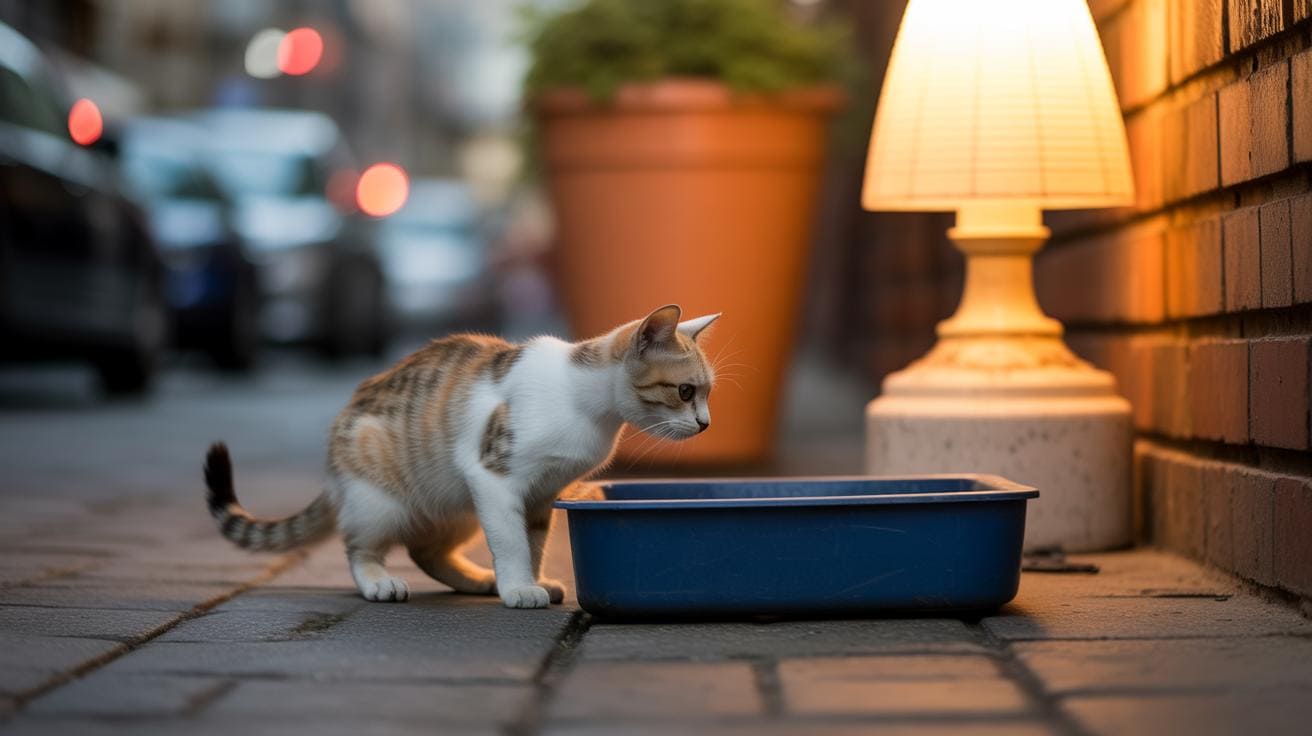
Pick a litter box with a low front lip so your short-legged Munchkin can step in without stretching. Aim for about 2-3 in at the entry. Give the box a footprint at least 1.5x your cat's length so turning and digging feel natural (footprint means the floor space the box takes). Keep litter shallow, about 1-2 in for adults, so paws don’t get buried (litter is the sand-like, clumping material cats dig in). Put a litter mat (a trap-mat that catches stray litter) in front to cut down tracking. Ever watched little paws kick and fling litter everywhere? This helps.
Your cat should be able to scratch and cover without balancing on the rim. It feels better for them, and honestly, it’s easier on you. Worth every paw-print.
| Box Type | Minimum Entry Height | Notes |
|---|---|---|
| Open low-side box | 2-3 in | Best for most Munchkins; easy access and easy to clean; footprint at least 1.5x cat length |
| Hooded low-front | 2-3 in | Gives privacy and helps control odor; pick one with front vents and a wide entry |
| Top-entry | Not recommended | Only works with a sturdy ramp or for very athletic cats; otherwise they may avoid it |
| Large shallow pan (kittens) | 1-2 in | Low step for tiny kittens; upgrade as they grow to a bigger footprint |
Troubleshooting quick tips:
- Wrong location: move the box to a quiet, low-traffic spot. Keep food and water in a different area.
- Entry too high: swap for a lower-front box or add a gentle ramp (think pet-stair, not a cliff).
- Scent change: introduce a new litter by mixing 25% new with 75% old each day until fully swapped.
- Litter depth: if your cat digs like a little cactus or steps out with clumps, try reducing depth a bit.
Want supplies? For product costs and starter options see Starter supplies, and check this deeper guide on comparing top-entry vs open litter box designs.