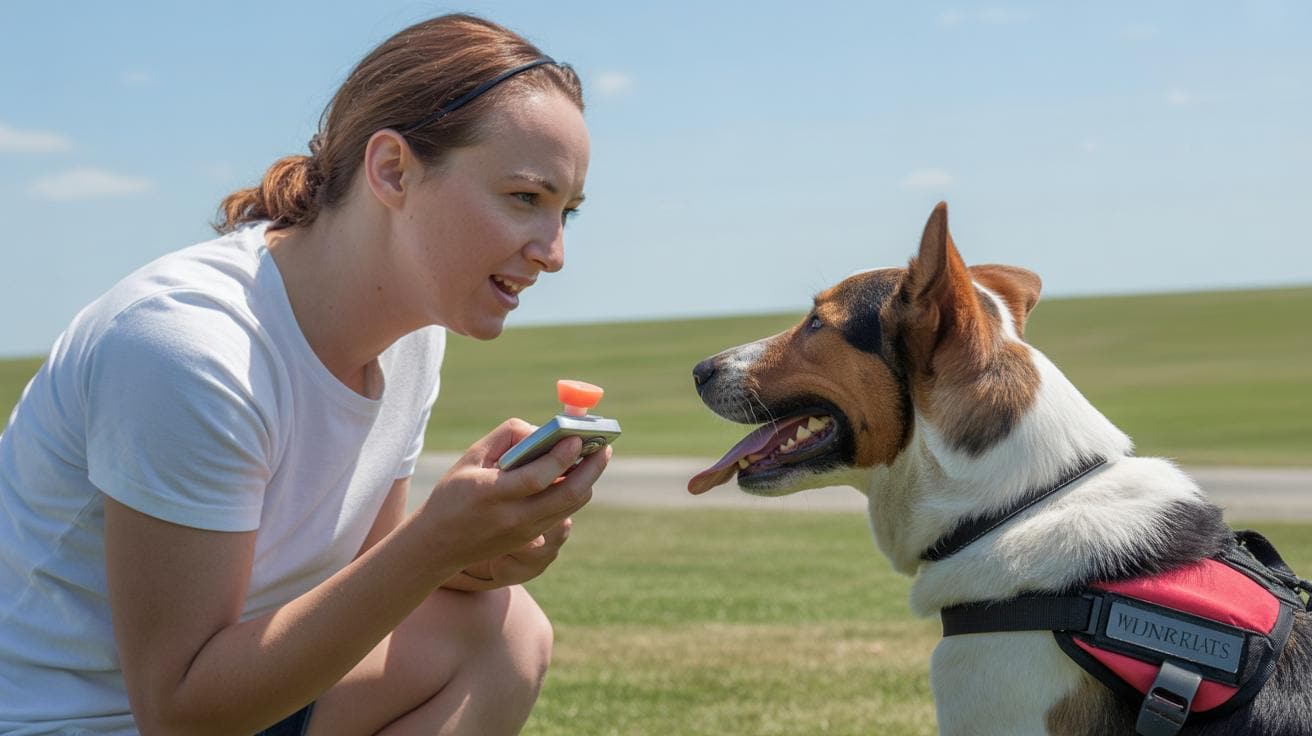
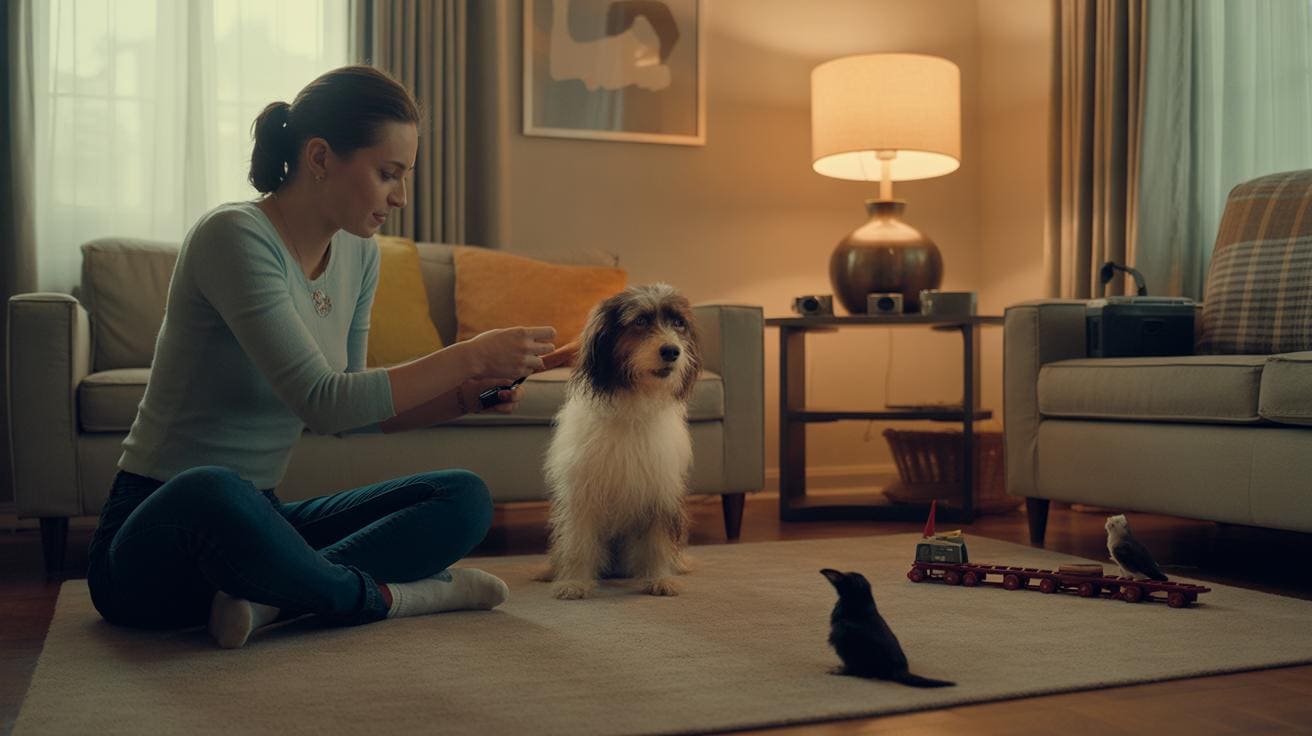
What if one tiny click could turn chaos into calm and help your cat or dog learn tricks faster than treats alone? Picture the small, satisfying click, your pet’s whiskers twitching and tail giving a curious flick. Ever watched your kitty chase a shadow? This is kind of like that, but way more productive.
Clicker training uses a short sound as a marker (a quick noise that tells your pet the exact moment they did the right thing). It’s a kind of positive reinforcement, which just means you reward good behavior so they’re more likely to do it again. Think of the click like a little photograph , it freezes the perfect moment.
Start by charging the clicker (teach your pet that click equals treat) with tiny, tasty bites. Then either capture the behavior or shape it: capture means you wait and reward the pet when they do the behavior on their own, shape means you build the behavior in small steps by rewarding closer and closer tries. Click, then give a reward within one second so the message stays crystal clear. Watch whiskers twitch. Watch tails flick. It’s so fun.
This quick intro gives beginners the simple steps to get clear results and more joyful playtime. Try a few short sessions a day, and you’ll notice calmer, sharper pets before you know it. Worth every paw-print.
Clicker training explained , quick-start action plan
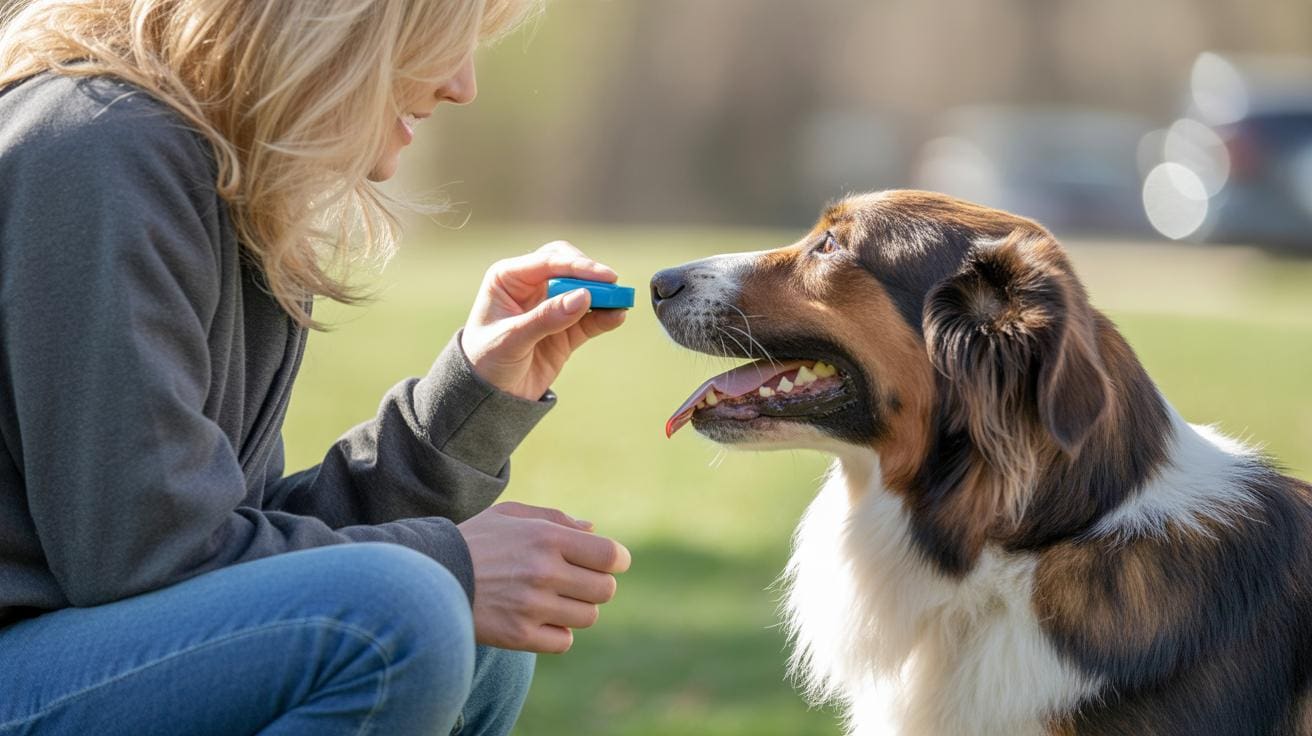
Clicker training is a marker-based positive reinforcement method (a marker is a short sound that tells the animal exactly when it did the right thing; positive reinforcement means you add something good to increase that behavior). It starts with classical pairing (pairing the click with a reward until the sound predicts food, like teaching a bell means dinner) and then becomes operant conditioning (the animal repeats actions that earn rewards).
-
Charge: Pair the click with a treat until the click alone predicts food. Use tiny, tasty bits, think pea-sized or smaller, so your cat or dog stays hungry for more practice. Do a few quick repeats, like 10 to 20 clicks with a treat right after each one, until the animal looks for a reward after hearing the click.
-
Capture or shape the behavior: Wait for the action you want to happen, or guide it in small steps. Capture means you click the moment the animal naturally does the thing (a sit, a paw, a spin). Shaping means you reward closer and closer approximations , like rewarding a head turn, then a paw lift, then a full paw touch.
-
Click and reinforce: Click the exact instant the target action happens. Then give the reinforcer within about one second so the animal links the click to the action. Reinforcers can be tiny food bits, a short play burst, a favorite toy, or petting (whatever your pet loves most).
Timing is everything. The click marks the micro-moment you want repeated, and the reward tells the pet, “Yes, do that again.” Ever watched your kitty zoom after a toy right after a click? Magic.
See H2 "Why clicker training works" for the science and H2 "How to clicker train" for a detailed step-by-step plan.
Why clicker training works: operant and classical conditioning plus the marker function
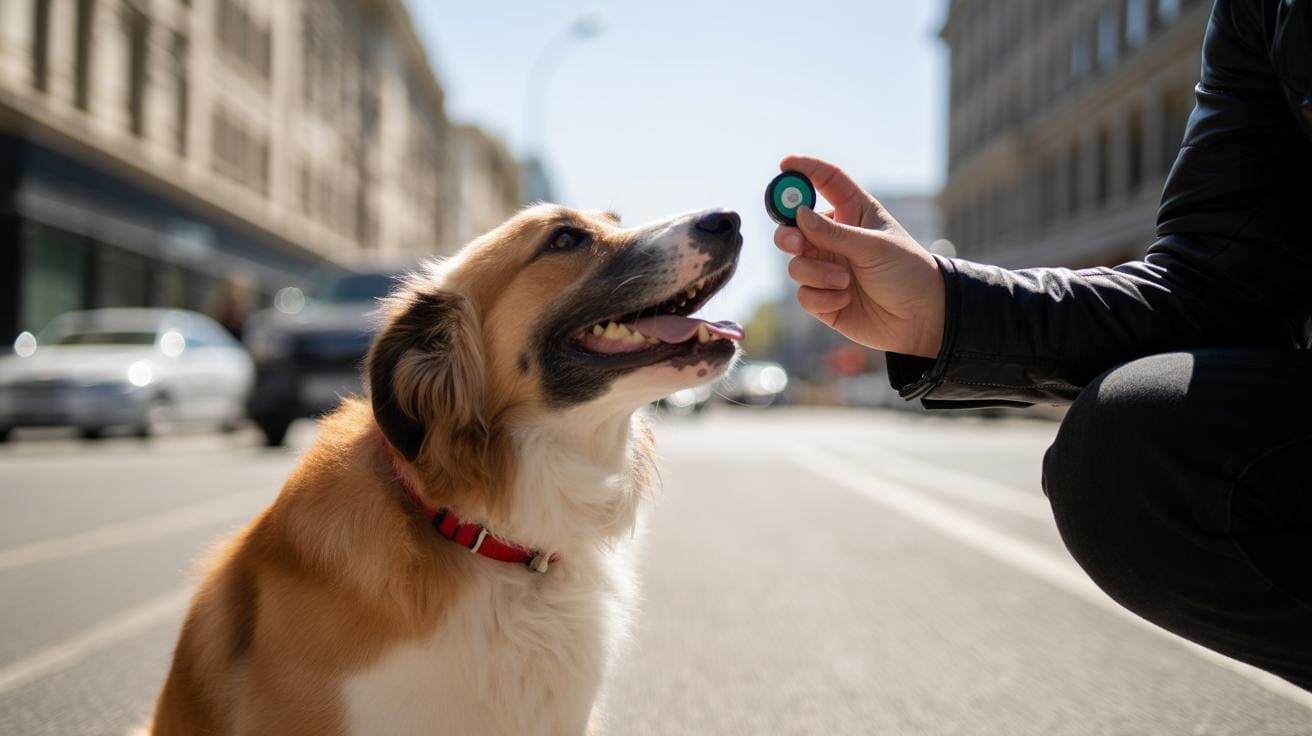
Clicks get their power in two steps. First we pair the click with food so it becomes meaningful. That’s classical conditioning (a neutral cue, like a sound, comes to predict a reward). Next we use the click to reward actions so the animal repeats them. That’s operant conditioning (things that bring good outcomes happen more often). Think of the click as a tiny, instant "yes" that tells your cat exactly what worked.
The marker is the magic. The marker (a short, sharp sound that points to an exact moment) is distinct, consistent, and immediate, so it pins down tiny micro-moments better than a changing human voice. Click the instant the paw lifts. That precise split-second gets reinforced. Ever watched your kitty freeze mid-pounce? That’s the kind of tiny moment a click can lock in. See the "How to clicker train" section for step-by-step procedures.
| Trainer tips | What to do |
|---|---|
| Accidental clicks | Give a free treat right away to keep the click→treat link strong, then move on. |
| Faded marker | Rebuild quickly with a few short click→treat rounds to restore the sound’s value. |
| Historical note | Karen Pryor helped popularize this marker method from marine-mammal work. |
How to clicker train: a beginner step-by-step guide
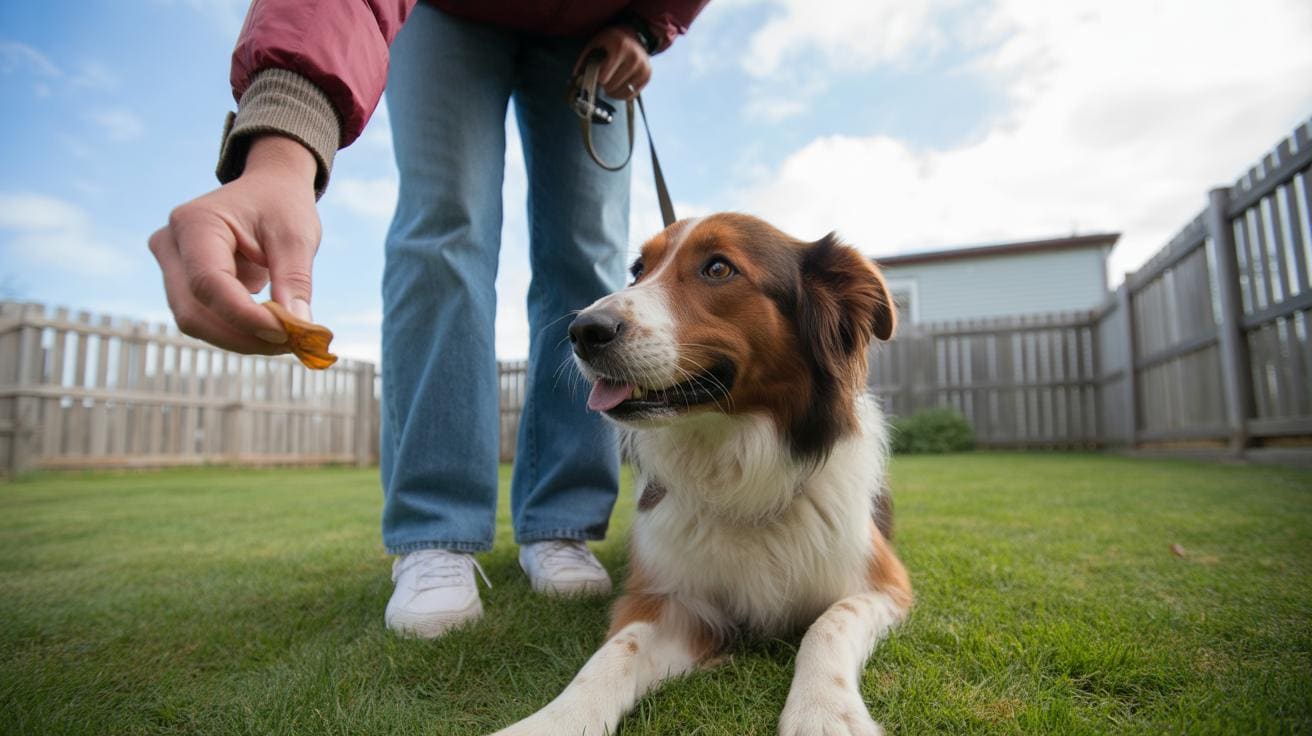
Refer back to the quick-start lede for the basic idea. Keep it simple: sound, treat, repeat. Your cat will get it faster than you expect.
-
Prepare equipment and tiny treats.
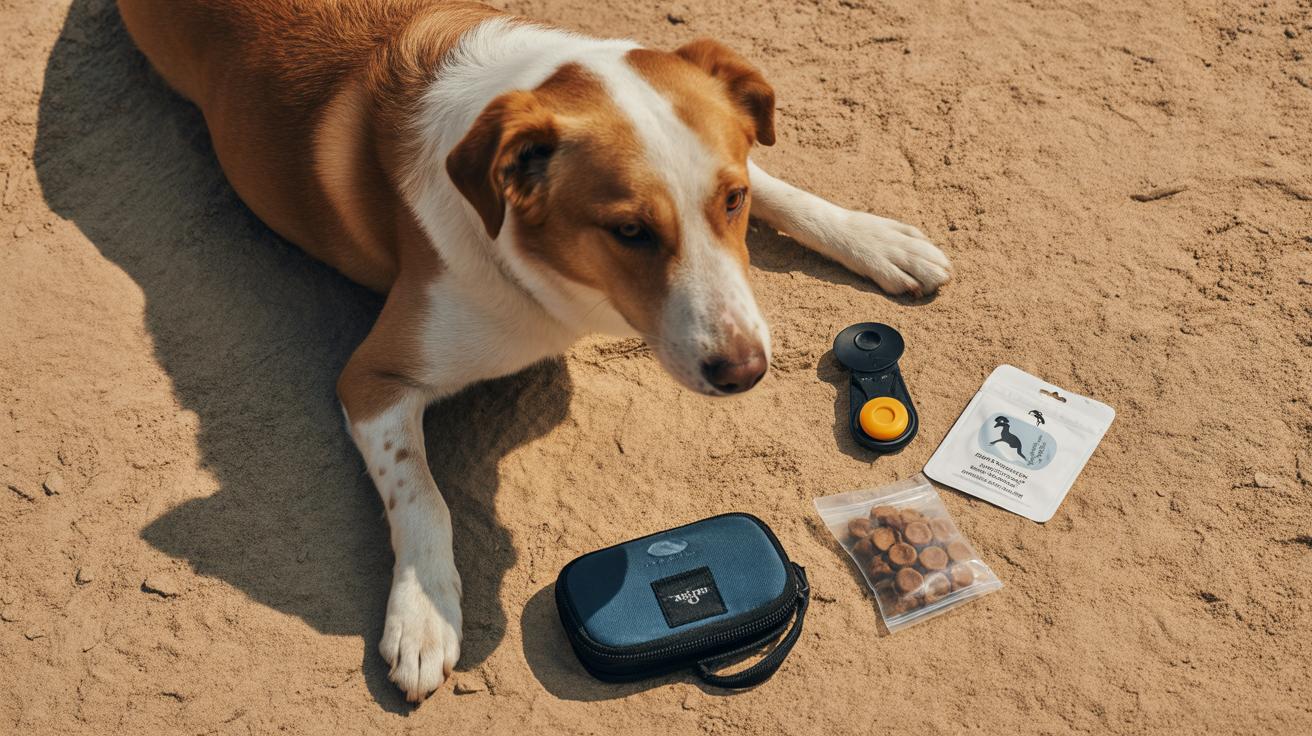
- Get a clicker (a small handheld sound marker), a treat pouch (hands-free pocket or wide-mouth bag), and pick a quiet spot with few distractions.
- Cut rewards into pea-sized bits so your cat eats fast and keeps momentum. Think diced hotdog, tiny cheese cubes, or freeze-dried liver (concentrated, meaty bites).
-
Charge the clicker with 10-20 pairings.
- Click, then give a treat right away. Do that until the click means food. The click is your cat's "you did it" sound.
- If you click by accident, give a free treat immediately so the click stays positive.
- For deaf cats, use a brief light flash or a gentle tap on the shoulder or rump paired with the treat the same way. Same idea, different sense.
- Quick example: Click. Treat in hand. Repeat 10 to 20 times.
-
Choose a known behavior to capture or pick a target to shape.
- For fast wins, capture something your cat already does, like a sit, a head turn, or a paw lift. Reward those moments.
- To shape a new trick, break the final action into tiny steps and reward small forward moves. Raise the criteria slowly. Patience pays off.
-
Click at the precise micro-moment.
- Mark the exact split-second that made the behavior correct. The instant the butt hits the floor, the paw touches the target, or the head turns. That one crisp click teaches what to do next.
- Timing matters. A fuzzy click tells your cat nothing. A sharp click says, "Yes, that."
-
Deliver the treat within about one second and manage retrieval speed.
- Keep treats tiny so chewing does not break the flow. If your cat lingers, try even smaller pieces, softer treats, or have someone roll treats to you so timing stays tight.
- Quick reward. Quick reset. That keeps the game moving.
-
Run short, frequent sessions.
- Do several 5 to 15 minute sessions a day. Aim for about 10 to 20 clicks per session. Short bursts beat marathon sessions any day.
- Take short breaks between sets so your cat stays engaged, not tired. Your cat will thank you with a focused pounce.
-
Introduce the cue once the behavior is reliable.
- Say or signal the cue just before the action, then click the correct response. If you cue too early, drop expectations and reward smaller approximations until timing rebuilds.
- Quick example: Say "Sit" just before the butt touches the floor. Then click.
-
Fade clicks and treats using intermittent rewards and real-life outcomes.
- Start with click then treat every time. Then slowly reduce food and mix in praise, play, or access to a favorite spot. Keep occasional food rewards so motivation stays high.
- This helps the behavior stick in the real world, not just training time. See the science section for research on marker fading and reinforcement schedules.
Note: Follow this numeric guide, 10 to 20 click→treat pairings to charge the clicker, 5 to 15 minute sessions, and about 10 to 20 clicks per session. Worth every paw-print.
Clicker training for dogs, cats, and birds: species-specific examples and tips
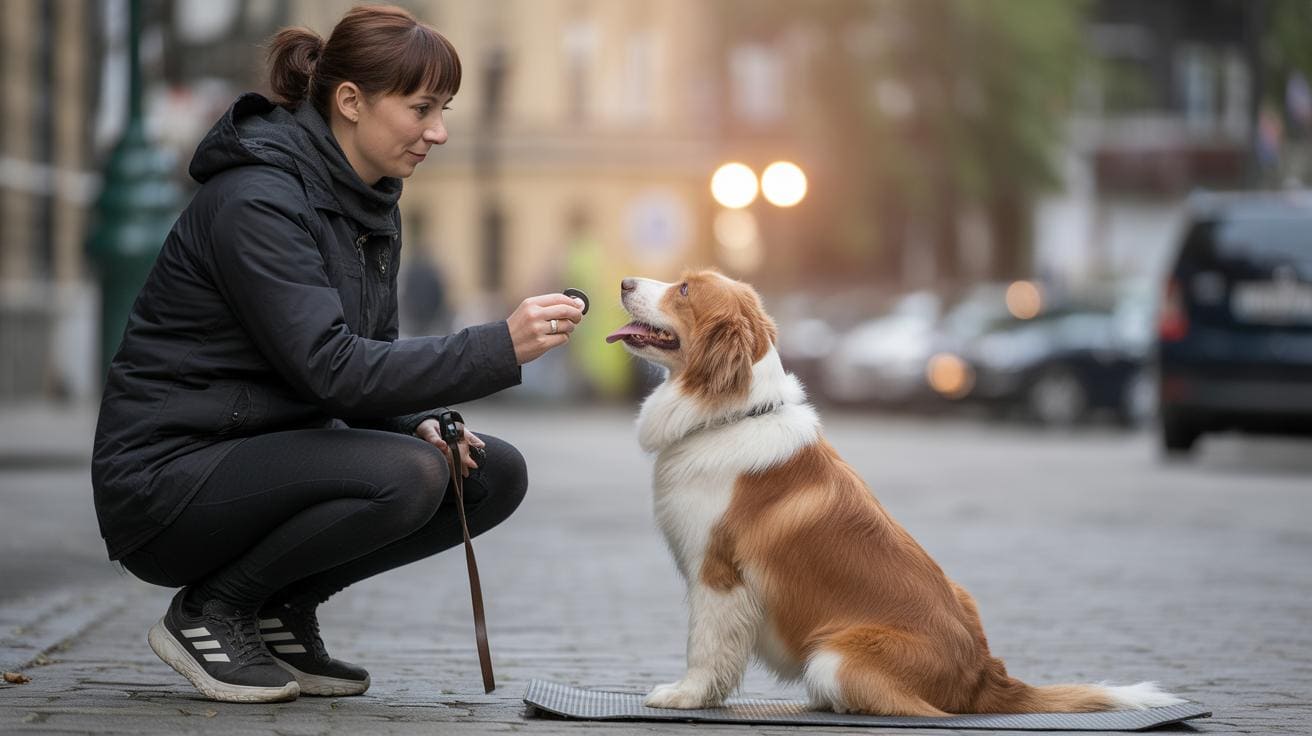
For dogs, pick quick wins like sit, recall (coming when called), or a tidy trick so everyone feels successful fast. Use a clicker (a small handheld device that makes a sharp click) and tiny, high-value treats so the dog stays focused. Cue "sit," click the instant the butt hits the floor, then toss a pea-sized treat. The click plus that tiny reward creates a clear, repeatable cue and yes, you get that satisfying thud when they sit. Keep sessions short and cheerful. Puppies learn fast, so short reps beat marathon practice every time.
Training cats and small pets is more about catching what they already do than forcing poses. Use short bursts and shape behavior (rewarding tiny steps toward the final action) so they choose to try things. I taught my cat to touch a target by clicking for a head turn, then a little lean, then a tap, each tiny win felt like a mini celebration. Use very tasty bites and read body language; if a rabbit or chinchilla freezes, slow the pace and reward the smallest brave move. Seriously, even a tiny twitch counts.
Birds need calm pairing, tiny food bits, and strict flight-space safety so wings and perches stay happy. Pair the clicker or marker with treats until the bird links the sound to food, and always make sure there’s clear room for a quick hop or flap. Be gentle and patient; a nervous parrot will teach you a new kind of quiet.
For deaf animals swap the click for a visual marker (a brief light flash) or a tactile marker (a gentle tap you can feel) paired with a treat so the marker still means something. Try the visual or touch cue a few times before adding the food so it’s obvious. You’ll know it worked when the animal looks for the marker like clockwork.
Think about age and stamina. Young animals often have speed and energy on their side, so you can raise criteria faster. Older pets may need slower steps, comfy positions, and extra praise. Adjust expectations, and you’ll save everyone stress and time.
Short sessions. Tiny treats. Lots of praise. Worth every paw-print.