Want your kitten to sit on cue faster than a laser pointer can steal their attention? Let’s make training feel fun and easy!
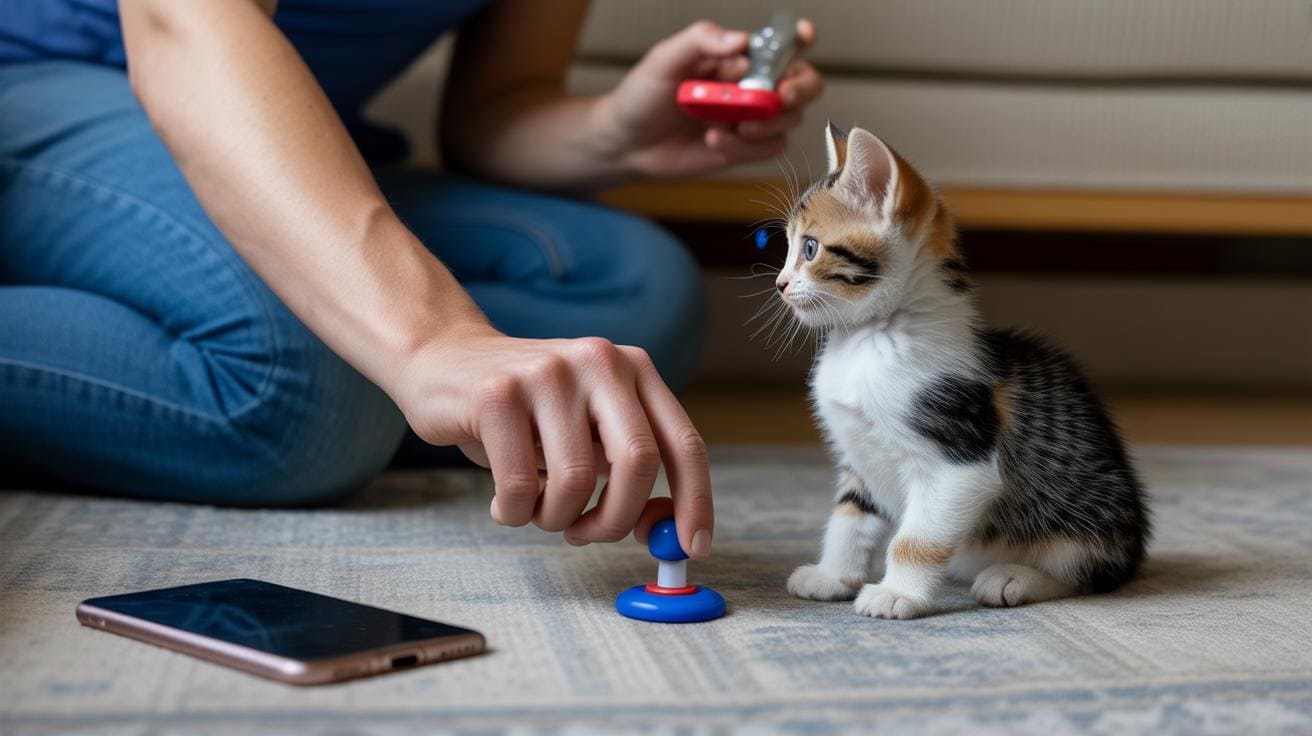
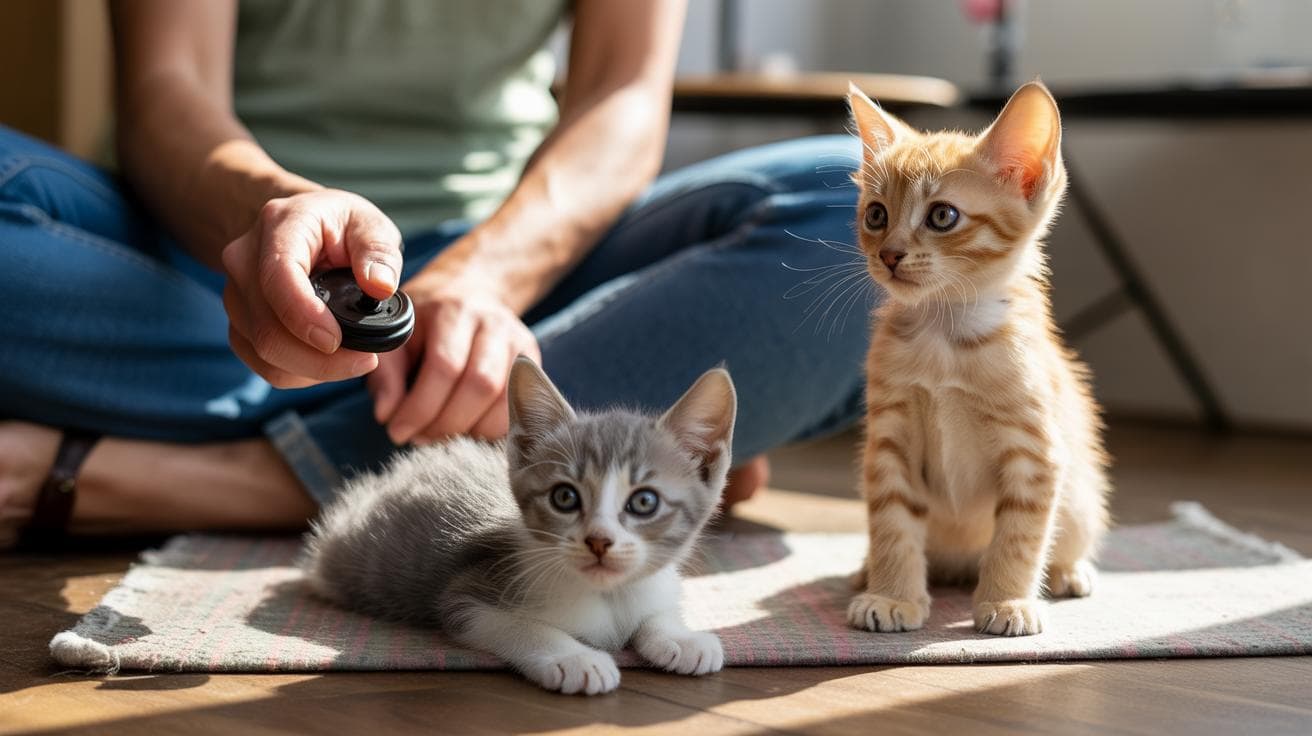
Clicker training uses a clicker (a tiny handheld device that makes a sharp click) plus tiny aromatic treats (soft, smelly bites cats love) and very short practice bursts, one to three minutes, to build clear "aha" moments your kitten remembers. Start as early as eight weeks. Learn the simple load-click-treat rhythm: get the treat ready, click the moment your kitten does the thing you want, then give the treat. You’ll hear the crisp click and watch their ears perk up.
I’ll show you how to begin, pick treats that actually motivate your kitty, run short sessions that fit busy days, and make a simple practice plan you can stick to. I’ll also cover the usual hiccups, like distraction or timing flubs, and quick fixes so training stays fun, not frustrating. Worth every paw-print.
What kitten clicker training provides
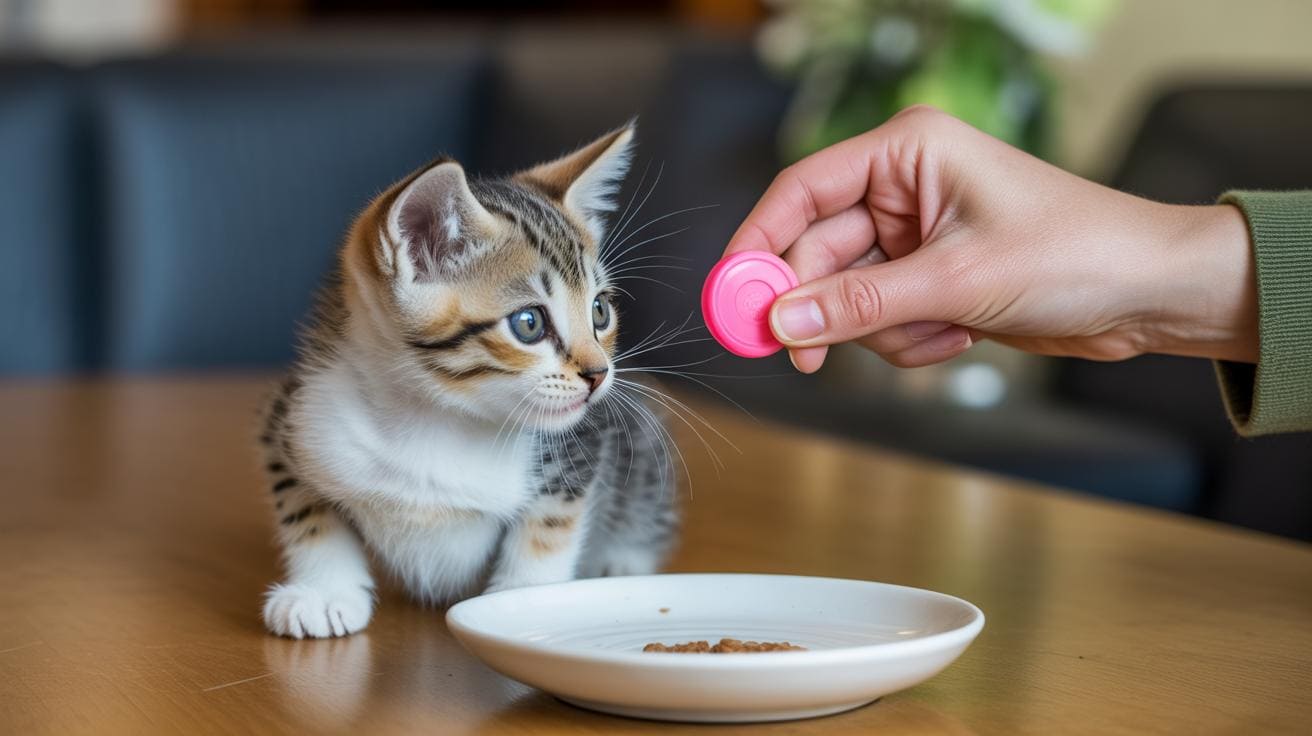
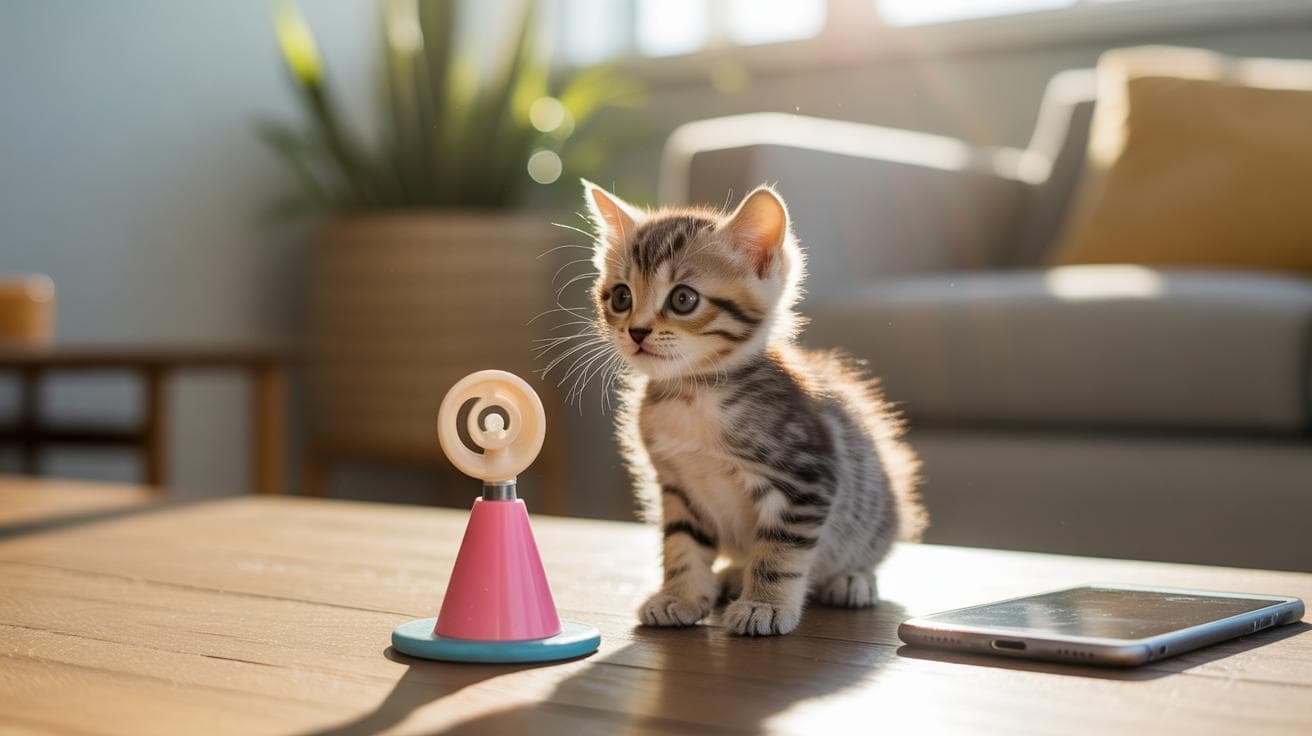
Start as early as about 8 weeks. Use tiny aromatic treats (strong-smelling treats that grab a kitten’s attention) and keep sessions short so the fun never fades. First lightbulb moments usually show up after just a few clear repetitions. Your kitten’s ears will perk. You’ll grin.
- Load the clicker (clicker is a small handheld sound device). Use the saucer or toss method so the kitten learns click means treat.
- Pick tiny aromatic treats reserved only for training , diced chicken, tuna, Churu (a squeezable paste treat), or meat baby food. Fingertip-sized morsels work best.
- Run 1–3 minute sessions. Very short bursts keep attention sharp.
- Ask for a simple behavior or lure gently , think sit or a nose touch. Make the cue clear and calm.
- Click the exact instant the correct movement finishes, then give the treat by hand. Timing is everything.
- Repeat these short sessions many times across the day. Track reps in a simple log , date, behavior, and when you saw that “aha” moment.
- End while the kitten is still interested and reward a calm exit so training ends on a good note.
Use lots of short bursts instead of one long training push. Positive reinforcement for kittens works best with quick repeats. Try a practical weekly plan: twenty 2-minute bursts spread across the week, or micro-bursts like ten 1-minute rounds on busy days. Watch your kitten’s interest to guide pacing. Most kittens show progress after a few good reps , note that third-time spark and then slowly increase distance or add a verbal cue.
Want visuals? Make a 20–30 second how-to clip or three stills: loading the clicker, the click-to-treat handoff, and a short sit exercise. Easy to do, and super helpful when you replay it while your cat practices.
Curious for more details? Check Clicker Training Basics , it’s a great next step for the clicker-curious.
Kitten clicker training equipment and treats: clickers, alternatives, and reward selection
Pick one clear marker and stick with it. A small plastic click box (a tiny device that makes a sharp, repeatable click) is great for precise timing and fast lessons. If your kitten is noise-sensitive, try a softer marker like a pen snick, a tongue click, or a one-syllable word such as "yes", those feel less spooky to shy kitties. Think about personality: shy kittens like gentler sounds and steady repetition. Bold kittens usually love a crisp click. When you shop, search "kitten training clicker" or "best clicker for kittens" so you get a lightweight model made for tiny paws and short sessions.
Use tiny, high-value rewards and save them just for training. High-value treats (strong-smelling, super tasty bites) keep the session flowing because they’re eaten fast. Cut treats to fingertip size so your kitten can pop them in and get back to the behavior. See the Quick-Start above for the loading method and ideal treat size. For ideas on keeping training positive and rewarding, check Positive reinforcement basics (ASPCA). Worth every paw-print.
Round out your kit with a few practical items and a plan for non-food rewards. Treat pouch (a small bag with a fast-access mouth) makes it easy to grab snacks without fumbling. Store tiny treats in sealed tins (metal containers that keep morsels fresh) or dividers to avoid crushed crumbs. Pick a feather or small ball to use only as a special play reward so toys stay exciting. For busy days, a quick toy toss before you leave gives ten minutes of safe play and mental stimulation.
Vendor-style tips and what to look for:
- Clicker options: regular click boxes and soft-click variants , choose something lightweight and reliable for clear timing.
- Alternative markers: pen click, tongue click, or "yes" , switch to these for noise-sensitive kittens or busy homes.
- Training treats and storage: tiny, aromatic bites; keep them in sealed tins or divided containers so you can grab one in a flash.
- Treat pouch styles: clip-on, belt pouch, or magnetic-closure , pick the one that keeps your hands free and your movements smooth.
- Target stick choices: lightweight wands or foam-tipped sticks (a target stick is a wand with a small marker to guide your cat) , helps you add distance and shape behaviors without constant treats.
- Toy rewards and play-launch tips: reserve one feather or small ball for training-only play so it stays special; use short, high-energy bursts after a successful rep.
A few last notes: keep sessions short, stay cheerful, and praise the small wins. Ever watched your kitty suddenly get it and do a perfect little pounce? Pure gold.
When to start kitten clicker training: readiness signals, vaccine/safety caveats, and teething adjustments
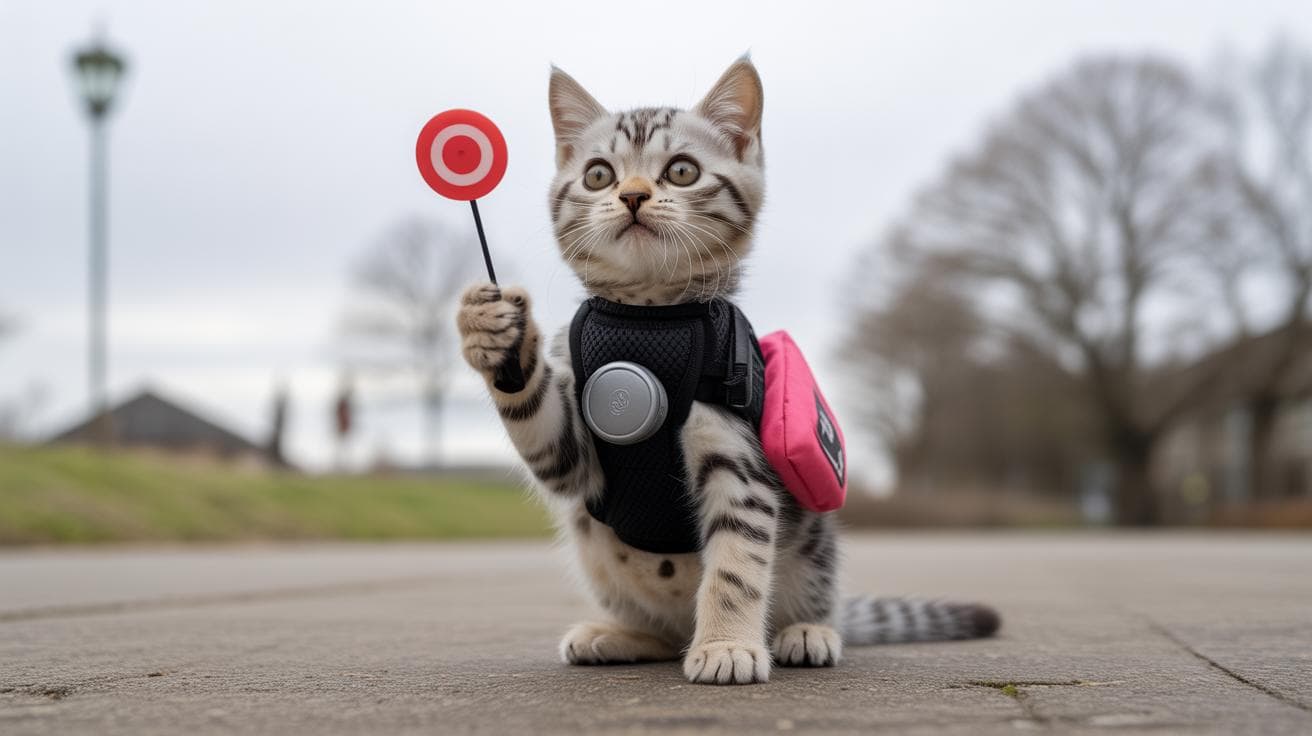
Start when your kitten seems curious and calm. That calm curiosity makes lessons faster and kinder, and it falls inside the socialization window when gentle, positive moments stick. Ever watch your kitten’s whiskers twitch as they focus? That’s a great sign.
Look for simple readiness signals:
- Calm approach to you , not hiding or freaking out
- Accepts tiny food rewards from your hand (small tasties work best)
- Short, focused gazes , brief eye contact as they pay attention
- Not overly worked-up after playtime; they can settle quickly
If your kitten shows most of these, short cheerful sessions will be way more productive and less stressful.
Keep training at home during routine vaccine windows (when they get their shots). Avoid outdoor exposure until your vet gives the okay. If your kitten is sore after shots or feels under the weather, keep sessions extra gentle and brief , low-stress timing aids recovery.
Teething (when their baby teeth fall out and their gums get sore) can make kittens bite more. Swap to softer rewards like a smear of wet food or tiny spoon-fed tastes. Use stationary lures instead of moving your fingers, and shorten bursts to match their bitey attention span. Actually, make that plenty of short, tasty wins.
See the Quick-Start H2 for the baseline age and start guidance.
Kitten clicker training step-by-step exercises: progressive training and advanced variations for sit, recall, litter, carrier, and bite reduction
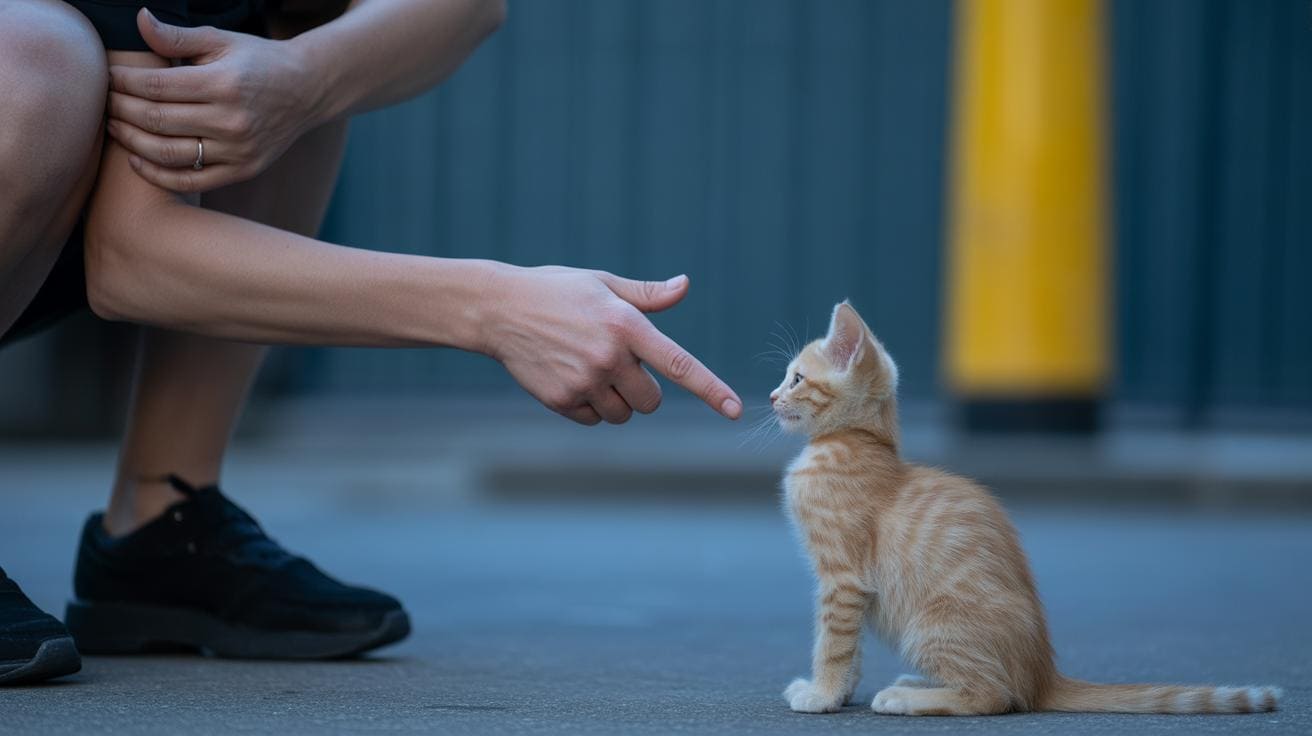
Use the Quick-Start H2 as your baseline for how many treats to load, treat size, and session length. These progressions follow those core rules and slowly push your kitten toward distance, distraction, and real-world proofing with clicker training (clicker = small handheld device that marks the exact moment you want your cat to repeat).
Sit (progression & proofing)
Start by shaping the sit with tiny guides and a target-stick (a wand with a foam tip that shows where the nose should go). Short, clear motions work best , think gentle guidance, not wrestling.
- Ask for a target-touch to the nose, then lift your hand slightly so the hips lower. Do 3 to 10 reps to notice a change; repeat over days.
- Add a small upward arc of the lure (lure = hand-held treat guide) so the back end drops into a sit. Reliable in a few days to one week.
- Swap the lure for the target-stick to reduce treat grabbing. Give it a week or two.
- Fade the visible lure toward an empty-hand cue; click at the finish and reward the behavior. This takes more weeks.
- Add a 1 to 3 second pause before you mark with the clicker to build patience. Proof this over days to weeks.
- Slowly increase distance and introduce mild distractions, rewarding sometimes as reliability grows. Proofing at distance can take multiple weeks. Worth the effort.
Recall (progression & distance proofing)
Recall keeps kittens safe and makes for great bonding. Shape it from short hops to eager dashes.
- Say the name, take one step back, then click and reward when your kitten comes. Short-distance reliability can happen in days.
- Add a few backward steps after each successful rep; build up over days to weeks.
- Offer a visible target or mat for the kitten to aim at , a clear end point helps focus.
- Use intermittent high-value rewards or reserved play as distance grows. Try a variable schedule (reward often at first, then less: for example 3 rewards out of 4, later 1 out of 5).
- Practice with low-level distractions, then raise the challenge slowly over weeks.
- Occasionally follow a successful recall with a quick play session or a toy toss to make coming back fun and generalize eagerness.
Litter, Carrier, and Bite reduction
These skills need slow shaping and calm sessions. Pick quiet moments and log small wins. Tiny celebrations welcome.
A) Litter
- Reward every confident entry to the box. The smell of the treat may help at first.
- Gradually delay the treat until the kitten finishes the task, so the whole action gets reinforced.
- Proof placement by moving the tray in small steps and rewarding correct choices. Patience pays off.
B) Carrier
- Reward approach and sniffing at the open carrier. Make it a safe, interesting spot.
- Reward for sitting at the carrier mouth. Celebrate small steps.
- Reward stepping in, then close the door briefly and give a calm reward; lengthen the closed-door time slowly so the cat learns the carrier is okay.
C) Bite reduction
- Watch for tiny triggers that lead to nips and note them. Awareness is half the battle.
- Shape gentler contact by rewarding soft touches and immediately swapping to a toy on a short timer.
- Set a clear rule: gentle touch gets play, hard bite ends the fun. Be consistent.
- Increase tolerated handling time little by little, with calm food rewards for staying relaxed.
| Behavior | Progression steps | Reward type for each stage | Expected timeline (range) |
|---|---|---|---|
| Sit | Target-touch → fade lure → empty-hand cue → distance proof | Tiny aromatic treats → target-stick rewards → intermittent play | 3 to 10 reps to notice; days to weeks to proof |
| Recall | Name → short step-back → increase distance → variable rewards | High-value treats → reserved toy play | Short-distance: days; generalized: multiple weeks |
| Litter entry | Reward entry → delay-to-reward → placement proofing | Small smell-first treats → occasional praise | Days to reliable; weeks for proofed placement |
| Carrier step-in | Approach → sit-by → step-in → brief close-door increments | Soft treats and calm petting → slow desensitization rewards | Days to weeks depending on fear level |
| Scratching-post use | Target the post → reward initial contacts → shape full use | Tiny treats → praise → play after good use | Quick wins: days; solid habit: weeks |
| Bite reduction | Record triggers → shape soft touch → timed toy swaps | Toy rewards → calm food rewards for tolerance | Weeks for steady improvement |
Session management for kitten clicker training: advanced timing, reinforcement schedules, and tracking
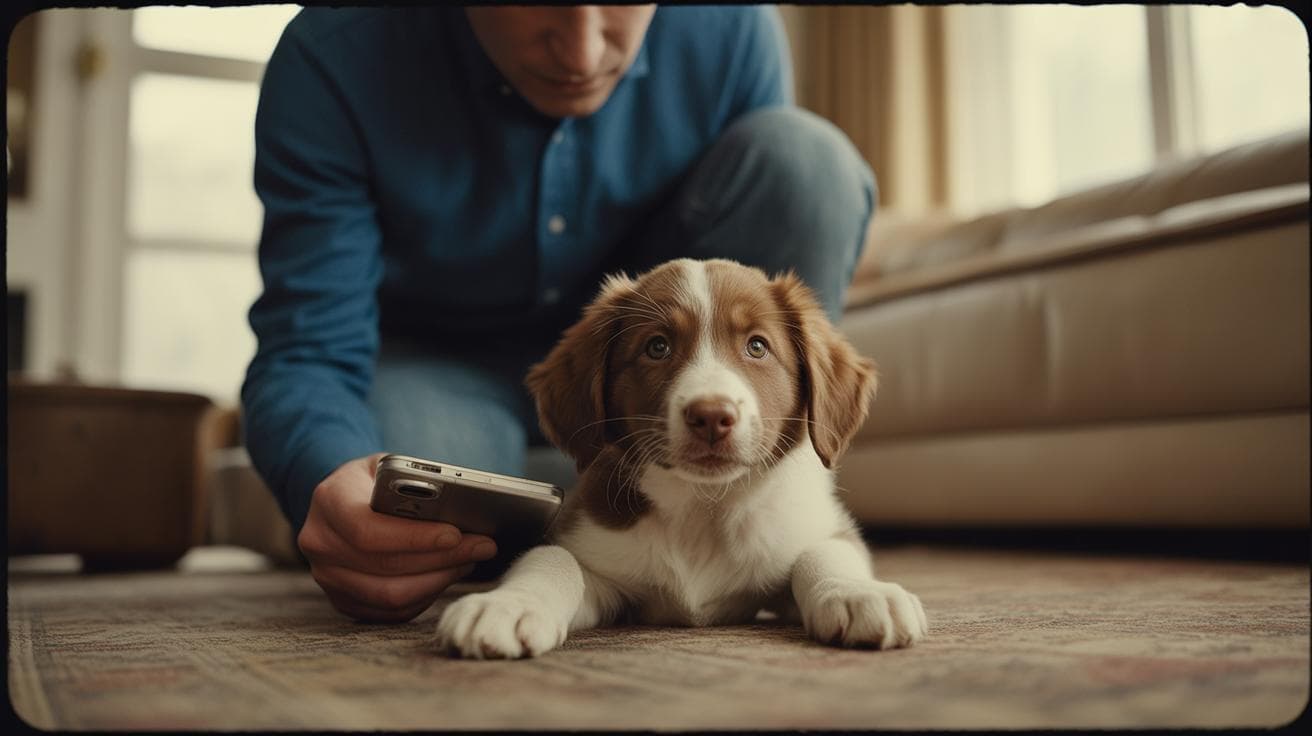
Start with the Quick-Start baseline for loading the clicker (a small handheld sound marker) and the first session length, then tweak from there to fit your kitten’s mood and your schedule. Think of that baseline like a warm-up. It gets the clicker meaning into your kitten’s head before you stretch sessions longer or pile on reps. Ever watched a kitten freeze, ears twitching, when a new sound shows up? That’s normal.
Keep training in two main flavors: micro-bursts and proofing blocks. Micro-bursts are very short checks (10–60 seconds) to keep attention high. Proofing blocks are longer, focused practice on one skill so your kitten learns to do it under more pressure (proofing block – longer practice to build reliability). Use micro-bursts when you’re busy and proofing blocks when you want real progress.
Here’s an easy reinforcement progression to follow as your kitten gets better: 1:1 → 3:2 → 3:1 → variable. That just means you start by rewarding every correct click, then slowly give fewer treats for the same number of clicks, and finally switch to variable reinforcement (rewards given unpredictably so motivation stays high). It’s like moving from training wheels to free-riding.
Weekly plan examples so you can pick what fits your week:
- Busy week: 10 × 1-minute micro-bursts spread through the day. Perfect if you’re rushing out the door.
- Moderate week: 3 × 3-minute short sessions plus one 8-minute proofing block. Nice balance.
- Intensive week: 5 × 3-minute sessions plus one 10-minute proof day for heavier practice.
Advanced session rules (quick, usable):
- Always use the Quick-Start baseline before you lengthen or densify sessions.
- Stop a session before engagement drops. End on a calm, rewarded note so training feels like a win.
- Shorten or shift sessions during teething, illness, or over-arousal. Kittens get cranky then.
- Vary reward types so value stays high: tiny treats, a reserved toy play session, or a brief pet (tiny treat – small food reward; reserved toy play – a special toy only used after training).
- Tag each session in a log for quick review later. You’ll thank yourself when you can see what worked.
Keep a tiny training log with these columns so you can spot patterns and tweak fast:
| Date | Time | Session length | Behavior | Success | Reward | Notes (mood, teething, distractions) |
|---|
Finish sessions with a calm cue so the kitten learns training ends predictably and happily. A soft “all done” or a gentle pet works wonders. Worth every paw-print.