Think clicker training is just a party trick for show-off cats? Think again.
Start during the 0 to 12-week social window (the early weeks when kittens learn to trust people). A clicker (small handheld device that makes a consistent click) acts like a tiny translator. That steady click marks the exact moment your kitten pounces, sits, or calms so you can reward them right away.
Keep sessions short and quiet, two to five minutes a few times a day, and use tiny tasty treats. You’ll see more social confidence, gentler play, and vet visits that go much smoother in just a few weeks (vet handling means being picked up and examined).
It’s fun, low-effort, and worth every paw-print. Claw-tastic results with almost no fuss.
Kitten Clicker Training: Early Socialization and Play
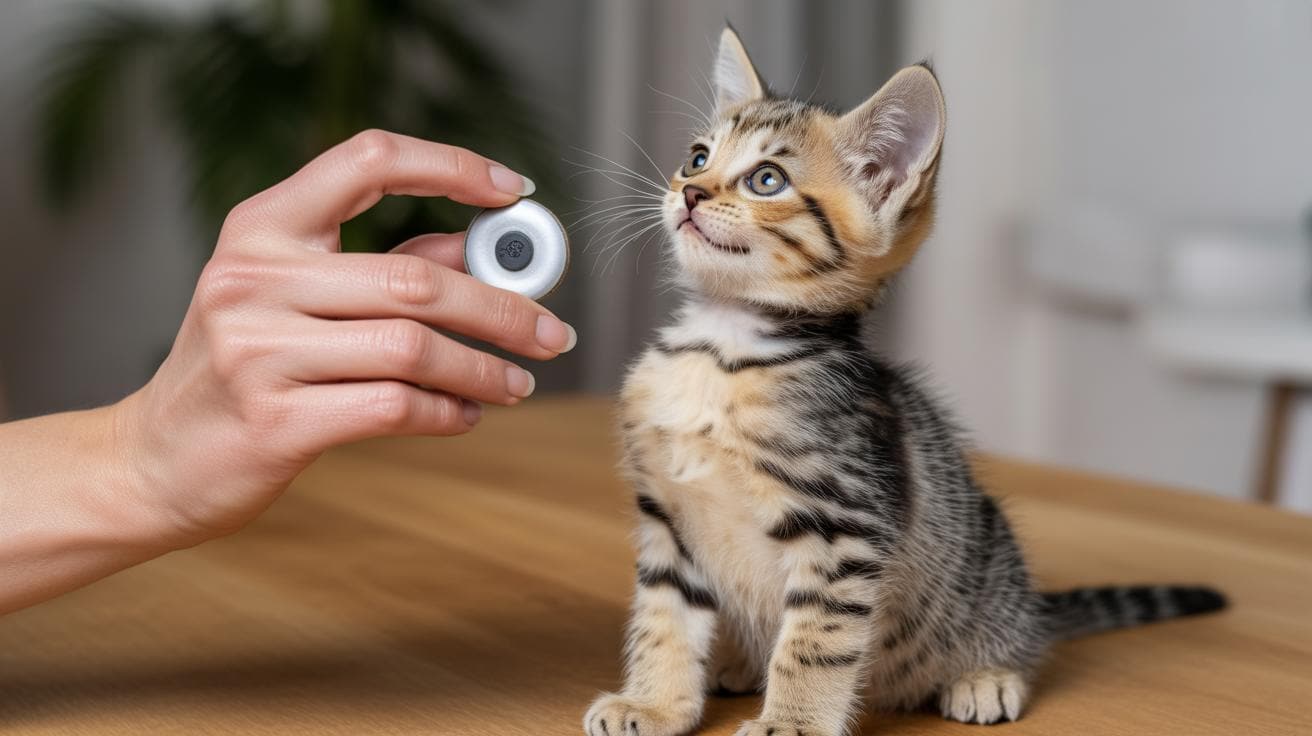
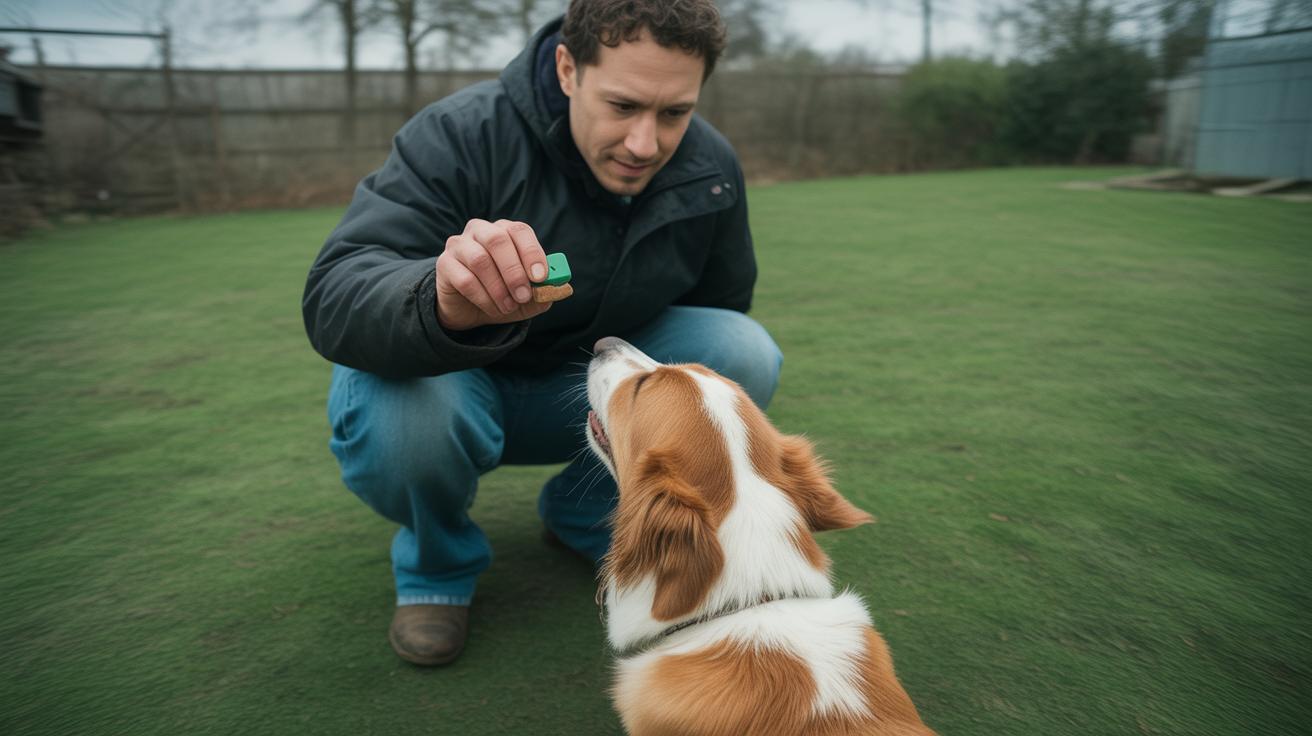
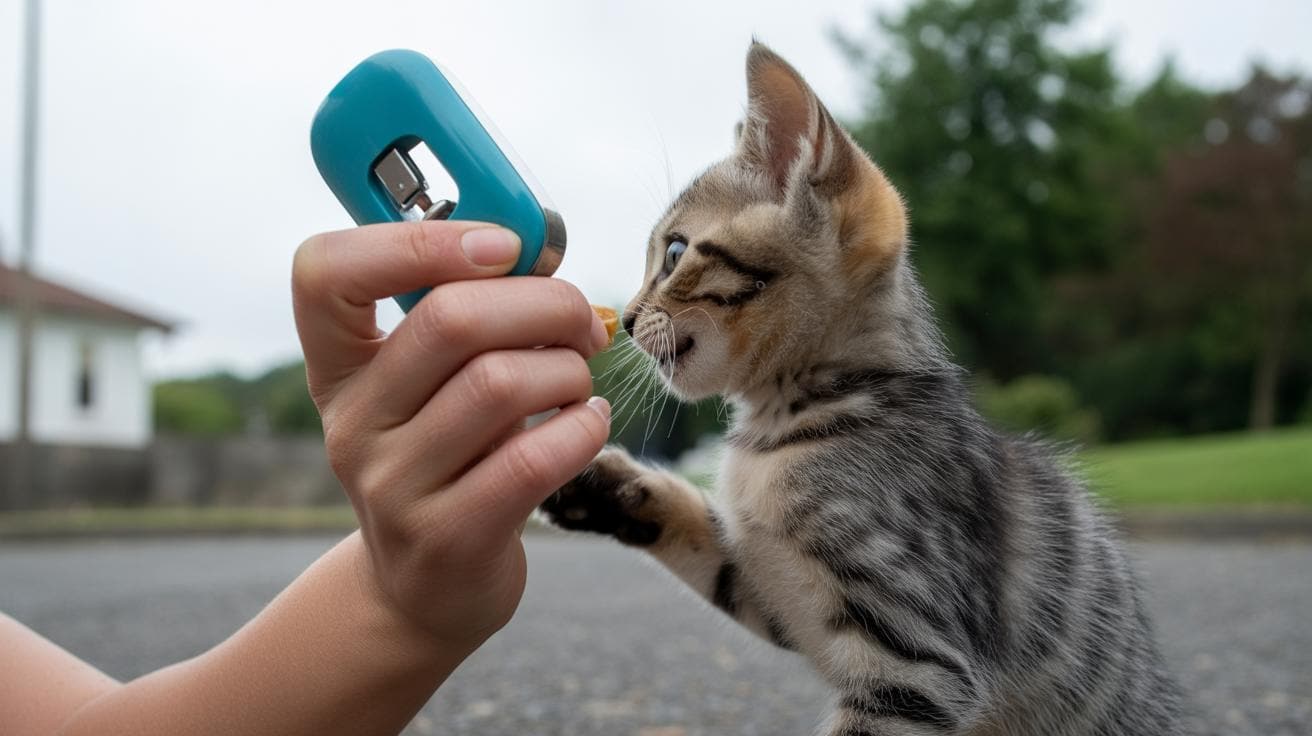
Kitten clicker training captures the exact moment your kitten does something you want – a pounce, a gentle paw tap, or a calm sit – with a short click that says "yes" and then a tiny treat rewards that choice. The clicker is a small handheld device that makes a consistent click sound (think of it like a camera snap that freezes the good behavior). The click becomes a marker, meaning the sound tells the kitten exactly what earned the treat.
Start around 8 weeks, which is inside the 0 to 12 week early socialization window. First, prime the clicker by doing 5 to 10 click to treat pairings so the kitten learns that click means reward. Use very small, tasty treats (chicken, tuna, or soft training bites) so you can reward lots without filling them up. Keep practice short and quiet so the kitten stays curious, not overwhelmed.
- Start age: 8 weeks (inside the 0 to 12 week early kitten socialization window) – ideal time for clicker training.
- Prime: 5 to 10 click to treat runs before teaching cues (small, high-value bites).
- Sessions: 3 minutes, 3 to 4 times per week in a calm space (short, consistent practice).
You’ll see wins quickly. Expect less play-biting, easier handling, better vet and groomer tolerance, sharper focus during play, and faster social confidence. Your kitten’s whiskers will twitch with excitement as they learn, and many owners notice real changes within a few weeks. Worth every paw-print.
See Getting started, Play-based exercises (Sample games), Socialization handling, Troubleshooting for step-by-step how-tos.
Getting started: equipment, priming protocol, and first preparations
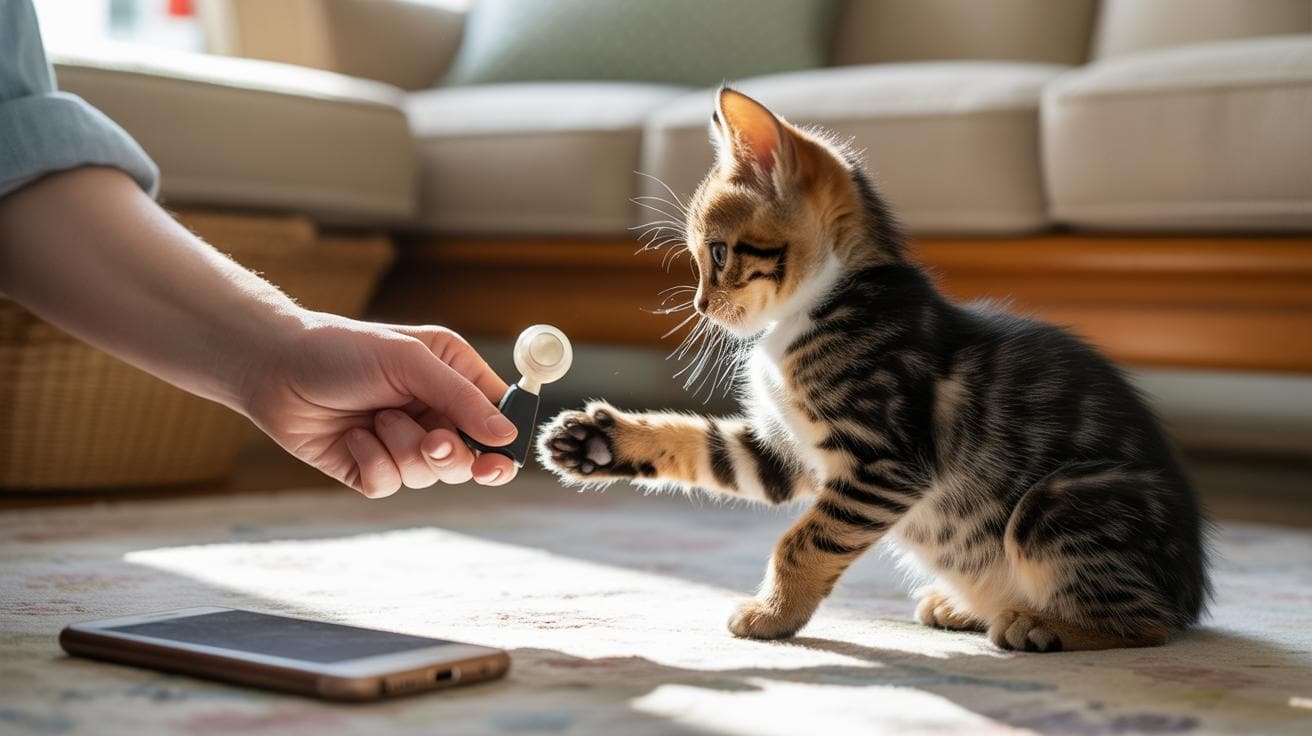
Pick a compact clicker (small handheld device that makes a sharp, consistent sound) or a quiet verbal marker (a short, steady spoken cue like "good"). Try the sound a little distance from your kitten so you can see if it makes them jump; if it does, switch to a softer word. Ever watched a kitten flinch at a loud noise? Yeah, we do not want that.
Priming means teaching your kitten that the click or word predicts a treat. Do 5 to 10 clear click → treat pairings: click, drop a pea-sized treat (tiny bite so they can eat it fast), wait one beat, then repeat. Your goal is for the kitten to look for the treat the moment they hear the marker.
- Choose a clicker or verbal marker and test the sound near the kitten to make sure it feels comfortable.
- Portion treats into bite-sized pieces so you can reward often without overfeeding. Pea-sized works great.
- Prime the marker with 5 to 10 clear click → treat runs so the association is obvious.
- Give the treat within about 2 seconds after the click so the connection stays tight.
- Once the behavior is reliable, swap some food rewards for a short burst of interactive play (see Shaping & rewards) to keep things fun and active.
- If the marker scares your kitten, switch to a softer verbal marker and check Troubleshooting for more tips.
Keep it short and playful. A few minutes of priming now saves you time later, and your kitten will think you are the best treat machine ever.
Age windows, session length, and a training schedule for kitten clicker training
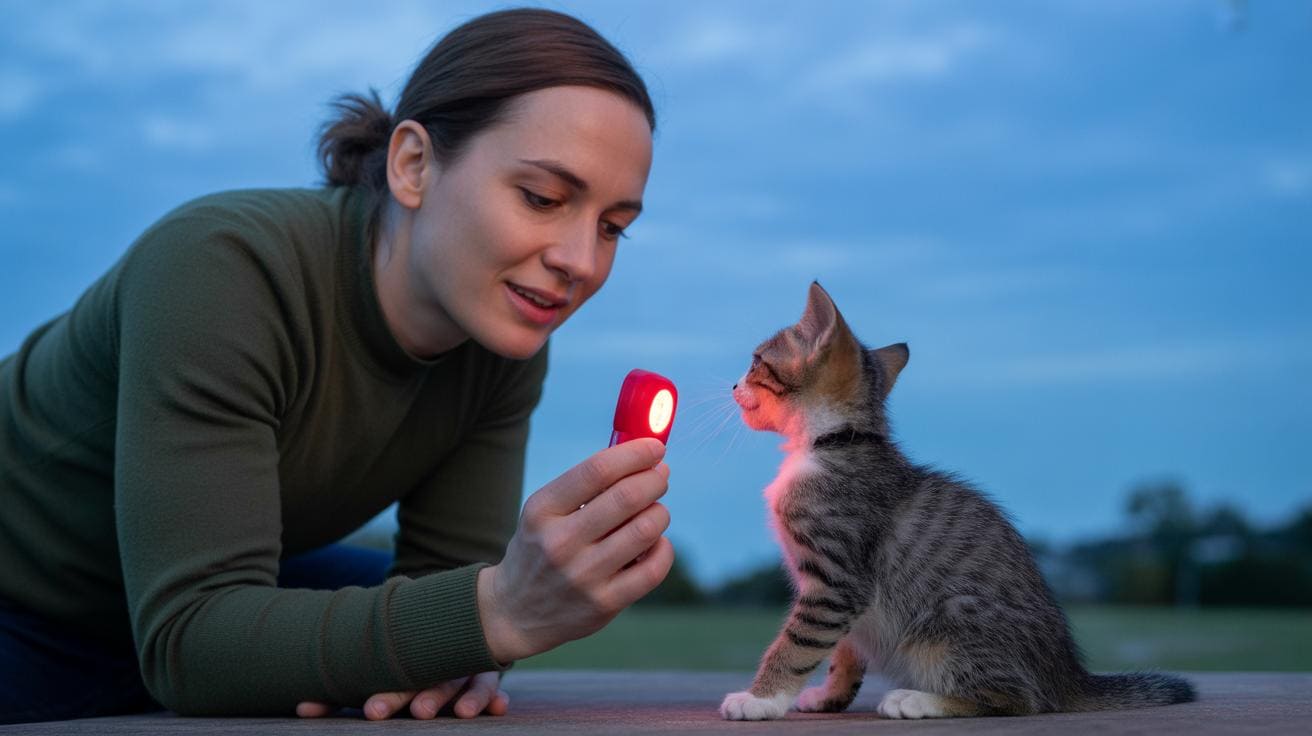
Think early. The socialization window (the sensitive period when kittens learn about people, places, and handling) runs about 0-12 weeks, and starting around 8 weeks gives the biggest payoff. Beginning then helps your kitten learn calm handling, polite play, and faster tolerance for vet and grooming visits , nice wins for everyone.
Keep sessions short and playful. For very young kittens aim for about 3 minutes. Older kittens and adult cats do well at 3-5 minutes. Short bursts keep their whiskers twitching with curiosity, not boredom.
How often? Do 3-4 short sessions per week as a baseline, and sneak in extra tiny play-focused clicks on busier days if you want faster progress. Start every training block with marker priming (teaching the clicker to mean "yes") and one easy behavior, then repeat that behavior at least five times before you add a verbal cue (the spoken word you pair with the action). This repetition builds reliability.
If your kitten loses focus, stop while they’re still interested and try again later. Short practice beats marathon drills. It keeps training feeling like play, not work , and that makes it stick.
A couple quick tips: make each session fun, use tasty treats or favorite toys, and celebrate tiny wins. Ever watched a kitten pounce on a moving dot of light? That joy is the whole point. Worth every paw-print.
| Age range | Session length | Primary training goals |
|---|---|---|
| 0-6 weeks | handling-only (short exposures) | maternal/social exposure, basic touch tolerance |
| 6-12 weeks | 2-3 minutes | basic cues, people handling, first priming runs (marker priming = clicker means yes) |
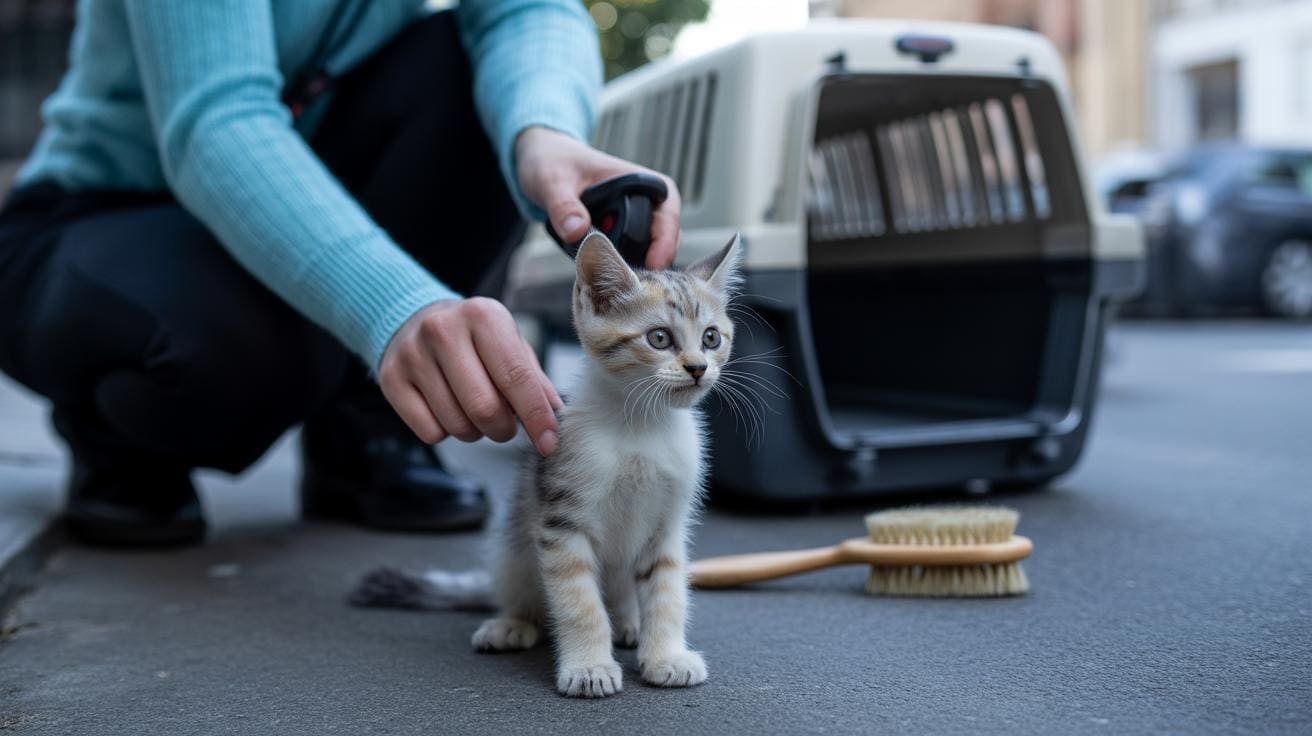
| 8-16 weeks | 3-5 minutes | recall (come when called), sit, target (touch an object on cue), short leash/carrier exposure (brief, supervised introductions) |
| 16+ weeks | 3-5 minutes | shaping complex behaviors (building steps toward a bigger action), vet/grooming tolerance |
Kitten Clicker Training: Early Socialization and Play
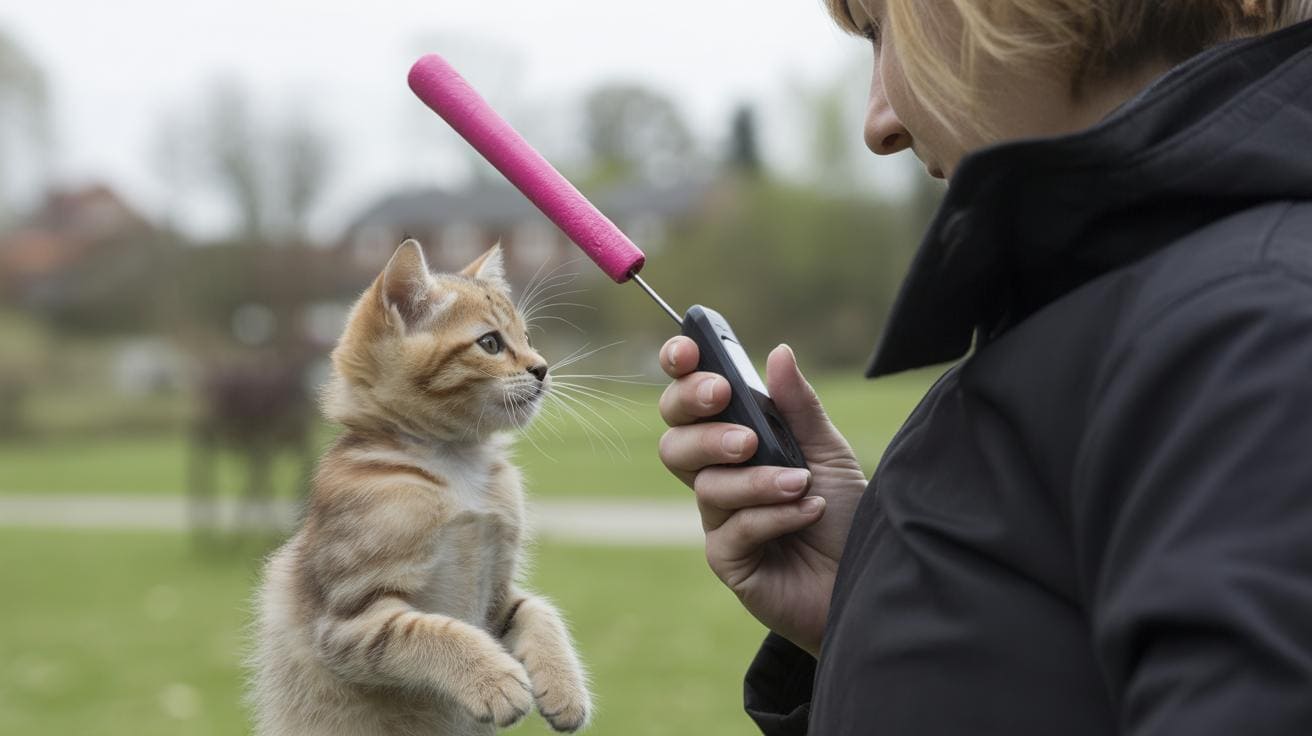
Short, burst-style play fits a kitten's hunting rhythm. It teaches impulse control by rewarding the right choices, and it builds confidence fast. Pair those bursts with a click or a soft word and you get clear, repeatable feedback. (A clicker is a small handheld marker that makes a distinct sound.)
Safety first: pay attention for stress signs and stop if your kitten yawns, licks lips, or walks away. See Troubleshooting for more cues and when to pause.
For exact marker timing (the precise moment you mark a behavior) and which rewards to use, follow Shaping & rewards. For how long to practice each day, check Age windows.
Sample Game: Click-and-Recall
Set up across the room with a tasty treat in hand. Call the kitten's name, and the instant they turn or start walking toward you, click and give the treat. Repeat, slowly increasing the distance until they come reliably. Success looks like an enthusiastic approach and a little sit or pause for the reward. Once it's steady, add a short verbal cue for recall. See Shaping & rewards for exact click-to-treat timing.
Sample Game: Target-to-Hand and Bite Redirection
Teach nose or paw targeting by offering a finger or a small target stick (a short rod used to guide touch). Click the moment they touch it, then reward. Move the target to guide them where you want them to go. If play-biting starts, swap the target for an approved toy so they bite that instead, click the toy-touch, and reward the calmer choice. After several consistent successes, add a short cue word. Consult Troubleshooting if biting creeps back.
Quick games to rotate during short sessions – use tiny tasty treats or short play bursts as rewards:
- Click-and-Recall: call the name, click as they approach, reward, and step back a few feet.
- Target-to-Hand: present the target, click on touch, reward, and move the target toward the spot you want.
- Sit via Lure: hold a treat above the nose then move it back toward the shoulders; click when the bottom hits the floor; reward.
- Wand Chase (supervised): wiggle a teaser wand (a stick with a toy on the end) at different speeds; click a clean pounce or a controlled bite on the toy; reward a calm play pause. Product note: for long-term play, use durable parts or DIY replacement attachments for teaser wands.
- Forage Puzzle Steps: hide tiny treats in a forage puzzle (a toy that hides treats); click when they solve a compartment, then reward with a short play burst.
- Bite Redirection Drill: invite gentle nuzzle-play with a soft toy, swap to the approved toy at the first nip, click toy contact, and reward calm play.
Play success looks like steady approaches to targets, calm exits after play, and fewer mouthy grabs during handling. See Shaping & rewards for luring limits and how to rotate rewards. Worth every paw-print.