Tonkinese cat: play style and enrichment needs

Think cats are lone wolves? Tonkinese (a social cat breed) prove that wrong. They’re chatty and clingy in the sweetest way, like a tiny furry roommate who follows you from room to room. Ever had a cat that wants to be in on every conversation? Yup, Tonks will be your little gossip partner.

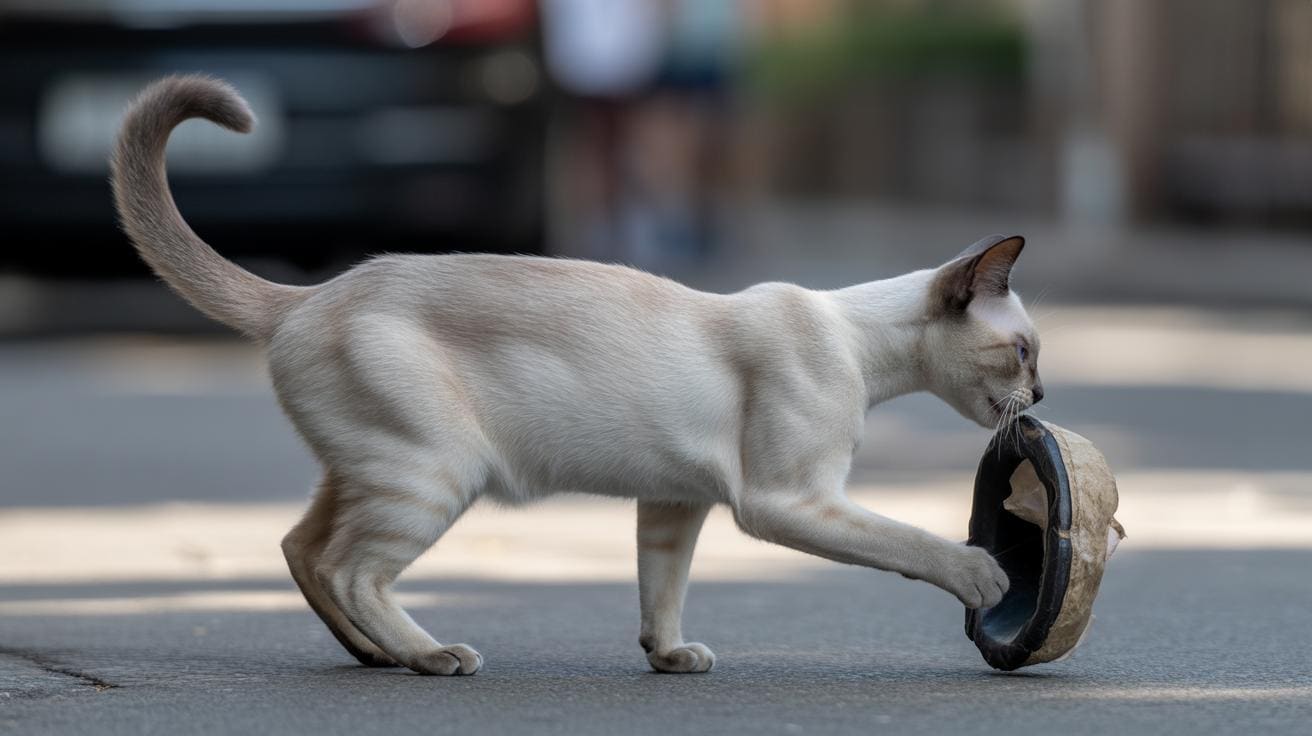
They’re medium-sized with springy muscles and clever, dog-like smarts, so plan on 30 to 45 minutes of active play a day to keep them calm and out of trouble. Picture zooms across the living room, high leaps and quick pounces that make their whiskers twitch and your heart smile.

Make play easy. Do owner-led chase sessions (you wiggle a wand or drag a toy), use puzzle feeders (toys or bowls that make your cat work for food), and give them tall climbing spots like cat trees (tall scratching and climbing posts) or wall shelves. A second pet or a devoted human playmate helps too, Tonks love company and can get bored alone.

Worth every paw-print.

Tonkinese cat: play style and enrichment needs
- Quick lede Tonkinese play style, daily play target, and three immediate actions.jpg

Tonkinese cats are social, chatty, and clever in a dog-like way. They’re medium-sized with strong, springy muscles and an endless curiosity. Plan on 30-45 minutes of active play each day to keep them happy.

They really want company and can get anxious if left alone for long stretches. They do best in busy homes, with someone working from home, or with another pet around. Ever had one follow you from room to room asking for a game? Yep, that’s classic Tonkinese.

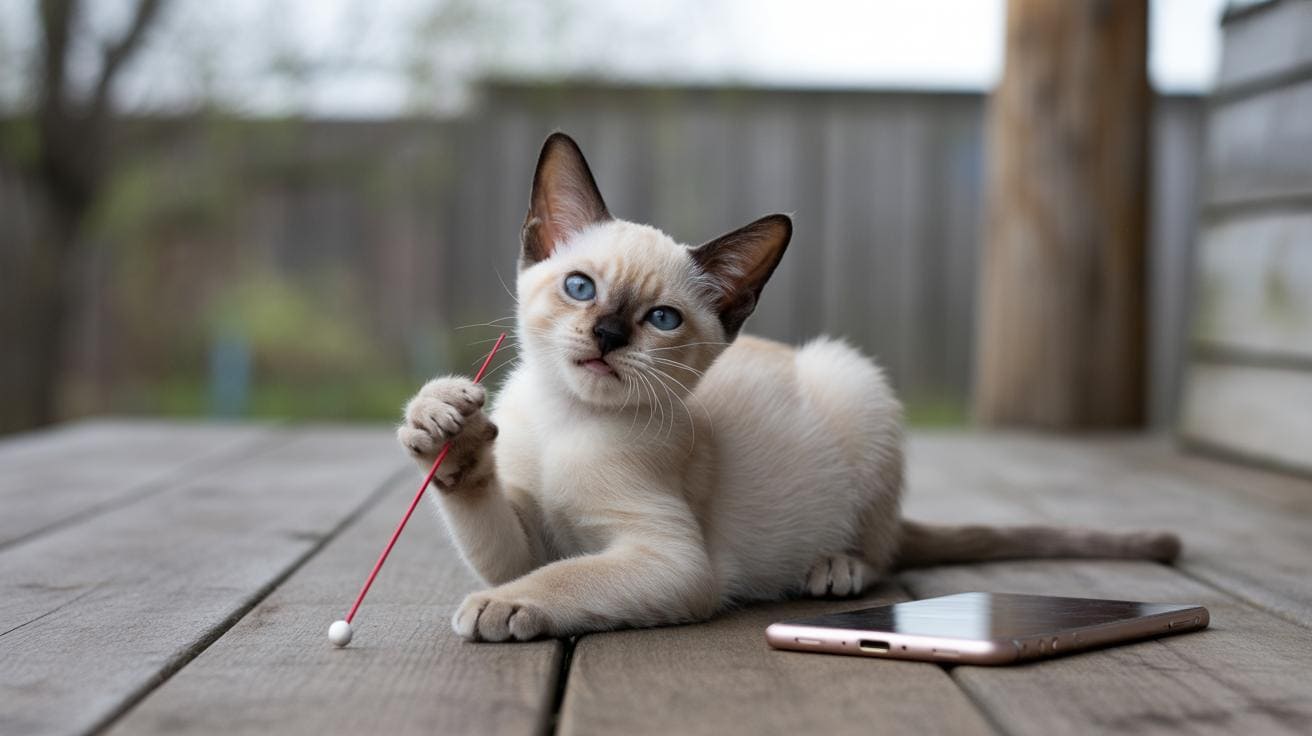
Their smarts mean they learn tricks fast and love routines. Expect lots of vocal requests and a taste for variety. Short training sessions, fetch, wand play (a teaser rod with feathers or toys), and puzzle challenges keep their minds busy and cut down on attention-seeking. Puzzle feeders (feeding devices that make cats work a bit to get kibble) are a great way to slow meals and add problem solving.

Quick checklist

  • Do daily owner-led interactive sessions to mimic prey play (short chases and pounces that copy what they’d do with birds or toys).
  • Replace part of meals with puzzle feeders (slow feeding and mental exercise).
  • Add vertical climbing and lookout spots: tall cat trees (climbing posts with platforms), wall shelves, and a secure window perch (a flat spot that lets them watch outside).
    See Interactive play strategies for toy list and routines; See Puzzle feeders for feeding protocols; See Vertical space for setup tips.

Worth every paw-print.

Tonkinese cat age and individual play variations
- Tonkinese cat age and individual play variations.jpg

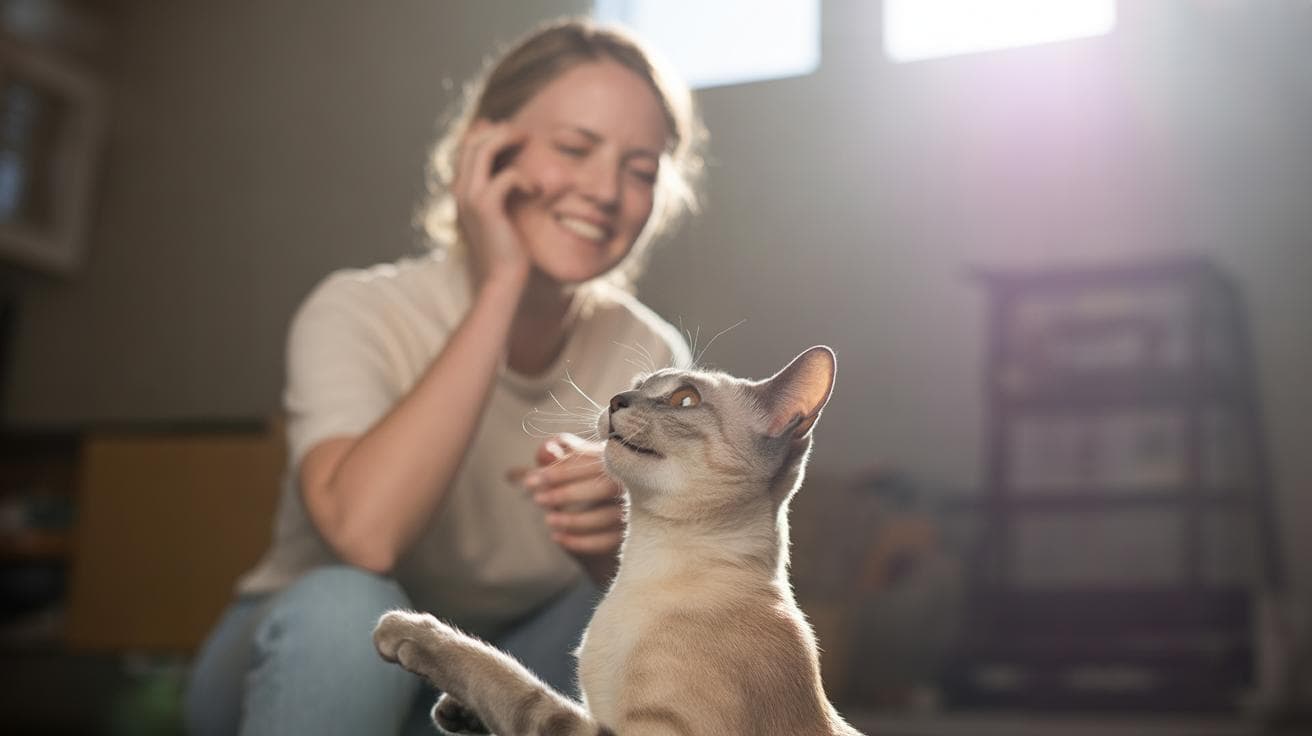
Kittens do best with lots of tiny practice runs. Try several 5-10 minute sessions a day to build coordination, social skills, and gentle bite control. Use quick training snippets with praise and tiny treats to teach recall and how to play with toys instead of hands. Those little wins add up and help make a confident, playful adult. Ever watch a kitten pounce on a rolling crinkle ball? The wobble and that tiny hop are training in motion, so cute.

Adult Tonkinese run the whole personality spectrum. Some are turbo fetch fans who want non-stop chase, while others prefer slow stalking or puzzle toys that make them think. Match the game to your cat's vibe and rotate intensity through the day so they get both sprint time and brain time. Outgoing cats usually love chase-and-capture play; more reserved cats often do better with scent games or food puzzles that reward thinking. See Quick lede for the daily minutes target.

Senior Tonkinese need gentler, lower-impact fun that respects joints and dental limits (like missing or sensitive teeth). Short, calm sessions and brainy puzzles keep them engaged without taxing their bodies. Add lower shelves, padded ramps, and plush resting platforms so they can join in without big jumps. Watch for stiffness, slower movements, or refusal to jump, then lower heights and slow the play down.

Worth every paw-print.

Interactive play strategies for Tonkinese cats
- Interactive play strategies for Tonkinese cats.jpg

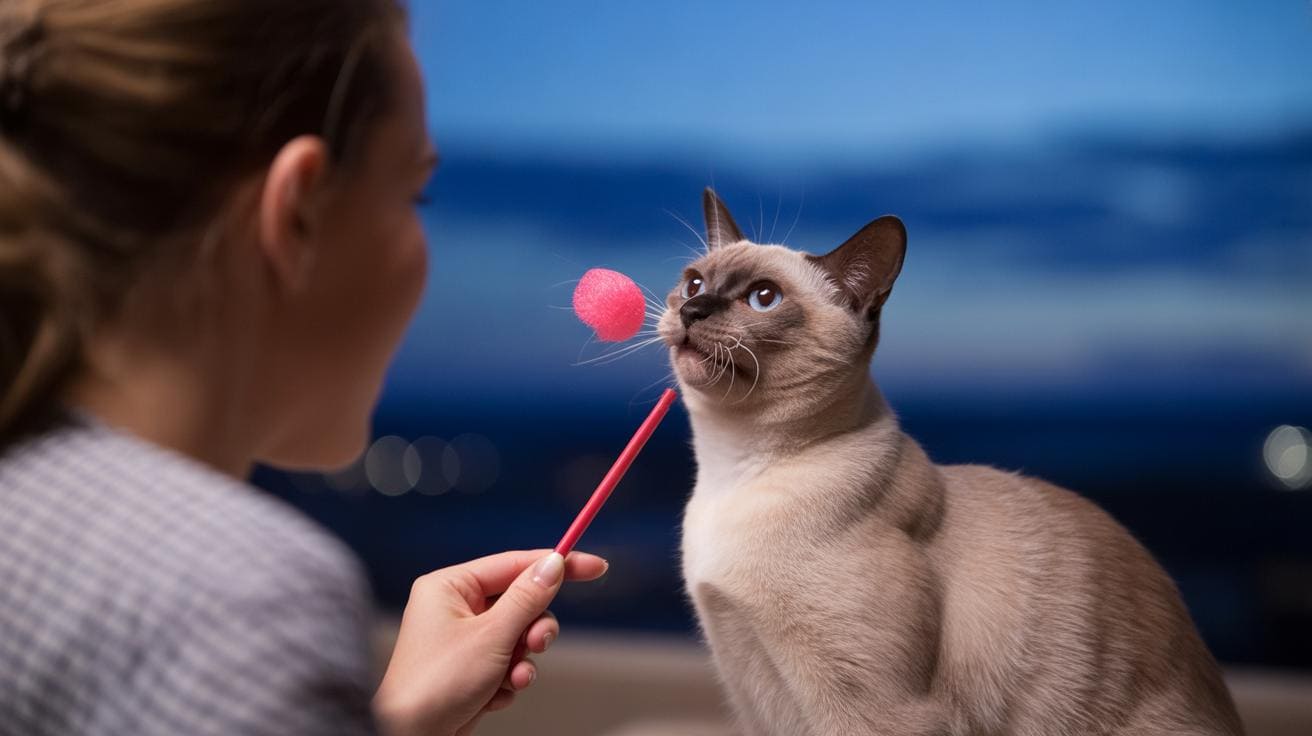
Think of play in three simple stages: a quick warm-up to wake the hunting brain, a fast, twisty chase that changes speed and direction, and a calm capture so your cat finishes with a win. This recipe keeps play realistic and satisfying , the kind that makes whiskers twitch and paws fly.

Pace each session by reading your cat’s cues: tail flicks, ear position, sudden freezes. Short bursts of training and tricks fit right into this pattern. See Quick lede for the daily minutes target.

  • Wand / feather teaser , swing, pause, and tease like fluttering prey; great for interactive pounces.
  • Lightweight balls for fetch , toss low-rolling balls that are easy to bat and bring back.
  • Treat-dispensing puzzle (puzzle feeder) , use as the capture reward or a solo brain game after play.
  • Motorized chaser (battery-powered moving toy) , good for short solo sprints; supervise the first few runs.
  • Crinkle tunnel (tunnel with crinkly fabric) , perfect for hiding, sprinting, and ambush-style fun.
  • Lick mat (textured mat for pet-safe spread) , calming lick-time reward during capture and grooming.
  • Sniff / nose-work mat (scent-work mat) , slow scent games that shift focus from chase to search.
  • Safe bubbles (cat-safe bubble solution) , floaty targets that encourage leaps and swats; finish with a physical toy.
Toy Type Best Use Intensity Level (low/med/high) Quick Safety Note
Wand / feather teaser Interactive pouncing and stalking High Secure attachments so feathers can’t come loose
Lightweight balls for fetch Chase and retrieve practice High Avoid small balls that could be swallowed
Treat-dispensing puzzle Cognitive challenge and meal slow-down Med Match difficulty to your cat’s skill level
Motorized chaser Solo bursts and quick dashes High Watch for overstimulation on first uses
Crinkle tunnel Ambush play and exploration Med Supervise around loose fabric or zipper parts
Lick mat Calming rewards and grooming aid Low Use only pet-safe spreads
Sniff / nose-work mat Scent games and slow foraging Low Check mats for loose fibers regularly
Safe bubbles Floating targets for jumps and swats Med Use a cat-safe bubble solution and end with a toy

Training techniques

Start clicker training with one clear cue, mark the behavior, then reward immediately. A clicker (small training device that makes a sharp sound) helps your cat link action and reward fast. Keep sessions short and repeatable so your cat builds reliability without getting bored.

For fetch, teach "take" and "drop" using treats, then slowly switch treats for play as the reward. For leash work, fit the harness indoors first, let your cat wear it for short supervised bursts, then try slow leash walks outside. Time the reward right after the desired action so your cat knows exactly what worked.

Session structure and pacing

Begin with a gentle warm-up , soft teaser flicks and short chases , then ramp up speed and change direction for an energetic pursuit. End by letting your cat capture a toy or a treat so they feel successful. Watch for signs like tail thrashing, flattened ears, or sudden nips; when you see those, pause, swap to a lower-intensity toy, or offer a calm petting break. See Puzzle feeders for feeding protocols when using treat-dispensing toys.

Worth every paw-print.

Tonkinese vertical space, cat trees, and window perch setup
- Tonkinese vertical space, cat trees, and window perch setup.jpg

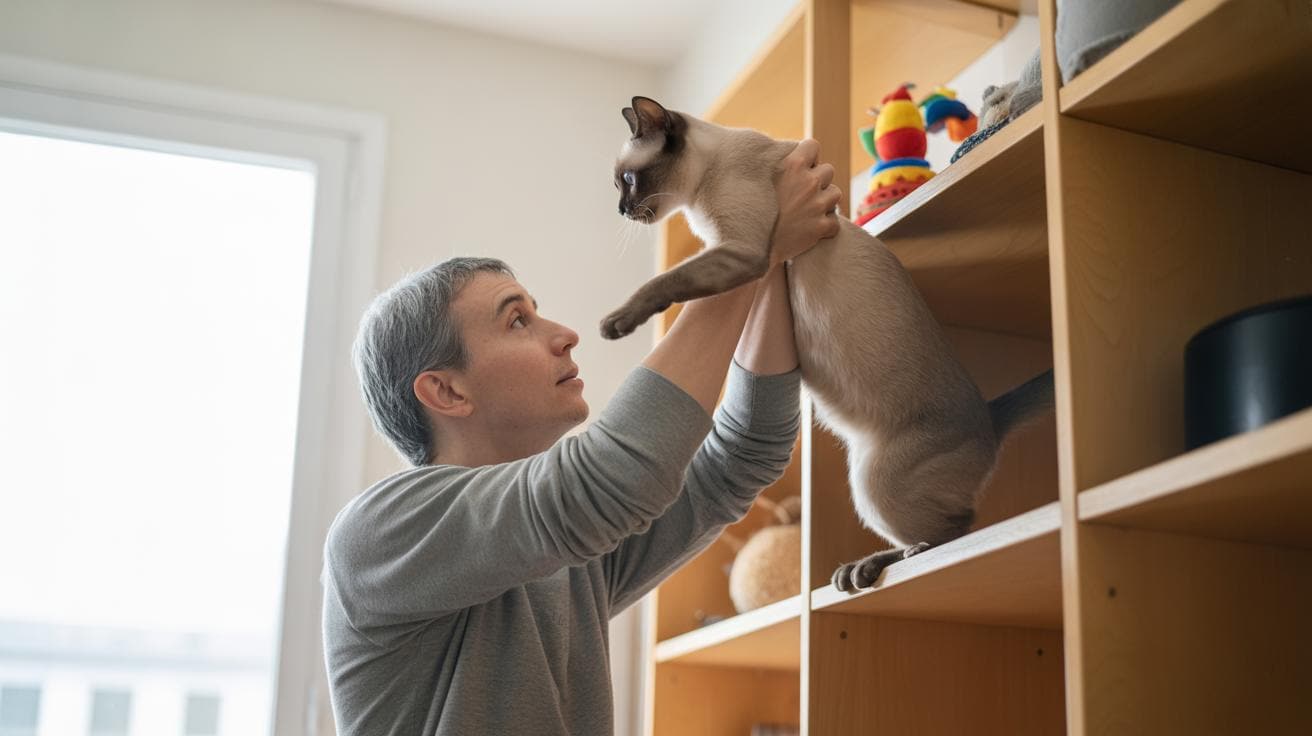
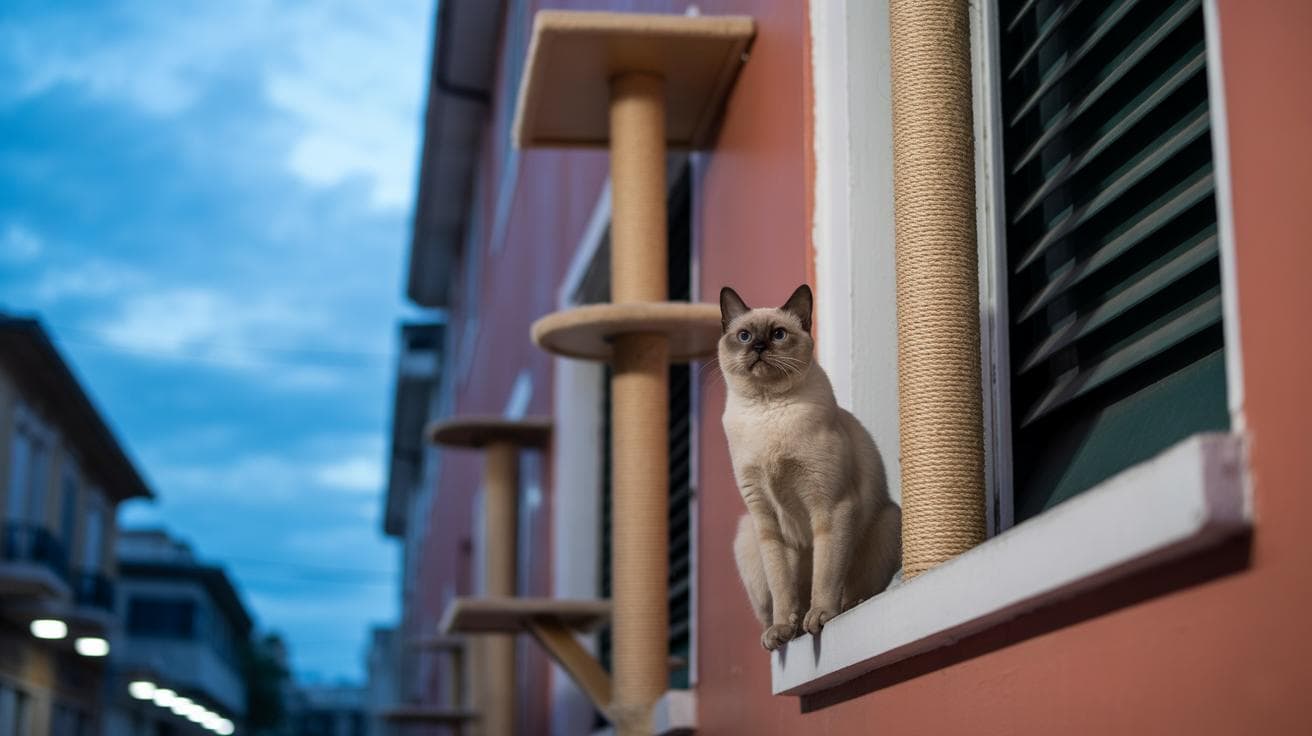
Tonkinese love to climb and crown their rooms. They want high spots to scan the scene, pick an ambush point, and feel in charge. Put perches and shelves near doors, hallways, and other busy spots so your cat can watch comings and goings, and give at least one perch with a clear view of a window where birds or backyard motion show up. A few spread-out spots let them pick a quiet nap corner or a busy lookout.

Pick trees and shelves that feel rock-solid: wide platforms, a heavy base, and clear weight ratings on the label. In an apartment, one tall, well-anchored tower saves floor space and gives lots of vertical real estate. In a multi-level home, space smaller shelves between floors to make fun climbing routes. Offer a mix of scratching surfaces like sisal (a rough natural fiber good for claws), corrugated cardboard (fluted paperboard that crunches satisfyingly), and horizontal wood boards, and use removable, washable bedding so you can freshen spots quickly.

Window perches should sit where sun patches and safe views line up with feeders or lawns, and pick a spot that catches your cat's favorite nap time sun, morning or afternoon. Avoid drafty places near old windows or vents. Mount perches to studs (the vertical wall framing) or use heavy-duty anchors (strong fasteners for drywall) and test them by pressing firmly before trusting a jump. Low-cost options like sturdy cardboard boxes, stacked crates, or a DIY wall shelf let you try layouts without big expense. Quick list: three immediate actions you can take now are add one high perch, secure it to a stud or anchor, and put a comfy washable cushion where the sun hits.

Choosing cat trees and perches

Aim for platforms at least 12 inches square so an adult Tonkinese can curl up comfortably. Look for a clear weight capacity on the product and solid anchor methods like wall brackets or floor-to-ceiling tension poles (a pole that presses between floor and ceiling for support). Favor sisal for scratching, solid plywood (layers of wood glued together) or MDF (engineered wood board) for platforms, and cushions you can zip off and toss in the wash. Stability matters more than style. Your cat will thank you with purrs and acrobatic leaps.

Window perches and outside viewing

Line up perches with a clear sightline to bird feeders or lawns and avoid blocked views. Think about when your cat likes to nap and place the perch in morning sun or afternoon light accordingly. Avoid drafts and cold spots, secure the mount well, and give the perch a test push to check stability before your cat takes the first leap. Ever watched your kitty freeze, whiskers forward, as a sparrow lands on the feeder? Yeah, worth getting it right.
Puzzle feeders, feeding protocols, and calorie management for Tonkinese

- Puzzle feeders, feeding protocols, and calorie management for Tonkinese.jpg

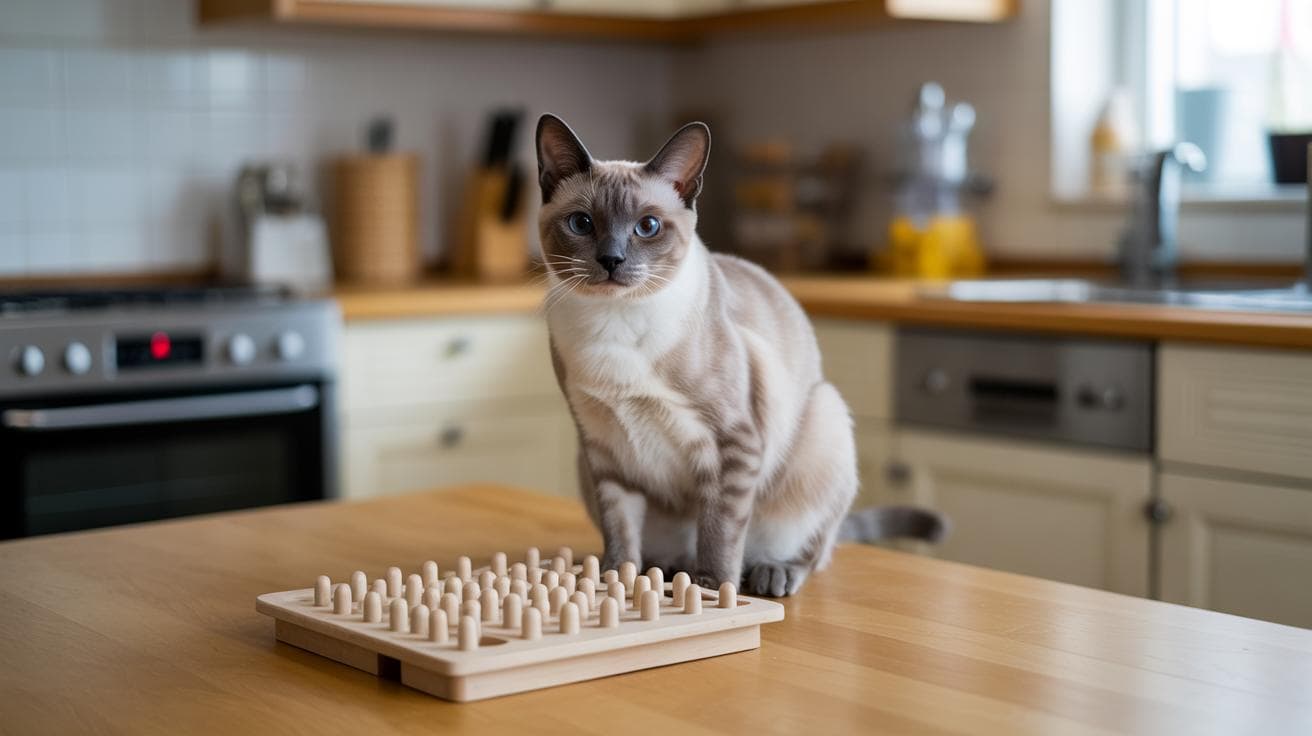
Swap one daytime meal for a puzzle feeder (a device that makes your cat work for food) to turn lunch or an afternoon snack into a little hunt. Start simple , a slow-dispense bowl or a snuffle mat (a fabric mat that hides kibble) works great. Put the cat’s full meal portion into the toy so your Tonkinese still gets the same calories. Track the kcal you move into puzzles (kcal means food calories) and weigh your cat regularly so you know the change is helping body condition, not just being a neat novelty.

Move difficulty in stages. Easy options: open slow-dispensing bowls and snuffle mats. Moderate: wobble feeders and single-compartment treat balls that need batting (think: nudge it and a few pieces roll out). Advanced: multi-compartment puzzles or timed dispensers (a gadget that releases food on a set schedule). Your cat’s whiskers will tell you if it’s fun or meh. If your Tonkinese breezes through a puzzle and looks bored, bump the level. If they stop trying, step back , reset motivation with easier solves, tastier treats, or a quick food-motivated play session first.

Measure portions carefully and set a fixed kcal target for puzzles each day so feeding via toys stays predictable for weight control. Weigh your cat weekly and log the trend; simple notes work. If weight climbs, cut free kibble and shift more kcal into active puzzles. If weight falls, add straight meals back until things stabilize. Pair puzzle feeding with short hunt-style drills so meals feel like earned captures , your cat will pounce with more pride.

Worth every paw-print. See Daily routine for tracking metrics and See Interactive play strategies for toy list.

DIY and low-cost enrichment ideas for Tonkinese cats

- DIY and low-cost enrichment ideas for Tonkinese cats.jpg

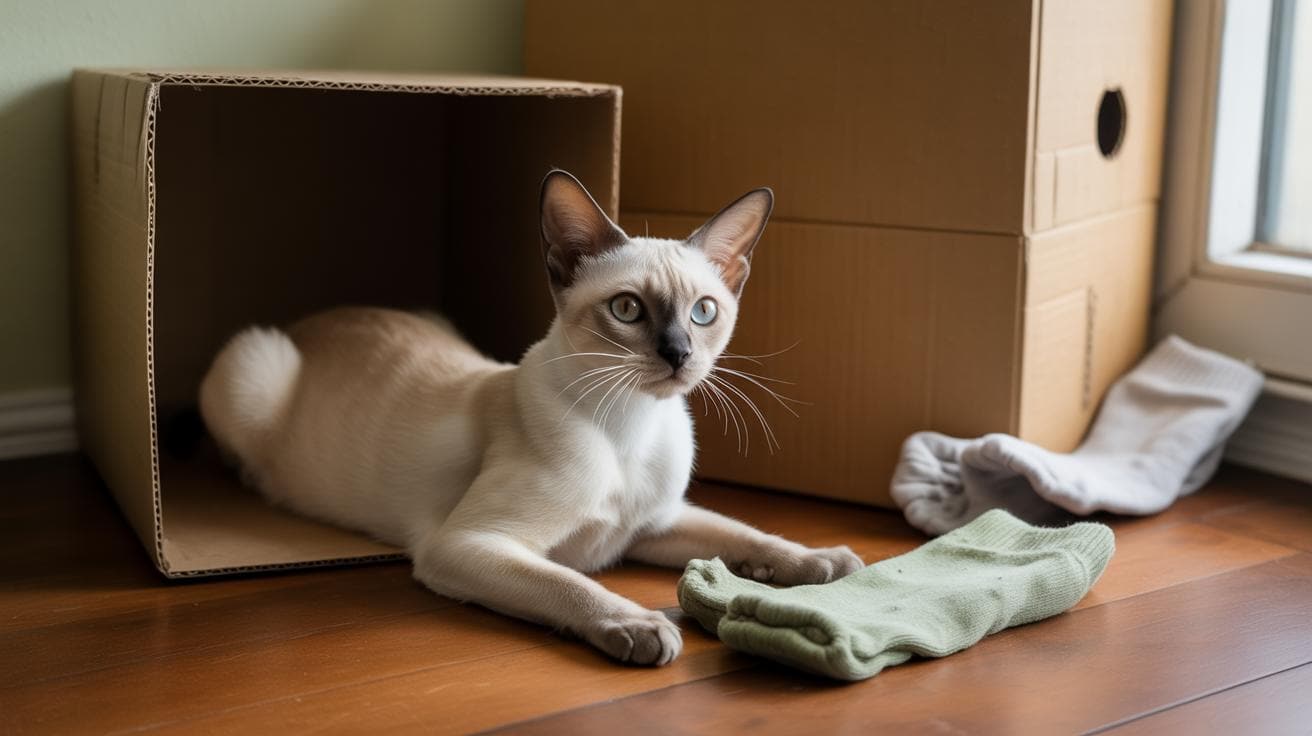
Cardboard boxes and paper bags (use only with supervision) are pure gold for Tonkinese play. Homemade catnip socks (catnip: dried herb that many cats love) or silvervine (silvervine: a plant-based feline attractant), folded-cardboard treat puzzles (simple hide-the-kibble games), snuffle boxes (shallow bins with crumpled paper to hide treats), tube tunnels, lick mats (textured rubber mats that encourage licking), scent trails made with cat-safe herbs, and crinkle toys give your cat a bunch of new ways to play.

These toys hit the instincts Tonkinese adore. They get to hide and ambush, hunt by scent, explore different textures, and solve easy puzzles. Picture your cat’s whiskers twitching as a kibble rolls out, or the satisfying crinkle when they leap into a box.

To make a catnip sock, fill a clean cotton sock with dried catnip or silvervine, tie it shut, and toss or tuck it under furniture for pounces. You’ll see kicking, kneading, and gentle nibbles. For a treat puzzle, cut flaps in a small cardboard box so kibble can nestle under folds; start with easy openings so your cat learns the game. A snuffle box is even simpler: hide kibble in crumpled paper inside a shallow bin and let your cat forage.

Rotate homemade items every few days to a week so things stay novel. Always watch toys with strings, loose stuffing, or small parts. Instead of tossing a whole wand toy, try fixing it, replace the bit or attachment. Find a handy how-to at DIY replacement attachments for teaser wands.

Quick checks, a little creativity, and small repairs keep play safe and low-cost. Your Tonk stays entertained, you save money, and your favorite toys live longer. Worth every paw-print.

Safety, signs of boredom, and managing overstimulation in Tonkinese play

- Safety, signs of boredom, and managing overstimulation in Tonkinese play.jpg

Keep an eye on your Tonk’s behavior and health. If they start frantic scratching, shredding furniture, showing new aggression, or changing litter box habits (where they go potty), that’s a red flag. Ever come home to a torn-up armrest and wonder what happened? Yeah, that’s the kind of clue you want to notice.

A sudden jump in vocal requests , lots more meowing or yowling , can mean they need more play or there’s a medical issue. Skin problems, tummy upsets, weight changes, or urinary trouble can all make a cat louder or more demanding, so don’t shrug off a new, noisy habit.

Learn the signs of overstimulation during play: rapid tail twitching, ears flattened, a hard stare, quick nips, or sudden bites. When you see those, stop the game, put the active toy out of reach, and offer a calm swap like a lick mat (textured mat for calming licks) or a soft stuffed toy they can bite safely. If your cat stays on edge, give a short cool-down in a quiet spot with gentle pets or a brief time-out until their breathing and body language relax.

Choose toys made from non-toxic fabrics (materials that won't poison if licked). Skip toys with small detachable bits or loose strings that can be swallowed. Check seams often and replace worn parts. Supervise higher-risk activities like harness walks or water play, and don’t play near litter or feeding areas.

Keep up grooming: nail trims every 2-3 weeks and regular dental checks help cut down on accidental injuries during rough play. If you notice sudden weight loss, ongoing vocalizing, new aggression, limping, or big changes in litter-box use, call your veterinarian right away.

See Interactive play strategies for toy list and safety notes.

Daily routine templates, toy rotation cadence, and measuring Tonkinese play progress

- Daily routine templates, toy rotation cadence, and measuring Tonkinese play progress.jpg

Make a predictable day that fits your life. Morning active play helps burn off overnight energy, think quick chase sessions with a wand so you get the satisfying thud of a landed pounce. Midday, give them a puzzle feeder (a toy that hides food and makes your cat work to get it) or a sniff-work break to keep the mind busy. In the evening, do an interactive chase that mimics hunting before sleep, so your Tonkinese settles down ready for bed. See Quick lede for the headline 30–45 minute daily play target and map totals into this template.

Rotate toys on a three-to-seven-day cadence so favorites feel fresh when they come back. Keep a small “shelf” or box of stored toys and swap a couple items every few days; your cat will act like it’s a brand new treasure. Automatic toys on timers (battery or plug-in devices that move on a schedule) are great for alone time, test them empty first, run supervised sessions at the start, and don’t let them replace some human-led play that builds your bond. Ever watched your Tonkinese launch off the couch for a blinking toy? So fun.

Track a few simple metrics every day so you can see trends without getting bogged down. A short checklist works best, tacked to the fridge or a notes app:

  • Active sessions per day (count short play bursts)
  • Puzzle solves per week (how often they finish the feeder)
  • Body-weight trend (weekly weight on the same scale)
  • Any behavior shifts, like new vocalizing, restless nights, litter-box changes

If activity falls off suddenly, weight changes a lot, or you spot limping, hiding, or rising aggression, call your veterinarian. Use your trend notes to adjust play time or puzzle difficulty, and to decide when a vet-guided change is needed. Keep the logs simple and visible so tweaks feel easy and progress is obvious. Worth every paw-print.

Final Words

Right in the action: Tonkinese are social, vocal, dog-smart hunters who crave playful challenge and need 30–45 minutes of play each day.

They love company and can stress when left alone, so they're excellent for active or multi-cat homes.

Checklist: interactive owner-led sessions (See Interactive play strategies for toy list and routines), puzzle feeders at meals (See Puzzle feeders for feeding protocols), and vertical climbing/window perches (See Vertical space for setup tips), a tidy plan that matches Tonkinese cat: play style and enrichment needs and keeps them curious and happy.

FAQ

How playful are Tonkinese cats?

Tonkinese cats are highly playful, social, vocal, and trainable with dog-like smarts; they love interactive games and typically do best with about 30–45 minutes of daily play to stay happy.

What is the 3-3-3 rule for cats?

The 3-3-3 rule for cats means three days to calm in a new place, three weeks to settle into routine, and three months to feel fully at home and confident.

What enrichment does a cat need?

A cat’s stimulation needs include owner-led interactive play, puzzle feeders for mental work, vertical perches for surveying, and regular social time to prevent boredom and unwanted behaviors.

Do Tonkinese cats shed a lot?

Tonkinese cats shed moderately; their short, silky coat benefits from weekly brushing to remove loose hair, cut down hairballs, and keep skin and coat healthy.

Where can I find Tonkinese kittens for sale?

Finding Tonkinese kittens for sale means checking reputable breeders and rescues, requesting health clearances, meeting the kittens and parents, and choosing well-socialized, responsibly raised kittens.

What colors do Tonkinese come in and how do they compare to Siamese?

Tonkinese come in pointed, mink, and sepia patterns, including chocolate tones; they mix Siamese energy with Burmese softness, resulting in friendly, playful cats that are usually less intense than Siamese.

Author

  • Nathaniel Price is a retired construction manager turned LLM writer, where he combines his years of experience managing complex projects with his love for crafting precise, engaging content.

    His work thrives on meticulously researching and writing about all things related to cats, from behavior to care, ensuring that every piece is informative and well-researched.

    When he’s not writing, Nathaniel enjoys fishing, which offers him a peaceful escape. He also has a deep appreciation for nature, often reflecting on his belief that “happiness is found in the quiet moments.”

    View all posts

Similar Posts