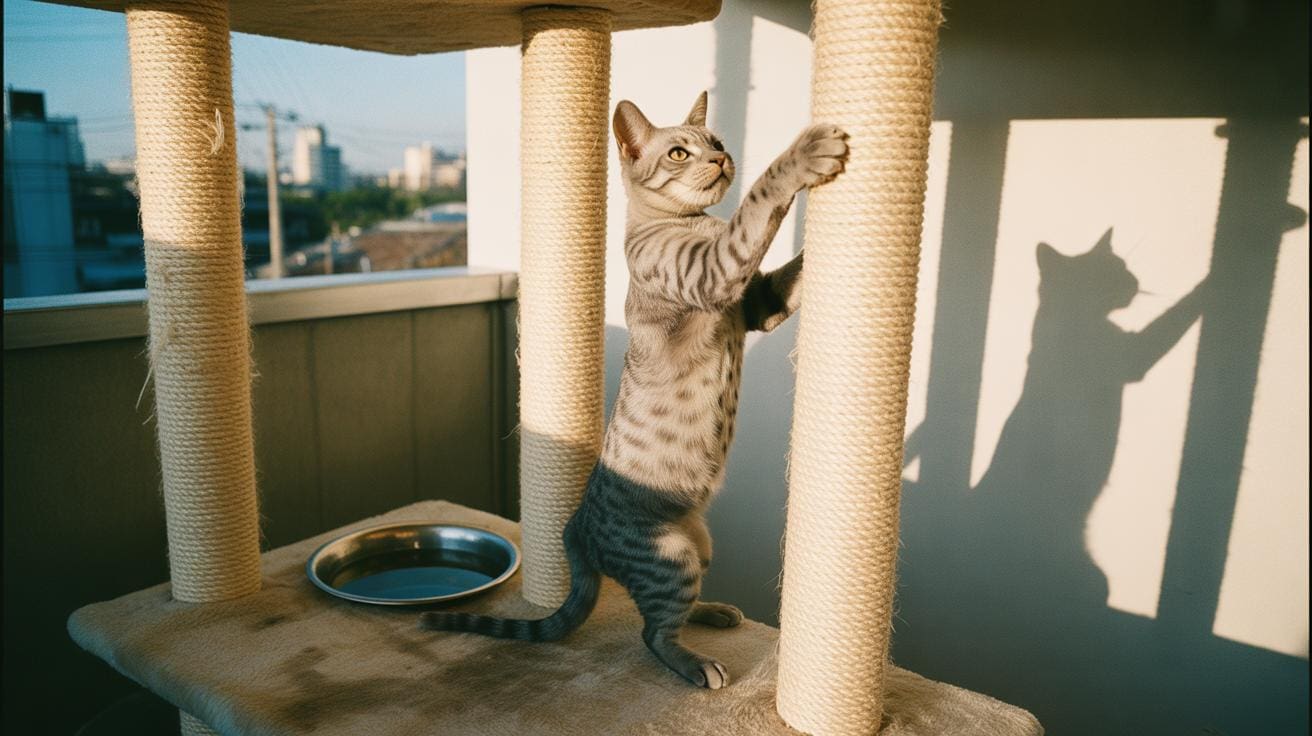
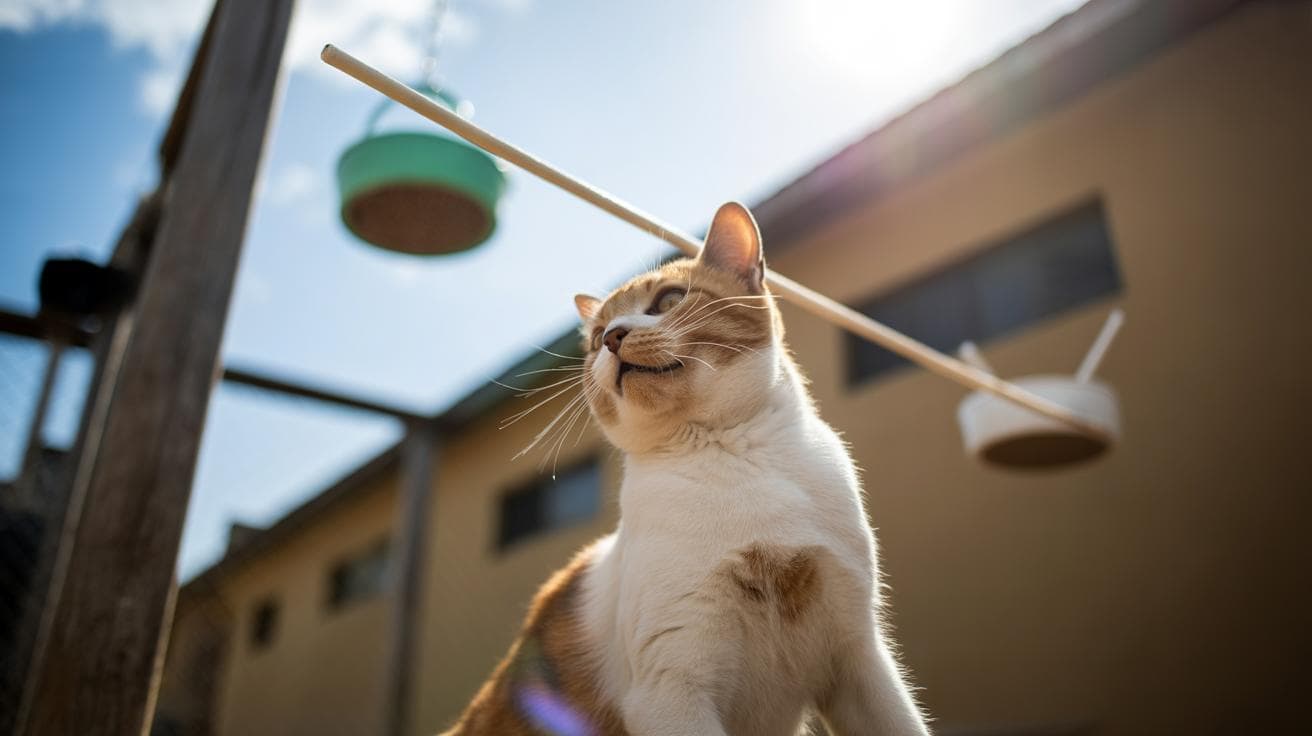
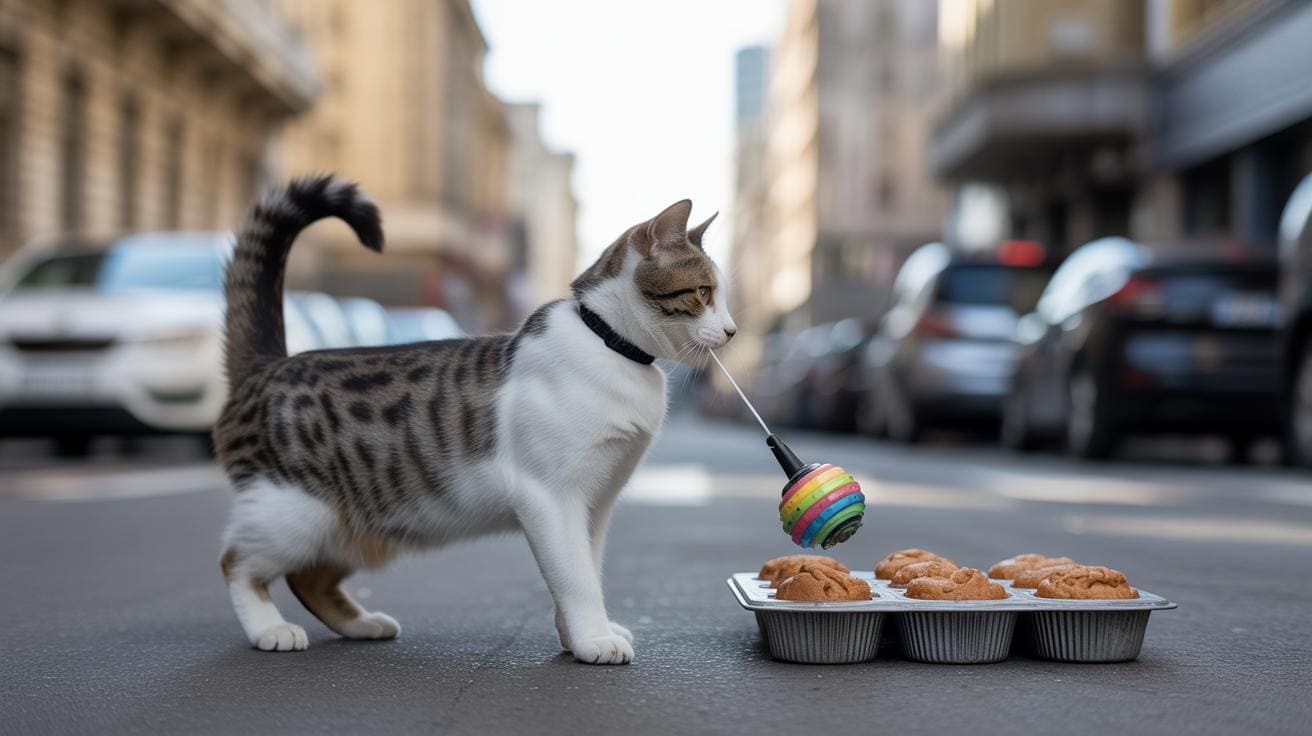
Think all cats are aloof? The Sokoke will prove you wrong. From eastern Kenya, this rare breed acts a little dog-like, selective about people, fiercely loyal to a chosen few, and endlessly curious. You’ll see that curiosity in clever climbs and paws-on puzzle solving, with whiskers twitching as they figure things out.
Quick temperament notes: Sokokes pick one or two humans to shadow and adore, and they stay playful well into adulthood. For play, keep sessions short and lively, five to ten minutes a few times a day works great. Try a teaser wand (think fishing rod for cats) for interactive chases, and use puzzle feeders (toys that hide food so your cat has to work for it) to give their brain a workout. Give them high perches, too; a tall shelf or cat tree lets them watch everything, which keeps them calm and confident.
Want a tiny shadow that’s smart and social? You’re in the right place. I once watched a Sokoke leap and snag a flying toy like it was born to do it, so satisfying. Worth every paw-print.
Quick practical answers for Sokoke cat temperament and enrichment
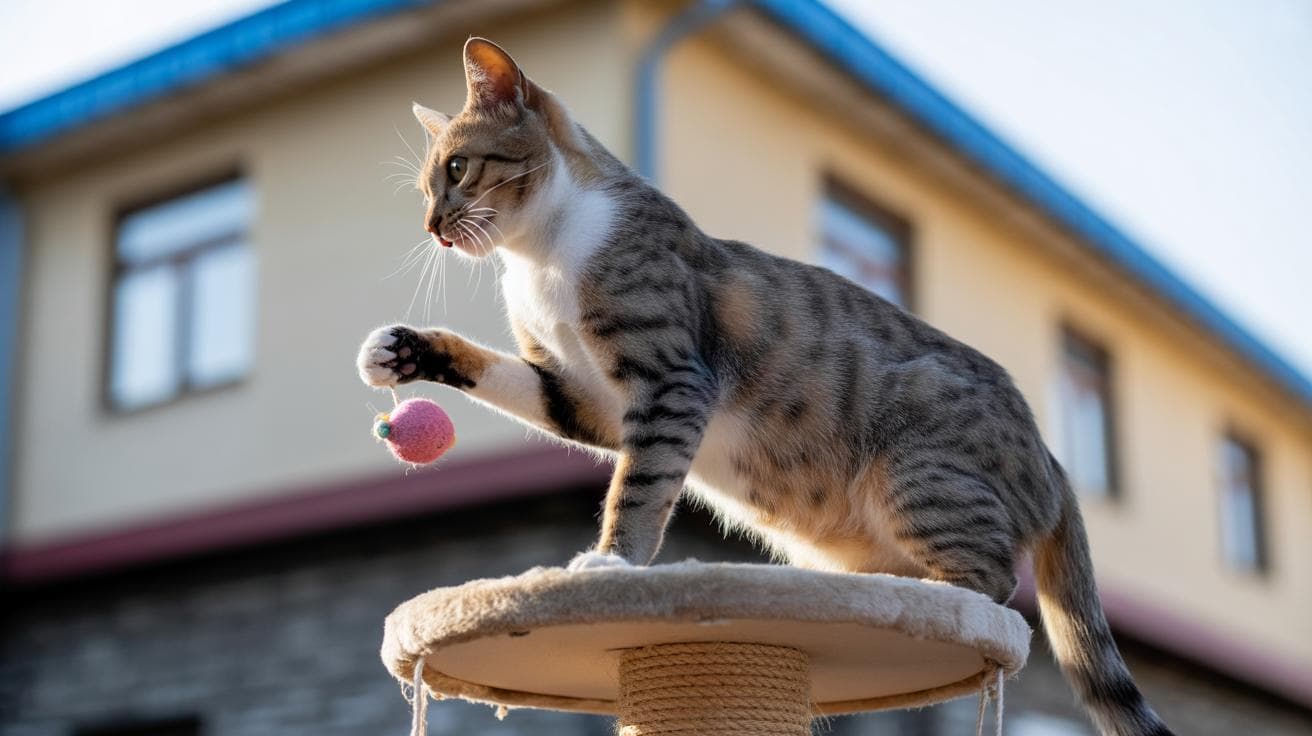
Sokoke cats are a very rare domestic breed from eastern Kenya. They act a bit dog-like, selectively social and happiest when they’ve picked their people. They tend to form deep, lasting bonds with a few chosen humans, so once you’re in, you’re in for life. Ever watch a Sokoke follow a person around like a tiny shadow? Cute and a little bossy.
Top personality traits: they’re smart, high-energy, and love to climb. Think bright problem-solvers who enjoy puzzles and perches up high (climbing means shelves, tall cat trees, or window-view platforms). Their behavior with people usually shows strong loyalty to a small circle rather than being friend-to-everyone social.
Quick, practical routine you can try: morning interactive play (ten to twenty minutes of wand toys or chase games), mid-day puzzle feeders to keep their brain busy, and an afternoon supervised outdoor session like a harness walk or a secure yard stint. For the full timed schedule, see "Daily Enrichment." If you need guidance on signs of stress or how to introduce a Sokoke to people or other pets, see "Reading Sokoke cat stress signals and introductions with people or pets" , stress signs include reduced appetite (eating less), excessive hiding (staying out of sight more than usual), and increased aggression (hissing, swatting); the latter resource also gives stepwise handling tips. Worth every paw-print.
Sokoke cat personality traits and social behavior explained
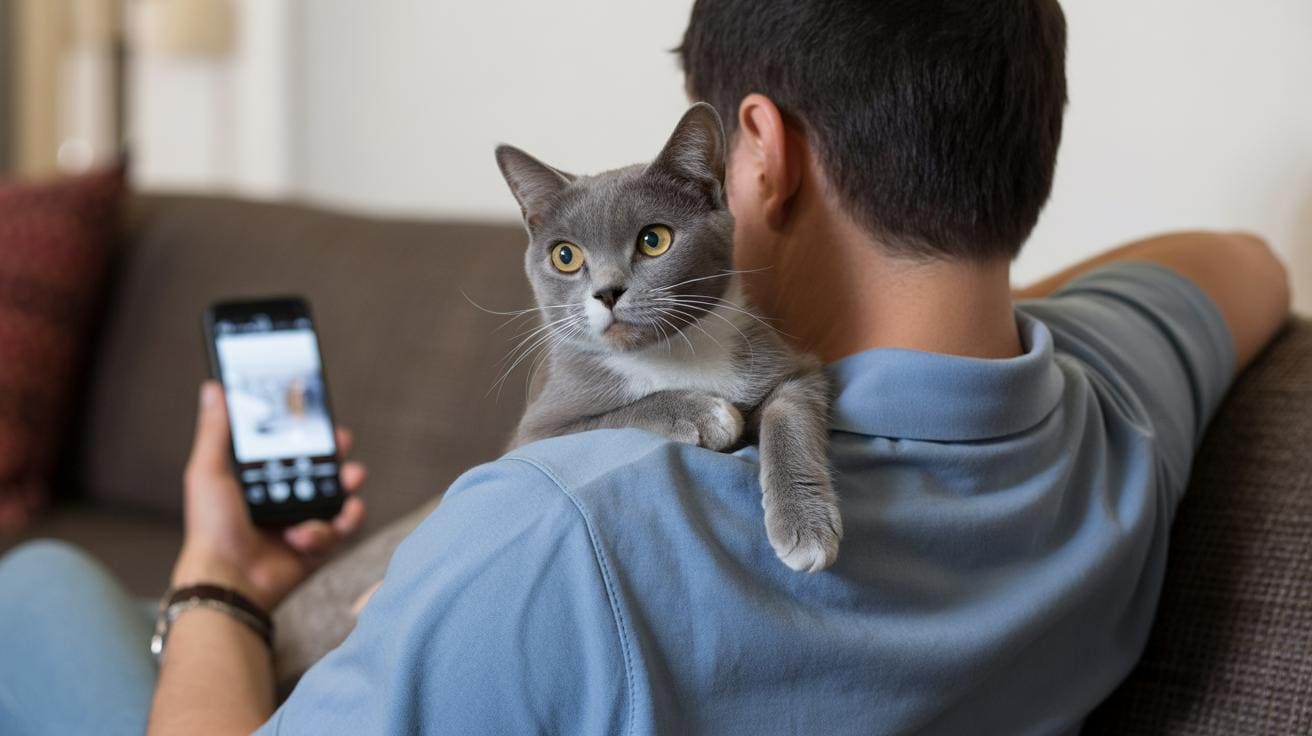
Sokokes tend to pick a small circle of people and stick to them. They’re warm and loyal to that few, but often a bit aloof with strangers. They’re not your typical lap cat. Instead they’ll follow you room to room or keep you in sight from a favorite perch, eyes tracking every move like a little guardian.
They have a soft voice , gentle meows and light chittering, not loud dramatic yowls. Affection usually comes on their terms: head-butts, curious nudges, and quiet company more than full-on cuddles. You’ll often get a polite request for play instead of a demanding attention grab. Ever had one tap your ankle like a tiny, polite roommate?
Sokokes are curious and clever, with a real problem-solving streak. Foraging (food-hunting games) feeds that instinct and keeps them interested longer; think puzzle feeders as brainy snacks. A surprising number like water too, so check "Home setup" and "Recommended toys" for water-play and fountain ideas.
Match play to their personality: short, energetic sessions that work both mind and body. Rotate toys and use food-based puzzles so they don’t get bored. Swap in new challenges every week or two. Simple training games , treats, a clicker (a small training device that makes a click sound), or target work (teaching them to touch a stick) , turn cleverness into tidy, fun habits. Worth every paw-print.
Reading Sokoke cat stress signals and introductions with people or pets
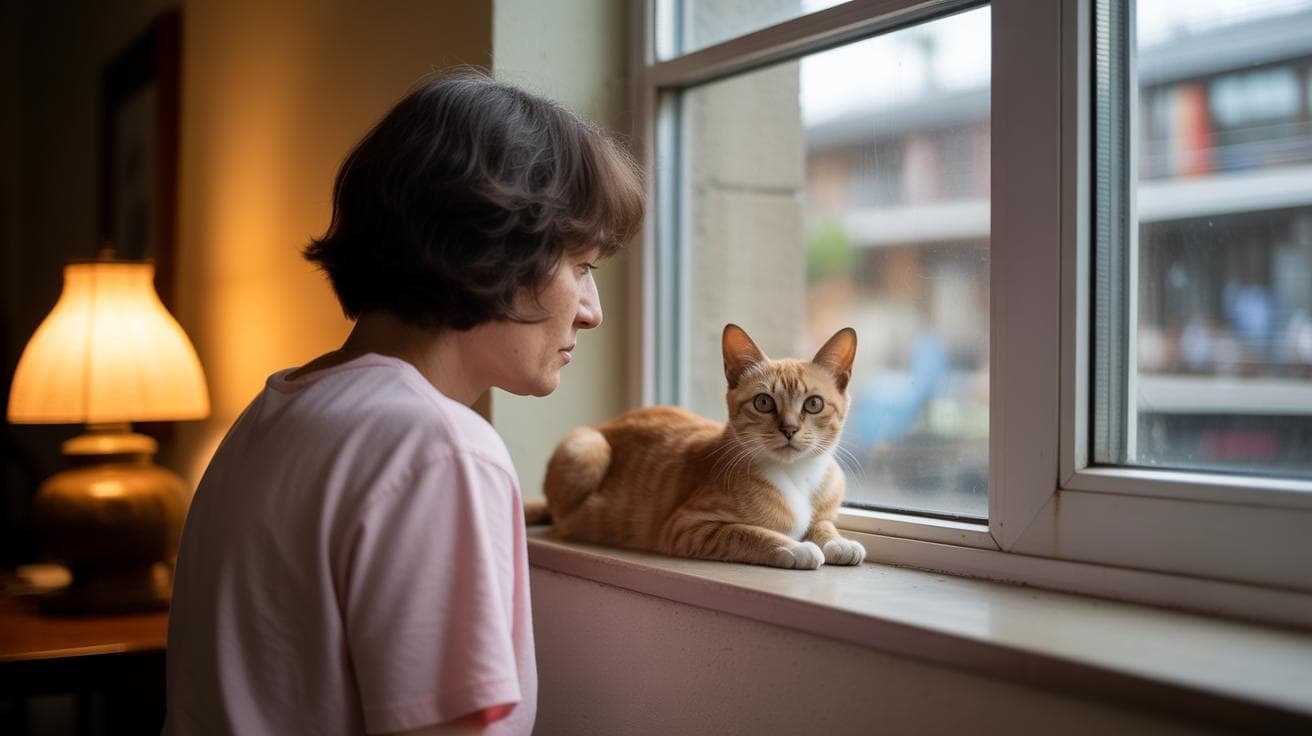
Sokokes tell you when something is off in plain, honest ways. One minute they’re busy and bright, the next they might go quiet, nap more, or walk around like they can’t sit still. Watch ears and tail , flattened ears, a tucked tail, or whiskers pulled back mean they’re worried. Eating changes are a big clue too; a cat that used to nibble happily might leave food alone. Hiding for hours, intense scratching, or tearing up cushions are other stress signs. Ever watched a cat go from zoomies to a sofa lump? Yep, that’s a hint.
When you move a Sokoke or rehome one, go slow. Start with one calm room that has their bed, litter box, toys, and something that smells like their old place, like a towel from their previous area. Keep mealtimes and playtimes on a steady schedule so life feels predictable. Let them explore the rest of the house on their timetable, over days or weeks, not all at once. Swap scents between rooms by rubbing a soft cloth on them and placing it elsewhere, or trading bedding, so the house starts to smell familiar. Keep foot traffic low at first and slowly add noise and visitors as they relax.
Introducing a Sokoke to dogs or other cats needs patience. Begin with scent swaps, then short sight-only meetings through a closed door or baby gate. After that, try very brief supervised meetings with the dog on a short leash and the Sokoke free to jump up to high perches or into a safe hiding spot. Give plenty of vertical escape routes , shelves, cat trees, window perches , and keep sessions short and positive, with treats or gentle play. Only lengthen these visits when the Sokoke stays calm and curious, not frozen or frantic.
A few quick, practical tips: play with them before you leave for a short outing to burn energy, use treats to reward calm behavior, and never force contact. Oops, let me rephrase that , if they want to retreat, let them. Worth every paw-print.
Sokoke cat home setup: vertical space, safe outdoor access and water-friendly spots
Sokokes love being up high and feeling cozy. Give them tall climbing spots and sunny, insulated perches because they have a thin undercoat (the soft insulating fur beneath the top layer) and lose heat faster than fluffier breeds. Vertical territory scratches that hunting itch and helps them stay calm by letting them watch the room from above. A warm window perch on chilly mornings makes a huge difference, your cat will stretch out and soak up the sun.
Vertical solutions
Think tall cat trees, staggered wall shelves, and climbing nets (a strong mesh you can anchor to walls). Mount anything that will hold a cat’s weight to studs (the vertical wooden framing behind walls) or solid anchors, and give it a good wobble test before you let your Sokoke try it. Route paths to high perches near windows or quiet corners so your cat can leap, pause, and observe without feeling trapped. And don’t put perches over fragile stuff, broken vase, sad human face.
Safe outdoor and water spots
A secure catio (an enclosed outdoor space for cats) or run lets a Sokoke sniff the world and watch birds without real danger; use sturdy mesh and make it escape-proof. For leash walks, start indoors with short, reward-based practice using a snug harness (a vest-style harness is often safest), then try 20 to 30 minute supervised outings once they seem confident. For water play, set up a shallow tray or a little faucet nook with a non-slip mat so paws don’t slip, listen for soft splashes, and dry the area and your cat if things get wet so your home stays warm and safe.
Worth every paw-print.