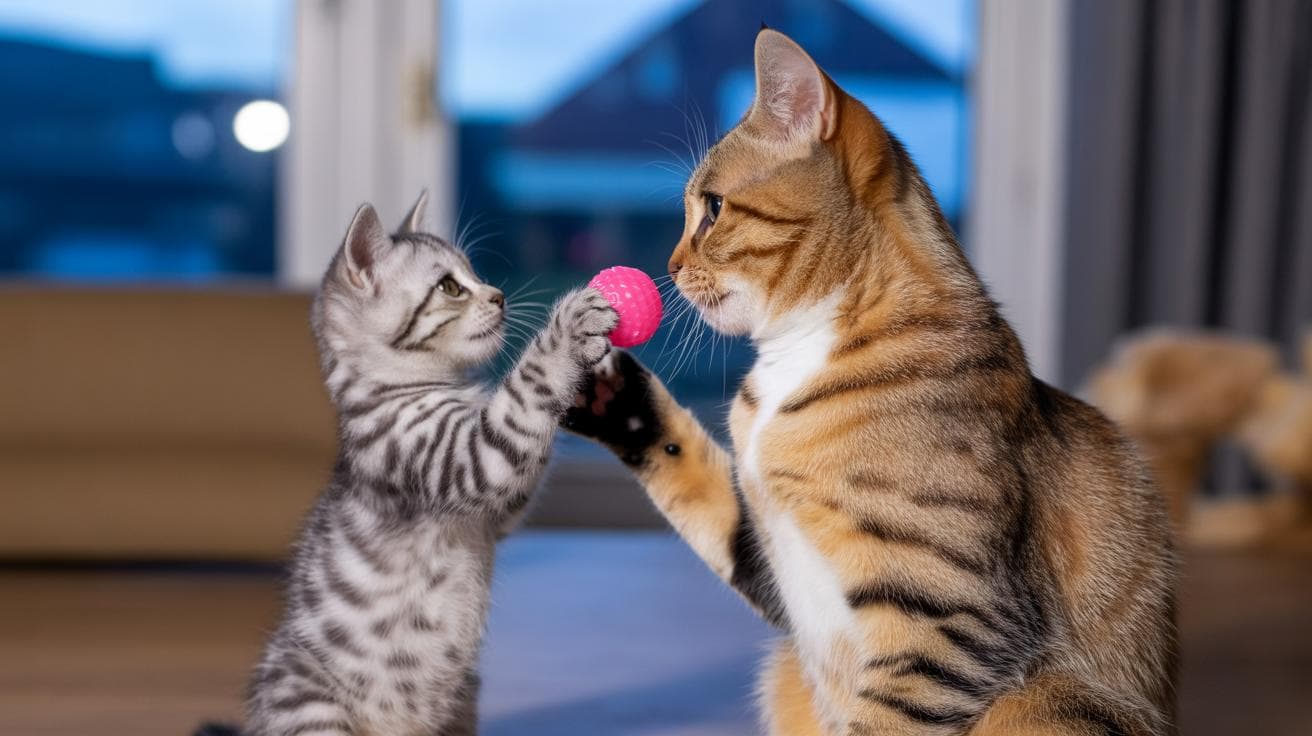
Think all cats are lazy lap warmers? Think again! Some breeds need an hour or more of zoomies (short, frantic bursts of running). Others are happy with quick lap games and a curl-up on your blanket.
Ever watched your kitty chase shadows across the wall? Your cat’s whiskers twitch as a toy rolls and paws tap the floor. Play keeps them sharp and fit, and it makes them much less likely to redecorate your curtains.
This quick guide pairs playful breeds with practical daily playtime ranges (15 to 120 minutes) so you can pick toys, plan routines, and find a pace that fits your life and keeps your cat purring and ready to pounce. For busy days, toss an unbreakable ball before you head out – that’s ten minutes of safe, satisfying play. Worth every paw-print.
Playful Cat Breeds and Their Exercise Needs
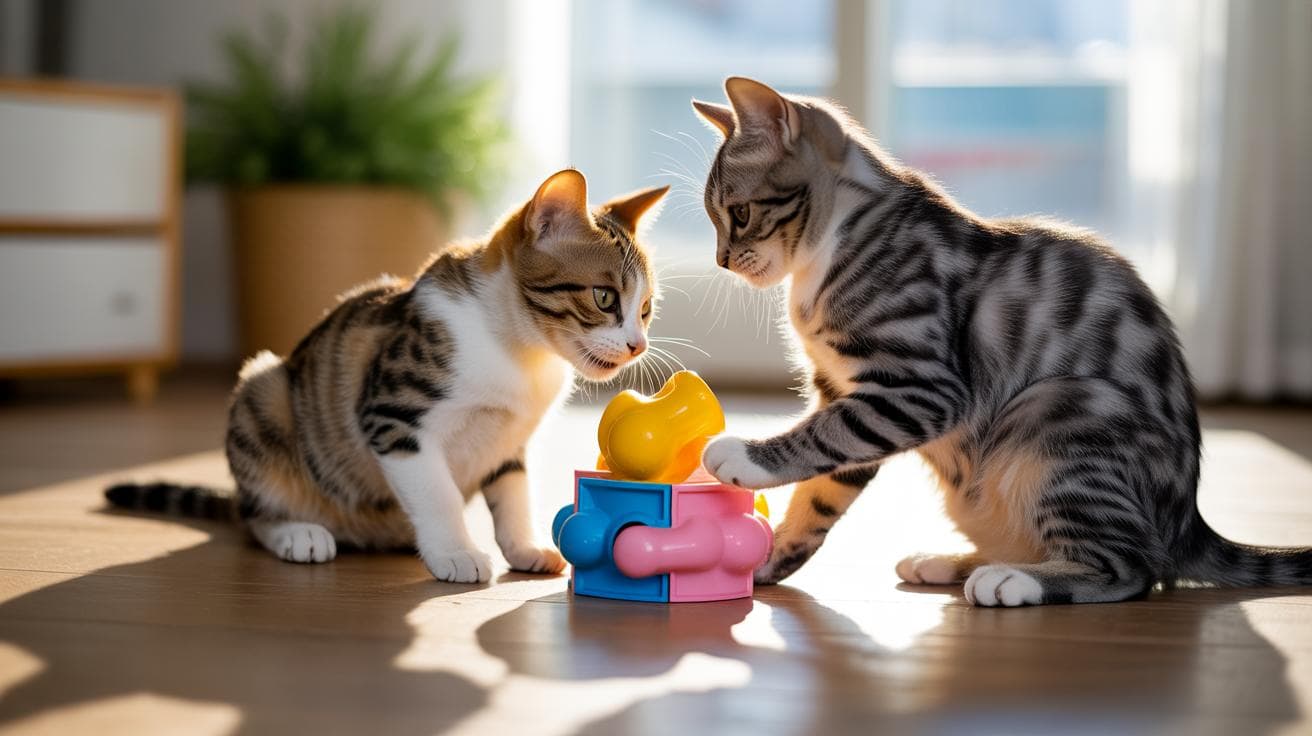
Here’s a friendly guide to how much play different breeds usually want each day. Think of these as headline ranges you can aim for: High 60-120 minutes; Medium-high 45-60 minutes; Medium 30-45 minutes; Low-medium 15-30 minutes. Ever watched your kitty chase shadows? That’s the kind of play we mean.
| Energy Level | Daily Playtime |
|---|---|
| High | 60-120 min |
| Medium-high | 45-60 min |
| Medium | 30-45 min |
| Low-medium | 15-30 min |
High energy (60-120 min)
- Bengal , loves climbing and puzzle feeders (toys that hide food, so your cat works for treats). Bengals like vertical space and brain games.
- Savannah , enjoys leash walks and high shelves. These cats are athletic, so think tall perches and supervised outdoor walks.
- Egyptian Mau , needs sprint play and interactive fetch. Quick chases and fast toys keep them happy.
Medium-high (45-60 min)
- Abyssinian , chasing wand toys and short trick sessions. Try one minute bursts of play, then a quick rest.
- Siamese , social play and fetch practice. They want people time, so schedule short playdates.
- Somali , fetch games and problem-solving toys. Smart and playful, they’ll figure out puzzles fast.
Medium (30-45 min)
- Cornish Rex , vertical play and quick chase drills. Light jumping and short sprints work well.
- Devon Rex , perch games and fast teaser bursts. They love being close to you, then zooming off.
- Oriental Shorthair , pounce practice and wand play. Clear floors help with fast turns.
- Balinese , agility runs and climbing challenges. Think obstacle courses with soft landings.
Low-medium (15-30 min)
- Singapura , interactive lap play and short bursts. Small, lively, but happy with calm cuddles afterward.
- Maine Coon , gentle chase sessions and sturdy climbing. Big cats who like long, relaxed play more than nonstop zoomies.
A few practical notes
High-energy breeds usually need daily interaction, climbing spots, or a playful companion. Vocal breeds like the Siamese want scheduled social time. Ask yourself: do you have the space for active climbing? Can you stick to a training routine? Will neighbors mind nighttime zoomies?
Kittens do best with many short bursts of play. Seniors need gentler sessions and lower jump heights. Overweight cats should ramp up activity slowly and check with the vet. And a heads up about Savannahs: early-generation (closer to wild ancestry) animals may have legal restrictions and higher care costs, so research local rules before you adopt.
Worth every paw-print. My Luna once launched six feet for a wand toy and then flopped on her back like she’d finished a marathon. Try a few games, see what makes your cat’s whiskers twitch, and adjust from there.
Playful cat breeds profiles: detailed exercise context for Bengal, Abyssinian, Siamese, and Rex breeds
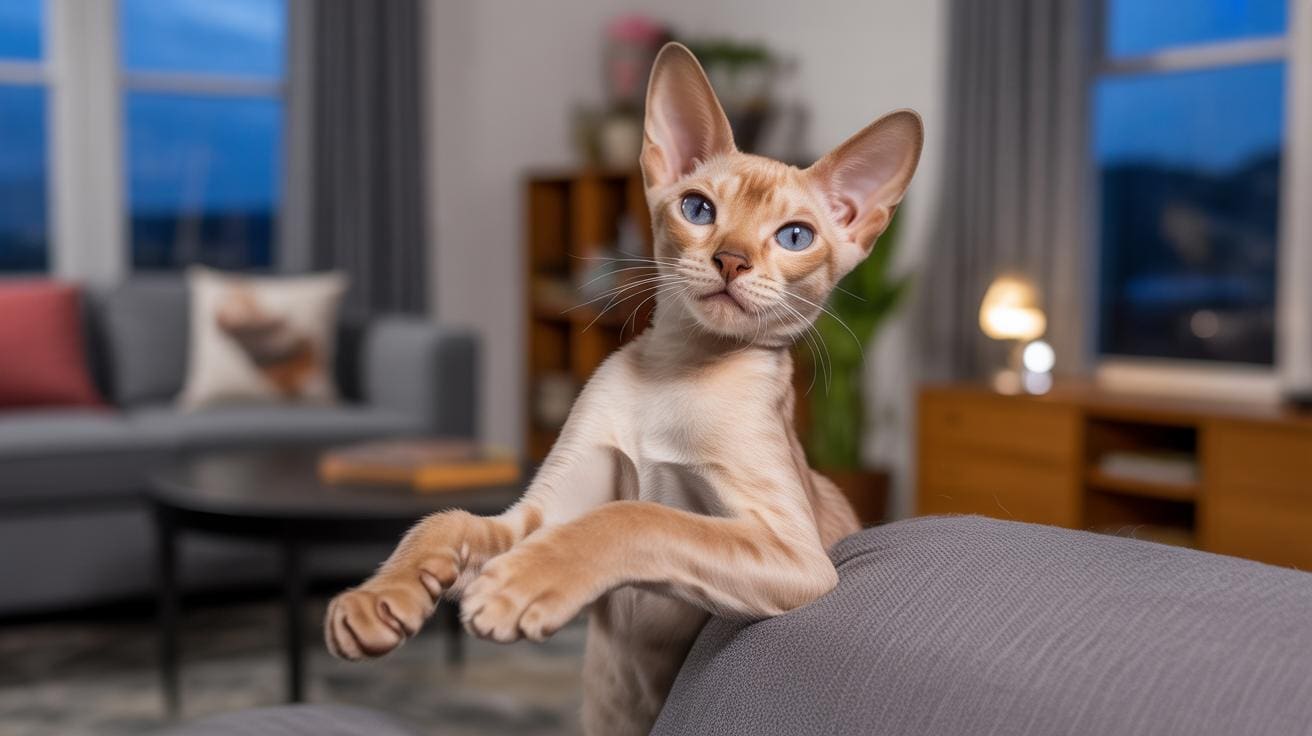
Bengal cats are clever, endlessly curious hunters who treat your home like a big puzzle. They love to explore, open things, and chase scent trails , so try scent-based recall drills (practice calling your cat to come using treats or scent) and short, goal-focused sessions like clicker work (a small device that makes a click to mark a good behavior) or target work (teaching your cat to touch a target with their nose). Keep sessions short and fun so they stay focused. Ever watched a Bengal vault from couch to bookshelf? It’s glorious and a little nerve-racking, so watch for overexertion and joint strain (when joints get stressed from too much jumping). Regular vet checks help catch athletic injuries early. See Toys & Training sections for matched gear and step-by-step routines.
Abyssinians move like tiny explorers , always sniffing out the next sunny spot or box. They respond really well to short, repeatable trick sessions and slow leash-introduction steps (gentle practice getting used to a harness and walking). Use high-value rewards and quick repetition so they learn fast. Keep an eye on weight and muscle tone since their busy behavior can hide slow weight changes, and don’t skip routine dental and wellness checks. See Toys & Training sections for matched gear and step-by-step routines.
Siamese are social, chatty, and they crave company and routine; if bored they’ll invent mischief and tell you all about it. Use clear, consistent vocal cues and set predictable social playtimes so they learn when attention comes; scheduled short sessions help cut down on attention-seeking outbursts. Watch for signs of separation stress or too much vocalizing, those are your cues to add more structured interaction. Regular vet visits are important to keep stress-related issues in check. See Toys & Training sections for matched gear and step-by-step routines.
Cornish and Devon Rex cats are little acrobats , springy, light-footed, and obsessed with high perches and fast chases. Train them with vertical challenges, quick agility runs, and recall-to-perch routines (teaching them to hop to a specific high spot on cue) that reward speed and precision rather than long endurance. Their skin and coat can be more delicate, so check for skin sensitivity (tender or easily irritated skin) and keep an eye on joints as they age; ease off intensity if you notice stiffness. Short, frequent drills win every time. See Toys & Training sections for matched gear and step-by-step routines.
Toys, climbing and interactive gear for playful cat breeds (toy recommendations table)
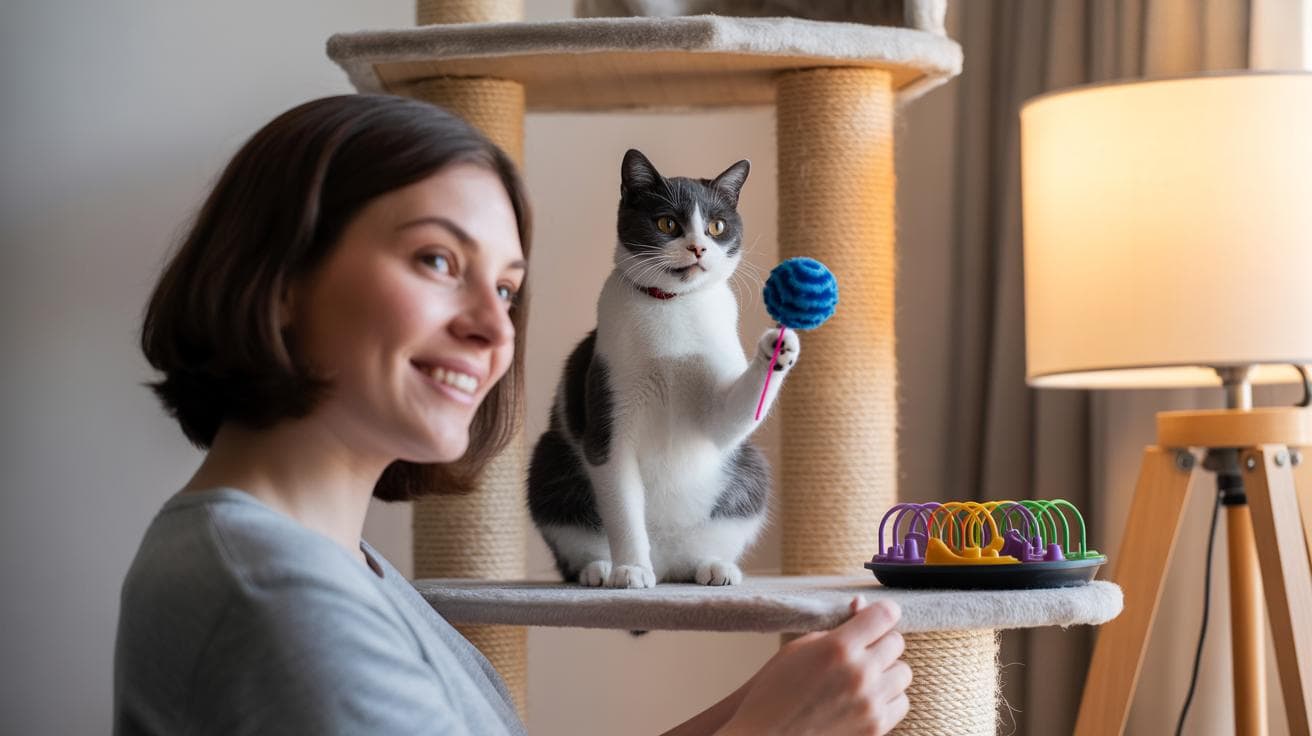
Here’s the spot where we pull all the toy picks, climbing gear, and safety tips out of the breed blurbs and put them in one easy place. Think clear matches for energetic breeds, notes on what lasts, and simple safe-use rules so your cat stays happy and your stuff stays intact.
Want repair ideas for wand tips? See DIY replacement attachments for teaser wands.
| Toy / Gear | Best For (breeds/age) | Play Style | Safety / Use Notes |
|---|---|---|---|
| Wand teaser | Abyssinian, Siamese, kittens | Interactive chase and recall | Watch dangling bits; retire frayed ends; replace tips regularly (see DIY link above) |
| Puzzle feeder (food-dispensing toy) | Bengal, Somali, overweight cats | Problem-solving and slow feeding | Measure portions; wash after use; check for worn seams |
| Ball / chase toy | Egyptian Mau, Bengal, Bombay | Sprinting, pouncing, fetch | Pick solid, bite-resistant materials (like hard rubber); avoid toys with tiny parts |
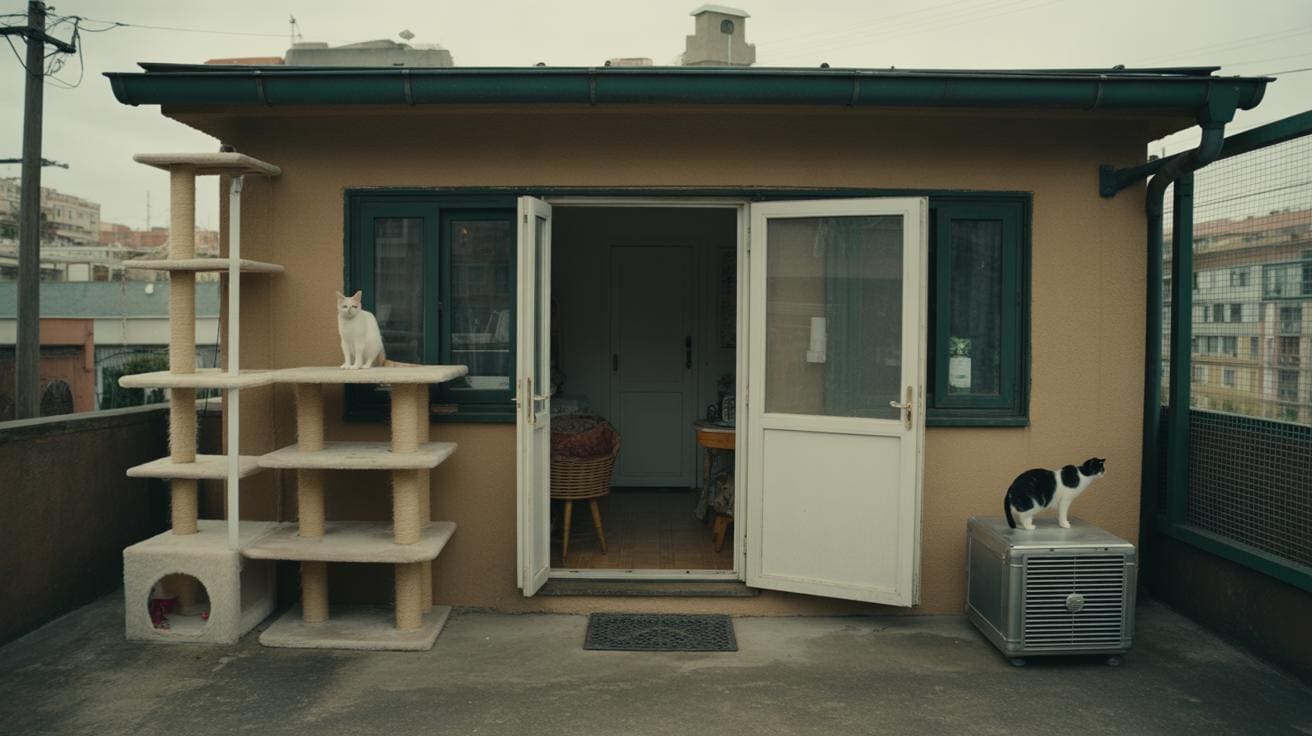
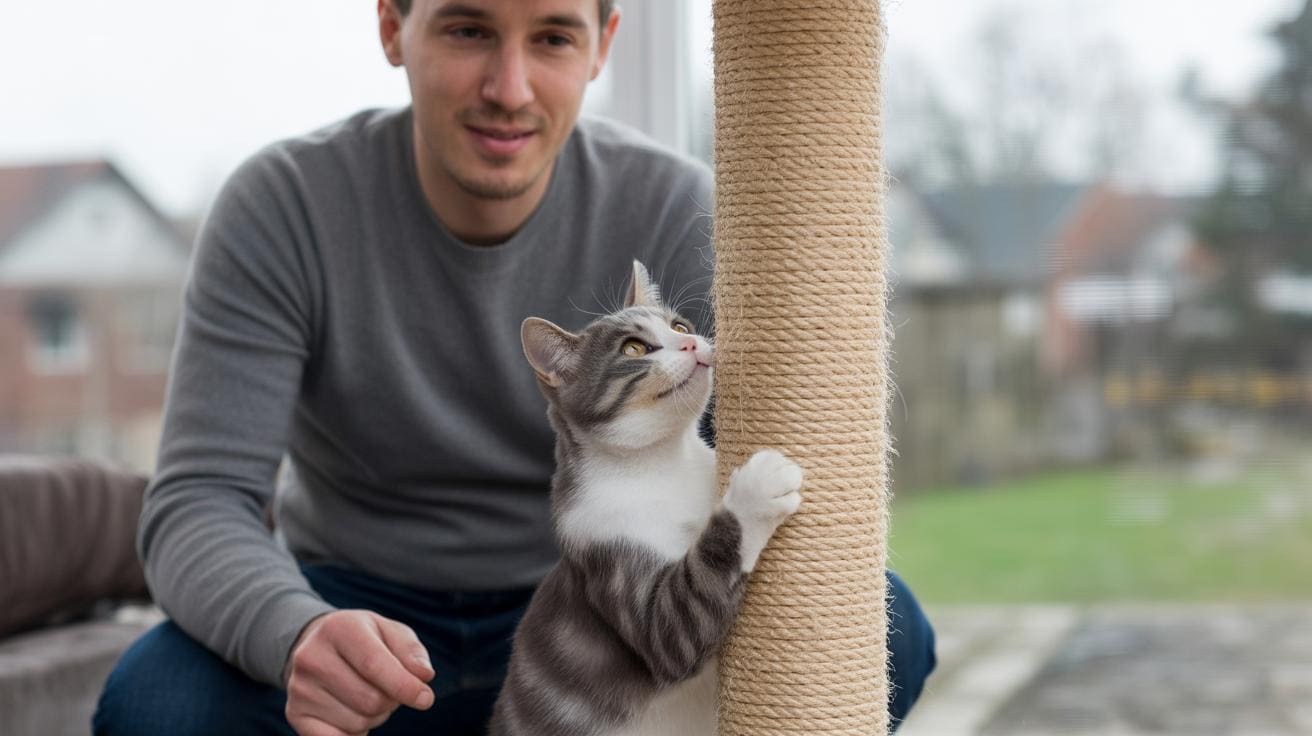
| Climbing tree / catio / vertical shelves | Bengal, Savannah, Maine Coon, Rex | Vertical play, perching, short runs | Anchor to wall studs (solid beams in the wall); check weight rating; pad landing zones |
| Laser pointer | Abyssinian, Siamese, Somali | High-speed chases | Never shine at eyes; end each session with a real toy for a tangible catch to avoid frustration |
| Harness & leash (fitted vest for walks) | Trainable adults: Bengal, Savannah, curious cats | Supervised outdoor exploration | Start with short indoor sessions; confirm a snug fit; keep first walks brief and supervised |
Toy rotation keeps things interesting and cuts down on boredom mischief. Keep a small stash out of sight, swap things weekly, and check wand tips before play. Your cat will thank you with dramatic pounces.
- Swap core toys every 7 to 10 days to renew novelty.
- Pair a puzzle feeder session with a short chase game for mental plus physical work.
- Rotate toys by play zone: one set upstairs, one downstairs, one hidden for surprise play.
- Wash washable toys weekly; inspect seams and elastic after heavy use.
- Check wand attachments before each play session; replace any frayed bits right away.
- Measure food put into puzzle feeders so feeding goals stay steady.
Safety quick hits
- Always supervise toys with strings, elastic, or small parts.
- Retire fabric toys once stuffing or seams show wear.
- Anchor tall climbing gear to wall studs (that means find the solid wood behind the drywall) and test stability before use.
- Start harness sessions indoors, short and supervised, before trying outside.
A few extra tips from my own cat-ventures: keep one irresistible toy that only comes out for solo play so it stays special. And if your cat gets obsessed with a laser, try ending each session by tossing a small ball so they get to actually catch something. Worth every paw-print.
Training and enrichment techniques for playful cat breeds: practical step-by-step routines
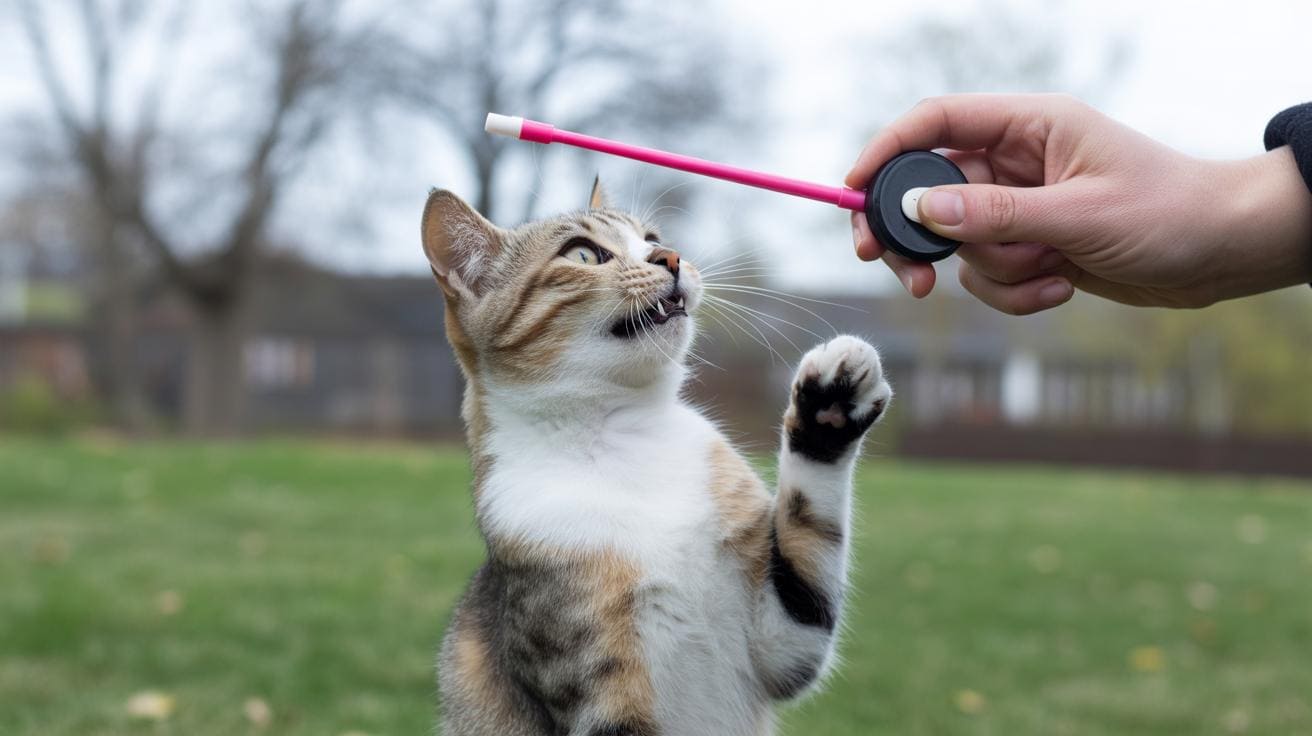
This is where you’ll find full training sequences for zippy, playful cats. Pick the routine that matches your cat’s energy from the breed profiles, then run short sessions, three to ten minutes, several times a day. Your cat’s whiskers will twitch, you’ll get a few adorable pounces, and progress comes fast when you keep it fun.
-
Clicker training (7 steps)
-
Get a clicker (a small plastic device that makes a sharp click) and tiny tasty treats your cat loves.
-
Click, then give a treat right away so the click means "good." Repeat until your cat looks for a treat after the click.
-
Pick a simple behavior, like sit or touch a target (a stick or object your cat taps). Wait for the cat to do it naturally, then click the instant it happens.
-
Give the treat immediately. Keep repetitions short and upbeat so the cat stays interested.
-
Add a cue word once the action is reliable, then use click plus treat to link the word to the behavior.
-
Slowly increase the gap between click and treat to build focus and patience.
-
End every session on a win and let the cat walk away, short wins mean they’ll come back for more.
-
Teaching fetch (6 steps)
-
Pick a small, soft ball or toy your cat already likes.
-
Toss it a short distance and reward the cat when they bat or chase it.
-
Call the cat back with a tasty treat and reward when they come near you.
-
When they bring the toy closer, give a big reward and trade the toy for a fresh treat.
-
Keep throws short at first, then lengthen distance as the cat stays engaged.
-
Make the game playful, not pushy. Stop before the cat loses interest.
-
Leash and harness introduction and walking (8 steps)
-
Choose a soft, well-fitting harness (a vest-style harness is usually easiest for cats).
-
Let the cat sniff and wear the harness indoors for a few minutes at a time, pairing it with treats.
-
Adjust the fit so it’s snug but you can fit two fingers under the straps; check for rubbing or chafing.
-
Clip a leash (a light cord or strap) on indoors and follow your cat instead of pulling.
-
Take short indoor strolls first, then try outside in a quiet spot once they’re calm.
-
Keep initial outdoor outings under five minutes and always stay with them.
-
Watch body language: ears back, crouching, or frozen stillness means pause and step back.
-
Gradually increase time as confidence grows, and always end on something positive.
Quick troubleshooting and tips
- If your cat freezes, go back one step and reward tiny progress. Small wins matter.
- If treats stop working, switch to a higher-value reward for that session.
- Cats distracted by noise? Move to a quieter room for training.
- If fear shows up, pause and try again later; never force things.
- Keep sessions short and frequent to build a habit you’ll both enjoy.
Match the above sequences to breeds described in the Profiles section.