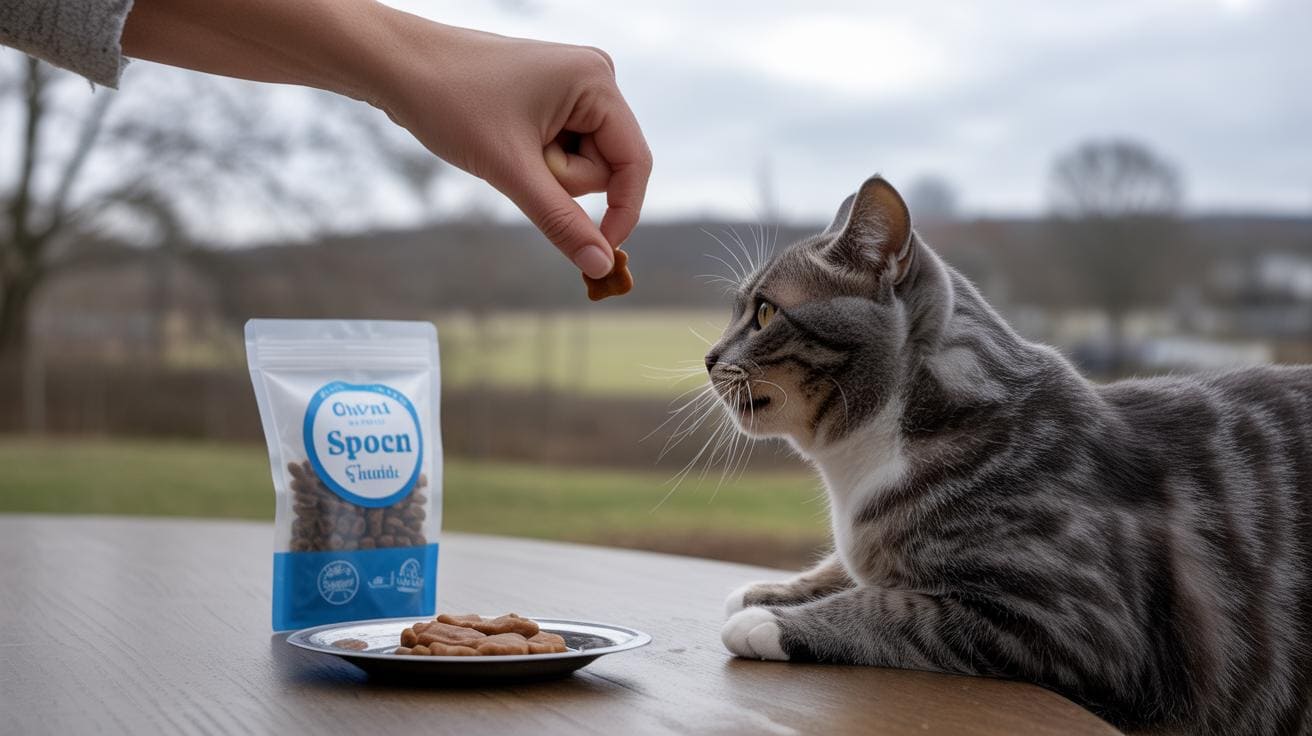
What if the treats you give are actually making training harder, not easier? Ever watched your cat sniff a treat and walk away? Yeah, not fun.
Most people assume any tasty nibble will do. But smell, size, calories, texture, ingredients, and how you give the treat all change whether your cat cares. You want treats that make them purr, not pause.
Try six quick, action-first checks you can do right now. Check palatability (how tasty your cat finds it), pea-sized portions (about the size of a garden pea), kcal (food energy), texture, crunchy versus soft (how it feels and sounds), simple ingredient lists, and safe delivery (how you hand or hide the treat so it’s fun and safe).
Short tests. Real results. No guesswork.
How this section answers your cat training treats questions

Here’s a quick, action-focused checklist to help you choose training treats that actually get your cat moving. Six clear criteria, each with one fast test you can try right now so you learn what truly motivates your cat.
-
Palatability / smell: Offer a tiny sample a few minutes before a meal and watch. If your cat’s whiskers twitch and they come sniffing, that’s a good sign. Ever watched your kitty chase a new scent? Cute, right.
-
Size / portioning: Break treats into single-reward morsels that are easy to grab and swallow. Think pea-sized pieces for rapid training. It’s easier to reinforce lots of reps when each treat is small.
-
Calories and daily accounting: Read the label for kcal (kcal = food energy, aka calories) and choose lower-calorie pieces for repeated practice. Track those calories against daily food so training doesn’t add extra weight.
-
Texture and mouthfeel: Try one crunchy option and one soft option to see which your cat prefers. Some cats love the satisfying crunch. Others want soft nibbles they can gobble.
-
Ingredients and allergies: Scan labels for onion or garlic (toxic) and favor single-protein (one meat source) or limited-ingredient treats if your cat has sensitivities. Simple ingredient lists make it easier to spot trouble.
-
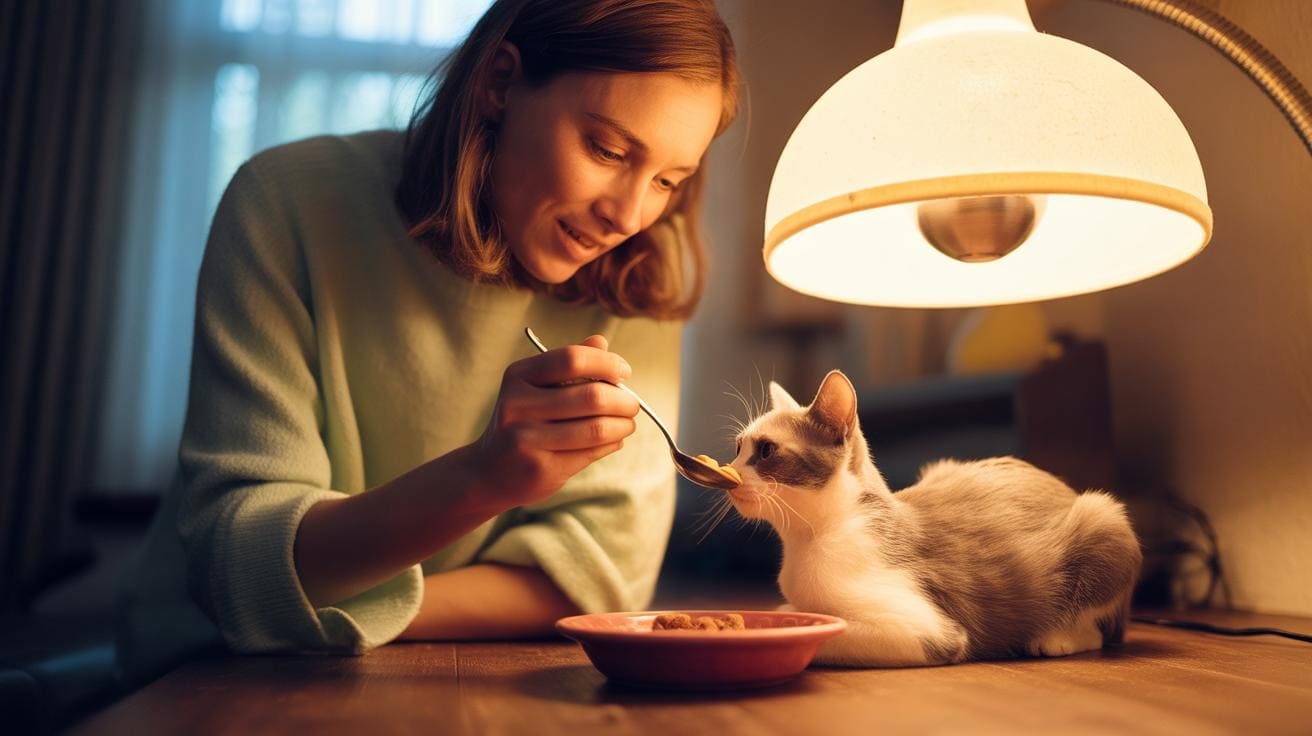
Delivery / safety method: Pick a way to give treats that keeps your cat calm and prevents frantic grabs. Hand feeding, a small treat-dispensing toy (a ball that drops treats), or timed tosses after a clicker cue are all good options.
See “How to run a treat trial”, “Portion control, caloric accounting…”, and “Safety, delivery methods…” below for full protocols, portion examples, and handling details on positive reinforcement treat strategies and clicker training with treats.
Key criteria to evaluate cat training treats
-
Palatability and aroma
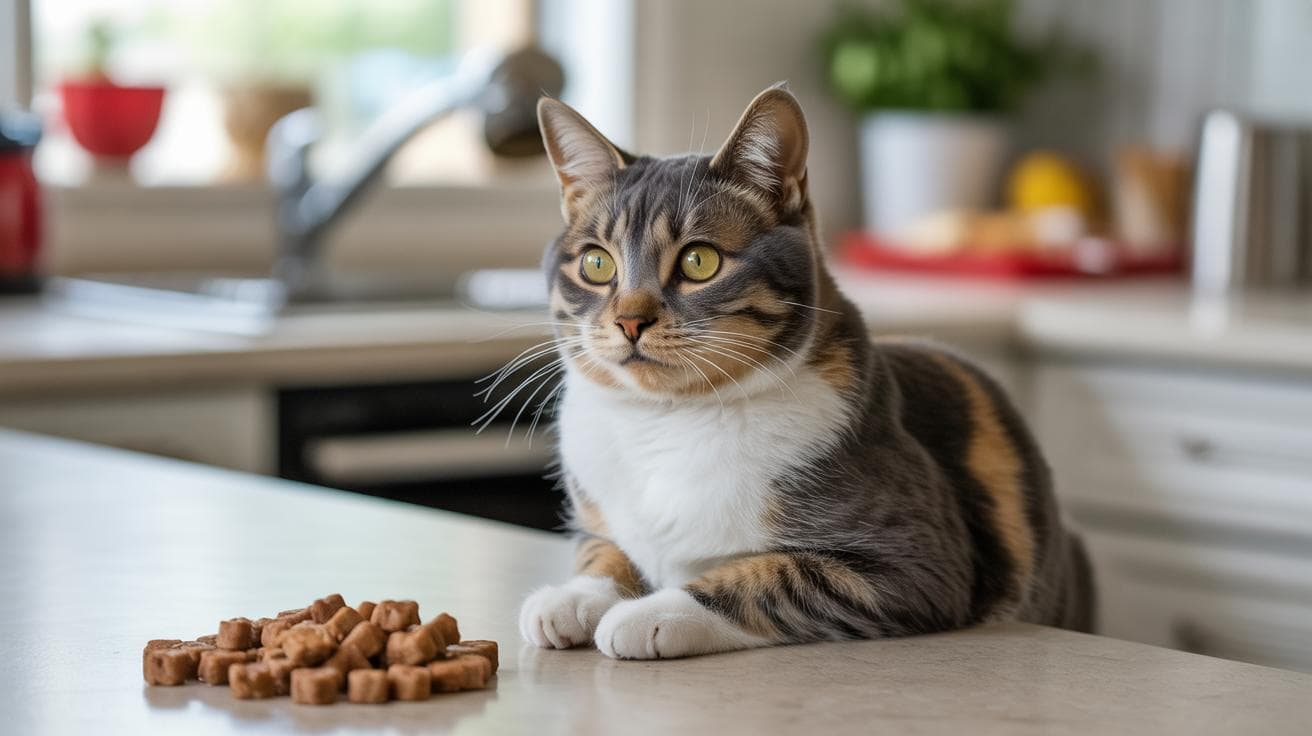
Smell often wins over fancy packaging. Strong fish or liver scents grab a cat’s attention fast, and you’ll see them come running like they can smell dinner from two rooms away. Ever opened a pouch and had your cat sprint in? Yep, scent is that powerful. -
Size and portioning
Match the treat size to a cat’s tearing teeth and quick reps. Most adult cats do best with pea-sized bits; use even smaller crumbs for kittens. Freeze-dried (moisture removed by cold drying) and semi-moist (soft, slightly preserved) treats usually break apart easily, which makes tiny pieces perfect for rapid reinforcement. -
Calories and label reading
Look at kcal per piece or per gram on the bag so treats don’t quietly add weight; kcal means kilocalories, aka food calories. Pick low-calorie bits for lots of short reps, and save richer, higher-energy rewards for big wins. Tip: break a treat into smaller pieces to stretch a reward without adding extra calories. -
Texture and life stage
Crunchy treats feel like kibble and work well as low-value rewards. Soft, aromatic treats are best for kittens or seniors who have weak teeth or mouth pain. Freeze-dried options often sit between crunchy and soft, so they can please picky mouths. Choose softer textures for older cats or anyone with dental issues. -
Ingredients, allergies and safety
For sensitive cats, go limited-ingredient or single-protein treats and always scan labels for onion or garlic, which are toxic to cats. Start any new treat with tiny amounts and watch for vomiting, diarrhea, scratching, or behavior changes. I tried a new fish bite once , gave three crumbs, watched for 24 hours, and then used it in training when Milo was fine. -
Delivery and handling safety
Think about how you’ll hand out the treat: tiny dry crumbs can scatter into vents or under furniture; wet or sticky treats can gum up clicker devices or toys. If a treat is crumbly, use a shallow dish or your fingers to keep pieces controlled during fast sessions. A little planning means fewer messes and safer training.
Comparing treat formats commonly used as cat training treats
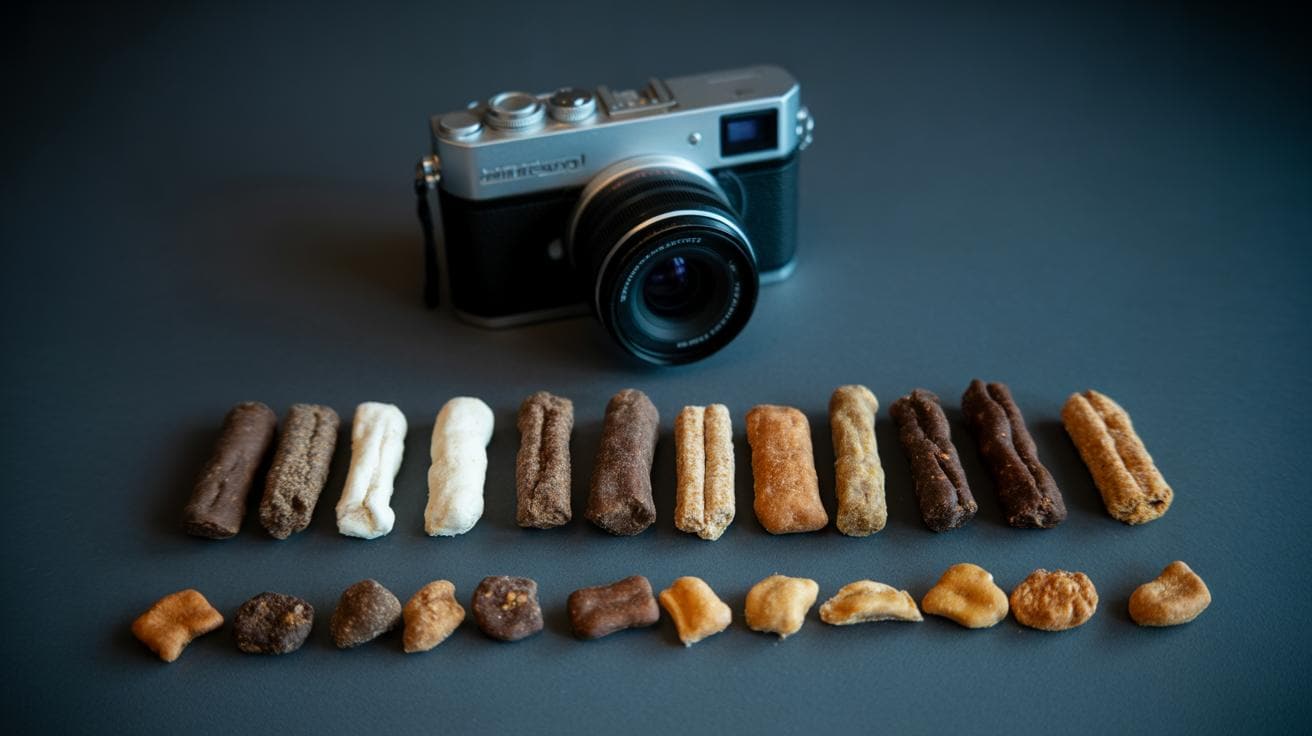
Freeze-dried treats are your go-to when you need serious motivation. They’re often 100% meat, with the moisture removed by freeze-drying (a process that pulls out water but keeps flavor), so one tiny piece can smell like dinner. You can split a prawn into four or five rewards, which makes them stretch a long way. Raw freeze-dried treats can be insanely tempting, so buy from a trusted source and follow safe handling if the label says raw (raw means uncooked).
Soft and semi-moist bites are gentle on mouths and loud on scent, which is perfect for kittens and seniors. Semi-moist (soft, slightly wet pieces) and wet treats let you give a quick reward without a chew battle. Squeezable tubes are great for cats that lick for rewards and they keep your fingers out of the crossfire. Plus, you can control the size by dispensing a tiny dab instead of handing over a whole morsel.
Crunchy treats mimic kibble (dry cat food) and are ideal low-value rewards for lots of repetitions or casual praise. Use crunchy bits for quick clicks and short feedback, and save the super-stinky stuff for the big wins. Cats differ , some like tiny, tear-able bits, others prefer gnawing on longer, tendon-style chews (chewy strips). Try a few formats and match the treat to the training goal , your cat will tell you what she likes.
How to run a treat trial to identify high-value cat training treats
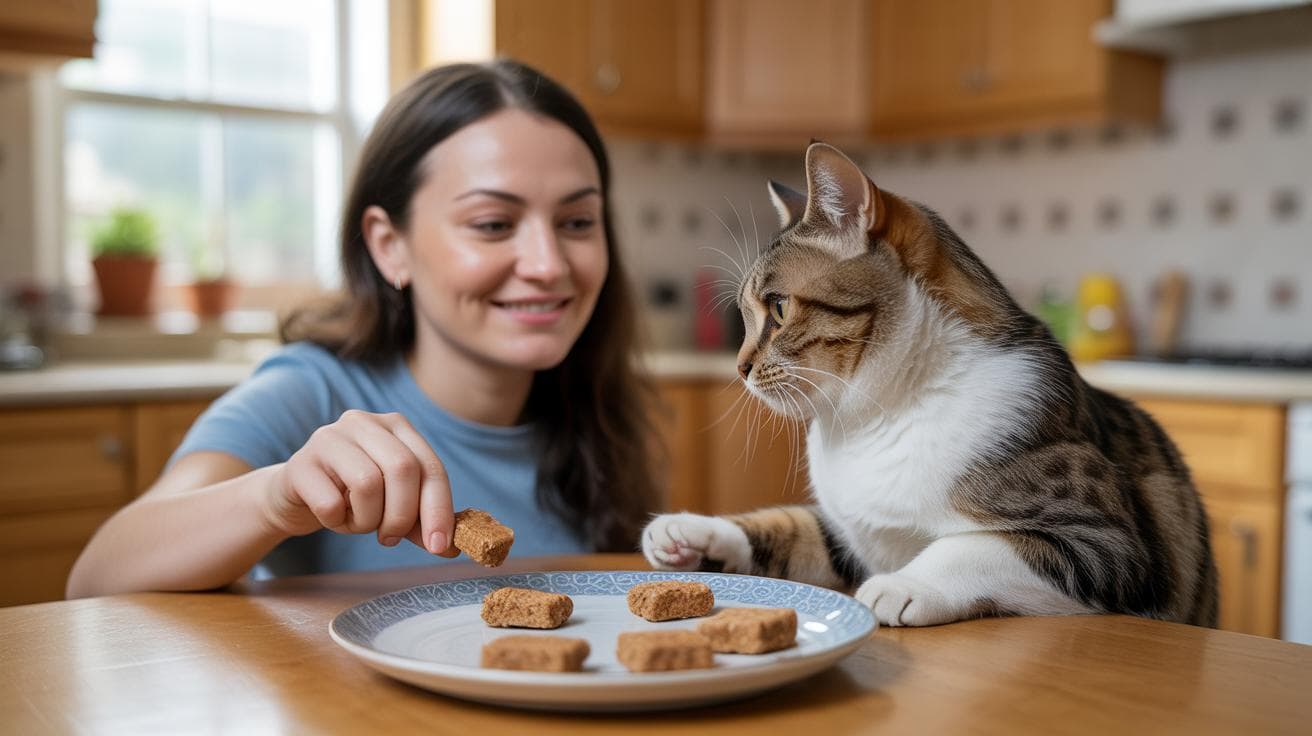
Ready to find your cat’s favorite reward? Do a short, simple treat trial when they’re hungry but not starving, about 30 minutes before their normal meal. Your cat’s whiskers will tell you what matters, watch for the twitch, the sniff, the quick pounce.
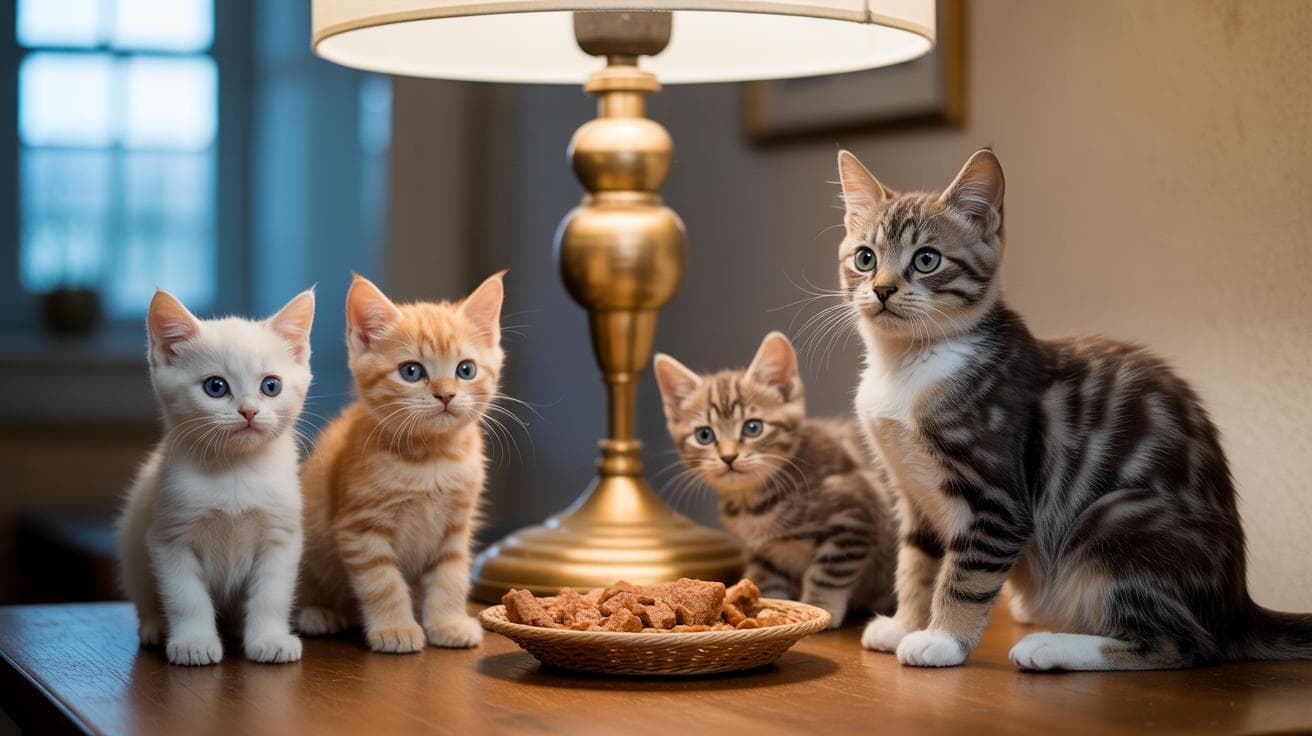
Pick 4 or 5 different kinds of treats so you get a clear winner. Try commercial freeze-dried meat or fish (meat that had the water removed to lock in flavor), soft training treats (small, squishy rewards), crunchy treats, tiny bits of plain cooked chicken, fish, or egg, and a few pieces of regular kibble (dry cat food) or a spoonful of wet food (canned or pouched). My cat once ignored the fancy stuff and went crazy for plain cooked egg. Go figure.
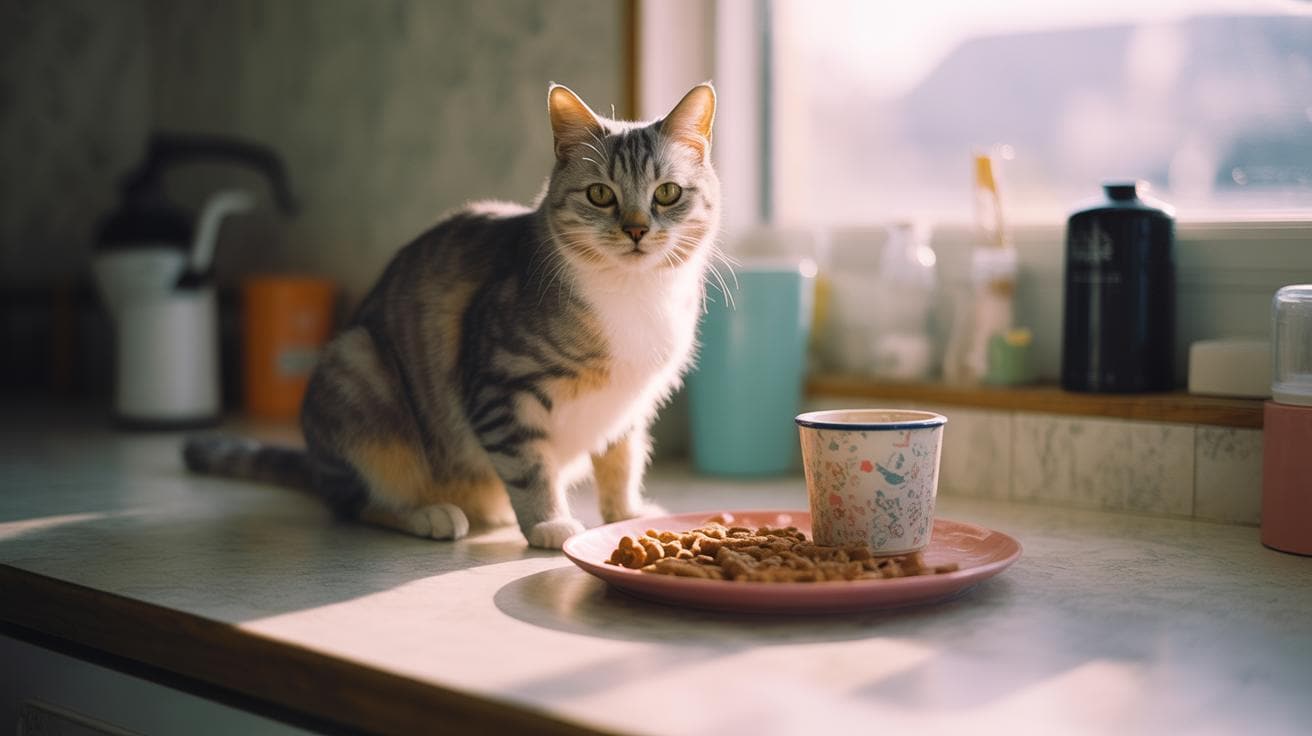
Portion them equally on a plate in a quiet spot. Use very small amounts, about 1/8 teaspoon each, just a nibble. Watch closely: the very first pick often shows what’s most tempting, but finishing a sample and coming back for seconds is a big clue too. Note what they choose first, what they finish, and what they walk away from.
Keep quick notes and save your top 2 or 3 winners so you’re not stuck if one runs out or your cat gets bored. Common slip-ups: testing when your cat is too full or too ravenous, offering more than 5 or 6 options, or assuming the priciest treat wins. Retest every six months or whenever your cat’s tastes seem to shift.
- Choose time: about 30 minutes before a meal
- Select 4–5 varied options
- Portion equally: roughly 1/8 teaspoon each
- Present in a quiet area
- Observe and record first choice and finish behavior
- Repeat as needed and keep the top 2–3 winners
Worth every paw-print.