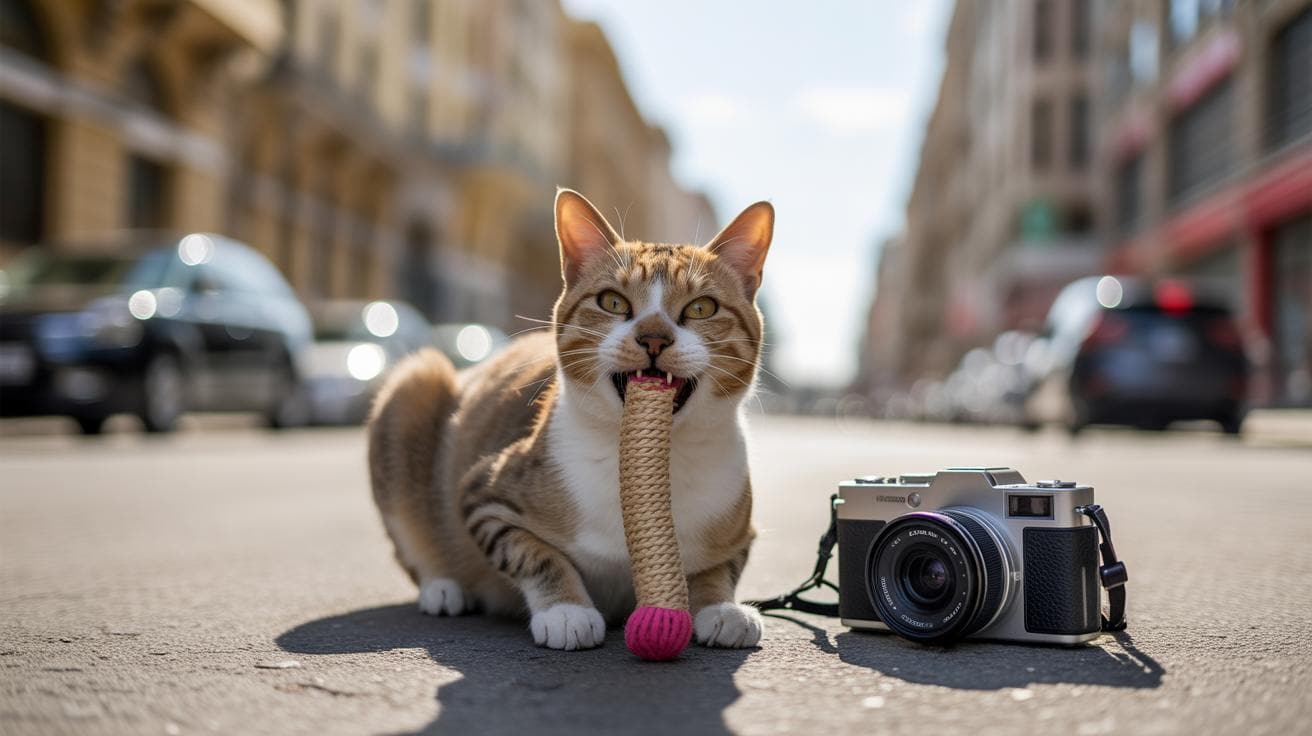
Think an Abyssinian is just a cuddly couch companion? Think again. These cats are tiny athletes, curious, lightning-fast, and always plotting the next leap. Your couch might get a cuddle, but their whiskers are ready to twitch at any movement.
Kittens have zoomies and need short, explosive play: feather wands (a stick with feathers that mimics prey), quick motion toys (battery-powered toys that move on their own), and things to chase. Adults need stamina-building play and brain games: puzzle feeders (a toy that makes your cat work for food) and tall climbing options (a tall cat tree or wall shelves for climbing) to burn energy and keep them sharp. Seniors do best with gentler motion toys, lower perches, and slow, soft play that still sparks curiosity.
Daily short sessions work wonders. Try two or three five- to ten-minute play bursts a day, the satisfying pounce, the soft flutter of feathers, the thud when a toy hits carpet, then leave smart solo toys out for when you’re gone. Rotate toys so they don’t get bored, and you’ll see fewer shredded curtains and more content paws.
Ever watched your kitty chase a feather and look totally delighted? Me too, um, every time. Worth every paw-print.
Abyssinian cat: activity level and toy recommendations
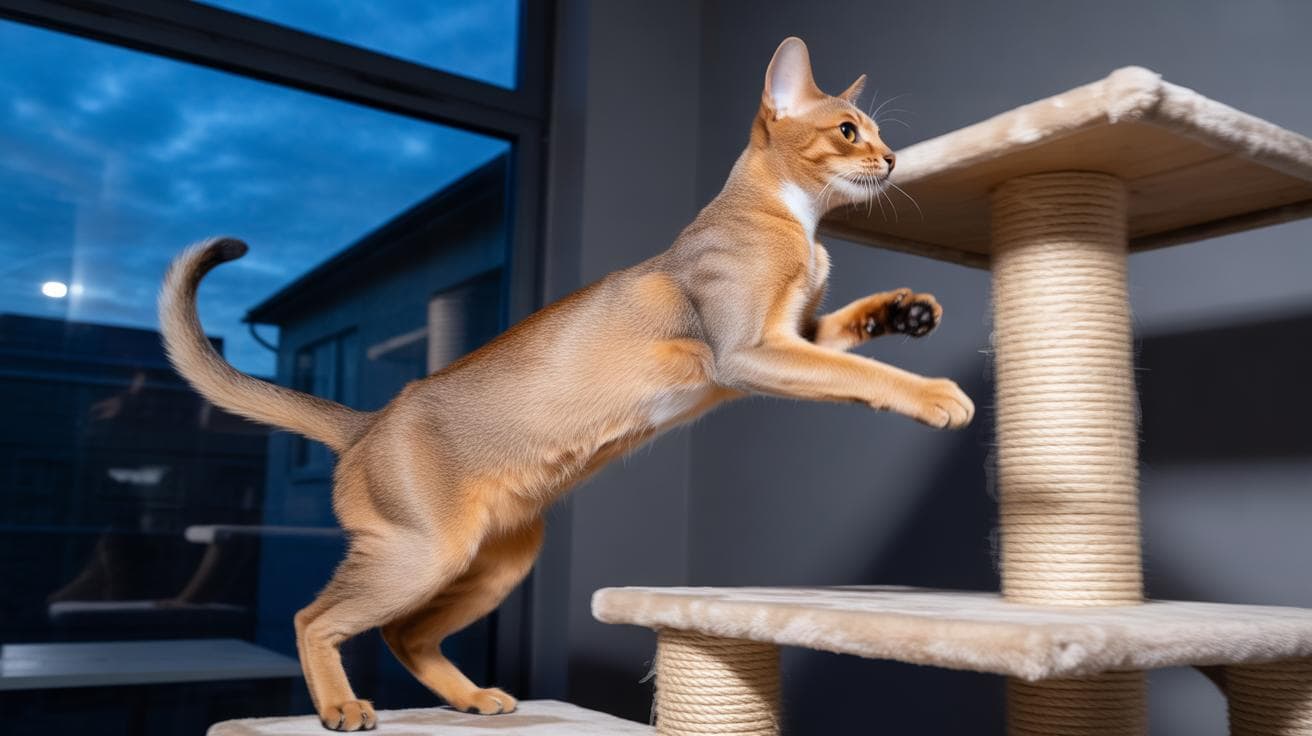
Kitten: very high activity. Plan for short, supervised bursts of play with interactive toys.
Adult: steady, high energy, aim for the daily play targets below.
Senior: lower-impact play and joint-friendly choices (see the "kitten-to-senior" section for details).
Abyssinians are athletic, curious, and clever. They usually live about 12 to 15 years and weigh around 6 to 12 lb (2.7 to 5 kg). Your cat will often look like it’s ready to run, jump, or investigate anything that moves, so indoor enrichment is key.
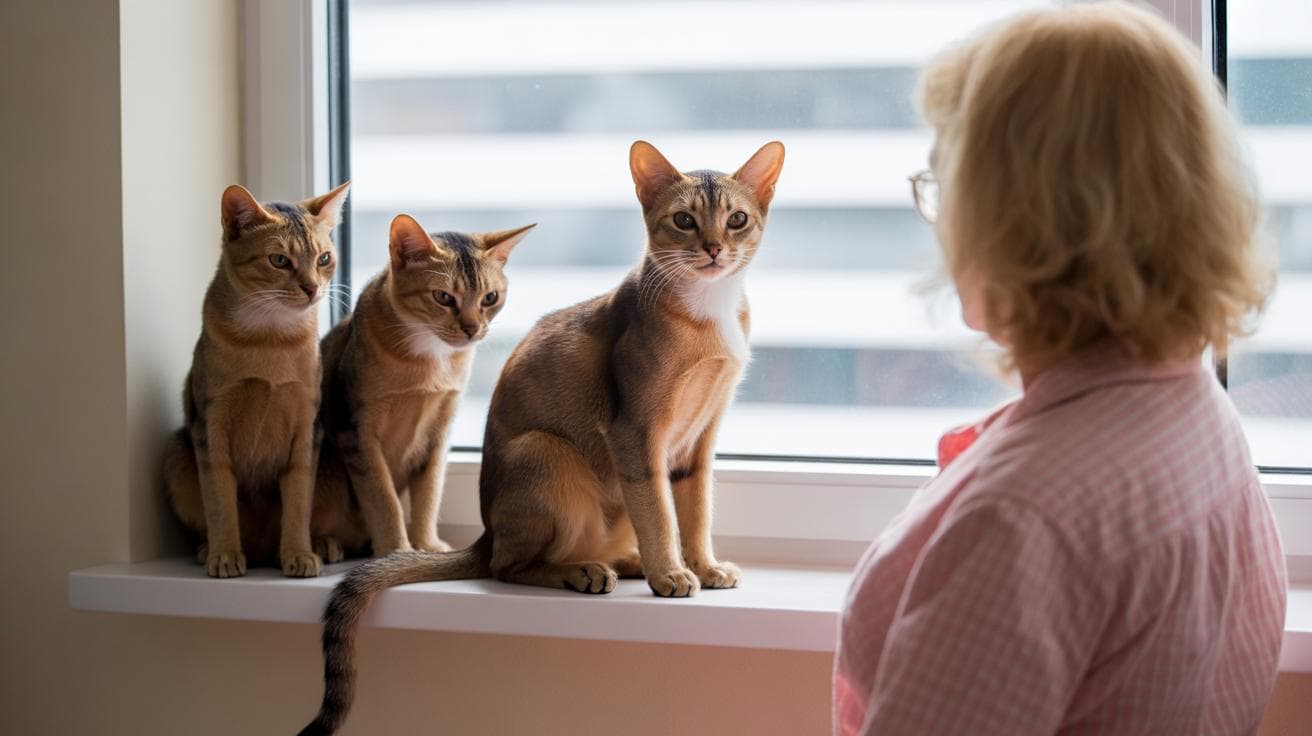
These cats are very social and need vertical space and company to stay happy. Think cat trees, wall shelves, and window perches that let them climb and survey their kingdom. Ever watched your kitty stare out a window like it’s on patrol? That’s them being content.
Action plan , daily minimum: 2 to 3 interactive sessions totaling 15 to 30 minutes. That’s the practical, do-able goal for most busy homes. For short outings, toss an unbreakable ball before you leave, that’s ten minutes of good solo fun.
Go-to toys and picks:
- Feather wand (premium) , mimics prey and sharpens chasing skills; great for interactive play (see the Abyssinian toy recommendations section for model picks).
- Puzzle feeder/treat dispenser , slows eating and gives mental work; Catit and Kong style puzzle feeders work well (puzzle feeder: a toy that makes your cat work for food).
- Motion/chase toy , for solo stimulation when you’re busy; PetSafe FroliCat Bolt is a good example (motion toy that zips a light or dot).
- Climbing modules and tall cat trees , satisfy the vertical instinct and provide safe jumping spots.
- Plush prey and tunnels , perfect for ambush play and stalking practice.
- Treat-dispensing balls , mix meal time with play so food becomes enrichment.
Toy types and why they matter:
- Wand and feather toys mimic prey and build hunting and pounce timing.
- Puzzle feeders and treat balls give mental exercise and slow eating.
- Motion and chase toys provide solo engagement when you can’t play.
- Climbing modules and shelves meet vertical needs and reduce boredom.
- Plush prey and tunnels encourage stalking and surprise attacks (the good kind).
- Treat-dispensers make feeding into play and extra enrichment.
A few safety and setup tips: rotate toys so nothing gets boring, check toys for loose parts, and pick soft, joint-friendly surfaces for senior jumps. Worth every paw-print.
Abyssinian kitten-to-senior: age-specific activity, feeding ties, and modification checklist

Kittens: Abyssinian kittens are bundles of zoom, short, furious bursts of play that build coordination and confidence. Feed them 3 to 4 small meals a day, and sneak in supervised interactive time between meals, like quick wand sessions or tiny fetch tosses, to practice hunting moves and gentle bite control. Ever watched whiskers twitch during a sudden pounce? It’s the best. Keep sessions short and upbeat so they learn play is fun, not scary.
Adults: Adult Abyssinians need focused daily work to match their athletic curiosity. Shoot for 2 to 3 interactive sessions a day totaling about 15 to 30 minutes, and use puzzle feeders at mealtime so eating becomes mental exercise. Most adults eat 1 to 2 meals a day, so split portions into puzzle rounds or timed treat-dispensing moments. Train in tiny steps with treats and praise, teach fetch, a high-five, or safe jump routines, because they pick up tricks fast.
Seniors: Senior Abyssinians still want to play, but with softer landings and gentler pacing. Offer low-impact toys, room ramps or short-step modules, and cut down chasing intensity while keeping brief daily engagement to preserve muscle tone. If activity falls, trim calories a bit and keep meals in easy-to-manage puzzle portions so eating stays fun. Don’t skip weekly grooming; a healthy coat helps them feel good and usually doesn’t stop play.
Age-specific checklist:
- Match feeding cadence to activity: kittens 3–4 meals; adults 1–2 meals split into puzzle-feeder sessions.
- Play intensity by life stage: kittens short bursts; adults longer chase peaks; seniors gentle, brief play.
- Supervise kitten toys: wand/feather and small plush only during play.
- Senior-friendly choices: ramps, low platforms, softer toys, and low-impact chase options.
- Watch for warning signs: reduced mobility, appetite change, reluctance to jump; consult your vet if you see them.
Refer to the “Durable and safe toys” section for all cleaning, inspection, and retirement rules.
Abyssinian toy recommendations: the single detailed catalog
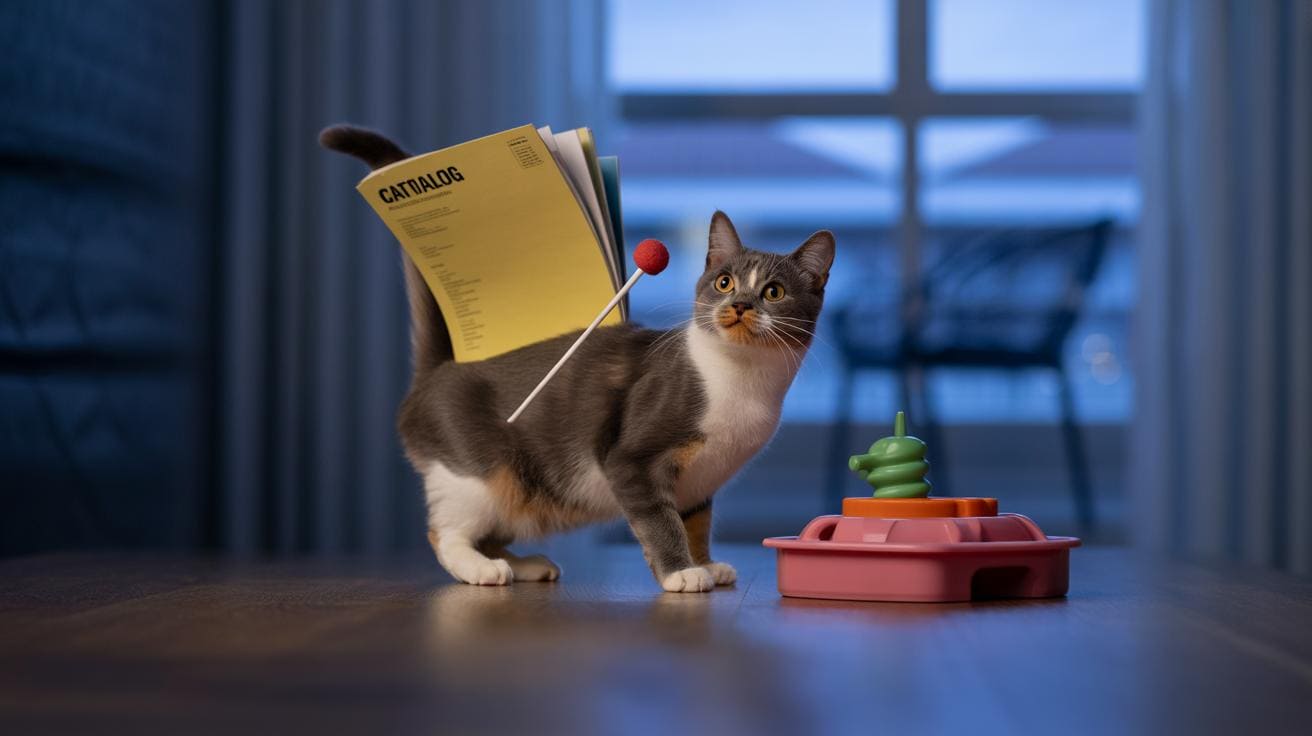
This is the one complete catalog of interactive toys for Abyssinians, with brand examples, easy DIY projects, and quick pros and cons so you can match toys to their athlete-level energy. It’s packed with owner-play toys, solo-play options, climbing gear, and safety tips. See the "Durable and safe toys" section for cleaning, inspection, and retirement rules.
Interactive owner-play toys
-
Wand and feather teasers – Example: FeatherPlay Deluxe Wand. These mimic prey and trigger that epic pounce response. Great for short owner-led sessions that teach targeting and timing. Not for unsupervised play; check and remove any loose bits when you see wear.
-
Fetch kits – Example: SoftFlight Mini Fetch Set. Light, bouncy toys that fly a little and roll fast, perfect for sprint training and recall practice. Some Abyssinians take to fetch right away, others need treats and patience to learn it.
-
Tug-and-chase ropes – Example: ClawGrip Tug Rope. Super for tug games that build bonding and teach bite control. Made from woven nylon (a tough synthetic fabric), so it stands up to teeth. Keep an eye on long ropes so they don’t wrap around paws or necks.
Solo-play and mental toys
-
Puzzle feeders – Example: Catit Senses 2.0. These turn meals into a foraging game and slow down fast eaters. Many have adjustable difficulty which keeps clever cats busy. They can be messy with wet food and need regular cleaning.
-
Treat dispensers – Example: Kong Wobbler. Sturdy and reward-based, they encourage nudging and batting for treats and help with portion control. Watch for damage though – small parts on a broken unit can be dangerous.
-
Motion and chase toys – Example: PetSafe FroliCat Bolt. They mimic erratic prey movement and give solo chase sessions when you’re out. Timers help keep play regular. End a session with a catchable toy so your cat feels successful.
Climbing gear and DIY options
Climbing: multi-level trees like Catmandu or Kazoo models give vertical territory and safe jumping platforms. Vertical space is huge for Abyssinians – they love to be up high. DIY ideas: cardboard playscape, foldable fabric tunnel, paper-ball stash, and teaser-wand repairs (see the DIY section for the full how-to). DIYs are budget-friendly but need routine checks. Repair tip: reinforce seams with fabric tape and swap worn parts quickly.
Quick pros and cons
- Wand/feather – pro: instant prey simulation; con: supervise for loose bits.
- Puzzle feeder – pro: mental work and slower meals; con: can be messy and needs cleaning.
- Treat dispenser – pro: durable reward play; con: damaged units risk small parts.
- Chase ball/track – pro: long high-energy runs; con: balls can jam in narrow tracks.
- Automated motion toy – pro: solo stimulation on schedule; con: batteries and moving parts need checks.
- Plush prey – pro: soft to carry and shake; con: seams can open under heavy play.
- Tunnel/hide – pro: great ambush spots; con: cardboard versions weaken when wet.
- Climbing modules – pro: vertical territory for jumping and naps; con: bulky and needs floor space.
| Toy Type | Best For | Example Brand/Model | Pros | Cons |
|---|---|---|---|---|
| Wand / Feather | Interactive prey play | FeatherPlay Deluxe Wand | Mimics prey; great for short, intense sessions | Needs supervision; feathers wear |
| Puzzle Feeder | Mental challenge / slow feeding | Catit Senses 2.0 | Adjustable difficulty; stretches mealtime | Harder to clean if messy |
| Motion Toy | Solo chase | PetSafe FroliCat Bolt | Mimics erratic movement; timer options | Batteries and parts need maintenance |
| Treat Dispenser | Meal enrichment | Kong Wobbler | Durable; rewards nudging and batting | Can release too much if tipped hard |
| Chase Ball / Track | High-energy sprinting | TrackMaster Loop | Long play cycles; encourages speed | Balls may jam; needs space |
| Plush Prey | Hunting simulation | Hunter’s Buddy Plush Mouse | Soft to carry and shake | Seams can split under heavy chewing |
| Tunnel / Hide | Ambush play | Foldable Fabric Tunnel | Creates ambush points; folds for storage | Cardboard versions wear fast |
| Climbing Module | Vertical territory | Catmandu / Kazoo multi-level tree | Multiple platforms and scratching posts | Large footprint; secure anchoring needed |
DIY mini-recipes
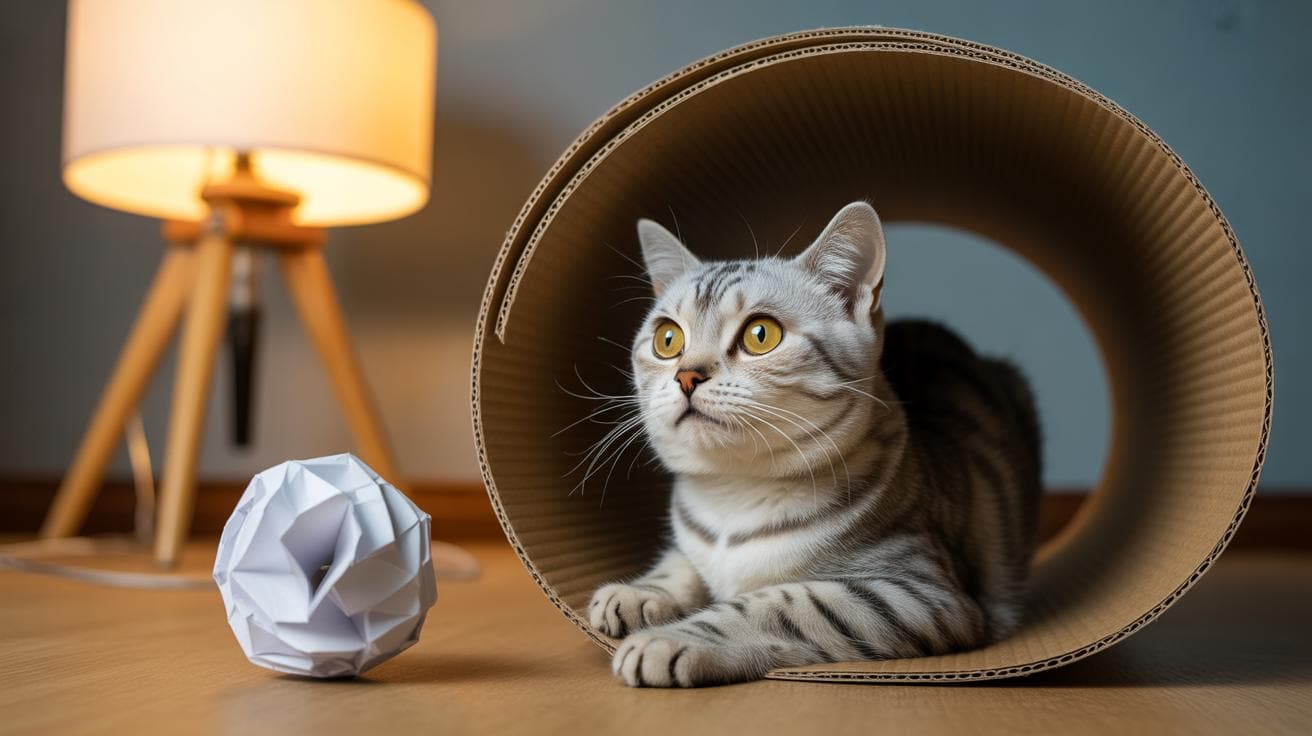
- Paper-ball stash: crumple A4 paper into tight balls and tuck them in a shallow box for quick pounce practice. My Aby once lived in that box for an hour, no joke.
- Cardboard playscape: stack boxes and cut entry holes to make multi-room ambush zones. Swap wet boxes fast because cardboard gets weak when damp.
- Quick teaser repair: replace frayed feathers with braided leather (leather strips woven together) or fabric strips and secure with heat-shrink tubing (a plastic tube that tightens with heat). Wrap the join, apply heat carefully, and trim stray fibers.
Safety and upkeep notes
Check toys weekly for loose parts, sharp edges, and frayed seams. Clean plastic and silicone toys with warm soapy water and let them dry fully. For fabric toys, stitch or replace weak seams; fabric tape works well for quick fixes. Retire toys that shed stuffing or break into small pieces. Worth every paw-print to keep play safe.
Interactive play strategies for Abyssinian cats: session structure, training games, and daily routine
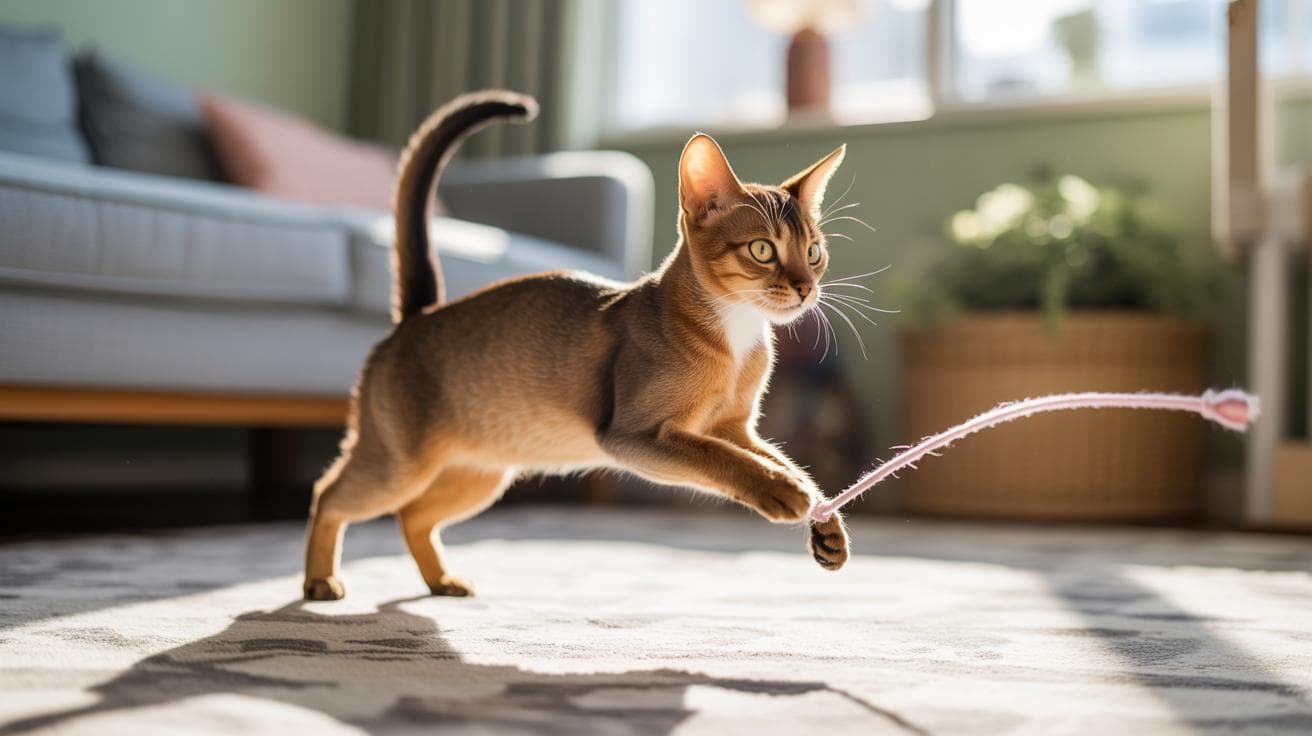
Abyssinians need daily interactive play. Short, focused sessions keep their clever minds busy and their lean bodies happy. Think of a simple play template with a warm-up, a peak chase, and a calm finish so each session feels like a complete hunt.
Session structure
Warm-up (1–2 minutes): slow teasing with a wand or a slowly moving toy to grab attention and wake hunting instincts. Use a wand toy or teaser (a stick with feathers or ribbon) so your cat can watch and stalk.
Peak chase (6–10 minutes): fast bursts of running, pouncing, and short fetch or chase rounds. Let your cat stalk, leap, and carry a small prey toy (a tiny stuffed toy that mimics prey) so the whole hunt sequence feels finished. Short repeats are better than one long sprint.
Cool-down (1–2 minutes): slow the pace with gentle petting and offer an easy-to-catch toy so they finish with a win. Stop a session if your cat freezes, bolts away, pins ears back, grooms obsessively, or looks frantic.
Small signs matter. Watch whiskers and tail flicks. Ever notice your cat’s pupils go huge? That can mean too much excitement.
Training games for exercise
Fetch progressions (3 steps):
- Start with a bright, soft toy and tiny, short tosses so your cat sees it easily.
- Reward each return with a tiny, high-value treat (something especially tasty) and a simple cue word like "bring" or "drop."
- Slowly increase distance and add a release cue once returns are steady.
Clicker-assisted tricks (3 steps): clicker (a small handheld sound marker) training is great for precise timing.
- Click the moment your cat does the tiny action you want to mark.
- Give a small tasty treat right away.
- Chain clicks to build longer behaviors like spin or high-five, then slowly fade food rewards.
Safe jump and hurdle training: start low with platforms or boxes 2–4 inches high (about the height of a paperback book). Use treats and praise to reward success. Raise height in small steps and keep jumps below about 12 inches for beginners. Watch for slipping or hesitance and stop if your cat looks unsure.
Quick tips for consistent play
- Schedule 2–3 interactive sessions a day: morning, midday, and evening.
- Use tiny, high-value treats for shaping new behaviors.
- Rotate toys between sessions to keep things novel.
- End automated or motion toys with a tangible prey toy so the hunt feels complete.
- Watch for overstimulation signs and stop early if you see them.
- Track small progressions like reps or treats to build complexity safely.
See the "Abyssinian toy recommendations" section for product choices and the "Durable and safe toys" section for safety, cleaning, and retirement rules.
Climbing and vertical enrichment for Abyssinian cats: trees, shelves, and perches
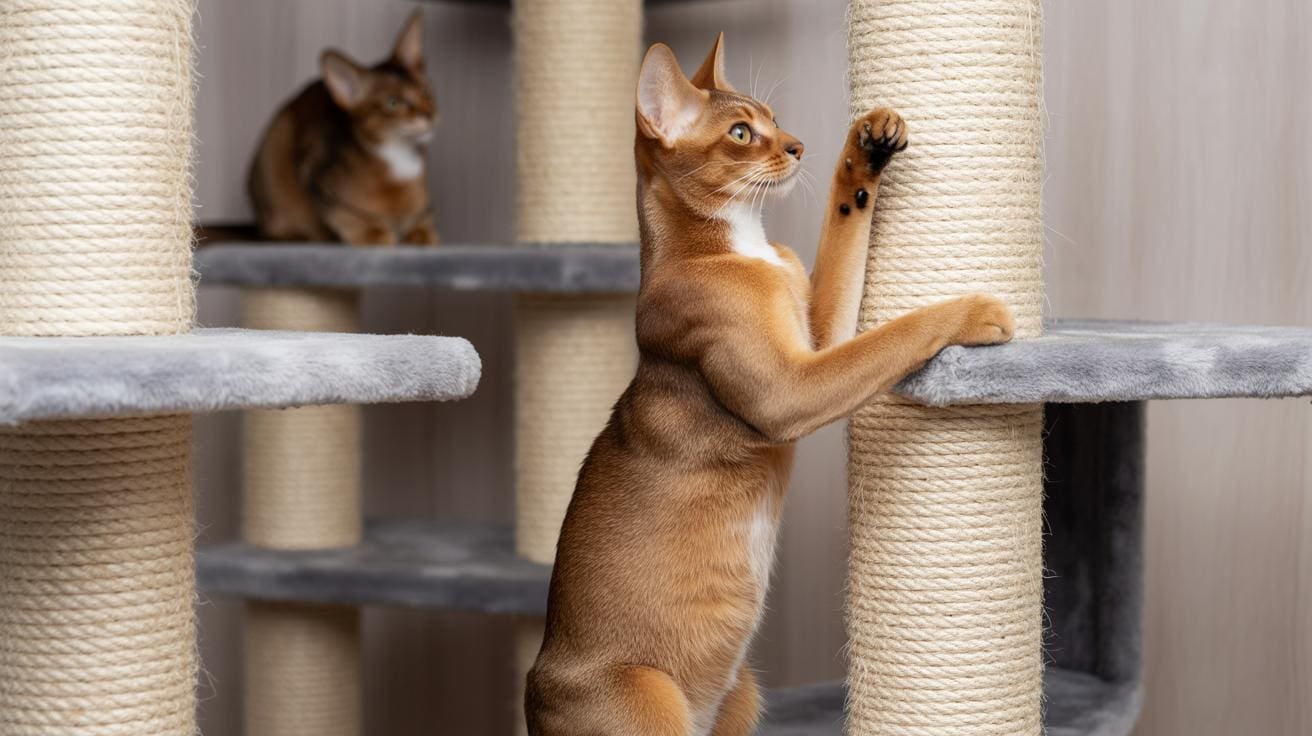
Abyssinians live for vertical space. Give them tall, steady cat trees, staggered wall shelves, and a snug window perch so they can climb, watch birds, and nap up high in a sun-warmed spot. My cat goes full circus when there’s a new perch. Brands like Catmandu Australia and Kazoo Pet make sturdy multi-level options that suit this athletic breed.
Choosing a cat tree
Look for a tree with a wide, heavy base so it does not tip when your cat launches herself. Aim for a weight capacity that covers multiple cats or big jumps. Platforms should be at least 12 inches (30 cm) square so an adult Abyssinian can sit, turn, and groom comfortably. Include at least three tiers with ramps or staggered steps to make ascending safe and fun. Use sisal (tough plant fiber cats dig into) or tightly woven carpet (dense fabric made to last) on scratching areas, and pick models with several scratching posts to save your furniture.
It’s good to think about textures. Abyssinians love to dig their claws into something that gives a little, and they’ll appreciate a variety of surfaces for batting and stretching. Toss a soft toy on a high platform and watch the whiskers twitch.
Wall shelves & installation
Space shelves about 12 to 18 inches (30 to 45 cm) apart so the jumps feel natural, not scary. Shelf depth should be at least 6 to 8 inches (15 to 20 cm) so your cat has room to perch. Put the highest perch near a window for bird-watching and add a soft landing mat below higher modules. Ever watched your kitty launch, rotate midair, and stick the landing? Yep, that.
Mount shelves into studs (the vertical wood behind drywall) or use heavy-duty wall anchors rated for dynamic loads (anchors built to handle the force of jumping). If you’re renting or unsure, get a pro to check it. Safety first, playtime second.
Installation safety checklist:
- Mount type: stud-mounted or heavy-duty wall anchors rated for jumping loads (choose based on wall type).
- Platform size: 12 in (30 cm) minimum square for adult perches.
- Shelf spacing: 12–18 in (30–45 cm) between platforms for natural jumps.
- Materials: sisal (tough plant fiber cats dig into) or tightly woven carpet (dense fabric for durability) on scratching surfaces.
- Placement: put high perches near windows for views and sunshine.
- Landing zones: add soft mats or lower platforms under elevated spots; inspect regularly and follow "Durable and safe toys" for inspection and upkeep.
Worth every paw-print.