Think your house is quiet? Meet the Toyger, a little striped dynamo that treats your living room like a jungle gym. They look like tiny tigers, and they move like athletes, slinking, sprinting, and pouncing with big curiosity.
Toygers are medium-sized and very active. Their whiskers twitch the moment a ball rolls across the floor. Expect about 30 to 60 minutes of play a day, split into short sessions. Ever watched your kitty chase shadows? That kind of quick, focused training energy is Toyger territory.
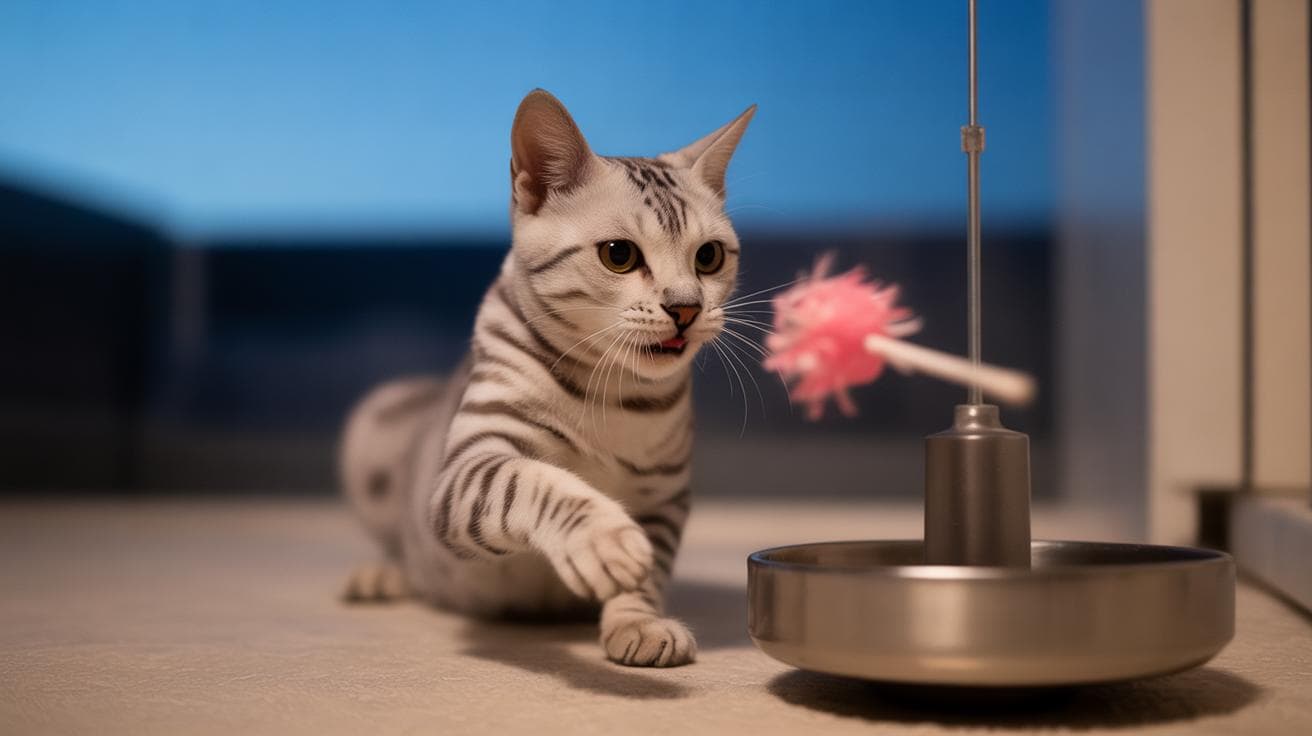
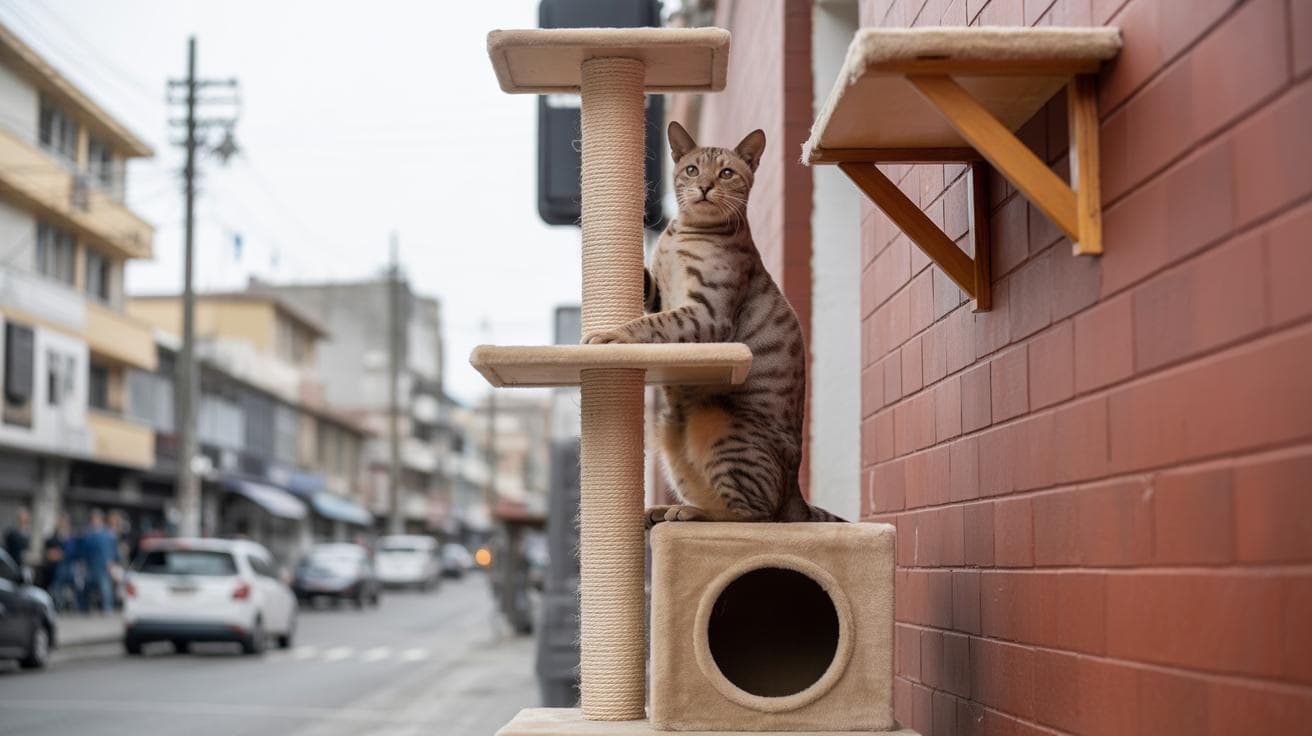
For toys, match what they love: chase, puzzle, and climb. Teaser wands work like fishing rods for cats, wave it and let them hunt. Puzzle feeders slow them down and give their brains a workout. Tall cat trees with sisal (coarse natural rope) wrapped posts are perfect for climbing and scratching. Toss in a few soft, noisy balls for sprint practice.
Rotate toys every few days so things stay exciting, and always check for loose parts or strings before you leave them alone. For busy days, throw an unbreakable ball into the hallway before you head out, ten minutes of safe play and peace of mind.
Worth every paw-print.
Toyger Cat Energy Level and Toy Suggestions
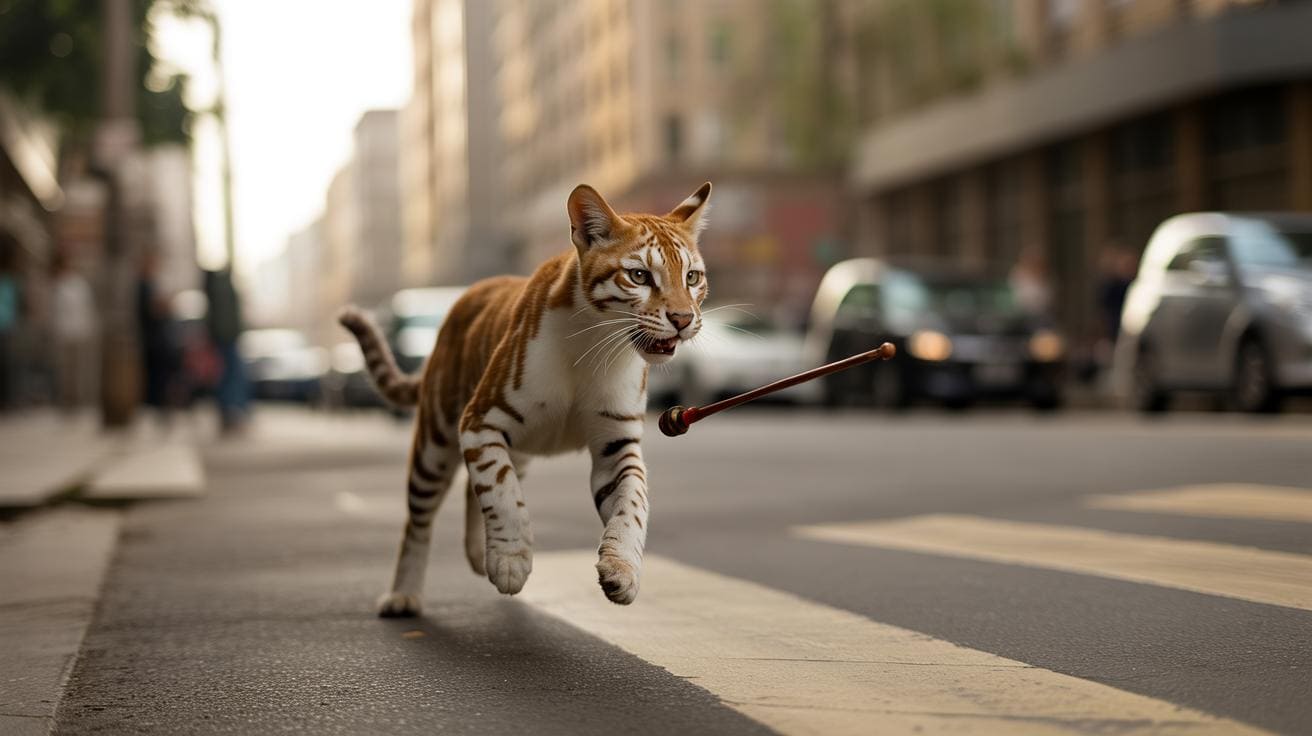
If you share your home with a Toyger, get ready for a lively roommate. Toygers are high-energy indoor cats with unique play behavior patterns that need daily interactive play and mental work to stay happy and out of trouble. They usually weigh about 7 to 15 pounds (a medium-sized cat) and run roughly 18 inches long, so pick durable toys that match that size, so pick toys and platforms that fit that build.
They pick up tricks fast and love working for rewards. Many Toygers learn to fetch or walk on a leash, and they thrive with a mix of chase, puzzle, and climbing play to keep both body and brain busy. Ever watched one stalk a rolling ball? Their whiskers twitch and they’re all focus.
Best toy types for a Toyger:
- Interactive wand toy (a stick with feathers or a tassel) , short tug-and-swoosh sessions mimic prey and strengthen your bond.
- Puzzle feeder (a food-dispensing toy that makes your cat work for kibble) , slows eating and gives mental exercise for a quick mind.
- Running wheel (like a treadmill for cats) , lets them sprint indoors; choose a quiet, roomy model.
- Motorized mouse or spinning toy (battery-powered moving toy) , unpredictable motion simulates live prey and sparks a serious chase.
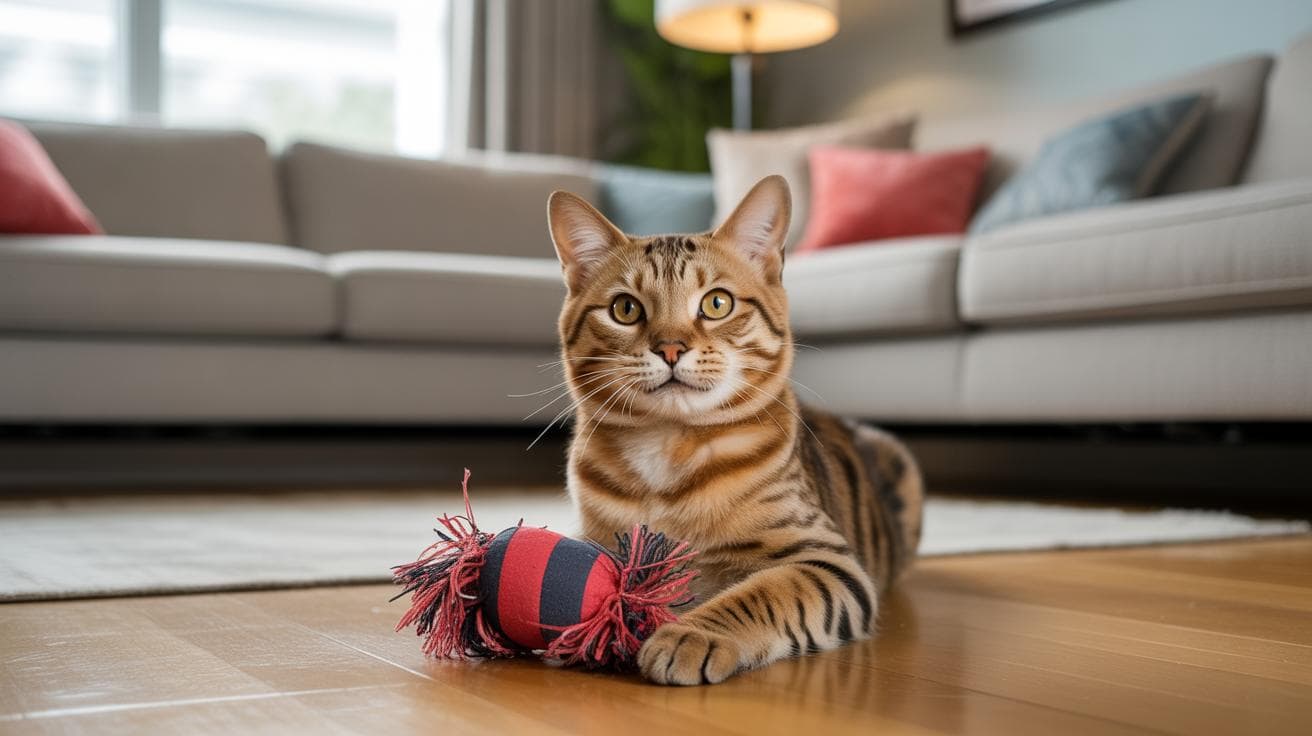
- Chase balls (lightweight balls that roll easily) , great for fetch or solo rolling play.
- Tall cat tree with wide shelves (vertical play structure with platforms) , perfect for jumping, climbing, and surveying the room.
Rotate toys every few days so things stay fresh. Supervise any string play and watch motorized toys while they run. Small detachable parts are a no-go for safety.
Aim for 30 to 60 minutes of play a day, broken into short 5–15 minute bursts. Example: 10–15 minute wand session in the morning, a 10-minute puzzle challenge midday, and 15–20 minutes of evening chase or fetch. Toss in brief training sessions for fetch or leash work, and give them running wheel time to burn energy when you’re out.
Check toys weekly for frays, loose pieces, or hot motors (overheated moving parts). Remove damaged items right away. If your cat has heart, kidney, joint, or infectious-disease concerns, check with your vet about safe play types first.
Worth every paw-print.
Toyger energy level by life stage, health, and temperament
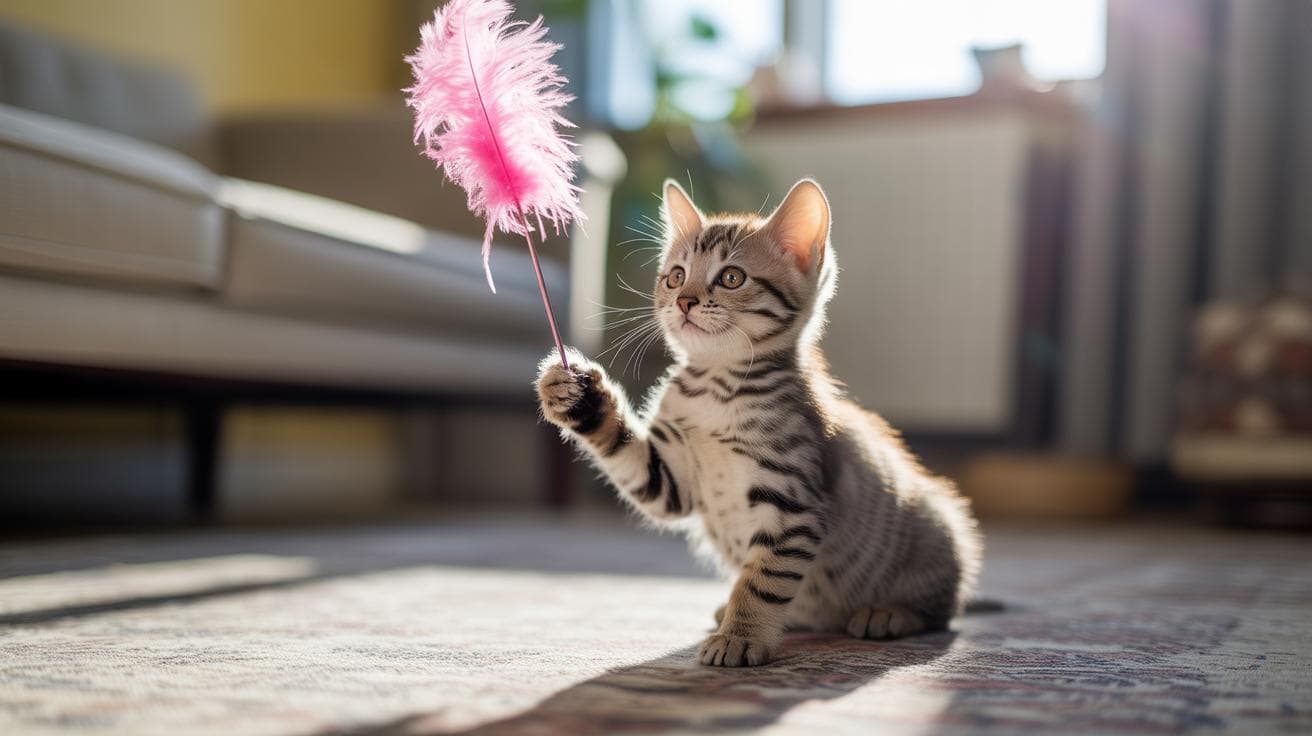
Kittens and adolescents are turbo-charged. They do short, intense zoomies and practice hunting with lots of pounces and play. Ever watched a kitten vanish under the couch and pop out like a furry spring? It’s cute and exhausting.
Adult Toygers stay busy. They need steady daily exercise and mental work so they don’t get bored. Think puzzle feeders (treat-dispensing toys) and wand games that mimic prey, your cat’s whiskers will twitch with every twitch of the toy.
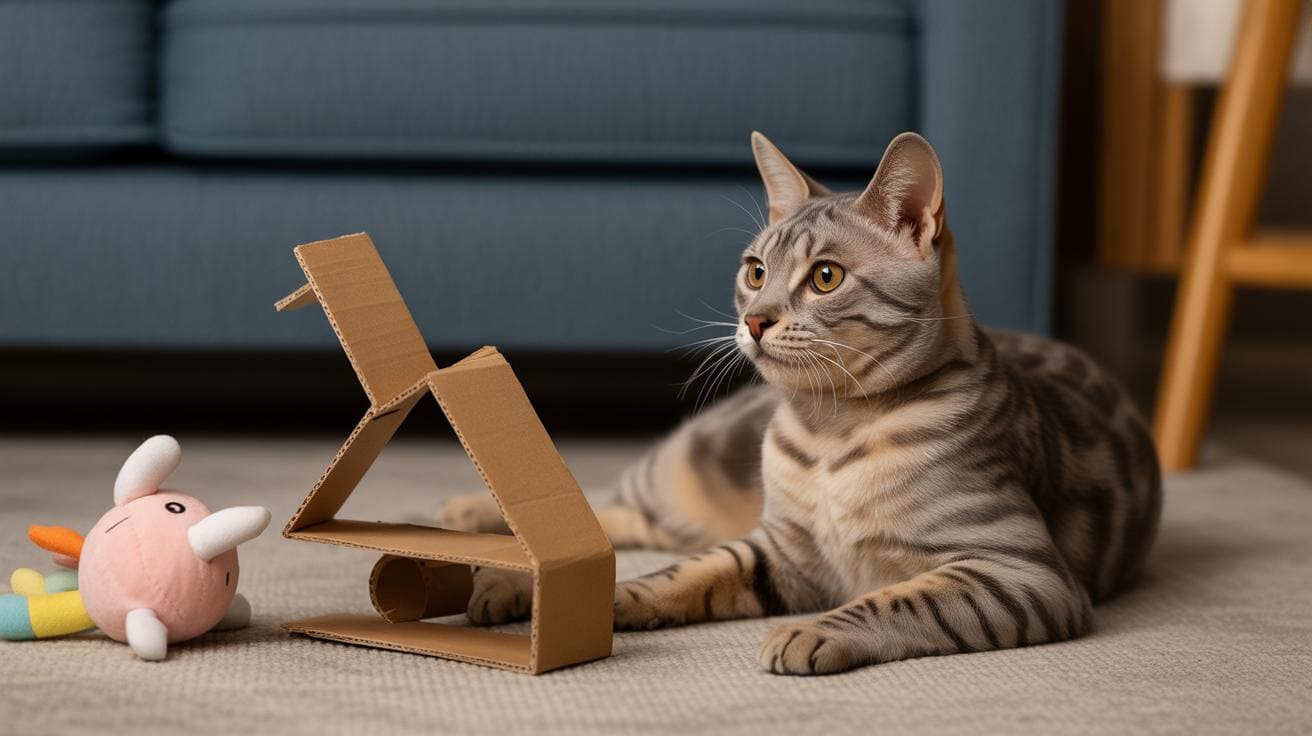
Seniors slow down. They still like to play, but expect gentler motion and shorter sessions, soft batting at a plush mouse or a slow-rolling ball is perfect. Keep sessions calm and easy on their joints.
Health changes how you play. Heart murmurs (abnormal heart sounds), kidney disease (kidneys not filtering well), patellar luxation (kneecap slipping), or FIP (feline infectious peritonitis, a viral illness) mean you should trade high-speed chases for low-impact wand games, slow-rolling balls, or puzzle feeders that reward light movement. Add ramps or lower platforms so a 7–15 lb cat (about 3–7 kg) can climb without strain. Ask your vet about checkup timing. Most cats get an annual exam, but if a condition shows up you may need more frequent visits. And pair activity with a vet-guided feeding plan to help prevent obesity.
Personality matters a lot. Bold, playful Toygers love unpredictable prey motion and tall climbing spots. Shy or cautious cats prefer slow introductions, toys with familiar scents, and short supervised sessions. Rotate toys and match the intensity to your cat’s vibe so play stays fun, not scary.
Worth every paw-print.
| Age/Stage | Typical energy level | Daily play target | Suggested toy types |
|---|---|---|---|
| Kitten | Very high; bursts of zoomies and hunting practice | 60–90 minutes (multiple short sessions) | Wand toys, chase balls, small soft mice (supervised) |
| Adult | High; steady need for physical and mental outlets | 30–60 minutes (3–4 sessions) | Running wheel, motorized mouse, puzzle feeders (treat-dispensing toys), tall cat tree |
| Senior | Lower; prefers gentle, low-impact play | 10–30 minutes (short, calm sessions) | Soft plush, low-roll balls, puzzle feeders (easy level), ramps for access |
Best toy categories for Toyger cats: wands, puzzle feeders, chase toys, and climbing
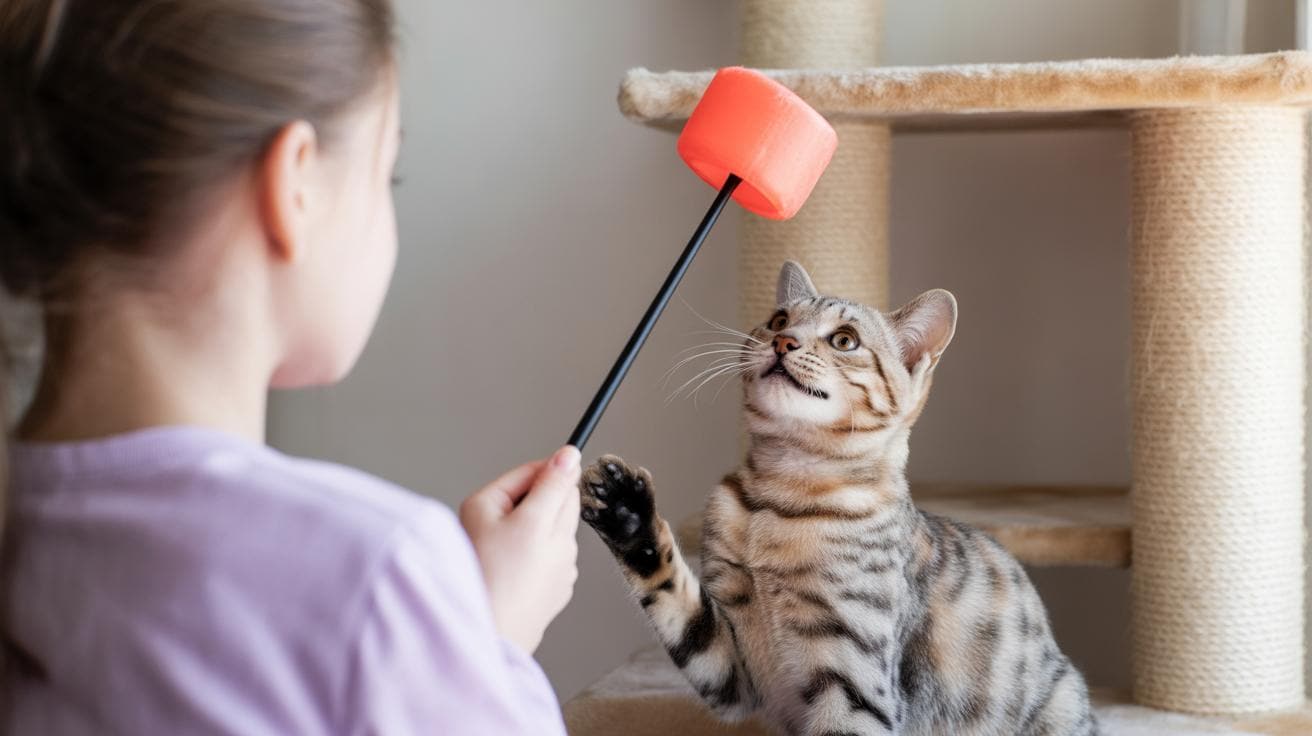
Toygers are clever and busy, so give them toys that match their hunting brain and boundless energy. Look for play that lets them stalk, sprint, solve puzzles, and climb. Your Toyger will thank you with full-body zoomies and razor focus.
Chase toys hit the sweet spot for that pursuit instinct. A running wheel lets them sprint safely indoors. Pick one with a wide running surface and quiet bearings (small parts that help the wheel spin smoothly), and a lane big enough for a 7-15 lb cat to run without slipping. A 15-inch lane keeps paws safe. Solid chase balls should roll easily but be too big to swallow.
Motorized mice and spinning toys mimic erratic prey and can keep a Toyger busy. Choose units with a sturdy casing, replaceable batteries, and an auto-shutoff to prevent overheating. Washable or wipeable surfaces are ideal. Fun, but skip toys with tiny detachable parts for medium-sized cats.
Wands and teasers are low-tech winners. The sudden darts and fluttering make stalking and pouncing click. Go for a durable shaft and a head you can swap out (feathers or fabric). Supervise any string-like bits so your cat doesn’t swallow them. Think of a teaser wand like a fishing rod for cats, just add feathers. Example: "Swap the feather when it frays; keep the shaft for years."
Puzzle feeders, treat-dispensers, and climbing furniture feed a Toyger’s mind and need to go up. Pick adjustable puzzles so the challenge stays rewarding. Climbing pieces should have wide, stable platforms and tough coverings like sisal (rough natural fiber for scratching) or heavy-duty carpet; washable pads are a big plus. Your cat’s whiskers will twitch as they hunt treats. Worth every paw-print.
| Item | Key specs | Note |
|---|---|---|
| Running wheel | Wide running lane 14-16 in; quiet bearings (smooth spin); supports 7-15 lb | “A 15-inch lane keeps paws safe.” |
| Motorized toys | Sturdy casing; replaceable batteries; auto-shutoff | “Stops after 10 minutes if left alone.” |
| Climbing furniture | Sisal (rough natural fiber for scratching) or heavy-duty carpet; wide stable platforms; washable pads | Big perch, no wobble. |
Match toys to your cat’s personality and rotate them so nothing gets boring. Retire anything with frays, chew marks, or a motor that runs hot. Keep an eye on play, you’ll spot the favorite right away. Ever watched your kitty chase shadows and then act like nothing happened? I guess that’s peak cat.