Are big, crunchy treats secretly sabotaging your cat's training?
Short answer: probably. Big, crunchy bites slow your cat down, make them chew, and cut the number of repeats you can do. For faster learning, use tiny, soft rewards that disappear in a blink, low kcal (calories), and let you deliver lots of quick successes. Check out our guide on Clicker Training for Cats.
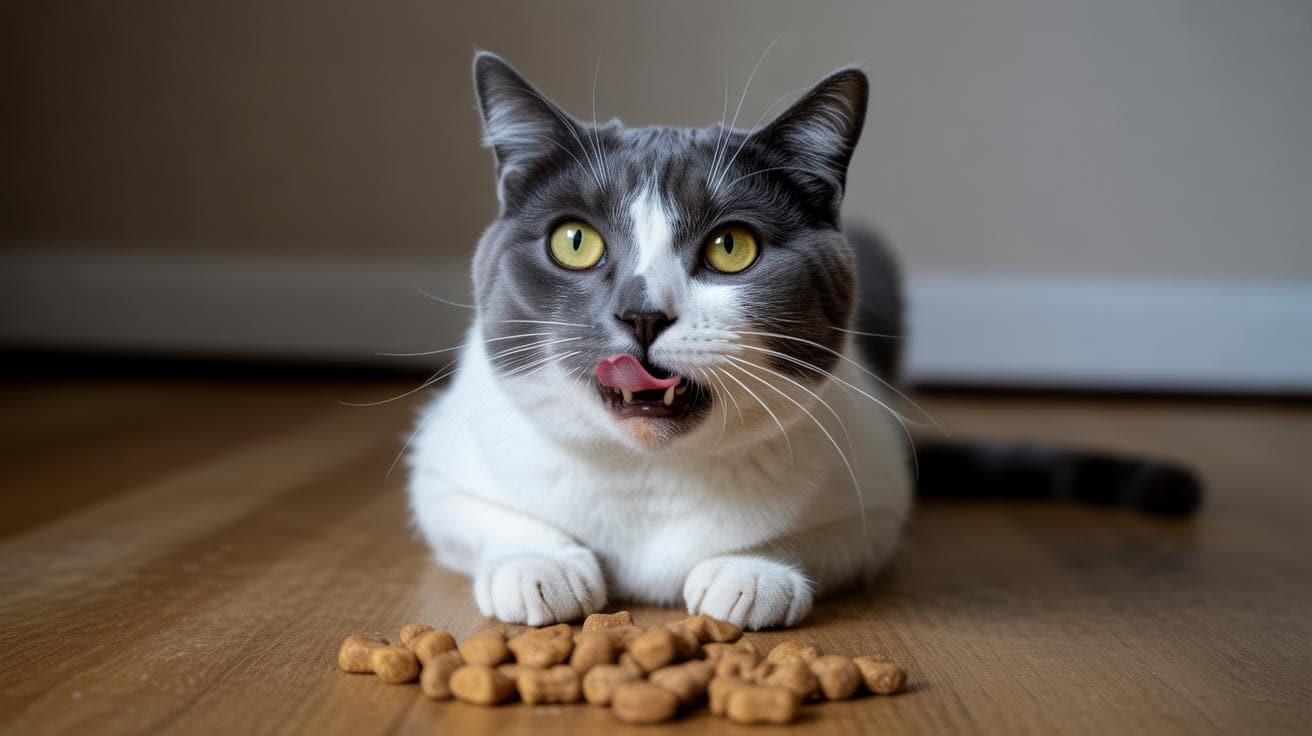
Look for these things: small size , think pea-sized or smaller so your cat eats it in one snap. Meat-first ingredients (meat listed first on the label) for real motivation. Easy-to-break texture (crumbles into tiny pieces without much chewing) so you can hand out repeats fast. The more reps per minute, the faster the skill sticks.
Freeze-dried versus lickable , when to pick which. Freeze-dried (dehydrated quickly so it’s lightweight and very smelly) is great when you need a high-value treat on the go; crumble it into flakes. Lickable (a soft, paste-like treat you can smear) works well for close-up training, hand-targeting, or with kittens and picky eaters who won’t crunch. Both have their moments, so match the format to the trick.
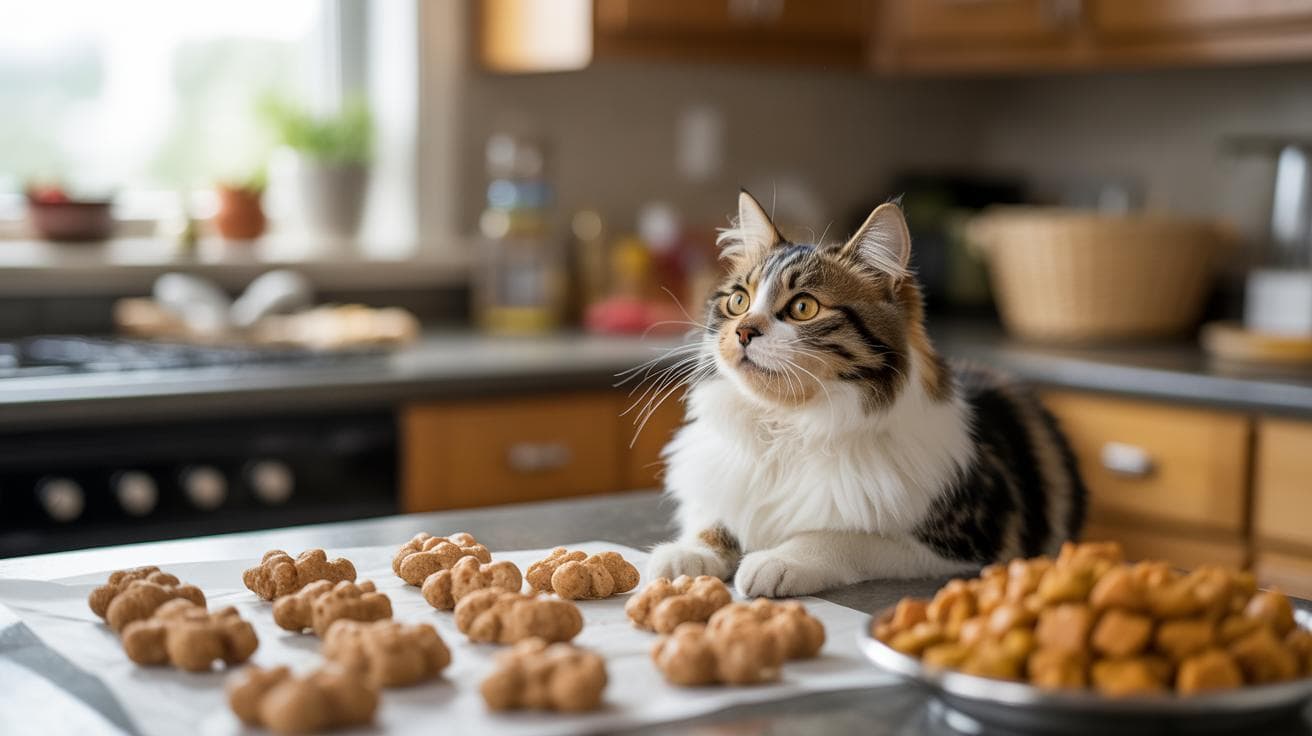
DIY swaps and portion tips: tear cooked chicken or turkey into tiny bits, or spoon a dab of wet food and let it set on a plate before pinching off pea-sized pieces. Aim for treats under about 2 kcal (calories) each so you can do lots of reps without packing on pounds. Keep sessions short , a few minutes with lots of tiny wins , and save the big crunchy stuff for behavior playtime, not training.
Think of this as your cheat-sheet for snack-powered training. Worth every paw-print.
Buying checklist: what to look for in training treats
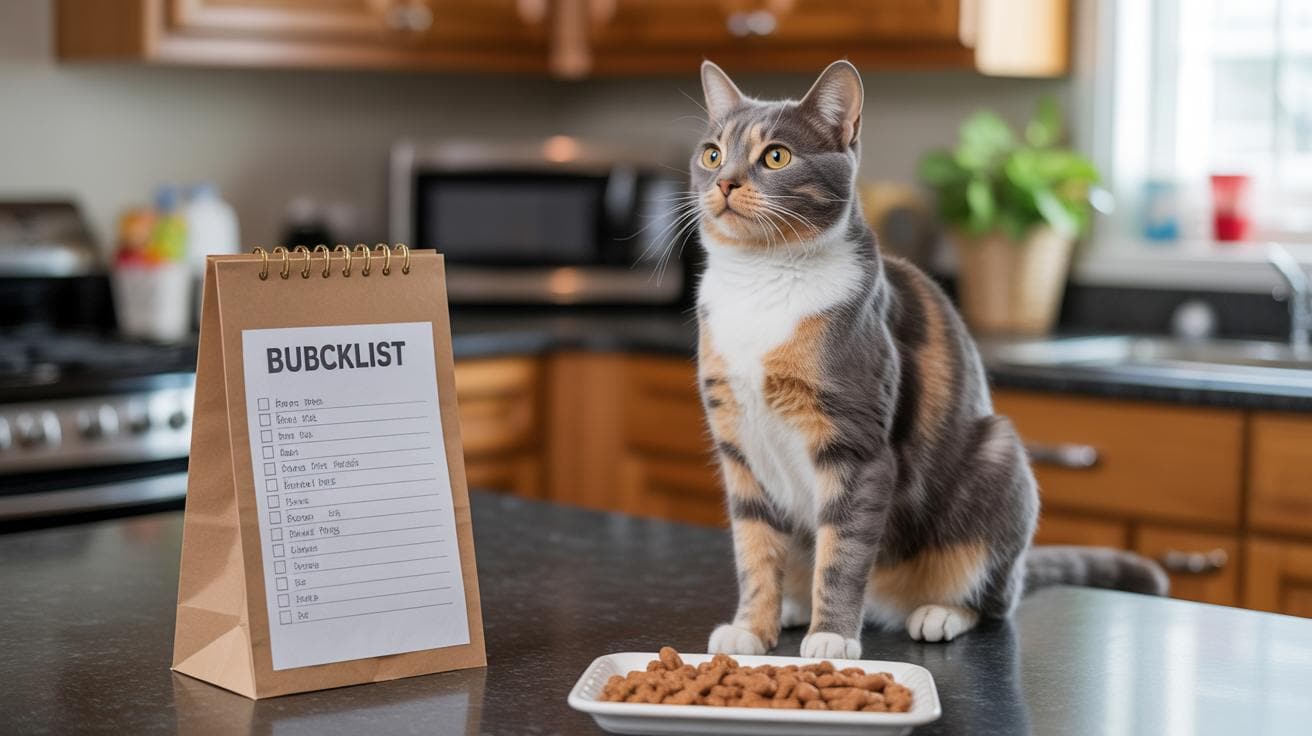
Pick small, low-kcal (calories), breakable, meat-based treats. They’re perfect for quick, repeat rewards and keeping your cat motivated, think tiny bites you can hand out fast.
- Size and kcal per piece: check the package for kcal (calories) per treat and aim for about 2 kcal or less each. That way you can give lots of reps without blowing their daily calories.
- Protein source: choose single-protein treats (one animal source, like chicken or turkey) or meat-first-ingredient clicker options so the food matches a cat’s meat-focused needs.
- Breakability: pick treats that reliably break into micro pieces (tiny bits) so you can reward quickly and get back to training. Fast reward, fast learning.
- Texture suitability (one short phrase): "fast-to-eat micro dry" for high-rep work; "soft/lickable" saved for special, high-value tasks (see texture H2). Ever watch a cat savor a lickable treat? That’s high-value right there.
- Moisture and hydration: moisture-rich treats (soft, wet options) are great for hydration or hands-on handling work, but use them sparingly and skip other treats that day to balance calories.
- Vet and diet flag: if your cat is on a prescription or restricted diet, avoid non-approved treats and check with your veterinarian first.
For texture and format advice, head to the Cat training treats by texture and format section, and for full calorie math and session planning, see Portion control and calories.
For quick DIY recipes and low-cost swaps, check Homemade and DIY cat training treats, and for timing and pacing, see Using cat training treats within clicker and marker training protocols.
Cat training treats by texture and format: when to use freeze-dried, crunchy, and lickable rewards
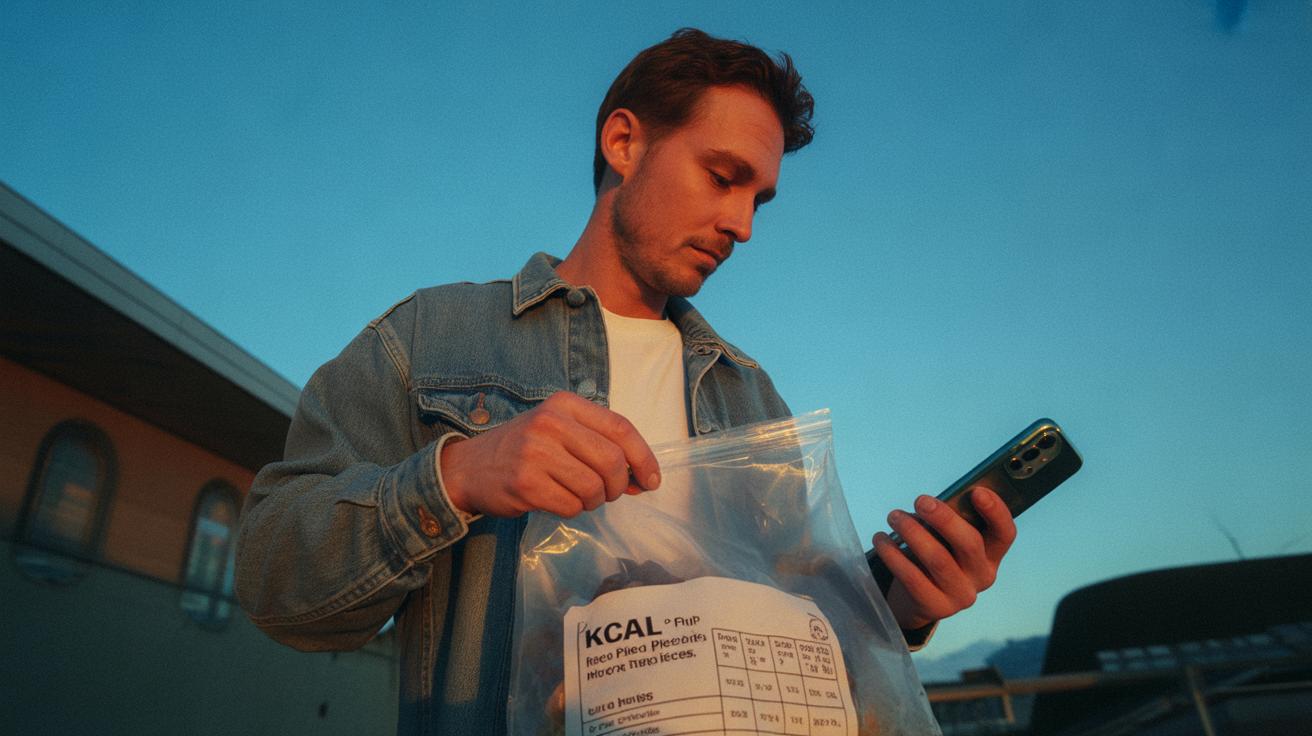
Pick the treat texture for the job. Tiny, fast-to-eat pieces are perfect for lots of repeats. Whole freeze-dried morsels work for quick wins. And wet, lickable rewards are the go-to when you need calm, focused behavior.
Freeze-dried treats (moisture removed quickly to lock flavor) are amazing when you want something small and super smelly. They break cleanly, so your cat gets the reward in one quick bite. Your kitty smells it, gets a hit of flavor, and goes right back to the task. Ever watched whiskers twitch at a tiny, fragrant crumb? Yeah, that.
Crunchy, dry bites are the session workhorses. Bite-sized pieces (tiny nibbles that fit one mouthful) are easy to carry, easy to toss, and low mess. They give you endurance for lots of reps without sticky hands. The satisfying crunch helps too. Your cat learns, you don’t lose your treats, win-win.
For hands-on stuff like grooming, nail trims, or vet-style handling, use lickable treats (a smooth purée, like a tasty paste). They’re moist, high value, and hold attention during slow, careful steps. I once held my cat for a nail trim by feeding tiny licks one at a time , calm the whole way through.
Quick tip: bring two formats to a session. A stash of micro dry pieces for rapid reps and a tube or packet of lickable treats for the tough moments. It keeps training snappy, saves the wet rewards for big progress, and makes practice feel like playtime for both of you. Worth every paw-print.
Portion control and calories for cat training treats (how many treats per session)
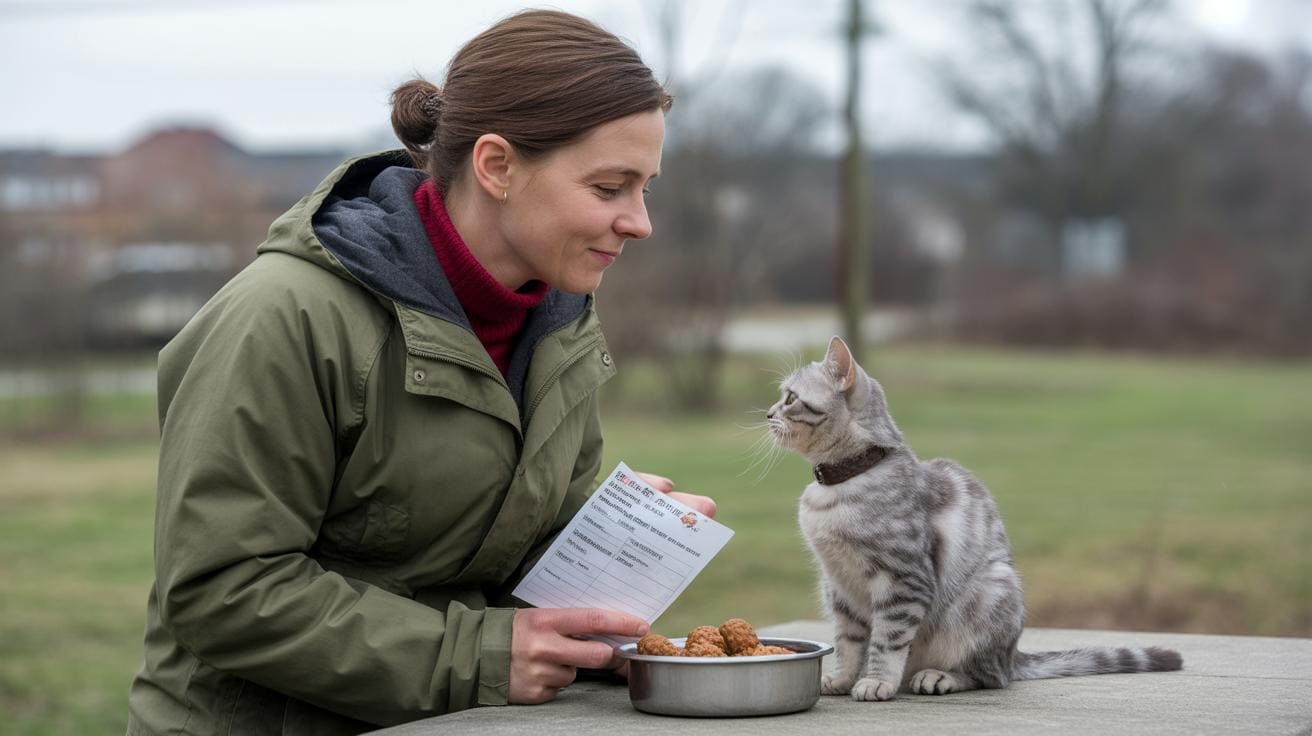
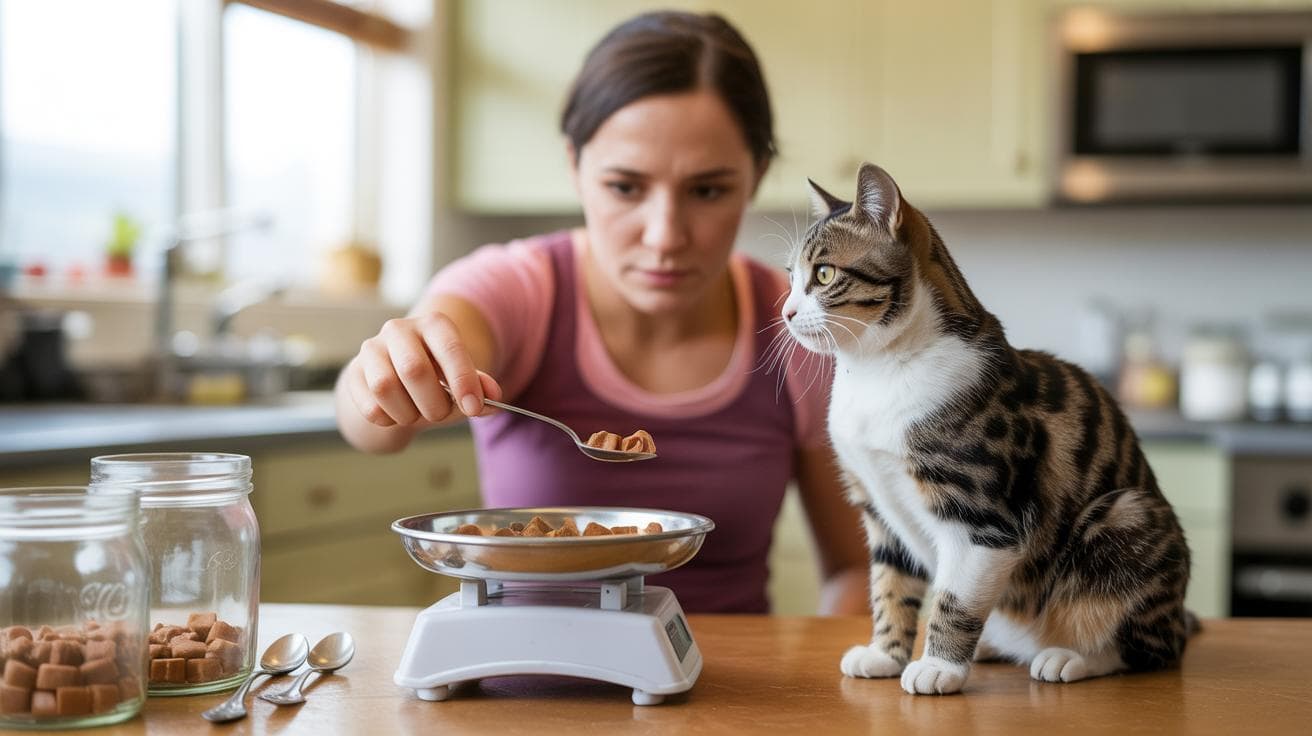
Keep treats tiny and count the calories. Aim for about 2 kcal or less per training treat, and keep all treats to roughly 10% of your cat’s daily calories. kcal (kilocalories, the "Calories" listed on food labels) is what we mean here. Small, breakable pieces let you run lots of reps without tipping the scale.
If your cat’s daily food target is 200 kcal, set aside about 20 kcal for treats , that’s roughly ten 2-kcal pieces. Micro treats (tiny crunchy bits, about 1–2 kcal each) let you do lots of quick repetitions. Freeze-dried morsels (meat quickly dried to lock in flavor) vary in size, so if you’re unsure use a single-ingredient benchmark like PureBites (~2 kcal each) for a safe guess.
| Treat Format | Approx kcal per unit | Suggested max per 100 kcal allowance |
|---|---|---|
| Micro dry treat (tiny crunchy bit) | ~1–2 kcal | 50–100 |
| Freeze-dried morsel (single-ingredient meat) | ~2 kcal | ~50 |
| Lickable 2-oz portion (syrupy or paste reward) | ~6 kcal | ~16 – use sparingly |
| Crunchy commercial treat | ~1.5 kcal | ~66 |
On training days, reduce the regular meal by the same calories you give as treats so daily intake stays steady. Use micro treats for fast clicker work and save lickable rewards for tough steps or vet-handling practice , that mix helps you train more without weight gain. Ever watched your cat pounce on a tiny morsel and feel like a proud coach? Worth every paw-print.
Using cat training treats within clicker and marker training protocols (timing, pacing, and transition plans)
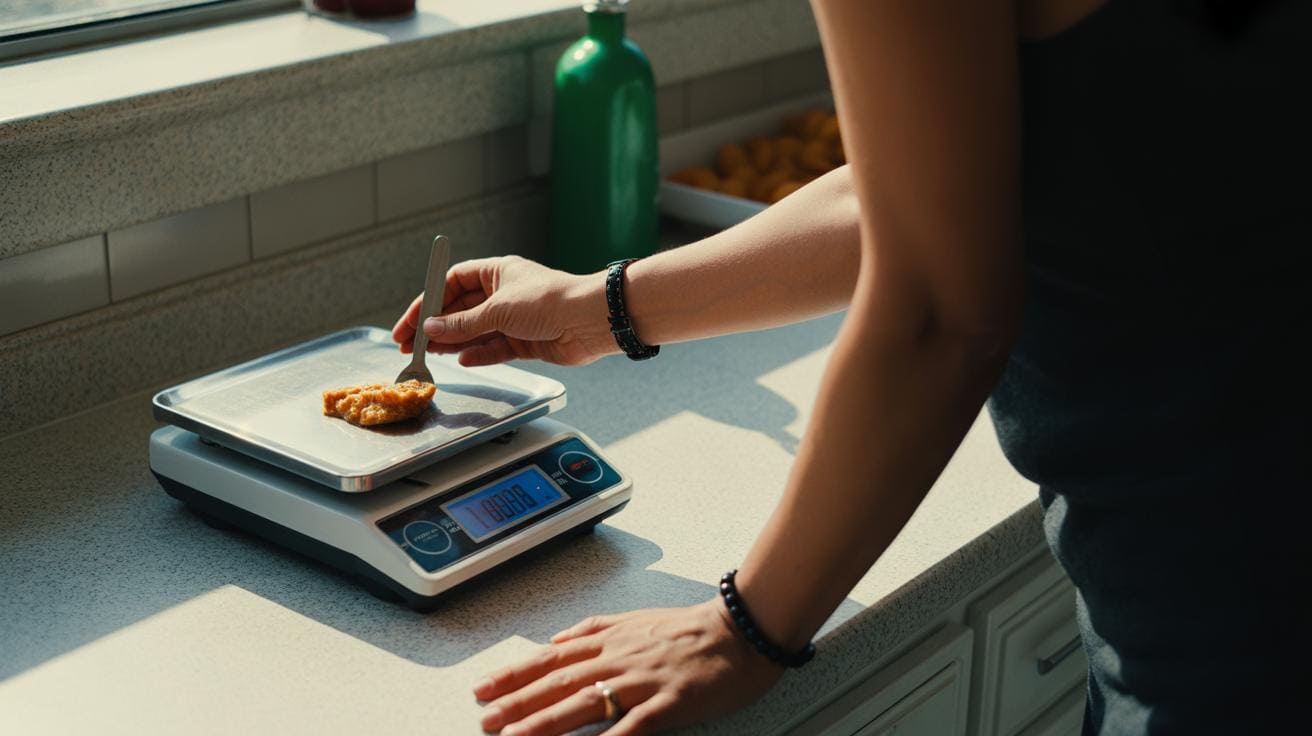
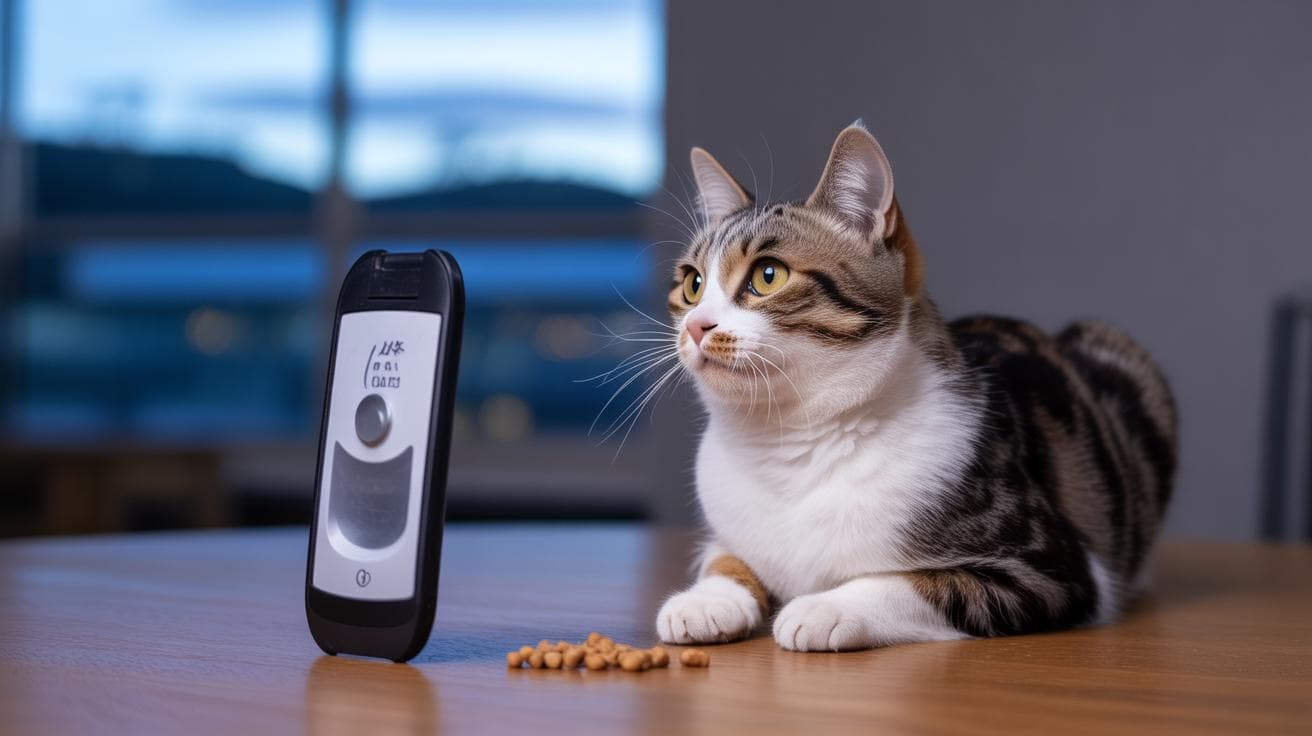
Marker training uses a short signal (a click) to mark the exact behavior, then you give a treat right away to make that action stronger. Think of the click as a tiny, precise high-five for your cat. Keep the click crisp. Give the treat faster than your cat can blink so the link stays clear in their head.
Timing and micro-rewards
Aim to click, then treat, in under one second. Fast timing ties the sound to the behavior, so your cat knows exactly what earned the reward. Use one-bite treats or broken freeze-dried pieces (freeze-dried means the water is removed to lock in flavor) that your cat can eat instantly and get back to work. Your cat’s whiskers will twitch as the treat disappears , cue the zoomies, maybe.
Sample session plan:
- Warm-up: 5 to 10 minutes of easy, fun play to get attention.
- Training block: 20 to 50 quick reps using micro-treats (small bites, rapid succession).
- Finish: one high-value reward for a shaped step or a little celebration.
Short sessions beat long ones for focus and learning. Hands-free clickers (like ring clickers) speed your response and help you avoid spooking skittish cats.
Moving from continuous to intermittent reinforcement
Start with continuous reinforcement (reward every correct response) while you’re shaping a new behavior. Once the behavior is reliable, slowly reduce how often you treat. Move to variable schedules , reward every 2nd, then every 3rd, then make it unpredictable , so the cue stays strong even when food isn’t offered.
Keep a mix: low-value micro-treats for routine reps, and save lickable purées or other high-value rewards for tough steps, vet handling, or outdoor distractions. If you plan a heavy training day, reduce mealtime food slightly so total calories stay steady and your cat stays motivated (don’t overfeed, but don’t starve them either).
I once watched Luna nail a tricky jump after three days of short, snappy sessions , worth every paw-print.