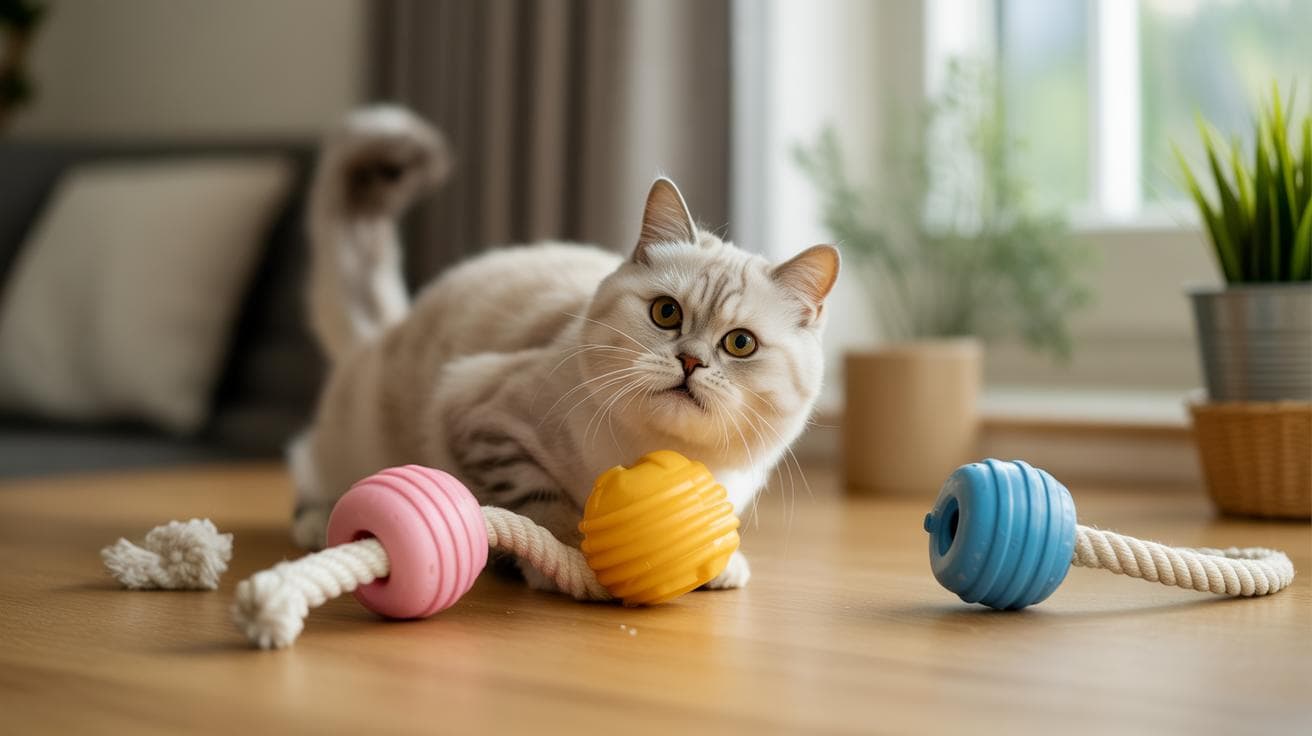
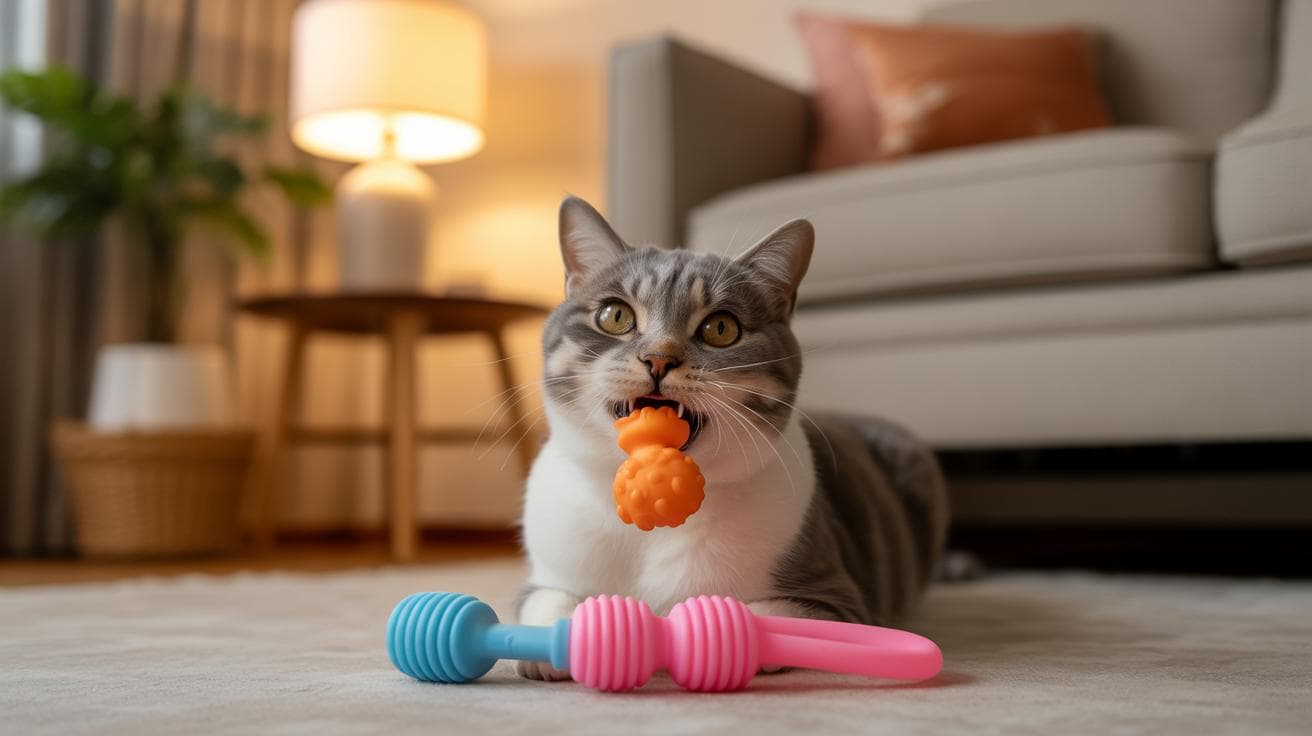
Sick of buying toys that shred in one fling and leave your living room a shower of foam? You’re not alone. It’s the worst when your cat treats a plush like sushi. Check out our guide on Toys to Reduce Play Aggression.
If your kitty chews like a tiny tiger, pick food-grade rubber (the same stuff used in kitchen spatulas) or solid nylon (hard, chew-proof plastic). Make the toy bigger than their mouth so they can’t swallow it. Think chunky, not dainty.
Go for solid-molded shapes (one solid piece with no seams), welded metal parts (metal fused so bits won’t come loose), and absolutely no glued-on eyes or decorations. I once watched Luna chew through a plush mouse in five minutes, yikes. Oops, actually, make that avoid any glued bits at all.
Quick checklist:
- Material: food-grade rubber or solid nylon.
- Size: bigger than your cat’s mouth.
- Build: solid-molded, welded metal, no glued decorations.
- Fillings: no loose stuffing or beads.
- Cleanable: washable or wipeable.
- Replace when torn or chewed through.
Safety tips: check seams and joints before every play session. Toss toys that fray or split, because tiny bits can be a choking hazard. For string or ribbon toys, supervise play and put them away after, those are great for chase time, not for sleeping with.
Worth every paw-print. Try a tough, simple toy and watch your cat go full pounce mode, satisfying.
Quick Buy Checklist: Unbreakable Cat Toys for Heavy Chewers
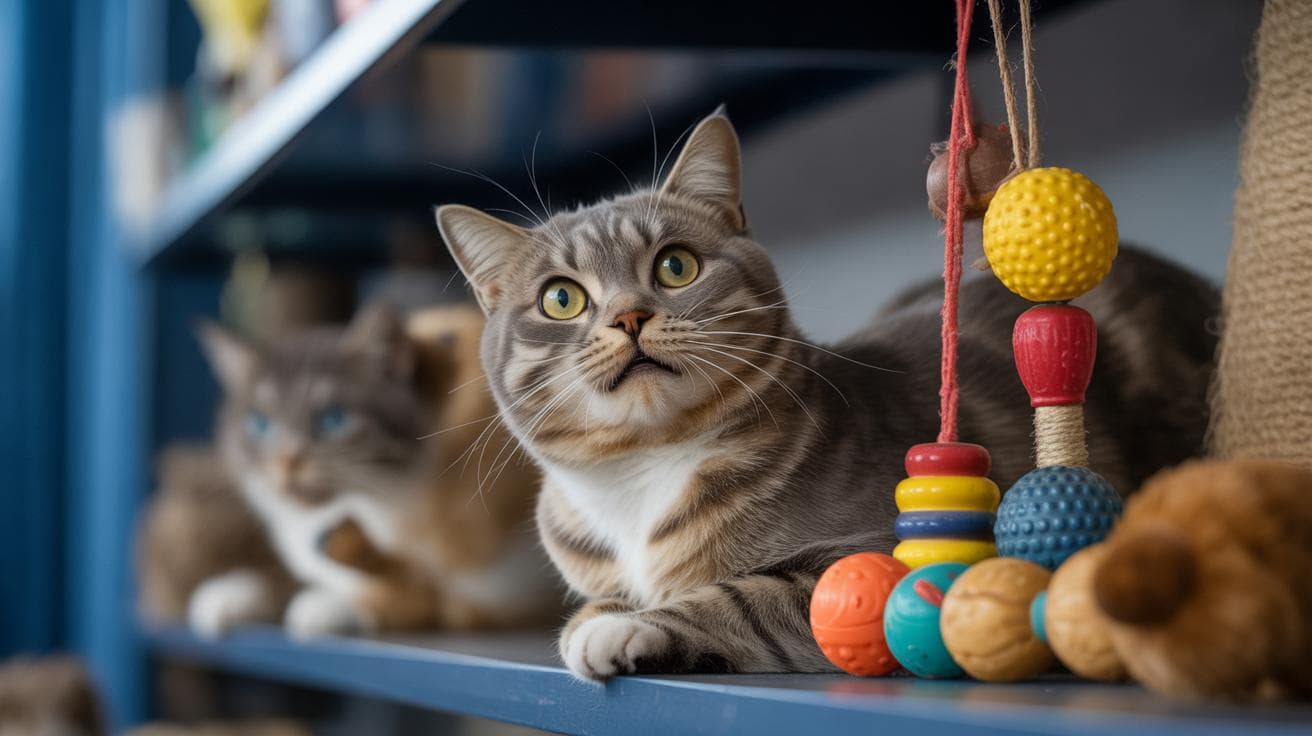
If you want one safe, durable pick right now, go for food-grade rubber (the kind used for kitchen tools) or solid nylon (a hard, chew-proof plastic) sized bigger than your cat’s mouth. Avoid antlers, rawhide, hooves and other brittle natural chews that can splinter. Skip soft foam that shreds into little bits. For gentler chewers or teething kittens, pick medical-grade silicone (soft, nonporous rubber used in medical gear) or tightly braided cotton (think rope-style weave). Look for solid-molded parts or welded metal components, clear non-toxic or BPA-free labeling, and real customer photos showing how the toy holds up. Then run the quick checklist below on the product page before buying. Ever watched your kitty try to swallow a toy? Don’t let that be a surprise.
- Choose food-grade rubber or solid nylon (pick a size larger than your cat’s mouth).
- For softer chewers or kittens, prefer medical-grade silicone or tightly braided cotton (both are less likely to tear).
- Say no to antlers, rawhide, hooves, and other brittle chews that can splinter and cause injury.
- No small, detachable parts like beads, stitched eyes, or glued decorations that can come off and be swallowed.
- Favor solid-molded designs and welded metal components. No glued seams.
- Confirm non-toxic, BPA-free, or medical-grade labeling on the packaging or product page.
- Inspect product photos for smooth joints, reinforced stress points, and no exposed cores or visible fillers.
- Make sure size and weight match your cat’s bite style: not small enough to swallow, not so heavy it hurts their mouth.
- For plush or fabric toys, pick stuffing-free designs or double-reinforced seams to prevent quick shredding.
- Favor treat-dispensing or compact, dense shapes made for heavy gnawers and long play sessions.
- Check the seller’s warranty and return policy. See: Where to Buy/Warranty for terms.
- Read several hands-on durability reviews and look for real wear photos or video clips from other buyers.
Worth every paw-print when you pick the right one.
Materials Comparison for Unbreakable Cat Toys
| Material | Durability Score (1–5) | Tensile/Tear Test Result | Fragmentation Risk | Typical Use Cases | Average Lifespan (observed) |
|---|---|---|---|---|---|
| Natural rubber (elastic polymer from latex, like a stretchy balloon material) | 4 | 20–28 MPa tensile (MPa = megapascals, a measure of pulling strength); 25–40 N/mm tear (N/mm = newtons per millimeter, how easily a tear grows). Lab: independent field tests with heavy chewers, typical failures were surface gouging and chunk loss. | Medium , surface chunks can come off under extreme bite pressure | Durable balls, chew rings, treat-dispensing shells | 3–18 months (heavy chewers: 3–9 months) |
| Food-grade silicone (medical-grade silicone, nonporous and soft but sturdy) | 3 | 6–12 MPa tensile (stretch strength); 10–20 N/mm tear (resistance to ripping). Lab: fatigue bending tests showed hairline tears and edge splitting with repeated stress. | Low–Medium, tends to tear before breaking into sharp fragments | Teething chewables, flexible treat toys, soft gnaw pieces | 1–12 months (kittens and gentle chewers last longer; aggressive gnawers shorter) |
| Solid nylon (engineering thermoplastic, a hard dense plastic) | 5 | 50–90 MPa tensile; 40–70 N/mm tear. Lab: puncture and crush tests , failures were mostly edge rounding and rare chipping. | Low , mostly wear and tooth abrasion, fragments are uncommon | Hard chews, long-life bone shapes, dense puzzle parts | 6 months to several years (depends on bite intensity) |
| Stainless steel components (corrosion-resistant metal used for cores and attachments) | 5 | 400–600 MPa tensile; shear strength measured in weld tests. Lab: corrosion checks and weld fatigue testing , failures include weld break or corrosion on low-grade alloys. | Very Low , metal fragments are rare if welding is done correctly | Internal cores, welded attachments, joint reinforcements | Years (typical structural parts >3–10 years) |
| Braided cotton/linen rope (tight weave natural fibers) | 2 | 30–50 MPa tensile in rope form; 5–15 N/mm tear. Lab: abrasion and pull tests showed fraying and fiber shedding as common failures. | High , loose fibers and small bits appear as it wears | Interactive tug toys, soft chew outlets, supervised fetch | 1–6 months (heavy gnawers at the low end) |
| Silvervine (natural chew stick, botanical stimulant that cats love) | 2 | Less than 1–5 MPa equivalent (organic twig tests); tear not really applicable. Field chew-rate trials showed rapid wear and occasional splintering if the stick is brittle. | Medium , small splinters possible with aggressive biting | Short-term chew sticks, teething relief, enrichment rewards | 1–8 weeks (typical heavy-chewer use) |
Want the full test details and easy home checks? See Safety/Testing/Retirement for test methods and step-by-step home tests.
Quick tip: if your cat is a heavy chewer, pick nylon or steel cores. If you just need gentle play or teething relief, silicone or silvervine can be fun and safe, um, with supervision.
Construction & Design Features That Make Cat Toys Truly Tough

Keep this tight. Look only at photos and label clues that actually show real-world toughness, not marketing fluff. Skip the general buying tips in the Quick Buy Checklist and zoom in on these specific construction details.
Look for clear visual cues. Double-wall rubber (two-layer shell) means extra bite resistance and a squishy, solid feel when your cat chases it. Welded stainless cores (stainless steel inner rod welded into place) show up where anchors or rings attach, and they stop things from ripping out. Heat-sealed or whipped rope ends (sealed or wrapped to stop fraying) keep fibers from unraveling into a fluff storm. Any mention of ASTM-style testing notes (ASTM, standardized material testing) is a good sign the maker did formal checks. Close-up photos that show material thickness at stress points matter way more than a bold claim.
Construction & Photo Checklist
- Double-wall rubber at bite zones, two-layer shell. Example: zoom shows a thick rim around the ball, not a paper-thin lip.
- Welded stainless cores for anchors or rings, stainless steel inner rod welded into place. Example: you can see the inner rod and a welded end cap, not just glued plastic.
- Heat-sealed or whipped rope ends, sealed or wrapped ends that stop fraying. Example: rope tips look melted or tightly wrapped, no loose fibers.
- Visible thickness at stress points like lips, seams, and joins. Thin edges usually mean early failure. Example: zoom reveals a thin seam that would split under tugging.
- Close-ups of stitching, glue lines, or hollow vents. Big gaps, sloppy glue, or exposed hollow interiors are red flags.
- Photos or teardown shots that show an interior core. Seeing a core means it’s more likely to survive rough play.
- Attachments (rings, tags) with welded or molded joins, not flimsy clips that pop off.
Quick pre-buy photo checklist:
- Zoom the main seam and every stress point.
- Hunt for third-party closeups or teardown photos.
- Inspect seam detail for glue, stitches, or hollow vents.
- Check if an interior core is shown or visible.
- Scan attachments for welded or molded joins.
See Safety/Testing/Retirement for how to validate these cues with simple home checks.
How-to-Choose-Unbreakable-Cat-Toys-for-Heavy-Chewers
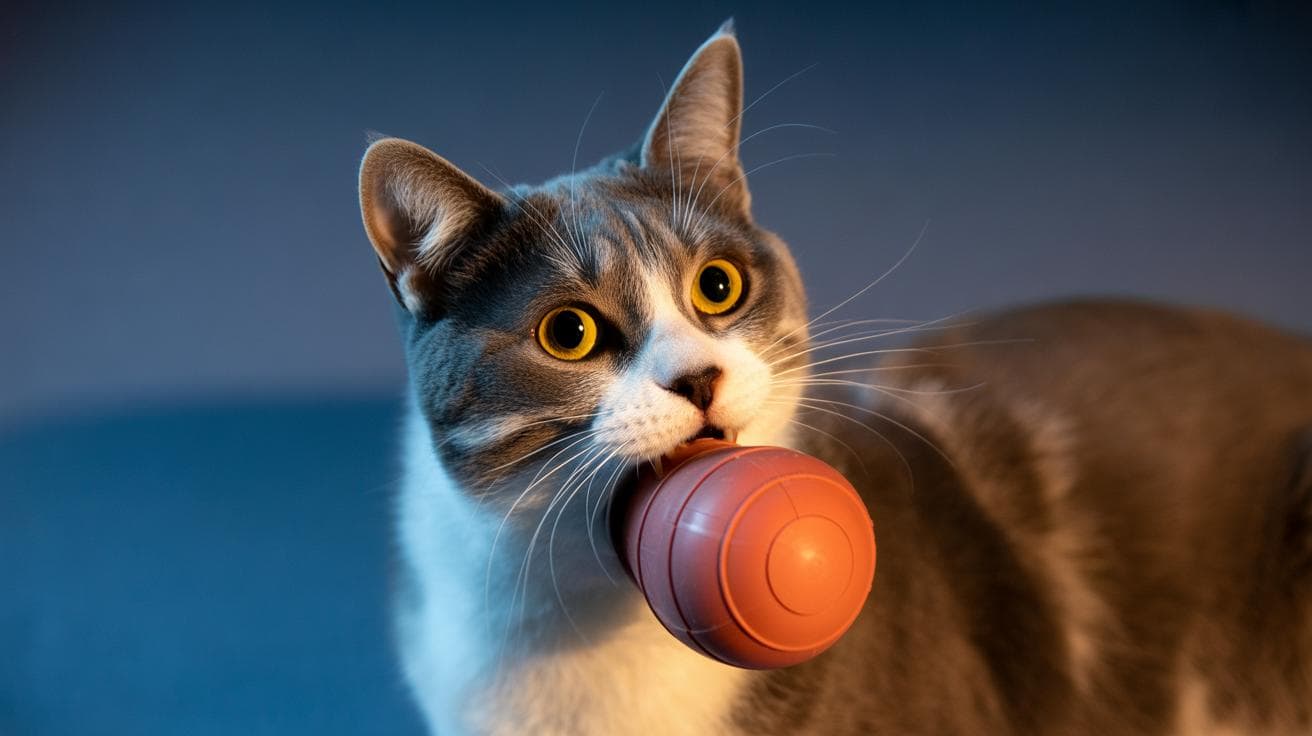
Safety first. Below are easy at-home checks and clear retirement rules you’ll use before, during, and after the first play session so broken bits don’t surprise you or your cat. Think of it as a quick safety ritual , ten minutes that could save a lot of worry.
- Visual close inspection – Do this in good light. Look for seams, hairline cracks, soft spots, or anything that looks worn. Run your fingers over attachments and decorations so you can feel weak spots you might not see.
- Seam tug test – Give seams and attachment points a firm pull. This finds weak glue or stitching before your cat does. If it stretches or pops, retire it.
- Bite-pressure test – Press and twist rubber (elastic material that bounces back) or nylon (tough plastic) with your fingers to look for cracking or stress lines. This mimics a real bite and shows where it might split.
- Flex/fatigue test for silicone or rubber – Bend and flex the part repeatedly to reveal tiny fractures. Silicone is a soft, stretchy, rubber-like plastic; this test finds hairline splits that start small then grow.
- Fragment probe – Rub a damp cloth over soft surfaces to see if fibers shed or beads abrade. You’re checking for tiny bits that could come off during a chewing spree.
- Simulated chew pressure test – Use a safe tool (like pliers with a cloth cover) to press in at likely bite zones on hard toys. That concentrated pressure often reveals weak cores or cracking.
- Supervised first play session protocol – Let your cat play for 10 to 20 minutes while you watch closely. Look for loose bits, odd chewing behavior, or fast wear. Take a quick photo or video and note the time so you have a record if you need to decide retirement later.
Watch for these red flags during tests and play:
- Visible cracks or hairline fractures.
- Loose fibers, threads, or fraying that make small pieces.
- Exposed or broken hard core – metal, plastic, or wood.
- Sharp, jagged, or pointy edges that could cut gums.
- Missing chunks, beads, or pieces that can detach.
- A new, persistent smell or a changed texture after use.
Replacement-frequency norms for heavy chewers (expect variation):
- Silvervine sticks (a cat-attracting plant like matatabi) – about 1 to 8 weeks.
- Braided rope toys – about 1 to 6 months, depending on chew intensity.
- Solid rubber pieces – commonly 6 to 24 months, depending on play style.
- Solid nylon chews (hard, durable plastic) – from several months to years, depending on bite force.
Quick tip: For busy days, toss an unbreakable ball before you head out , that’s ten minutes of safe play. I once watched my cat leap three feet for a rubber ball; worth every paw-print. Check Cleaning/Lifespan for sanitation steps and record keeping, and consult Quick Buy Checklist for immediate red-flag actions before you click buy.