Tonkinese cat exercise and enrichment needs

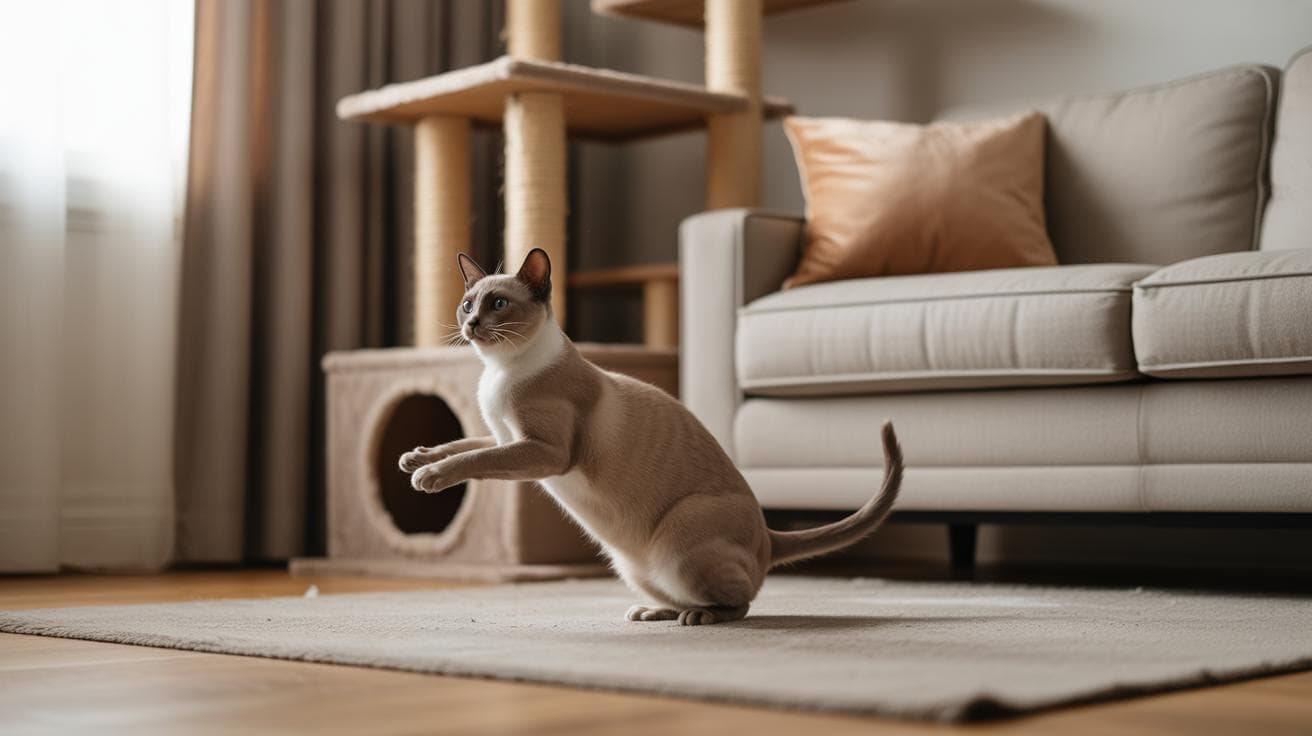
Think Tonkinese are mellow couch buddies? Think again. These cats are bright, social, and love to be part of the action. Ever watched a Tonkinese tail twitch right before a lightning-fast pounce? Yeah, they’re playful and curious, and need daily brain and body time.

Adults do best with about 30 to 60 minutes of activity a day. That can be chasing, climbing, or training. Kittens prefer lots of short sprints, many 3 to 5 minute bursts throughout the day. Older cats like gentler play, around 10 to 20 minutes per session, with slow moves and soft toys.

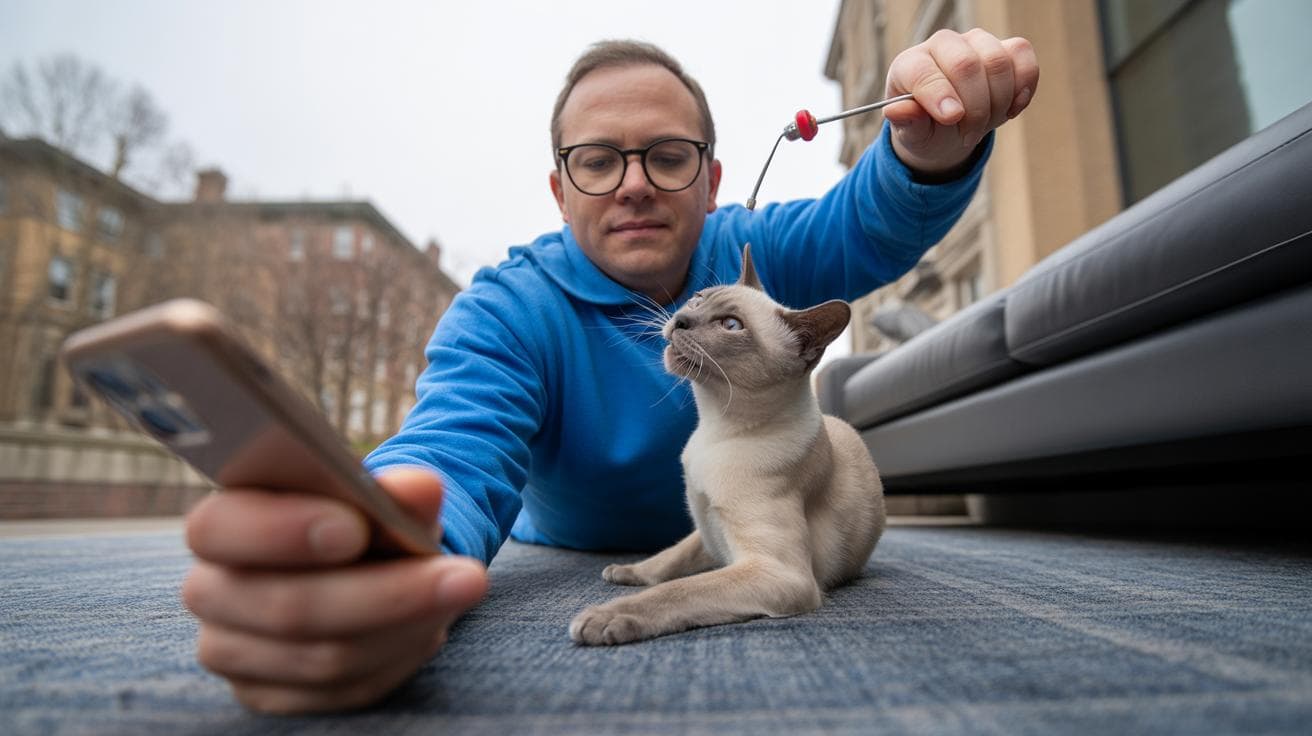
Here’s an easy routine to keep them happy and out of trouble. Morning: a quick chase session or a teaser wand (like a fishing rod for cats) to wake up their hunting game. Midday: a puzzle feeder (food-dispensing toy) to make meals into a brain workout. Evening: a short training set, clicker training (reward-based training using a small clicker) or simple tricks, to tire their minds. Add perches (elevated resting spots) and hiding spots (boxes, tunnels) around the house so they can climb and snoop safely.

Swap toys often to keep things fresh: wand toys, crinkly balls, soft chasers, and puzzle feeders are great. For busy days, toss an unbreakable ball before you leave, that’s ten minutes of safe play. Your cat’s whiskers will twitch. You’ll hear the satisfying thud of a tiny pounce. It’s fun, honestly.

Do this and your Tonkinese stays sharp, less bored, and far less likely to act out. Worth every paw-print.

Tonkinese Activity Overview: Exercise and Enrichment Needs Answered
- Tonkinese Activity Overview Exercise and Enrichment Needs Answered.jpg

Aim for about 30 to 60 minutes of active play each day for adult Tonkinese. Kittens usually do lots of short bursts, many 3 to 5 minute sessions that add up to 30 minutes or more. Older cats do better with gentle, lower-intensity activity, around 10 to 20 minutes a day. Think of these as target ranges to help you plan playtimes, puzzle meals, and climbing sessions.

Of course, every cat is an individual. Health, personality, and life stage change these numbers, some Tonkinese want way more chase time, others are content with less. Check the Age & Health section for adjusted minute ranges and clinical precautions if your cat has medical limits or recent surgery.

Tonkinese are social and clever, so not getting enough stimulation can lead to stress and behavior changes. Keep an eye on energy levels and mood. The Managing Behaviors section lists the full signs and vet triggers to watch for, so I won’t repeat them all here.

Here’s a practical daily checklist to cover Tonkinese needs:

  • Physical play minutes per day (see adults/kittens/seniors above) , short chases, wand toys, and fetch keep hunting sequences intact and burn extra energy. Your cat’s whiskers will twitch as the toy zooms across the floor.

  • Mental tasks like puzzle feeders (food-dispensing toys) and target training (teach your cat to touch a stick or target with its nose) , these challenge the Tonkinese brain and scratch that scent-and-problem-solving itch.

  • Vertical access: perches, shelves, or cat trees (cat trees are multi-level climbing posts) , height lets them stalk, survey the room, and hide when they need a break.

  • Hiding and secure resting spots, such as covered beds or boxes , these let your cat finish stalking rituals and recharge away from household bustle.

  • Social interaction: interactive play, short training sessions, and gentle handling , Tonkinese thrive on company and these moments strengthen your bond.

  • Feeding enrichment, like foraging trays (spread kibble so they hunt for food) and treat-dispensing toys , slows down fast eaters and makes mealtimes more rewarding.

  • Rotate toys and new items every 3 to 7 days , novelty keeps prey-like interest fresh. Swap a feather one week for a crinkly ball the next, and watch their curiosity spark.

Quick note: treat this as your daily checklist to keep a Tonkinese curious and content. Mix climbing, chasing, thinking, and company every day, and you’ll have a pretty happy, claw-tastic companion.

Daily Play Needs for Tonkinese Cats: Templates and Sample Schedules
- Daily Play Needs for Tonkinese Cats Templates and Sample Schedules.jpg

These templates give you ready-to-use, minute-by-minute plans you can copy to hit the Activity Overview goals for Tonkinese play. Timing play around meals and using tasty, high-value treats helps motivate your cat and links hunting sequences to predictable rewards. Ever watched a Tonkinese zoom after a feather? This makes that hunt feel earned.

Short bursts work great for high-energy kittens, homes with multiple cats where attention is shared, and busy people who can sneak in tiny sessions throughout the day. Longer, single sessions fit folks who prefer an evening routine. If you live alone, you can swap several short daytime bursts for one longer evening chase and still reach the same daily total.

  1. Kitten template (ages 8–24 weeks) , lots of short bursts; total 30–60 minutes (8–12 sessions of 3–5 minutes)
  • Wakeup: 4 x 3 minute wand chase (12 minutes) , quick stalking, pouncing practice, and silly leaps that make your heart melt.
  • Mid-morning: 3 x 3 minute puzzle-play (9 minutes) , small puzzles or treat tosses; puzzle-feeder (toy that drops kibble when nudged) works well.
  • Lunchtime mini-training: 1 x 4 minute target or clicker work (4 minutes) , short, focused tricks that build confidence.
  • Afternoon: 3 x 4 minute fetch or ambush games (12 minutes) , gentle running and retrieval to burn extra zoomies.
  • Evening: 2 x 5 minute longer chase sessions (10 minutes) , let them make big leaps and a satisfying capture.
    Note: Kittens nap a lot; short rests between bursts are normal and actually help learning.
  1. Adult template (1–7 years) , balanced routine to reach 30–60+ minutes
  • Morning: 2 x 5 minute feather-wand sessions (10 minutes) , a lively start that wakes the hunting muscles.
  • Midday: 15–20 minute puzzle-feeder meal (15–20 minutes) , mental work while they eat keeps them busy and satisfied.
  • Late afternoon: 10–15 minute interactive chase (10–15 minutes) , use a motorized ball or wand to vary the prey.
  • Evening: 10 minute targeted training or fetch (10 minutes) , calm finish with a clear capture and praise.
  • Single-owner swap option: combine midday and late afternoon into one 25–35 minute evening session if you can’t play during the day.
  1. Senior / medically adjusted template (8+ years or mobility-limited) , low-impact 10–20 total minutes
  • Morning: 1 gentle 5–8 minute scent-work session with a snuffle mat (5–8 minutes) , snuffle mat (fabric nose-work mat) encourages foraging without jumps.
  • Midday: 5–7 minute calm wand play near the floor or short target training (5–7 minutes) , keep movements slow and close to the ground.
  • Evening: 5 minute window-perch observation or passive feeder activity (5 minutes) , visual stimulation and easy rewards.
    Note: Favor scent and puzzle work over high jumps; watching birds through a window can be as rewarding as a chase.

Session structure checklist (use for every session)

  1. Warm-up: 30–60 seconds of slow stalking or an attention-getter.
  2. High-intensity play window: 2–5 minutes of active chasing (scale to kitten, adult, or senior).
  3. Controlled successful capture: let them have one clear catch to finish the hunt.
  4. Cool-down: 30–60 seconds of calm interaction or gentle petting.
  5. Reward timing: give treats or praise within 1–2 seconds of the desired behavior.
  6. Session cap: stop before fatigue or boredom; jot down the outcome and play type so you can rotate activities later.

Quick tips

  • High-value treats near meals boost motivation, but keep portions in mind so daily food totals stay balanced.
  • Rotate toys every few days to keep novelty fresh. Think of it like opening a tiny present for your cat.
  • Log sessions if you want to track progress or spot patterns: morning hyper, afternoon snooze, that kind of thing.
    Worth every paw-print.

Tonkinese cat exercise and enrichment needs
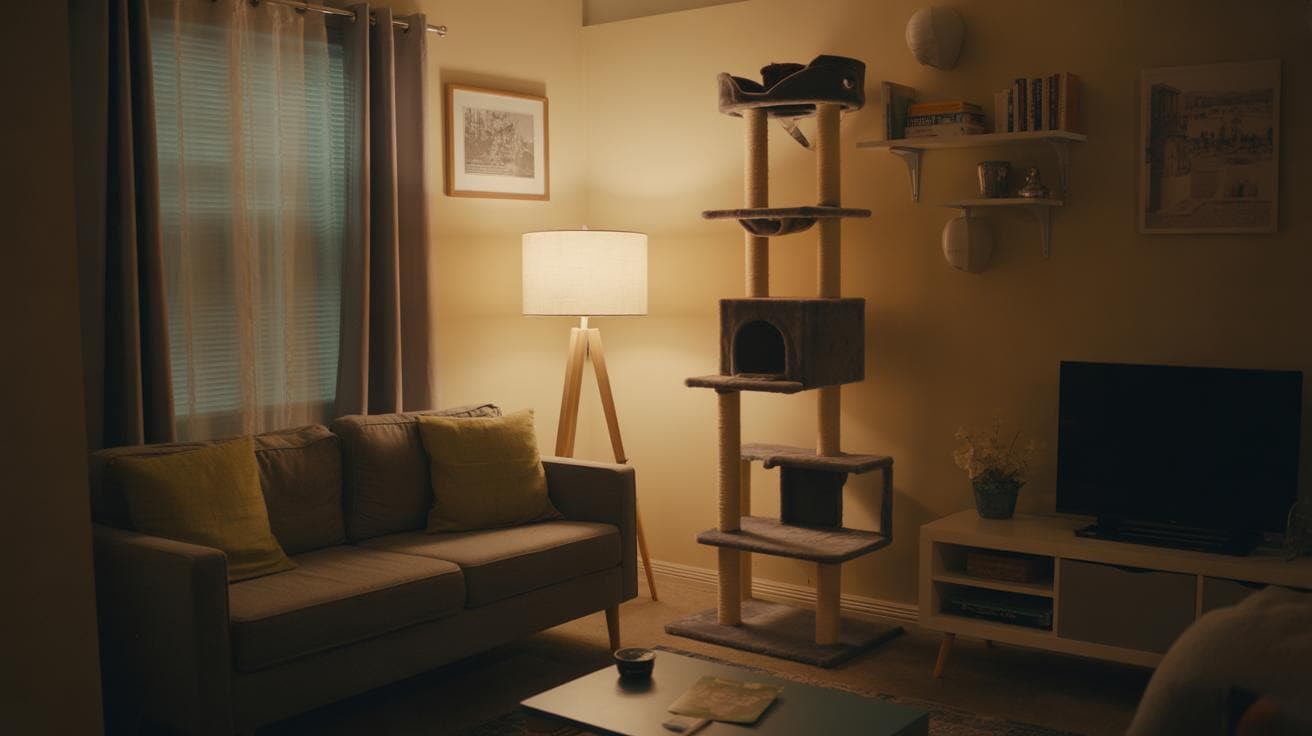
- Indoor Exercise and Vertical Space Measured Installation Specs and Equipment Table.jpg

See the Activity Overview for why vertical access matters. This quick guide focuses on measurements and safety notes for installing perches, shelves, and trees so your Tonkinese can climb, stalk, and snooze in real comfort. Vertical space lowers territorial stress and helps them move around safely, and window perches give visual stimulation plus warm sun naps that match an adult cat's 12-16 hours of sleep a day. Ever watched your kitty chase a sunbeam? Pure joy.

Here’s a simple cheat sheet with sizes, uses, and price ranges to help you choose the right pieces for your home. Worth every paw-print.

Product Type Suggested Height/Size Best For Estimated Price Range
Multi-level cat tree (multi-level climbing post) Height 4-7 ft; base 24″ x 24″ Active adult Tonkinese who love jumping, napping, and high-perch surveying $60-$250
Wall-shelf walkway Shelf depth 8-12″; vertical spacing 12-24″ between tiers Vertical travel and giving cats their own zones; stagger routes for multi-cat homes $20-$120 (per shelf + installation)
Window perch Platform width 12-18″; weight rating 20+ lbs Birdwatching and supervised sun-resting; great for visual stimulation near windows $15-$80
Compact tall apartment tree Height 5-6 ft; footprint ≤18″ x 18″ Vertical activity for small homes; slim design fits narrow spaces $40-$180

Anchor wall shelves to studs (the vertical wood framing inside walls) and avoid placing heavy ornaments near perches so nothing tips or falls. Check mounts and fasteners each week. It’s a small habit that prevents big accidents.

Choose low-slip surfaces so paws get a secure grip , carpet or sisal (sisal is a rough plant fiber that claws love) work well. Aim for stable platforms with edges they can peek over, and keep higher spots free of breakable stuff. Your Tonkinese will appreciate the safe routes, and you’ll appreciate fewer mad dashes at 3 a.m. Claw-tastic, right?

Toys, Puzzle Feeders, and Foraging: Types, Difficulty Levels, Rotation Cadence, and Placement
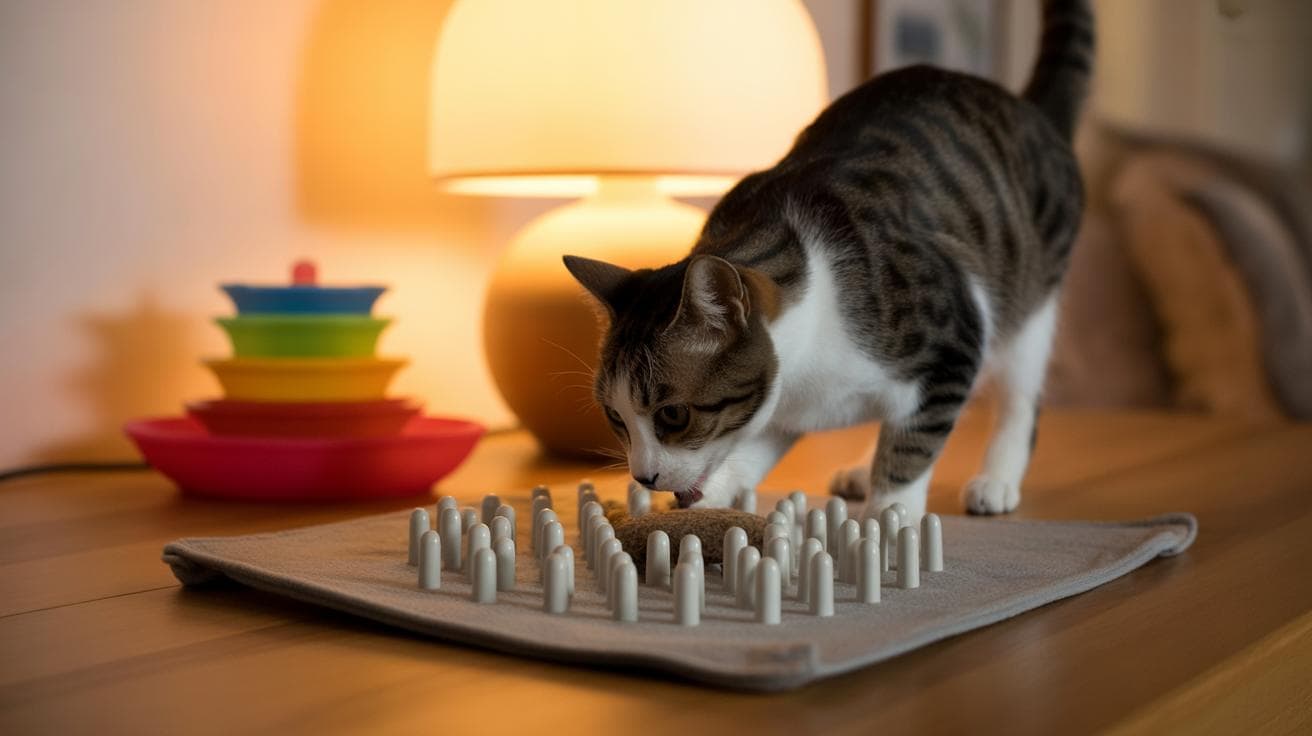
- Toys, Puzzle Feeders, and Foraging Types, Difficulty Levels, Rotation Cadence, and Placement.jpg

This bit helps you pick toys and feeders, decide how often to swap them, and choose where to put them so your Tonkinese stays sharp without changing total daily play. Think of the hunting steps: spot, stalk, chase, catch. Ever watch those whiskers twitch when the chase starts? Good stuff.

  • Feather wand – Easy – rotate every 3 to 4 days – Use on open floors or low furniture where leaps and pounces are safe. The flutter and soft taps on carpet make your cat go wild. Tip: tuck it behind a couch for surprise ambush play.
  • Motorized erratic mouse (motorized toy that moves unpredictably; battery powered) – Medium – rotate every 5 to 7 days – Best on carpeted spots to soften landings. Supervise first runs and turn it off if your cat gets too frantic.
  • Ball track set – Easy – rotate every 4 to 7 days – Put at floor level in a living room corner for batting and rolling. The steady click and roll keep attention without needing you.
  • Treat-dispensing ball – Medium – rotate every 3 to 7 days – Leave during short absences or at mealtimes to slow eating. It’s food-motivated play, so stash it in places your cat already likes to snack.
  • Puzzle box (multi-step puzzle feeder; food hiding toy that needs several moves) – Hard – rotate every 7 to 14 days – Floor or low table works. Watch the first tries to set the right challenge level. Oops, you might need to simplify at first.
  • Snuffle mat (fabric nose-work mat) – Easy to Medium – refresh and rotate every 3 to 5 days – Scatter kibble or treats and place near the feeding area or a sunny windowsill for scent work between naps. Your cat noses around like it’s treasure hunting.
  • Automated wand system – Medium – rotate every 7 days – Place near a sofa or the base of a climbing tree and supervise remote sessions. Check batteries and cords for safety before each use.
  • Crinkle or jingle toys – Easy – rotate every 3 to 5 days – Tuck inside boxes or behind furniture for ambush-style play and surprise rewards. That rustle gets attention fast.
  • Hide-and-seek feeder jars – Medium – rotate every 5 to 10 days – Hide under shallow boxes or low shelves so your cat paws, sniffs, and problem solves to earn food.

Placement basics: put high-reward puzzles near feeding spots so food foraging links to meals, and keep chase toys in clear open areas to avoid tumbles. Quiet sniffing tools like snuffle mats should sit close to favorite perches so scent play happens between naps. Rotate toys on a schedule so novelty stays fresh and the hunt feels real.

Safety and upkeep matter. Check toys for loose bits, frayed fabric, or broken parts and toss or repair them. Supervise battery or corded toys and remove small pieces that could be swallowed. For busy days, toss out a single unbreakable ball before you head out, that’s ten minutes of safe play. Worth every paw-print.
Tonkinese cat exercise and enrichment needs

- Training Protocols, Checklists, and Outdoor Options.jpg

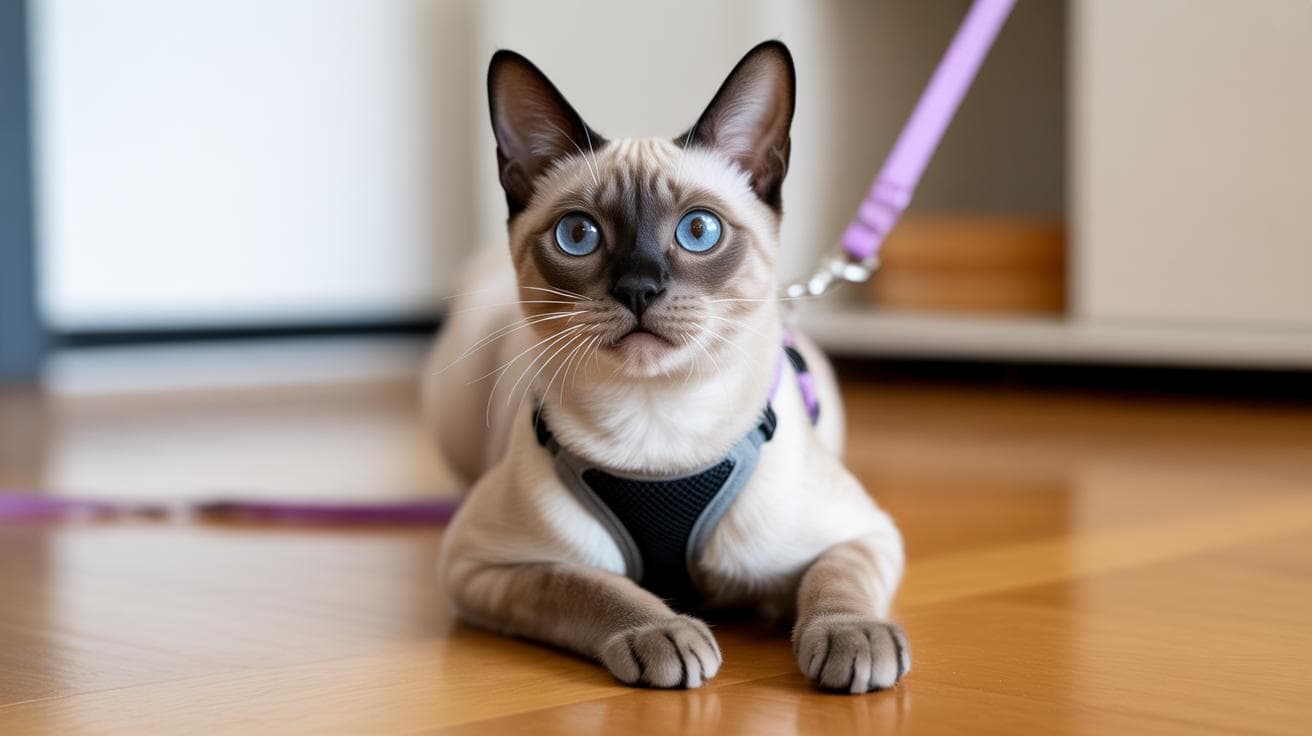
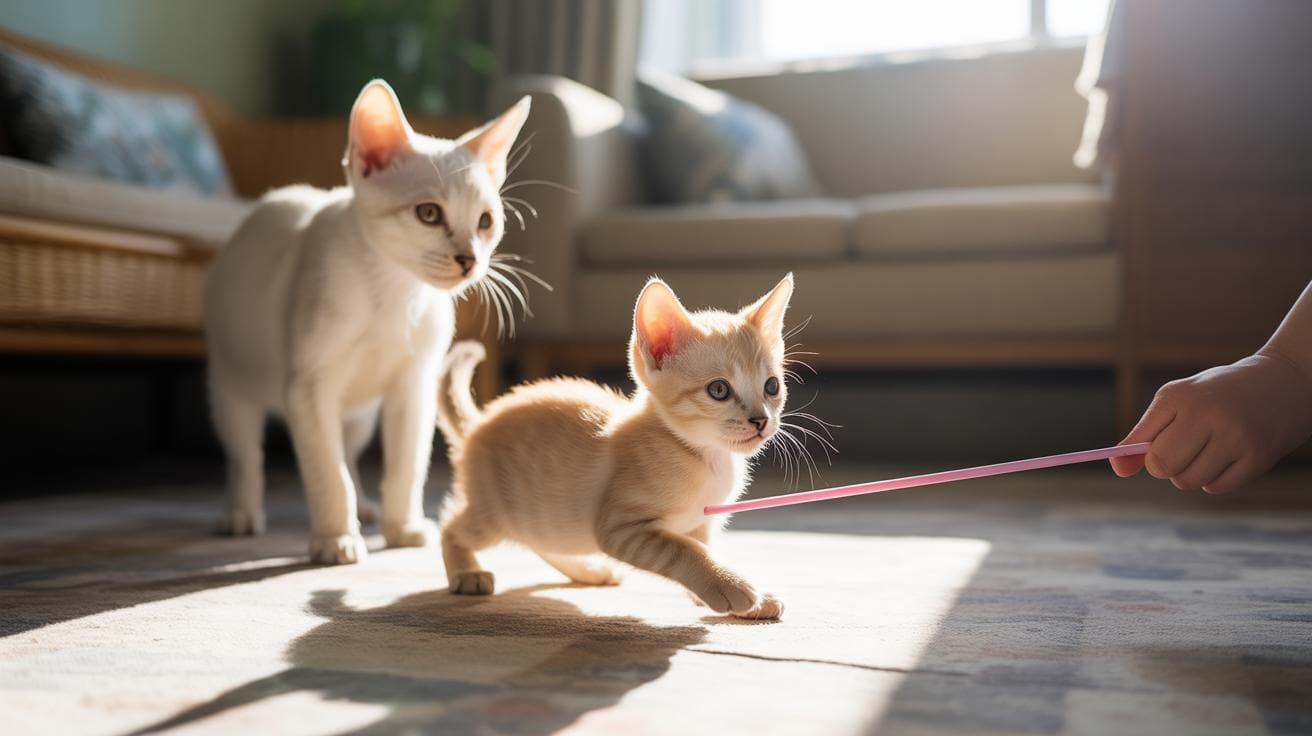
Training helps your Tonkinese focus, gets their brain working, and turns play into a safe, predictable routine. Keep sessions short and positive, and give rewards right away so learning feels like a fun game, not a chore. (See Activity Overview for daily minute goals.) You’ll build skills and a stronger bond at the same time.

Leash Training Protocol

Phase 1 – Harness habituation indoors:

  • Let your cat sniff and explore the harness first. (Harness: a soft, padded vest that spreads pressure.)
  • Put the harness on for just a minute, then take it off. Do that a few times over several days.
  • Give treats and calm praise while they wear it so the harness becomes a good thing.
  • Notice small comfort signs, like relaxed blinking or purring. That’s progress.

Phase 2 – Indoor leash walks:

  • When they accept the harness, try 5 to 10-minute indoor leash (leash: a short lead) sessions.
  • Walk slowly and let the cat lead. If they crouch, freeze, or meow in a worried way, stop and give space.
  • Only move forward when they walk confidently for a few sessions. Slow wins here.

Phase 3 – Controlled yard exposure:

  • Pick a quiet, fenced yard on a calm day for short supervised outings.
  • Keep the first outings under 10 minutes and watch for stress signs: flattened ears, tail-thumping, or hiding.
  • Stay close and make it about sniffing and exploring, not long treks.

Phase 4 – Short neighborhood walks:

  • Do this only after your cat is steady indoors and calm in the yard.
  • Start with very short routes and head home before they tire or get anxious.
  • It’s okay to cut a walk short. Your cat remembers good outings.

Harness & safety checklist

  • Proper fit: snug but allow two fingers of space at neck and chest.
  • Escape check: let them move and give gentle tugs to make sure they can’t slip out.
  • Lead length: keep a short lead, about 4 to 6 feet, to avoid sudden pulls.
  • Supervision: always watch your cat; never attach a leash to a collar alone.
  • ID tag and microchip (a tiny ID implant) should be up to date.
  • Emergency recall cue: use one clear word or a whistle so you can redirect quickly.

Teaching Fetch and Clicker Basics

Short, food-timed sessions with instant rewards make fetch click. (Clicker: a small sound device that marks the exact right moment.) You can teach fetch in simple steps and keep it playful.

  1. Target the toy: show the toy and reward any nose or paw touch.
  2. Reward the touch: click or treat the moment they touch the toy.
  3. Reward pick-up: give a treat when they grab the toy in their mouth.
  4. Shape return: reward when they carry the toy toward you, even a few steps.
  5. Add a cue like “fetch” the instant they pick it up.
  6. Increase distance and fade the food lure: toss a little farther, reward returns, then use treats less often.
  7. Phase to reliability: aim for steady reps, then keep occasional treats to maintain interest.

Make sessions short, about 1 to 2 minutes of focused work, and end on a happy note. Ever watched your Tonk chase a toy across the room and pause, ears forward, like they solved a mystery? That’s the sweet spot.

Session progression checklist

  • Sustained attention for 60 to 90 seconds during the drill.
  • Successful touch or pick-up in 3 of 5 tries.
  • Calm transfer of the toy back to a resting spot after play.
  • No signs of stress or over-arousal during or after the session.
  • Increase the challenge only after you see repeated success.

Worth every paw-print.

Age & Health Adjusted Exercise: Clinical Precautions and Minute Ranges

- Age  Health Adjusted Exercise Clinical Precautions and Minute Ranges.jpg

Kittens do best with lots of short play bursts, about 3–5 minutes each, spread through the day to total 30–60+ minutes. Think of them as practice rounds: stalk, pounce, capture, then nap. Ever watched a kitten go full ninja, then flop over and snore? Keep a close eye after vaccinations or surgery. Stop play and call your vet if they limp, seem unusually tired, or refuse food.

Adults should aim for 30–60+ minutes a day made up of short bursts plus at least one longer 10–20 minute session that mimics a full hunt sequence. Mix in toys that encourage stalking, chasing, and a satisfying capture. Neutered or indoor-only Tonkinese often need extra brain work and activity to manage weight, so use puzzle feeders (toys that hide food) and treat-dispensing toys, and add a little extra chase time if the scale starts creeping up.

Seniors and cats with medical limits should get 10–20 minutes a day of low-impact activity. Try snuffle mats (scent foraging mats), gentle wand play kept near the floor, short target training (touching a stick with their nose), and calm window-watching. Cut intensity for arthritis (joint inflammation causing pain and stiffness), cardiac issues (heart-related problems), or other mobility concerns, and chat with your vet about slowly increasing activity.

Worth every paw-print.

Clinical Precautions & Recovery
Pause activity and call your vet if your cat has labored breathing during or after play.
Avoid high-jump play for cats with known joint disease or chronic limping.
Post-op: follow your vet’s activity restrictions and reintroduce enrichment slowly and gently.
If weight changes by more than 10% in 4–8 weeks, schedule a vet visit for a checkup and a feeding plan.
Use low-impact enrichment (snuffle mats, gentle wand near the floor, short target training) for mobility-limited cats. See the detailed templates for day-to-day timing.

Tonkinese cat exercise and enrichment needs

- DIY  Small-space Solutions Build Steps and Swap Schedule.jpg

DIY builds work great in small apartments and for tight budgets. Cardboard, fabric scraps, and a bit of tape can become little mystery zones that invite stalking, pawing, and scent games. These projects give indoor-only Tonkinese chances to climb a bit, solve tiny puzzles, and run through the hunt sequence without eating up your whole living room.

Keep things fresh by rotating items every 3 to 7 days, per the Activity Overview cadence, so your Tonk treats each setup like a new game. Move things around the apartment too, so hiding spots feel exciting again. Ever watched your cat go from bored to full-on pounce mode when something looks slightly different? Magic.

  1. Cardboard ambush box:
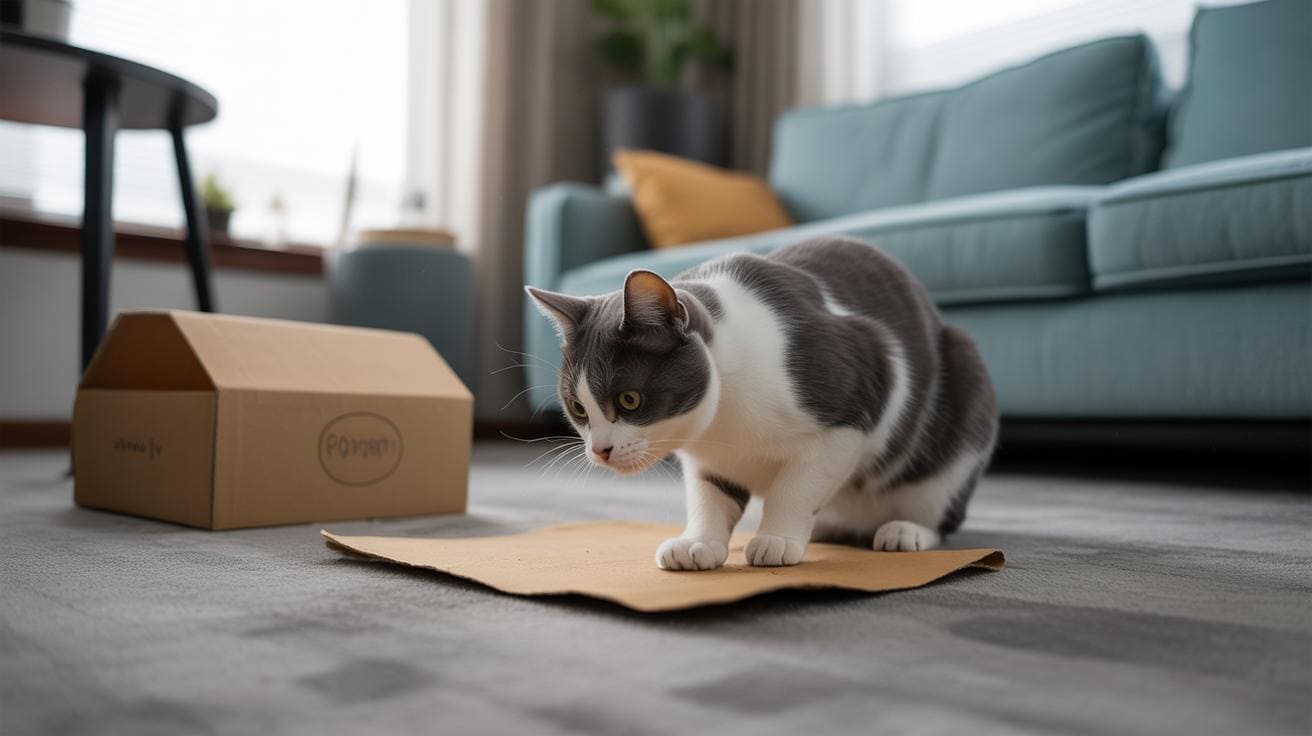
    Make a simple hideout by cutting two entry holes and a small peephole, taping the floor for strength, and tucking in a soft towel. Materials: sturdy box (corrugated cardboard), box cutter (utility knife), packing tape, scrap towel. Build time: 10 to 20 minutes. Rotate or swap every 3 to 7 days. Place near a climbing route or low shelf so surprise pounces feel natural.

  2. DIY snuffle mat:
    Tie strips of fleece into a rubber mat frame and trim the ends so it looks fluffy, then hide kibble in the pockets for scent-search play. Materials: rubber mat (entry mat), fleece strips (soft knit fabric). Build time: 30 to 45 minutes. Wash and refresh it every 3 to 5 days. Put it by the feeding area or on a windowsill for a sniff-and-hunt break.

  3. Treat jars for foraging:
    Clean jars, make small holes in the lids for kibble to fall through, and close them loosely so fiddling is part of the fun. Materials: glass or plastic jars, drill or strong knife (use with care). Build time: 10 to 15 minutes. Swap contents or move them every 5 to 7 days. Tuck jars inside a low cabinet or under a shallow box for extra challenge.

  4. Window-seat hammock:
    Attach a fabric sling to a small bracket so your cat can lounge in a sunny spot, then test the weight carefully before trusting it. Materials: sturdy fabric, wall anchors (plastic or metal anchors for drywall), screws (metal fasteners). Build time: 30 to 60 minutes. Check fastenings weekly and rotate perches every two weeks. Mount it at a sunny window so your cat can watch birds and sunbathe.

  5. Stacked-box climb:
    Stack boxes, tape them together, and cut stepping holes so your Tonkinese can hop up and weave through levels, with a heavy book or weight at the base for balance. Materials: multiple boxes, packing tape, small cushion. Build time: 20 to 30 minutes. Rearrange the stack every 4 to 7 days. Put it against a wall for extra stability.

  6. Mini obstacle course:
    Lay out tunnels, set low jumps with folded towels, and mark target zones with small mats for a short, fun workout circuit. Materials: collapsible tunnel (fabric tube that folds flat), towels, rugs or mats. Build time: 20 to 40 minutes. Change the layout every 3 to 7 days to keep it interesting. Use the central living area so play becomes a shared moment.

  7. Frozen treat cube station:
    Pour water or low-sodium broth into a shallow tray, add a few tiny treats, and freeze flat for a cold, slow-snack that encourages pawing. Materials: shallow tray (ice tray or baking pan), small treats. Prep time: about 10 minutes plus freezing. Offer once or twice a week. Serve on tile or a protected surface to catch drips.

  8. Low-shelf ambush trail:
    Mount narrow shelves at staggered heights, glue little rug pieces for grip, and test each shelf before your cat explores, creating a secret hallway route to patrol. Materials: narrow shelves, screws, small rug pieces. Build time: 60 to 90 minutes. Change the shelf order every 7 to 14 days. Install in a hallway or behind furniture for a sneaky royal passage.

Safety notes, quick:
Always check that fastenings hold, watch for loose bits your cat could swallow, and supervise new setups until you know they’re safe. Worth every paw-print.

Tonkinese cat exercise and enrichment needs

- Managing Problem Behaviors, Monitoring Thresholds, Weekly Checklist, and Vet Triggers.jpg

Start a simple check-in habit so small changes don’t turn into big problems. Do a quick weekly run-through of play time, weight, and mood, and compare the totals to your Activity Overview targets instead of guessing. Jot down minutes of active play, puzzle success, and favorite resting spots so you can spot real patterns, your notes are the best proof when you talk with a vet. Ever watched your Tonk’s whiskers twitch as a toy rolls? Those little details matter.

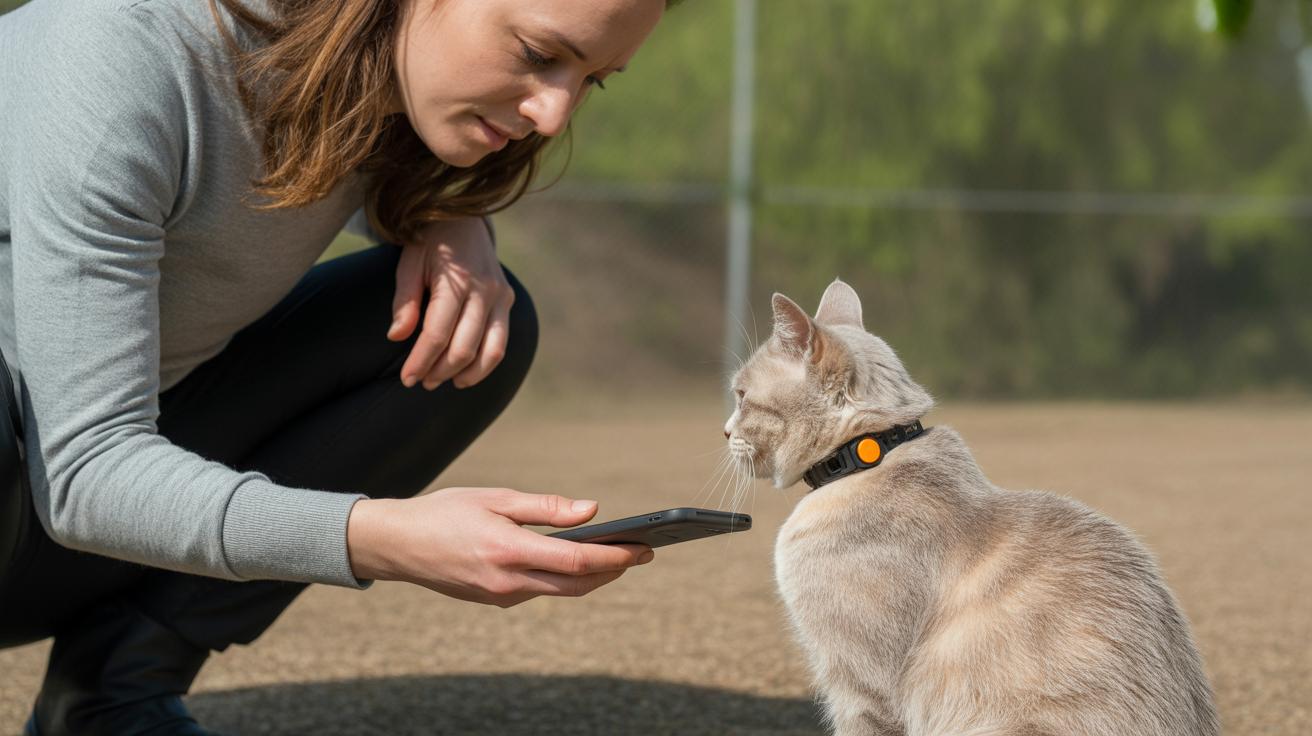
Tech and smart toys can do a lot of the heavy lifting while you’re out. Activity trackers (wearable collar sensors), motion cameras (video devices that record movement), puzzle feeders (feeders that make your cat work to get food), and timed treat dispensers (automatic treat release devices) all help keep your cat engaged. Keep an eye on treat frequency and calories, treats add up fast, so log portions and swap in low-calorie options when you use food-based toys for play while you’re away. Tossing out measured snacks before you leave gives you ten minutes of safe play and peace of mind.

If you see any of these lasting signs, talk to your vet. They’re simple flags that something’s off, and catching problems early helps everyone feel less stressed.

  • Persistent pacing or restlessness for more than 2 weeks despite rotated enrichment – check with your vet.
  • New or increased destructive behavior ongoing more than 2 weeks – vet or behavior consult advised.
  • Excessive vocalizing at odd times, or a sudden change in how they sound, lasting more than 1 week – get a vet review.
  • Over-grooming, skin wounds, or big coat changes – veterinary exam recommended.
  • Unexplained weight loss or gain greater than 10 percent in 4 to 8 weeks – schedule a vet visit.
  • Labored breathing, collapse, or a big drop in mobility after play – seek immediate veterinary attention.
Item Target Frequency How to Measure Notes
Active play minutes Weekly total meeting Activity Overview targets Sum minutes logged Note intensity and type – chase, puzzle, scent work; write a quick note on enthusiasm
Puzzle-feeder sessions 3 to 7 sessions / week Count sessions and level of difficulty Track success rate and time to finish to spot boredom or skill gains
Vertical access checks Daily Visual inspection of shelves and trees Make sure mounts and perches are solid; look for wobble or loose screws
Scratching station use Daily or weekly Count uses or note wear Replace sisal (natural fiber rope) or pads when worn so they stay inviting
Weight check Weekly or biweekly Scale reading (small pet scale) Log percent change versus prior readings and flag big shifts
Behavioral notes Daily One-line note on mood or changes Flag anything lasting more than 2 weeks for follow-up

Helpful tools and small habits that actually work:

  • Activity tracker collar or app for step counts and rest trends (great for shy cats).
  • Scheduled video check-ins or motion-activated clips so you can watch behavior while you’re out.
  • A simple food/treat log to track calories and feeder usage; measure treats before you leave.
  • Puzzle complexity log to record boredom or skill progress, bump it up slowly.
  • Neighbor or friend check rotation for longer absences so your cat gets human time.
  • Clear vet referral triggers that match the list above so you act fast when something changes.

Worth every paw-print.

Final Words

In the action, we gave exact daily targets: adults 30-60+ minutes, kittens many 3-5 minute bursts totaling 30+ minutes, seniors 10-20 minutes, and templates to hit them.

We mapped vertical specs, toy types with rotation cadence, training steps, DIY small-space builds, and clinical tweaks by life stage so you can match play to physical needs.

Put these ideas to work: swap toys every 3-7 days, use snuffle mats and puzzle feeders, and keep a quick weekly check. Tend to your Tonkinese cat exercise and enrichment needs with short, joyful sessions, and you’ll feel that happy purr.

FAQ

Tonkinese cat FAQ

Tonkinese cat exercise and enrichment needs at home

Adults: 30–60+ minutes per day of active play. Kittens: many short 3–5 minute bursts totaling 30+ minutes. Seniors: 10–20 minutes of low‑impact activity. Provide physical play, mental challenges (puzzle feeders, training), vertical perches, hiding spots and regularly rotated toys.

What do Tonkinese cats need?

Daily physical play, mental challenges (puzzle feeders, training), vertical access like perches, regular social interaction, and a variety of toys to satisfy hunting and social instincts.

How much enrichment does a cat need?

Match activity to life stage: adults 30–60+ minutes/day, kittens many short bursts totaling 30+ minutes, seniors 10–20 minutes/day. Split activity into short sessions and include puzzle or foraging work.

Tonkinese cat personality

Tonkinese are social, playful and intelligent — a mix of Siamese energy and Burmese cuddliness. They are curious, sometimes vocal, quick to bond, and thrive on interaction and mental challenge.

Tonkinese chocolate and black Tonkinese cat

“Chocolate” describes a warm brown coat. Black Tonkinese do exist but are less common; consult reputable breeders or a registry for accepted color classes and markings.

Tonkinese cat lifespan

Typically 12–16+ years with proper care. Good diet, regular veterinary checks, and daily enrichment support longevity and quality of life.

Tonkinese kittens for sale

Kittens come from breeders and rescues. Expect waiting lists; ask for health clearances, evidence of early socialization, and, when possible, meet the parents to judge temperament.

Tonkinese vs Siamese

Tonkinese blend Siamese curiosity with Burmese mellowing. They are often less loudly vocal, stockier, and have a more even temperament while remaining playful.

Tonkinese cat shedding

Shedding is moderate. Their short, close-lying coat sheds year‑round with heavier seasonal molts. Weekly brushing reduces loose hair and promotes bonding.

What is the 3-3-3 rule for cats?

The 3-3-3 rule: three days of initial shock, three weeks to settle in, and three months to fully adjust to a new home. It’s a guideline for patient, calm introductions.

What are enrichment activities for cats?

Examples: wand play, puzzle feeders (food toys), snuffle mats for scent foraging, window perches, vertical shelves, target training, and short fetch or chase sessions.

How do Tonkinese compare to Burmese, Ragdoll, Russian Blue, and Birman?

Tonkinese are highly social and playful. Compared to Burmese they share sociability; compared to Ragdolls they are more active; compared to Russian Blues they are less reserved; and compared to Birmans they are generally more interactive. They combine energy and sociability with a friendly, engaging temperament.

Author

  • Nathaniel Price is a retired construction manager turned LLM writer, where he combines his years of experience managing complex projects with his love for crafting precise, engaging content.

    His work thrives on meticulously researching and writing about all things related to cats, from behavior to care, ensuring that every piece is informative and well-researched.

    When he’s not writing, Nathaniel enjoys fishing, which offers him a peaceful escape. He also has a deep appreciation for nature, often reflecting on his belief that “happiness is found in the quiet moments.”

    View all posts

Similar Posts