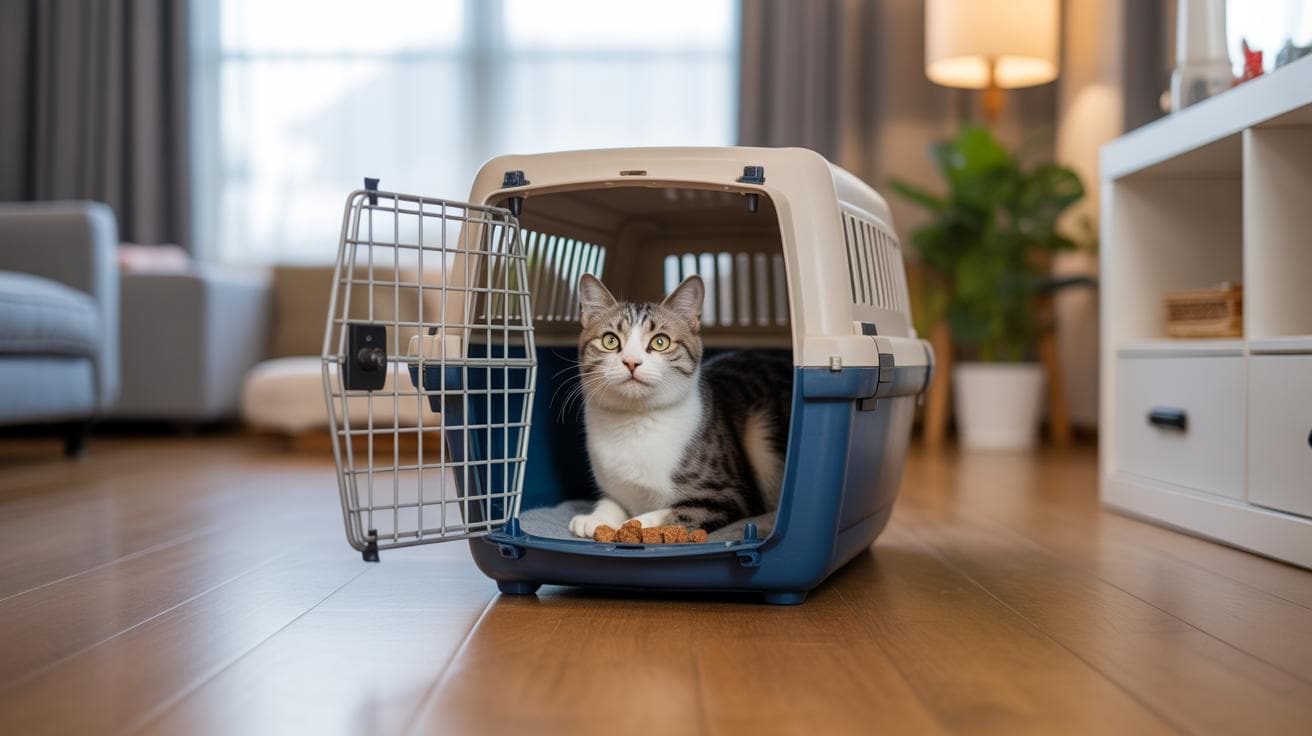
I used to think cats were impossible to train. Then Luna launched off the couch, all paws and determination, for one tiny shiny treat and I realized something: your cat already knows how to focus. We just teach the signals that say “sit” or “come.” Ever watched a whisker-twitching stare? That’s the start.
Keep training short. Three to five minutes is perfect. Use a tiny high-value treat (small, super-tasty treat) and pick a marker word (a short, clear word or click that marks the exact moment they do the right thing). It’s simple: short practice, small rewards, clear signals. Before you know it, stubbornness turns into a reliable sit or come, with bright eyes and happy pounces.
Here’s the exact flow: lure, mark, reward. Lure means show the treat and guide your cat into the position you want (think of it like a fishing rod for cats). Mark at the very instant the behavior happens, say your word or click, so the cat connects the action and the reward. Reward immediately. Timing matters; mark within a heartbeat, then treat. Quick fixes: if your cat ignores you, try a tastier treat, cut distractions, or reward tiny steps with shaping (rewarding small steps toward a behavior). And if they walk away, end the session on a high note, try again later.
Do one to three short sessions a day, in the same quiet spot when you can. For busy days, a single quick practice before you head out gives you ten minutes of calmer behavior later. Celebrate tiny wins. Seriously, it feels great watching a cat learn. Worth every paw-print.
how to train cats to behave: basic commands
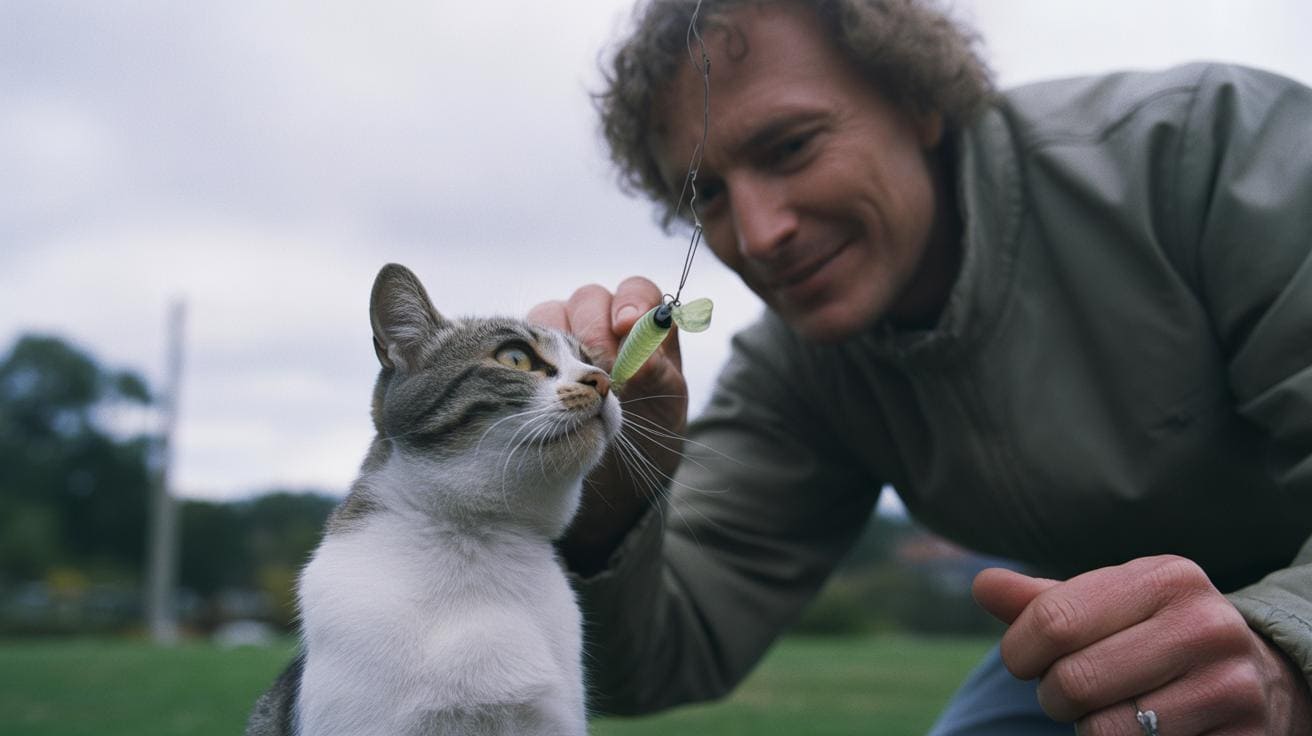
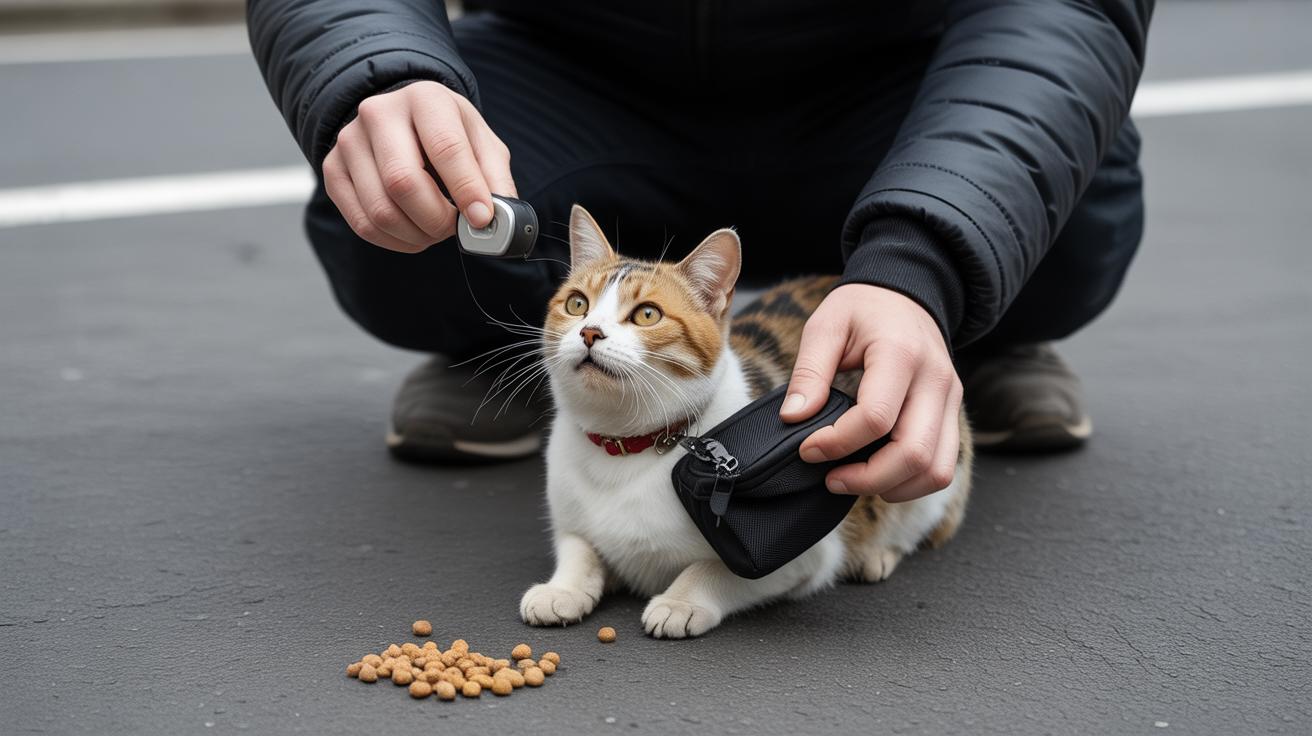
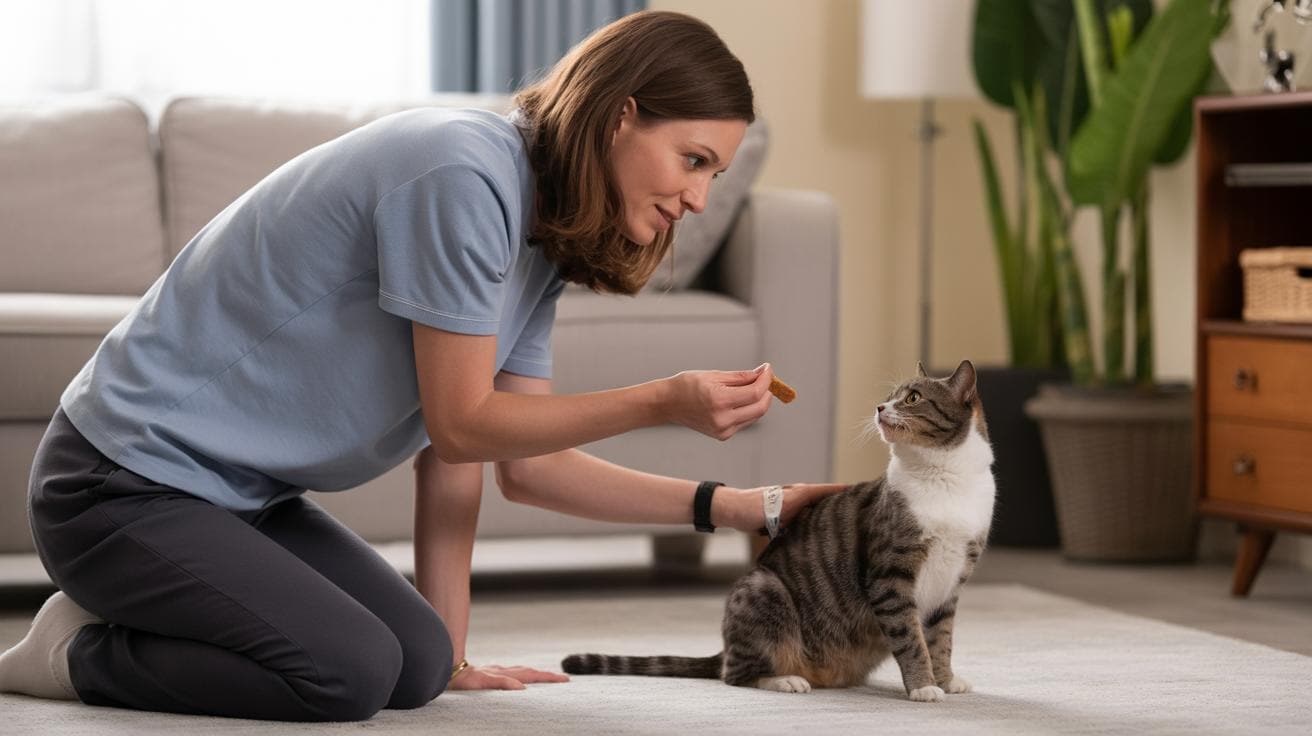
Start small. Hold a tiny high-value treat (a special, super-tasty snack your cat only gets for training) just above your cat’s nose and lift it straight up so their hindquarters lower into a sit. That’s called a lure (using a treat to guide your cat into a position). The instant their rear hits the floor, click or say your marker word and give a tiny treat right away. A clicker (a small plastic sound device) or a clear word like "yes" works great for marking the exact moment.
Do short mini-sessions of 3 to 5 minutes. Keep reps quick and fun, then finish with a calm reward so your cat ends on a good note. For deeper methods, see methods; see tools; see tracking; see troubleshooting.
Timing and hunger matter. Work after a nap when your cat is alert and a little hungry. Practice only one skill per session so the cue stays simple. Use a motivating treat and the same marker each time so your cat learns the pattern: lure, mark, reward.
A simple plan:
- Gather a tiny high-value treat and a clicker or a short marker word.
- Pick a short verbal cue and a clear hand signal.
- Run a single 3–5 minute session focused just on "sit."
- Train after a nap or when your cat’s mildly hungry for best focus.
- Lure the cat into position, mark the exact moment, and reward immediately (then slowly fade the lure).
- End every session with a calm final treat and a pause so they feel good about it.
- Aim for dozens up to about 50–100 short reps across the day, split into many tiny sessions.
- If your cat stalls or shows stress, stop and check the troubleshooting section.
Quick checklist recap: short session, single skill, lure → mark → reward, finish calm. Watch for stress signals like tucked ears, wide pupils, or a swishing tail; if you see those, take a break and consult troubleshooting. Worth every paw-print.
Train cats: core training methods (clicker, lure-and-reward, shaping)

There are three go-to ways to teach cats: clicker training, lure-and-reward, and shaping. Each one shines for different jobs, so think of them as tools in your kitty toolkit. Target training (getting a cat to touch a stick or your hand) is a handy bridge between lure work and shaping.
Clicker training is great when you need perfect timing and fast learning. First, pair the clicker with treats about 10 times: click, then give a tiny treat right away, repeat until your cat looks for the treat after the click. Keep the timing tight , mark the exact movement within a 0.5-1.0 second window, and deliver the reward immediately. Common mistakes are clicking too late, clicking for the wrong motion, or handing the treat slowly. To fade the clicker, click for only the best reps, then switch to a short marker word or an intermittent click schedule as the behavior becomes solid (see starter plan; see tracking).
Lure-and-reward is perfect for showing a new action, like a sit or a go-to-mat. Hold a treat above your cat’s nose and move it straight up so their hind end lowers into a sit; mark that instant and reward. Fade the visible lure by using an empty hand that follows the same path, then just the hand signal, and finally the verbal cue once the move is consistent. Think of it like a fishing rod for cats, just, um, with kibble.
Shaping helps when the trick is too big to teach in one step. Break the goal into tiny micro-steps and reward the smallest move toward the target. If your cat looks stressed, back up: flattened ears, wide pupils, or a whipping tail are signs to slow down. Ever watched your cat’s whiskers twitch as they figure something out? Reward that curiosity. For picky eaters, switch textures, freeze-dried bites (small crunchy meat pieces), squeezable treats (soft paste), or even a quick play session, to keep motivation high.
Target training ties it all together. Ask your cat to touch a stick or your hand, click or mark the touch, then reward. It’s a simple step that leads to steering, shaping, and more complex tricks. Worth every paw-print.
Teach a cat to sit, come, and stay: command-by-command progressions
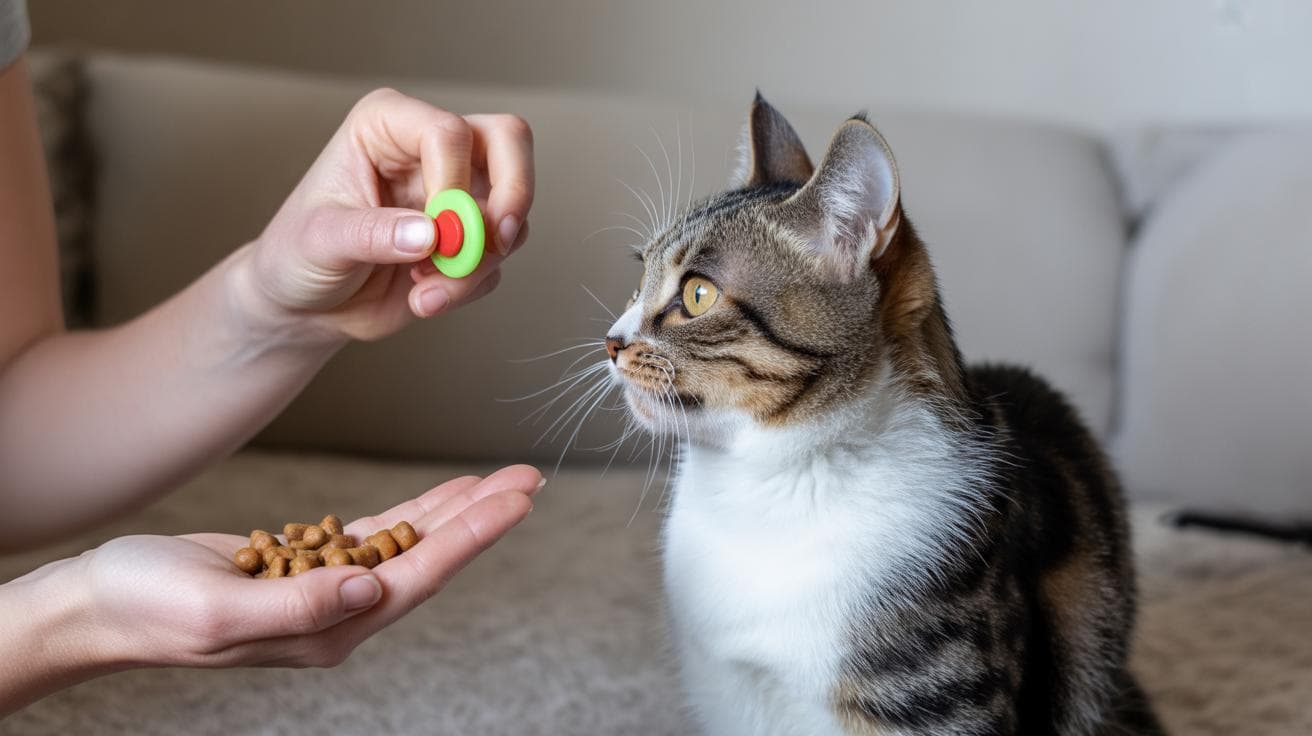
Think tiny steps. Use one clear cue, a precise mark, and a fast reward. Marking can be a clicker (a small handheld click noisemaker) or a short word like "Yes." Give the treat within about a second so your cat links the action to the reward. Short, enthusiastic reps feel fun to your kitty, do a handful at a time and end while you both still want more. Ever watched your kitty chase shadows? This is the same playful focus, but with goals.
Sit: hold a tiny treat just above your cat's nose and lift straight up so the hindquarters naturally drop. The instant they sit, mark it and give the treat within about a second. Repeat brief, excited reps and slowly fade the visible lure into a hand signal over several sessions. You can build high-five and lie down from target work and shaping, reward small improvements and click each better try. Many cats get a solid sit in 1–7 days with dozens up to 50–100 short reps spread through the day.
Come / Recall (come when called): start a few steps away in a quiet room with one distinct cue. Call once, wait for them to move, mark arrival with the click or word, and reward heavily at the finish. Gradually add distance and light distractions. Some cats learn quickly; others take time, expect 1–6 weeks depending on motivation and practice. Aim for 10–30 reps a day split into mini-sessions.
Stay: teach sit first. Ask for a 1-second hold, click and reward, then build to 3 seconds, then 10 seconds before treating. Once holds are steady, add gentle distractions and use a clear release cue to end the stay. Practice dozens of short holds daily; weeks of steady practice usually make it reliable.
Lie down: from sit, lure the treat down and slightly forward so the chest lowers. Mark the full down position and shape deeper lowers over reps. High-five: use a target or hold a treat near paw height; click tiny paw lifts and reward, then shape to a full flat-paw touch and add a verbal cue. Both of these often come together in 1–4 weeks with many short reps through the day.
Timing and progression rules keep things tidy. Mark the exact successful movement quickly, within 0.5–1.0 second, so your cat links the cue to the result. Keep sessions short and frequent, train one skill at a time, and increase challenges slowly. It’s better to stop while your cat is still happy than to push for one extra rep.
Motivation and surroundings matter. Use high-value treats and rotate textures for picky kitties, or swap in a quick play burst for cats who prefer motion. Pick a low-distraction spot and have everyone use the same words and hand signals so your cat doesn't get mixed messages. Your cat’s whiskers will twitch as the ball rolls across the carpet, use that focus.
Watch for stress signals, flattened ears, wide pupils, tail thrash, and stop if your cat looks unhappy. If progress stalls or you don’t see steady improvement after a few weeks of consistent practice, check the troubleshooting tips or talk to your veterinarian or a behaviorist. Worth every paw-print.
| Command | Step-by-step micro-steps | Typical timeline to reliable response |
|---|---|---|
| Sit | Hold tiny treat above nose and lift straight up so hindquarters drop; mark within 0.5–1s; reward immediately; repeat short reps; fade lure to hand signal. | 1–7 days; dozens to ~50–100 short reps/day |
| Come / Recall | Start a few feet away in a quiet room with a distinct cue; call once; mark arrival; reward heavily; slowly increase distance and distractions. | 1–6 weeks (varies with motivation); 10–30 reps/day in mini-sessions |
| Stay | Teach sit first; ask for 1s hold → click/reward, then 3s → then 10s; add mild distractions once steady; use a clear release cue. | Weeks to reliable; practice dozens of short holds daily |
| Lie down | From sit, lure treat down and forward so chest lowers; mark full down; shape deeper lowers over reps. | 1–4 weeks with shaping; dozens of reps/day |
| High-five | Use a target or hold treat near paw height; click tiny paw lifts and reward; build to full flat-paw touch and add verbal cue. | 1–4 weeks with shaping; many short reps throughout the day |
Train cats: session structure, timing, and progress tracking
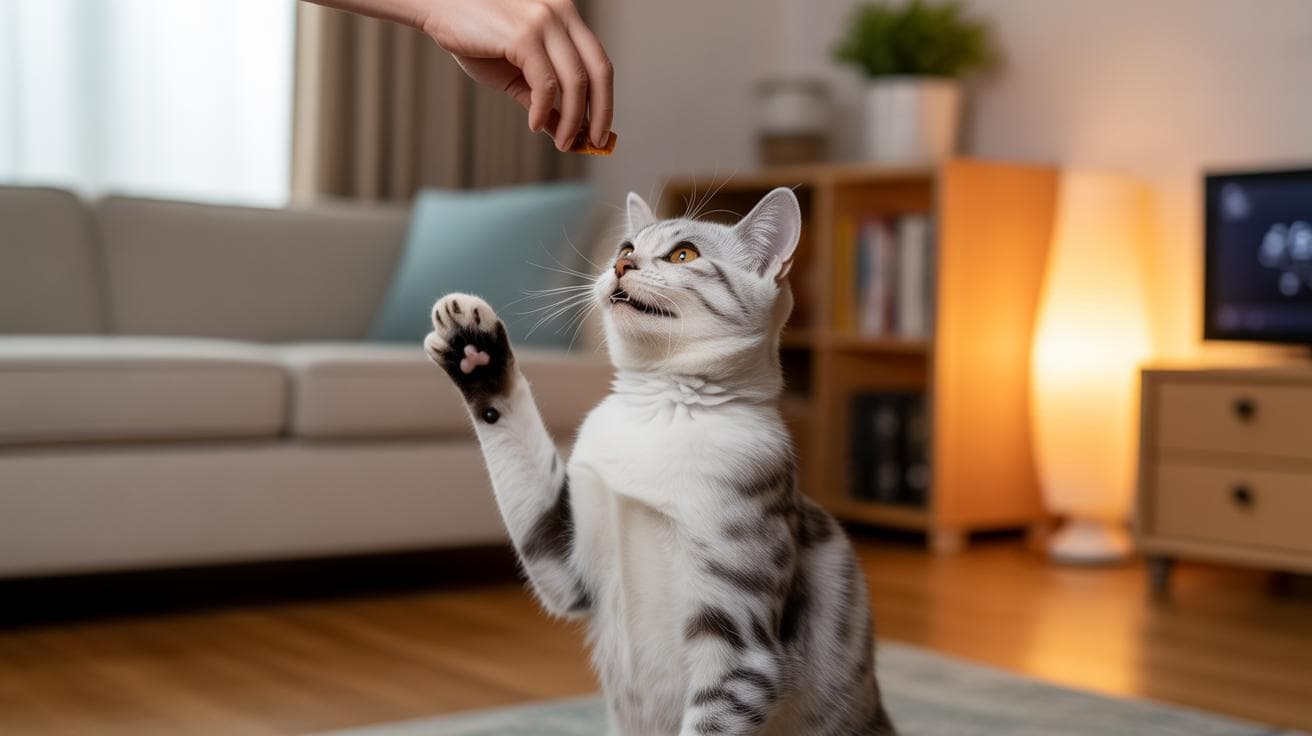
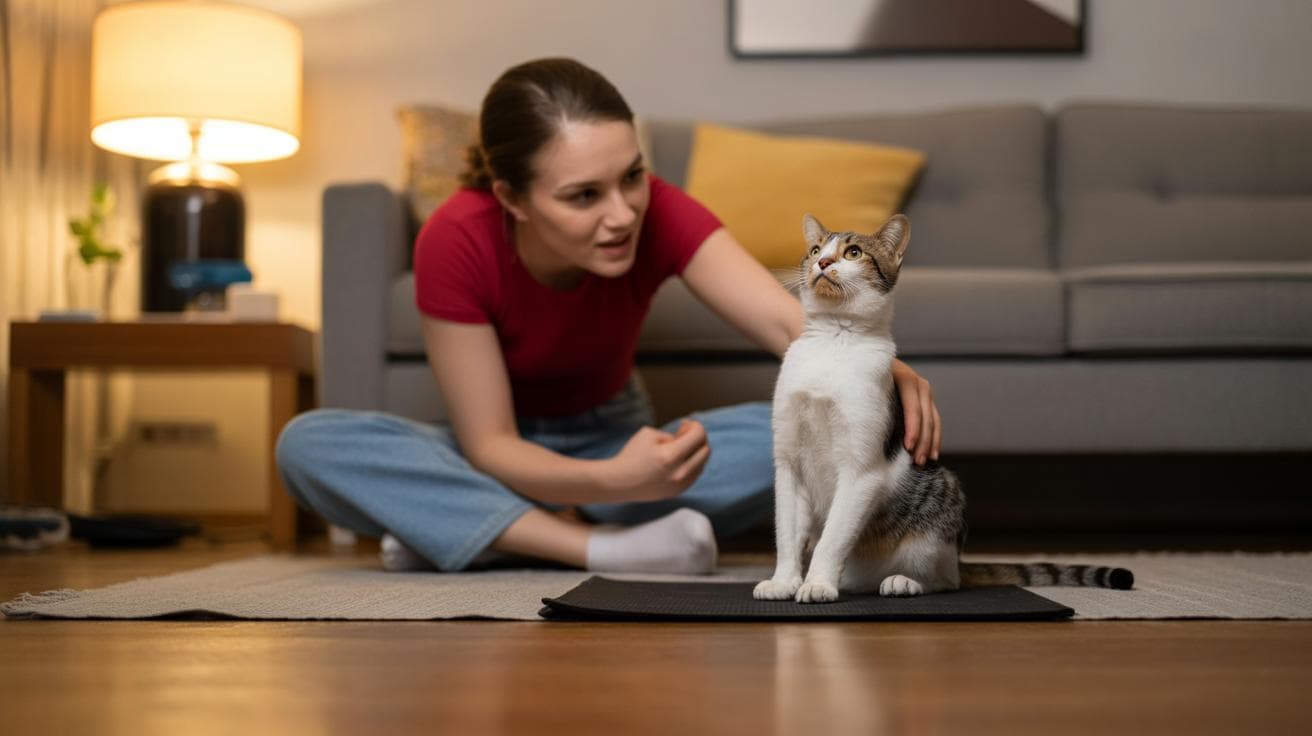
Set up a quiet corner with your treat pouch (a small bag that holds tiny snacks), a clicker (a little sound device) or a marker word like "yes" (a short praise), and a small mat or chair so your cat always has the same place to work. Keep things simple so your cat knows this is training time. I like to think of it as a tiny classroom for one furry student.
Keep each mini-session to about 3 to 5 minutes. Start with a quick warm-up of 2 to 3 easy reps (a rep is one repeat of the behavior) to help your cat focus, then spend the rest of the short session on one skill only. Your cat’s whiskers will tell you when they’re in the zone. Ever watched them lock on like a tiny hunter? Cute.
Spread lots of these tiny sessions through the day, after naps or right after a short play burst, when your cat is alert and a bit hungry. The goal is dozens of little practices, roughly 50 to 100 reps total across the day, broken into playful bites. For busy days, toss an unbreakable ball or do a quick recall drill before you head out, that’s ten minutes of safe play and learning.
| Time | Skill | Session length | Planned reps | Primary reward |
|---|---|---|---|---|
| Morning | Sit | 3–5 min | 20 | high-value treat (tiny piece of chicken) |
| Midday | Recall (come) | 3 min | 10 | wet treat (creamy or meaty) |
| Evening | Trick (high-five or target) | 3–5 min | 15 | short play burst (1–2 minutes) |
Track every session in a simple log so you can spot patterns over a week or two. Write down Date, Behavior, Session #, Reps, Successes, % Success, and Notes (like distractions or stress signals such as wide pupils or a swishing tail – a sign your cat might be annoyed). Calculate % Success as (Successes ÷ Reps) × 100. Yep, a little math, but it shows if you’re moving forward.
Look for steady improvement across 1 to 2 weeks. Small jumps up mean you can raise the bar a bit. Flat lines or falling scores mean back up a step, change the reward, or make the cue clearer. Move to the next difficulty when you hit at least 80% success across three sessions in a row. Oops, make that three good sessions in a row, consistency matters. For treat sizes and gear, check the tools section if you need help with portioning or equipment.
| Date | Behavior | Session # | Reps | Successes | % Success | Notes |
|---|---|---|---|---|---|---|
| Mon | Sit | 1 | 20 | 16 | 80% | Calm, good focus |
| Tue | Recall | 1 | 10 | 7 | 70% | Distracted by bird outside |
| Wed | Trick | 1 | 15 | 10 | 67% | Needed higher-value treat |
| Thu | Sit | 2 | 20 | 17 | 85% | Nice progress |
| Fri | Recall | 2 | 10 | 8 | 80% | Shorter distance |
| Sat | Trick | 2 | 15 | 12 | 80% | Switched to squeezable treat |
| Sun | Sit | 3 | 20 | 18 | 90% | Ready to fade lure |
Train cats: tools, treats, and enrichment to motivate learning
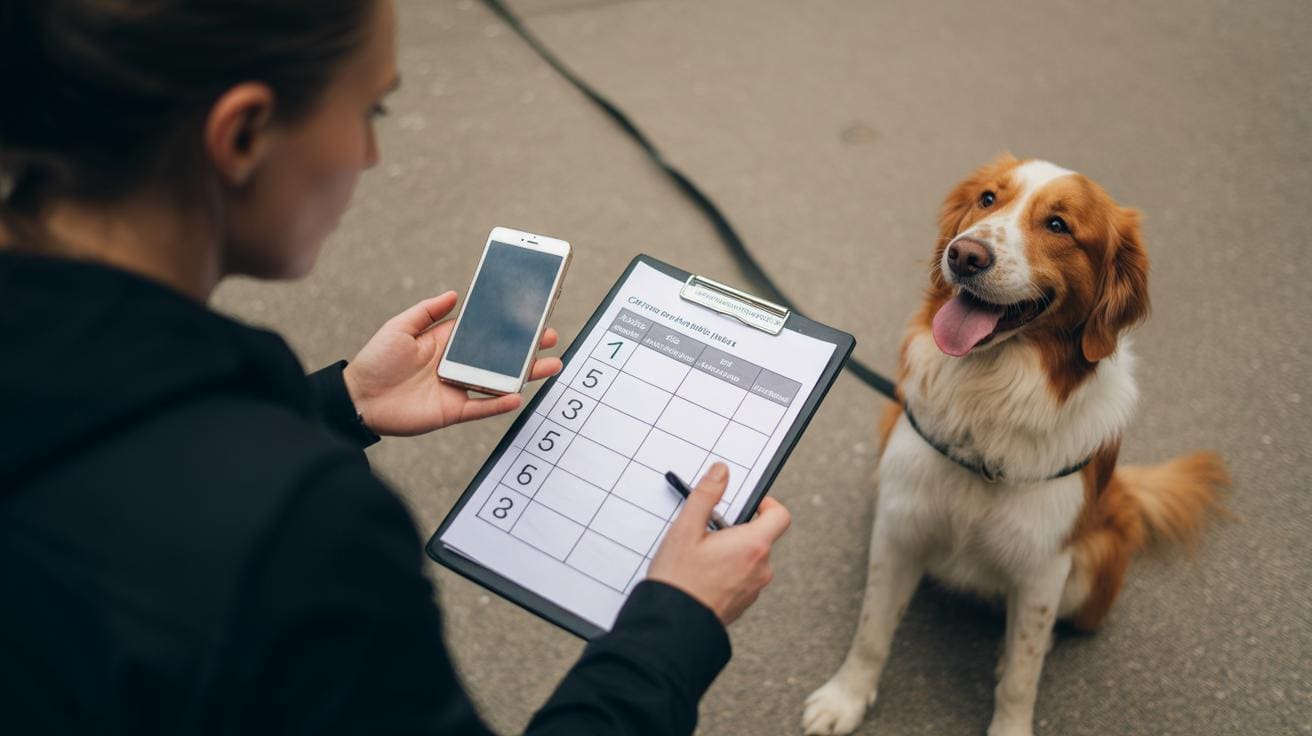
A small training kit makes short sessions feel easy and fun. Pack a quick-release clicker (a tiny handheld marker that makes a sharp sound), or pick one short marker word everyone uses. Toss in a treat pouch with a swivel clip (a small bag that snaps to your belt or pants) so treats are always at hand.
Bring a finger target or a target stick (a long stick with a soft tip you can ask the cat to touch). Think of the target stick like a fishing rod for cats, just point, ask, and reward. Also stow a teaser wand (a long wand with string and feathers) for motion rewards and high-energy play.
A basic puzzle feeder (a slow-feeding toy that hides treats) is perfect for enrichment during downtime. Rotate puzzle toys so they stay interesting, and always watch new toys the first few times to make sure your cat plays safe. Inspect toys regularly for loose parts or frayed string.
Treat variety helps with picky kitties, so carry a few textures and flavors. Use tiny bites so you can run many reps without overfeeding. Pea-sized pieces (about the size of a green pea) of freeze-dried chicken, little wet-kibble nibbles, or squeezable single-serve treats work especially well.
For a short 3–5 minute practice, expect to use about 8–12 tiny bites. Take those treats from part of the cat’s daily meal allowance so you don’t overdo calories. If you want numbers, check the treat package for calories and cut the meal portion accordingly.
Safety first, always. Keep treats tiny to avoid choking, read ingredient lists to avoid unsafe human foods, and replace worn tips on target sticks. Supervise play with teaser wands and puzzle feeders, and toss any toy that gets torn or has loose bits.
Enrichment keeps learning playful and fights boredom. Use puzzle feeders during rest periods for slow rewards, and save the teaser wand for big, exciting rewards. Isn’t it nice when a toy just lasts? Worth every paw-print.