Is your cat turning into a couch potato with a purrfect appetite? You are not alone. More than half of U.S. cats are overweight or obese, and extra pounds raise the risk of things like diabetes, sore joints, and fatty liver disease (when too much fat harms the liver).
You might notice your cat panting after a jump, grooming less, or skipping the zoomies. Those are clues weight is already changing how they feel and move. It is fixable, though. With a few simple steps, you can help your cat lose weight safely and feel feline fine.
Why do cats gain weight? Mostly because they eat more calories than they burn. Free-feeding (food left out all day), too many treats, smaller-than-needed meals, and less play all add up. Neutering and getting older can slow a cat’s metabolism, too.
Here’s a clear, doable action plan you can start today.
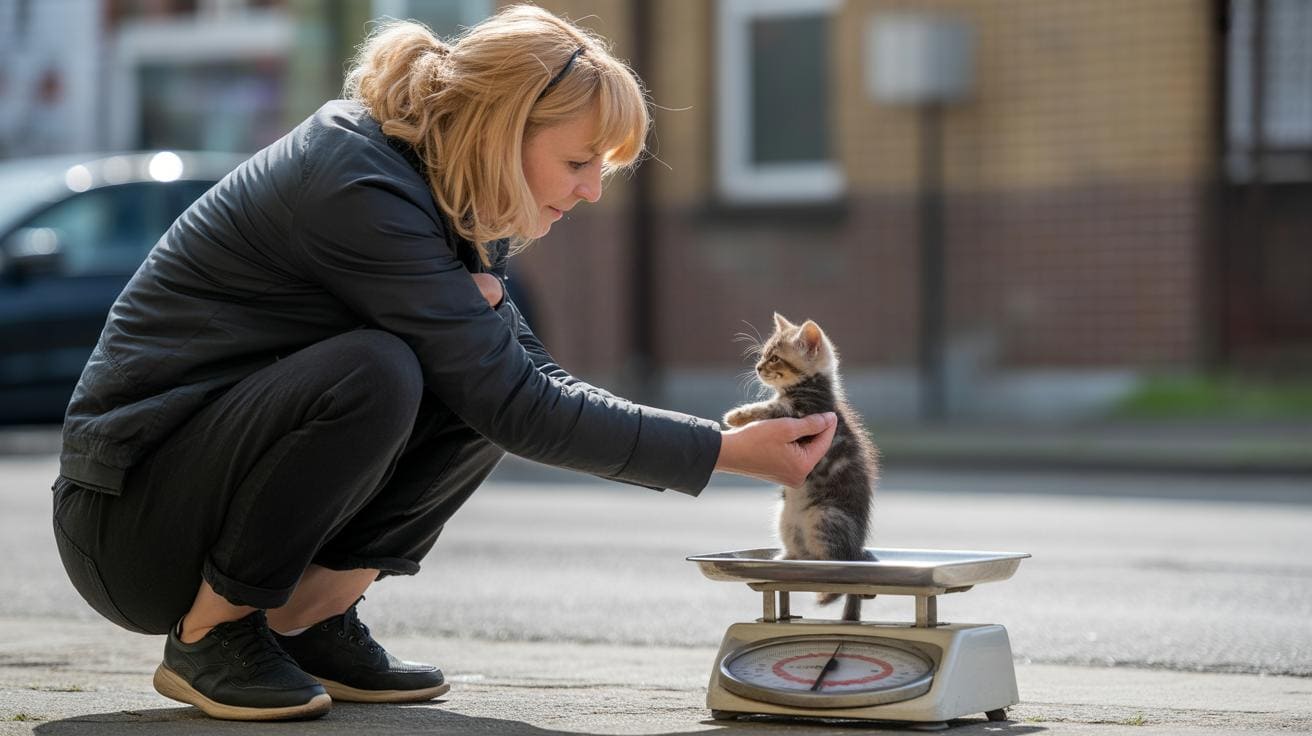
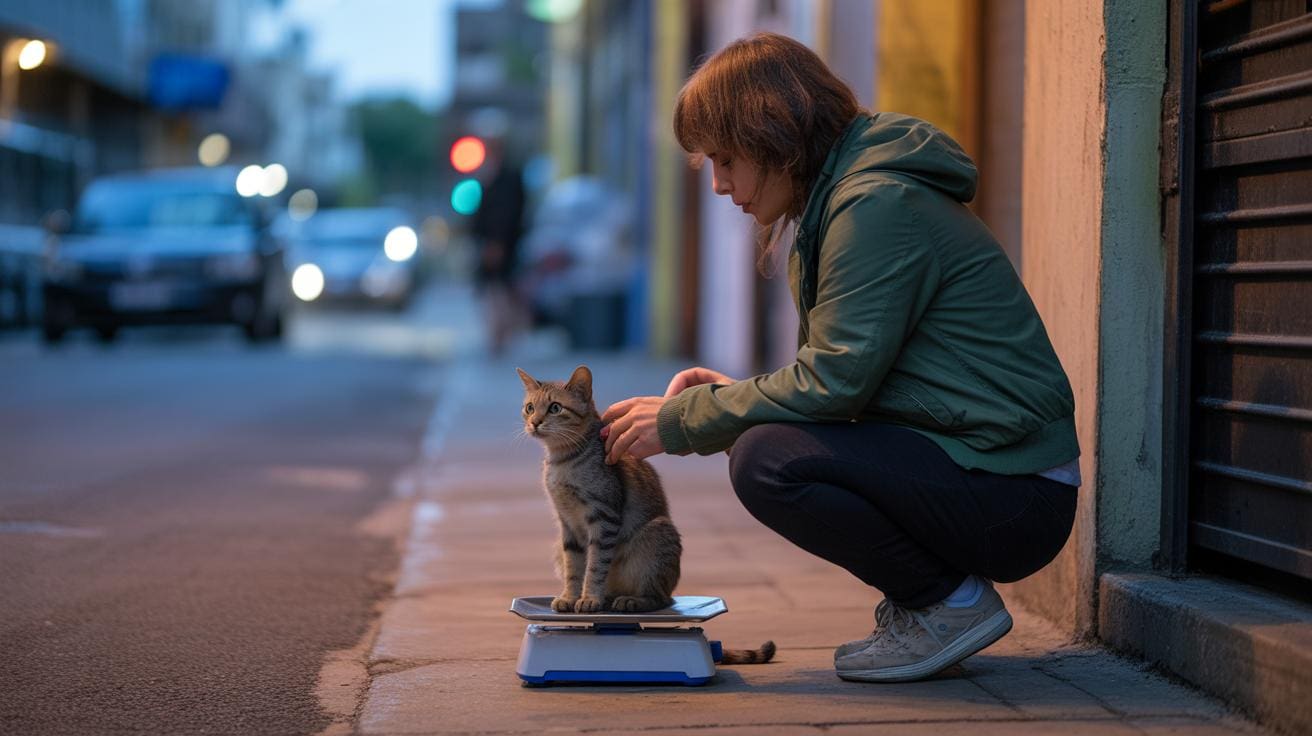
Weigh your cat. Use a pet scale if you have one, or weigh yourself holding your cat and subtract your weight. Track the number once a week so you see real progress. Small changes matter.
Stop free-feeding. Put meals down twice a day or follow your vet’s schedule. Free-feeding makes it easy to overeat. Really.
Measure food by grams (grams are metric weight, like what a food scale shows). Check the label for kcal (kilocalories, the “calories” on pet food). Use a kitchen scale or a measured scoop and write down what your cat actually eats each day. That makes cutting excess calories simple and fair.
Play more, but keep it short and fun. Try 5 to 10 minute interactive sessions two or three times a day with a teaser wand or a rolling ball. Think of the wand like a fishing rod for cats, just add feathers. Even quick play gets the heart beating and burns calories. For busy days, toss an unbreakable ball before you leave for ten minutes, instant enrichment.
Talk with your vet. Before you cut calories a lot, get a weight-loss plan and medical check. Your vet will help set a safe pace and rule out health issues that cause weight gain. Slow and steady wins here.
A tiny anecdote: I once watched Luna leap six feet for a tiny feather. Ten minutes later she napped like a queen. Worth every paw-print.
Start today with one step: weigh your cat, then pick one other change, no free-feeding or a daily play session. You’ll build momentum, help your cat lose weight safely, and enjoy more lively, purr-filled days.
Quick action plan , what to do now
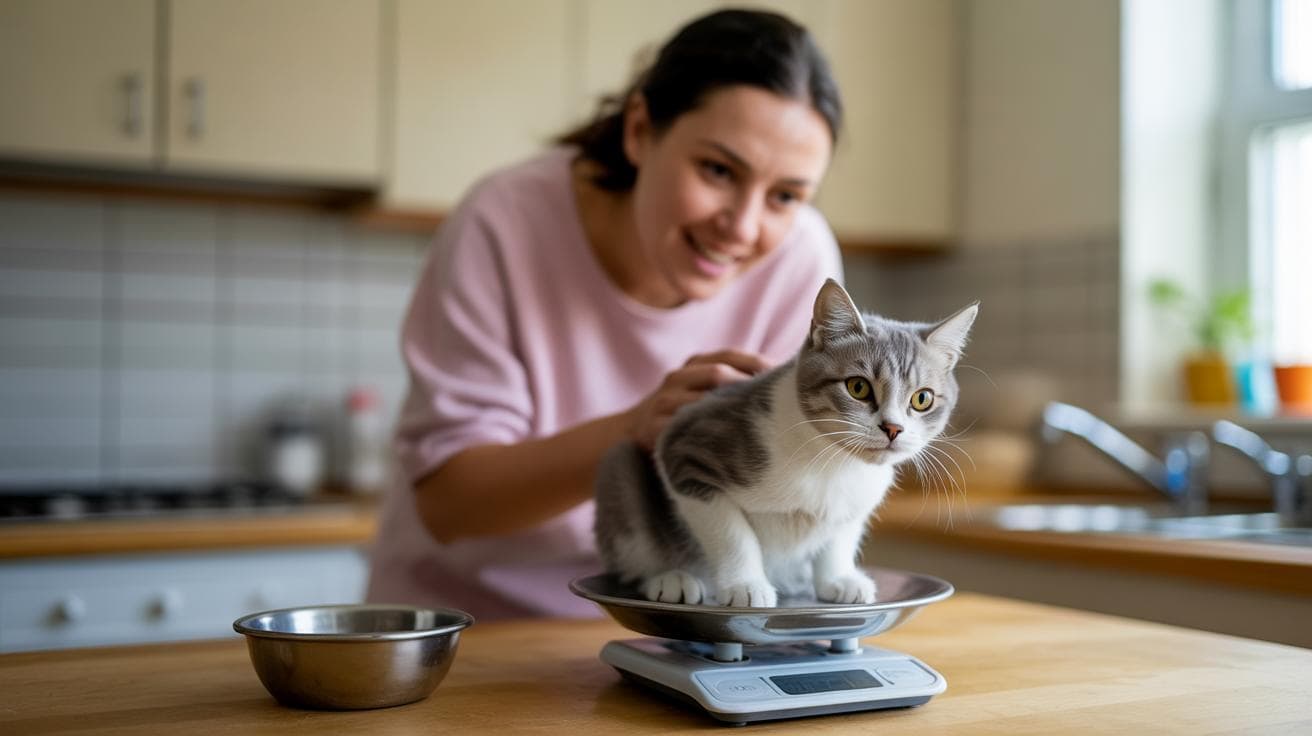
Weigh your cat today. Use a bathroom scale: step on it holding your cat, then subtract your weight to get theirs, or pop into a clinic for a quick weigh-in. Write that first number down as your baseline , it's your starting line.
Stop free-feeding. Take away the always-full kibble bowl, tuck extra bowls out of sight, and switch to scheduled meals so you can actually control daily calories. Try two or three set feedings at the same times each day; consistency helps.
Measure portions precisely by grams with a kitchen scale (grams are tiny weights, about the size of a paperclip). Look up the kcal on the bag or can and note both grams and kcal for each meal. kcal (kilocalories, the "calories" listed on pet food) tells you how much energy they're eating, so track daily totals.
Begin short interactive play sessions twice a day, 5 to 10 minutes each. Use a teaser wand (think fishing rod for cats), a laser with supervised stops so they get a win, or a food puzzle to make them work for treats. Your cat’s whiskers will twitch as they pounce, and those quick bursts of play burn calories and keep interest high. Ever watched your kitty chase shadows? Yeah, that.
Book a vet consult within 48 hours and bring current food labels, any meds, and the weights you've recorded so the vet can set an ideal weight and a safe calorie plan. Aim for gradual loss of about 0.5% to 2% of body weight per week, and check with your vet before cutting calories or changing diet to avoid hepatic lipidosis (fatty liver disease).
More than half of U.S. cats are overweight or obese, so these small owner actions now can prevent disease and keep your cat moving and feeling feline fine. Worth every paw-print.
Causes of obesity in cats: intrinsic and extrinsic factors
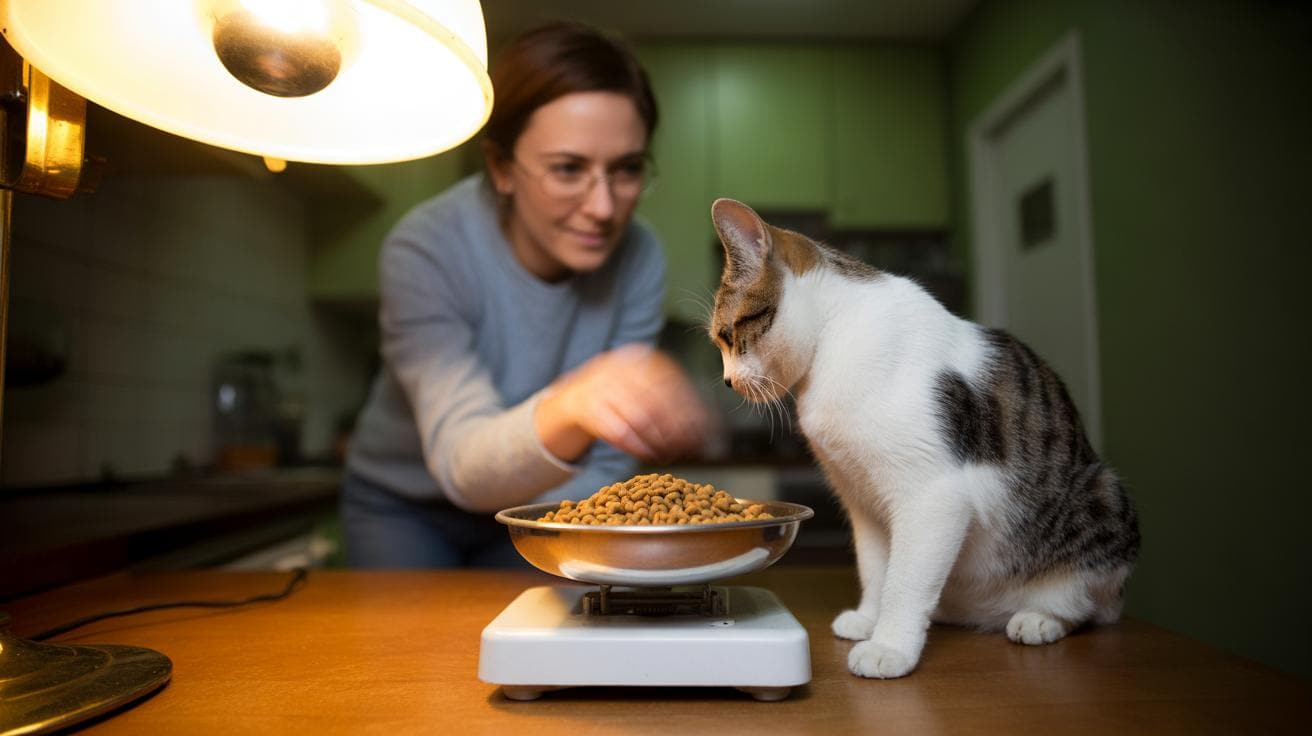
At heart, it’s simple: weight gain happens when calories in beat calories burned. kcal (kilocalories, the "calories" on pet food) are how we count what your cat eats. Tiny extra bites every day add up over weeks and months , and before you know it, that sleek hunter looks a little rounder. Ever watched a cat nudge an empty bowl like it’s a treasure chest? Yeah, those extra nibble moments matter.
Some reasons live inside the cat. Male cats tend to carry more weight. Obesity often peaks between about 5 and 11 years of age. Neutering (spay or neuter surgery that lowers sex hormones) can slow metabolic rate (how fast the body burns energy), which raises the chance of packing on pounds. Genetics and breed lines also make some cats more likely to gain weight , talk to your vet if family history looks predictable.
Other causes come from life at home. Free-feeding dry kibble all day, too many treats, calorie-dense diets, and mostly indoor lives with little play push the balance toward fat gain. Owners often misjudge portions or toss table scraps, so daily calories creep up without anyone noticing. Small changes , timed meals, measured portions, a few short play sessions , can flip the math back toward healthy.
Medications and medical problems matter too. Long-term steroids can boost appetite and weight. Endocrine disorders (hormone system problems) and other illnesses can change metabolism or appetite, so unexpected weight change deserves a vet visit.
- Genetics and breed predisposition
- Neuter timing and hormonal shifts (spay/neuter lowers sex hormones)
- Age-related activity decline , middle-age peak, about 5 to 11 years
- Indoor-only lifestyle with low exercise
- Free-feeding dry kibble all day
- Calorie-dense or high-carbohydrate diets
- Too many treats or sharing human snacks
- Medications that increase appetite (steroids, some psychiatric meds)
- Endocrinopathies and other medical causes (hormone disorders)
- Portion-measurement errors and inconsistent meal routines
Do a quick audit if your cat is gaining weight: check bowls, count treats, and watch playtime. Often the fix is right there.
Intrinsic risk factors (short)
Sex, age, neuter effects, and genes all matter. Male cats trend heavier. Obesity commonly peaks in middle age, roughly 5 to 11 years. Studies show about 19 to 48 percent of cats are overweight and 4 to 13 percent are obese, so this is a frequent problem.
Neutering reduces sex hormones and can slow metabolic rate (the pace of calorie use). Breed tendencies and family history also affect how easily a cat gains weight, so bring these up with your vet.
Extrinsic risk factors (short)
Owner choices and the home setup are big contributors. Free-feeding, oversized portions, lots of treats, and low playtime are easy to change with measured meals and short daily play sessions. Small living spaces without places to climb, multiple cats sharing food, and appetite-increasing medications also nudge weight upward. Tweak feeding and the environment, and you’ll likely see a difference.
Health risks of obesity in cats: immediate and long-term consequences
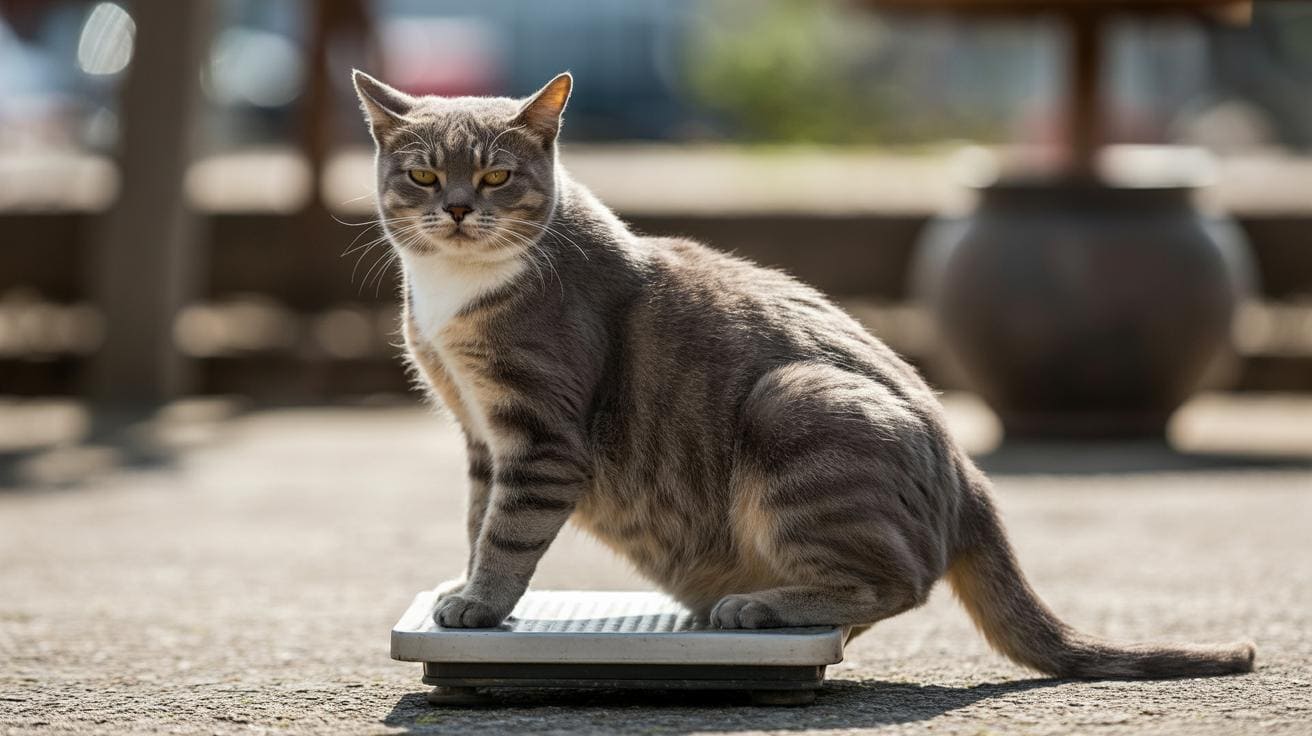
Extra weight in cats isn’t just about looks. Obesity (too much body fat – vets often call it over about 30% body fat) changes how their bodies work and raises the chance of several health problems. It can slow them down, make surgery and anesthesia (drugs that put pets to sleep for operations) riskier, and cut into their quality of life. Ever watched your kitty try to jump and fail? Those are the little warnings.
Metabolic dysfunction (when the body has trouble managing energy and hormones) becomes more likely as fat builds up. That can lead to Type 2 diabetes , insulin resistance (when the body’s cells stop responding well to insulin) makes blood sugar hard to control. If an overweight cat suddenly stops eating, hepatic lipidosis (fatty liver disease, when the liver fills with fat and can stop working) can follow and needs fast care. Less activity and changes in drinking can also raise the risk of urinary tract disease (infections or crystals in the bladder or urethra).
On a daily level you’ll see it in how they move and groom. Less jumping. Less running. Poor grooming can mean matted fur, skin irritation, or a smell you don’t love. Stiff joints and arthritis (pain from extra wear on cartilage – the cushion in joints) make play time short and slow. Your cat might pant after a little exertion, seem breathless, or quit climbing the cat tree. Those are red flags, and catching them early helps a lot.
My own cat once gave up the top shelf and started napping on the floor instead , heartbreaking, but fixable with a plan.
| Condition | How obesity contributes | Common signs |
|---|---|---|
| Type 2 diabetes | Insulin resistance from extra fat stores (cells stop using insulin well) | Drinking more, peeing a lot, weight loss even if appetite stays |
| Arthritis / orthopedic strain | Extra load wears down joints and cartilage (the joint cushion) | Stiff walk, trouble jumping, hesitates on stairs |
| Hepatic lipidosis | Rapid fat use if eating stops can flood the liver with fat (serious) | Loss of appetite, vomiting, yellow gums or skin, very tired |
| Urinary tract disease | Less activity and diet changes raise risk of crystals or infections | Straining, small urine amounts, peeing outside the box |
| Cardiovascular effects | Heart works harder to move blood through extra tissue | Gets tired quickly, fainting in bad cases |
| Respiratory / low stamina | Extra fat limits chest movement and makes breathing harder | Quick panting after mild activity, slow recovery |
| Skin / grooming issues | Can’t reach to groom properly, so fur mats and skin problems form | Mattes, flaky skin, bad odor, sores |
| Anesthesia / operative risk | Fat changes how drugs act and makes breathing harder during surgery | Longer recoveries, higher chance of complications |
Talk with your veterinarian if you notice weight-related changes so you can treat or prevent bigger problems. A simple plan now can give your cat more playful, comfy years , worth every paw-print.
How obesity in cats is assessed: body condition, diagnostics and the vet’s role
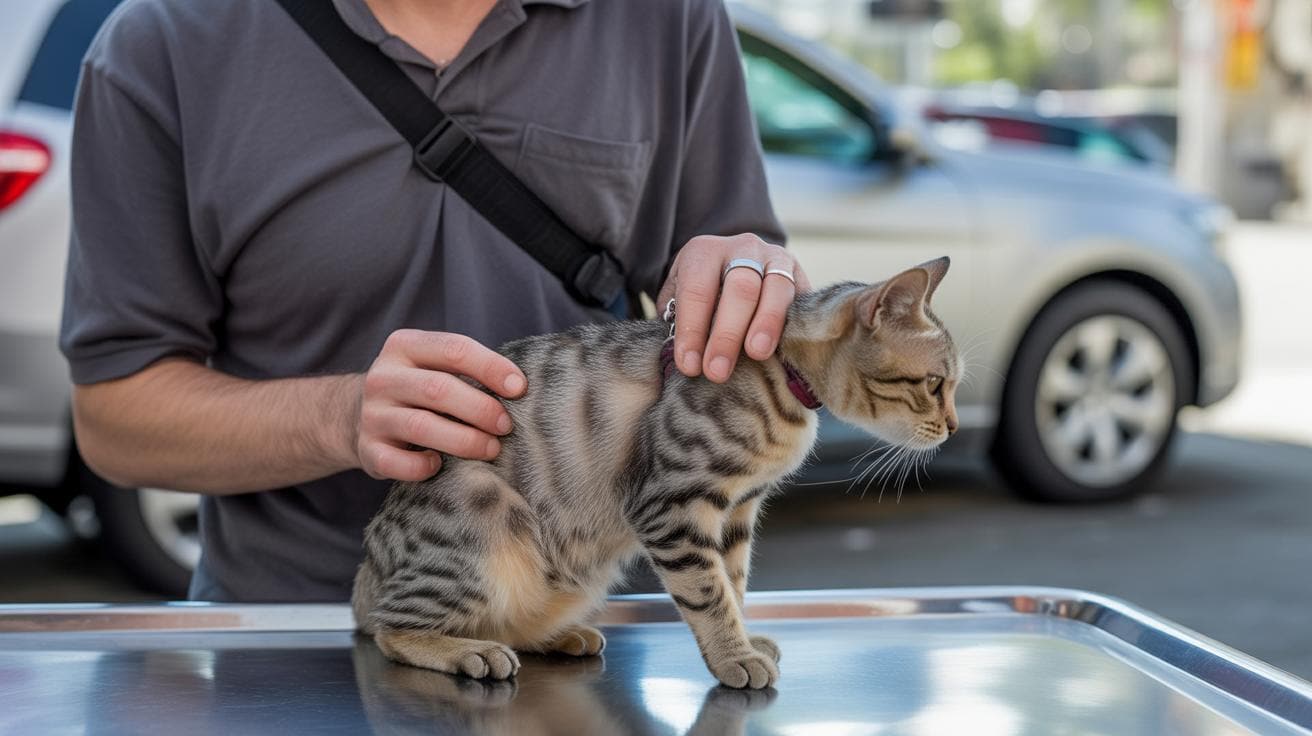
The Body Condition Score (BCS) system rates cats from 1 to 9 (BCS – a simple scale vets use to judge body fat and shape). A healthy cat is about a 5. Use your hands and your eyes: you should be able to feel ribs with light pressure, see a waist from above, and notice a slight tummy tuck from the side. Body fat percent is hard to measure at home, but BCS plus a scale weight gives you a clear starting point.
Many of us underestimate how chunky our cats are. Photos and a quick hands-on check make a big difference. If you can only feel ribs when pressing hard or the waist is gone, the cat probably needs a weight plan. Take front, side, and top photos to share with your clinic so the team can spot subtle changes over time.
Your vet sets the ideal weight and the daily calorie goal, and decides if medical tests are needed before you cut calories. Clinicians calculate percent excess weight (how much over the ideal weight in percent) and use formulas like resting energy requirement (RER – the calories a cat needs at rest) to pick a safe calorie target. If weight or appetite change suddenly, your vet will check for medical causes before blaming food alone.
Common diagnostics before a weight-loss plan include baseline bloodwork , CBC (complete blood count – basic blood cell counts) and a chemistry panel (checks liver, kidneys, and blood sugar), thyroid testing (to spot thyroid problems), urinalysis (urine check) and diabetes screening when signs point that way. These tests make sure no hidden illness is driving the weight change before you cut calories.
Quick home checklist
- Feel ribs: run fingertips along the sides with gentle pressure , can you feel them easily?
- Take three photos: top, side, and sitting , send them to your vet if you’re unsure.
- Book a vet visit when BCS hits 6 or higher or if weight changed quickly.
- Bring a list of meds and the current food label to the appointment.
- Weighing tip: use the same scale and weigh at the same time of day, preferably before meals.
| BCS score | Visual / feel description | What to do |
|---|---|---|
| 1 | Extremely thin. Ribs and spine stand out. | Immediate vet care. |
| 2 | Very thin. Ribs visible, little muscle. | Vet evaluation and a feeding plan. |
| 3 | Thin. Ribs easy to feel, slight waist. | Adjust feeding to reach ideal. |
| 4 | Lean. Ribs can be felt, small waist. | Minor portion tweaks. |
| 5 | Ideal. Ribs feelable, clear waist. | Maintain diet and activity. |
| 6 | Some extra fat. Ribs harder to feel. | Start a weight-management plan. |
| 7 | Noticeable fat cover. Waist absent. | Veterinary-guided weight loss. |
| 8 | Heavy. Thick fat cover, ribs hard to find. | Clinical weight-loss plan and tests. |
| 9 | Severe obesity. Obvious belly distension. | Immediate veterinary management. |
Get a vet-calculated ideal weight before you cut calories so the plan protects lean muscle and avoids liver problems. It’s worth doing right , your cat will thank you with zooms and head-butts.
Practical BCS step-by-step (short)
Run your fingertips along each side of the ribcage with gentle pressure , ribs should be easy to feel but not stick out. Look from above for a waistline between ribs and hips, and from the side for a slight abdominal tuck behind the ribs. When you take photos, use natural light, put the cat on a neutral background, and shoot from standing height for the top view, at elbow level for the side, and slightly above for the front; those angles make comparisons easy for you and your vet.
Safe weight-loss plans for obesity in cats: clinician calculations, calorie targets and diet selection
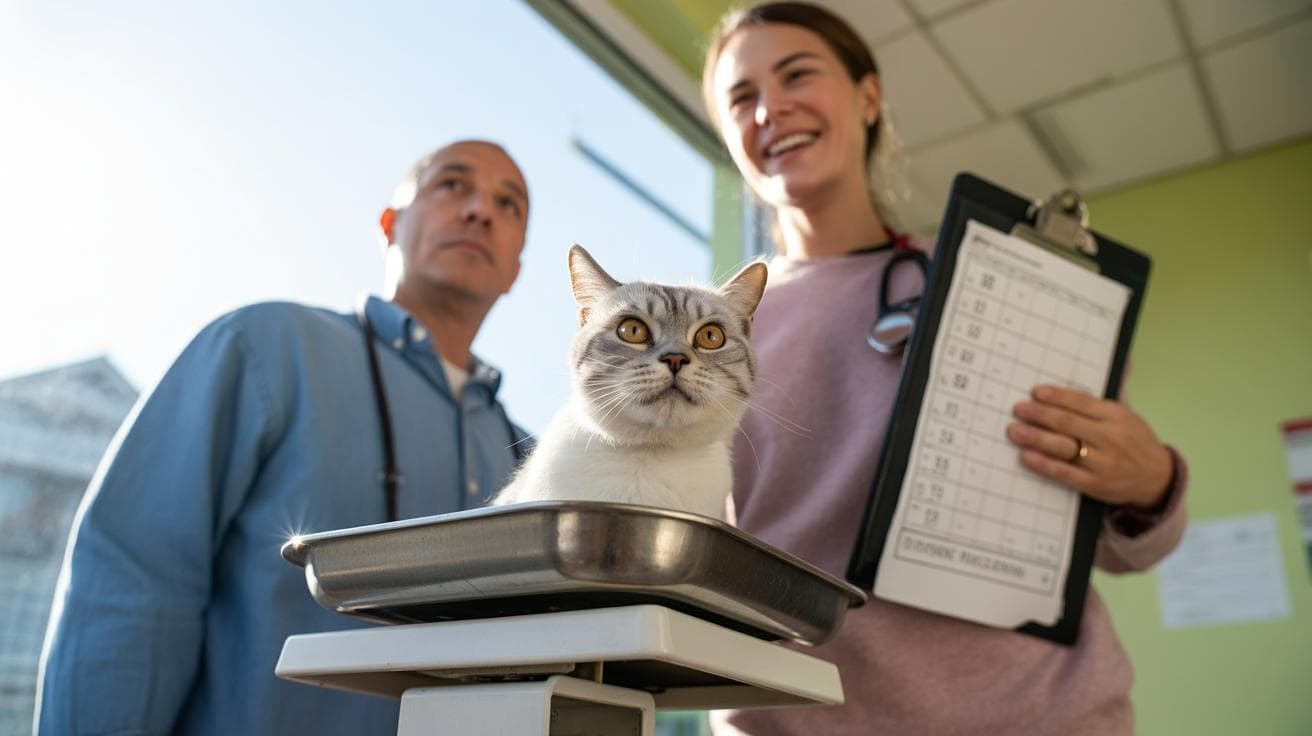
Aim for slow loss: about 0.5% to 2% of body weight per week. Slow, steady loss lowers the chance of hepatic lipidosis (fatty liver disease; the liver fills with fat if a cat suddenly stops eating) and helps protect muscle. Think steady, not dramatic. Your cat will thank you with extra purrs.
We start with RER, resting energy requirement (the calories a cat needs at rest). Use this formula: RER = 70 × (weight in kg)^0.75. If you don’t know your cat’s current daily calories, clinics often use RER for the ideal weight as the starting daily target. If you do know current kcal intake, the clinic commonly recommends cutting that intake by about 20% to 40% under supervision. Percent excess weight helps set realistic goals: Percent excess weight = (current weight minus ideal weight) ÷ ideal weight × 100.
Pick a diet made for weight loss. Look for higher protein (to protect muscle), lower carbohydrate, and added fiber (plant material that helps your cat feel full). Prescription weight-loss diets are balanced for vitamins, minerals, and protein so the cat loses fat, not lean mass. Major diet switches should happen over 7 to 10 days to avoid tummy upset or refusal.
Transition example: Day 1 to 3 mix 25% new food, 75% old. Day 4 to 6 mix 50/50. Day 7 to 10 mix 75% new, 25% old, then full new food on day 11. If your cat vomits, refuses to eat, or seems off, stop and call the clinic. A slow swap keeps appetite steady and reduces risk.
The veterinarian prescribes the calorie target, orders baseline bloodwork if needed, and schedules rechecks to watch weight, muscle condition, and lab values. Monitoring details and how often to weigh are in the Monitoring progress section. Clinics will adjust calories or activity if loss is too slow or too fast.
For practical feeding tactics like measuring tools, treat limits, and puzzle feeders, see the Diet, treats and feeding strategies section for the daily how-to that makes the plan doable. Ever watched your kitty stalk a puzzle feeder? It’s delightfully distracting.
Steps to follow
- Book a vet visit and any recommended diagnostics.
- Have the clinic determine the ideal weight (clinician calculation).
- Calculate RER and percent excess weight, then set a target kcal using RER-for-ideal or a 20% to 40% reduction from known intake.
- Choose a prescription weight-loss diet and confirm kcal per gram or per can.
- Start measured feeding and enrichment (timed meals, puzzle feeders, short play sessions).
- Schedule clinic rechecks per the Monitoring progress plan so the team can tweak the plan.
| Example cat metric | Current weight | Ideal weight | Daily kcal target (starting) |
|---|---|---|---|
| Small cat | 3.5 kg | 3.0 kg | about 160 kcal/day |
| Medium cat | 5.0 kg | 4.0 kg | about 198 kcal/day |
| Large cat | 7.0 kg | 5.5 kg | about 251 kcal/day |
Worked example 1 , small cat
Current 3.5 kg, ideal 3.0 kg. Percent excess = (3.5 minus 3.0) ÷ 3.0 = 0.5 ÷ 3.0 = 16.7 percent. RER for ideal = 70 × 3.0^0.75, which is about 160 kcal/day, so start at roughly 160 kcal/day as the clinic-prescribed goal.
Worked example 2 , medium cat
Current 5.0 kg, ideal 4.0 kg. Percent excess = (5.0 minus 4.0) ÷ 4.0 = 25 percent. RER for ideal = 70 × 4.0^0.75, about 198 kcal/day, so target about 198 kcal/day unless the clinic adjusts after seeing current intake.
Worked example 3 , large cat
Current 7.0 kg, ideal 5.5 kg. Percent excess = (7.0 minus 5.5) ÷ 5.5 = 27.3 percent. RER for ideal = 70 × 5.5^0.75, about 251 kcal/day; the clinic may set this as the starting daily goal or use a controlled-reduction plan from current intake.
Don’t cut calories aggressively. Very fast loss raises the risk of fatty liver and muscle loss. Follow the veterinarian’s prescribed plan and report appetite or behavior changes right away. Worth every paw-print.