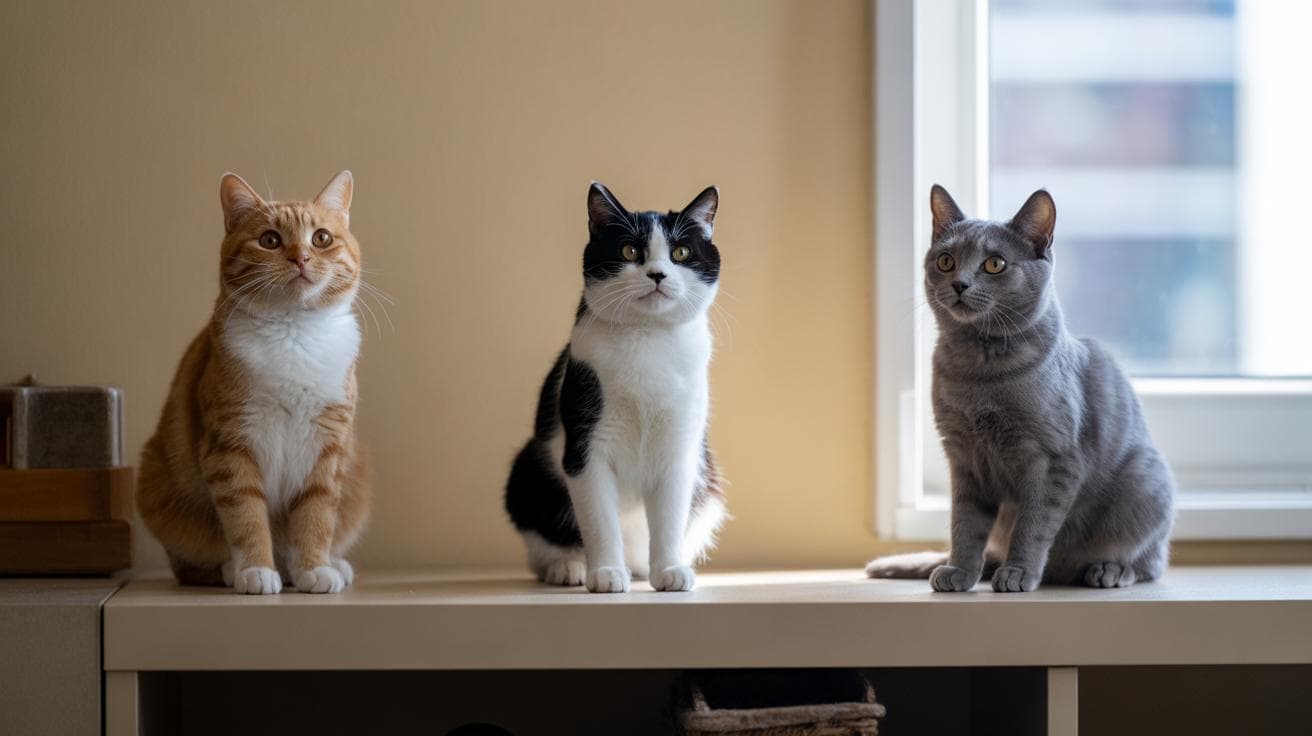
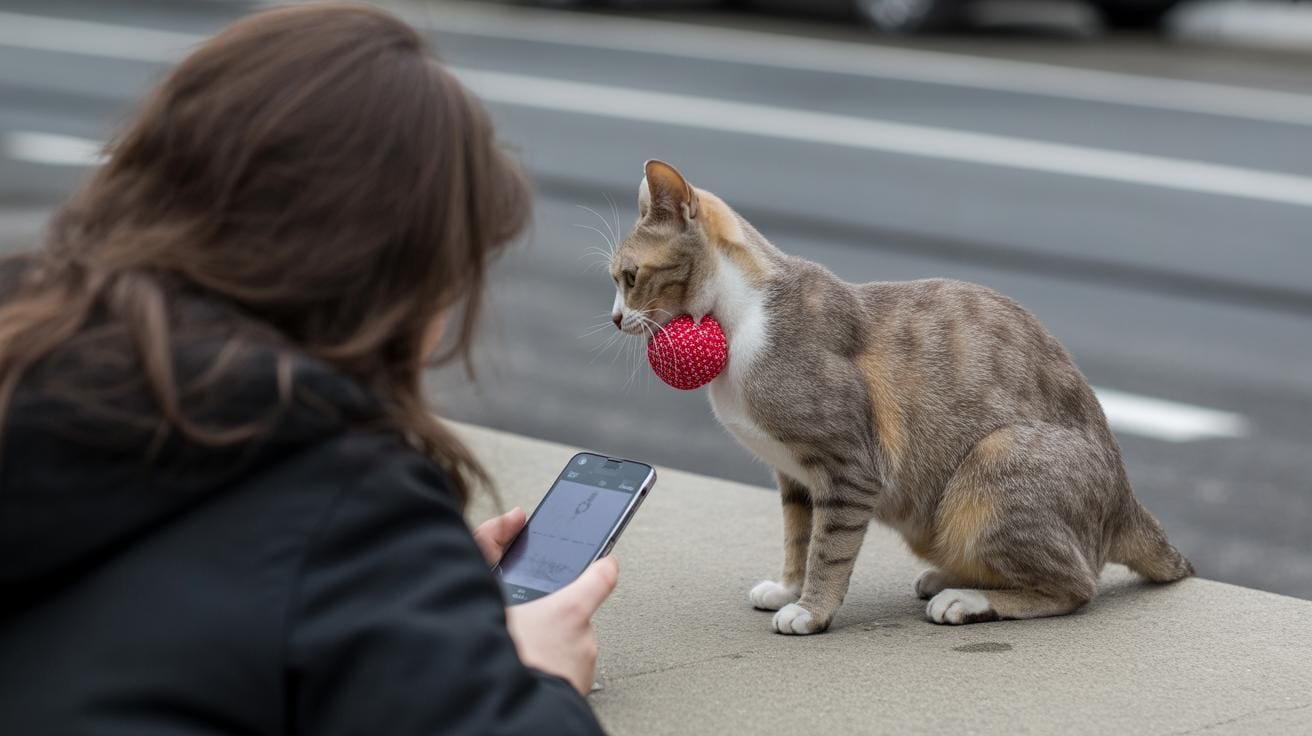
Think "unbreakable" means forever? Think again. Cats get bored fast and they’ll test a toy the moment it seems predictable. Ever watched your kitty bite, fling, and pounce until the toy gives up? It’s like a tiny, furry stress-test.
Swap a few toys each day or week to keep textures and motion feeling new. Try toy rotation (hiding and swapping toys so each one feels fresh). That little swap cuts down chewing (gnawing with teeth) and can stretch toy life from weeks to months. Your cat will chase with that wide-eyed focus and you’ll hear the satisfying thunk of a ball on the floor.
Here’s a simple plan you can use right away: quick swaps, short cycles (brief play sessions), weekly themes, and a 30-day rotation option so you can match the rhythm to a zoomy kitten or a mellow senior. For busy days, toss an unbreakable ball for ten minutes before you head out, ten minutes of safe play buys you quiet time later.
Little changes now mean fewer shredded toys and more playful pounces. I once watched Luna leap six feet for a plush mouse after it’d been hidden for three days, claw-tastic. Worth every paw-print.
Start Today: Practical Rotation Plan to Extend Toy Life
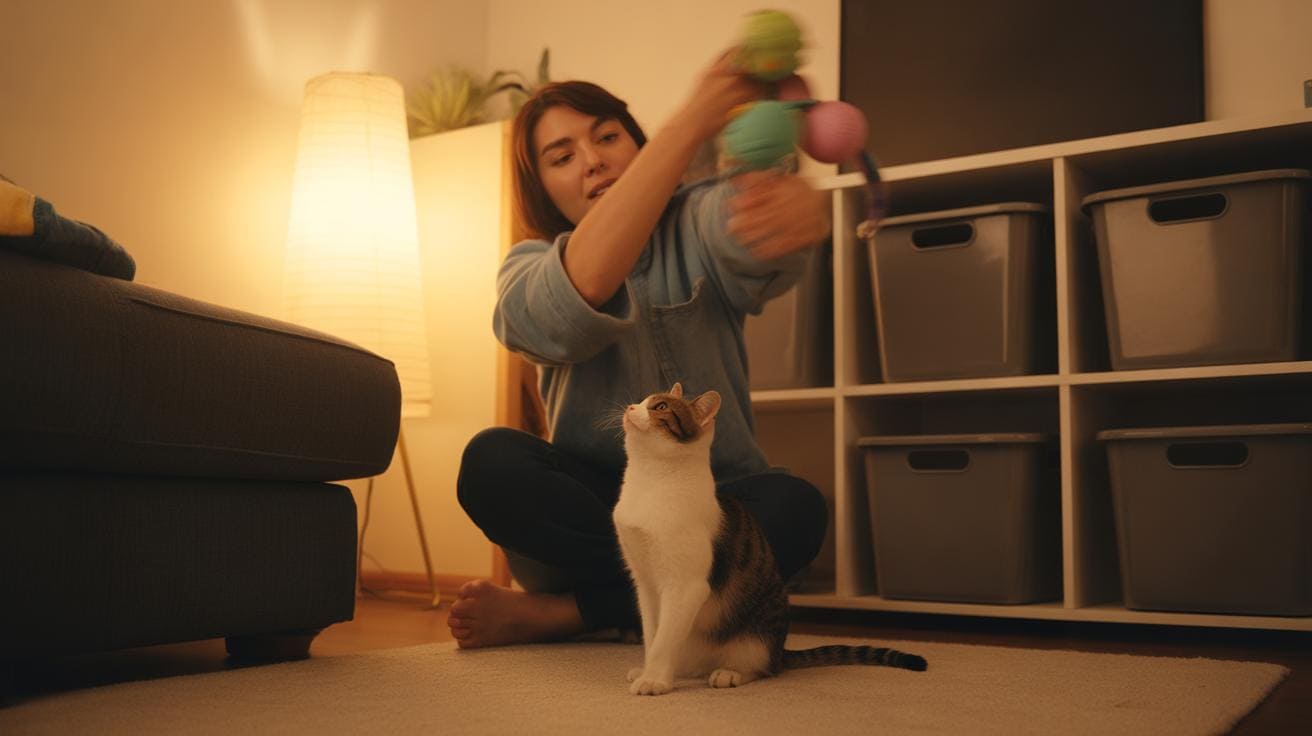
Start-today checklist:
- Put 3 to 5 toys out where your cat can see them so there’s a small, fresh set for daily play.
- Divide the rest into 3 to 4 groups and tuck those groups into closed bins out of sight to keep them novel. (Closed bins means airtight or lidded containers that block scent and sight.)
- Try a few cadences: daily quick swap; a short 3 to 7 day cycle; a weekly thematic swap; or a 30-day cycle with 5 to 7 day rest periods for each group.
- Store toys sealed, and before you bring them back either re-scent with catnip or silvervine (silvervine is a plant that drives many cats wild) or wash toys that are machine-safe.
- Supervise wand and electronic toys (battery-powered motion or motorized toys) during active sessions, and keep some interactive items just for supervised play so things stay safe and fun.
Daily quick swap , change 2 to 3 visible items every day; perfect for kittens and zoomy adults who burn energy fast.
Short cycle , swap one full group every 3 to 7 days; this works well for most adult cats who like steady novelty without overload.
Weekly thematic , focus a week on a play type, like chase week, puzzle week, or ambush week; great for mixing up how they move and think.
30-day cycle , rotate groups over 3 to 4 weeks with each group getting a 5 to 7 day rest period; ideal for keeping things fresh long-term and for multi-cat homes.
Why this works: rotation cuts down on constant wear and boredom. Your cat gets varied textures and motion, so toys feel new again when they come back. That reduces destructive chewing and shredding, and it keeps your cat mentally engaged longer. It also means fewer broken toys, which is nice for your wallet and for less clutter.
Match cadence to age and energy: go faster for kittens and high-energy adults, slower for seniors or mellow cats. Need a ready plan? Check the "Toy rotation schedule templates" section for exact templates.
Worth every paw-print. Oops, let me rephrase that, it’s worth every paw-print and a little extra attention. Ever watch your kitty go wild for a toy they haven’t seen in weeks? That’s the magic.
Organizing and grouping: labeling, storage workflow, and quick-swap mechanics
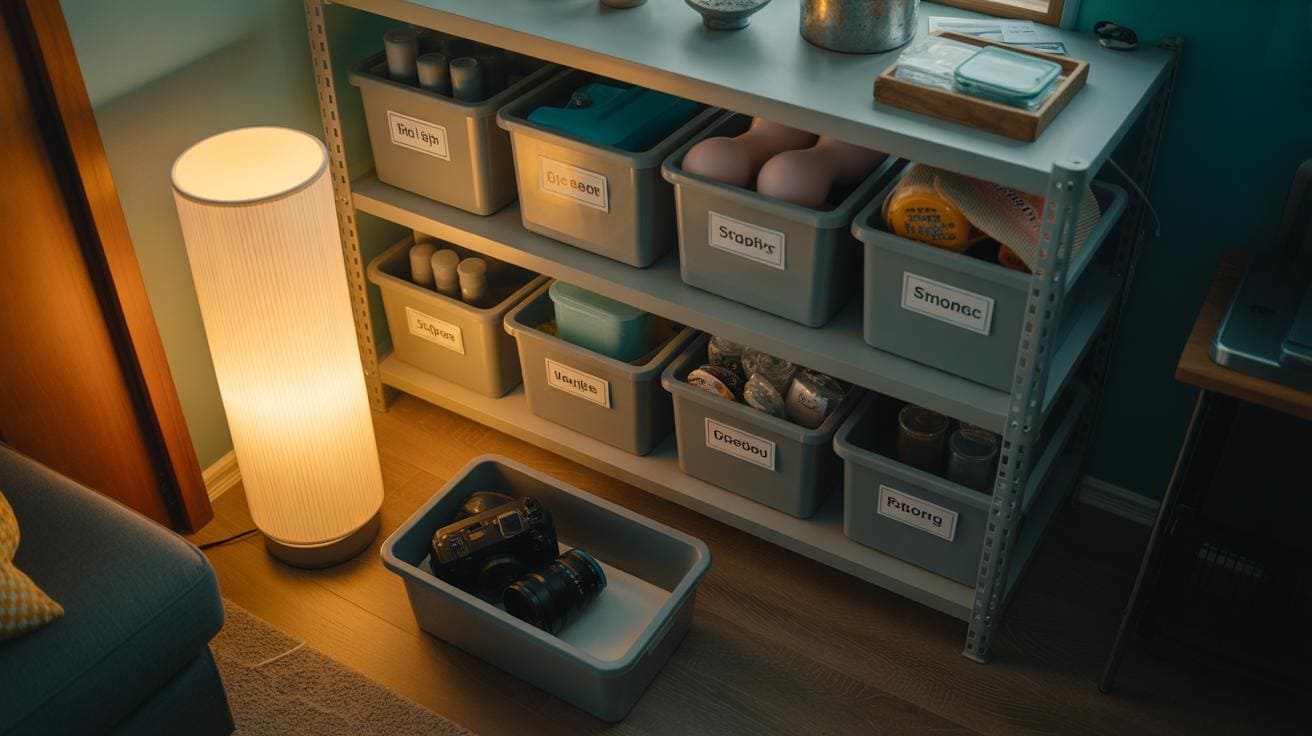
A tidy system makes toy rotation feel easy, so you actually rotate toys instead of letting them pile up. Think of your stash like a tiny library: neat shelves, clear labels, and toys you can grab fast. That little bit of order keeps novelty alive and your cat curious.
Start with simple labels. Put Toy ID (a short code you make), Type (wand, puzzle, plush), and Last‑Used Date on each bin so you know what’s inside and when it last saw daylight. Use closed bins for long-term storage , airtight or lidded containers that block smell and sight , and keep easy-access trays or open bins on a low shelf near play spots for the current rotation. A waist-height staging shelf works great: out of paw reach, but easy for you to snag a set.
Group like with like so themed swaps are one quick move. Make grab-ready trays for interactive wands, puzzle/feeders, plush toys, balls, catnip or scented items, and electronic motion toys (battery-powered moving toys). Label lids or add visible tags and grab-handles so you can pull a whole theme in seconds. Ever watched your kitty pounce when a fresh toy appears? Yep, worth it.
Build a 1-2 minute swap ritual into your day. Pull a tray, give a short supervised tease, then tuck retired toys back into sealed storage. Use clear-front bins if you like to peek without opening, or keep a small staging basket for the toys currently cycling. See the "Toy rotation schedule templates" H2 for cadence choices and the "Maintenance & Safety" H2 for cleaning and inspection routines. Worth every paw-print.
Toy rotation schedule templates to extend life of unbreakable cat toys

This is the short, easy-to-scan summary of the three main cadences (cadence means the schedule or rhythm you use). If other parts of the guide say "See the Toy rotation schedule templates," send readers here instead of copying the full templates. Nice and tidy, right?
- Daily quick swap , swap 2 to 3 visible toys each day so things feel new.
- Short-cycle rotation , rotate one full group every 3 to 7 days. Keeps interest up without too much fuss.
- Month-cycle with rest , use a 3 to 4 week rotation so each group rests about 5 to 7 days before coming back.
Try a template for 2 to 4 weeks and tweak it based on what actually happens. Quick test story: Tried the short-cycle for three weeks; Luna preferred group B, so we moved those toys to brighter spots and her playtime jumped from 5 to 12 minutes. See? Little changes matter.
Multi-cat tactics: keep duplicates of prized toys and stagger reintroductions so play doesn’t turn into a tug-of-war. For example, keep two FeatherWands; give one to Solo for five minutes, then bring out the second for the other cat. Calm, fair, and way less drama.
Keep a tiny engagement log to track what works. Simple columns: Date | Toy ID | Minutes played | Reaction (1-5). Example entry: 04/12 | FeatherRod-2 | 7 | 4 , pounced immediately.
Use those quick notes to tweak your cadence. For deeper tracking tips, head over to the "Measure & Troubleshoot" H2. Worth the five minutes to get better playtime for everyone.
Maintenance & Safety (Inspection, Cleaning, Repair, When to Retire)
A little routine care keeps toys safe and makes rotation fun instead of risky. Spend a few minutes each swap to check and freshen toys so novelty doesn’t bring hidden hazards. You’ll save money, and your cat will thank you with extra zoomies. Worth every paw-print.
Inspection
Handle each toy before you put it back out. Feel for fraying, torn seams, exposed stuffing, loose or missing bits, sharp edges, wobble or rattle in battery-powered toys (battery-powered means it runs on batteries). Sniff for odd smells, mold or burned plastic is a red flag. For electronic toys, turn them on and listen for grinding or jerky movement; if it sounds wrong, it probably is.
Use a simple pass/fail approach: tag anything that fails for repair or retirement and skip it from the rotation until it’s fixed. Ever watched your cat pounce on a broken toy? Not pretty. So don’t risk it, out it goes until you’re sure it’s safe.
Cleaning Methods
Match the cleaning to the material. Hand-wash fabric toys with mild soap and hot water. Machine-launder only if the care label says it’s safe. Sanitize silicone (flexible rubber-like plastic) or rubber items on the dishwasher top rack or wipe them with a silicone-safe cleaner if the maker allows.
Keep catnip toys sealed in bags when stored so the scent stays fresh. Avoid harsh solvents and strong chemicals; many toys should air-dry only. Quick tip: a sun-fresh smell and a dry toy make playtime way more inviting.
Repair Guidelines
Set damaged toys aside and decide if they’re fixable. Small repairs often work: restitch seams with heavy-duty thread (strong sewing thread), swap or reattach wand tips, replace buttons or bells with secure fasteners, or use pet-safe adhesive (non-toxic glue safe for pets) for non-structural joins. For wand tips, see this handy how-to: https://titanclaws.com/diy-replacement-attachments-for-teaser-wands/
Stop repairing when a hazard remains. If a repair still leaves loose bits, exposed stuffing, or weak joints, retire the toy. Uh, been there, sometimes patching is more work than it’s worth, and that’s okay.
When to Retire
Retire toys that show exposed stuffing, detached small parts, chewed-through plastic, or electronics that fail inspection. Before tossing a plush with exposed filling, cut it into pieces so no one else can reuse it. Donate only clean, fully intact toys to shelters or rescues.
Use your engagement log from the Measure & Troubleshoot section to spot toys that should retire because they’re ignored or repeatedly unsafe. If a toy never gets played with or keeps coming back broken, let it go and make room for something new and safe.